
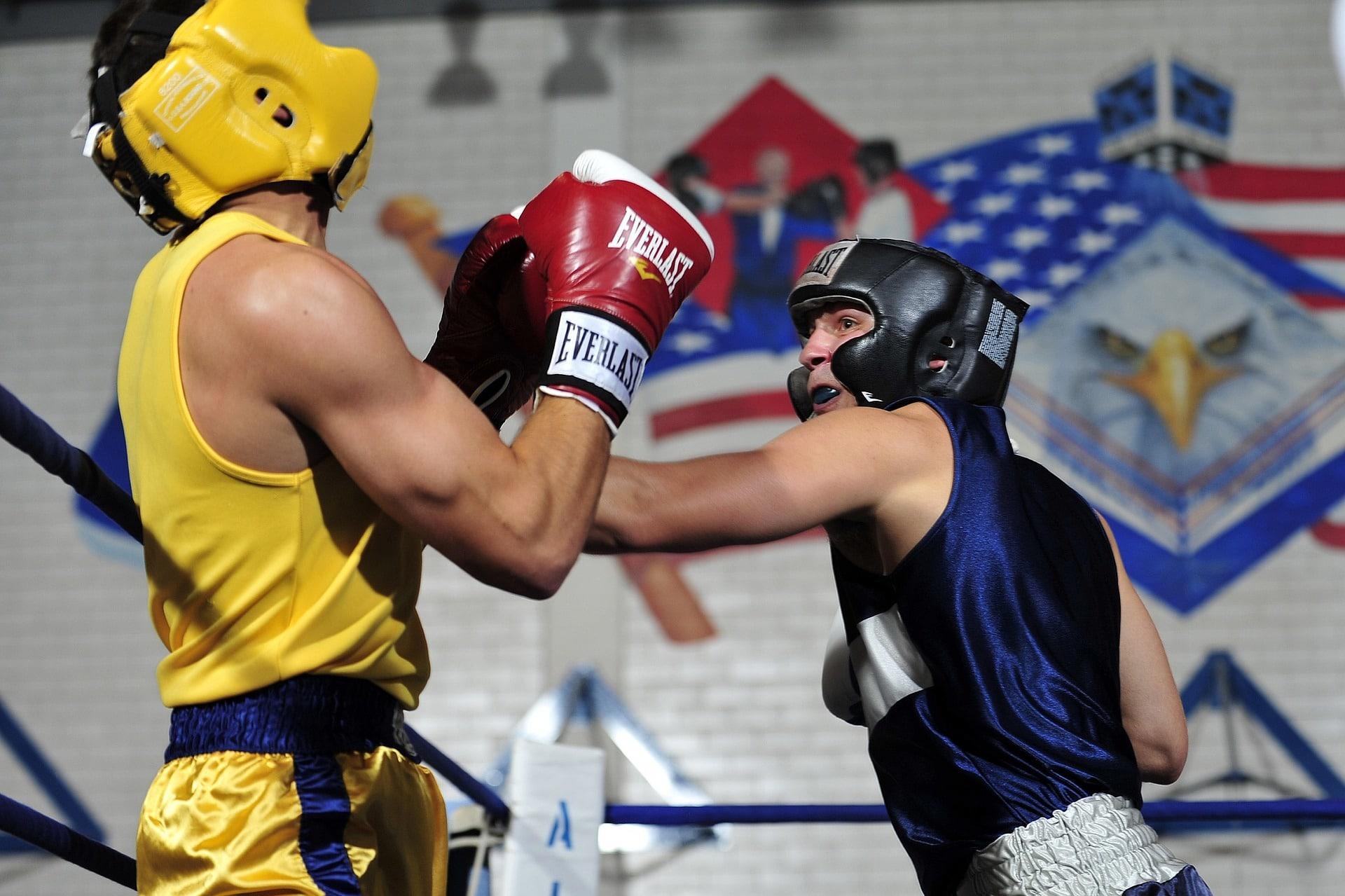

Anybody who knows me knows that I don't just love this sport, I am in love with it. I am really in love with this sport. I am obsessed with boxing. I eat, breathe and sleep it. You know, I do it all; this is my life. This is not a hobby for me. This is a lifestyle for me, and I address it accordingly. I take it very, very seriously.
Deontay Wilder
Boxing is one of the most demanding and rewarding combat sports in the world, attracting people of all ages and fitness levels. Whether you're training for fitness, competition, or self-defense, this high-intensity discipline offers serious physical and mental benefits... but it also comes with risks.
Before committing to training, it’s important to understand both the boxing advantages and disadvantages so you can make an informed decision.
| Pros of boxing | Cons of boxing |
|---|---|
| Improves cardiovascular health | Risk of injury |
| Builds strength and endurance | Time commitment |
| Boosts mental resilience | Cost of equipment/training |
| Enhances coordination | Competitive pressure |
| Strong community atmosphere | Potential long-term health risks |


The Advantages of Boxing
There are many benefits to boxing both in terms of your physical and mental health. From improved cardiovascular health to increased mental resilience, this sport challenges both the body and mind. Many people choose boxing not only for fitness, but for structure, discipline, and confidence-building.
The Physical Benefits of Boxing
Boxing is a full-body workout. It strengthens the upper body, core, and legs while dramatically improving cardiovascular endurance; and is also great for your self-confidence.
Boxing workouts improve agility, coordination, reflexes, and speed. Fighters constantly practice counter techniques against an opponent, learning how to anticipate strikes and respond with precise counter movement. Over time, this high-intensity sport builds serious cardiovascular endurance, muscular conditioning, and total-body strength.
Boxing regularly enhances:
- Lung capacity
- Agility and coordination
- Reflexes
- Muscular endurance
Americans practice boxing as part of their fitness routine

Boxing as a Full Body Workout
Boxing is more than just throwing punches. It’s a high intensity workout that engages the full body (legs, core, shoulders, and back) while improving cardiovascular health. Many fitness professionals describe boxing workouts and conditioning workouts as some of the most effective ways to build endurance, agility, and coordination at the same time.
Unlike some martial arts such as Muay Thai, boxing focuses heavily on upper-body striking and defensive counter movement. These repeated drills strengthen both physical and mental resilience. Defensive counter drills are especially effective for improving timing and reaction speed.
Boxing Workouts, Drills, and Conditioning
Most people start boxing through structured workouts that combine bag work, pad drills, shadow boxing, and footwork practice. These sessions build strength, improve cardiovascular conditioning, and develop coordination through repetition.
At beginner and intermediate levels, training focuses on mastering fundamentals such as defensive counter movements, controlled striking, and balance. As fighters progress, conditioning becomes more intense and may incorporate kick-based cross-training drills from other combat disciplines to improve agility and power.
This structured approach helps improve overall wellness while strengthening both physical and mental resilience.
Emotional and Mental Benefits
Boxing builds resilience. Training requires discipline, focus, and emotional control. Many athletes report reduced stress, improved confidence, and greater self-discipline. Professional boxers can also use boxing as a way to alleviate stress and improve their self-confidence. Boxing is a complete sport and a lifestyle that can help you both physically and mentally. Many people also notice improvements in focus, stress relief, and overall mental wellness.
Social and Community Aspects
Boxing gyms often create tight-knit communities where people support each other’s progress. Coaches, sparring partners, and teams provide accountability and motivation.
Skill Development and Discipline
Beyond fitness, boxing develops technical and strategic skills. Athletes learn timing, distance control, defensive counter movement, and how to read an opponent’s body language during sparring. These skills are developed through repeated drills, pad work, and structured workouts that reinforce muscle memory.
Discipline in boxing comes from consistency. Fighters must follow training schedules, maintain conditioning routines, and refine technique over time. This structured approach builds mental toughness and accountability; qualities that often extend beyond the sport itself.
The Disadvantages of Boxing
Despite its many benefits, boxing also comes with clear drawbacks. The physical intensity and contact element mean injuries are possible, especially at competitive levels. Understanding the boxing disadvantages allows athletes to train smarter and reduce unnecessary risks.

Potential Risks and Injuries
One of the biggest disadvantages of boxing is the risk of injury either during practice or during a fight. Repeated blows from an opponent during sparring or competition can increase long-term risks, especially in high-level professional boxing.
Whether you do traditional boxing, kick-boxing, savate, or Muay Thai, you need to be aware that you run the risk of:
- Cut and bruises
- Fractures
- Concussions
- Long-term neurological concerns
Always train under supervision and use proper protective equipment to reduce injury risk.
Normally, a professional boxer will regularly practice defending. They’ll learn how to keep their guard up, move around, and dodge their opponent’s attacks. However, everyone makes mistakes.
Even with all the protective equipment such as mouth guards, cups, boxing gloves, and hand wraps, injuries aren’t uncommon among boxers. A blow to the head can knock out any boxer and injuries often occur when a boxer makes a mistake. That said, certain weight categories wear helmets during fights.
Find out more about becoming a professional boxer.
Time Dedicated to the Sport
Boxing requires consistent trainings. Developing technique and endurance takes time and repetition. There are many things that each fighter needs to work on:
- Cardiovascular system and cardio performance
- The precision and power of your attacks
- Movement
- Dodging
- Guarding
- Footwork
- Speed
- Breathing
- Knowing your limits
Conditioning workouts often include strength circuits, counter drills, and footwork repetition. High-level fighters often complete multiple workouts per day during camp. Mastering defensive counter strategy takes consistent repetition and technical focus.
Through training and experience, you’ll form useful habits that you can use during a boxing match. To form a habit, though, you’ll need to regularly practice for a long time. The sacrifices boxers have to make is enough to put even some of the most determined competitors off.
Financial Investment
Boxing is known for potentially being expensive. Costs may include:
- Gym membership
- Gloves and wraps
- Mouth guards
- Personal coaching
- Competition fees
Structured boxing workouts may also require personal coaching sessions for advanced technique.

Take boxing classes on Superprof.
Career Uncertainty
If pursuing boxing professionally, financial stability is not guaranteed. Only a small percentage of fighters earn substantial income. Reading professional reviews of fighters’ careers shows how unpredictable the sport can be at every level.
Moreover, they need to run their career like a business and employ a team that will prepare them for fights and manage their training. They’ll earn their money from fights, sponsorships, pay per view money, etc., but they’ll need to constantly be at the top of their game. Losing a fight can lose money and potential earnings.
You’ll need to defeat increasingly difficult opponents to maximize your earnings. Unfortunately, boxing follows the rule of supply and demand, which means most boxers don’t become millionaires from fighting.
Another thing that could be considered a disadvantage is that only the most famous boxers get any media attention. This attention is what gets them sponsorship deals, increasing their earnings. High-level athletes can earn a lot of money as ambassadors for brands
Additionally, there’s a big gap between practicing in a boxing club and becoming a world titleholder! Very few professional boxers live off their earning. While there are many physical and mental benefits to boxing, it’s a small minority of professional boxers who earn the big bucks.
Like with top-level athletes across all sports, there are very few who earn their living professionally. If you want to earn thousands from fighting, you need to be gifted right from your first fight. You also need to be patient and put the effort in. Additionally, you need a license to practice boxing professionally.
You can get this from an international federation such as the WBA, WBC, WBO, IBF, or APB. These licences require you to never use boxing techniques outside of a boxing club.
While the sport offers many benefits, boxing disadvantages should not be ignored.
Want to Become a Professional Boxer?
The first thing you should do is look for your nearest boxing club and join it. If you dream of becoming a world champion in boxing, kickboxing, Thai boxing, mixed martial arts, or any other combat sport, find the best tutors pound for pound on Superprof to help you with throwing punches, preparing for bouts, sparring, etc.
Before you pick your private tutor, there are several things that you'll need to carefully think about. Firstly, no two tutors are alike and you need to pick the one that'll help you to get the most out of your training and set on you on the path to glory. Secondly, there are three main types of tutorial available from the tutors on Superprof, face-to-face tutorials, online tutorials, and group tutorials, and you need to pick the one that's right for you.
Whether you prefer the personalized experience of one-on-one coaching or the collaboration of group tutoring, Superprof will provide you an expert tutor that will get you into boxing shape in no time!
Find out more about starting a professional boxing career.
Would you consider boxing as a professional career? 🥊
Is Boxing Worth It?
Whether boxing is right for you depends on your goals. For many people, the structure and discipline of practicing the sport is what makes boxing so rewarding.
If you're looking for a high-intensity workout that builds confidence and strength, boxing can be incredibly rewarding.
However, if you're concerned about injury risk or time commitment, you may prefer non-contact alternatives like boxing fitness classes.
Summarize with AI:
Did you like this article? Leave a rating!


 Loading...
