
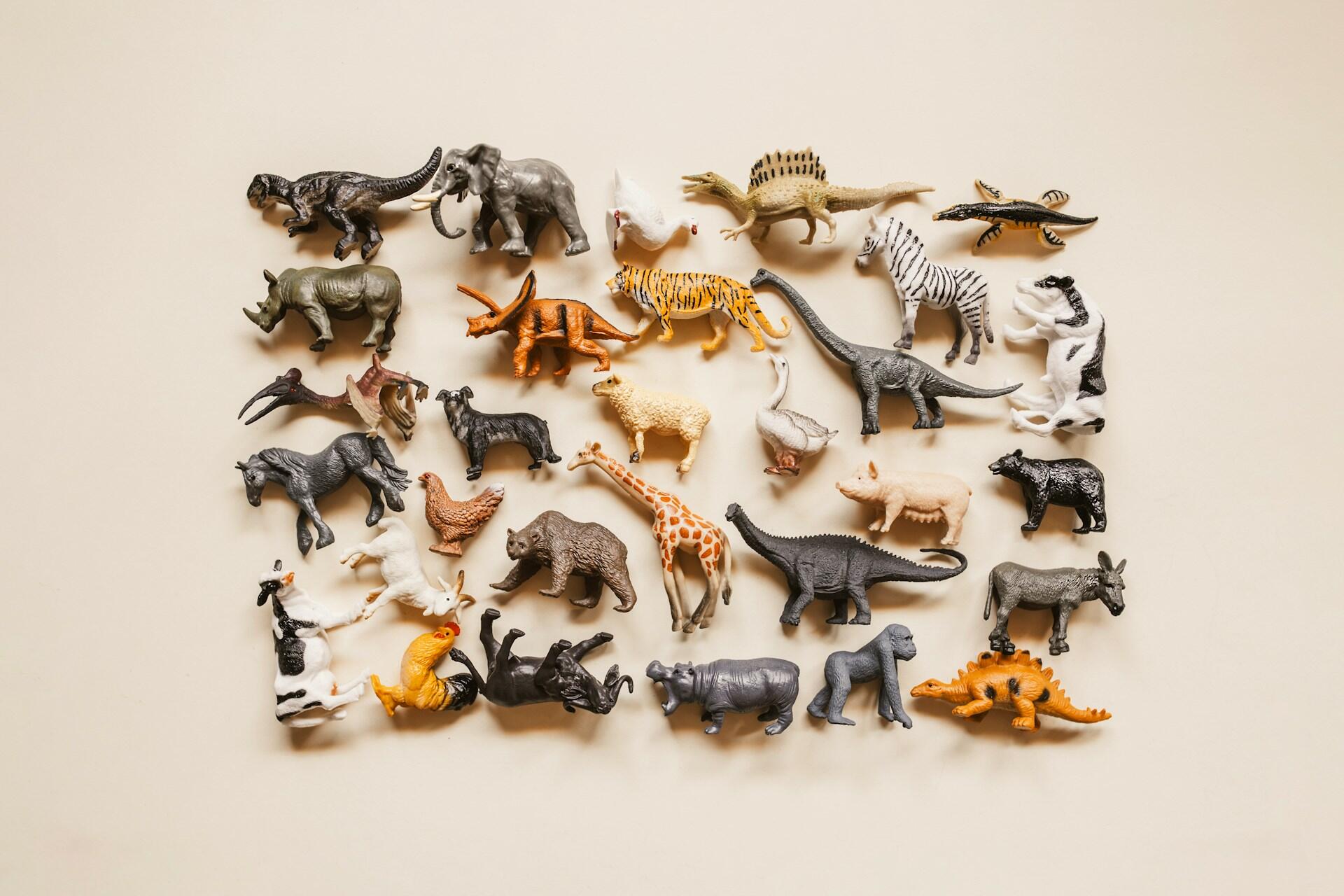

Have you ever wondered if you are more like a dolphin or a wildcat? This test will not only reveal the answer, but also teach you interesting and scientific facts about each of these incredible animals.
Unlike typical personality tests, this one is inspired by principles of behavioral biology, ethology, and natural adaptations.
Get ready to learn more about yourself and, at the same time, discover how life strategies in the animal kingdom are surprisingly similar to our own. 🧠🦉🐾
Click on start and find out what animal you really are!
Quiz
Quiz :


What Does Science Teach Us About These Animals?
Now that you know which animal reflects your personality, it's worth taking a moment to explore the scientific basis behind these comparisons. 🧬 The behaviors we observe in animals are not random: they respond to complex systems that include evolution, neurology, ecology, and even social structures.
🧠 Animal Personality and Ethology
Ethology, the science that studies animal behavior, has shown that many species have consistent traits over time and in different contexts. This resembles the concept of personality in humans. Dolphins, elephants, dogs, and even octopuses show individual patterns of action, decision-making, and emotion.
For example, dolphins have large brains and sophisticated communication skills. They use echolocation to navigate and hunt, but they also form lasting social bonds, teach their young, and show signs of play and empathy. In humans, these traits are associated with emotional intelligence and sociability.
🧭 Adaptations: Survival and Strategy
Each animal included in the test has a key evolutionary adaptation that can be linked to human personality types:
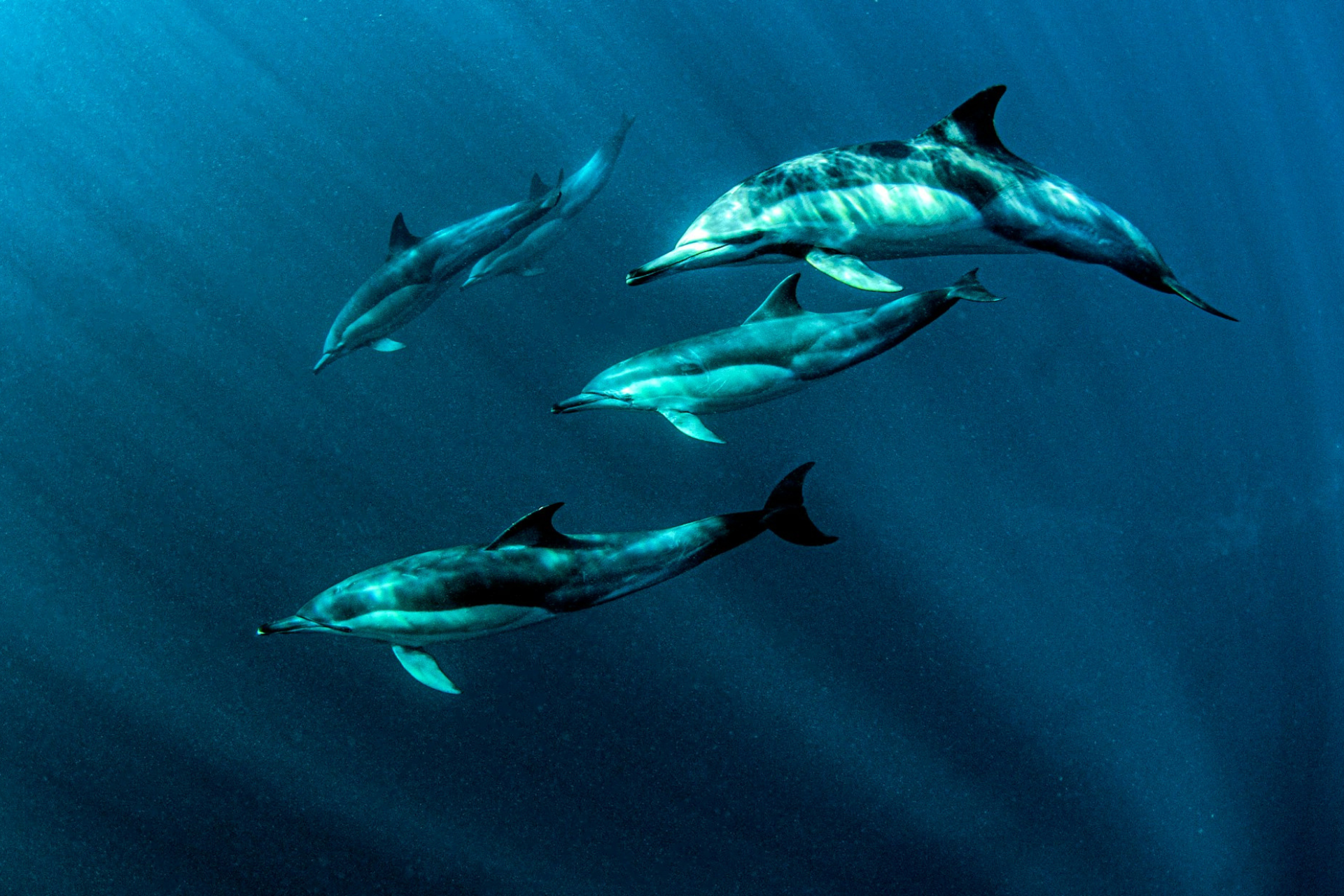
Their brains are among the largest in proportion to their bodies in the animal kingdom, and they exhibit behaviors such as play, cooperation, and signs of self-awareness. They represent sociable, mentally agile, and empathetic people.
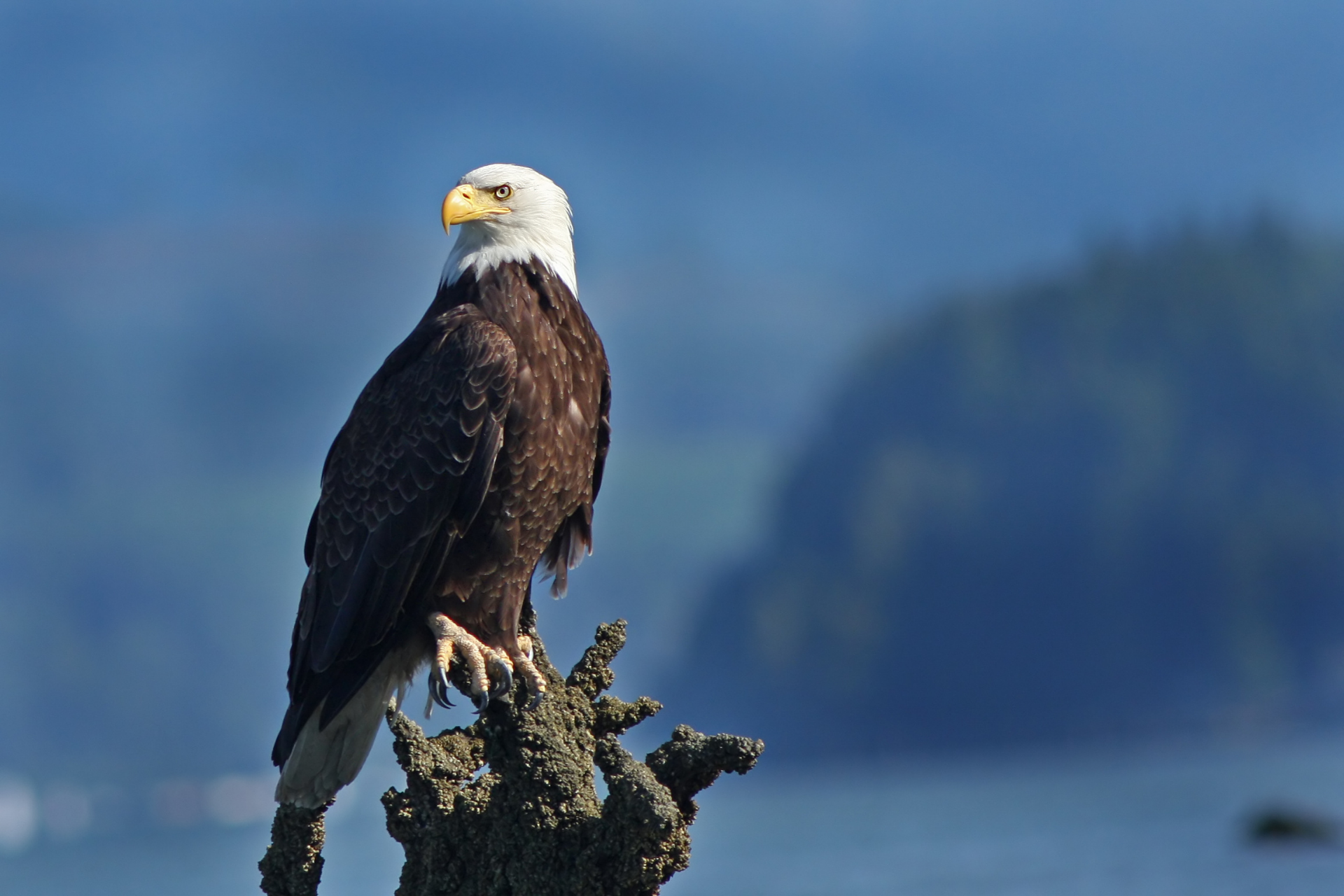
Their keen eyesight allows them to spot prey from great distances. This trait represents observant, focused, and strategic people.
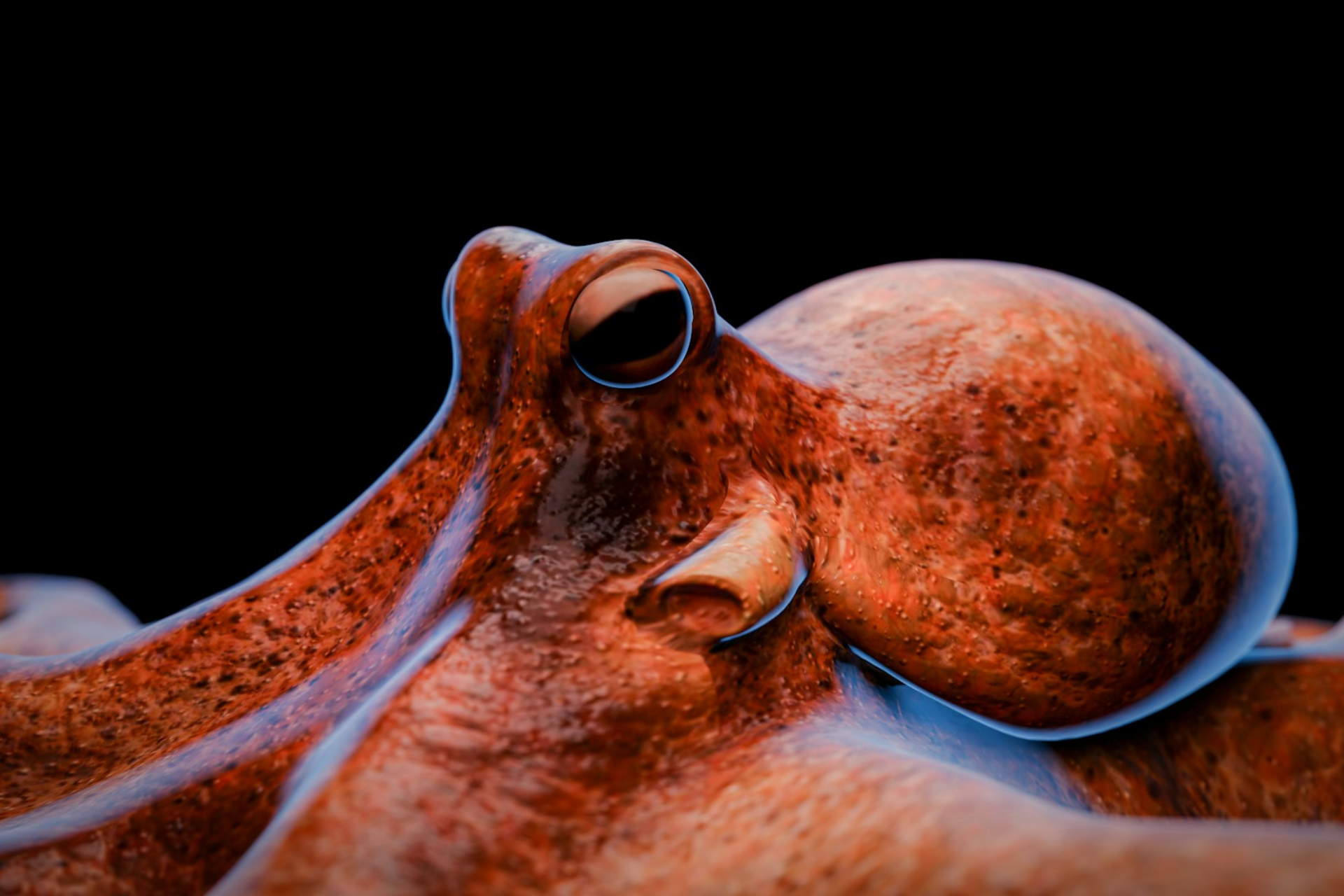
Its decentralized nervous system allows it to make quick and adaptive decisions with each of its tentacles6. It also changes color to camouflage itself, a symbol of creativity and flexibility.
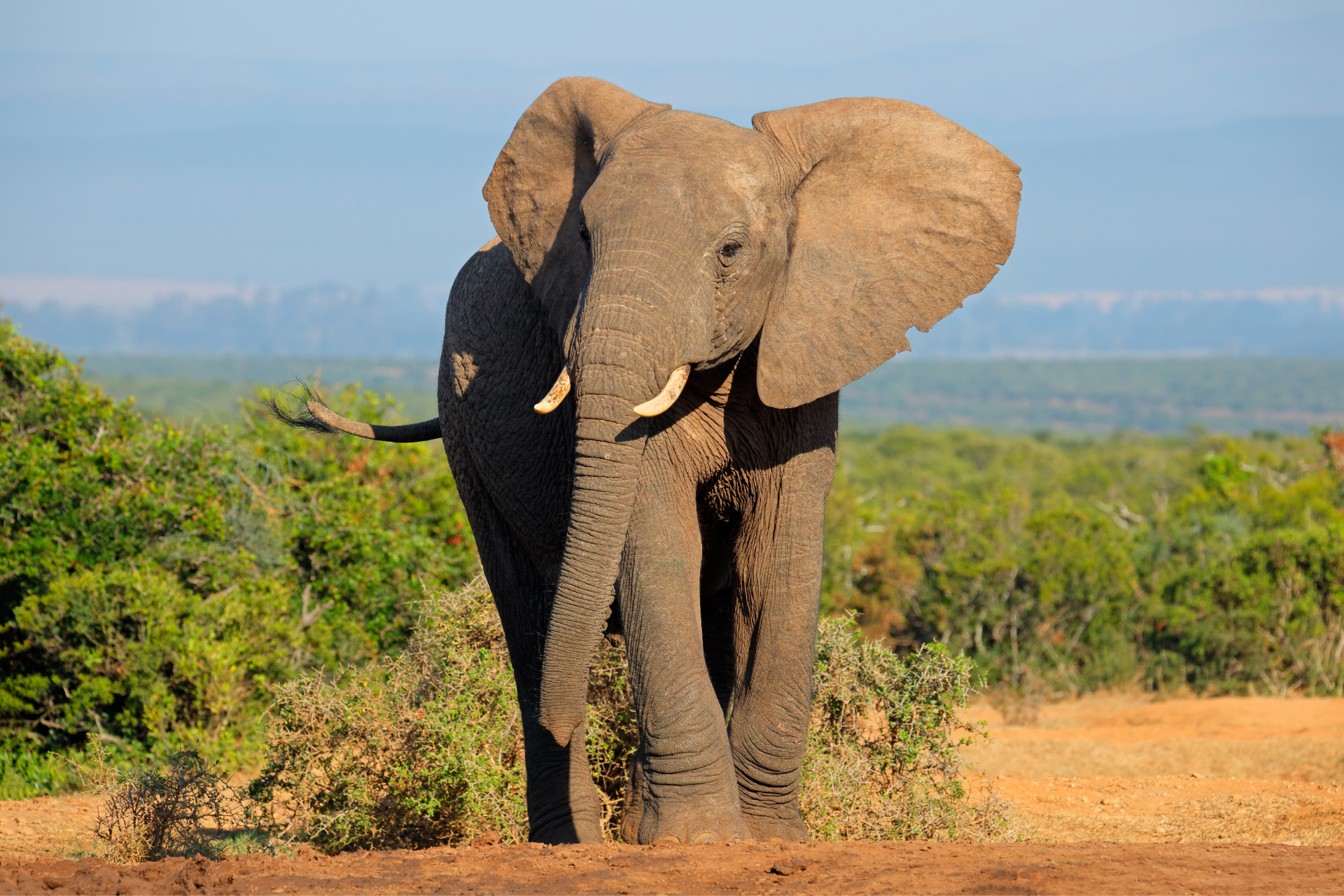
It is one of the animals with the best memory and social structure. It has been documented that they remember migratory routes and recognize members of the group after years of separation5. Their empathy and cooperation are comparable to human dynamics of emotional support.
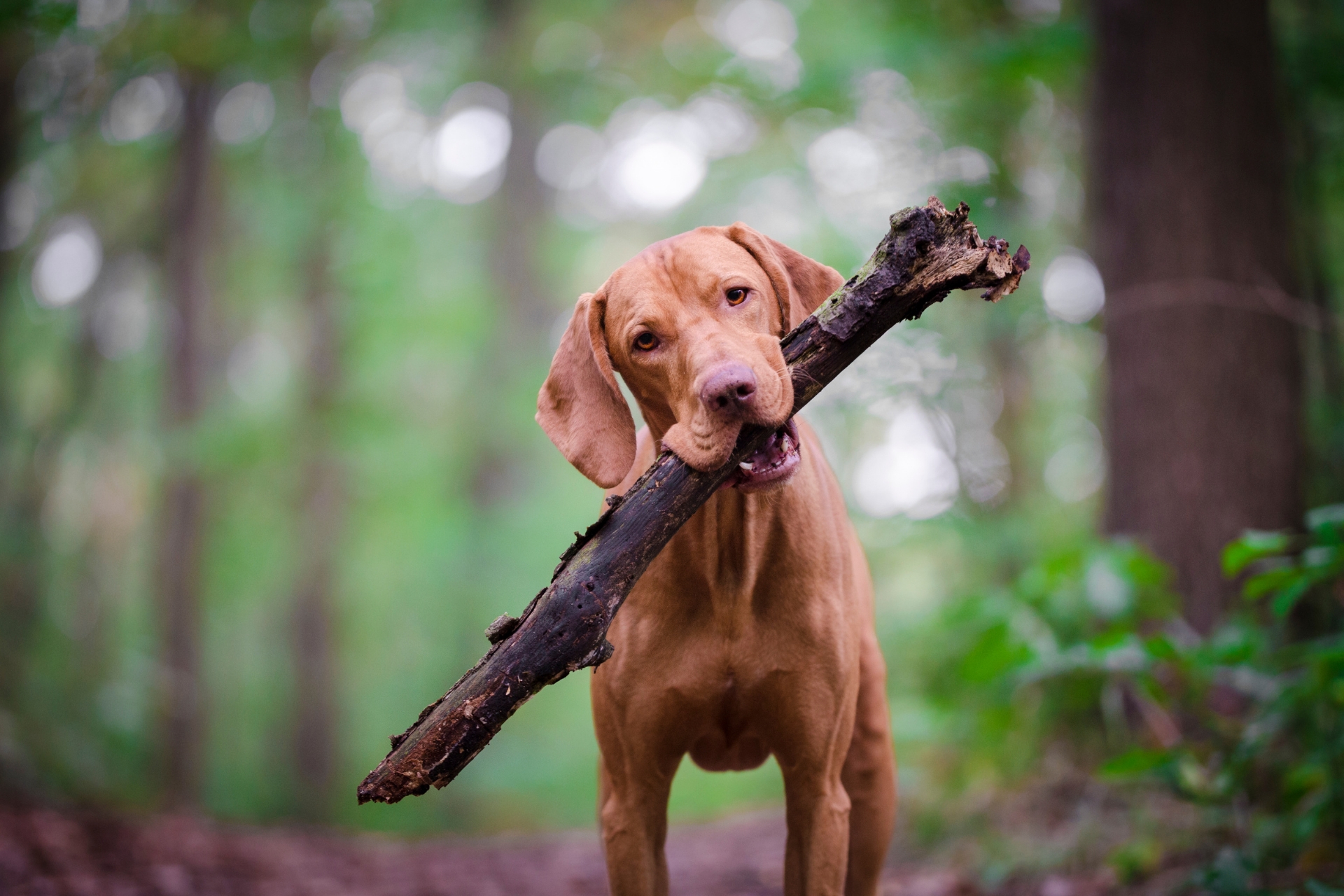
Domestication has made dogs expert readers of human emotions. They understand gestures, tones, and behavior patterns, reinforcing their image as loyal and protective companions.
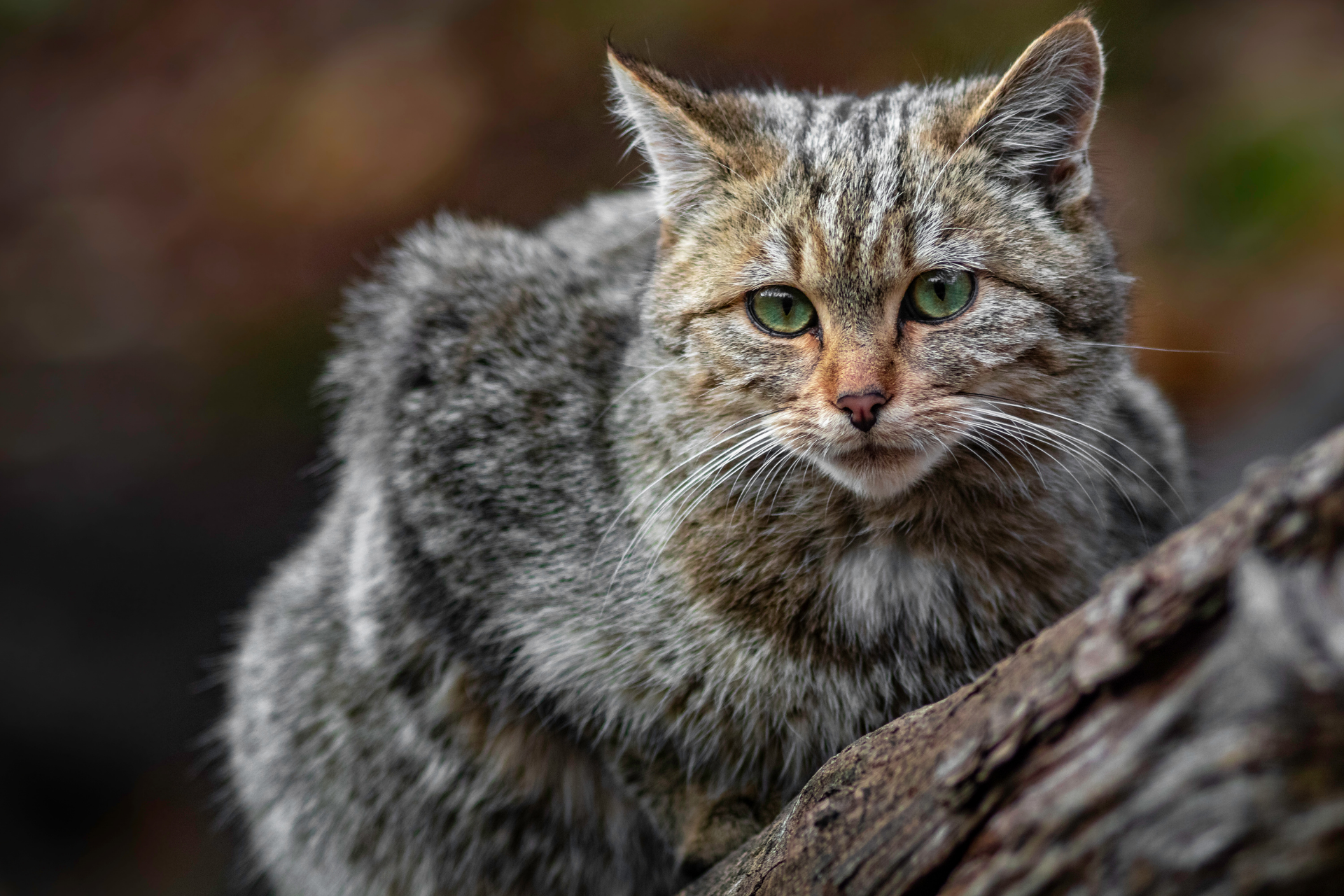
Although more elusive, this feline is a master of self-sufficiency. Its success as a nocturnal predator is based on stealth, observation, and adaptability. It represents those who value their space and move with subtlety.
Is It Possible to Talk About “Personality” in Animals?
Although for decades it was thought that animals acted solely on instinct, modern science has shown that many species possess distinct and consistent personality traits1, similar in structure to those found in humans.
Since the 1990s, researchers in biology and comparative psychology have applied personality measurement models to animals. They use repeated observations, controlled tests, and statistical analysis to classify behaviors according to dimensions such as extroversion, aggressiveness, sociability, curiosity, and even neuroticism.
📊 How Is This Measured?
For example, to study personality in octopuses, they are exposed to different stimuli: a new object, a threat, or an enclosed space2. Depending on how each individual reacts (do they approach? hide? explore?), scientists can classify their temperament. Surprisingly, these reactions are consistently repeated over time, which meets the basic criteria for a “personality.”
In dolphins and elephants, scales similar to those used in the Big Five model of human personality3 5 have been used. Caretakers or researchers rate each individual according to their behavior in different situations, which has revealed unique profiles even within the same social group.
🧠 Humans and Animals: A Continuum, Not a Barrier
This type of research helps to blur the rigid boundary between “rational” and “instinctive.” Today, it is accepted that cognition, emotion, and personality exist on an evolutionary continuum. In other words, humans did not invent personality, but rather share it (at different levels) with other mammals and even some invertebrates.
Furthermore, this research has practical applications: it allows for the improvement of animal welfare in zoos, reserves, and conservation centers by adapting environments and stimuli to individual traits. It is also used in animal training programs for assistance or therapy.
🧭 Getting to Know Ourselves Through Nature
These parallels do not mean that animals “are like us,” but they do mean that we share evolutionary roots, similar needs (safety, exploration, bonding), and that studying the animal world can be a gateway to better understanding ourselves.
Understanding that animals have personalities is not only fascinating, but deeply human. It reminds us that diversity of temperament is not unique to us, and that many life strategies—from the cooperation of dogs to the autonomy of wildcats—have emerged as evolutionary responses to different environmental challenges.
So, if your result was the elephant, the octopus, or the eagle, don't just take it as a fun coincidence: it's an invitation to take a closer look at how behavioral sciences connect us to the rest of the living world.
So the next time you see a dolphin jumping or an eagle soaring, think that maybe you're seeing a part of yourself reflected in them! 😊
Bibliography
- Gosling, S. D. (2001). From mice to men: What can we learn about personality from animal research?
- Mather, J. A., & Anderson, R. C. (1998). Exploration, play, and habituation in octopuses (Octopus dofleini).
- Highfill, L., & Kuczaj, S. (2007). Do bottlenose dolphins have distinct personalities?
- Bradshaw, G. A., & Schore, A. N. (2007). How elephants are opening doors: Developmental neuroethology, attachment and social context.
- McCrae, R. R., & Costa, P. T. Jr. (1999). A Five-Factor Theory of personality.
- Sinn, D. L., Gosling, S. D., & Moltschaniwskyj, N. A. (2008). Development of shy/bold behavior in squid: context-specific phenotypes associated with developmental plasticity.
Summarize with AI:
Did you like this article? Leave a rating!

 Loading...



I’m really glad to know my spirit animal thankyou for helping however I was a little confused about if I’m a wild cat is it possible I’m a fox aswell??