

Learning to drive a car is one of the major milestones in life, especially in the United States. For most people, driving is a necessity. Being able to drive gives you independence, flexibility, and more control over how you move through your daily life. For most drivers, especially new drivers, an automatic car is the typical choice since it’s easier to learn and operate than a manual vehicle. Discover the basics of operating an automatic vehicle and find out how to gain more practical experience.


Understanding the Basics of an Automatic Car
Before you get behind the wheel, it’s important to understand the basics of how a car works. You may have only seen others drive, so you might not be familiar with all the tiny details a driver has to monitor at all times.
Thankfully, automatic cars are typically the easier option to learn. Unlike manual vehicles, cars with an automatic transmission change gears on their own. The driver doesn’t use a clutch pedal or manual gear shift.
Automatic cars respond quickly to how you use your foot on the accelerator (gas pedal) and brake pedal. You can easily speed up and slow down without having to worry about the transmission or shifting gears.
Key Components and Controls
Every automatic transmission car has a similar layout, even if the make (manufacturer) and model are different. This is to help make driving safer, since it cuts down on the learning curve and errors people can make when they drive different vehicles.
You probably know these basics, but sometimes it’s good to have them explained anyway!
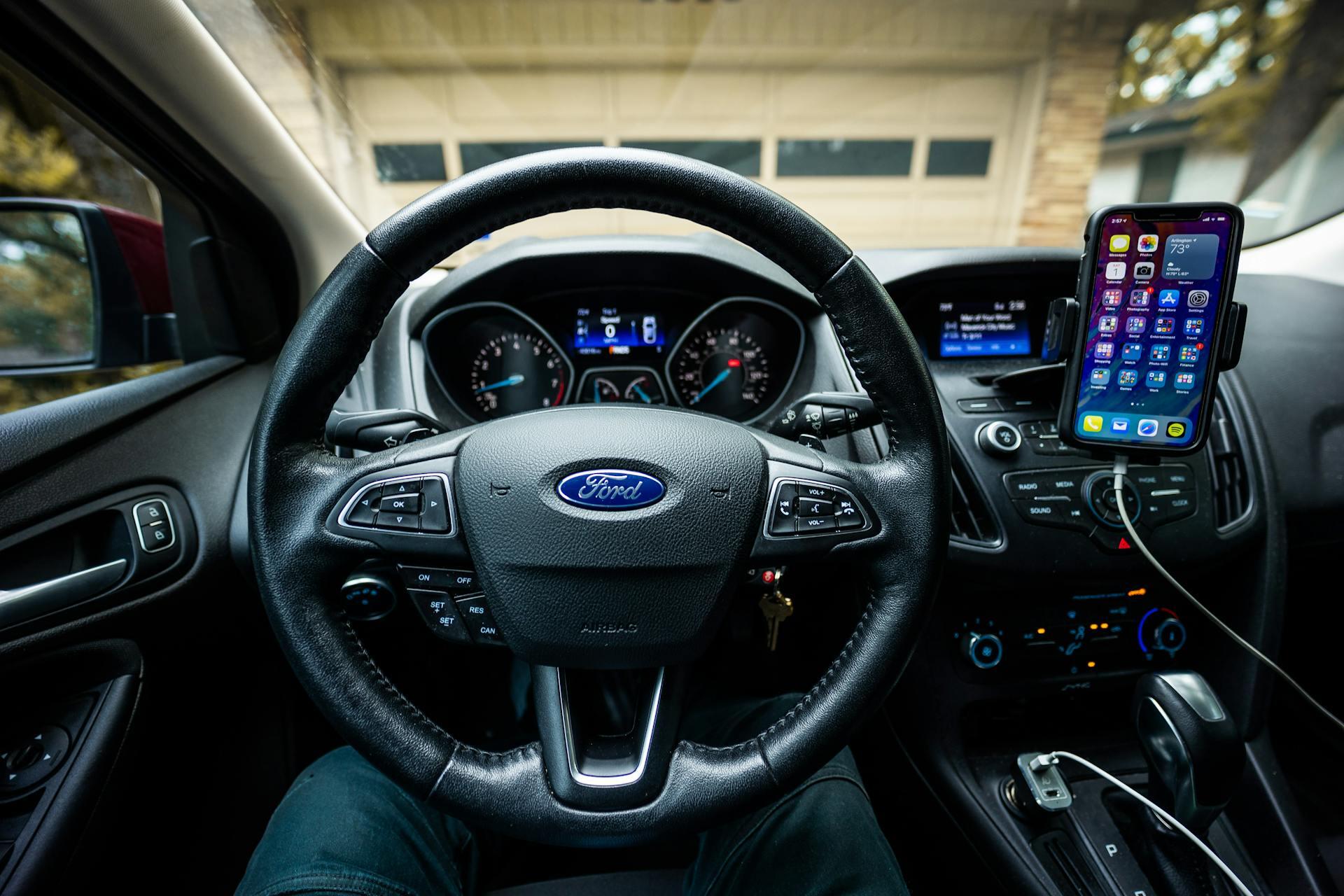
The steering wheel obviously controls steering. You should grip the wheel firmly, but without strain, with your hands at the 9-and-3 o’clock positions (10-and-2 is outdated advice).
Behind the steering wheel is the steering column, which houses a few important switches, typically in the shape of a stick that juts out to the left and right. These are the windshield wiper controls, headlight controls, and directional (blinker, turn indicator) controls. It also typically holds the ignition keyhole or start button.
There are many different types of dashboard layouts, especially between older and newer vehicles. All dashboards typically display vital information like speed, how much fuel is in the tank, what gear you’re in (even in automatic cars), and the status of your headlights. It will also alert you to any problems in the car, like when the “check engine” light comes on.
In older vehicles, the gear selector typically looks a lot like a manual gear shift. This was another way to make driving easier across different vehicles using familiar elements. There are 5 major types of gear selectors prevalent in automatic cars today: a zig-zag pattern shifter, a forward-backward shifter (both of these resemble a manual shifter located in the center console), a stalk drive selector (located on the steering column like the turn indicator controller), a rotary selector (looks like a turn dial), and a toggle type (usually for electric vehicles).
Located in the driver’s footwell under the steering wheel, they are the master controller for the car. You should use only your right foot to operate these pedals, since pressing both at the same time can be detrimental to the car’s engine, brakes, and tires. The left pedal is the brake, the right pedal is the accelerator.
Each vehicle may have a different way of controlling things like the mirrors, seat height, steering wheel height, and radio, as well as the locks and windows. Be sure to find out how the vehicle you’re driving works so you can be prepared!
Driving a pickup truck or a U-Haul is much different from driving a compact car, and vice versa. Different size/length vehicles may require adjusted driving styles.
Pre-Driving Preparations
Good driving habits begin before you even open the driver’s side door. Safe driving is for the benefit of all; unsafe driving habits endanger you and anyone else in your vehicle, as well as anyone else on the road, including pedestrians, animals, and even buildings.
Use this mental checklist (or write it down and bring it with you!) when you get into the driver’s seat:
✅ Seat
Adjust your seat to the correct height and distance from the steering wheel. You should easily be able to reach the pedals with your right foot, with your heel resting on the floor. You should be able to see out the front windshield, but you may have to adjust the steering wheel. You should be sitting mostly straight up.
✅ Steering Wheel
Adjust the wheel’s height and tilt so it’s about level with your chest. Make sure you can easily see over it. If the airbag erupts, you want the center to hit you in the chest, not the face.
✅ Mirrors
Adjust the rearview and side mirrors for your height. You should be able to see the road behind you and the areas to the sides of the car with minimal head movement. Some mirrors have controls, but others need manual adjustment.
✅ Seatbelt
If possible, adjust the upper portion of the belt to go across your shoulder, not your neck. The belt should go over your hips, not your belly. The cross belt should always go under your right arm and over your left arm.
✅ Ignition
Make sure the car is in park and the handbrake is engaged. Turn the car on and listen to make sure the engine sounds normal. If it makes an unknown squeaking, clunking, or roaring sound, turn the car off and consult someone who can help.
✅ Headlights, Radio, Phone, etc
Turn the headlights on if needed (though it’s recommended to use them at all times), especially in the morning, evening, and in cloudy/rainy weather. Adjust the radio to a reasonable volume and connect your phone to use for music, navigation, etc. You should only do this while parked in a safe place; many vehicles don’t even allow phone pairing while the car is in drive for safety. Put the phone somewhere secure so it doesn’t fall, and do not use it while driving. Get comfortable: put on or take off your glasses, sunglasses, jacket, etc; put your drink in the cup holder; make sure passengers are buckled, etc.
✅ Focus
Take a deep breath and calm yourself. Mistakes happen when we are in a frantic mental state. Driving requires focus. If you feel rushed or distracted, pause until you’re ready.
✅ Surroundings
Put your foot on the brake, undo the handbrake, and do one final check to make sure it’s safe to start moving. There shouldn’t be anything nearby that you can hit. Then carefully shift to the correct gear (Drive or Reverse).
Always familiarize yourself with a vehicle. The first time you get in, read the owner’s manual to find out if there are any unusual or unique features to know about the car, like if it has an ABS braking system, headlights that automatically turn on and off, eco-mode, etc.
Physically locate the wiper controls, headlight controls, indicator controls, shifting mechanism, radio controls, and handbrake or emergency brake.
Step-by-Step Guide to Driving an Automatic Car
Understanding the theory of driving a car is only half the journey to really being able to do it, but you must know it before you can get behind the wheel.
The worst time to learn how to drive a car for the first time is when you’re already driving! Before putting the vehicle in drive, you need to know the game plan.
Most of these basics translate directly to driving a manual car as well.
Starting the Engine
After you’ve gotten familiar with the vehicle you’re about to drive and gone through the checklist of adjustments to make, you’ll need to turn it on.
First, press with your right foot on the brake pedal (the left pedal).
Most vehicles with an automatic transmission will not start if the brake pedal is not pressed.
Keep your foot on the brake until you’re ready to start moving.
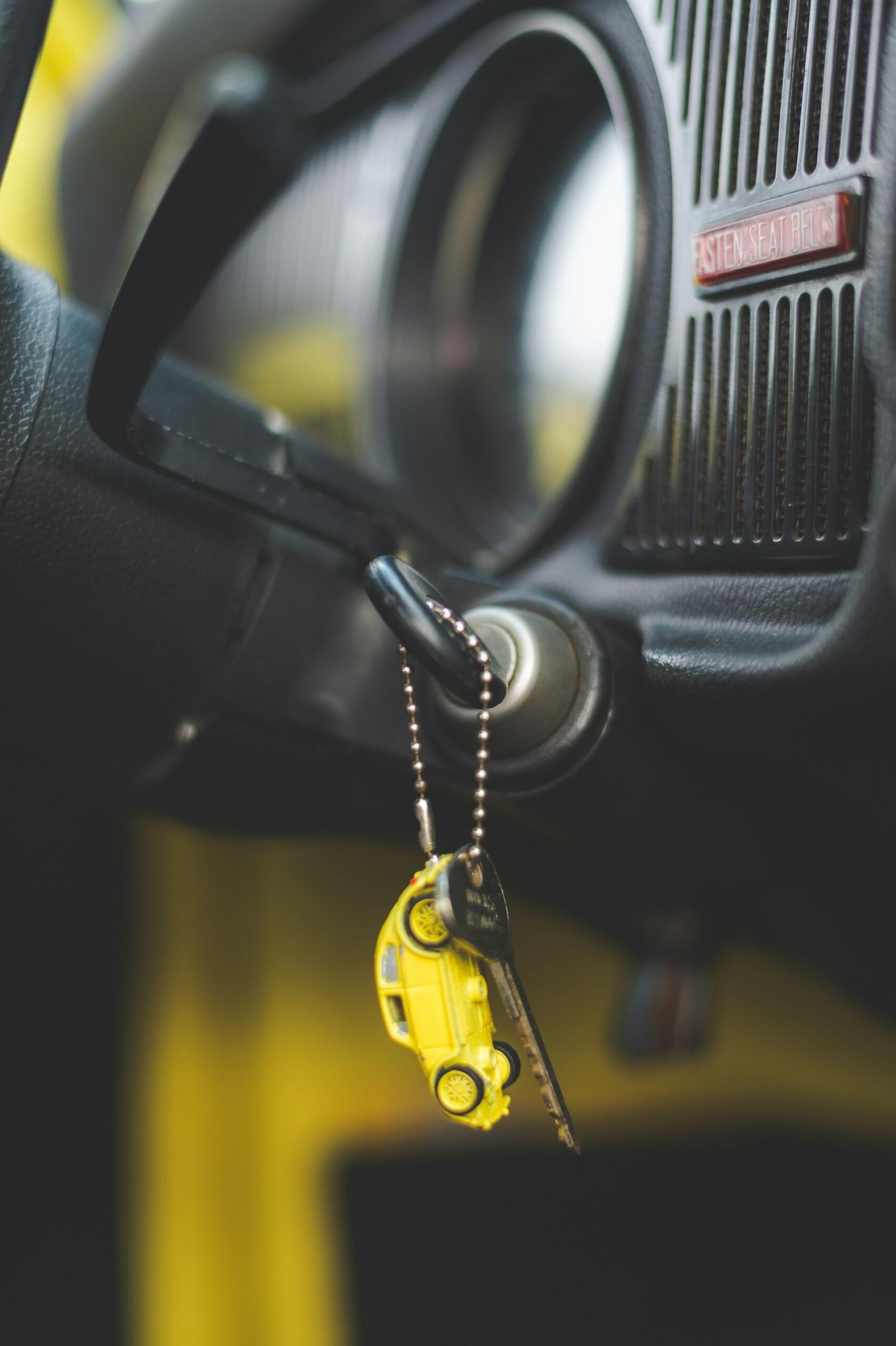
Second, insert the key (unless you have a remote key – in that case, put the key somewhere safe so you don’t lose it in the car).
Slightly press the key into the ignition and turn it forward (or press the on/start button).
Third, check the dashboard for warning lights, which turn on once the car has started. Typically, many lights appear at first and then turn off after about 1 second. This is normal. If any of them stay on and/or are blinking, that’s when you need to investigate. Do not begin driving with a warning light on until you know what it means.
Moving the Car Forward and Backward
With your foot on the brake, release the parking brake and shift from Park to Drive or Reverse, depending on where you need to go. Look in the direction of travel. If you are backing up, check behind you first to check for obstacles, then use the backup camera if available.
Slowly lift your foot off the brake. Automatic cars often creep forward or backward on their own. This is normal, so stay aware of your surroundings.
Gently press the accelerator with your right foot. Avoid sudden acceleration, which can cause you to lose control or get scared. If reversing, ease off the accelerator, brake smoothly, stop fully, shift to Drive, and continue.
As you move forward, look ahead and anticipate turns, stops, and obstacles. Maintain a safe speed, keep distance from other vehicles, and adjust for traffic and weather. Make sure you obey traffic laws and maintain a safe speed, which can sometimes be slower than the posted speed limit depending on traffic and weather.
There are only a few times you may need to use the Neutral gear on an automatic car. The most common is in a situation where you need to manually push or tow the vehicle.
Rarely, you could find that your accelerator pedal malfunctions or gets stuck while driving and won’t stop accelerating. This is very dangerous. You can switch to Neutral while the car is in motion, which will disengage the engine from the wheels. Then, you can use the brake pedal to slowly come to a stop in a (hopefully) safe place on the side of the road and put the car in park and/or apply the emergency brake.
Steering and Navigating
Your steering should be smooth and controlled. Sharp turns, especially at higher speeds, can cause loss of control. Hold the steering wheel with two hands. Switch to one hand only for brief adjustments, like changing a radio station.
Reduce speed about 3–5 seconds before a turn. In an automatic car, easing off the accelerator is often enough, though sharper turns may require braking. Avoid turning while braking hard, as this can lead to skidding. As you exit the turn, accelerate gradually if appropriate.
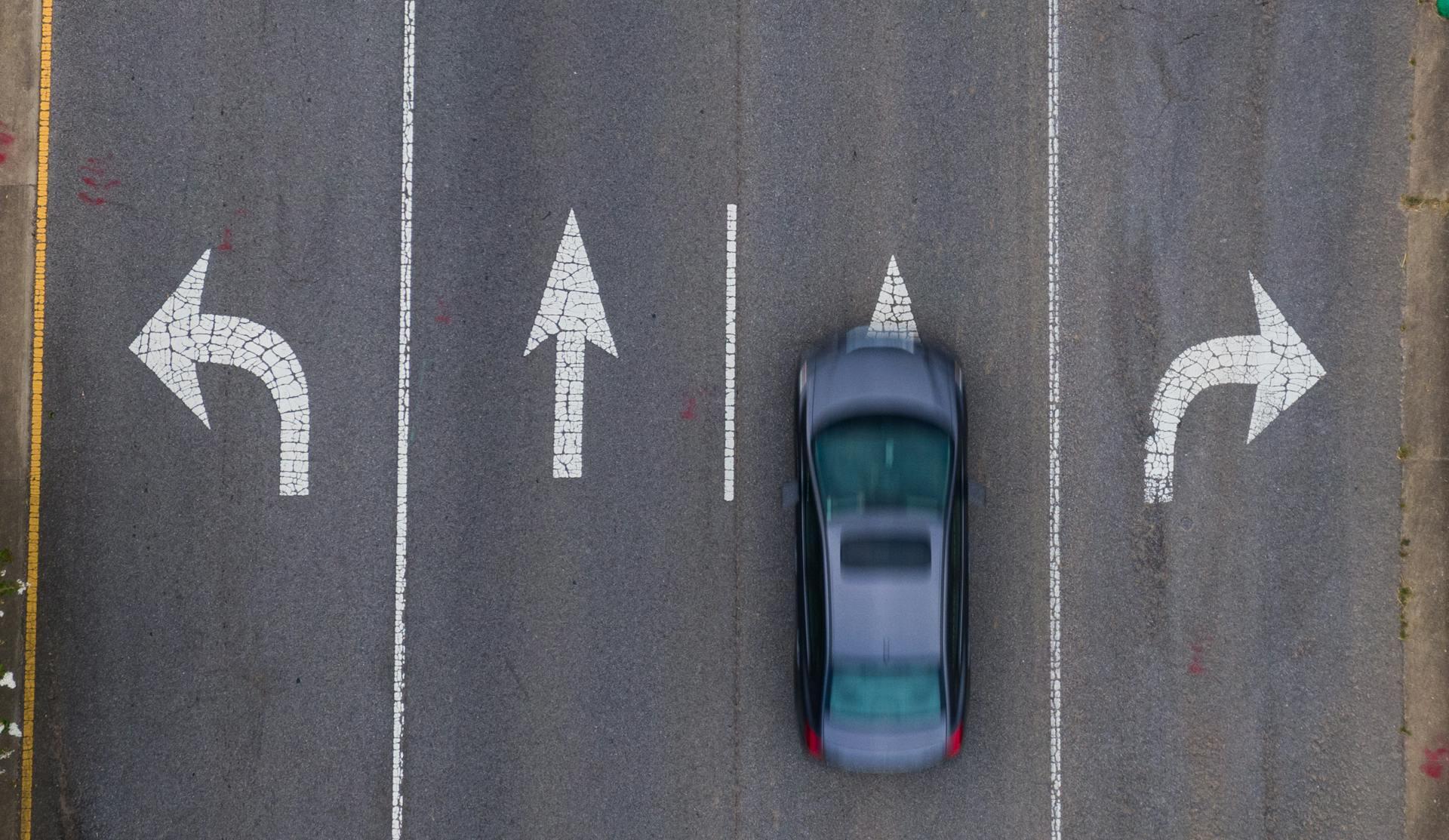
Stay centered in your lane and use road markings as guides. Signal at least 5 seconds before changing lanes and try to signal at least 100 ft before turning. Check blind spots and traffic signs, and only proceed when it is safe. Using clear signals makes your movements predictable and improves safety for everyone on the road.
Braking and Stopping
Braking requires awareness and forethought. You need to know where you want to slow down or stop and how long and at what rate to apply the brake. This talent comes with time.
To slow down, ease off the accelerator and transfer your foot to the brake pedal. Gently apply the brake. Avoid sudden braking unless there is an emergency.
Begin braking earlier than you think you need to. This reduces stress for you and helps the cars behind you avoid hitting you.
When stopping at a traffic light or stop sign, stop before the line or crosswalk. If pedestrians are waiting for you to stop before they begin crossing, make sure you stop well in advance (at least 10 ft) to avoid accidentally hitting anyone or scaring them. When stopped, keep your foot on the brake until it’s time to move again – remember, automatic cars creep when you stop braking!
When parking, bring the car to a complete stop, shift to Park, and engage the parking brake. Turn off the engine after you’re finished parking.
Strictly speaking, you don’t need to use the handbrake (also called emergency brake or parking brake) when parking an automatic car. However, it’s a good habit to get into for two main reasons: If your car slips into gear while parked, the e-brake will stop it from rolling away; you’ll be in the habit if you switch to a manual car, which does require the parking brake. But, make sure you never drive with the handbrake engaged, or you’ll wear your brake pads and rotors out quickly!
Where and How to Learn to Drive
Bridging the gap between learning about driving and applying your knowledge practically is vast. It usually requires supervision from an experienced driver who can help you remember what to do, guide you in following traffic laws, give you tips, and act as a second set of eyes to keep you from running into something while you’re still getting your bearings. Choosing the right learning path can make a big difference in how confident and safe you become as a driver.
After you learn to drive, you can decide which is the best car to buy!
Driving School and Driver’s Ed
Driving schools are one of the most common ways to learn how to drive in the United States. They typically provide classroom lessons, covering things like local state traffic laws and safety practices you should implement as a driver.
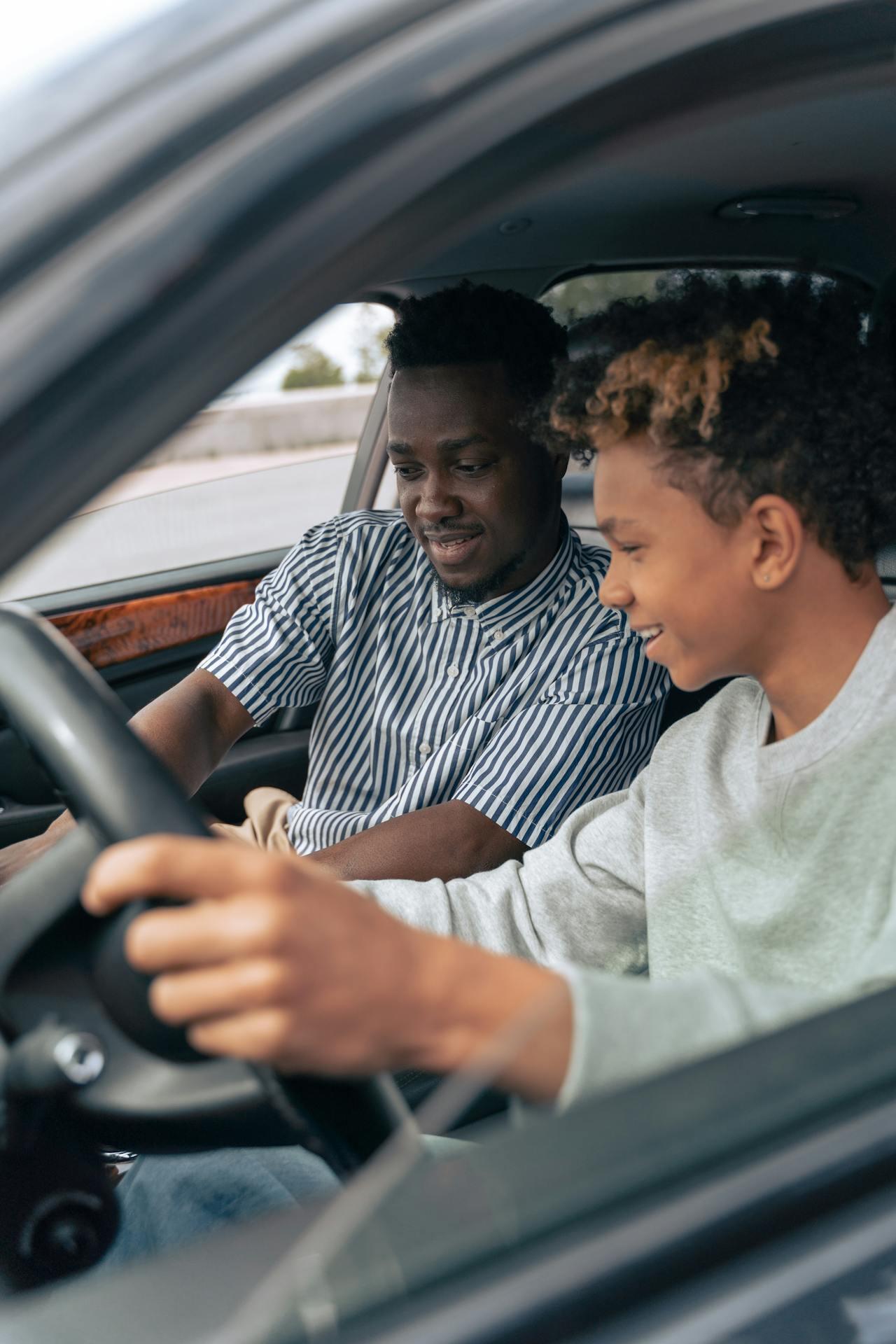
Then, they usually provide supervised driving lessons with trained instructors who can give you hands-on experience. In some driver’s ed cars, the vehicle is modified so that the instructor sitting in the passenger seat also has a brake pedal and occasionally even an accelerator and steering wheel.
Each state has its own requirements and systems for driver education. You’ll need to research the laws and resources in your state to know what the available options are. Across all states, you should ensure that your driving school is state-approved and charges a fair price before enrolling.
Typically, state-verified driving schools help students prepare for their permit and license tests by teaching them how to drive an automatic car. They may give practice tests, both written and practical, and can even give or submit required forms to the state’s driving licensure authority (depending on the state). Students typically gain confidence and valuable knowledge about laws and safe driving techniques from driving schools.
Supervised Practice
In many states, student drivers are permitted to practice with a parent, guardian, or approved adult with a valid driver’s license. This option is typically offered (or required) alongside formal instruction.
To begin supervised practice, you usually need a learner’s permit, which allows you to legally drive under specific conditions, like being accompanied by a chaperone in the front seat.
Typically, the supervising passenger needs to be over a certain age (usually 21) and have a valid driver’s license of their own. Their role is to help give you street-wise driving advice and make sure you are learning how to drive properly.
If possible, having “lessons” with your driving supervisor can be the best way to hone your skills. They can take you to a parking lot or other safe place to practice things like parking, reversing, three-point turns, braking smoothly, and more.
Learning to drive a car is a gradual process. Automatic vehicles are easier to get a grasp on, but the real challenge lies in learning how to be a defensive, aware, safe driver. Driving is a skill that improves with experience, so make sure you practice often!
Summarize with AI:
Did you like this article? Leave a rating!

 Loading...