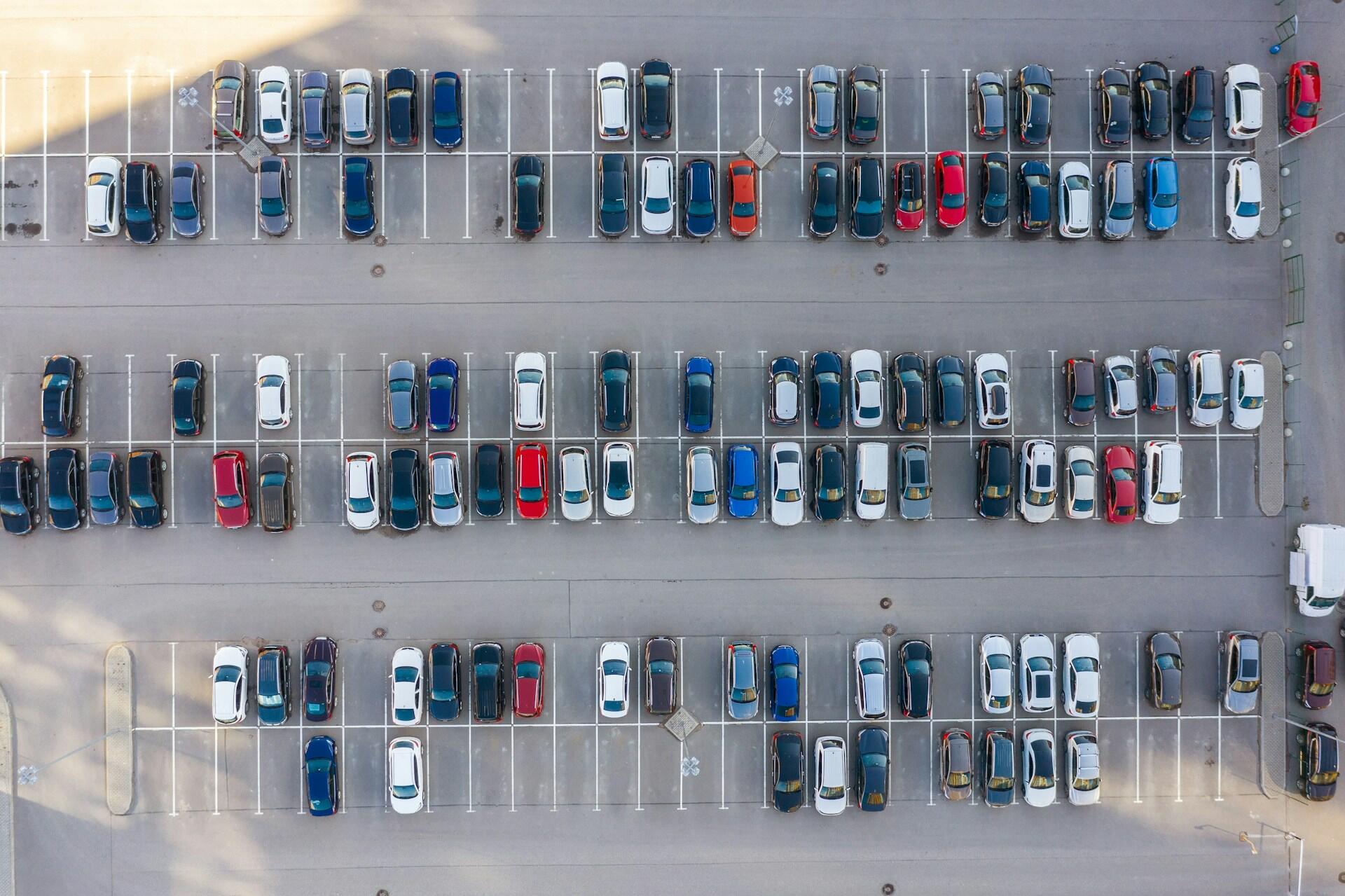

The debate over which type of transmission to drive has been part of car culture for decades. For some drivers, manual transmissions represent control and skill in a way you just can't replicate with automatics. However, most drivers prefer automatics as the default option, whether due to convenience or preference. Learn more about automatic and manual transmissions to determine which type of vehicle you should use.


Understanding Transmission Types
First, you need to know the differences between an automatic vs manual car. The transmission is the system that sends power from the engine to the wheels. It controls how much force (torque) the vehicle uses at different speeds.
Transmissions use spinning rods and gears to effectively deliver the proper torque balanced with the RPM (revolutions per minutes aka “revs”); the slower the RPM, the more torque can be delivered.
Both automatic and manual transmissions use this gear system in their transmissions. The difference is that in an automatic, the car’s computer does all the shifting. In a manual, the driver determines when to shift the gears.
What Is a Manual Transmission?
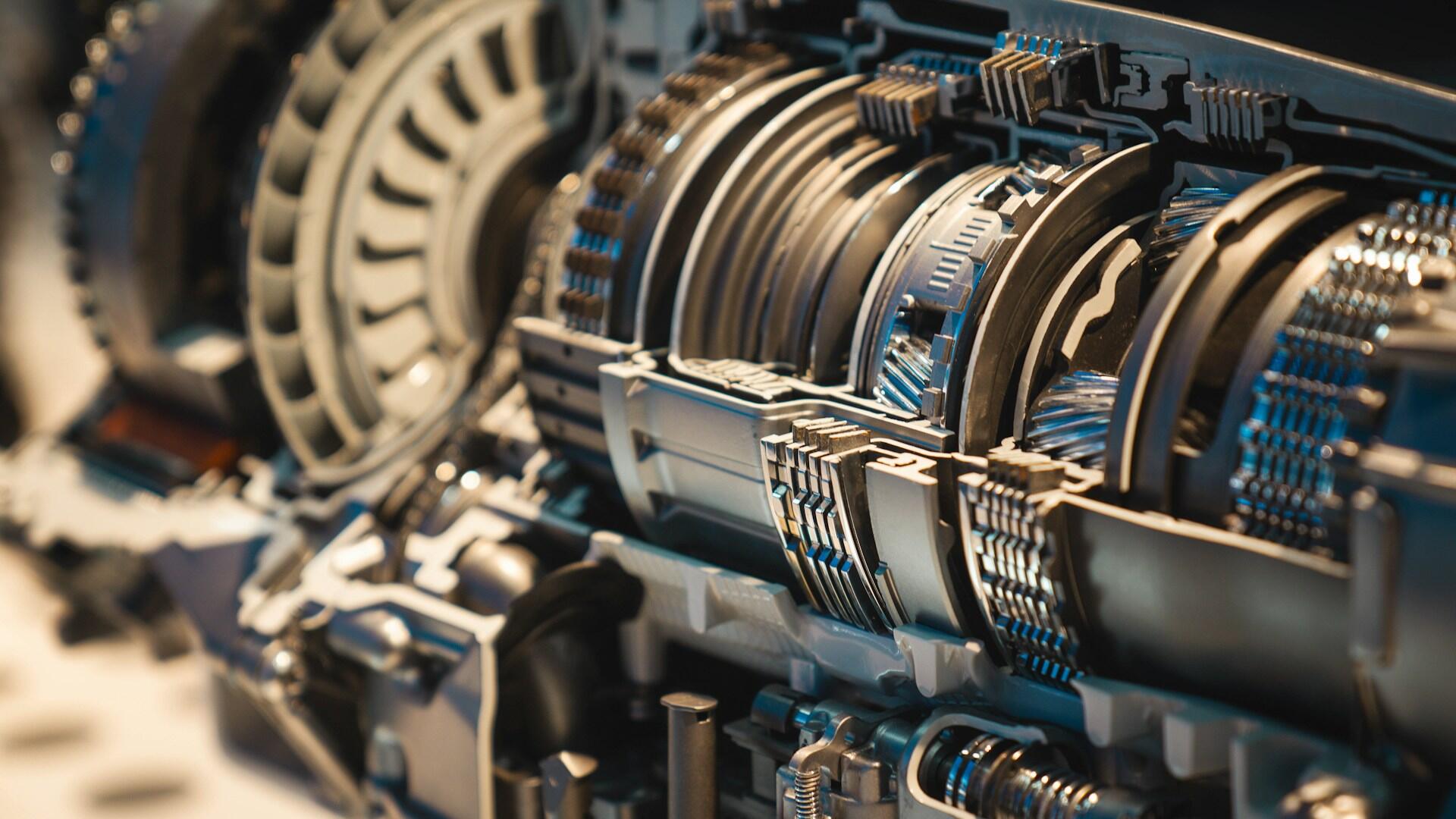
Drivers of manuals use a clutch pedal, accelerator, and gear shifter to change gears by hand. Pressing the clutch disconnects the engine from the wheels so gears can shift smoothly without stopping the car. The driver chooses the right gear based on speed, road conditions, and driving style, which takes practice to master.
Manual transmissions have fewer parts, so they are usually cheaper and simpler to maintain. Many drivers enjoy the sense of control and connection they offer. Most manuals have four or five gears, plus reverse and neutral, and rely on a parking brake when stopped.
The main reason manual cars were/are more popular, especially abroad, is that they used to consistently be cheaper to buy and maintain, and be more fuel efficient. However, times are changing, and automatics are becoming more commonplace.
What Is an Automatic Transmission?
Automatic (or auto) transmissions change gears on their own, depending on speed and engine load. The driver focuses only on steering, accelerating, and braking, while the car’s computer handles the gear shifting. This reduces the focus and physical effort required of drivers, especially in conditions like heavy traffic. Most automatic vehicles have the options park, reverse, neutral, and drive. Some, like semiautomatic vehicles, may also give drivers the option to shift manually, but without a clutch.
It's by far the most popular type of transmission in the U.S., and the popularity is spreading abroad. As they become even smoother in changing gears and more fuel-efficient, the additional upfront cost becomes negligible to most people in the name of ease and convenience.
of new vehicles sold in the U.S. were automatic
Pros and Cons of Manual Transmissions
Manual transmissions are preferred by many, especially car enthusiasts, but they come with limits that are making them a less popular option over time. When choosing a car for personal or professional use, it’s important to weigh the factors associated with manuals. Keep these features in mind when deciding which type of car to buy.
Pros
Depending on the job your vehicle will have, a manual transmission can be more appropriate. These features of manual vehicles make them a great choice for certain drivers and applications.
Control
Drivers choose when to change gears, which can be useful on steep roads, rough terrain, or while overtaking another vehicle.
Since the driver can better tell what’s coming up ahead and what their plan is in terms of speed in the next few seconds, manual shifting can lead to a smoother transition.
For industrial vehicles like freight trucks, the transmission must be manual so the driver can accurately use the correct gear considering speed, incline, and freight weight.
Connection
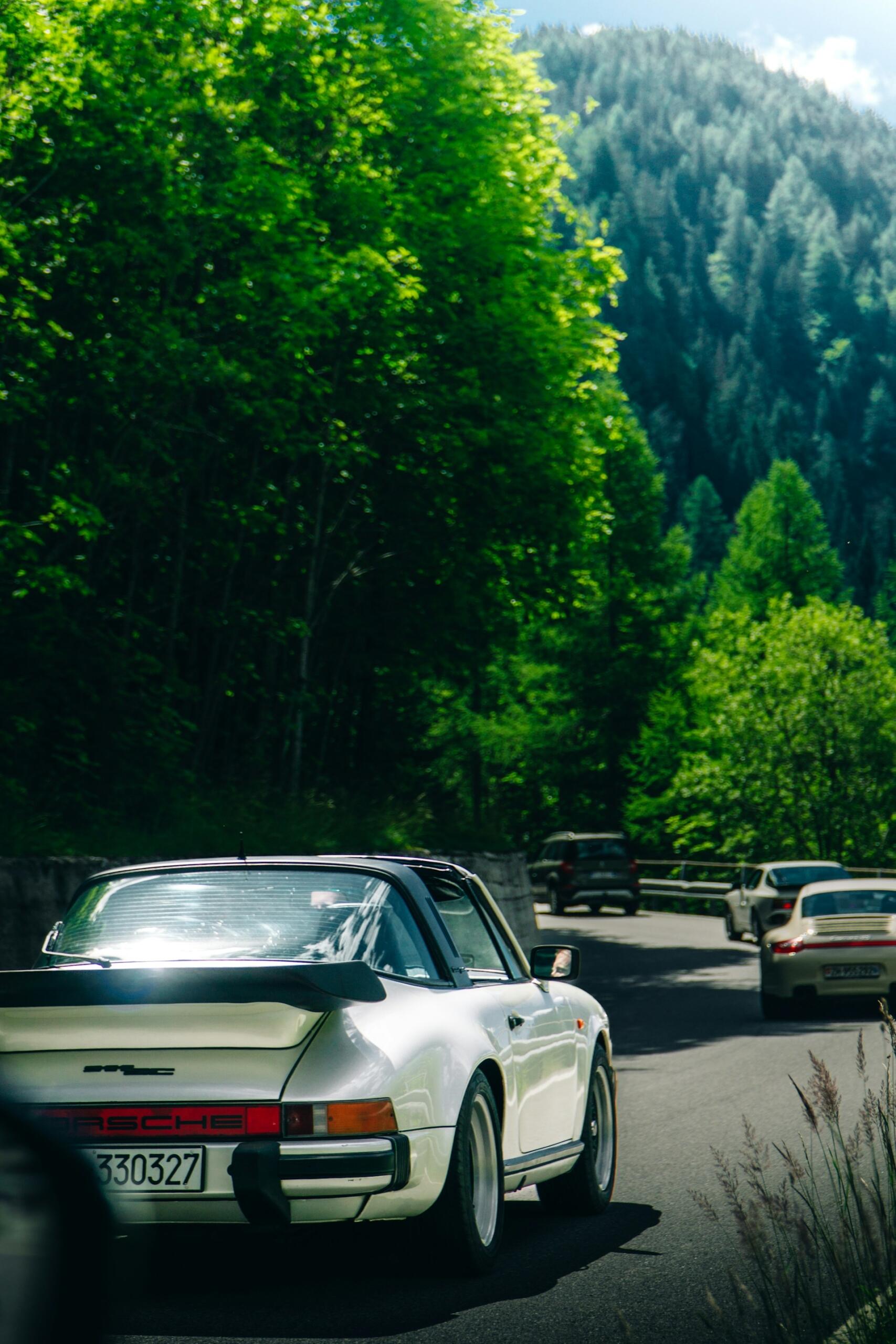
Enthusiasts enjoy the feeling of connection to their vehicle with a standard transmission. It’s a collaboration with a machine, rather than just using it. Staying engaged with the act of driving and being alert for necessary changes also makes drivers feel more accomplished after a trip well-driven.
Fuel Efficiency
Historically, manuals have been more fuel-efficient than autos. The gap is decreasing, however, and many new automatics are just as fuel-efficient – if not more – than manuals. So, the fuel-efficiency factor will depend on the age of the cars you're comparing.
Costs
Manual transmission cars are usually cheaper to buy, since they have fewer complex parts. In some places, insurance costs can also be lower, both because repairs will likely be cheaper and because manuals are less likely to be stolen (since fewer people know how to drive them in the U.S.). Maintenance and repair tend to be easier and more affordable. The clutch usually needs to be replaced at some point in the car’s life, but that’s common and predictable.
The freedom of the open road is seductive, serendipitous and absolutely liberating.
Aaron Lauritsen, "100 Days Drive: The Great North American Road Trip"
Cons
Of course, manual transmission vehicles have downsides, which is part of the reason they’ve become less popular. When thinking about getting a manual vehicle, you need to consider the cons. There’s nothing worse than being stuck with a car you can’t drive!
Learning Takes Time and Skill
The process of learning how to drive a manual can be difficult. First, you have to find a car to practice with! Unless you have a family member who doesn’t mind you wearing their clutch a little bit while you learn, you’ll have to find a driving school or instructor who can let you practice with a manual transmission, which can be costly.
Beginner drivers may frequently stall the vehicle or struggle to shift smoothly, which can be stressful for the driver and the car owner. If practicing on the road, it can even be scary or dangerous since you’re near other drivers.

Limited Choices
Since manual vehicles are far less popular, there are fewer choices available on the market. In both the new and used sectors, you’ll find far fewer options available. If there are a lot of people in your area who want manual vehicles, it could even drive up the price as the demand is higher than the supply. It may also make finding certain parts more difficult, especially for older vehicles.
According to the 2024 EPA Automotive Trends Report, less than 1% of new cars bought in the U.S. in 2023 were manuals. For comparison, about 35% of new cars sold in the U.S. in 1980 had manual transmissions.
Resale Value
If nobody near you wants a manual, selling it can be frustrating. You may need to list it under value just to garner interest. With fewer people knowing how to operate the transmission, even those who would like to buy the car may not be able to, since they can’t drive it.
Not Good in an Emergency
Say you’re a two-car family, and you’re the only one who knows how to drive your manual vehicle. If the auto vehicle breaks down, figuring out how to operate with just one vehicle that only one person can drive will be a hassle.
Say you get sick at work and a coworker offers to drive you and your car home, but they can’t because they don’t know how to drive a manual. You’ll then need to figure out how to get your car home some other way at some other time. Having a contingency plan in case situations like this pop up is part and parcel of having a manual vehicle.

Takes a Lot of Energy and Attention
Even when you’ve improved your shifting skills, driving in the city can be tiring, since you need to shift a lot, especially from a stop. Constant awareness about shifting can take away some of the driver’s ability to take in information from the environment, like road signs, approaching vehicles, and pedestrians.
New drivers may struggle with all the different things that require their attention when first learning how to drive on the road.
In a daily commute, especially in a city setting, the constant shifting can really wear the driver down.
Manuals best suit people who really enjoy active driving. They tend to be more comfortable to use in rural or highway environments. Overall, manual cars typically attract those who enjoy the finer details of driving, especially when it comes to smoothness.
Pros and Cons of Automatic Transmission
Generally, automatics are much more popular in the United States because of their ease and convenience. Abroad, especially in some European countries, they are also becoming more popular. What was once seen as exclusively a luxury is becoming more commonplace as the cost gap between manual and automatic reduces.
Pros
There’s a reason they are the default choice for most cars and drivers! In the car-centric U.S., auto transmission vehicles tend to offer perks that justify their costs. Electric vehicles are becoming more common, and by default, they are operated like an automatic, meaning there will be fewer and fewer options for manual cars in the future.
Convenience and Ease of Use
The biggest reason to have this type is that they are so much easier to use. New drivers, especially, can better focus on noticing road signs, traffic patterns, and other things in their surroundings without worrying about the clutch. It’s easier to defensively stop and go when you don’t need to consider if your actions will stall your vehicle. New drivers can focus more on learning good, safe habits.
Automatics are especially helpful in urban settings, since you can easily navigate stop-and-go traffic jams and city driving.
The ease of use makes them a friendlier option for people with physical limitations.
Improving Functionality and Fuel Efficiency
Years ago, autos were more “clunky,” with a higher chance of jerky and improperly timed shifting. These days, they tend to shift perfectly well. Some are even becoming preferred by auto enthusiasts for their responsive and seamless gear shifting.
As for fuel use, technology has advanced so much that many automatics in the past 15-20 years have gotten better and better; some are even more fuel efficient than their manual counterparts these days. Many automatics can match manual cars in terms of performance as well, depending on design and driving style.

Cons
There are fewer cons when buying an auto, but you still need to be aware. Since they’re the most popular type of vehicle in the U.S., driving culture is mostly catered to them. But that doesn’t mean there aren’t downsides.
Costs
They are typically more expensive to purchase since their transmissions require higher tech with more parts. Maintenance and repairs can also cost more, since more parts may need attention. You’re more likely to require an expensive certified technician for repairs.
Driving is a spectacular form of amnesia. Everything is to be discovered, everything to be obliterated.
Jean Baudrillard, French sociologist and philosopher
Not Always Suitable for Performance-Focused Driving
For leisure driving, many are becoming just as luxurious as manuals. However, for sport driving or commercial applications like freight trucks, a manual is still the way to go. Those types of driving require a skilled human driver to make coordinated choices between gears and intended acceleration.
Feeling Removed From the Driving Process
Some drivers feel less control or detachment from driving without the hands-on nature of a stick shift. Manual mode in an automatic does exist, but it doesn’t give the same experience as a true manual transmission.
Those who support manual cars claim that the ease of auto makes it too tempting for teen drivers (or any drivers, really) to drive while distracted on their phones. There are limited studies about this issue, but some of them seem to imply that operating a manual transmission makes the driver less likely to be distracted.
Overall, they're a lot more convenient, especially in American society, since more people know how to drive them. They’re generally more abundantly available and easier to operate, perfect for everyday use. However, it depends on your preferences and intended use for the vehicle.

Which Transmission Is Best to Learn to Drive?
When making the decision of learning how to drive in a manual vs automatic car, it helps to consider the benefits and challenges of each. Learning to drive is about building safe habits and confidence. Learners must become fluent in operating a vehicle, following road signs and traffic patterns, knowing the law, staying aware of their surroundings, and being able to react quickly and safely. That’s a lot for a student to master all at once!
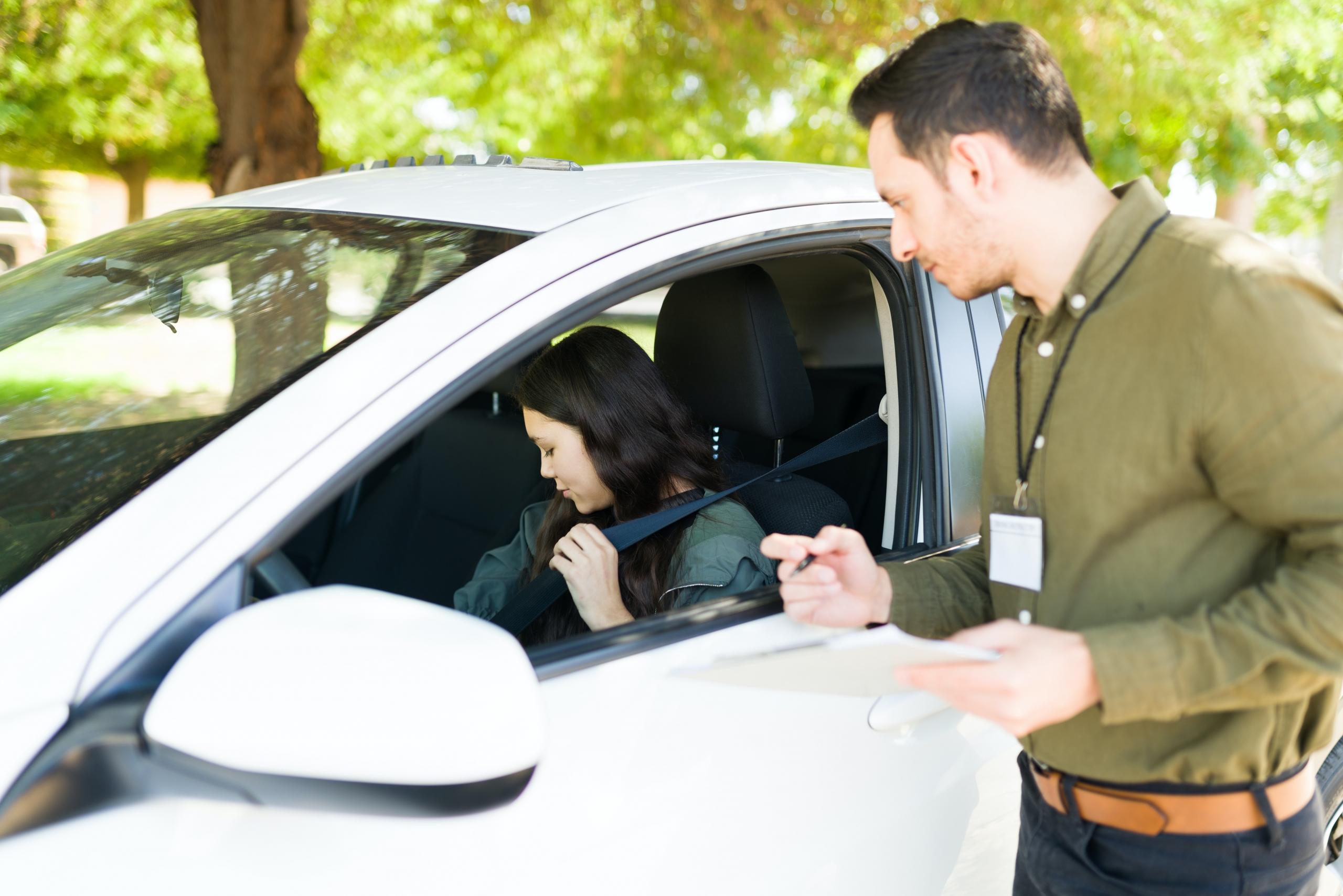
In the U.S., most teen students learn in autos. They let learners focus on steering, speed, and awareness without worrying about shifting gears. After mastering the basics, some drivers choose to learn manual later. It can be difficult to learn all these things and shift all at once.
Limited studies on the subject have been done, but some data suggest that drivers of manuals may be less likely to engage in distracted driving, since they need both hands free to shift and have more to pay attention to. Some proponents of manual cars feel that they are therefore a better choice, especially for teens, to discourage phone use.
Learning on an automatic is more commonplace; you may struggle to find someone who can provide beginner lessons in a manual car. Beyond availability, the decision to learn to drive in an automatic or manual is entirely up to the learner (and maybe their parents). Both are good choices; the most important thing is that the learner develops safe habits and confident driving skills.
Deciding which type of car to have in general depends largely on things like your budget, your preferences, which cars are available to you (especially in the used market), and your typical driving needs (for example, city commute or long-distance travel).
Summarize with AI:
Did you like this article? Leave a rating!

 Loading...