
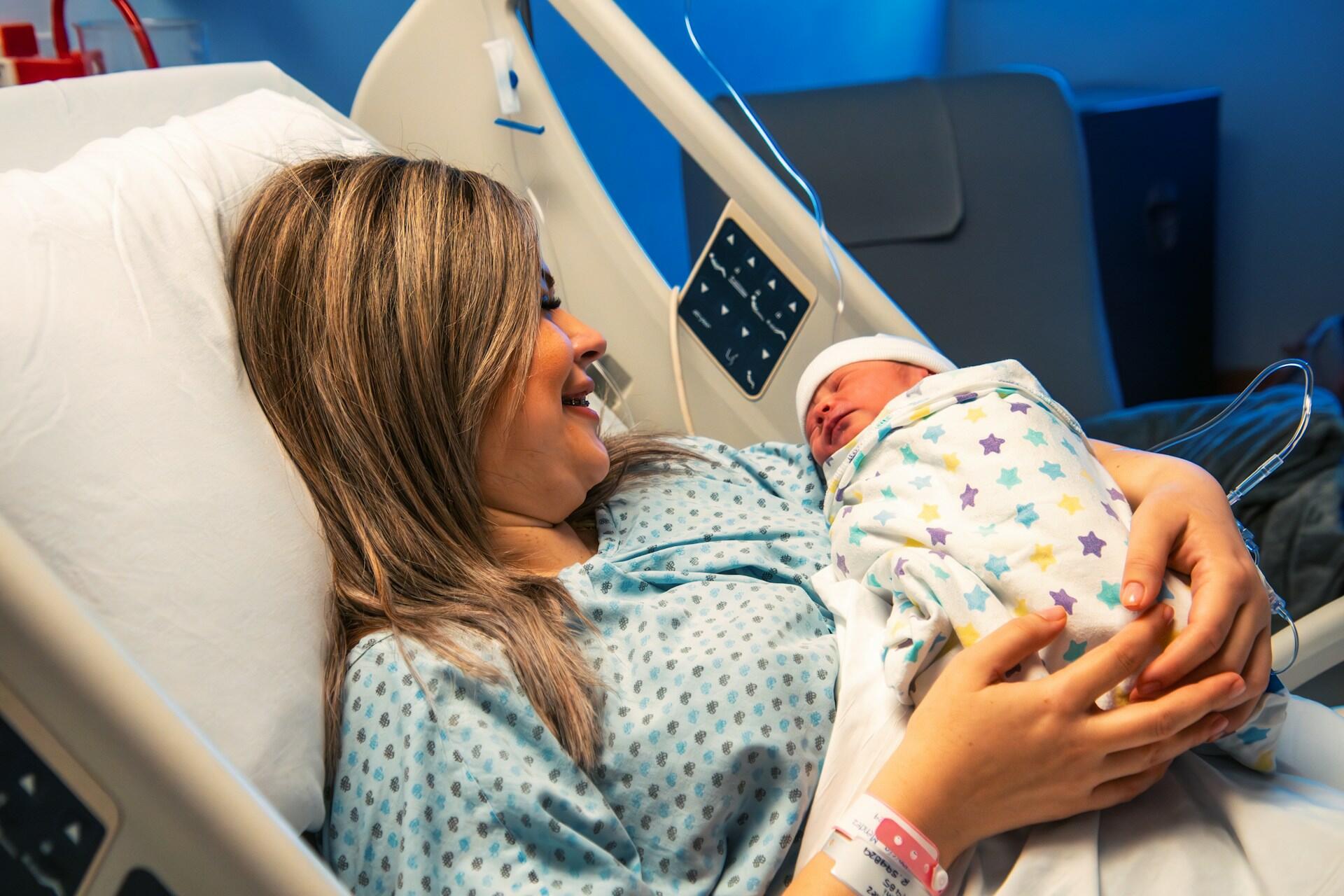

I will never forget watching the labor nurses look at the fetal strip … I was in complete awe of them! … Based on that squiggly line I would make life saving decisions for someone I could not even see. … The bond a woman develops with her labor nurse is a bond forever.
Lisa Wright, MSN, RN
One of the most emotional and rewarding specialties in healthcare, labor and delivery nurses help mothers safely navigate pregnancy and labor by combining medical expertise and emotional intelligence. L&D nurses need education, licensure, and experience. Here's how to become one.


What Does a Labor and Delivery Nurse Do?
Labor and delivery nurses, also known as L&D nurses, are specialists in helping mothers bring new life into the world. They're a type of nurse who specializes in one of the most rewarding and high-stakes areas of nursing, supporting women through every stage of childbirth from the first contractions to postpartum recovery. They provide both key medical expertise and emotional reassurance. L&D nurses work closely with obstetricians, midwives, and anesthesiologists to ensure that both mothers and babies receive the highest standard of care during labor and delivery.
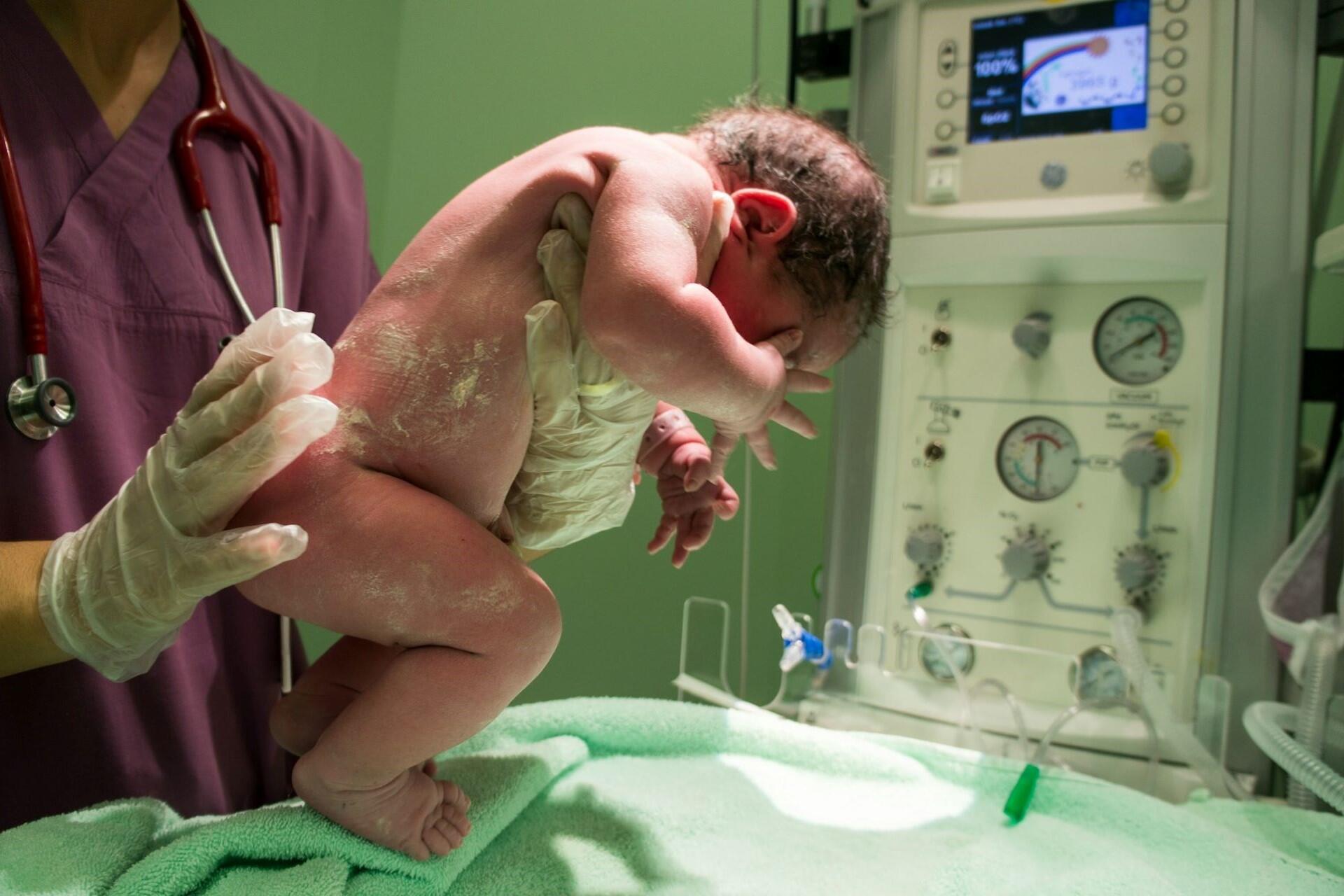
These nurses are trained to recognize signs of complications, monitor the well-being of both parents, and act quickly during emergencies. They play a critical role in educating and supporting new parents, offering guidance on breastfeeding, pain management, and newborn care before and after birth. In addition to their technical skills, they also require empathy, communication, and a calm presence.
Labor and delivery nursing is physically and emotionally demanding. It's common for labor and delivery nurses to work long shifts in maternity wards, birthing centers, and hospitals, managing multiple deliveries each day while also providing individualized attention to each patient. The field requires a balance of clinical expertise and compassion.
Labor and delivery nurses are the frontline heroes of childbirth, ensuring the safety and comfort of both mother and baby. Their work blends clinical precision with emotional intelligence, guiding families through the most intense moments of delivery while coordinating with doctors and midwives. Every successful birth depends on their skill and composure.
Job Description and Responsibilities
A labor and delivery nurse's primary responsibility is to provide comprehensive care to mothers and infants throughout childbirth. From the moment a patient arrives in labor until after delivery, labor and delivery nurses must monitor and support both the mother and baby, ensuring a positive experience.
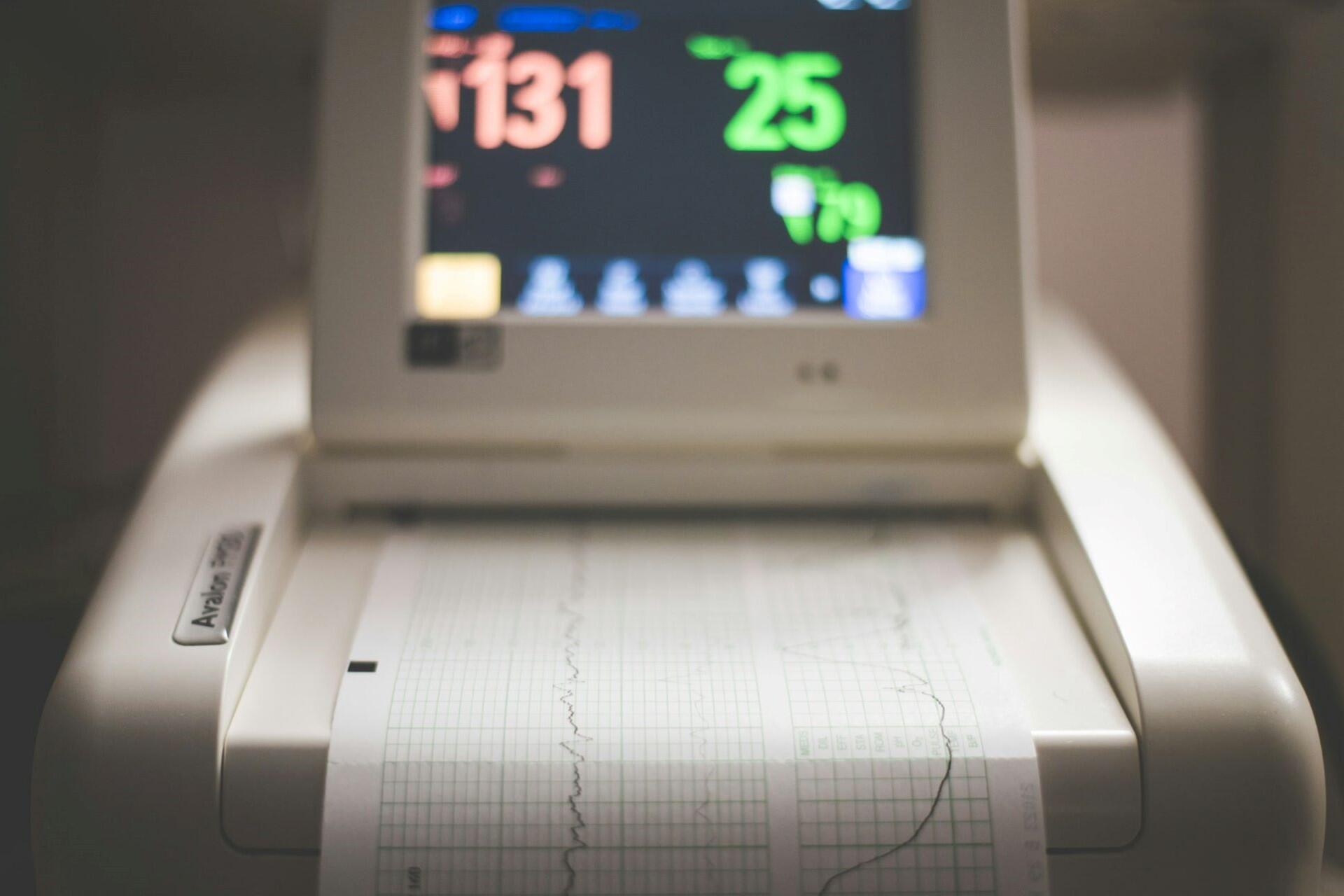
The daily life of an L&D nurse is often unpredictable. They'll typically monitor contractions and fetal heart rates, and assist with pain management techniques, including breathing exercises or epidurals. They'll help patients follow their birth plans as closely as they can and constantly communicate with physicians and nurse-midwives, providing real-time updates on the progress of labor and any emerging concerns.
When delivery begins, L&D nurses have to sterilize instruments, assist doctors during the birth, and be ready to respond in case of emergencies such as cesarean sections or complications with the umbilical cord. After delivery, they also care for the mother and the newborn baby, checking vital signs, managing postpartum bleeding, and ensuring that the baby's breathing, feeding, and reflexes are all stable.
There are also administrative and educational tasks that L&D nurses must perform. They must maintain accurate medical records, prepare patients for discharge, and provide instruction on topics such as newborn care, postpartum recovery, and breastfeeding techniques. They must be able to think quickly and offer reassurance during some of the most intense and emotional experiences that anyone will go through.
births occur in the United States each year, and labor and delivery nurses play a direct role in almost every one of them.
Essential Skills and Qualities
Working in labor and delivery requires an incredibly unique blend of medical skills, emotional intelligence, and the ability to remain calm under pressure. Labor and delivery nurses have clinical responsibilities such as monitoring vital signs, administering medication, and assisting with procedures. However, they also need to support mothers and families through one of the most emotional moments of their lives. Compassion and composure are essential, but they also need to know what they're doing. Here are some of the most critical skills and qualities for success in this role:
Educational Pathways
Like most specialist nursing roles, becoming a labor and delivery role first starts with becoming a nurse. This means earning a recognized nursing degree and becoming a Registered Nurse (RN). You can do this with an Associate Degree in Nursing (ADN) or a Bachelor of Science in Nursing (BSN) from an accredited nursing program.
The ADN is the fastest of the two options. It typically takes about two years, compared to the BSN, which takes four years and provides a more comprehensive education. Normally, hospitals and maternity units prefer BSN-prepared nurses, as it's a higher level of education that equips them better.
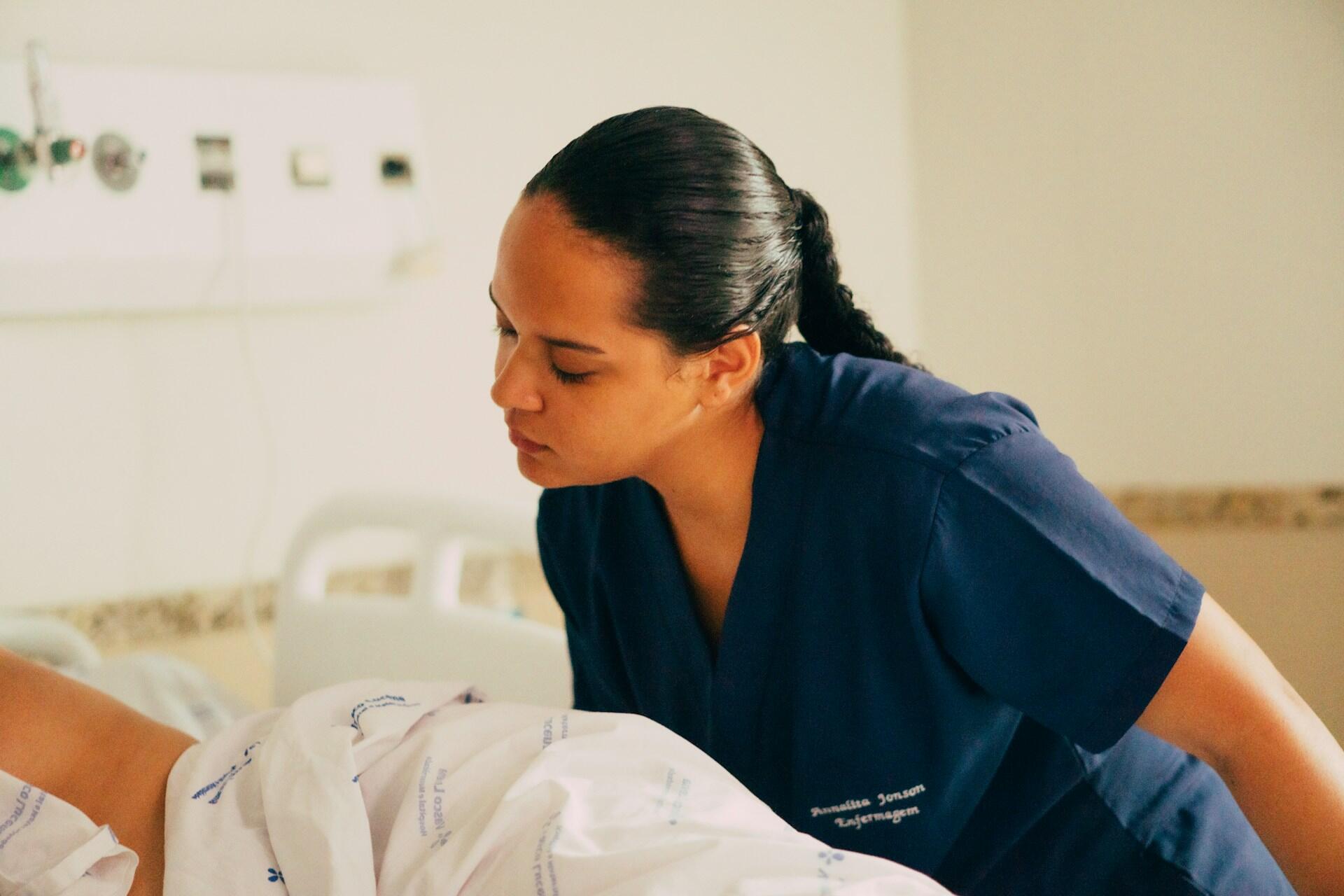
Nursing studies combine classroom courses and clinical rotations. For L&D nurses, their education will include maternal-newborn nursing, obstetrics, reproductive health, and neonatal care. These hands-on experiences are critical for developing confidence in supporting expectant mothers and managing emergency situations.
ADN (Associate Degree in Nursing)
- Typically takes 2 years to complete.
- Faster, less expensive entry into nursing.
- Accepted for RN licensure but may limit long-term career growth.
- Ideal for those who want to start working quickly.
BSN (Bachelor of Science in Nursing)
- Usually takes 4 years to complete.
- Provides broader education and more advancement opportunities.
- Preferred by hospitals and maternity units for specialist roles.
- Ideal for those aiming for leadership or advanced roles (e.g., CNM, educator).
After graduation, nurses can start working to gain experience. From there, they can move directly into obstetric or maternity settings. RN-to-BSN programs and online bridge programs allow you to continue working while upgrading your qualifications.
A Master of Science in Nursing (MSN) or Doctor of Nursing Practice (DNP) with a focus on women's health or maternal care can also open the door to leadership roles in the field, like clinical nurse specialist, nurse-midwife, or nurse educator.
Labor and delivery nursing can lead to specialized and high-level roles in women’s health. Many RNs go on to become certified nurse-midwives, clinical nurse specialists, or nurse educators, shaping how future nurses care for mothers and infants. With experience and advanced education, the career paths in this field are incredibly diverse.
Licensure and Certification
To work as a nurse, not just a labor and delivery nurse, you need to become a licensed Registered Nurse (RN). This is to ensure that all working nurses meet the professional and legal standards necessary to provide safe and effective care in any healthcare setting. To obtain this, you must pass the national nursing exam and apply for approval through your state's Board of Nursing.
Once licensed, you can work in a general hospital and gain experience. Once you develop your foundational clinical skills, you can complete a specialized certification to advance your career and strengthen your expertise in maternal and newborn health.
Passing the NCLEX-RN Exam
All aspiring nurses have to pass the NCLEX-RN (National Council Licensure Examination for Registered Nurses). This is a program that tests your ability to apply nursing knowledge in real-world scenarios and covers topics such as patient care, pharmacology, and emergency response.
The NCLEX-RN is a computer-adaptive test. This means that the question difficulty will change based on your performance. You can prepare for this by reviewing programs, taking practice tests, and utilizing online resources. When you pass this test, you can apply for your RN license in your state.
State Licensure Requirements
Though each state has its own requirements for nursing licensure, since the individual Boards of Nursing decide the criteria, they're mostly the same. Generally, states ask for a background check, official transcripts, and verification of your NCLEX-RN results. There may also be additional documentation, fees, or fingerprinting required before a licence is granted. For those looking to work across multiple states, multistate licenses are available. The Nurse Licensure Compact (NLC) allows RNs to practice in any member state without additional licensing.
Once you have some experience, you can pursue specialty certification in any specialization, from surgery to labor and delivery. The Inpatient Obstetric Nursing (RNC-OB) certification is the most recognized and is awarded by the National Certification Corporation (NCC). You need at least two years of L&D experience and will have to pass an exam.
Career Outlook and Advancement Opportunities
Skilled labor and delivery nurses are in high demand in hospitals, birthing centers, and women's health facilities. The job market is expected to grow steadily over the next decade. With that in mind, here are some of the career opportunities and advancement paths for L&D nurses from leadership to research roles:
Job Market and Salary Expectations
Consistent birth rates mean that labor and delivery nurses are consistently in demand. As with nursing jobs, salaries are generally good, but several factors can impact them. Here's an overview of the market.
with experienced specialists earning over $100,000 in states like California and Massachusetts.
Summarize with AI:
Did you like this article? Leave a rating!

 Loading...
