

Buying a first car is a big decision for both teens and parents. The main goal is simple: find a car that is safe and reliable, but also affordable. Teens, especially, may be more concerned with aesthetics. While it’s nice to have a car that looks good, it’s definitely not the highest priority, especially for when there’s a new driver behind the wheel. Discover which factors to take into consideration when buying cars for beginner drivers.


Which Type of Car Is Best for You: Automatic or Manual
There are pros and cons for both automatic and manual cars, and this is a debate that’s been ongoing for decades. The truth is, each person and each family will have different needs. Therefore, whether they choose a standard or automatic transmission is a unique decision in each situation.
Here are some of the main differences to keep in mind when researching good beginner cars and weighing the pros and cons of automatic and manual transmissions.
✅ AUTOMATIC PROS
- Easier to learn
- More prevalent, therefore more options
- Fewer chances to mess up driving, therefore fewer ways to lose control of car
✅ MANUAL PROS
- Can easily drive a car in another country
- Typically more affordable to repair
- Forces driver to pay more attention to driving
❌ AUTOMATIC CONS
- Some argue that ease of use can tempt teens to use their phones while driving
- Can be more expensive to buy and repair
- Cannot transfer skill to manual transmission vehicles
❌ MANUAL CONS
- Steep learning curve
- Can be difficult in heavy traffic situations
- Can have problems if you need someone else to drive the car and they don’t know how
Let’s take a closer look at some of these points.
Ease of Use
Automatic cars are easier to use, which helps new drivers focus on their surroundings, road signs, and develop defensive driving. With a manual, the driver must manage the clutch and gears, even during events like sudden braking. This added task can increase stress and fear. Automatics often suit nervous drivers because they simplify control.
Supporters of manual cars argue the opposite. Many claim that automatics can create a false sense of safety, making distracted driving more tempting. Manual vehicles require the driver to stay alert and keep both hands available, making it impossible to use a phone with one hand. Research is limited, though some studies suggest stick shifts make drivers more focused. Overall, it likely depends on the individual’s habits and personality.
Availability
In the United States, far more cars are automatic than manual, both in newer models and historically over the past few decades. This means you will more easily be able to find an automatic car that suits your other requirements, like safety and cost. Few teens get brand new cars as their first vehicle, so looking for a used, yet still reliable, manual transmission car can be challenging.
Operating in Heavy Traffic and on Hills
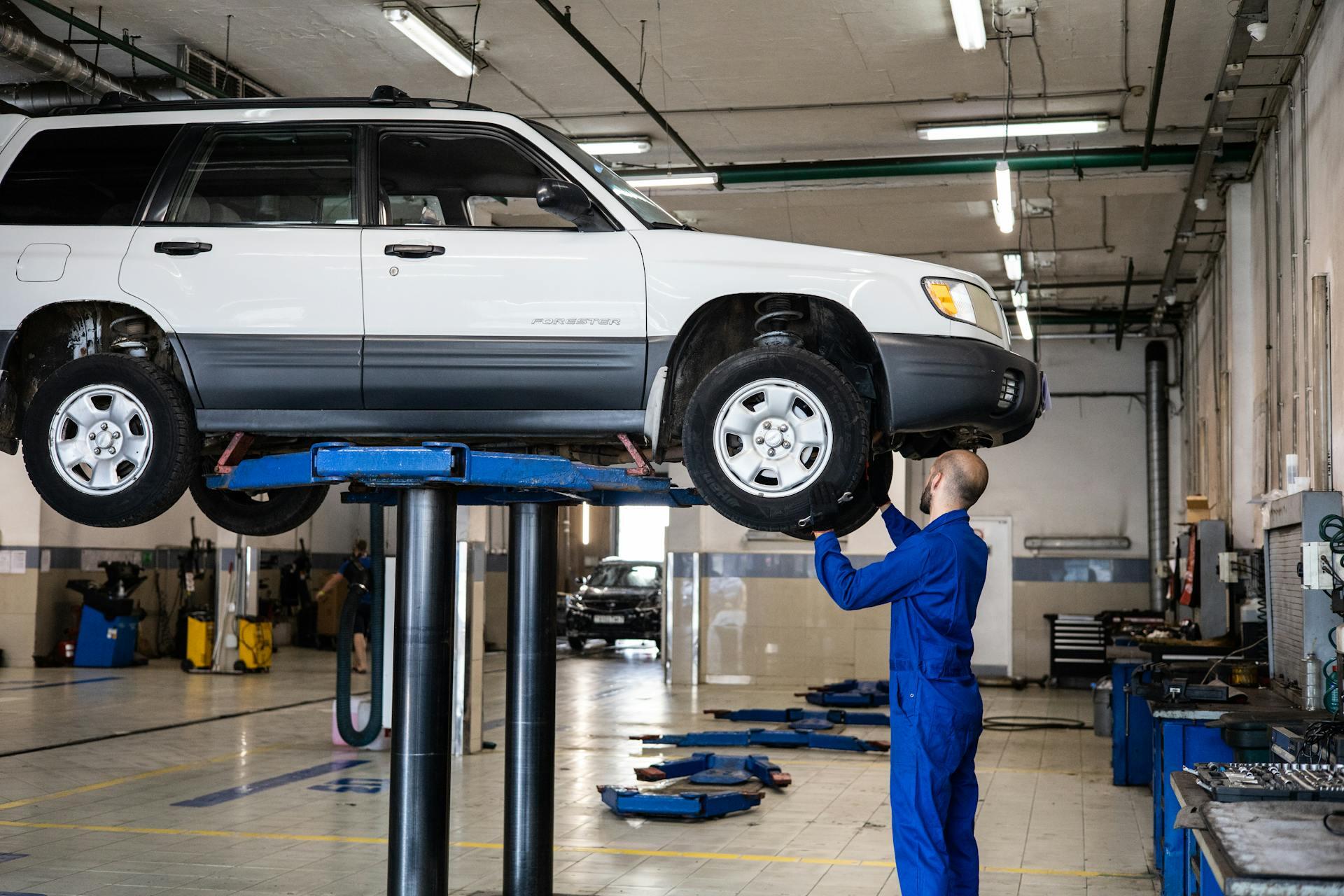
Manual cars can be frustrating in stop-and-go traffic and difficult on hills. Constant shifting can tire the driver and, for beginners, even cause mechanical damage to the car. Many drivers also fear hill stops, since manuals can roll backward if the clutch and brake are not timed well. Automatic cars are easier in these situations. They do not stall and require less effort in traffic, allowing the driver to focus on staying alert rather than managing the clutch.
Skill Transferability
Manual car drivers can easily transfer their skills to things like commercial vehicles, recreational vehicles like motorbikes, and can even drive with confidence abroad, where manual cars are the norm. They can also easily learn how to drive an automatic after learning manual.
Automatic car drivers can only apply their skills to other automatic vehicles.
Cost of Repairs
Automatic cars tend to require less maintenance with proper use (at least, this is true for more recent models). However, if they do need a part replaced or repaired, it can be more expensive to do so than in a manual vehicle. Of course, it depends on the vehicles you’re comparing, as well as what parts are needed.
You can find automatic cars with optional manual controls, called semi-automatics. These cars can run just like an automatic, but you can also manually adjust the gear up and down, typically with a + or - button. And, you don’t need to use a clutch; the car’s computer takes care of that mechanism on its own.
Factors to Consider When Choosing Your First Car
A good first car is forgiving. New drivers frequently brake too hard, make wide turns, and misjudge distances, meaning frequent dings and scrapes. The best cars for new drivers can handle these learning habits at a reasonable price without compromising on safety.
Before you look for a specific brand or model of vehicle, you need to understand what features matter most in general, and which ones matter most to you personally. These factors are important regardless of the make, model, or transmission style.
⭐ Most Important Factors
- Safety
- Reliability
- Costs
- Availability
🎀 Opinion Factors
- Convenience
- Size and control
- Additional features
- Aesthetics
Each point covers several ideas, and you and your teen should weigh them to make sure you make a smart choice for your family. Here are some of the top things to consider when researching good first cars for teens.
Safety
Safety always comes first. Look for cars with strong crash-test ratings, as well as features like anti-lock brakes (ABS), electronic stability control (ESC), and multiple airbags. Newer features like backup cameras, lane alerts, and external sensors are nice, but the basic safety features are the most important.
Smaller cars can still be safe as long as they’re structured properly. Big cars and SUVs don’t always mean more safety. Be sure to research data like recalls as well as the severity of the recalls, theft rates, and key security (especially for electronic key fobs).
Look at manufacturers with consistently high safety ratings, like Kia, Mazda, Subaru, Honda, and Acura.
White cars are the safest to drive since they're the most visible on the road.
When considering electric vehicles, be sure that you can open the doors and trunk even when the battery dies.
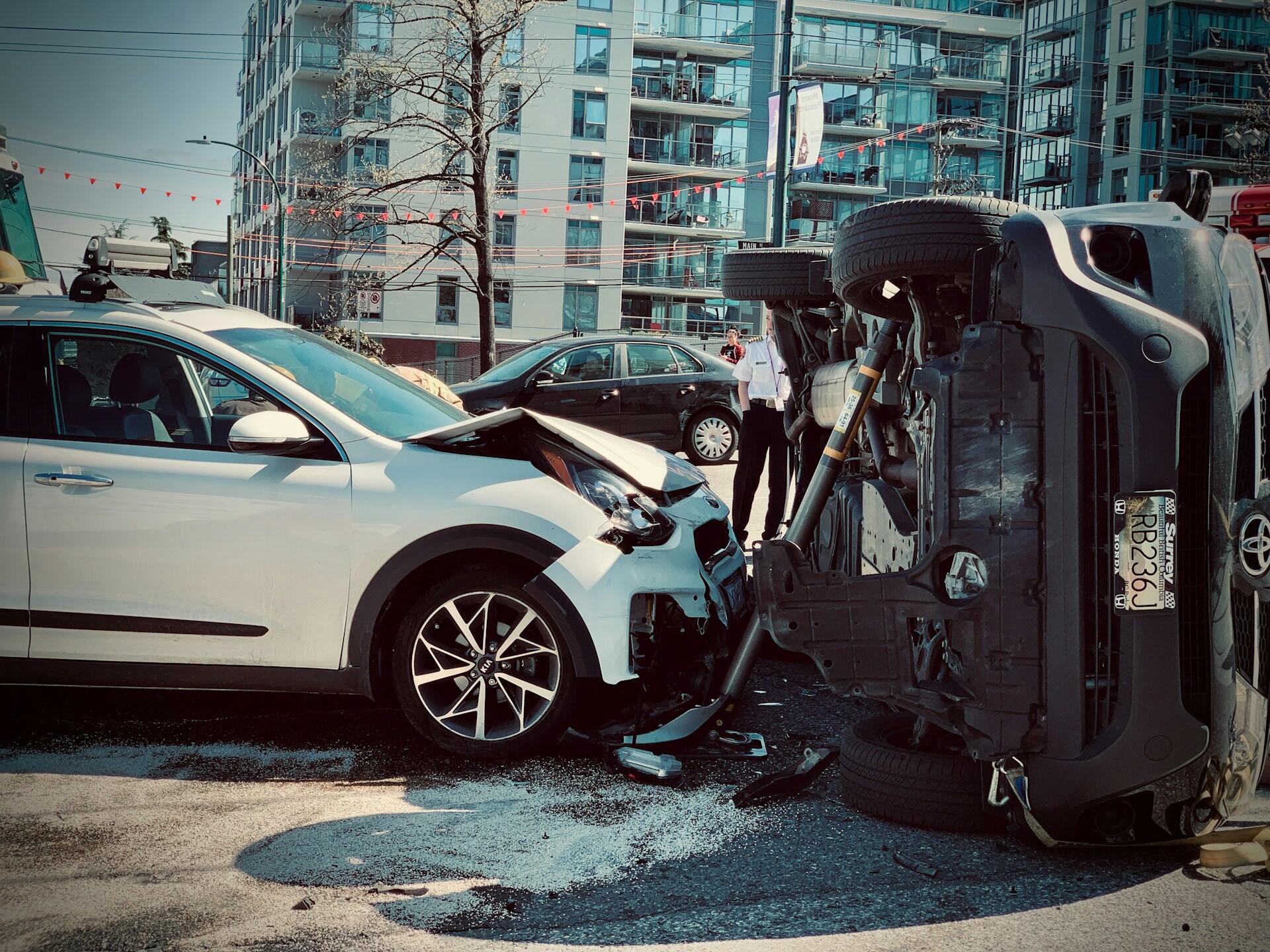
If buying used, make sure you get the certified history of the vehicle by searching the VIN. If a vehicle has been in a major crash that damaged the frame, it will never be safe to drive again, but it doesn’t stop people from trying to sell them.
You can use NHTSA.gov to help your research.
Reliability
Unless you or your teen loves repairing and maintaining vehicles, you probably want one that will give you the least amount of problems with standard care. Brands like Toyota, Honda, and Mazda have strong reputations for reliability. Having a reliable car reduces stress, and it can be a good trade-off in terms of cost. A more reliable car might cost more, but it affords you less time and money spent on repairs; it might last more years than a cheaper car, too.
Check the maintenance history on used cars to make sure it seems like everything has been reasonably maintained.
Price and Ownership Costs
The sticker price is just one aspect of the cost of car ownership. In addition to negotiating a fair price with the dealership or private seller, you’ll want to do some research before signing on the dotted line. Before you commit, research all the associated costs with the make, model, and year of the car you’re considering:
- Insurance
- Interest (if financing)
- Fuel efficiency and type
- Maintenance and repairs
- Additional considerations
Newer, more expensive vehicles will require higher insurance rates and, unless you’re paying in cash, they’ll also command more money spent on car payments and interest. You’ll need to choose a car that has good fuel efficiency for the conditions it will be driven in the most, and be aware if it takes regular-grade fuel or a different type.
Certain vehicle makes are much more expensive to repair than others, requiring you to get them serviced only at official, licensed locations, with long wait times for foreign parts. The labor and parts charges for these types of cars will be much higher than other options. You should also check to see if there is a history of that particular car having expensive problems, like how many Ford models were notorious for internal computer failure.
Weigh all these costs together to determine the real price of the car.

Convenience
Be honest: will your teen put in the effort to learn how to drive a manual? Do you have the time, patience, and knowledge to teach them? Does anyone else in your household know how to drive a manual, in case they ever need to drive the car? If not, you may be better off with an automatic, at least for now.
It’s a reasonable idea to have teens and new drivers get confident and experienced at following the rules of the road, learning how to maintain awareness of other cars, and become a defensive driver who can anticipate other drivers’ behavior with an automatic car. Then, when those things are ingrained, they can add a new factor by learning how to drive a standard.
Size and Control
The best cars for beginner drivers are generally about the size of a compact sedan or small SUV. This size is big enough not to feel minuscule on the road, but not so big that it’s daunting to handle.
They are easier to park and maneuver, and can typically give the driver a good, clear view of their surroundings.
Additional Features
These days, there are all sorts of bells and whistles to consider when buying a car. You have to determine which ones are absolutely necessary, which ones you can do without, and which ones you refuse to pay extra for. Features like Bluetooth, tire-pressure sensors, and heated rear windshields (if you live in a snowy climate) are some of the most helpful. Extras like built-in navigation and infotainment systems, backup cameras, and sunroofs are nice but not essential.
Keep in mind that new drivers might get overwhelmed or distracted by too much tech. Most of the time, clear controls and simple layouts are better.
Newer cars are more likely to have features like backup cameras as part of the basic trim, but older cars will be more old-school. A well-maintained old car can be just as good as a new car; fancy new features can be helpful, but plenty of people still drive older cars without those things just fine.
Aesthetics
Of course, you also need to determine how important a car’s exterior and interior look are to you. Are you willing to buy a car that meets all your other needs, but is the ugliest color you’ve ever seen, or has a ripped-up back seat? For many teens, their beginner cars are often used and “quirky.” Having an ugly car can be beneficial this way; it matters less if/when it gets a dent or scratch. Plus, if it’s used, it’ll only last a few years anyway.

Recommended Automatic Cars for Teen Drivers
Automatic cars are the most common choice for drivers, especially first-time drivers. There are many reliable, safe makes and models out there that are perfect for teen drivers. Some of the most popular cars for teens include the Honda Civic, Toyota Corolla, Mazda 3, and Kia Rio.
Honda Civic (2009 - 2024)
The Honda Civic is known for its strong safety records and solid build quality. The Civic is a very common car, so finding parts is easy, making it affordable to maintain and repair. Insurance costs on Civics tend to be reasonable, and the fuel economy is adequate.
Toyota Corolla (2010 - 2024)
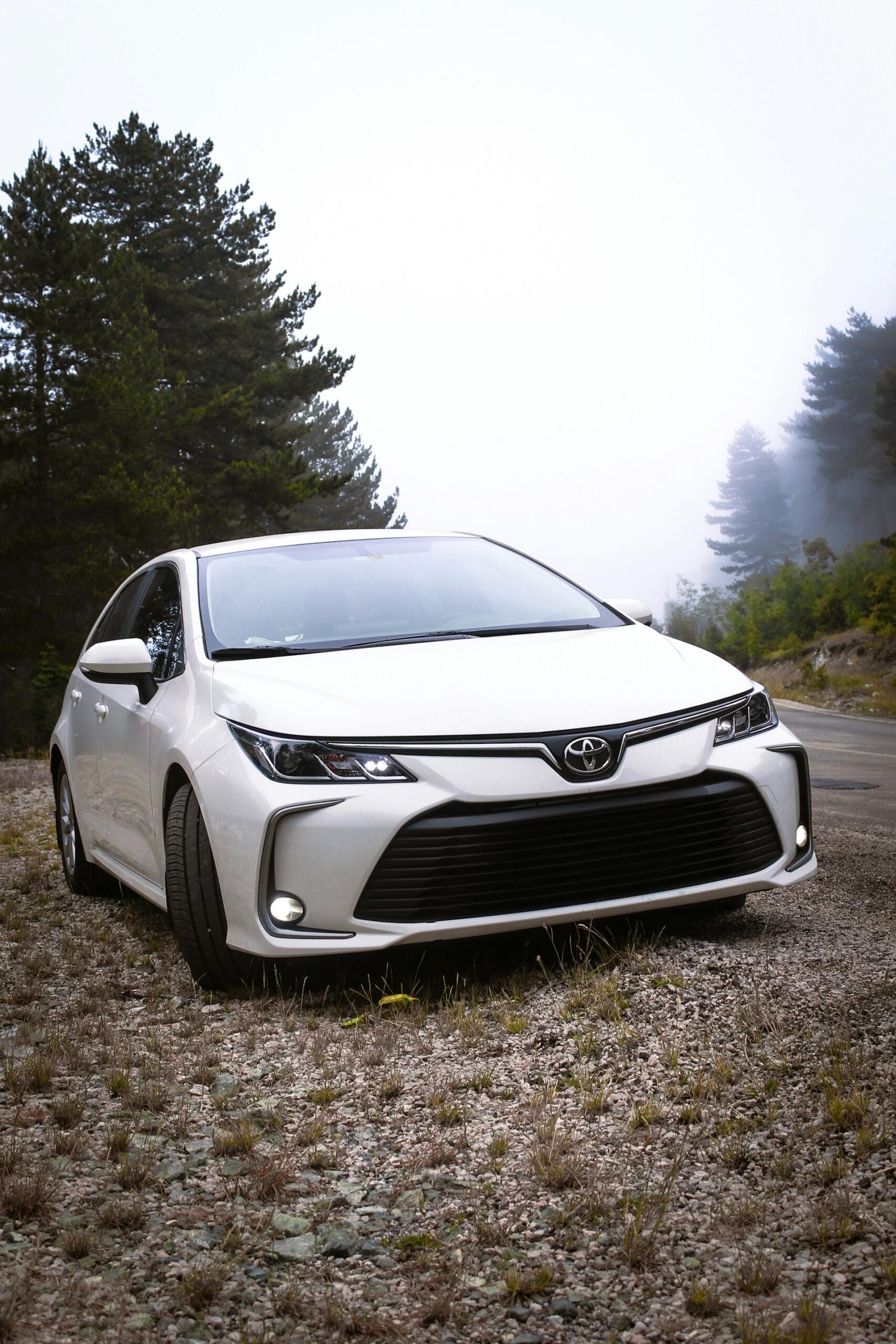
Consistently named one of the safest choices for teen drivers, Toyota Corollas are known for their reliability, affordability, and handling.
The transmission is smooth and durable. Plus, their safety ratings are consistently strong, with low maintenance costs.
The fuel economy is typically excellent, and Corollas hold their resale value well.
Mazda 3 (2011 - 2024)
Mazda is often overlooked, but the Mazda 3 offers excellent handling and safety features. The interior quality is also higher than that of many rivals in the same price range. Its compact size makes it a good choice for anyone who needs a car primarily for simple transportation.
For most new drivers, a full-size SUV is too big to handle properly. Compact SUVs, like the Toyota RAV4, Honda HR-V, or Mazda CX-5 can be good options, since they’re smaller and have good safety features. Also to consider is that most SUVs usually cost more to buy and insure, plus their fuel economy is typically not as good as a smaller vehicle.
Recommended Manual Cars for Teen Drivers
Manual cars are less common, but they are still practical and can be a good choice for teen drivers. It’s a good skill for teens to pick up, and they can always learn how to drive an automatic later, if they don’t already know. These models are consistently among the top-rated manual cars, balancing price and safety.
Ford Fiesta (2011 - 2019)
The Fiesta is compact, maneuverable, and easy to control, making it simple to park and drive in traffic. The clutch is forgiving, which helps new drivers focus on shifting without stress. Its fuel economy is decent and replacement parts are affordable.
Hyundai Elantra (2011 - 2016)
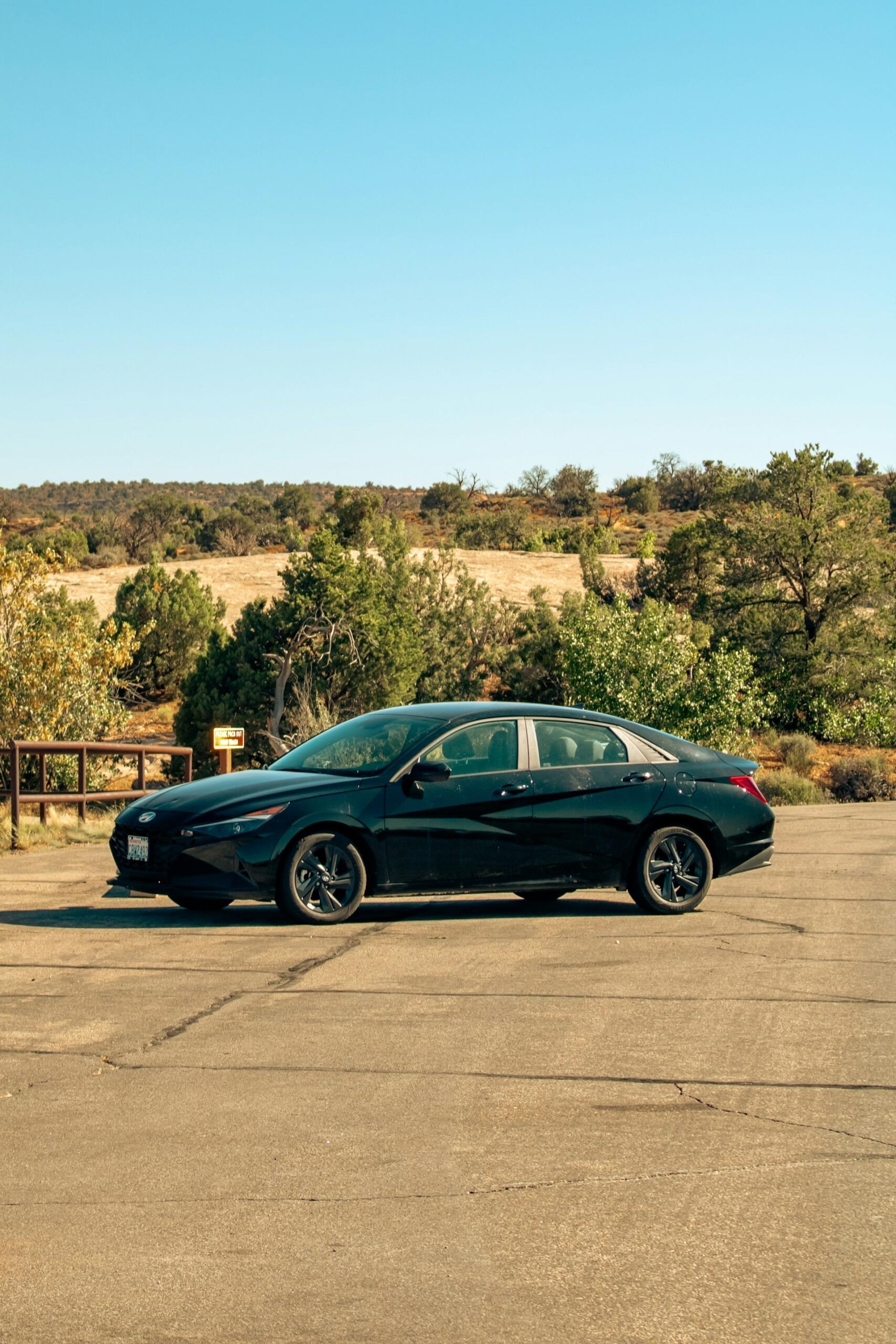
The clutch on the Elantra is easy to modulate and the gear shifts easily, perfect for new drivers.
Elantras are one of the top models on the used market, making it easier to find an affordable pre-owned vehicle as well as replacement parts.
It also helps keep insurance costs down. Safety ratings are decent and the basic trim package covers what a new driver needs.
Subaru Impreza (2012 - 2016)
The manual version of the Impreza can be a great choice, especially in regions with lots of wet and snowy weather. Standard all-wheel drive gives better traction on roads affected by rain, snow, and ice. The clutch and gearbox are smooth, and visibility is good. However, the fuel efficiency is not as good since the vehicle is heavier than front-wheel-drive cars.
The best first car for teens is not something flashy, immaculate, and exciting. They will probably get a few scratches and bumps on the exterior, and might even make a mess of the interior. Beginner cars are more about finding something safe and reliable to practice with.
Summarize with AI:
Did you like this article? Leave a rating!

 Loading...