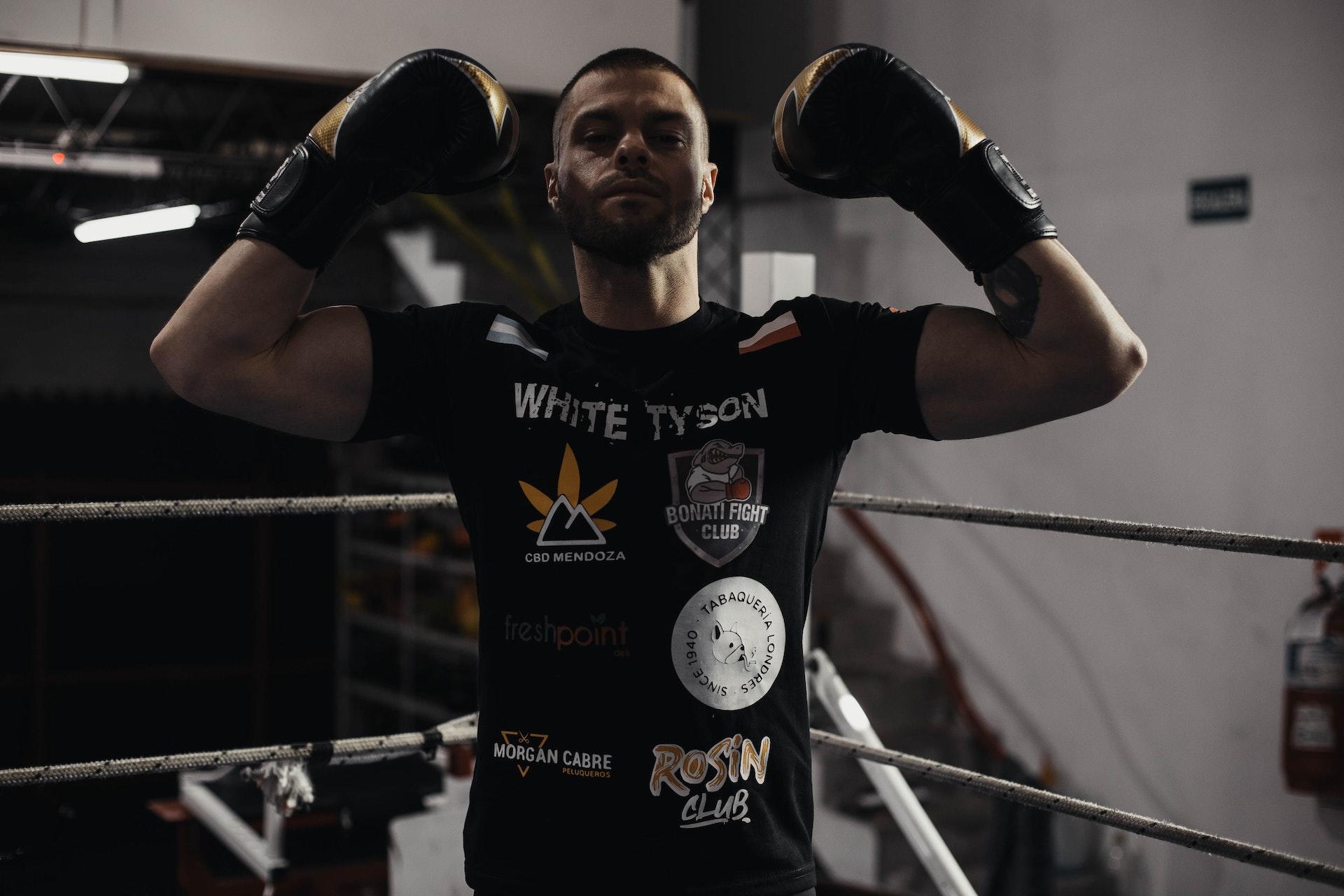

Professional boxers are among the world's fittest athletes. Consistency with a top-notch boxing workout routine can help you get the best shape of your life, whether you're a boxer or just a fitness enthusiast! Boxers put in a lot of effort in their training in order to perform well in the ring, delivering and withstanding brutal punches. Here, you'll discover some of the training techniques boxers use to condition their bodies and minds for a real boxing match.


The Core Components of Boxing Training
Do you know the secret to the success of history's greatest boxers like Muhammad Ali? Practice, practice, and practice. Conditioning yourself to prepare for the ring is critical for improvement and, hopefully, victory. Completing the necessary workouts regularly ensures you are in good health for your matches, have the stamina to punch and dodge for the full match, develop the coordination to land your punches, and have the resilience to take a hit. Your pre-match health will also have a huge impact on your post-match recovery.
To make sure you’re ready to fight, you’ll need to regularly put in the effort in all the main pillars of boxing training.
Cardiovascular Conditioning
A good portion of your cardio can be activities like swimming, using a versa-climber, biking or using an assault bike, rowing or rowing machine, shadowboxing, jump rope, calisthenic-style exercises like burpees and HIIT, or even playing sports like soccer.
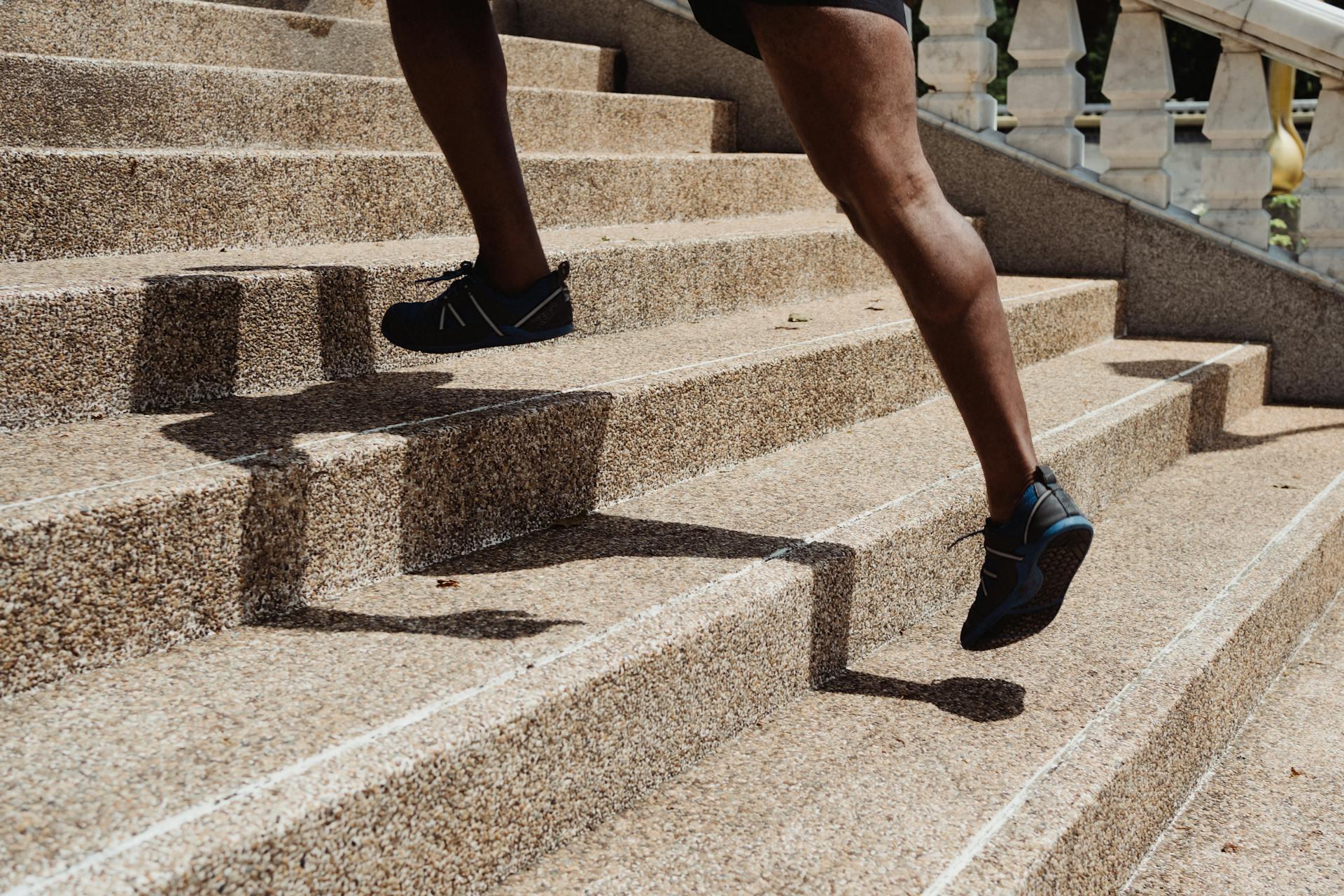
However, you must also run and sprint regularly. Running improves your cardiovascular performance and lowers your body fat percentage like no other exercise can.
Improves functional movement and footwork in the ring, improves cardiovascular performance, improves respiratory performance, improves stamina.
Can strengthen mental fortitude and train you to push through tiring moments when you want to give up. Alternating long-distance runs and sprinting provides aerobic and anaerobic exercises.
Treadmills allow for standardized routines, like specific inclines and speeds for specific amounts of time. Outdoor running may be slightly more challenging since you need to actually propel yourself forward. Both are effective.
Strength and Conditioning
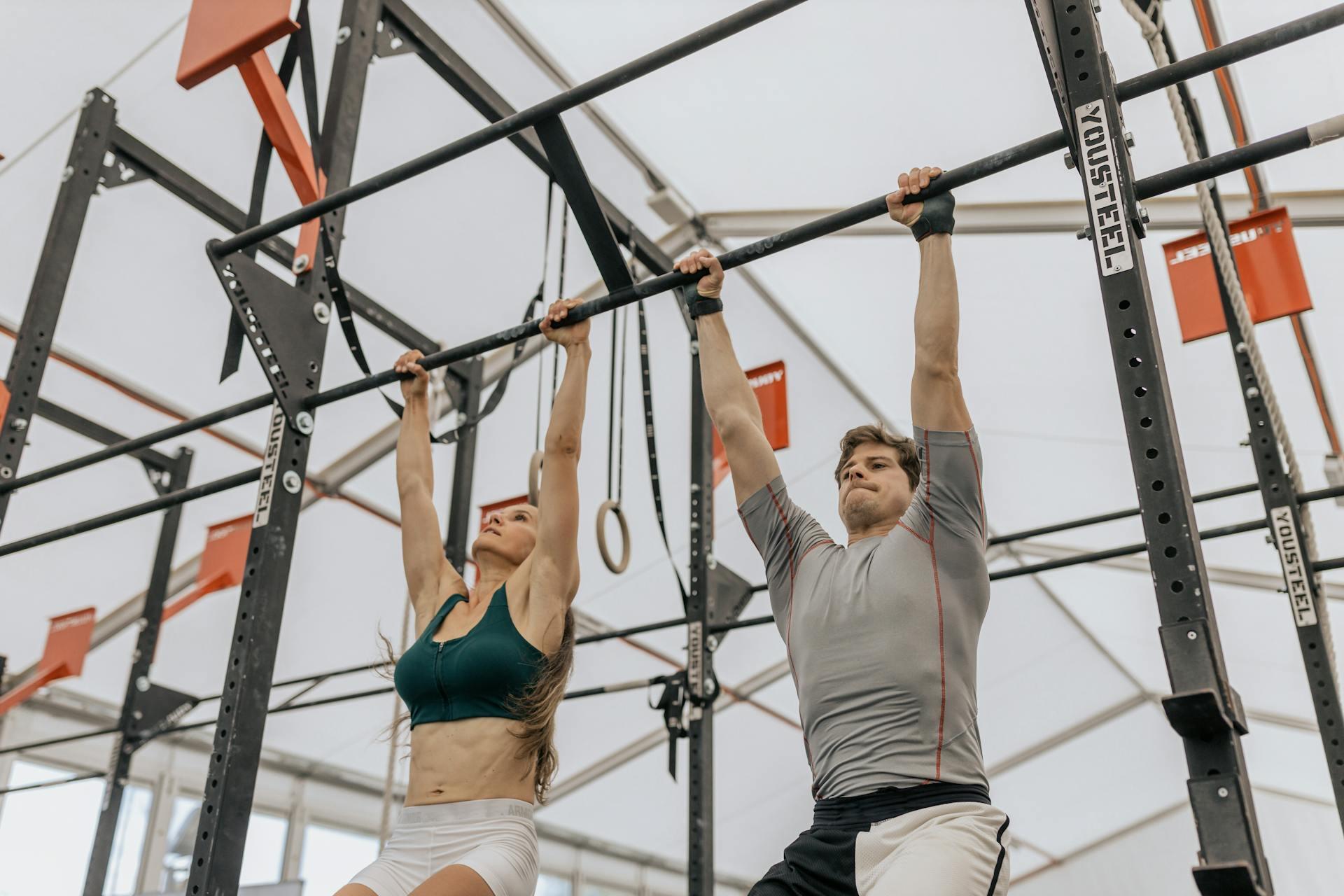
Classic bodyweight exercises like pullups, pushups, situps, reverse situps (for back strength), crunches, planks, dips, and squats are the core of a boxer’s strength routine. Other strength exercises for boxers include jumping rope and resistance band exercises.
Boxers should incorporate exercises that strengthen their vital movements, like ducking, coming up, throwing a punch, snapping back, and balancing in an uneven stance.
Some weight training can be valuable for boxers since it can reduce the risk of injury by strengthening joints, ligaments, and muscles. However, boxers should focus on functional weight training rather than exercises aimed at inducing hypertrophy. Squats, split squats, bench presses, vertical/overhead presses, horizontal pulls or rows, bicep curls, tricep extensions, and core exercises are generally useful.
It’s crucial to stay hydrated and stretch consistently to avoid muscle pulls and reduced mobility.
Boxers need to build explosive power, stamina, endurance, and conditioning for their fights.
Yes, however, they should be sure to only do exercises suitable for boxers, not exercises designed for weightlifters, bodybuilders, or other types of athletes.
Boxers should use lighter weights and more reps rather than heavy weights when weight training to get conditioned rather than "buff."
Technical Skill Development
Hone your techniques with drills designed to improve speed, precision, coordination, and reflexes. In all the famous boxing matches you see, the boxers in the ring have each spent countless hours honing their techniques.
For footwork, use box drills, high-knee jump roping, water running, jump squats, tuck jumps or box jumps, sprints, lateral shuffles, forward-backward shuttle run, cone drills, ladder drills, carioca drills, and single-leg hops.
For arm or hand work, use clap pushups, dumbbell shadow boxing (when, after holding dumbbells for a while and then putting them down, your arms feel lighter and faster), interval punching drills, and the heavy bag and speedbag.
For foot-hand coordination and whole-body movement honing, practice side-to-side jump rope, jab-move drills, and drills that combine jabs, hooks, crosses, and uppercuts, along with blocks and dodges.
Vital equipment includes heavy bags, speedbags, padwork, and focus mitts. Some exercises can be done solo, while others require a coach or partner. Repetitive drills are the key to acting confidently in the ring.
Hand (arm) strength, precision, and conditioning. Foot (leg) agility and effectiveness. Coordination and synchronization between hand and foot movement. Whole body coordination for offense and defence. Staying relaxed (not overly tense) while being able to command strength and tension instantly.
Professional boxers may train rigorously for 3 or more hours per day, up to 6 days per week. Amateur and newer boxers should train less than that to avoid injuries from improper form, over-exercising, and exhaustion. Recovery in between sessions is also important!
Training with a coach is highly encouraged.
Sparring
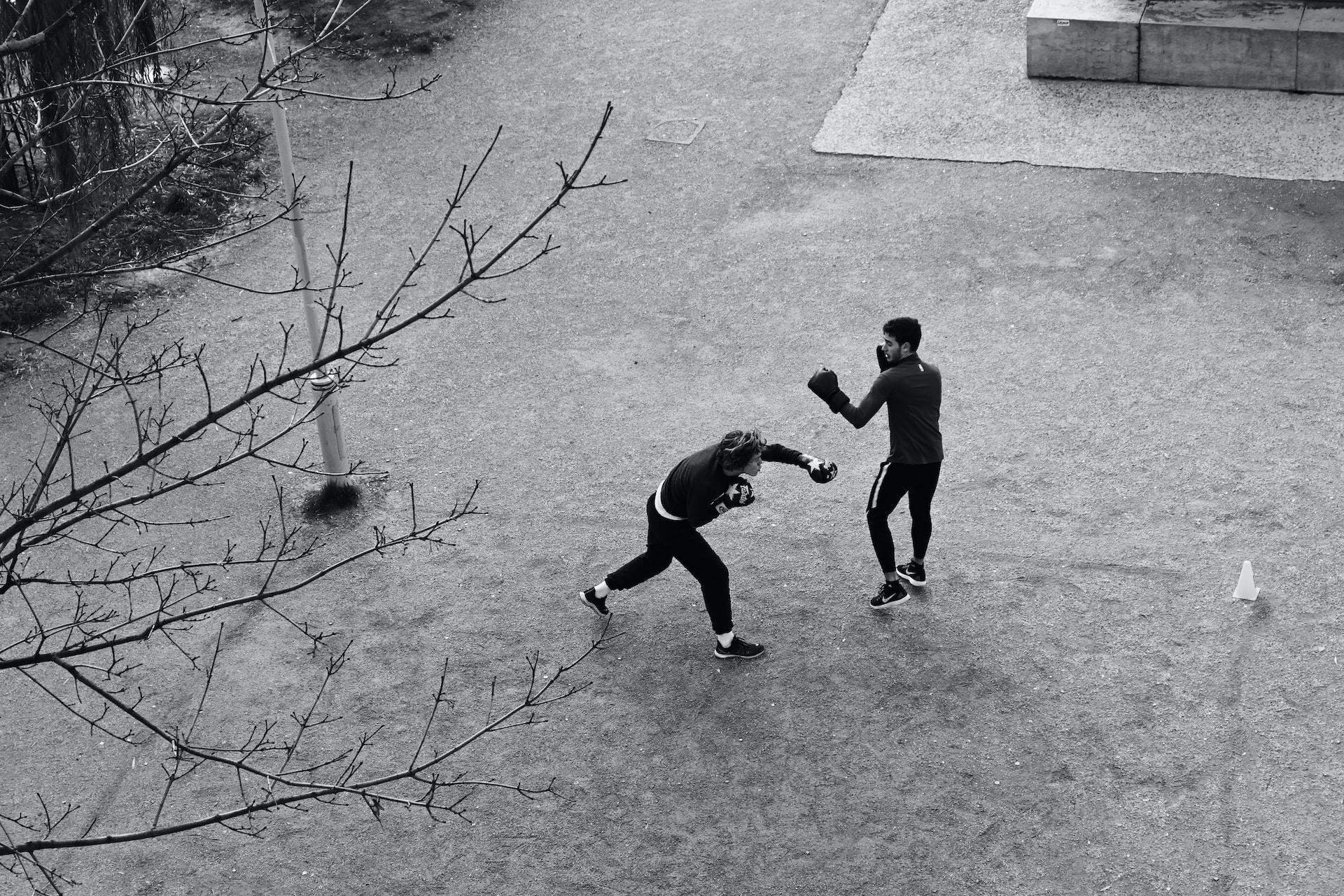
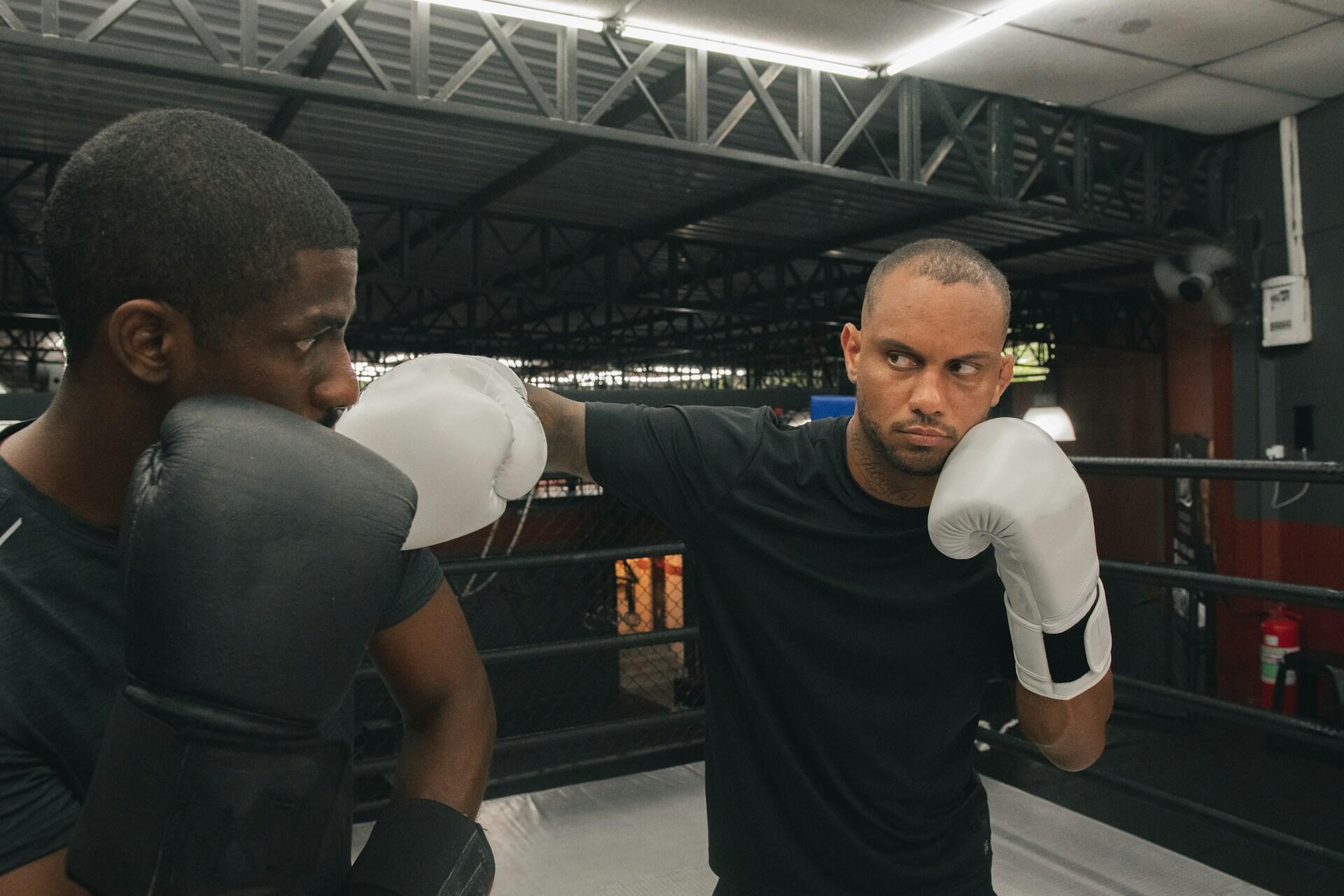
How does a boxer train their body and mind for a real fight? Under the supervision of a coach, practice sparring with another boxer. The goal is to apply your technical skills in a simulated fight setting. Your footwork, punches, and dodging get honed in a real-life setting.
Many novice boxers struggle to balance executing their technical skills with acting quickly and providing enough power. Sparring helps you find the balance and keep a level head, even when things get intense.
No. Sparring is a practice technique to help you (and your sparring partner) implement your technical skills in a safe setting. You should always wear proper safety gear during spars. You and your partner should not be using your full power.
To desensitize you to punching and getting punched by a real person. To practice new techniques, learn how to improvise, fortify your mindset, and identify your weak points.
Technical: focuses on taking turns punching and blocking, practicing techniques without resistance.
Controlled: focuses on specific techniques and drills with a little more power and resistance.
Open: Simulated real fight situation where each spar partner uses whatever techniques they want to land blows on one another. Crucially, they do not aim to knock one another out.
Top 7 Conditioning Workouts/Exercises for Boxers
When boxers work on strength, they don't aim to gain size and build muscle mass but instead work to enhance coordination, power, and quick force generation. After all, a boxer prefers to stay lean while maintaining their strength to stay agile. That's why conditioning exercises are a vital part of boxing workouts.
These workouts improve power and how your muscles and nerves work together, making your punches and movements more efficient and forceful without needing extra muscle.
Put simply, by training your body to use your existing muscles effectively, you'll become stronger and perform better in the ring or in front of the punching bag.
Here are a few conditioning exercises and essential boxing methods that boxers use to train and get in shape:
Exercises What Does It Cater Pushups Best for core stability and upper body strength Sit-ups Best for core muscles Squats Best for lower body, including glutes and quadriceps Burpees Full-body workout, including jumps, squats, and pushups Shadow boxing Best for enhancing coordination, cardiovascular fitness, and agility Jump rope A cardio exercise that improves coordination Running Improves stamina and cardiovascular endurance
Jumping Rope
Many successful boxers swear by the jump rope as their go-to strength-building exercise.
A type of plyometric exercise, jumping rope boosts your lungs and heart, burns calories, and enhances your footwork. It helps develop agility and rhythm, two vital elements in boxing.
Running (Roadwork)
In the world of boxing, running – often called roadwork – is a cornerstone of every great boxer's training routine. Whether you hit the pavement, take to the trails, run on a track, or use a treadmill, covering miles builds the aerobic fitness base necessary to support your boxing competitions and workouts.
High-Intensity Interval Training (HIIT)
HIIT stands as a superb tool for cardiovascular and metabolic conditioning in boxing.
Boxing includes bursts of near-maximum effort followed by brief recovery periods, like HIIT. Therefore, HIIT workouts closely mimic the needs of boxing, pushing your body to perform at a high level even when fatigue sets in. HIIT routines can include various exercises, such as running, cycling, calisthenics, or rowing, with the primary focus being on metabolic conditioning.
Burpees
Similar to jumping rope, burpees are a plyometric exercise that develops explosive power and strengthens nearly all major muscle groups. Consistent burpee workouts also provide an excellent cardio workout, making them a boxer's trusted companion.
Mountain Climbers
Mountain climbers target your shoulders and core while training the neuromuscular systems to move swiftly. The key is to maintain good form while moving quickly.
Boxers need to be fast, agile, sturdy, and compact. The cardio and bodyweight exercises, plus hours of conditioning and drills, make them plenty strong enough for their sport. They are some of the strongest functional athletes.
Weightlifting and bodybuilding are not compatible with a boxer's needs. It makes them gain too muchweight, makes them too bulky, and can reduce speed, flexibility, and mobility.
Agility Ladders
Agility ladders are fantastic tools for drills that enhance your speed and agility, making you nimbler and more precise with your movements. They help improve footwork, coordination, and balance by training your body to move efficiently under control. Regular ladder drills also sharpen reaction time and neuromuscular coordination, which translates into better performance across a wide range of sports and fitness activities.
Slide Boards
Many athletes focus on backward and forward movements, but boxing requires extensive lateral motion.
As professional boxers, you need strength and agility in all directions. Training your glutes, legs, hips, and core with lateral exercises is critical. Slide boards are perfect for strengthening these key muscles, enabling you to generate power in your punches, bob, weave, pivot, and become a more competitive boxer overall.
Top Strengthening Workouts/Exercises for Boxers
The best modern boxing workouts incorporate strength-building exercises that target major muscle groups and improve your neuromuscular coordination for more force and power. To help boxers get in shape and avoid injuries caused by repetitive heavy bag workouts, it's important to focus on improving their coordination and overall strength.
Here are some effective strength training workouts/exercises boxers use to train and get in good shape:
- Squats: Bend your knees while keeping your back straight, like sitting in a chair. This strengthens your legs and core.
- Lunges/Walking Lunges: Step forward and lower your body until both knees are bent at a 90-degree angle. This works your leg muscles and balance.
- Deadlifts: Bend at your hips and knees to lift a barbell or weights from the ground, working your back, glutes, and hamstrings
- Pushups: Support your body on your hands and toes, lowering and raising yourself to strengthen your chest, shoulders, and triceps
- Pull-Ups: Hang from a horizontal bar and pull your body upward to strengthen your back, arms, and grip
- Weighted Punches: Hold weights while shadowboxing to enhance the power of your punches
- Turkish Get-Ups: This full-body exercise involves rising from the ground while holding a weight overhead. It improves core stability and strength.
- Hanging Knee Raises: From a bar, lift your knees toward your chest to target your abs.
- Landmine Punches: Attach a weight to one end of a barbell and punch it, engaging your core and shoulders
- Medicine Ball Slams: Slam a weighted ball to the ground, using your whole body to build power
- Medicine Ball Chops: Holding a medicine ball, twist your torso to simulate the motion of a punch. This strengthens your rotational power.
Take Boxing Training Classes from Superprof
Boxing requires strength, power, speed, agility, and cardiovascular fitness. It is a sport that demands skill, technique, and a high level of physical fitness. Boxers need to be strong, agile, and have exceptional cardiovascular endurance to perform at their best in the ring. If you want to train and get in shape quickly and efficiently, get boxing training from Superprof's private boxing coaches in your hometown. They provide one-on-one instructions from qualified boxing trainers or coaches. It means your boxing lessons can be customized according to your particular needs and goals, focusing on areas where you need the most improvement.
With personalized attention and a customized training plan, you can progress at your own pace, often faster than in group classes where the instruction may be more generalized. Private training enables you to work closely with your coach on perfecting your boxing techniques, footwork, and defensive skills. This attention to detail can lead to better form and more effective punches. They also offer a flexible schedule, so you train at times convenient to you. Whether a pro or a beginner, private boxing training classes can benefit both and help take your game to the next level.
🥊 What's Your Favorite Part of Boxing Training?
Summarize with AI:
Enjoyed this article? Leave a rating!


 Loading...