
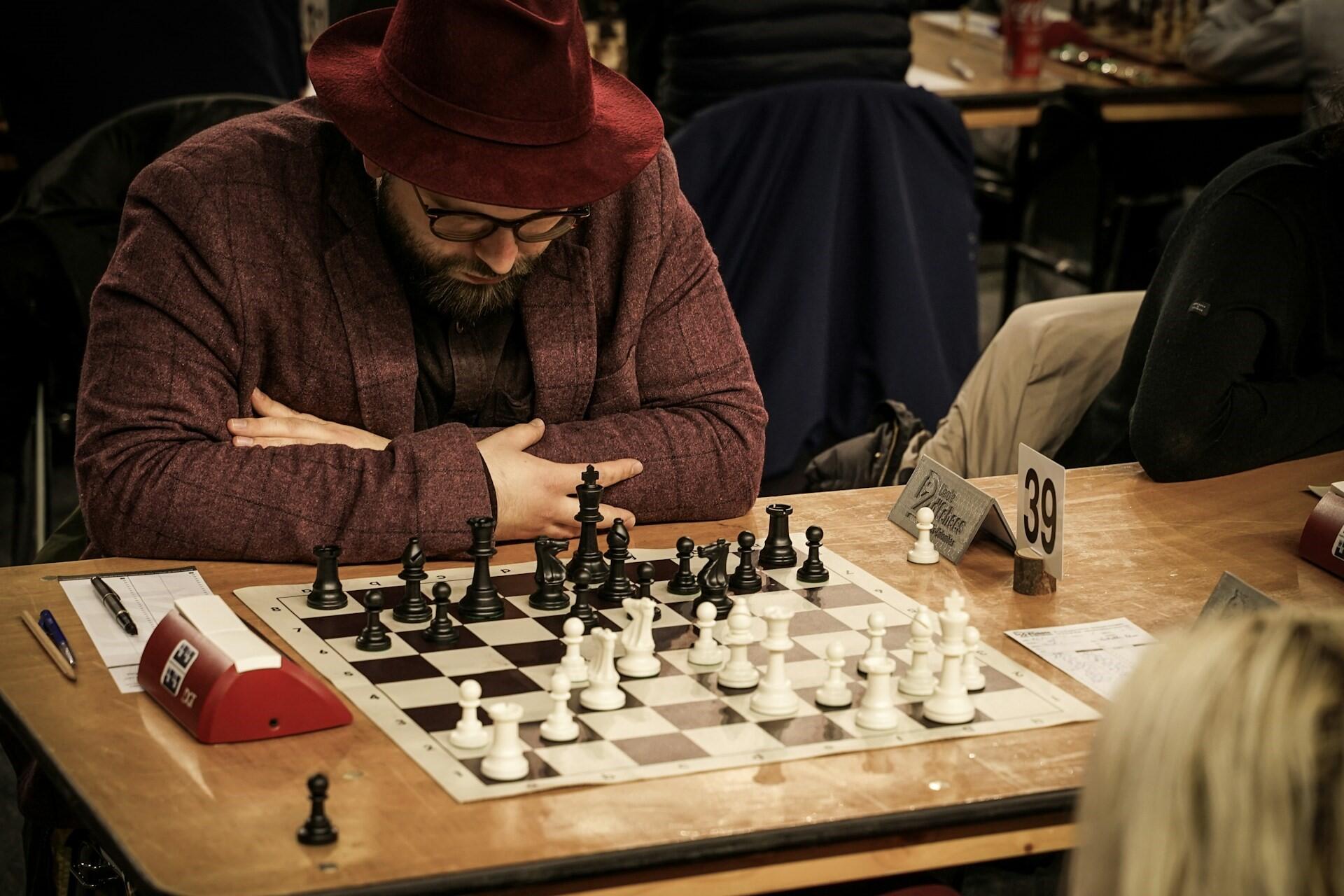

Chess is a game of strategy and tactics. If you want to get better at chess, you need to learn and recognize them. One such key tactic is the skewer. Here, we'll explain how it works, how to use it, and how to defend against it.
Key Takeaways
- A skewer in chess attacks two aligned pieces along a rank, file, or diagonal.
- The more valuable piece is attacked first and must move away.
- Once it moves, the piece behind it becomes exposed and can be captured.
- Bishops, rooks, and queens most often create skewers because they control long lines.
- Learning to recognize skewers helps players win material and improve tactical awareness.⁸








Understanding the Skewer Tactic in Chess
Key chess tactics often help force your opponent to make a difficult choice. One powerful tactical idea is the skewer. This move attacks two pieces at once, taking advantage of their alignment on the board. When executed correctly, a skewer can force a valuable piece to move and leave another piece behind it exposed.²
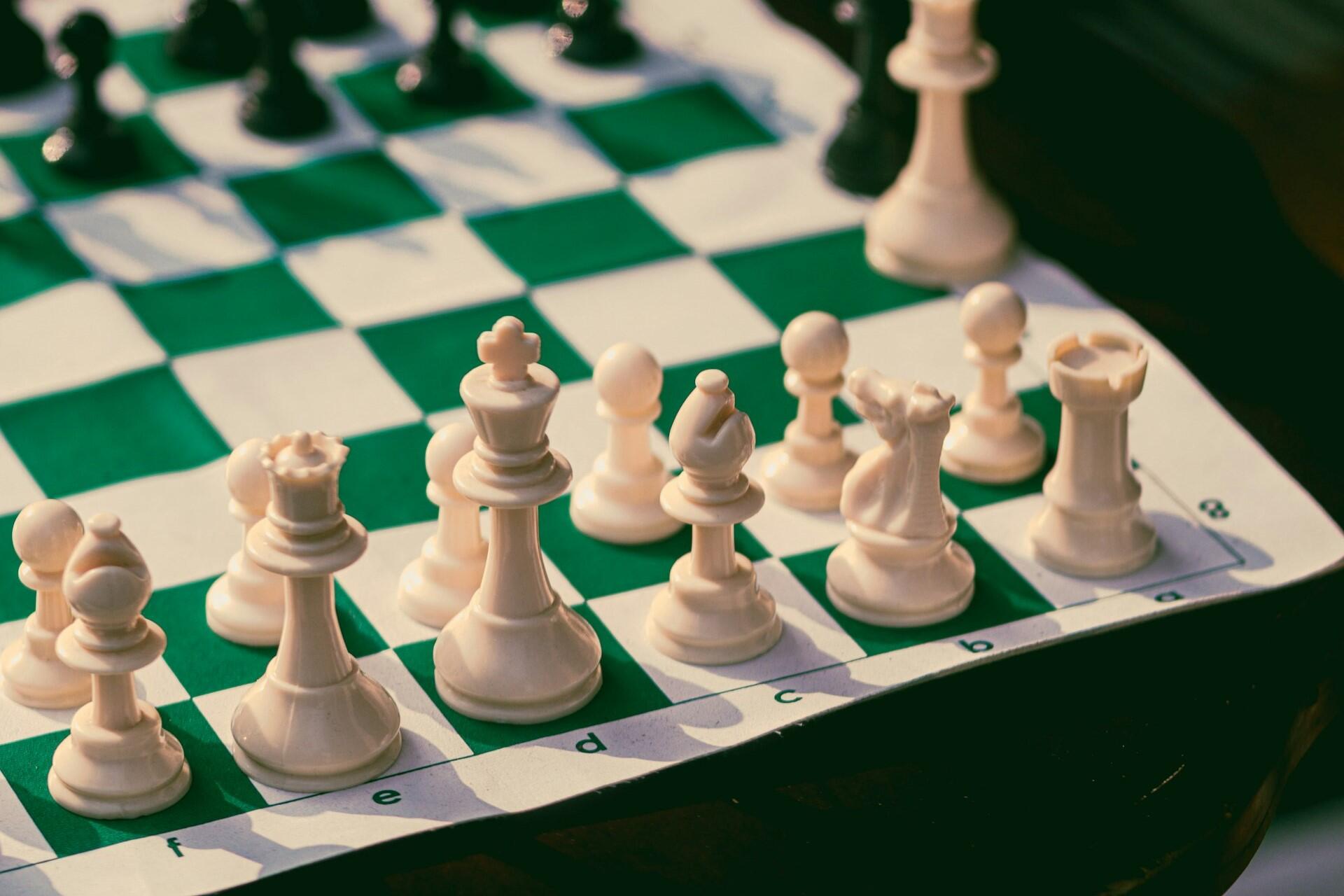
Skewers usually occur along open lines, with long-range pieces like rooks, bishops, or queens applying pressure. By attacking the more valuable piece first, you can force your opponent to respond. This often reveals a second piece that you can capture. Like every chess tactic, recognizing opportunities is an important step toward improving tactical awareness during a game.³
A skewer in chess is a tactical attack in which one piece targets two opponent pieces aligned on the same rank, file, or diagonal. The more valuable piece stands in front and must move to escape the attack. Once it moves, the less valuable piece behind it becomes exposed and can be captured. Because of this structure, skewers are often described as the reverse of a pin in chess tactics.
Types of Skewers
The type of skewer you execute depends on the pieces involved and the board position. It's worthwhile understanding the two main forms of skewers so you can recognize when a tactic is forced and when it simply creates a strong threat.⁵
In chess parlance, these are absolute or relative skewers and shouldn't be confused with the pin in chess. Both rely on pieces being aligned along a rank, file, or diagonal, but the consequences for the defending player are different.⁴ Work on identifying each type of skewer (we'll cover it momentarily), and you can judge whether a skewer will immediately win material or create an advantage.⁶
A skewer in chess is often described as the reverse of a pin. In a pin, the less valuable piece stands in front and cannot move because a more valuable piece behind it would be exposed. In a skewer, the more valuable piece is attacked first and must move, revealing the piece behind it. Both tactics rely on pieces being aligned on the same rank, file, or diagonal.
Absolute Skewer
Absolute skewers are dangerous because the defending player has to break the alignment. When the king moves away, the attacking piece can capture the piece behind it. This makes the tactic one of the most decisive patterns in practical play.⁷
Relative Skewer
Since a relative skewer gives your opponent more flexibility, they don't always result in an immediate material win. However, you can use them to create pressure and force your opponent to make concessions. For example, a relative skewer can force an important piece to move away from an active square or weaken its position.⁶
Executing Skewers in Your Games
Chess is 99% tactics.
Richard Teichmann, German chess master
Make sure that you're aware of how the pieces are aligned on the board. Look for two opposing pieces on the same rank, file, or diagonal, with the more valuable piece positioned in front. Once one of your long-range pieces can attack along that line, you can skewer.²

Skewers occur when there are open files for rooks, long diagonals for bishops, or centralized queens. Control these lines, and you can place pressure on your opponent's position, increasing the chance of creating a tactical opportunity.³
Defending Against Skewers
So far, we've talked about using skewers against your opponent, but what happens if you fall victim to one? You're likely to be skewered if your pieces are in a line where a rook, bishop, or queen can attack them. Keep an eye out for these alignments in your player to reduce the chances of losing material to this tactic.⁵
Preventive Strategies
Countermeasures
How to Enhance Your Tactical Skills in Chess
Practice and pattern recognition are central to every chess tactic.⁹ Regularly train your tactical awareness to identify opportunities to win material and create threats during a game. It's also useful to study common tactics in chess like forks, pins, and skewers, and you'll begin to recognize these patterns more easily when they appear on the board.¹ When analysing a position, ask yourself:
References
- Chess.com. “Chess Tactics.” Chess.com, https://www.chess.com/article/view/chess-tactics. Accessed 2 Apr. 2026.
- Chess.com. “Skewer - Chess Terms.” Chess.com, https://www.chess.com/terms/skewer-chess. Accessed 2 Apr. 2026.
- ChessMood. “Skewer in Chess: The Tactic Explained.” ChessMood, https://chessmood.com/blog/skewer-in-chess. Accessed 2 Apr. 2026.
- ChessStrategyOnline. “Introduction to Chess Tactics: Pins and Skewers.” Chess Strategy Online, https://www.chessstrategyonline.com/content/tutorials/introduction-to-chess-tactics-pins-and-skewers. Accessed 2 Apr. 2026.
- ChessWorld. “Chess Skewers – Powerful Tactical Motif Explained.” ChessWorld, https://www.chessworld.net/chess-skewers.asp. Accessed 2 Apr. 2026.
- Chessfox. “Skewer.” Chessfox, https://chessfox.com/skewer/. Accessed 2 Apr. 2026.
- ChessJunction. “Skewers in Chess.” ChessJunction, https://chessjunction.com/skewers-in-chess/. Accessed 2 Apr. 2026.
- MasterClass. “Chess 101: What Is a Skewer in Chess?” MasterClass, https://www.masterclass.com/articles/chess-101-what-is-a-skewer-in-chess-learn-about-2-types-of-skewer-attacks-with-examples. Accessed 2 Apr. 2026.
- Regency Chess. “Chess Basic Tactics Series #1 – Pins and Skewers.” Regency Chess Blog, https://www.regencychess.co.uk/blog/2012/07/chess-basic-tactics-series-1-pins-and-skewers/. Accessed 2 Apr. 2026.
Summarize with AI:
Did you like this article? Leave a rating!

 Loading...
