
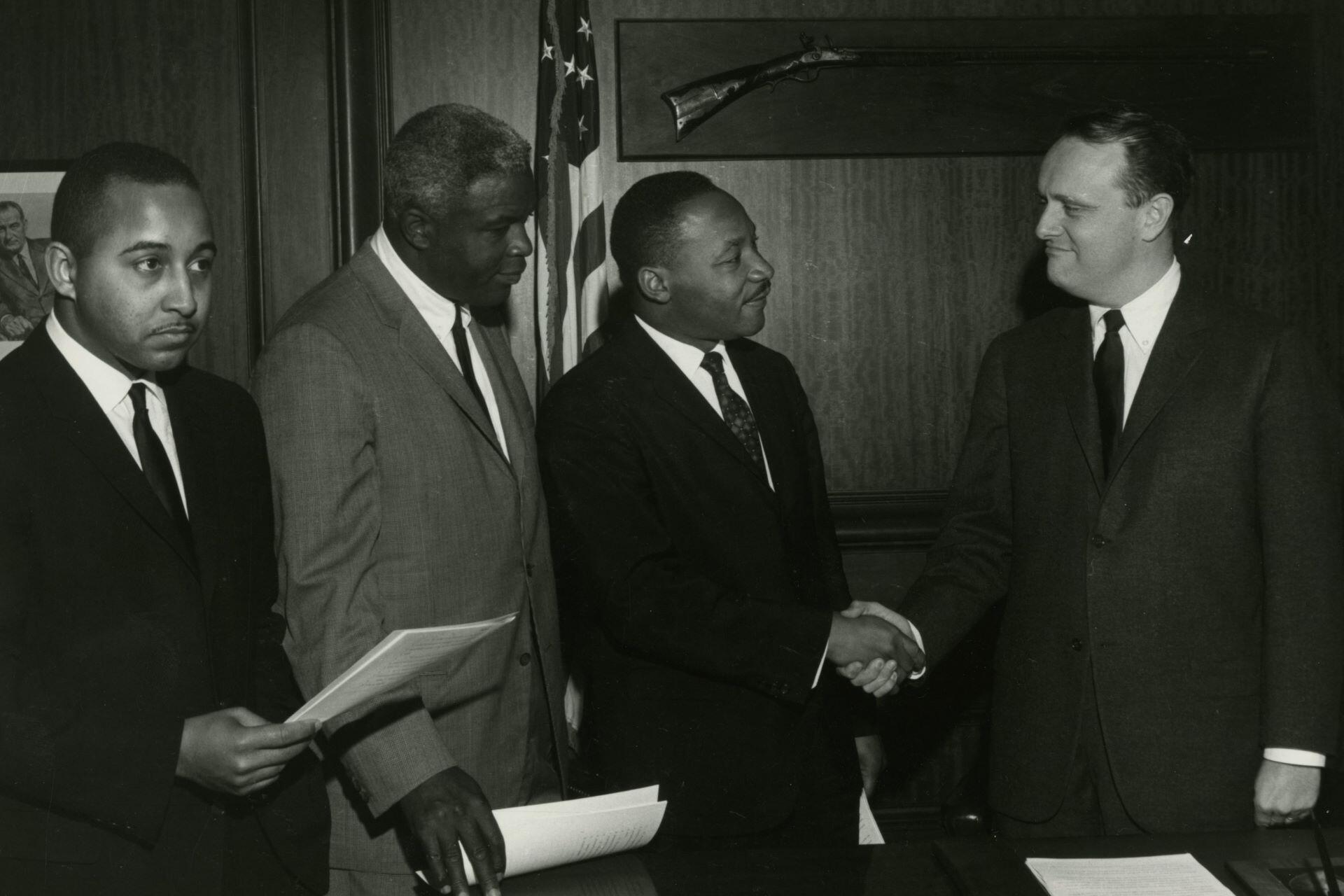

The civil rights movement was shaped by the courage and determination of its leaders. They challenged segregation, injustice, and discrimination across the US. While the movement's successes were down to everyone involved, here are just some of the significant figures who helped lead and organize it.
Key Takeaways
- The civil rights movement was driven by influential leaders who used activism, legal action, and community organization to challenge segregation and discrimination across the United States.
- Martin Luther King Jr., Malcolm X, John Lewis, and other significant figures inspired national change through speeches, marches, grassroots campaigns, and powerful public messaging.
- Legal strategists like Thurgood Marshall reshaped American law by dismantling segregation through landmark court victories such as Brown v. Board of Education.
- Organizers, including Bayard Rustin and A. Philip Randolph, coordinated mass demonstrations and built coalitions across labor, church, and student groups.
- Frontline activists like Medgar Evers and Fred Shuttlesworth put their lives at risk to expose racial violence and injustice in the Deep South.
- Organisations such as the SCLC, NAACP, SNCC, and CORE played essential roles in planning protests, supporting legal cases, and mobilizing nationwide campaigns.
- Student activism was a powerful force, with more than 10,000 young people participating in sit-ins that helped ignite the modern civil rights movement.
- The movement’s work led to lasting change, including major legislation, expanded voting rights, and a profound transformation of American public life.
| Civil Rights Leader | Role in the Movement | Key Organization |
|---|---|---|
| Martin Luther King Jr. | Influential national leader who united churches, students, and organizations in nonviolent action | SCLC |
| Malcolm X | Key voice confronting racism, inequality, and Black empowerment | Nation of Islam |
| John Lewis | Student activist who risked his life in sit-ins, Freedom Rides, and marches | SNCC |
| A. Philip Randolph | Major labor and civil rights organizer, involved in national worker rights campaigns | Brotherhood of Sleeping Car Porters |
| Bayard Rustin | Strategic organizer who coordinated major demonstrations and trained activists | SCLC / March on Washington staff |
| Thurgood Marshall | Civil rights lawyer who reshaped U.S. law and became the first Black Supreme Court Justice | NAACP Legal Defense Fund |
| James Farmer | Advocate for nonviolence and integration, helped lead sit-ins and Freedom Rides | CORE |
| Fred Shuttlesworth | Alabama leader who confronted violence and organized protests for racial equality | SCLC |
| Medgar Evers | Mississippi organizer who fought segregation and investigated racial injustice | NAACP |
| Ralph Abernathy | SCLC leader and close ally of King who continued the movement after King’s death | SCLC |




Martin Luther King Jr.
Injustice anywhere is a threat to justice everywhere.
Martin Luther King Jr.
Martin Luther King Jr. was one of the most influential civil rights leaders. He helped connect church communities, student activists, and national organizations in a push for civil rights. Through the key events of the civil rights movement, including speeches and marches, and an unwavering commitment to justice, King inspired millions and left behind a legacy that shaped global movements for equality, not just those in the US.
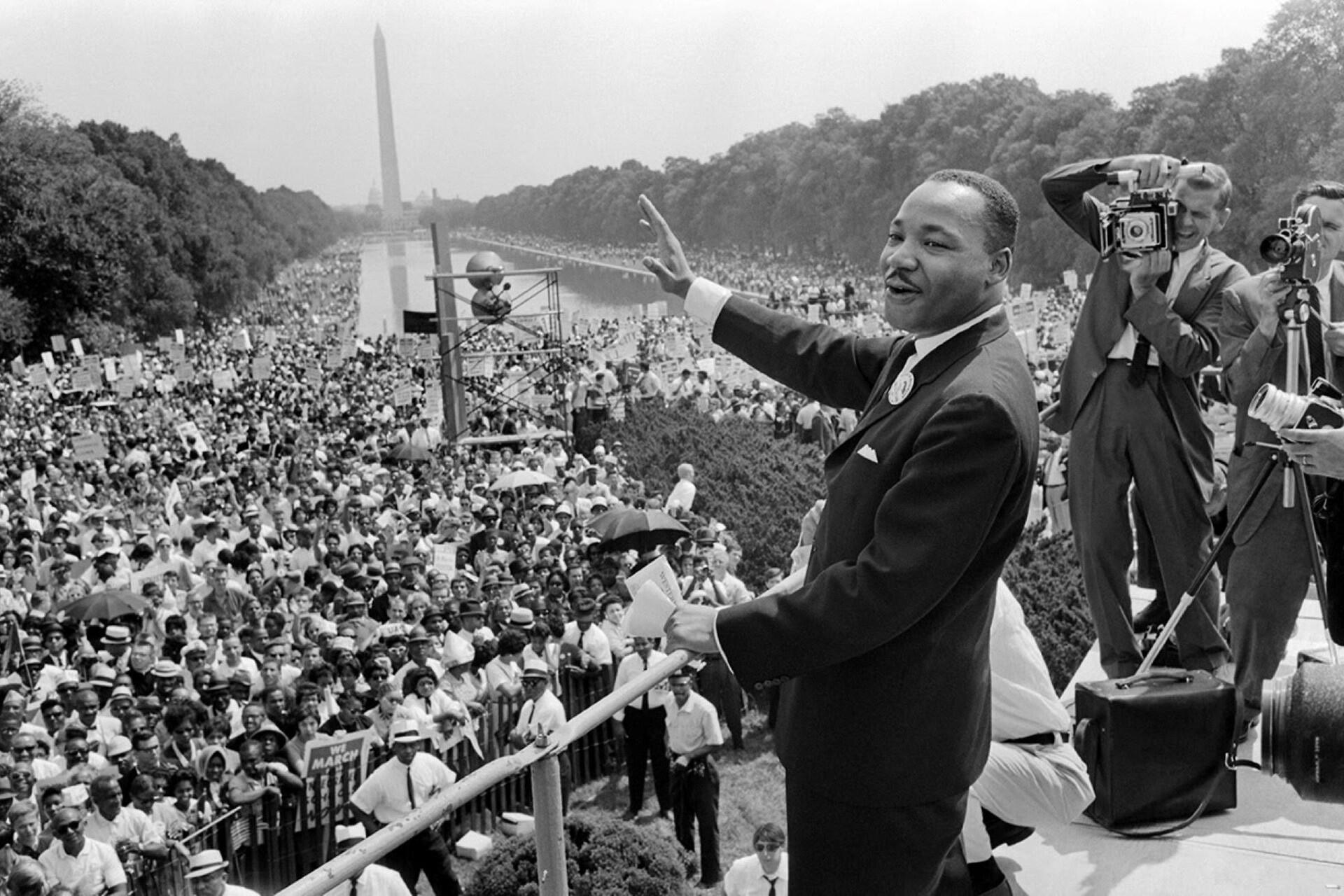
Long before the major marches of the 1950s and 1960s, African American communities fought injustice through local organizing, court challenges, and grassroots resistance. Early activists, church leaders, and student groups helped lay the foundation that later civil rights leaders would build into a national movement. Their efforts shaped the strategies and values used by the leaders featured in this article.
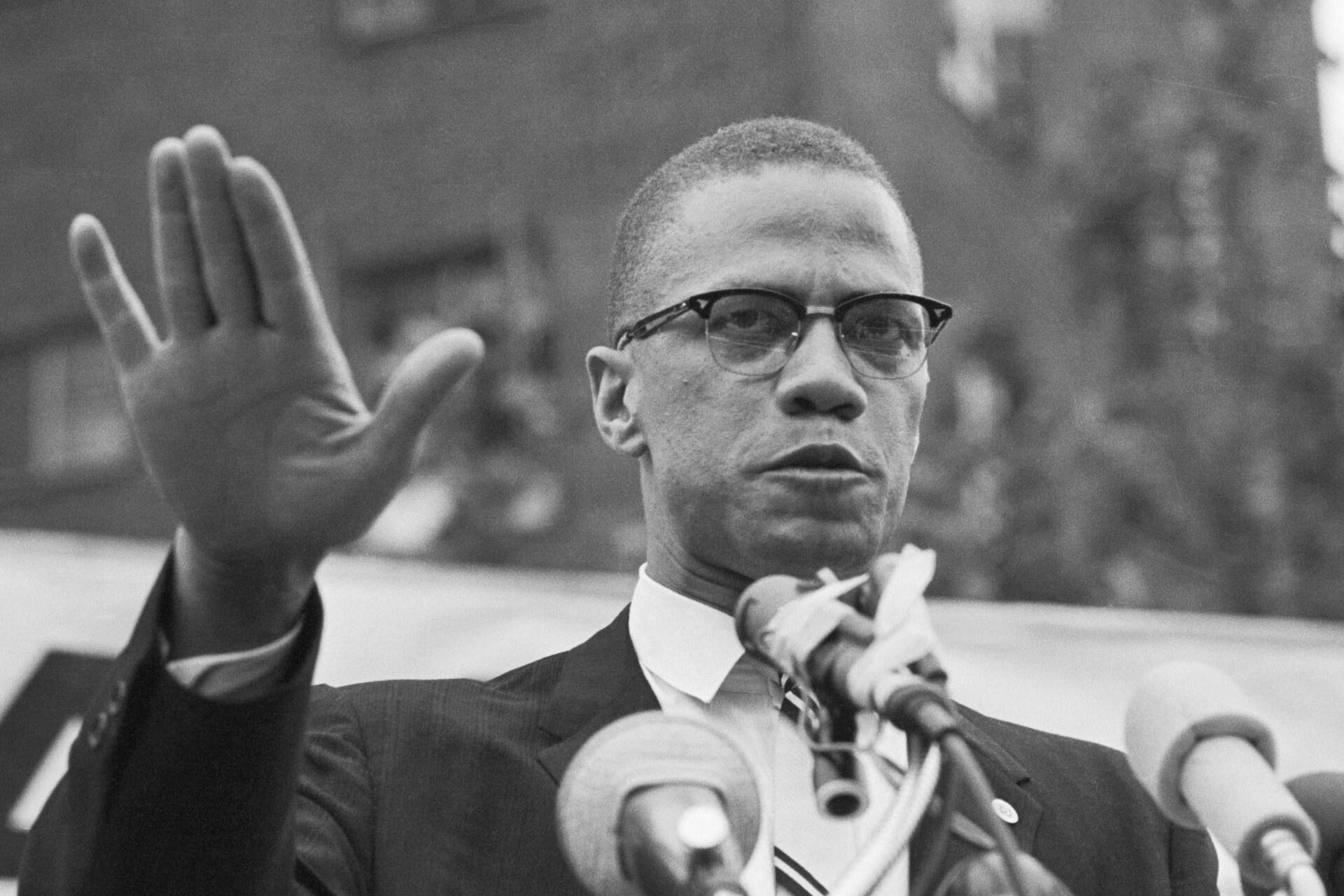
Malcolm X
It’s got to be the ballot or the bullet.
Malcolm X
Malcolm X challenged the nation to confront racism. A sharp intellect and a forceful speaking style, he articulated segregation and systemic inequality well. Over time, his ideas evolved, especially after his pilgrimage to Mecca.
students participated in sit-ins that spread across the South, helping ignite the modern civil rights movement.
John Lewis
I got in the way. I got in trouble. I call it good trouble. Necessary trouble!
John Lewis
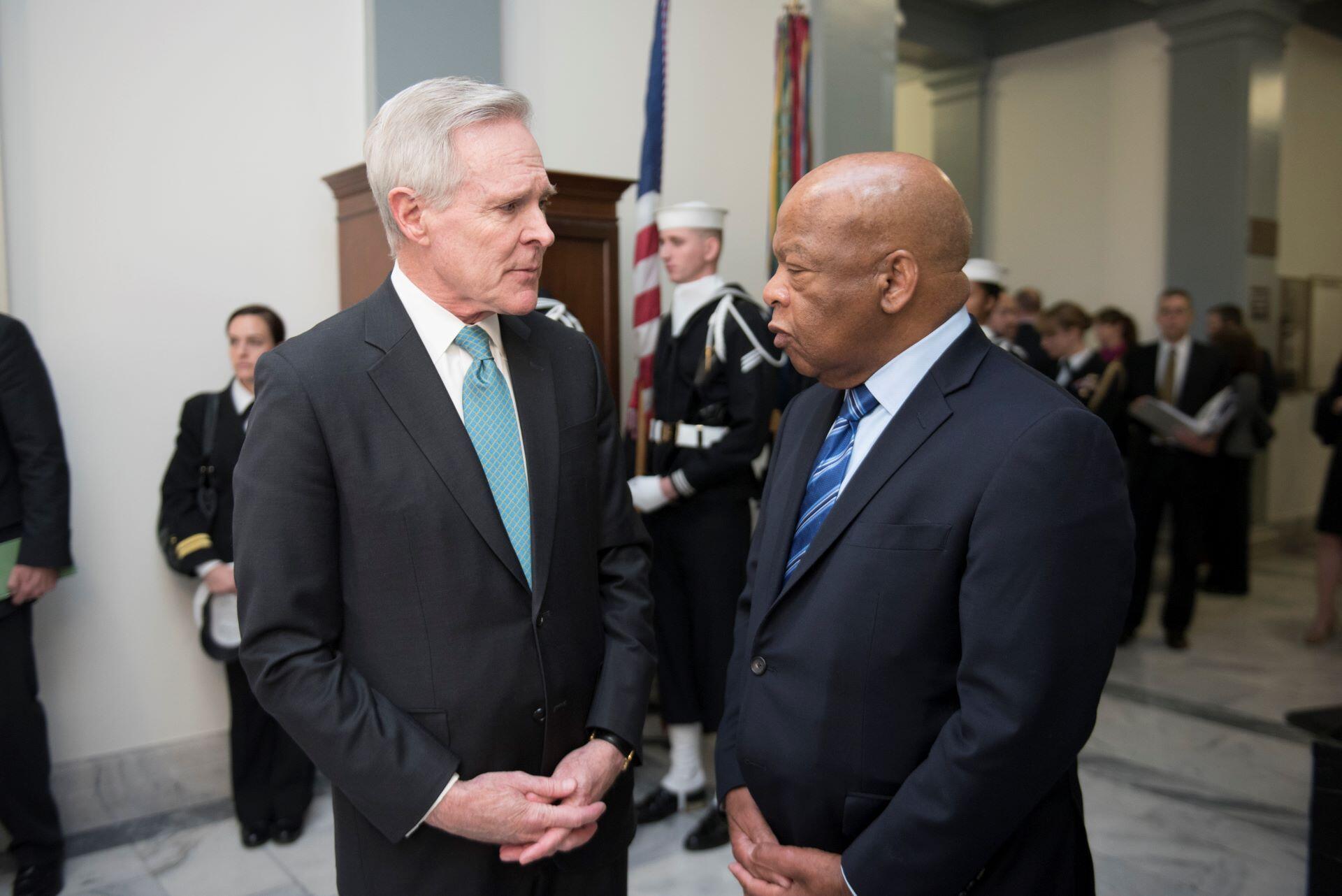
A student leader, John Lewis, was a young activist who helped transform the civil rights movement. He risked his life at sit-ins, Freedom Rides, and marches across the South including in Montgomery, where Rosa Parks famously refused to give up her seat on a bus. He went on to become a congressman.
protesters were arrested during the Birmingham Campaign
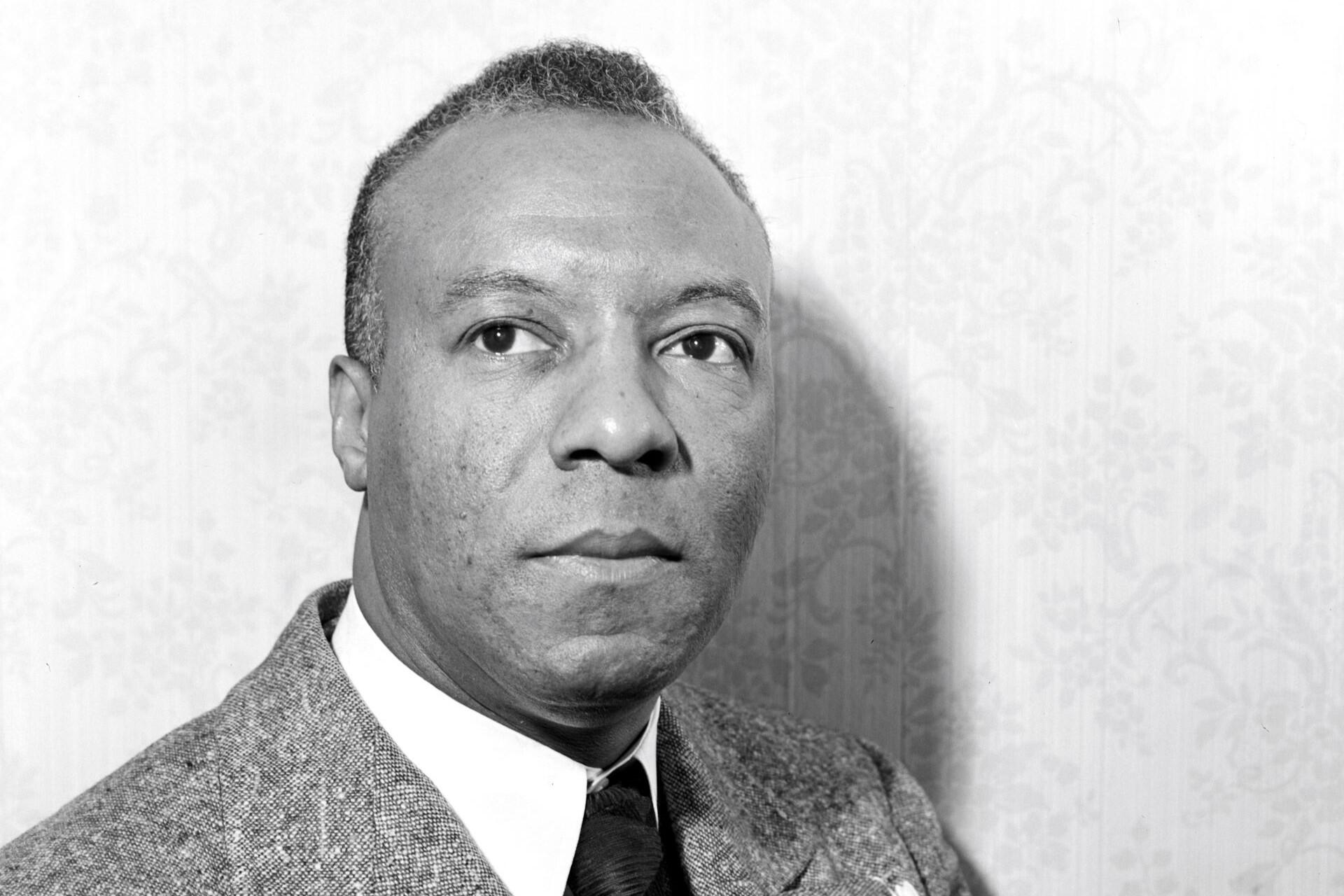
A. Philip Randolph
Freedom is never given; it is won.
A. Philip Randolph.
A. Philip Randolph was a major labor and civil rights organizer. He brought Black workers into national conversations about labor rights, wages, and union representation. He was a key organizer of the 1963 March on Washington.
Bayard Rustin
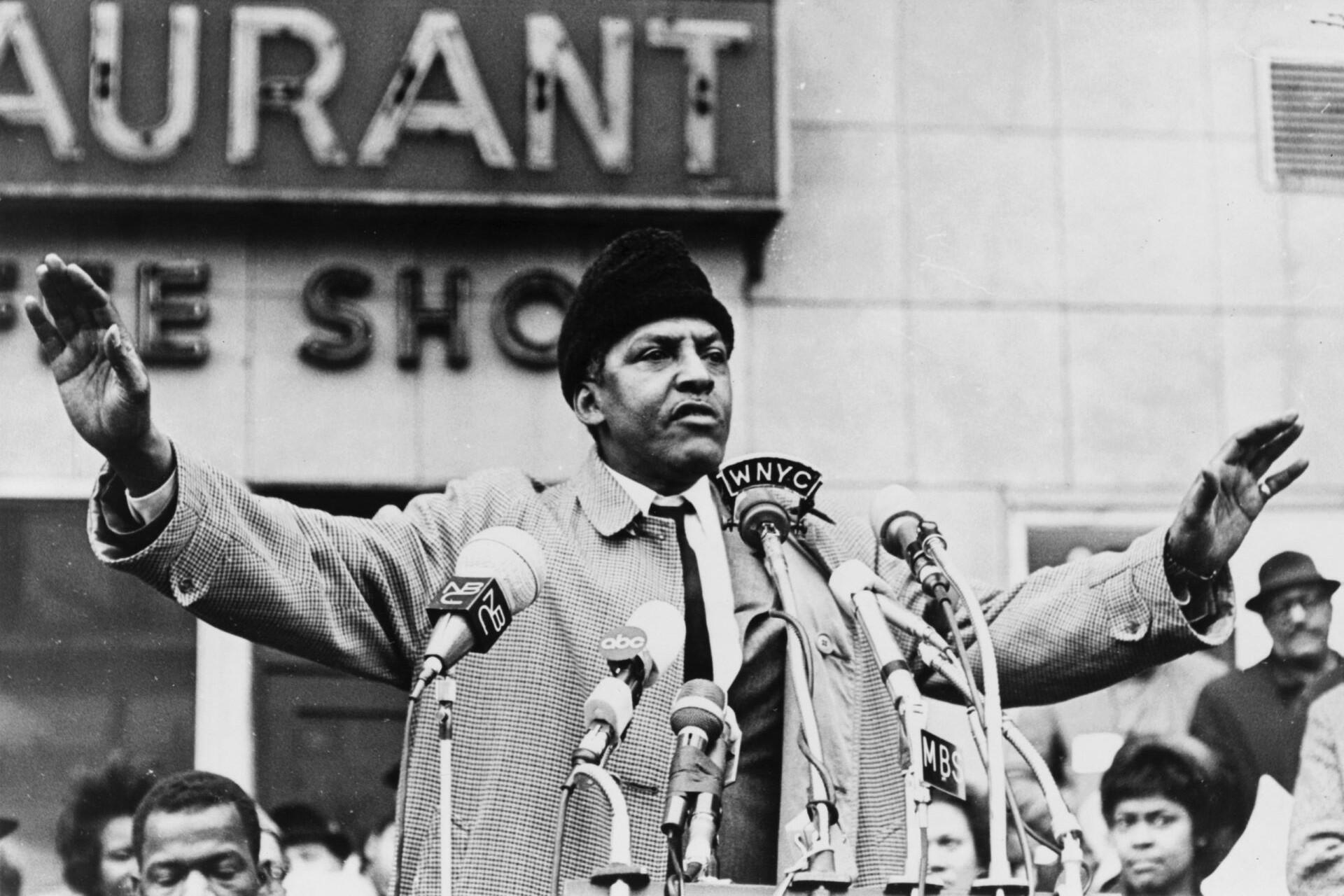
We need, in every community, a group of angelic troublemakers.
Bayard Rustin
The strategic mastermind behind many of the most important demonstrations, Rustin trained activists, built coalitions, and coordinated national actions. He was often working behind the scenes, but his influence shaped the civil rights movement. He was also key to the 1963 March on Washington.
The civil rights movement relied on national organisations such as the SCLC, NAACP, SNCC, and CORE to coordinate protests and legal action. Each group brought a different approach, whether through grassroots activism, courtroom advocacy, or nonviolent direct action. Their collaboration made large national demonstrations and legislative victories possible.
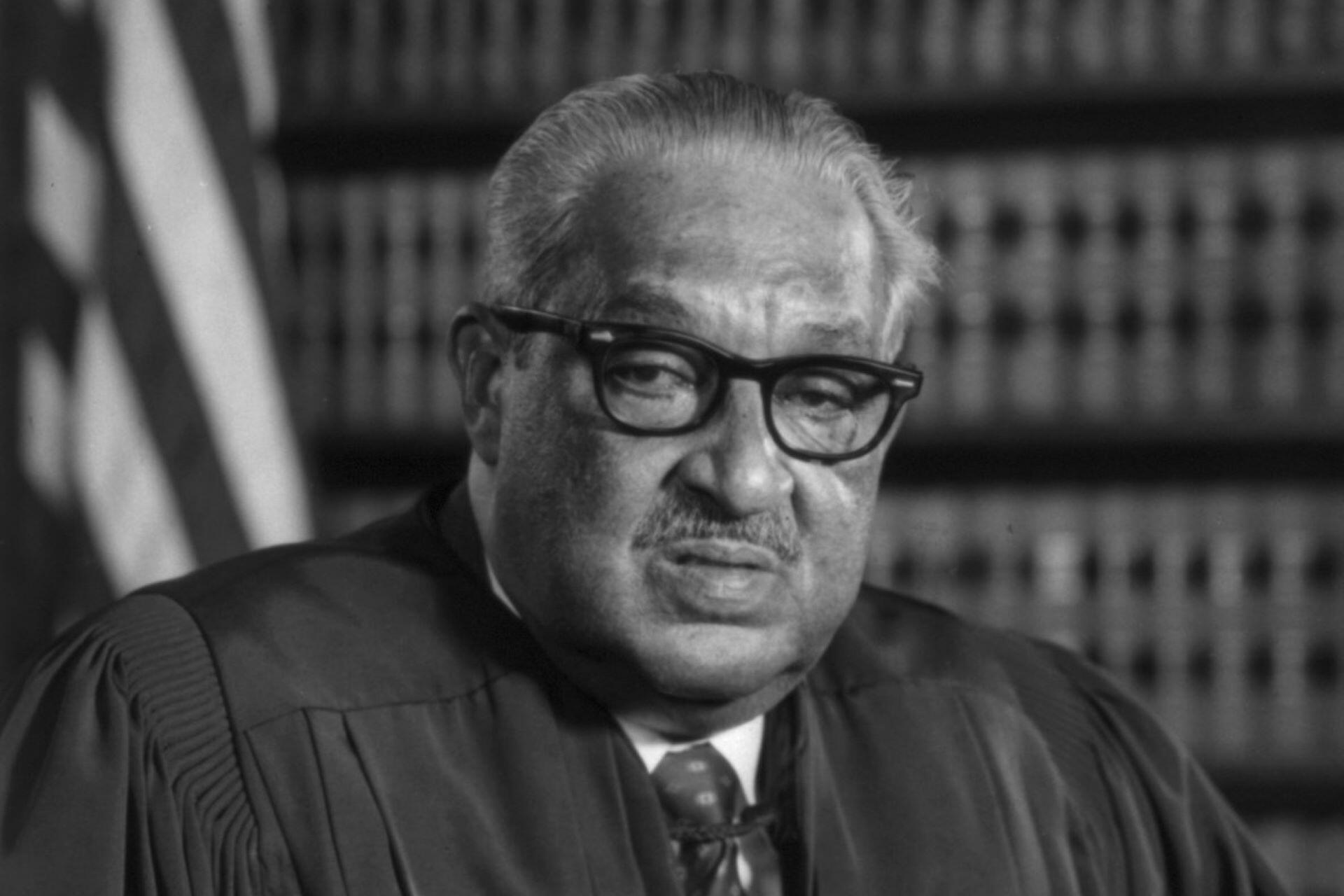
Thurgood Marshall
‘Equal’ means getting the same thing, at the same time and in the same place.
Thurgood Marshall
Thurgood Marshall helped change American laws. He argued cases as an attorney and reshaped civil rights. He later became the first African American justice on the United States Supreme Court.
James Farmer
We did not come to start trouble; we came to demand our rights.
James Farmer
James Farmer helped popularize nonviolent resistance. He led early sit-ins and helped drive national awareness of racial injustice. His work was key in paving the way for stronger civil rights legislation.
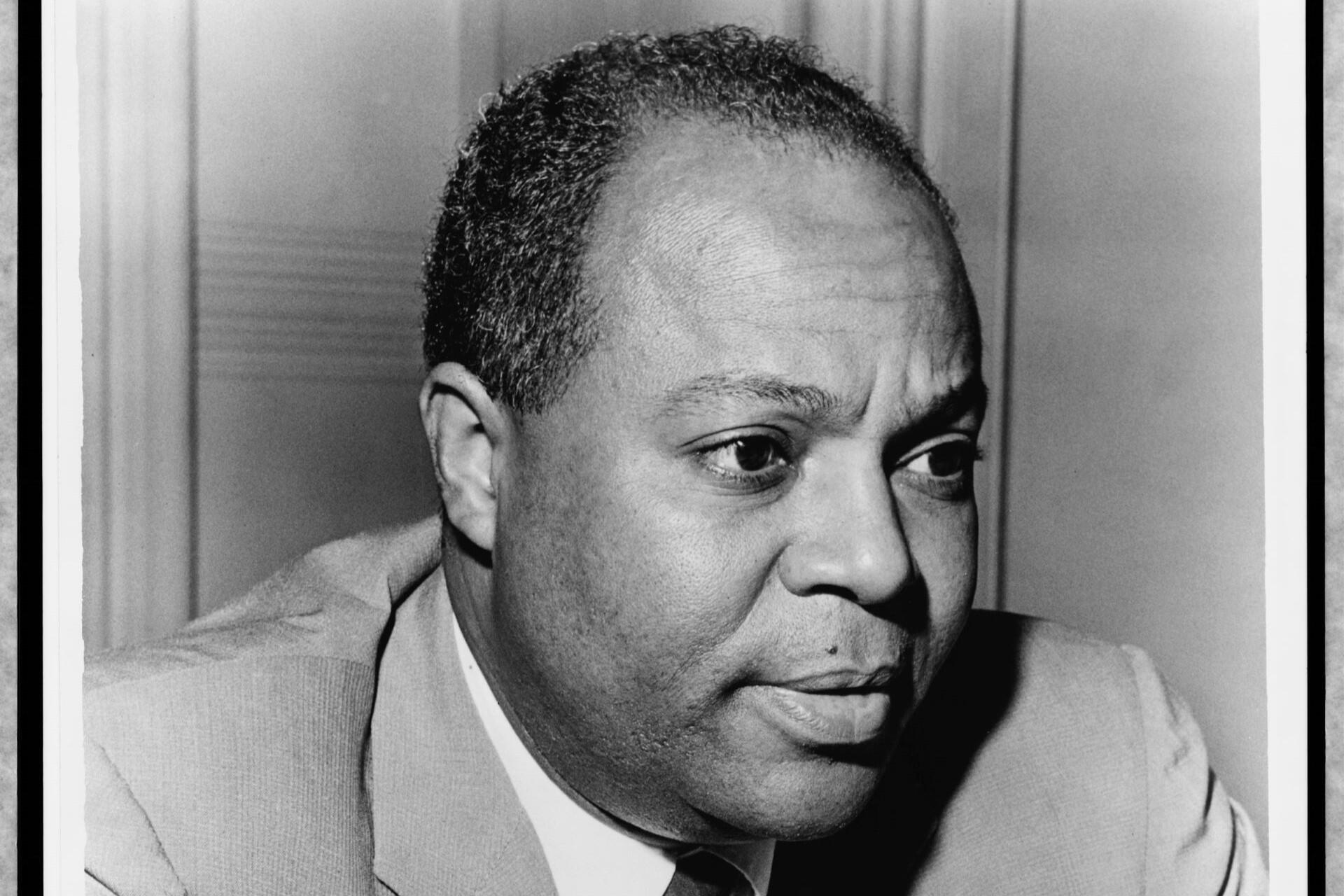
Fred Shuttlesworth
You have to be prepared to die before you can begin to live.
Fred Shuttlesworth
Fred Shuttlesworth was a civil rights leader who confronted violent resistance in Alabama. He repeatedly survived attacks and threats and continued to organize protests and campaigns for racial equality. He helped fuel the broader national involvement in the civil rights movement outside of Birmingham.
Medgar Evers
You can kill a man, but you can’t kill an idea.
Medgar Evers
Medgar Evers was a civil rights organizer in Mississippi. He worked to end segregation and build access to voting rights. He brought national attention to the dangers faced by Black Americans in the Deep South. He was assassinated in 1963.
Standing up against segregation and discrimination came with serious risks. Activists like Medgar Evers and Fred Shuttlesworth faced threats, attacks, and constant harassment because of their work. Their sacrifices brought national attention to racial violence and helped the movement push the government toward stronger civil rights protections.
Ralph Abernathy
I just want to say to you, we ain't going to let nobody turn us around.
Ralph Abernathy
Ralph Abernathy was one of Martin Luther King's close allies. He was a key leader in the Southern Christian Leadership Conference. He continued the SCLC's work after King's death, pushing for civil and economic rights, working with some of the key female civil rights activists at a critical time in the movement's history.
African Americans registered to vote in the Deep South following the Voting Rights Act
Summarize with AI:
Did you like this article? Leave a rating!

 Loading...
