
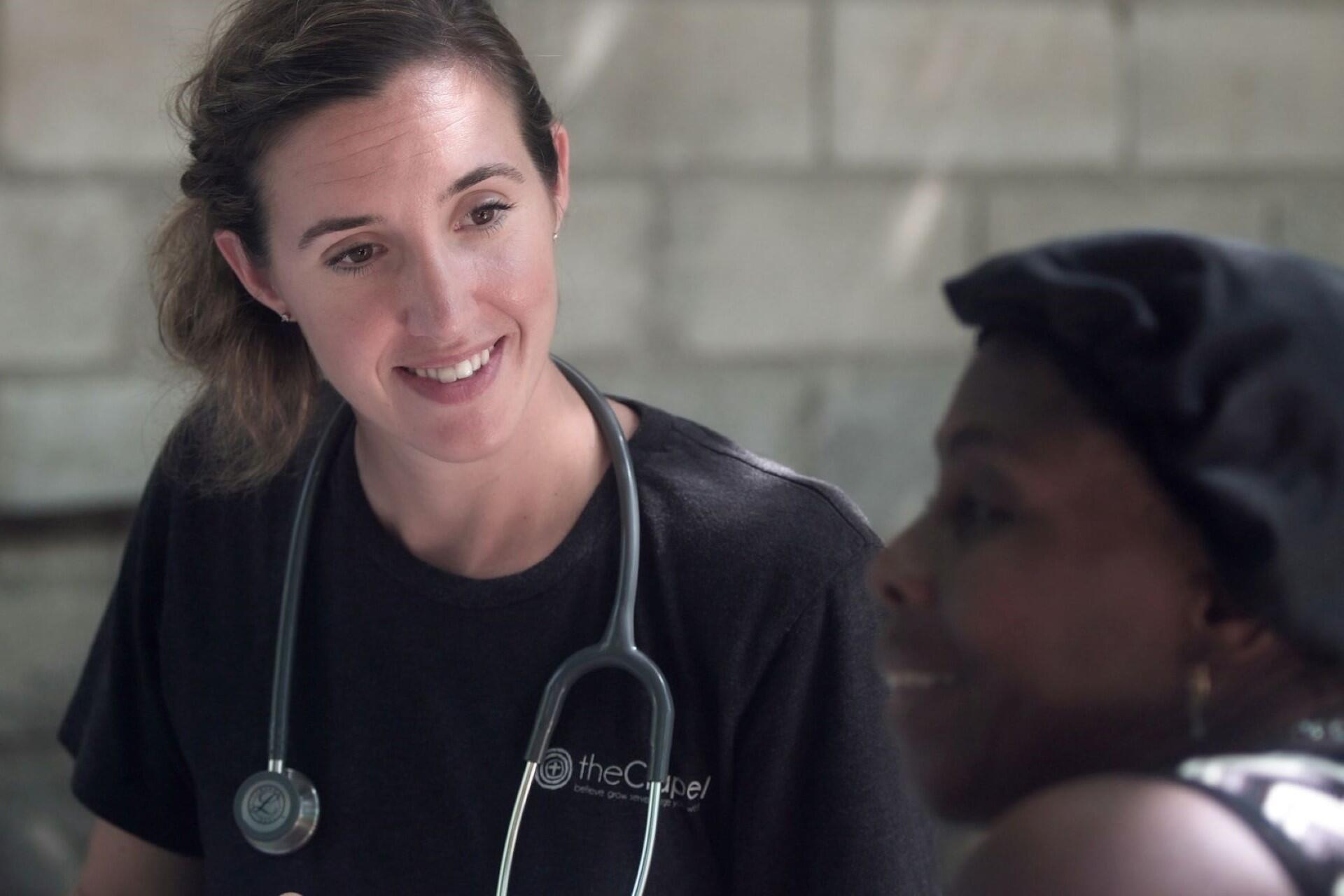

Clinical research is one of the fastest-growing areas of modern medicine. It drives discoveries, shaping treatments and improving patient outcomes. Clinical Research Nurses (CRNs) are at the heart of this, combining compassionate patient care with scientific rigor. CRNs ensure that every stage of clinical trials runs safely, ethically, and effectively. They're key contributors to research. Here's precisely what they do and how you can become one.


Defining the Clinical Research Nurse
A Clinical Research Nurse (CRN) bridges the gap between patient care and scientific discovery. They sit at the crossroads between nursing and clinical investigation, ensuring that studies involving human participants are done safely, ethically, and in line with regulatory standards. CRNs are a type of nurse who collaborates with principal investigators, physicians, research coordinators, and multidisciplinary teams to oversee clinical trials.
active clinical trials registered worldwide, with nearly one-third taking place in the United States.
Their work may include screening participants, administering study treatments, collecting and managing data, and monitoring patients for safety and adherence to study protocols. CRNs have both technical duties and a duty of care for participants, just like any registered nurse, ensuring that their consent is fully informed and that patient welfare remains the top priority.

Unlike staff nurses, who focus solely on clinical care, CRNs must interact with patients, manage and document research, and perform other tasks. They ensure the integrity of studies and their results by maintaining accurate records, adhering to approved protocols, and communicating findings to both research sponsors and regulatory boards, as appropriate.
CRNs can work in hospitals like many nurses, universities with nurse educators, or private research centers, where they contribute directly to the development of new drugs, devices, and treatment guidelines. They play a key role in shaping the future of medicine. So what exactly do they do?
Clinical Research Nurses are vital to ensuring that new treatments are safe and effective before they reach the public. Their work combines compassionate patient care with rigorous scientific oversight, which helps to translate laboratory discoveries into life-changing therapies. Without CRNs, many medical innovations would never move beyond the testing phase.
Key Responsibilities of a CRN
Clinical Research Nurses' responsibilities are a combination of traditional nursing and scientific research. Their duties will vary according to the study phase, clinical site, and patient population, but, they always boil down to maintaining the highest standards of patient care and, safety, as well as data integrity:
CRNs have to be precise and compassionate. Their combination of clinical expertise and scientific discipline puts them in a fairly unique position, and they must provide ethical, safe, and effective care. They also need to ensure that the science is done correctly. It's no easy task.
Educational Pathways and Certification
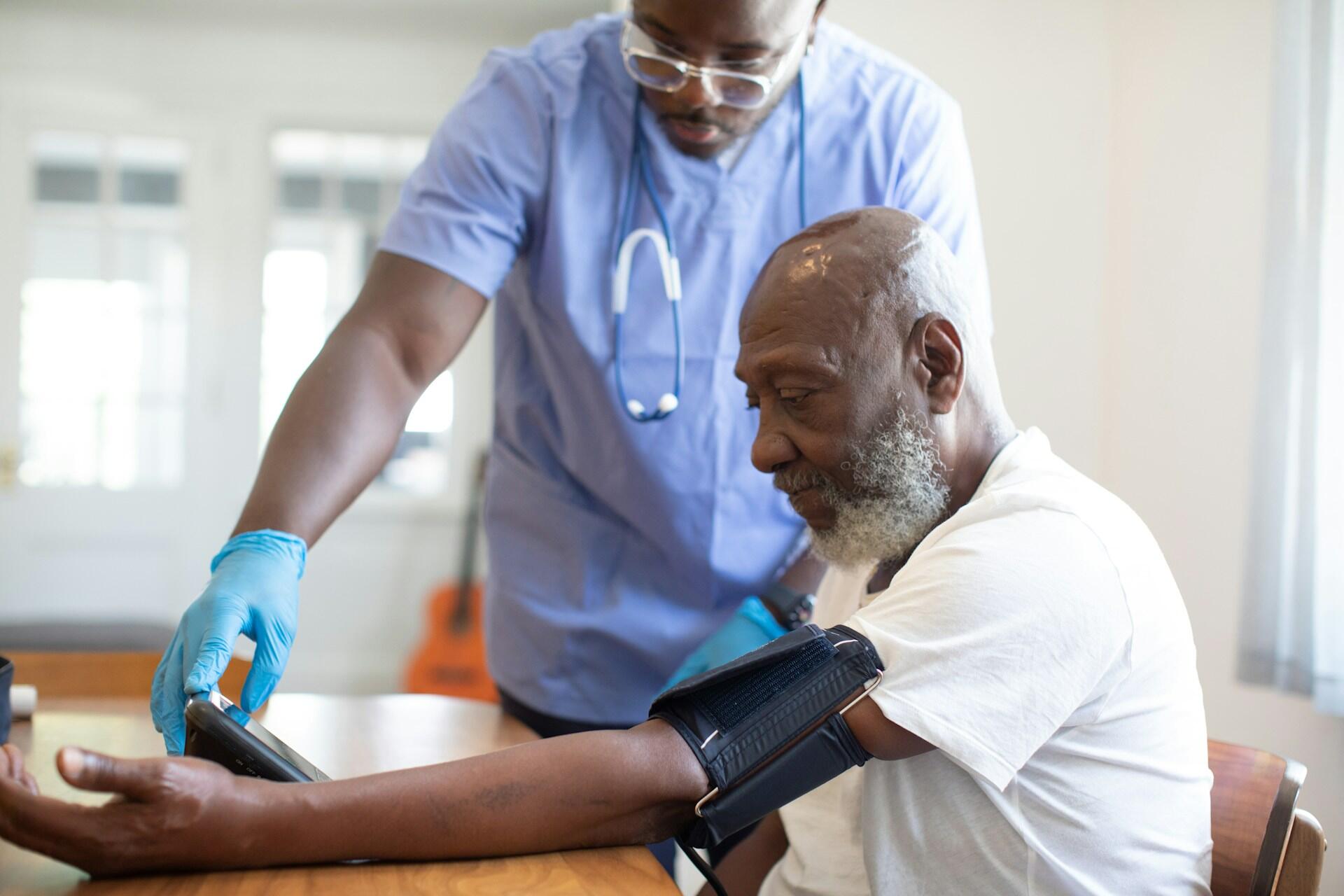
Clinical Research Nurses typically start as registered nurses (RNs) before transitioning into their research-based roles. This means they have to have a strong foundation in clinical nursing. From there, they can develop their scientific principles that will guide them in clinical studies.
Educational Requirements
To become a CRN, start by completing an accredited nursing program. These include an Associate Degree in Nursing (ADN) or a Bachelor of Science in Nursing (BSN). From there, you'll need to pass the NCLEX-RN exam to obtain licensure. Generally, research institutions and hospitals prefer candidates with a BSN or higher.
Clinical Research Nurses choose to pursue additional coursework or certification in clinical research management, biostatistics, or Good Clinical Practice (GCP). Some universities offer specialized graduate programs, such as the Master of Science in Nursing (MSN) with a concentration in research, including clinical trials. Advanced degrees can prepare nurses for leadership roles in research coordination, ethics, and study design.

It's also worthwhile to gain clinical experience. CRNs often start their careers as bedside nurses to gain hands-on experience in fields such as oncology, cardiology, or critical care, before transitioning into research positions. They must understand the complexities of patient care and effective communication before joining multidisciplinary research teams, as they will need to communicate effectively with research participants.
Certification as a Clinical Research Nurse is a milestone that reflects both skill and commitment. The RNCB’s Certified Clinical Research Nurse (CCRN) credential validates expertise in patient safety, ethical practice, and research management. Earning it can open doors to senior roles, higher pay, and leadership opportunities in major research centers.
Certification and Professional Development
There's formal certification to demonstrate a nurse's expertise in research settings. The Certified Clinical Research Nurse (CCRN) certification is one of the most widely recognized credentials in the field. The Nursing Certification Board offers this, and to qualify, you'll usually need an active RN license, two years of clinical research experience, and a passing score on a comprehensive exam covering research design, ethics, and participant safety.
nurses currently hold the Certified Clinical Research Nurse (CCRN) credential through the Research Nursing Certification Board (RNCB).
Certified CRNs are offered higher-level positions, such as clinical research manager, study coordinator, or education specialist. Although the credentials may not be technically required for some roles or positions, much like certain roles for L&D nurses, it is still worth considering them.
You can also find continuing education with the International Association of Clinical Research Nurses (IACRN) and the Association of Clinical Research Professionals (ACRP). This is useful for staying up-to-date with regulatory updates, best practices, and emerging technologies.
Career Opportunities and Advancement
Clinical research offers numerous opportunities. Medical studies are expanding across hospitals, universities, and private research organizations, resulting in a continued rise in demand for skilled Clinical Research Nurses. CRNs can work in academic medical centers, pharmaceutical companies, contract research organizations (CROs), and government research facilities, such as the National Institutes of Health (NIH).
A CRN's responsibilities can go from direct patient interaction to project coordination or management, with the latter options generally requiring experience. An entry-level CRN will typically deal directly with the patient side of things, much like surgical nurses, including patient recruitment and data collection. Senior CRNs or clinical research managers oversee multiple studies, train staff, and ensure compliance with federal and institutional guidelines.
Clinical Research Nurses work in diverse environments from university hospitals and pharmaceutical companies to government research centers and contract research organizations (CROs). Many also collaborate on multicenter studies that span states or even countries. Whether in a lab or patient ward, their expertise ensures that every stage of a trial runs safely and efficiently.
Advanced positions come with experience and further education. A CRN could move into positions like research nurse specialist, clinical trial auditor, or research program director. Those with graduate degrees, like an MSN or PhD, can contribute to research design, publication, and leadership in multidisciplinary teams.
In the US, the average CRN earns between $85,000 and $110,000 per year; however, like every career, this salary can be influenced by factors such as experience, education, and location. Generally, those working in major research hospitals or pharmaceutical companies can earn more, especially once they reach the coveted leadership or executive roles.
Of course, not all the benefits are simply financial. Working as a CRN is an intellectually stimulating career that offers opportunities to collaborate in teams while contributing to discoveries that can enhance patient care and save lives. That isn't to say that the salaries are bad, though!
Summarize with AI:
Did you like this article? Leave a rating!

 Loading...
