
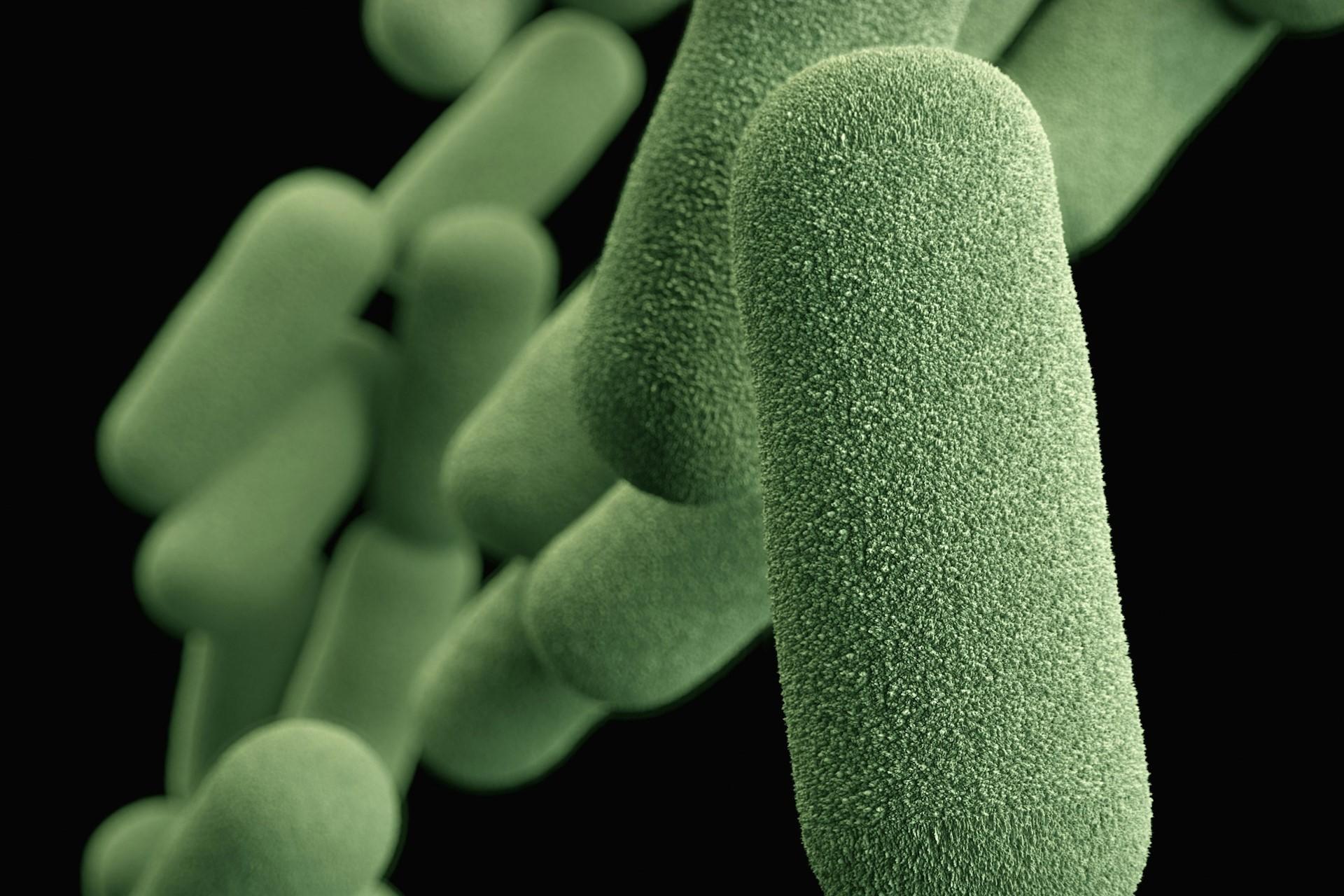

Any advanced biology career can be demanding, particularly for those considering microbiology. Let's examine the difficulty of becoming a microbiologist, what the common challenges entail, and our top study strategies to improve at the subject? Let's get started!
Gentlemen, it is the microbes who will have the last word.
Louis Pasteur


Why Is Microbiology Considered Difficult?’
Microbiology, in its essence, is a complex field. Even the introductory classes at the best colleges or the first chapters of a microbiology textbook can pose challenges for students. While all students won't automatically struggle with a microbiology university program, certain aspects of microbiology can make it more challenging.
| Sub-Discipline | Focus Area | Key Challenges for Students |
|---|---|---|
| Bacteriology | Study of bacteria: classification, physiology, roles in disease and environment | Immense bacterial diversity, complex genetics and rapid adaptation make mastery difficult. |
| Virology | Study of viruses: structure, genetics, infection mechanisms | Viruses are small but highly complex; host specificity adds extra layers of detail. |
| Mycology | Study of fungi, yeasts and molds | Wide variety of fungi with complex life cycles and evolving taxonomy. |
| Parasitology | Study of parasites and their interactions with hosts | Requires knowledge across biology, medicine, ecology and public health. |
| Immunology | Study of the immune system and its disorders | The immune system is highly intricate, with overlapping pathways and responses. |
| Environmental Microbiology | Roles of microorganisms in soil, water and air ecosystems | Complex interactions between microbes and their environments are hard to model and predict. |
| Food Microbiology | Microorganisms in food safety, spoilage and fermentation | Understanding spoilage and pathogen behavior in different foods requires detailed study. |
| Industrial Microbiology | Use of microbes in fermentation, antibiotics and bio-products | Broad range of microorganisms and processes; requires applied technical knowledge. |
| Microbial Genetics | Gene transfer, mutations and evolution in microbes | Rapid genetic changes force constant updates; data analysis can be intensive. |
| Microbial Physiology | Metabolic pathways, growth and energy production in microbes | Requires strong background in biochemistry and molecular biology. |
Biological Processes
Biological processes happen at a scale that is invisible to the naked eye, which makes them harder to picture and understand. Students often need to rely on diagrams, models and repeated explanations to connect theory with what is happening inside cells.
This abstract nature can feel less intuitive compared to studying larger systems like anatomy or ecology. In addition, many processes happen in chains where one small change can affect the entire system.

Understanding how enzymes, molecules and reactions link together requires strong focus and memory. It’s common for students to spend extra time reviewing these pathways until the sequence feels natural.
Microbiology can feel abstract when everything happens at a microscopic scale. Relating concepts to real-world issues, such as antibiotic resistance or food safety, helps ideas stick and makes the subject more meaningful.
Critical Thinking and Problem-Solving
Success in microbiology demands interpretation and application of knowledge: Students are expected to analyze data, identify patterns and make logical conclusions under pressure. For many, this shift from rote learning to analytical reasoning is one of the biggest hurdles. Assignments and lab reports often ask students to explain why something happened rather than just what happened. This can be frustrating at first because there may be more than one possible explanation. Over time, however, practicing this type of reasoning sharpens problem-solving skills that are valuable far beyond the classroom.
Data Analysis and Bioinformatics
Handling large sets of genetic or microbial data requires patience and attention to detail. Students must learn to use specialized software and statistical tools, which can feel overwhelming at first. Those who build confidence in data handling often find that these skills transfer well to other scientific fields. A single dataset can contain thousands of entries and cleaning or interpreting that data takes time. Mistakes in analysis can lead to wrong conclusions, so accuracy is critical. As technology advances, students are also expected to keep up with new bioinformatics tools and methods.
Evolution and Adaptation
Microorganisms evolve rapidly, which means the information students study may change within just a few years. This constant movement forces learners to stay current with the latest research and discoveries. It also highlights the importance of adaptability, since what works in one situation may not apply in another. For example, antibiotic resistance is a direct result of bacterial adaptation and remains a moving target for researchers. Students must learn not only the science but also how to think in terms of ongoing change. This reality can be both exciting and exhausting, as there is always more to keep up with.
Interdisciplinary Studies
Microbiology often blends biology with chemistry, physics and even computer science. Students may struggle when asked to apply skills from subjects they thought were unrelated. The wide scope can be challenging, but it also makes microbiology one of the most versatile sciences. For instance, understanding microbial metabolism might require concepts from chemistry, while analyzing growth patterns could involve mathematics. Students who are weaker in one of these areas may feel held back until they strengthen those skills. The upside is that this broad base prepares microbiologists to work in many industries.
Lab Techniques
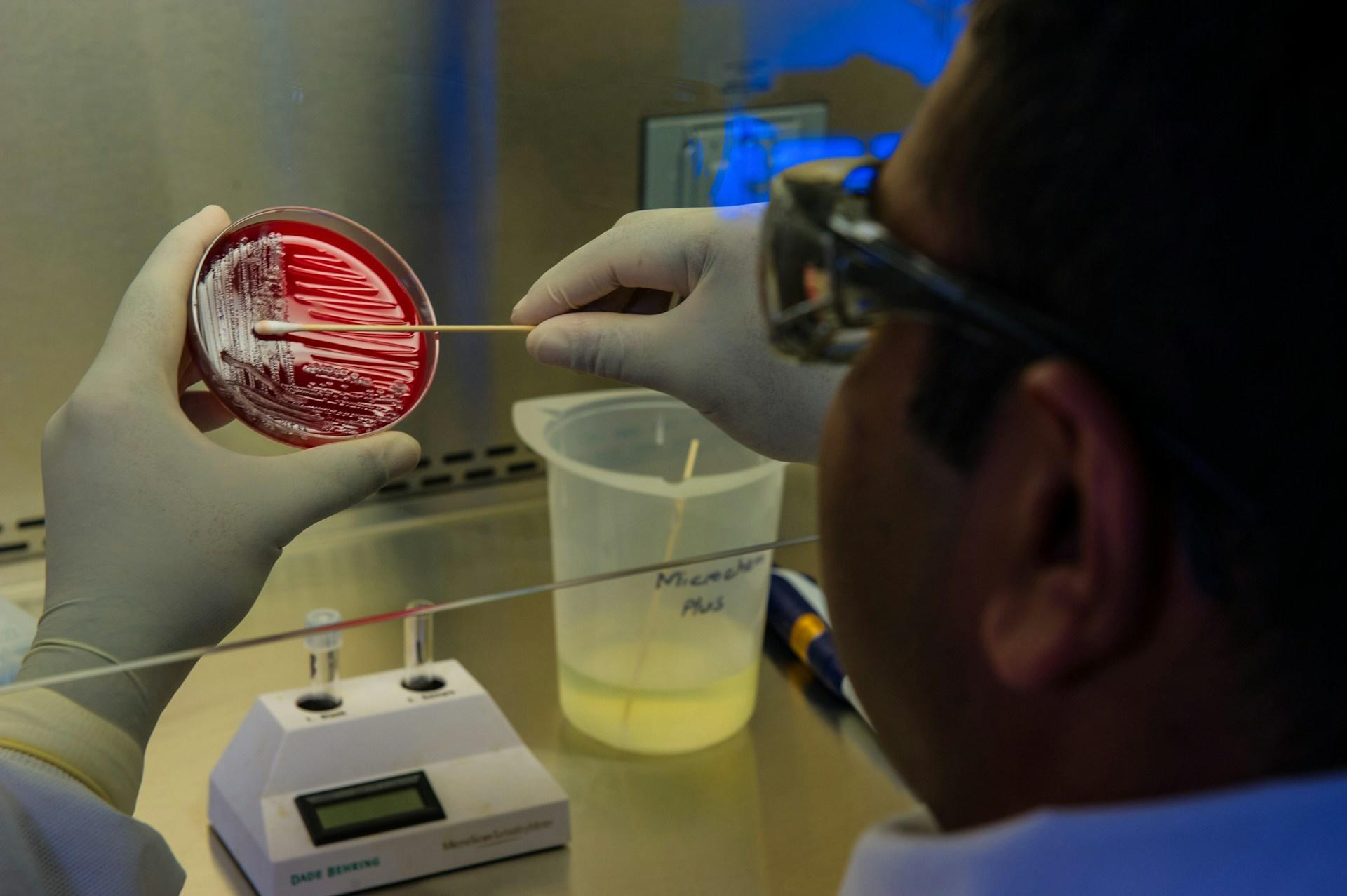
Laboratory work requires careful precision and even small mistakes can lead to failed experiments. Students must practice sterile techniques, accurate measurements and careful observation to succeed. Over time, these skills build confidence, but the learning curve at the start can be steep. It is not unusual for beginners to feel discouraged when results don’t match expectations. However, repeated practice and guidance from instructors help build consistency. Developing these habits early makes later research smoother and more reliable.

Discover online biology classes to continue your education on Superprof!
Microorganism Diversity
The sheer variety of bacteria, viruses, fungi and other microorganisms can be daunting for beginners. Each group comes with different structures, lifecycles and behaviors that must be studied in detail. Keeping track of so much information can overwhelm students, especially during exams or lab work. On top of that, the taxonomy of microorganisms is frequently updated as research uncovers new relationships. Students may find themselves relearning classifications they thought they already understood. The volume of material means that staying organized and reviewing regularly is essential to avoid falling behind.
Strategies to Succeed in Microbiology
Studying microbiology is requires practice, focus and a methodical approach. Students who prepare well in the fundamentals, refine their study methods and gain steady laboratory practice are better equipped to handle the subject’s demands! Here are a few strategies to help you succeed.
The single biggest threat to man’s continued dominance on the planet is the virus.
Joshua Lederberg (Nobel Prize in Physiology or Medicine, 1958)
Strengthen Foundational Knowledge
A strong base in biology, chemistry and mathematics makes advanced microbiology topics much easier to manage. Without this groundwork, concepts like microbial genetics or metabolic pathways can feel overwhelming... Students should review these subjects regularly and connect them to microbiology topics to reinforce understanding.
Develop Effective Study Habits
Because microbiology involves a large volume of material, organization and routine are key. Setting a study schedule, breaking chapters into smaller sections and using tools such as charts or flashcards can help make sense of dense material. Group discussions or study partners can also clarify difficult ideas and make learning more engaging!
The volume of material in microbiology can be overwhelming if left until the last minute. Setting aside regular, shorter study sessions instead of cramming allows steady progress and reduces stress before exams or lab deadlines.
Gain Practical Laboratory Experience
Practical skills are just as important as theory in microbiology. Handling cultures, using microscopes and applying aseptic techniques all take time and repetition to master. The more time students spend in the lab, the more comfortable they become with precision, problem-solving and applying concepts learned in lectures. Most graduates will need to start in entry-level jobs in microbiology, though there are also research opportunities.
Becoming a microbiologist might be your calling. Are you curious to find out about the average microbiologist salary in the US?
Becoming a microbiologist can be a rewarding path for those drawn to science and discovery. In the United States, the average microbiologist earns about $60,646 per year, though salaries vary with education, experience and specialization.
| Discipline | Average Salary |
|---|---|
| Microbiology | $60,646 |
| Bacteriology | $63,500 |
| Biotechnology | $73,497 |
| Environmental Microbiology | $53,820 |
| Food Microbiology | $117,500 |
| Immunology | $96,794 |
| Industrial Microbiology | $92,250 |
| Medical Microbiology | $70,687 |
| Microbial Genetics | $59,650 |
| Microbial Physiology | $124,440 |
| Mycology | $60,326 |
| Parasitology | $58,500 |
| Phycology | $107,640 |
| Virology | $80,000 |
Get Help with Microbiology from a Private Tutor at Superprof
We've already established that microbiology can be challenging. Still, with the right help, students can seize the right opportunities and excel in their university programs. Whether you're studying at college, pursuing a master's degree, or need to brush up on a specific aspect or specialization of microbiology, a private tutor can help. A private tutor can ensure you get the best possible results from your classes by teaching you what you need to know in a way that works best for you. With most tutors on the Superprof website offering the first session for free, you can always try a few tutors before choosing the right one for you and what you want to learn. Just search for "microbiology" on the Superprof website to find a suitable biology class today!
Summarize with AI:
Did you like this article? Leave a rating!

 Loading...
