
Whether you’re a teen who is ready to start driving for the first time or an adult who waited until after 18 to think about driving there is a lot to know about driving culture in the US!
While each of these scenarios merits its own in-depth article, we can touch on the most important parts of each course of events here.
Read on to find out what you need to know about getting your driving permit and/or driving license for the first time and how to learn to drive in the US.


How to Get Your US Learner’s Permit and US Driver’s License
The first thing to remember is that all 50 states have their own rules and regulations when it comes to issuing a license to drive; it’s almost like 50 very similar, yet unique, countries.
Learning the lingo and the rules of each state is half the battle, so here are some quick stats you need to know when researching how to get your US driver’s license.
🚗 List of What Different States Call Their Driver’s Service Centers
Depending on where you are in the US, you’ll hear different terms mentioned for where people need to go to take care of their driving and car-related business.
To make matters worse, some states have different locations for different processes; for example, in Arkansas, you must go to the local Arkansas State Police location to apply for and take tests for the learner’s permit and driver’s license, but the part of the government responsible for overseeing all the driving information is the Office of Driver Services under the Arkansas Department of Finance and Administration.
Some states may allow you to take your permit test online, but many require in-person testing.
| State | Where to Go for Permits/Licenses | State | Where to Go for Permits/Licenses |
|---|---|---|---|
| Alabama | Alabama Law Enforcement Agency (ALEA) Driver License Offices | Nebraska | Driver Licensing Office (DLO) |
| Alaska | Division of Motor Vehicles (DMV) | Nevada | Department of Motor Vehicles (DMV) |
| Arizona | Motor Vehicle Division (MVD) | New Hampshire | Division of Motor Vehicles (DMV) |
| Arkansas | Arkansas State Police (ASP) | New Jersey | Motor Vehicle Commission (MVC) |
| California | Department of Motor Vehicles (DMV) | New Mexico | Motor Vehicle Division (MVD) |
| Colorado | Division of Motor Vehicles (DMV) | New York | Department of Motor Vehicles (DMV) |
| Connecticut | Department of Motor Vehicles (DMV) | North Carolina | Division of Motor Vehicles (DMV) |
| Delaware | Division of Motor Vehicles (DMV) | North Dakota | Department of Transportation (DOT) |
| Florida | Driver License Service Center (DLSC) Motor Vehicle Service Center (MVSC) Bureau for Administrative Reviews Florida Highway Patrol Stations Clerk of the Court Offices Motorist Services Regional Offices | Ohio | Bureau of Motor Vehicles (BMV) |
| Georgia | Department of Driver Services (DDS) | Oklahoma | Service Oklahoma (SOK) |
| Hawaii | Driver Licensing Center (DLC) | Oregon | Driver and Motor Vehicle Services Division (DMV) |
| Idaho | Division of Motor Vehicles (DMV) | Pennsylvania | Driver License Center (DLC) |
| Illinois | Secretary of State Facility (SOSF) | Rhode Island | Division of Motor Vehicles (DMV) |
| Indiana | Bureau of Motor Vehicles (BMV) | South Carolina | Department of Motor Vehicles (DMV) |
| Iowa | DOT DMV (Division) MVD | South Dakota | Driver Licensing Location (DLL) |
| Kansas | Division of Vehicles (DOV) | Tennessee | Driver Services Center (DSC) |
| Kentucky | Kentucky State Police (KSP) | Texas | Driver License Office (DLO) |
| Louisiana | Office of Motor Vehicles (OMV) | Utah | Driver License Division (DLD) |
| Maine | Bureau of Motor Vehicles (BMV) | Vermont | Department of Motor Vehicles (DMV) |
| Maryland | Motor Vehicle Administration (MVA) | Virginia | Department of Motor Vehicles (DMV) |
| Massachusetts | Registry of Motor Vehicles (RMV) | Washington | Driver Licensing Office (DLO) |
| Michigan | Secretary of State Office (SOSO) | Washington, D.C. | Department of Motor Vehicles (DMV) |
| Minnesota | Minnesota Driver and Vehicle Services (MDVS) | West Virginia | Division of Motor Vehicles (DMV) |
| Mississippi | Department of Public Safety (DPS) | Wisconsin | Division of Motor Vehicles (DMV) |
| Missouri | Missouri State Highway Patrol (MSHP) | Wyoming | Driver Services Center (DSC) |
| Montana | Motor Vehicle Division (MVD) |
Keep in mind that each state may use a different department or location for testing versus applying and paying for your permit and license!
🚗 Classification of Regular Driver’s Licenses in Each State
In addition to different departments, each state may call a regular driver’s license by a different name. This is not as important to know upfront since you’ll find out what it is when you go through the state’s permit/license application procedure.
In general, you can expect the regular driver’s license to be called one of these things:
- Class D
- Class C
- Class E
- Class O
- Class R
- Class F
- Class 3
🚗 Graduated Drivers License Programs
Many states now have a Graduated Drivers License (GDL) Program in an effort to help cut down on vehicle crashes and deaths involving young drivers.
This means that teens can get a learner’s permit at a young age, typically 15, but with many restrictions on when and how they can operate a vehicle.
Usually, after a set amount of time and with a specific set of completed experiences, the teen can then go on to get a driver’s license with fewer restrictions than the permit. After this, the teen may be able to graduate to an unrestricted license.
Every state with a GDL program has different rules, so you’ll need to research your specific state.
In most US states, the minimum age to get your learner's permit is 15 or 16. In some places, it can be 14.
Most states allow some version of a driver's license at 16 or 17.
All US states allow full driving privileges to those who pass their knowledge and road tests at 18.
🚗 Steps to Getting Your Driver License in the US
Most states have at least two distinct steps when new teen drivers are seeking to drive for the first time:
Step 1: Get a learner’s permit
Step 2: Get a driver’s license
Some states have added “Step 1.5” which is “Attend Driver’s Education.” But, not every state has this requirement. Nevertheless, it’s a great idea to seek out and take a driver’s ed course in any state you live in, even if you only moved there from another state because the laws differ from state to state.
Also important to note is that some states use different terminology other than “learner’s permit.” For example, Ohio calls this certification a “temporary instruction permit identification card,” or TIPIC for short.
In all cases, you’ll typically need to pass through several hoops when obtaining any licensure. Be prepared for any and all of the following when getting your permit or license:
- Providing documents that prove your identity, citizenship or lawful residence in the US, address, and enrollment in high school
- Providing documents that prove your mental and physical fitness to operate a vehicle
- Providing documents that prove whether you require glasses or not
- Passing a Vision Screening
- Documentation of supervised driving hours and/or completed driver’s education
- Passing a Knowledge Exam (aka DMV written test) based on the state’s DMV Handbook or Driver’s Manual
- Passing a Road Skills Test (aka drivers test) to prove you can safely and adeptly control a vehicle
Yes.
There are almost no exceptions to this rule throughout the country. In some states, there may be an allowance for unlicensed people to drive a car in an emergency situation, but not all states have that rule. It's better to have your license, even if you hardly ever or never typically drive.
If you drive without a license, you may face criminal penalties.
🚗 Changing Your Out-of-State or International License
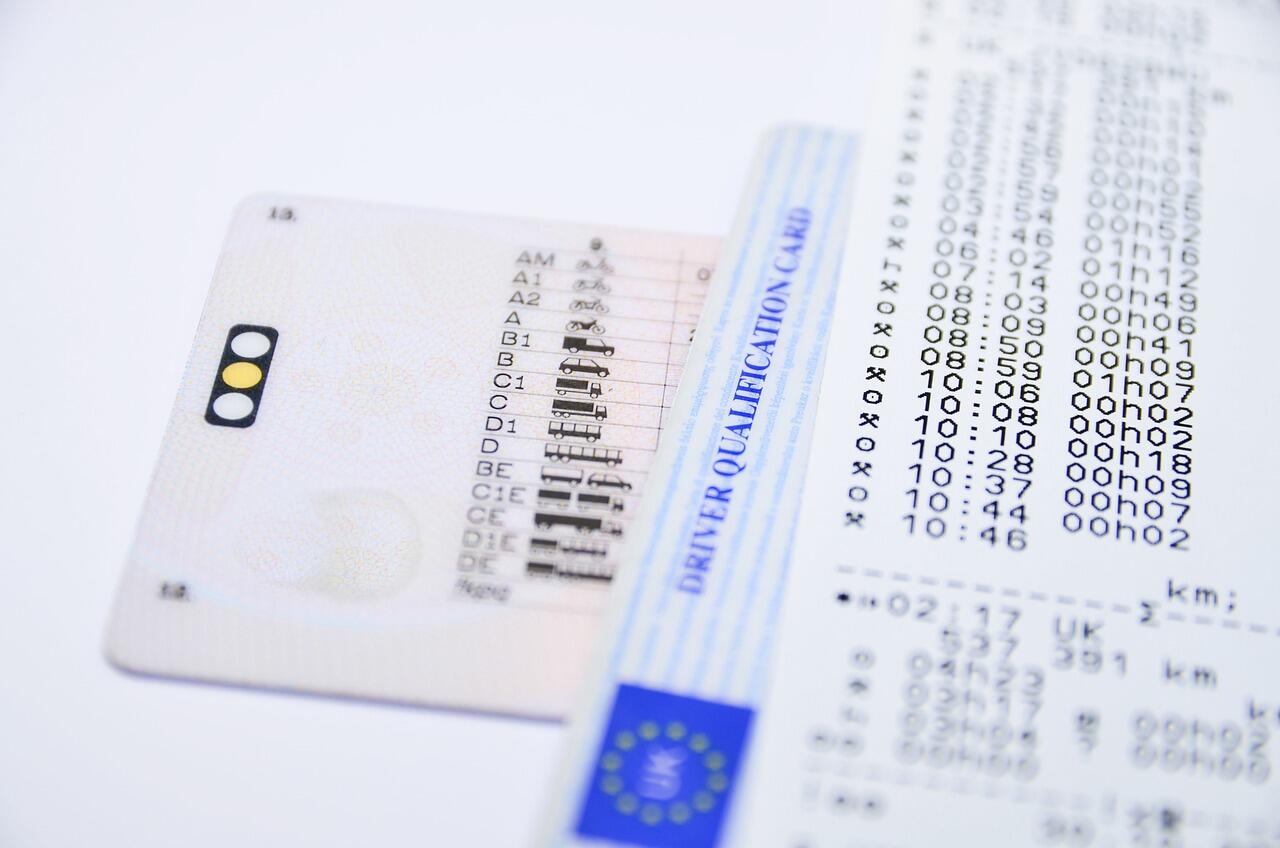
If you already have a license from another state or country, the process will likely be very different from what’s listed above. It may be easier or more difficult, depending on the state or country you’re coming from and the state you’re going to.
Check for the procedure on the specific state’s Department of Transportation-adjacent website to make sure you know what documents and/or testing you’ll need, as well as the allotted time frame for switching your license over.
Where to Learn to Drive in the United States
No matter your age or previous driving experience, learning how to drive in your specific state can seem daunting.
That’s why, in each state, there are numerous options for places to learn how to drive! Here are the typical options available to each hopeful driver in the US.
🚙 Driver’s Education
Driver’s education goes by many names across the nation. Other common names for driving education courses or similar programs include:
- Driver’s Ed
- Driving School
- Driver Education
- Driving Lessons
- Driver Education Course
- Traffic School
- Defensive Driving Program
But there are probably many more!
Within the realm of driver’s ed, there are a handful of ways to find classes: through a high school, through the state, through a state-approved driving education program, or via private driving education instruction.
You can typically find drivers ed near me or driving lessons near me easily when you search online or through the state’s official Department of Transportation-adjacent website.
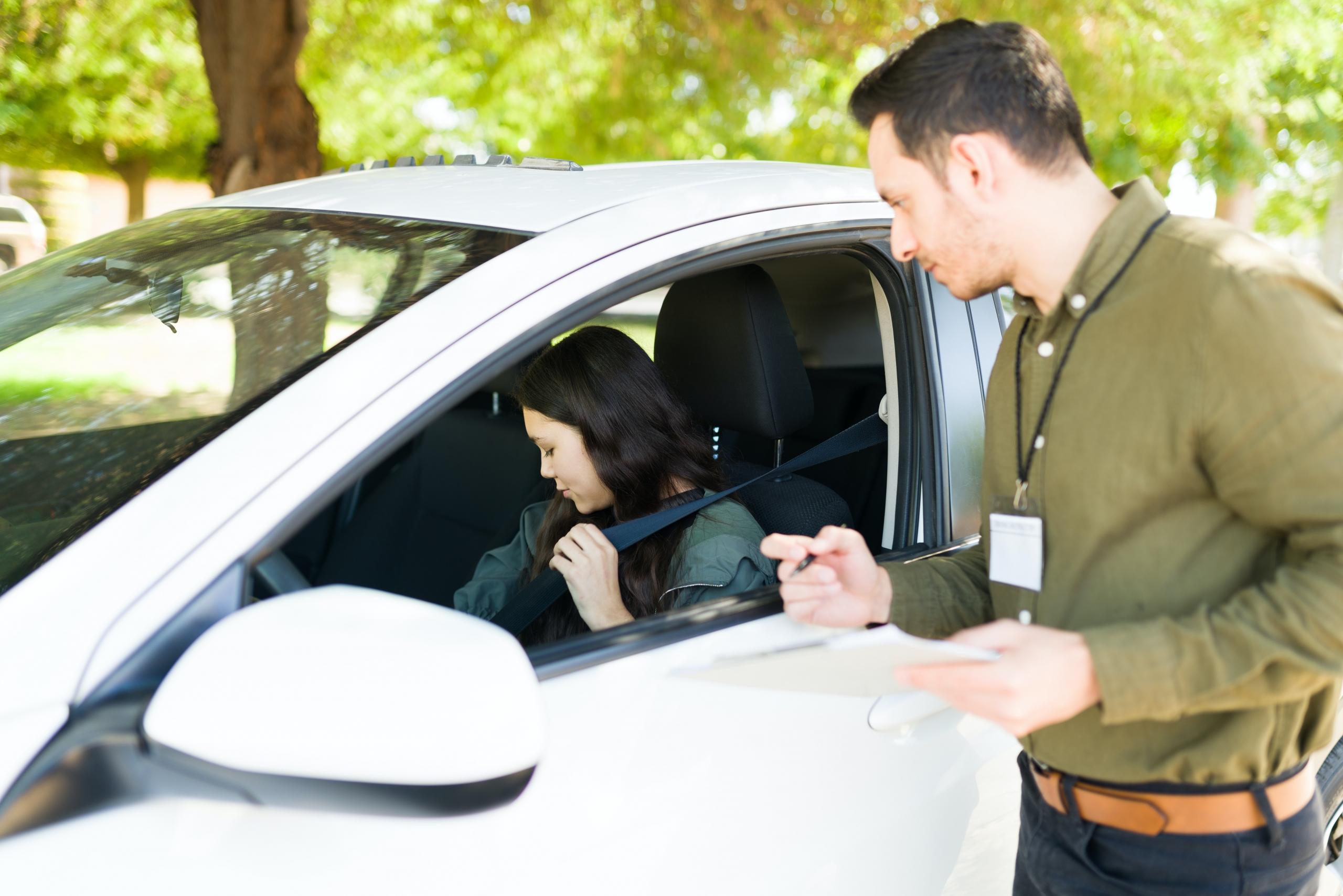
These courses are great for helping you learn what’s in the state’s Driving Manual and safely instructing you through hands-on, behind-the-wheel, practical driving.
Many teens and adults can learn to drive a car quite well in about 10 hours with a good hands-on instructor and a good road to practice on.
However, in states that require driver education, the minimum amount of hours of classroom time is usually around 30 hours, and the minimum amount of behind-the-wheel practice driving is usually around 8 to 50 hours. This is a way to cut down on driving-related deaths involving teens and young adults.
🚙 Learning with Parents, Friends, or Trusted Adults
Many teens across the States learn the old-fashioned way: with the help of their parents or other family members, like older siblings, cousins, or grandparents.
Unless you’re in a state that requires a formal driver education course, this is typically good enough to teach you everything you need to know! Usually, you will need to log a certain amount of hours of practice driving with your family or a licensed adult over the age of 21.
The requirement differs by state, but you can expect to have to log about 30 to 50 hours of driving practice for most states. Your parent or guardian will typically need to attest that the driving practice did indeed take place.
This method can be the best way to learn how to drive manual, since you might only encounter a stick shift in a family member’s car, depending on where you live and whether you have access to other vehicles (like farm tractors) that may have a manual transmission or not.
🚙 Private Driving Instruction
If you don’t want to go through a driving course and/or don’t want to use your family to learn to drive, you can seek out driving classes near me taught by a driving instructor.
Whether you need help with studying for the drivers permit test, are looking for a place to learn to drive manual near me, or just need someone to help you log those 50 supervised driving hours, you can find a qualified and trusted driving tutor. If you’re searching for private driving lessons near me in New York, it’s easy to compare instructors and choose the right fit.
Where?
Here on Superprof, you can find a qualified instructor who can help you with the bookwork or behind-the-wheel driving just about anywhere. Search for “learn to drive near me” here on Superprof to get started!
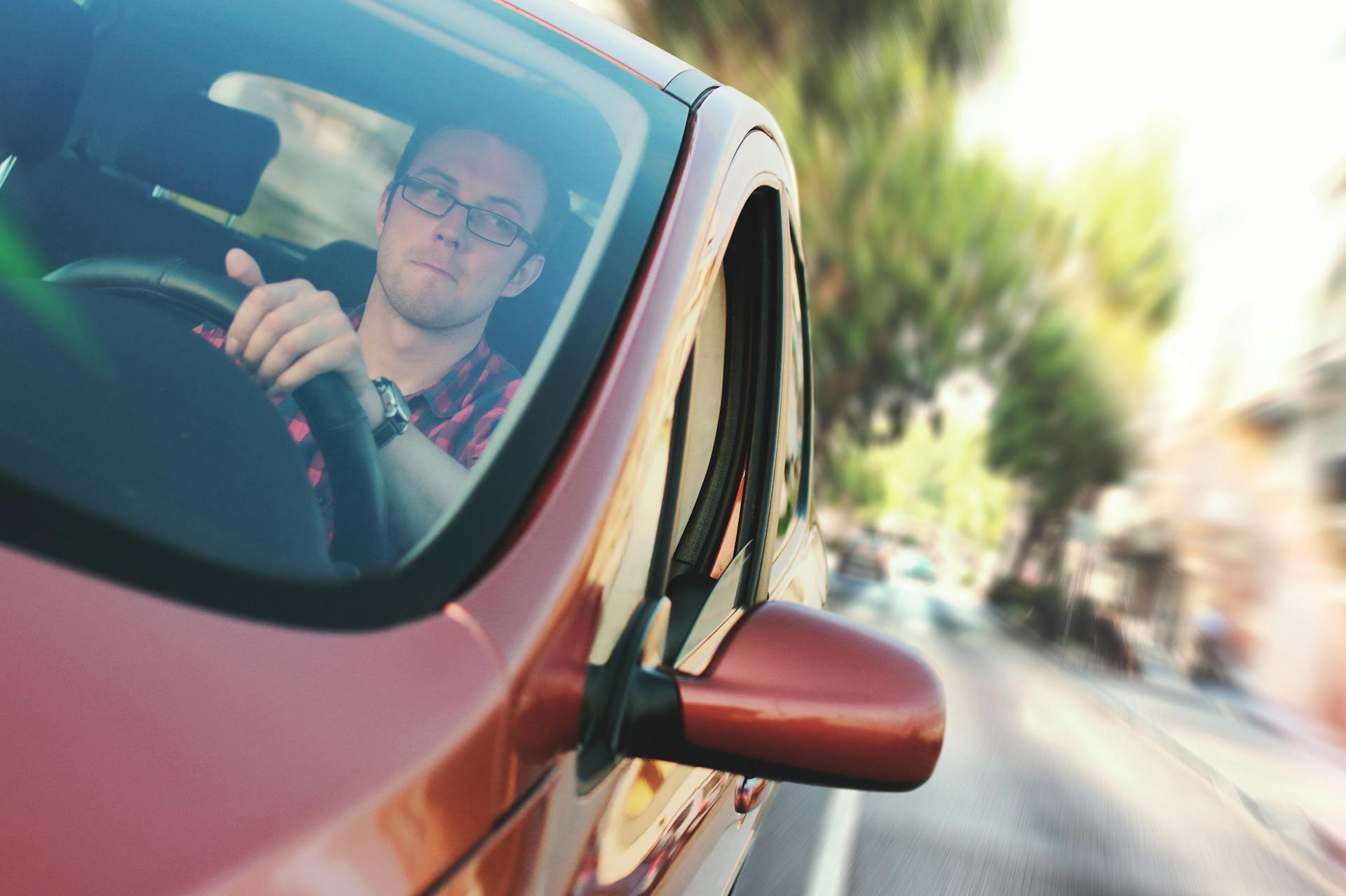
How to Learn to Drive as an Adult
The licensing system in the US is very much targeted at youths who are learning how to drive around age 18. How are you supposed to learn how to drive as an adult? You might not have parents around who can teach you themselves.
Many of the previously mentioned driver education courses will also have classes designed for adults, so you don’t have to be in a classroom or practice car with a bunch of high schoolers while you are learning how to drive. You can seek out private instructors, too!
As for the practical aspect of learning how to drive a car for the first time, it might be a little scary to approach it at an age when most other people are already driving, so here are some tips:
- Read the car owner’s manual to learn what all the levers and buttons do
- Read the state driver’s manual to learn what all the most important rules of the road are
- Sit in a car with a licensed driver and have them explain how to work all the important gear. Ask questions. Then, have them explain what they are doing as they are driving around with you.
- Obtain your learner’s permit so you can start driving a car. Have your driving teacher (or friend) in the passenger seat as you practice maneuvering around places like empty parking lots and driveable cemeteries.
Many of your obstacles at this age might be fear or anxiety-related, so just be patient with yourself and find someone who can help you learn how to drive safely in a way that makes you comfortable.
Find places to learn how to drive near me in any state when you look for a driving instructor on Superprof. For example, you can book private driving lessons near me in Philadelphia if you want one-on-one help building confidence behind the wheel.
Summarize with AI:
Did you like this article? Leave a rating!

 Loading...