

Science is a way of life. Science is a perspective.
Brian Greene, American physicist
Modern physics continues to move forward thanks to a dedicated group of scientists whose research shapes our understanding of matter, energy, space and the universe itself. From quantum information to astrophysics and high-energy particle science, today’s current physicists are expanding what we know at a rapid pace. Their discoveries in physics influence medicine, computing, engineering and cosmology. The table below introduces the leading physicists today featured in this article, along with their main areas of contribution.
| Physicist | Born | Field / Contribution |
|---|---|---|
| Stephen Hawking* | 1942–2018 | Black holes, cosmology |
| Kip Thorne | 1940– | Gravitational waves |
| Donna Strickland | 1959– | CPA lasers |
| Michio Kaku | 1947– | String theory |
| Brian Greene | 1963– | String theory & cosmology |
| Fabiola Gianotti | 1960– | Higgs boson, ATLAS |
| Roger Penrose | 1931– | Black hole physics |
| Alain Aspect | 1947– | Quantum entanglement |
| Anton Zeilinger | 1945– | Quantum information |
| Sara Seager | 1971– | Exoplanets |
| Lene Hau | 1959– | Slow and stopped light |
| Juan Maldacena | 1968– | Holographic principle |
| Nergis Mavalvala | 1968– | LIGO research |
| S. James Gates Jr. | 1950– | Supersymmetry |
| Edward Witten | 1951– | String theory |
*Hawking included for his lasting influence.


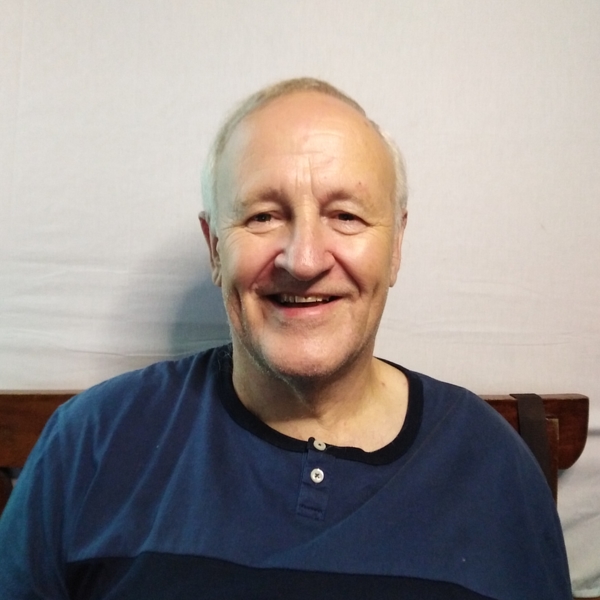
Stephen Hawking (1942–2018)
Intelligence is the ability to adapt to change.
Stephen Hawking
Stephen Hawking transformed our understanding of black holes and the origins of the universe. His prediction of Hawking radiation linked quantum theory with gravity and reshaped theoretical physics. His books reached millions of readers. Hawking’s influence continues to guide cosmology. His work explored the nature of singularities, the Big Bang and the behavior of space under extreme conditions. He collaborated with leading current physicists and helped introduce complex ideas to wider audiences. Hawking inspired many through his determination and ability to continue researching despite major health challenges.
Kip Thorne (1940– )
Kip Thorne played a central role in detecting gravitational waves, confirming a major prediction of Einstein’s relativity. Thorne combines imagination with detailed theoretical work.
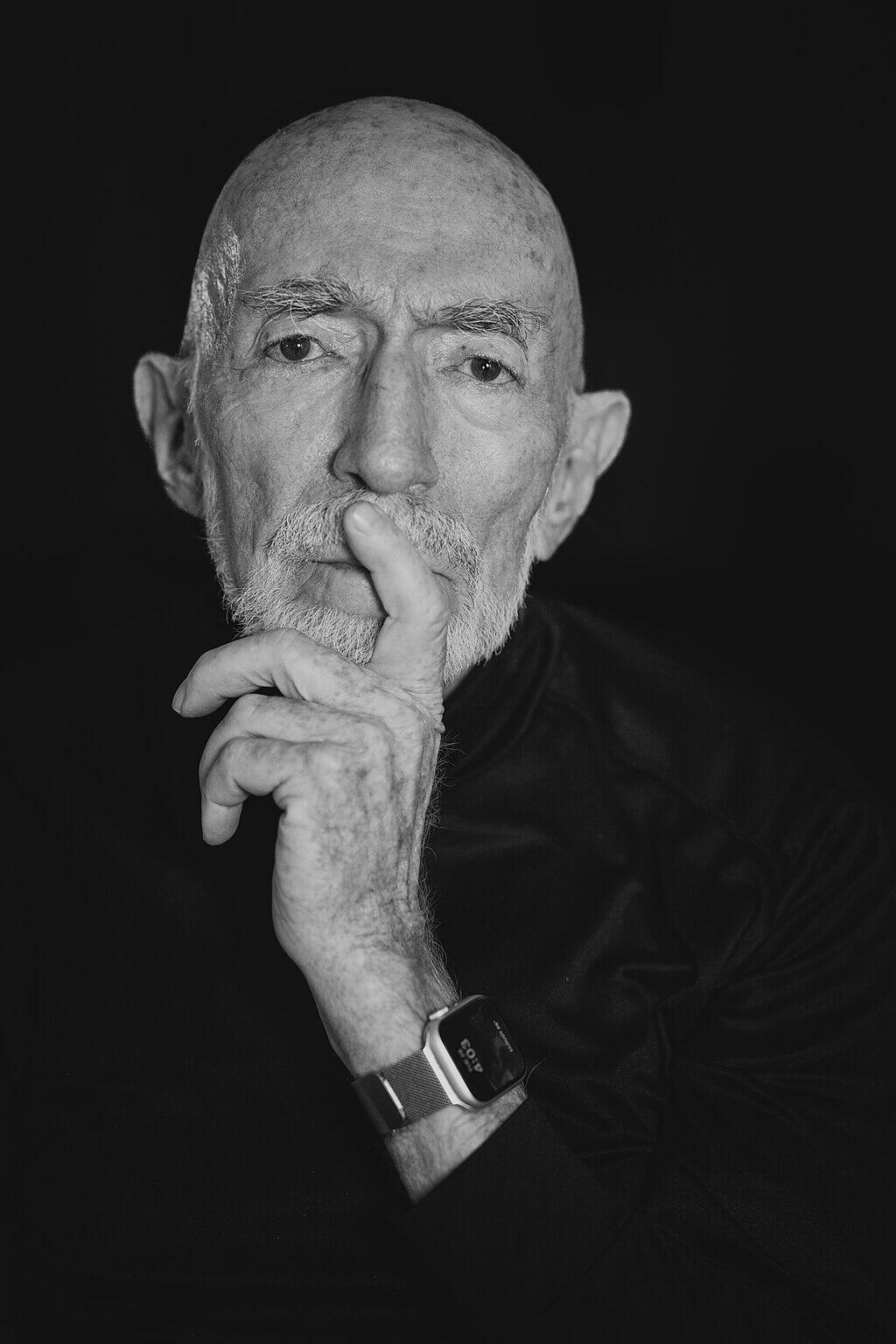
He guided LIGO’s design and encouraged decades of development that led to the first signal from merging black holes. His research also explores wormholes and the geometry of space. Thorne regularly contributes to public science communication, helping more people understand gravitational wave astronomy.
Helped launch an entirely new way of observing the universe.
Donna Strickland (1959– )
- CPA lasers transformed optics
- Hands-on educator
- Nobel Prize laureate
- Leader in nonlinear optics
Donna Strickland earned the Nobel Prize for co-developing Chirped Pulse Amplification, which allows lasers to reach high intensity safely. Strickland’s work supports technologies used in eye surgery, precision cutting and advanced imaging. Her approach combines experimental skill with practical problem solving. She continues to mentor students and encourages more women to explore optical physics. Her discovery changed the capabilities of laser systems across many fields.
Read more on the most famous female physicians today!
Michio Kaku (1947– )
Michio Kaku explores string theory and the future of scientific technology.
He is known for explaining modern physics to general audiences. Kaku writes and speaks about advanced topics such as quantum computers, parallel universes and the unification of forces. His enthusiasm for teaching helps students gain interest in theoretical physics.
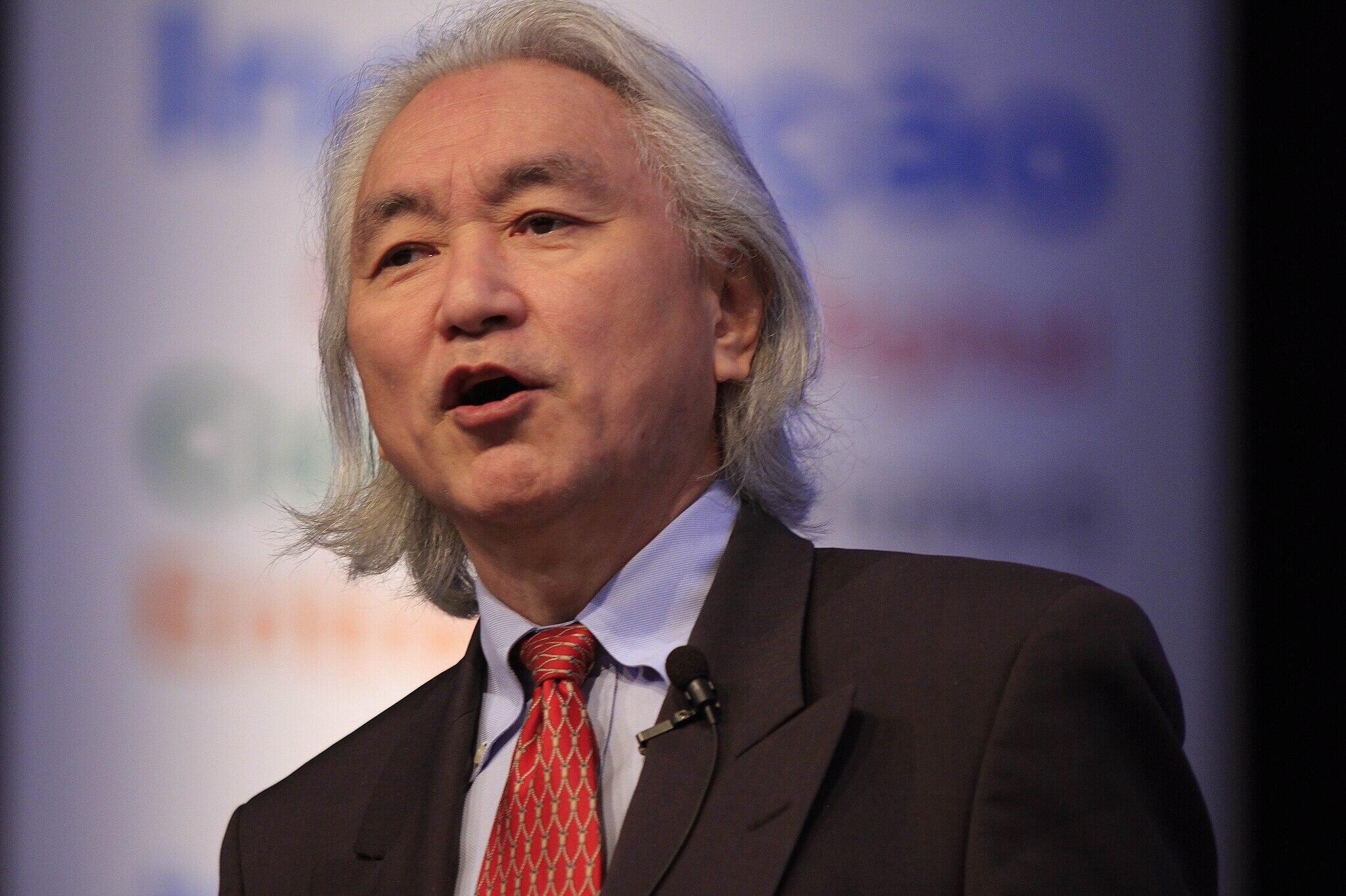
Many first encountered complex ideas through his books and interviews. Kaku remains an influential voice in popular science.
Brian Greene (1963– )
Brian Greene is a leading figure in string theory and co-founder of the World Science Festival.

Greene studies the geometry of hidden dimensions and the nature of spacetime. His lectures and documentaries make abstract physics accessible to global audiences. Many students credit Greene's work with inspiring them to pursue science.
He continues to teach, write and lead outreach efforts that bring physics to broader communities.
Fabiola Gianotti (1960– )
Fabiola Gianotti helped lead the ATLAS experiment at CERN, which detected the Higgs boson. She now serves as CERN’s Director-General. Here is a short interview with Fabiola Gianotti as Cern's director on YouTube!
Gianotti supports large-scale scientific collaboration and encourages cross-border research partnerships. Her leadership helped guide thousands of scientists during key experiments. She remains involved in shaping the direction of particle physics and supports programs that involve students in research. Her career shows the importance of teamwork in scientific discovery.
Confirmed the long-predicted Higgs boson.
Roger Penrose (1931– )
Roger Penrose received the Nobel Prize for proving that black holes must form under the rules of general relativity.
Penrose’s ideas combine mathematics with deep physical insight. His diagrams and theories have shaped how leading physicists today describe the structure of space. He also explores topics linked to quantum mechanics and the early universe.
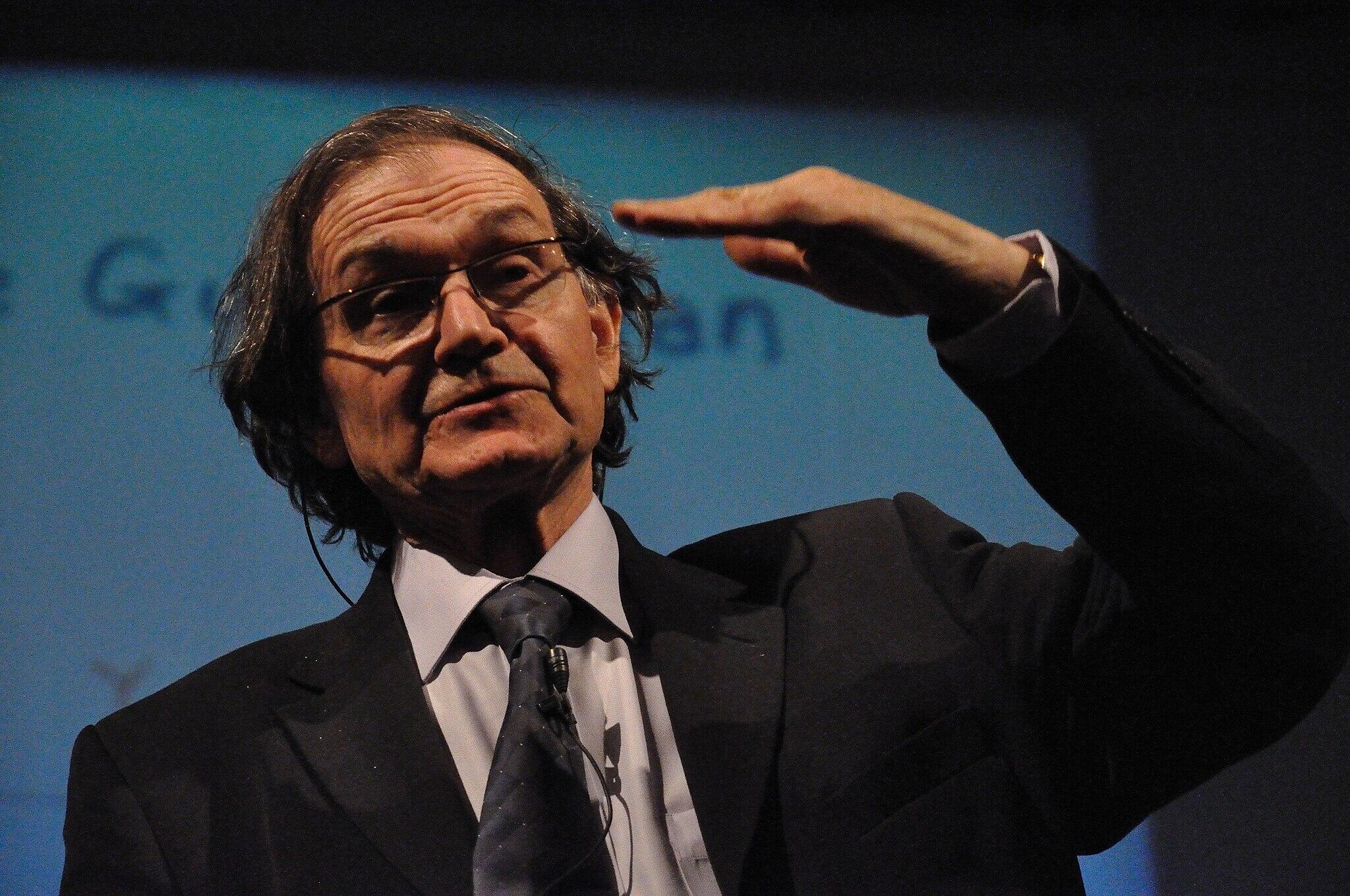
Penrose’s imagination continues to influence theoretical physics and cosmology.
The universe is stranger than we can imagine.
Roger Penrose
Alain Aspect (1947– )
Alain Aspect conducted experiments that proved the reality of quantum entanglement, confirming a central feature of quantum mechanics.
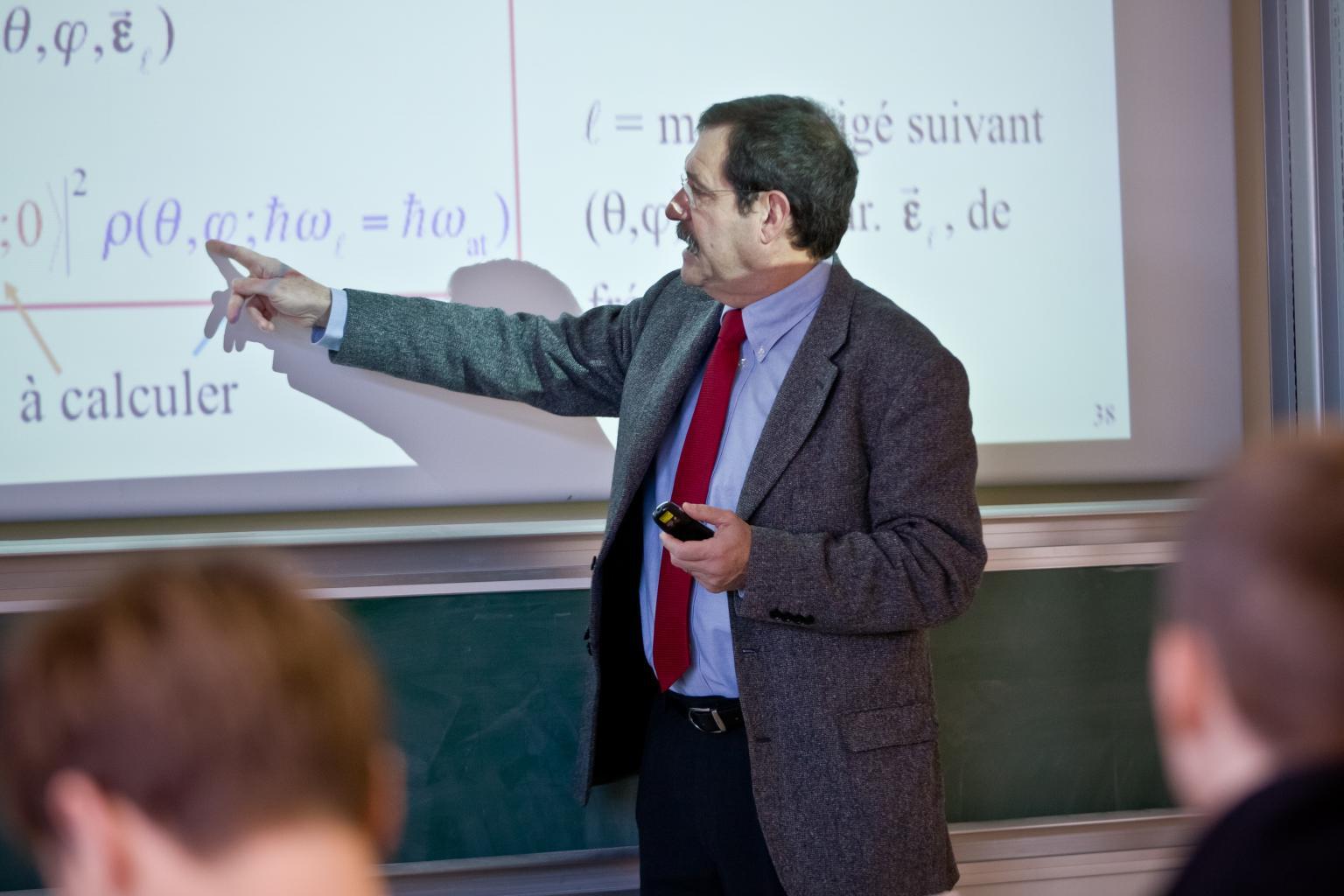
Aspect’s precise measurements helped resolve debates about whether particles can remain linked across distance. His work supports emerging technologies such as quantum encryption and quantum computing.
Aspect continues to address questions about the foundations of quantum theory and inspires students through lectures and outreach.
Anton Zeilinger (1945– )
Anton Zeilinger is known for pioneering experiments in quantum teleportation and quantum information science. Zeilinger’s research shows how entangled particles can transfer information securely. His experiments guide the development of quantum communication networks. Zeilinger often emphasizes the philosophical implications of quantum mechanics, encouraging people to consider what the theory means for our understanding of reality.
Sara Seager (1971– )
Sara Seager studies exoplanets and their atmospheres, helping identify planets that may support life.
- MIT astrophysicist
- Atmosphere specialist
- MIT astrophysicist
- Atmosphere specialist
Seager develops tools to analyze distant atmospheres and detect possible biosignatures. Her work aids NASA missions and expands the search for habitable worlds. She also trains students in planetary science and collaborates internationally on space research projects.
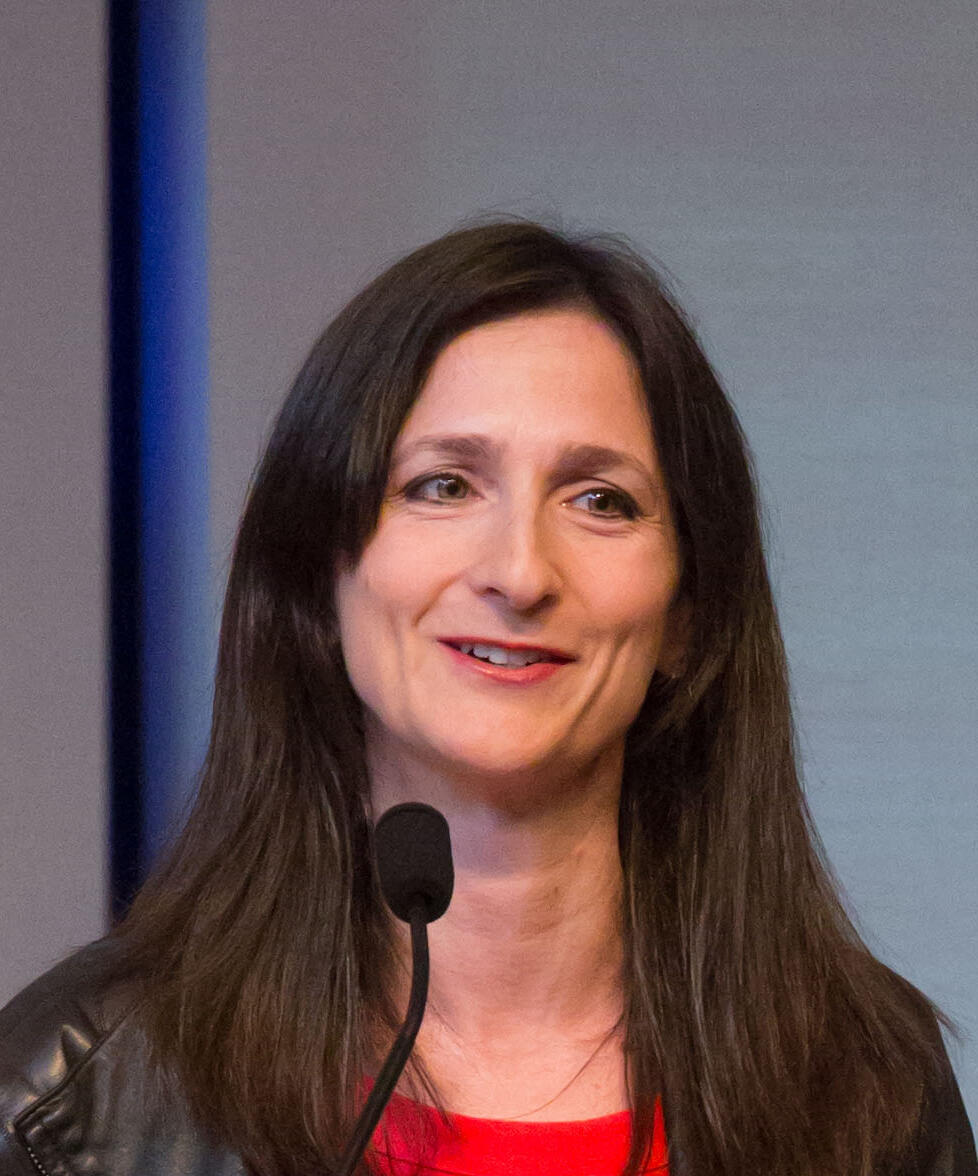
Lene Hau (1959– )
Lene Hau became known for slowing and stopping light in a controlled laboratory environment. Hau studies how light interacts with ultra-cold gases. Her experiments helped scientists understand how information can be stored using light, which influences the future of communication technologies. Hau’s work shows how creative experimentation can reveal new properties of nature. H
Juan Maldacena (1968– )
Juan Maldacena proposed the holographic principle, linking quantum gravity with quantum field theory. Maldacena’s ideas guide research on black holes and strongly interacting systems in physics. His work connects mathematics and theory in a way that reshaped modern physics. Many view his contributions as essential for future attempts to unify quantum mechanics and gravity.
Nergis Mavalvala (1968– )
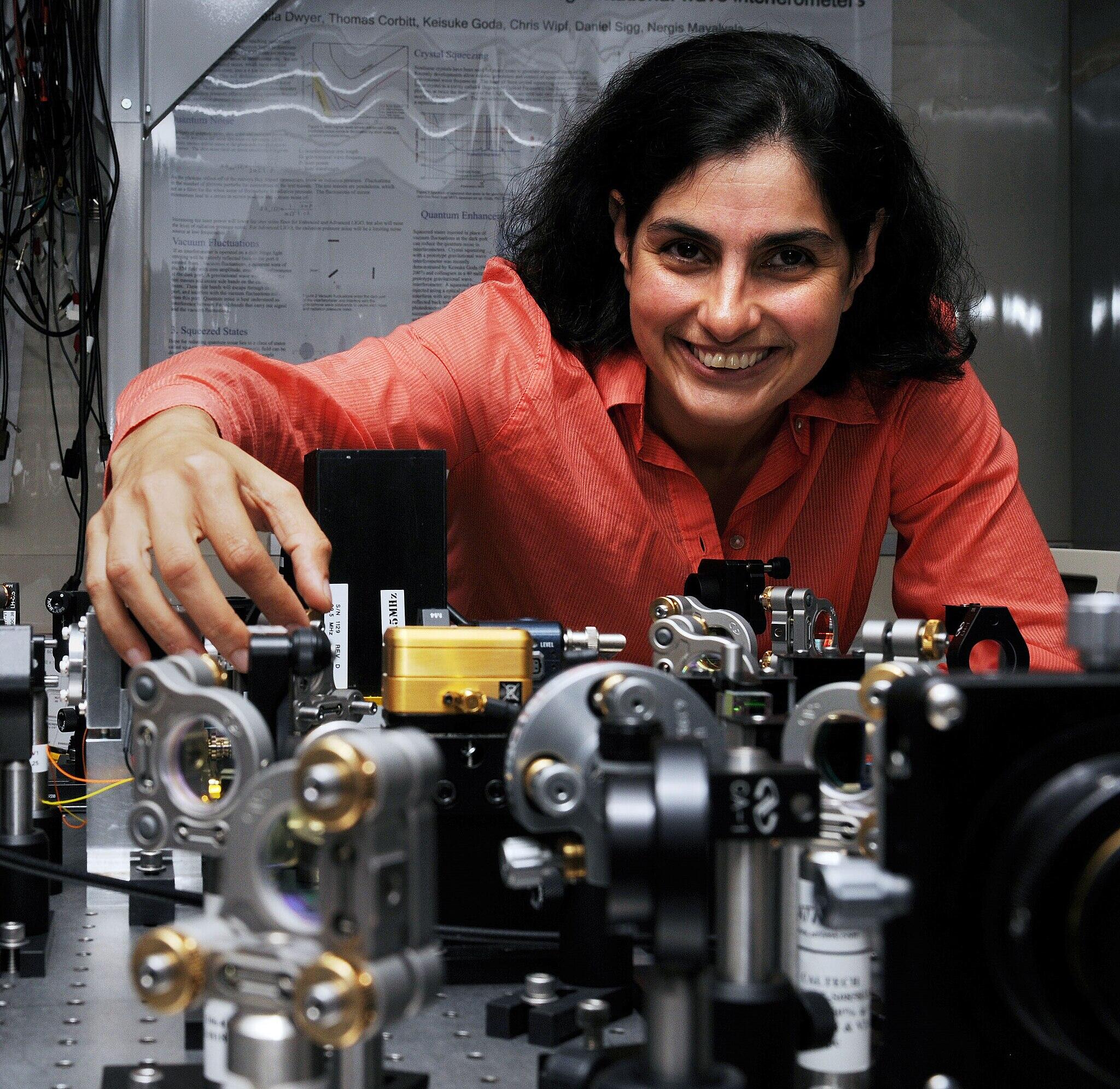
Nergis Mavalvala contributed to the detection of gravitational waves and serves as a dean at MIT. Mavalvala worked on improving LIGO’s sensitivity, helping scientists detect signals from distant cosmic events.
Her career highlights the value of teamwork in large experiments. She also mentors students and supports programs that promote inclusion in science.
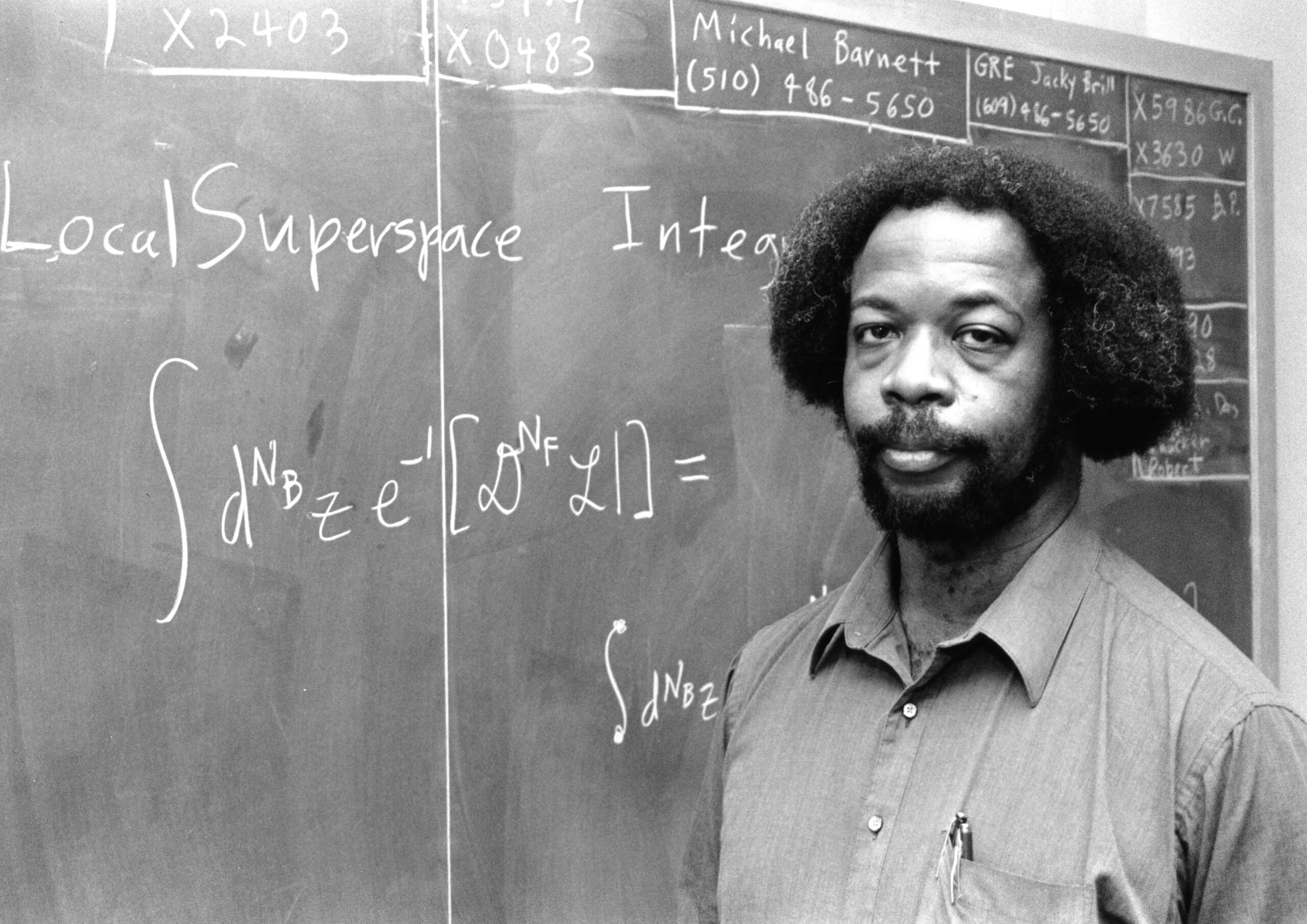
S. James Gates Jr. (1950– )
S. James Gates Jr. researches supersymmetry and the use of advanced mathematics in theoretical physics.
Gates explores mathematical structures that may explain hidden aspects of the universe. His outreach work promotes science education and encourages broader participation in STEM fields. He serves on advisory boards and helps shape discussions on national science policy.
Edward Witten (1951– )
Edward Witten is one of the leading theorists behind string theory and M-theory.
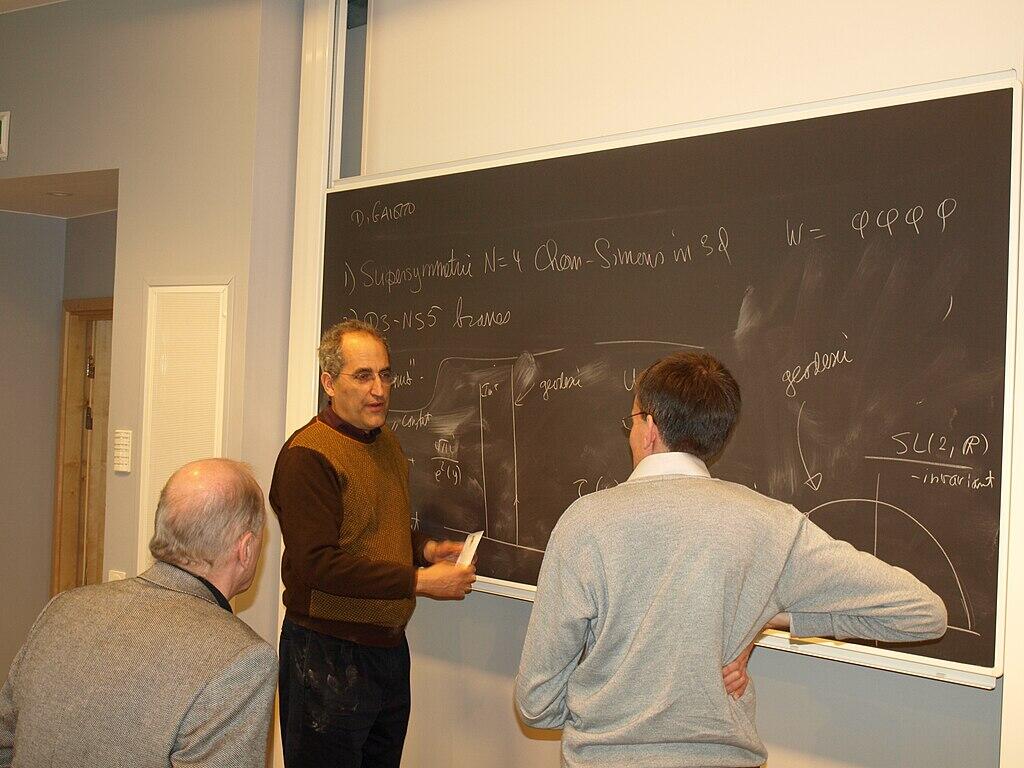
Witten combines advanced mathematics with theoretical physics, producing ideas that influence many areas of research. He received the Fields Medal for his contributions, a rare honor for a physicist. Witten’s insight helps guide ongoing work on quantum gravity and particle physics.
Would you like read on the most famous historical physicians of their time?
Your Turn to Master Modern Physics with Superprof
Modern physics thrives thanks to scientists who continue to explore some of the biggest questions in science. Their discoveries shape technology, medicine, engineering and our knowledge of the universe. From gravitational waves to quantum information and the study of distant planets, today’s current physicists help reveal how nature works at every scale. Their research inspires students around the world to think deeply about scientific problems and to see the world through a more analytical, curious lens.
Anyone who wants to study physics, whether for school or personal interest, can benefit from guided learning. Superprof connects students with experienced physics tutors who help explain challenging topics, answer questions and build confidence in problem solving. Personalized lessons allow learners to move at their own pace and explore areas of physics that interest them most. With support from Superprof, students can begin their own journey into the ideas that shape modern science.
Summarize with AI:
Did you like this article? Leave a rating!

 Loading...
