
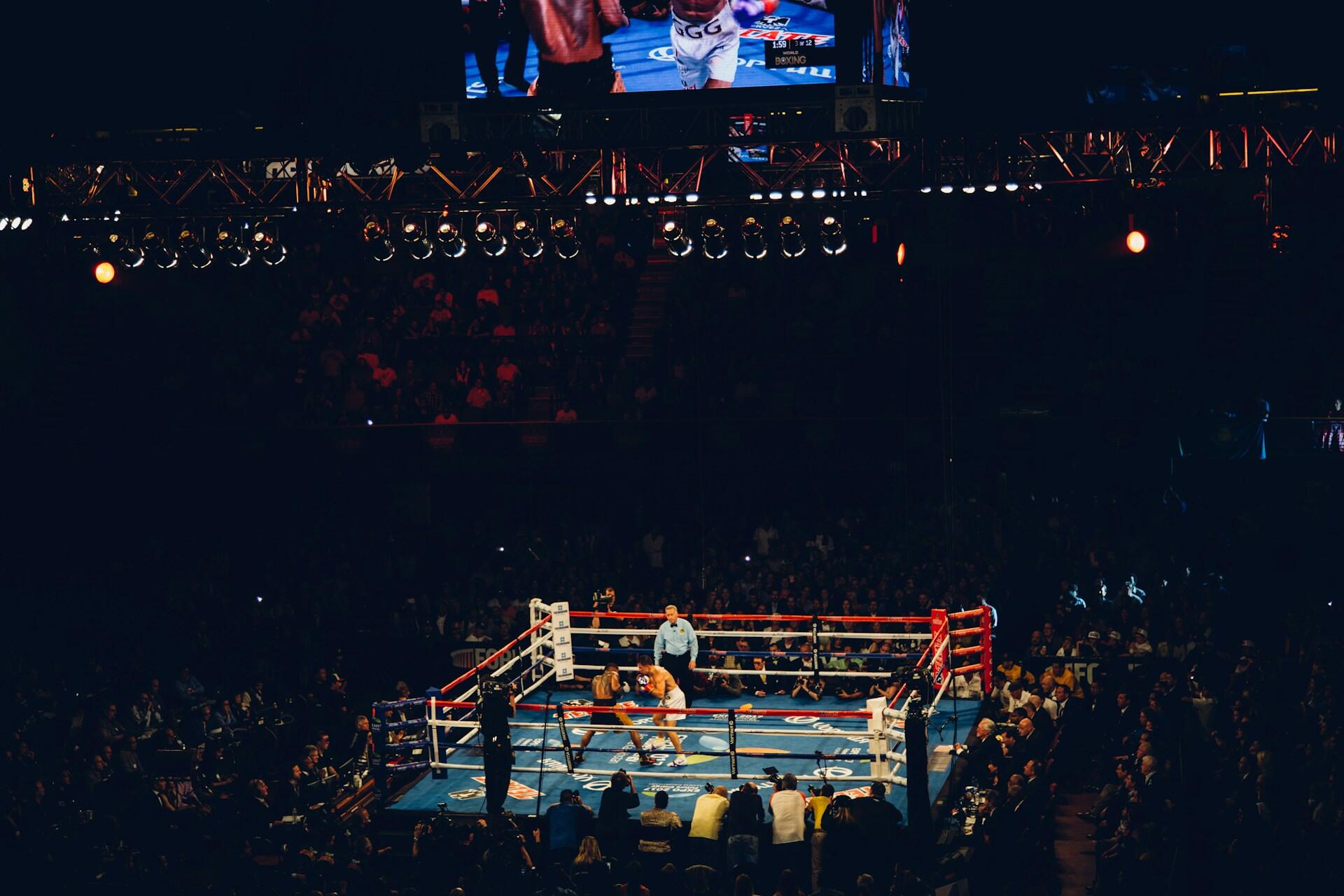

To be a great champion, you must believe you are the best. If you are not, pretend you are.
Muhammad Ali
Boxing has always held a special place in American sports culture. Long before social media and pay-per-view spectacles, fighters earned respect through toughness, skill and heart. From smoky arenas to sold-out stadiums, these boxers became legends through unforgettable performances and lasting influence. This article highlights 25 of the greatest American boxers of all time, including men and women who are no longer active competitors. Each fighter listed here left a clear mark on the sport, whether through dominance, innovation or cultural importance.
| Boxer | Division(s) | Years Active | Notable Achievement |
|---|---|---|---|
| Muhammad Ali | Heavyweight | 1960–1981 | 3× Heavyweight Champion |
| Sugar Ray Robinson | Welterweight, Middleweight | 1940–1965 | 5× Middleweight Champion |
| Joe Louis | Heavyweight | 1934–1951 | 25 title defenses |
| Floyd Mayweather Jr. | Super Featherweight–Welterweight | 1996–2017 | Undefeated (50–0) |
| Mike Tyson | Heavyweight | 1985–2005 | Youngest heavyweight champion |
| Sugar Ray Leonard | Welterweight, Middleweight | 1977–1997 | Titles in 5 divisions |
| Rocky Marciano | Heavyweight | 1947–1955 | 49–0 record |
| Jack Johnson | Heavyweight | 1897–1928 | First Black heavyweight champion |
| George Foreman | Heavyweight | 1969–1977, 1987–1997 | Oldest heavyweight champion |
| Oscar De La Hoya | Super Featherweight–Middleweight | 1992–2008 | Titles in 6 divisions |
| Evander Holyfield | Cruiserweight, Heavyweight | 1984–2011 | 4× Heavyweight Champion |
| Pernell Whitaker | Lightweight, Welterweight | 1984–2001 | 4-division champion |
| Thomas Hearns | Welterweight–Light Heavyweight | 1977–2006 | Titles in 5 divisions |
| Marvin Hagler | Middleweight | 1973–1987 | Undisputed champion |
| Bernard Hopkins | Middleweight, Light Heavyweight | 1988–2016 | Oldest world champion |
| Roy Jones Jr. | Middleweight–Heavyweight | 1989–2018 | Titles in 4 divisions |
| Joe Frazier | Heavyweight | 1965–1981 | Defeated Muhammad Ali |
| Larry Holmes | Heavyweight | 1973–2002 | 20 title defenses |
| Willie Pep | Featherweight | 1940–1966 | 240+ wins |
| Henry Armstrong | Featherweight–Welterweight | 1931–1945 | Held 3 titles at once |
| Sonny Liston | Heavyweight | 1953–1970 | Dominant champion |
| Laila Ali | Super Middleweight | 1999–2007 | Undefeated career |
| Christy Martin | Super Middleweight | 1989–2012 | Multiple world titles |
| Ann Wolfe | Super Middleweight | 1996–2006 | World champion |
| Johnny Tapia | Bantamweight, Featherweight | 1988–2005 | 5× World Champion |


Muhammad Ali
Division: Heavyweight
Years Active: 1960–1981
Muhammad Ali, born Cassius Marcellus Clay Jr. in Louisville, Kentucky, began boxing at age 12 after his bicycle was stolen. From his earliest amateur bouts, Ali showed unusual speed, reflexes and confidence for a heavyweight. After winning Olympic gold in 1960, he turned professional and quickly rose through the ranks with sharp footwork and constant movement. In 1964, he stunned the world by defeating Sonny Liston to win the heavyweight title. Ali lost several prime years after refusing military service but returned to reclaim the championship twice more. His legendary rivalries with Joe Frazier and George Foreman produced some of boxing’s most studied fights. Ali relied on intelligence and timing rather than brute force, redefining heavyweight boxing.
Float like a butterfly, sting like a bee.
Muhammad Ali
Major Achievements:
Three-time heavyweight champion, Olympic gold medalist, victories over Liston, Frazier and Foreman.
Legacy:
Ali changed how heavyweights fought and became one of the most influential athletes in modern history.
The best boxer of all time is judged by more than wins and losses. Skill level, quality of opposition, longevity, adaptability and impact on the sport all play a role. Fighters who consistently defeated elite competition and changed how boxing is taught are often ranked highest. Cultural influence and historical importance also separate great champions from true legends.
Today, who are the best American boxers, male and female?
Sugar Ray Robinson
Division: Welterweight, Middleweight
Years Active: 1940–1965
Sugar Ray Robinson, born Walker Smith Jr., is widely considered the greatest pound-for-pound boxer in history. He began boxing as a teenager and quickly distinguished himself with elite athleticism and ring intelligence.
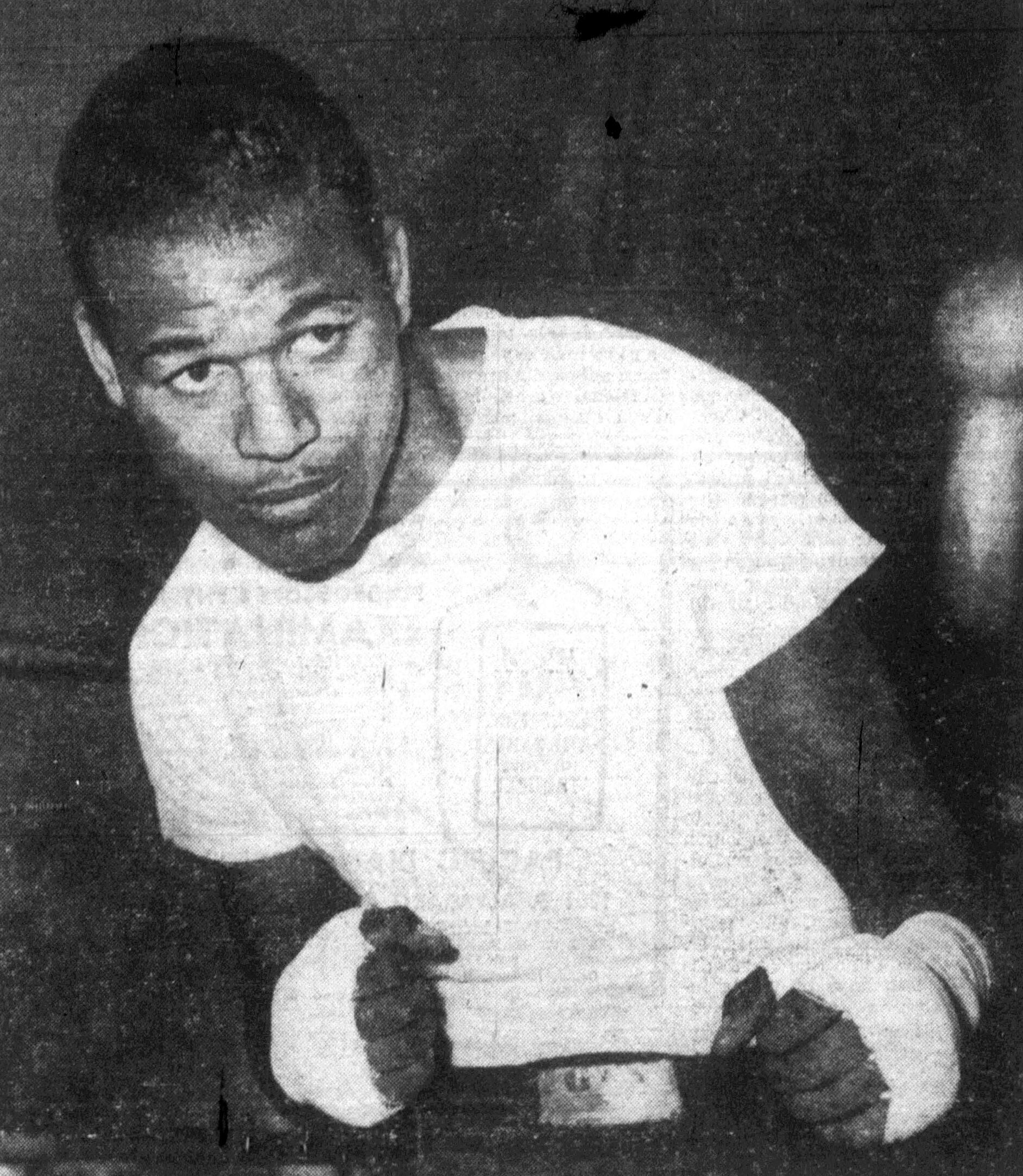
Robinson dominated the welterweight division before moving up to middleweight, where he won the world title five times. His career spanned more than two decades and nearly 200 professional fights. Robinson was known for his ability to switch seamlessly between offense and defense, adapting to opponents in real time. He could outbox technicians or overpower aggressive fighters with equal confidence. His footwork, balance and punch variety set standards that still influence boxing training today.
Robinson fought frequently, often against top competition, maintaining excellence across eras.
Major Achievements:
Five-time middleweight champion, more than 170 professional victories.
Legacy:
The concept of pound-for-pound greatness exists largely because of Robinson’s dominance.
Boxing is divided into weight classes to ensure fairness and safety. Moving between divisions is rare and difficult, making multi-division champions especially impressive. Fighters who succeeded across weight classes demonstrated adaptability, discipline and advanced ring intelligence.
Joe Louis
Division: Heavyweight
Years Active: 1934–1951
Joe Louis was born in Alabama and raised in Detroit, where he found boxing as a path to stability. Known as the Brown Bomber, Louis became heavyweight champion in 1937 and held the title for nearly 12 years. His style emphasized balance, timing and short, powerful combinations. Louis defended his title 25 times, a record that remains unmatched in the heavyweight division. During a period of intense racial segregation, Louis carried enormous public responsibility and became a symbol of dignity and professionalism. His victory over Max Schmeling had cultural significance far beyond sports. Louis avoided controversy, focused on discipline and represented boxing with quiet authority throughout his reign.
Major Achievements:
Longest heavyweight title reign, 25 consecutive title defenses.
Legacy:
Louis helped elevate boxing champions into respected national figures.
Who are the best in American women's boxing of all time?
Floyd Mayweather Jr.
Division: Super Featherweight to Welterweight
Years Active: 1996–2017
Floyd Mayweather Jr. was raised in a boxing family and trained from early childhood.
He developed a defensive style built on timing, footwork and anticipation rather than raw aggression. Mayweather won world titles in multiple weight classes while maintaining an undefeated record. His ability to neutralize opponents’ strengths frustrated even elite challengers. Mayweather was also meticulous about career management, choosing fights strategically and promoting his own events. While his cautious style divided fans, his consistency and technical mastery were undeniable.
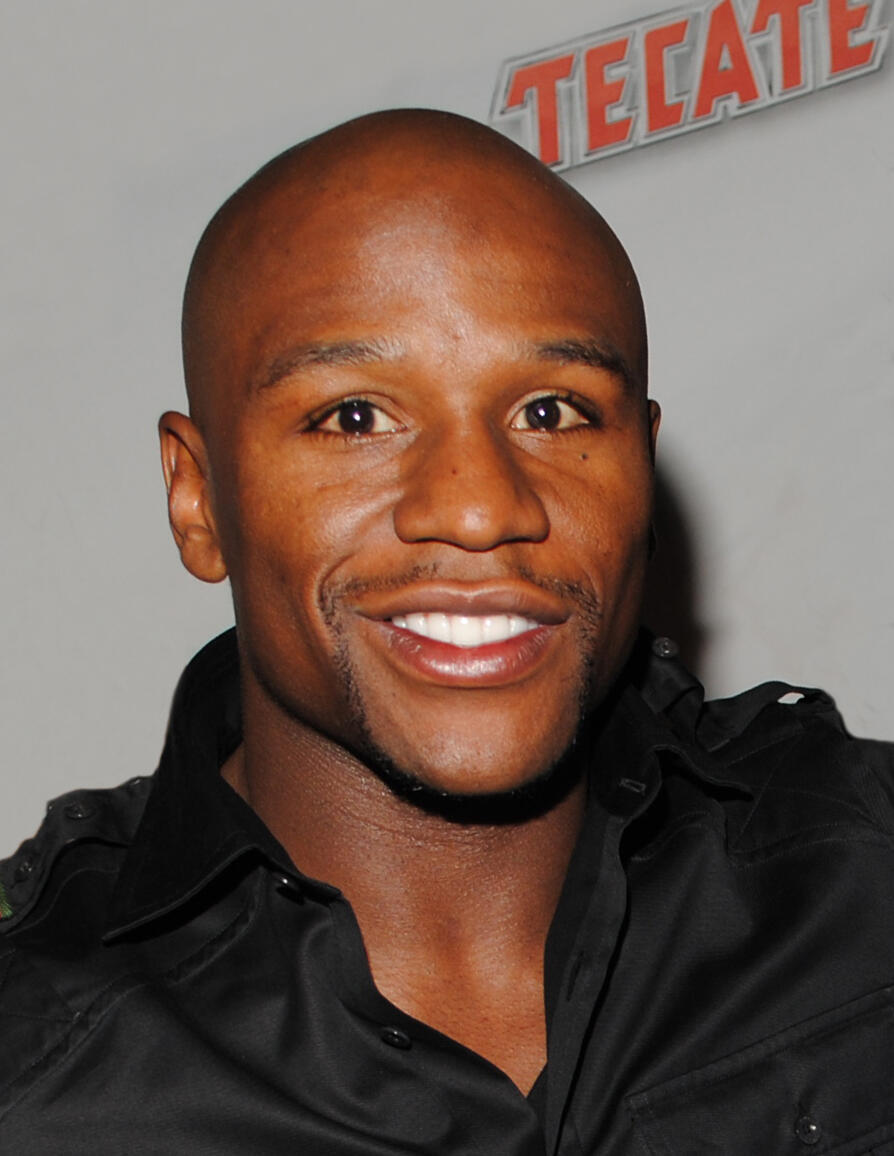
He rarely absorbed clean punches and controlled fights through precision rather than power. Mayweather’s approach emphasized longevity and intelligence inside the ring.
Major Achievements:
Undefeated professional record, world titles in five divisions.
Legacy:
Mayweather set the modern standard for defensive excellence and fighter independence.
Defense is often overlooked by casual fans, but it is essential to long-term success. Fighters like Floyd Mayweather Jr., Pernell Whitaker and Willie Pep showed that avoiding punches is just as important as landing them. Strong defense extends careers and separates technicians from brawlers.
Mike Tyson
Division: Heavyweight
Years Active: 1985–2005
Mike Tyson grew up in Brooklyn and entered boxing as a troubled youth before being trained by Cus D’Amato. Tyson adopted the peek-a-boo style, allowing him to slip punches and explode forward with devastating power. At age 20, he became the youngest heavyweight champion in history. During his early reign, Tyson overwhelmed opponents with speed, aggression and intimidation. Many fights ended within minutes. Though his career later became unstable, his peak remains one of the most dominant periods in heavyweight boxing. Tyson’s compact power and ferocity made him must-watch television and a global sports figure.
Everyone has a plan until they get punched in the mouth.
Mike Tyson
Major Achievements:
Youngest heavyweight champion, undisputed heavyweight champion.
Legacy:
Tyson remains one of the most feared punchers in boxing history.
Read this article on the best lightweight American boxers of all time!
Sugar Ray Leonard
Division: Welterweight, Middleweight
Years Active: 1977–1997
Sugar Ray Leonard became a national star after winning Olympic gold in 1976. He combined speed, intelligence and charisma, quickly becoming one of boxing’s biggest attractions.
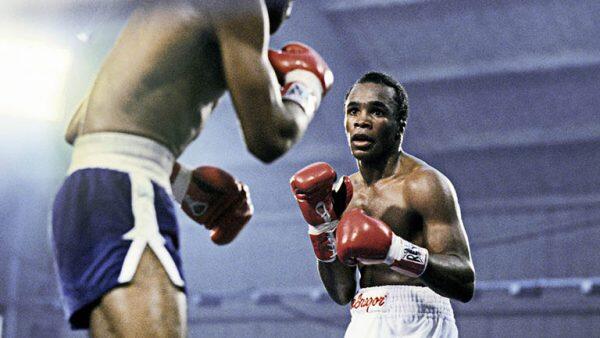
Leonard fought during one of boxing’s most competitive eras, facing Roberto Duran, Thomas Hearns and Marvin Hagler. He adapted his style to each opponent, showing both finesse and toughness.
Leonard won world titles in five weight divisions and delivered multiple iconic performances under pressure. His ability to rise to big occasions defined his career. Leonard balanced technical skill with showmanship, helping boxing reach broader audiences.
Major Achievements:
World titles in five divisions, Olympic gold medalist.
Legacy:
Leonard helped bring boxing into the mainstream television era.
Rocky Marciano
It ain’t about how hard you hit, it’s about how hard you can get hit and keep moving forward.
Rocky Marciano
Division: Heavyweight
Years Active: 1947–1955
Rocky Marciano was born in Massachusetts to Italian immigrant parents and began boxing later than most champions. Despite limited amateur experience, he built his career on discipline, conditioning and relentless pressure. Marciano retired undefeated with a 49–0 record, including 43 knockouts. He defeated legendary opponents such as Joe Louis, Jersey Joe Walcott and Ezzard Charles. Marciano lacked speed but compensated with endurance and determination. His work ethic and refusal to quit wore down opponents over time. Marciano’s success was rooted in preparation and consistency rather than natural athleticism.
Major Achievements:
Only undefeated heavyweight champion.
Legacy:
Marciano remains a symbol of toughness and perseverance.
Jack Johnson
Division: Heavyweight
Years Active: 1897–1928
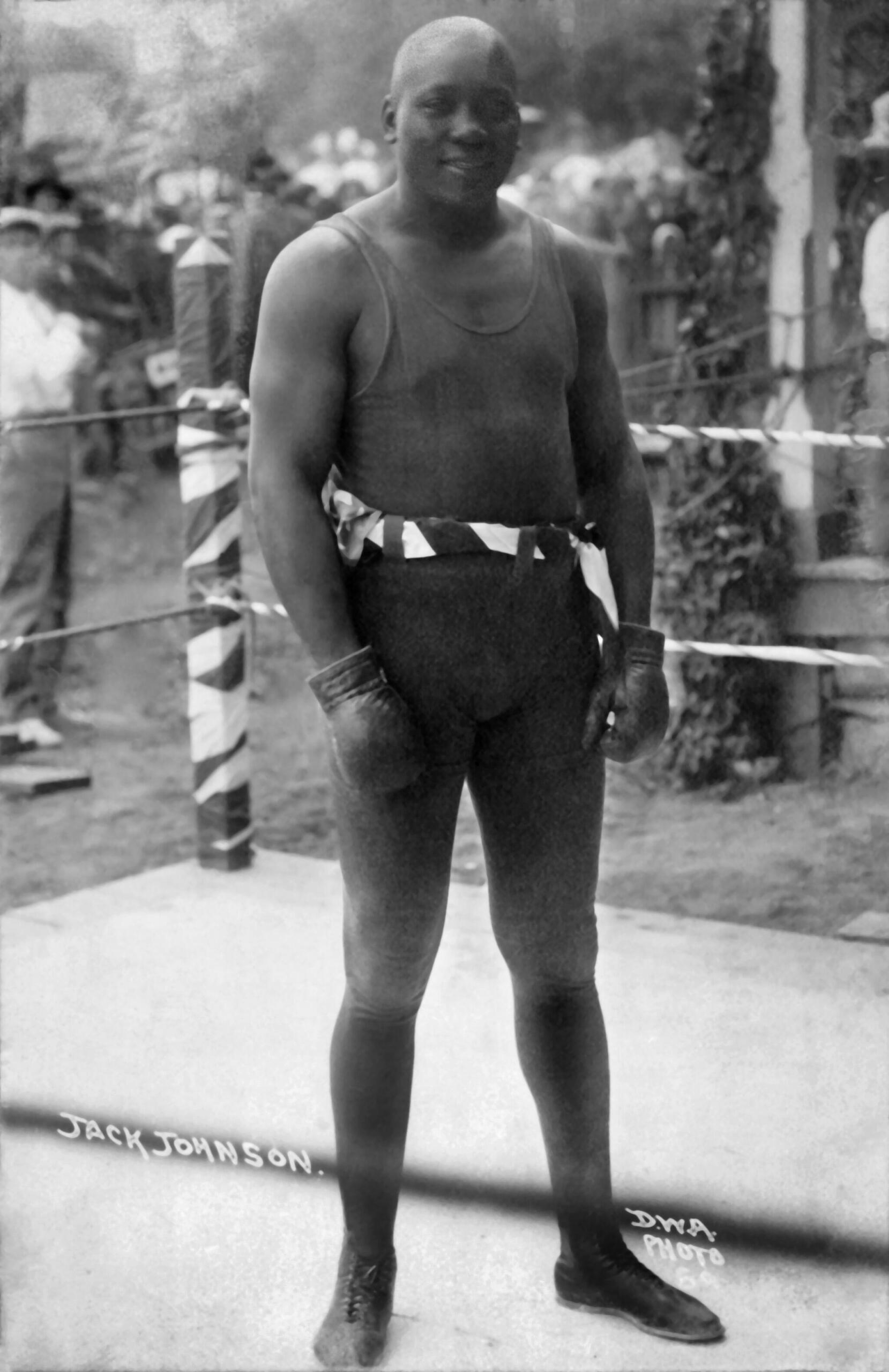
Jack Johnson was born in Texas and became the first Black heavyweight champion in 1908.
He relied on defensive skill, patience and counterpunching instead of brute force. Johnson’s confidence and lifestyle challenged racial norms during a deeply segregated era. His success was met with hostility, leading to legal persecution and eventual exile.
Inside the ring, Johnson dominated opponents by controlling pace and distance. He proved that intelligence and composure could defeat aggression. Johnson’s career extended well beyond his championship years and his influence on boxing technique remains significant.
Major Achievements:
World heavyweight champion from 1908 to 1915.
Legacy:
Johnson paved the way for future champions of color.
Who are our American heavyweight champions in the United States?
George Foreman
Division: Heavyweight
Years Active: 1969–1977, 1987–1997
George Foreman won Olympic gold in 1968 before turning professional. Known for raw punching power, he destroyed top contenders and defeated Joe Frazier to become a heavyweight champion. Foreman later lost the title to Muhammad Ali in a historic bout.
After retiring, he returned to boxing a decade later, defying expectations. At age 45, he regained the heavyweight championship, becoming the oldest champion in history. Foreman’s second career emphasized patience and experience rather than aggression. His two distinct eras showed how fighters can evolve over time.
Major Achievements:
Two-time heavyweight champion, Olympic gold medalist.
Legacy:
Foreman redefined longevity and reinvention in boxing.
Oscar De La Hoya
Division: Super Featherweight to Middleweight
Years Active: 1992–2008
Oscar De La Hoya was born in Los Angeles into a boxing family and began training at a young age.
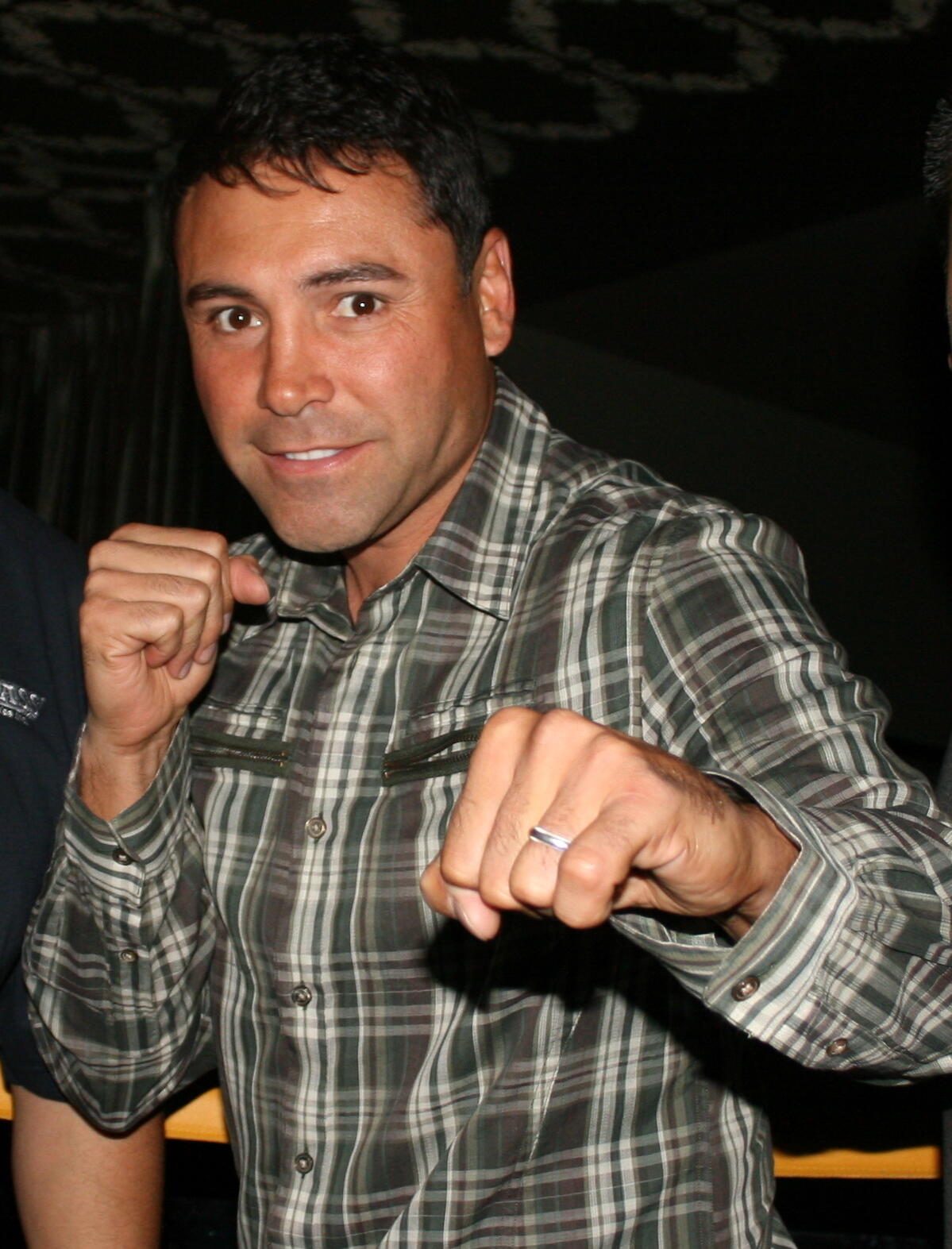
He gained national attention after winning a gold medal at the 1992 Olympic Games, which launched him into stardom. De La Hoya quickly became one of boxing’s most recognizable figures due to his combination of technical skill, toughness and mainstream appeal. He competed across multiple weight classes, often taking on the best available opponents. Known for his sharp jab and strong left hook, he headlined some of the biggest events of his era. As his career progressed, De La Hoya balanced elite competition with growing business interests, remaining a central figure in boxing long after retirement.
Major Achievements:
World titles in six weight divisions, Olympic gold medalist.
Legacy:
De La Hoya helped bridge elite boxing and modern promotion.
Evander Holyfield
Division: Cruiserweight, Heavyweight
Years Active: 1984–2011
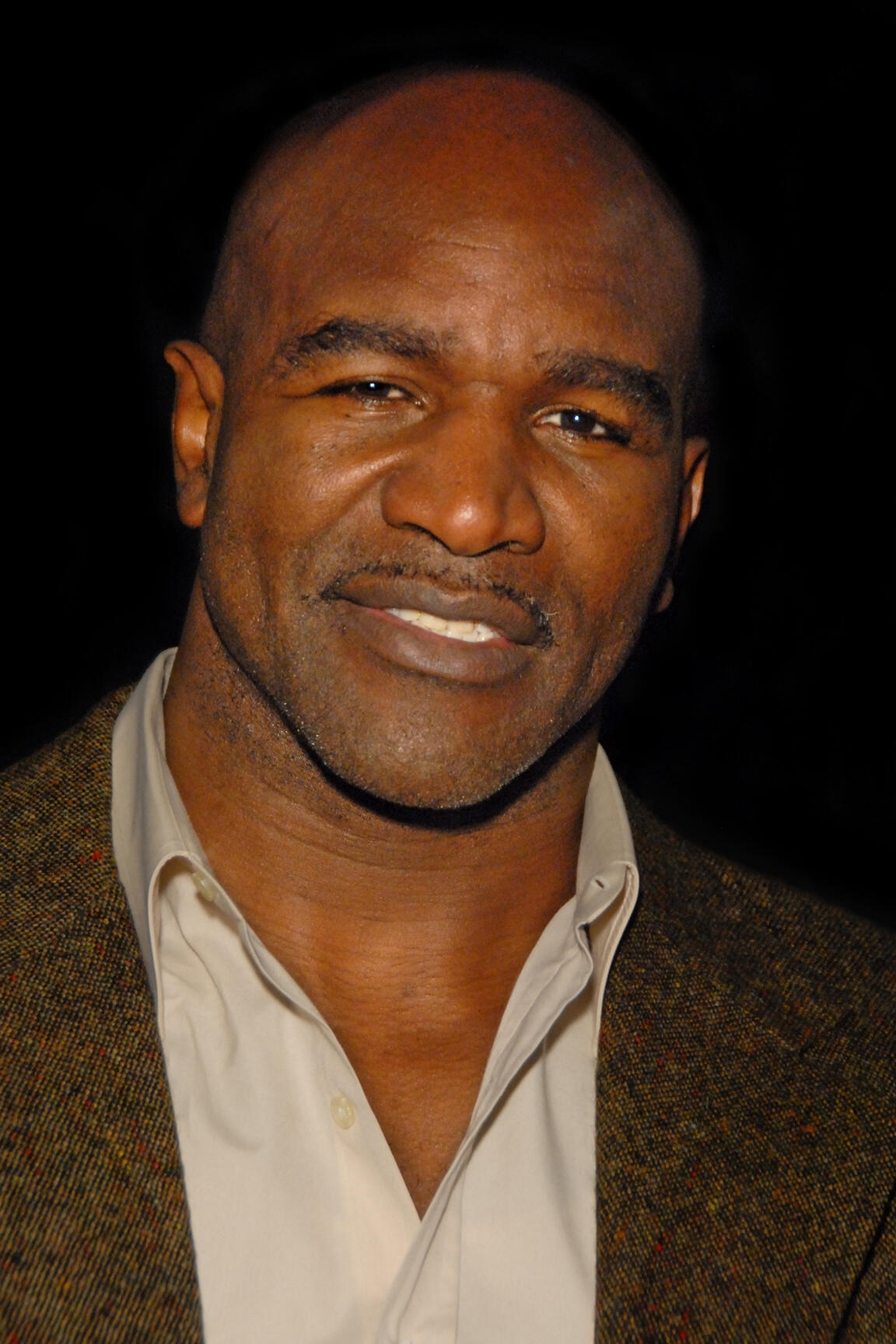
Evander Holyfield began his professional career at cruiserweight, where he quickly established himself as a disciplined and determined fighter.
He became the undisputed cruiserweight champion before moving up to heavyweight, often giving up size against larger opponents. Holyfield relied on conditioning, resilience and mental toughness rather than intimidation. He captured the heavyweight title four times and fought in some of the division’s most memorable bouts. Holyfield was known for accepting difficult challenges and never avoiding top competition. His fights often turned into grueling battles that tested endurance and willpower. Throughout his long career, Holyfield remained competitive against multiple generations of fighters.
Major Achievements:
Undisputed cruiserweight champion, four-time heavyweight champion.
Legacy:
Holyfield represents toughness, discipline and resilience.
Pernell Whitaker
Division: Lightweight, Welterweight
Years Active: 1984–2001
Pernell Whitaker was born in Norfolk, Virginia and became one of boxing’s most technically gifted fighters. After winning Olympic gold in 1984, he turned professional and quickly gained a reputation for elite defense. Whitaker relied on footwork, head movement and anticipation to frustrate opponents. He controlled distance and tempo, often making opponents miss by inches. Whitaker won world titles in four weight divisions and dominated the lightweight class during his prime. Though his style was sometimes overlooked by casual fans, experienced observers recognized his brilliance. Whitaker’s ability to neutralize aggressive fighters made him one of the most difficult opponents of his era.
Major Achievements:
Olympic gold medalist, four-division world champion.
Legacy:
Whitaker set the standard for defensive mastery.
Thomas Hearns
Division: Welterweight to Light Heavyweight
Years Active: 1977–2006
Thomas Hearns grew up in Detroit and trained under Emanuel Steward at the Kronk Gym. Known as the Hitman, Hearns used his height, reach and devastating right hand to dominate opponents.
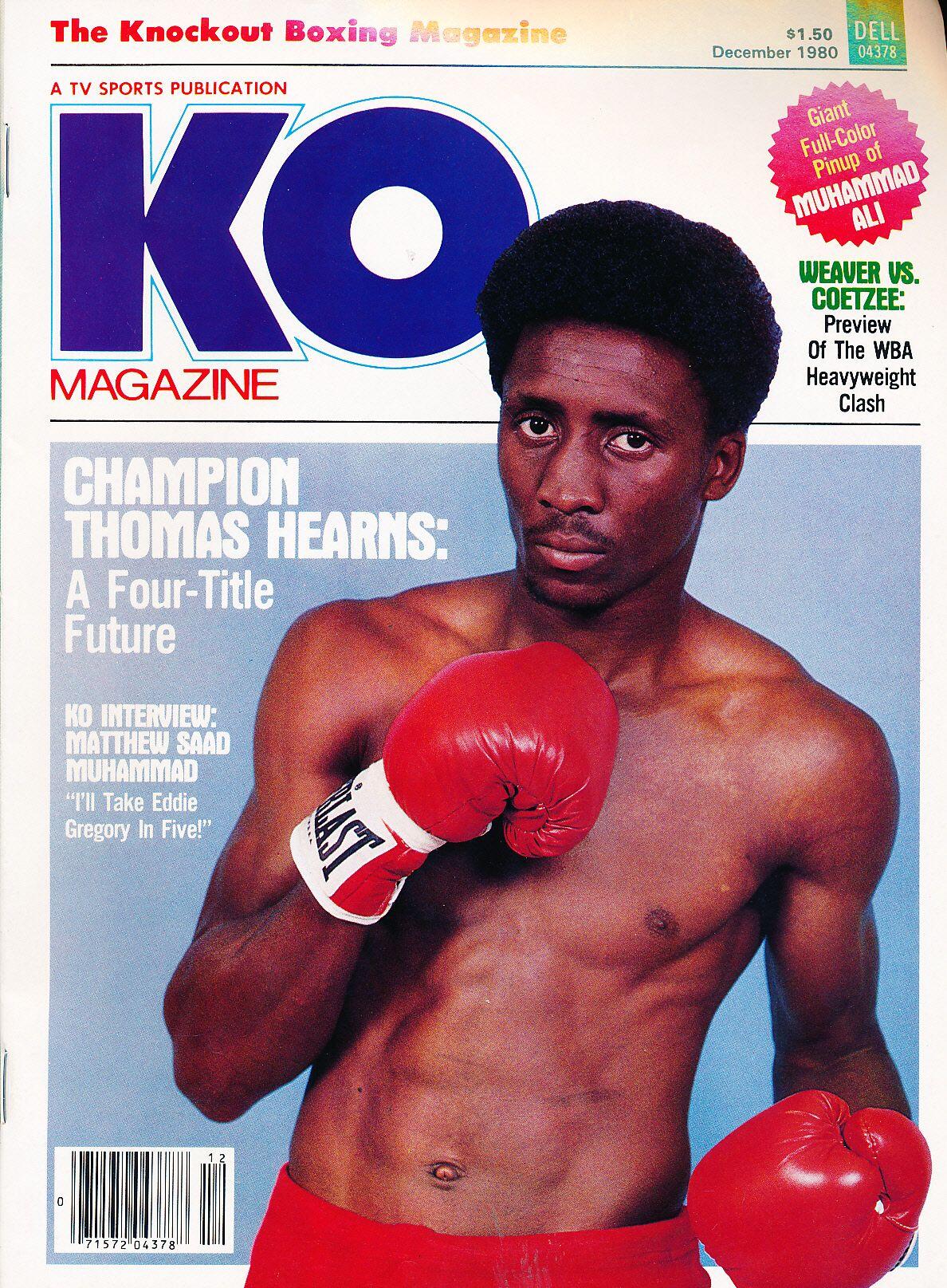
He became the first boxer to win world titles in five different weight divisions. Hearns delivered some of boxing’s most dramatic knockouts and participated in legendary fights against Sugar Ray Leonard, Marvin Hagler and Roberto Duran. While occasionally vulnerable defensively, his offensive power made every fight dangerous. Hearns proved that tall fighters could succeed at lower weights through discipline and timing.
Major Achievements:
First boxer to win world titles in five divisions.
Legacy:
Hearns changed how tall fighters approached offensive boxing.
Marvin Hagler
Division: Middleweight
Years Active: 1973–1987
Marvin Hagler fought his way to the top through persistence and consistency. Raised in Massachusetts, he spent years as an avoided contender before finally receiving a title opportunity. Once champion, Hagler dominated the middleweight division with strength, durability and adaptability. He was comfortable fighting as a southpaw or orthodox and could pressure opponents or counter effectively. Hagler’s battles with Thomas Hearns and Sugar Ray Leonard became defining moments in boxing history. He valued discipline over promotion and demanded respect through performance. Hagler retired while still competitive, leaving behind a reputation for toughness and professionalism.
Major Achievements:
Undisputed middleweight champion.
Legacy:
Hagler represents discipline and sustained excellence.
Bernard Hopkins
Division: Middleweight, Light Heavyweight
Years Active: 1988–2016
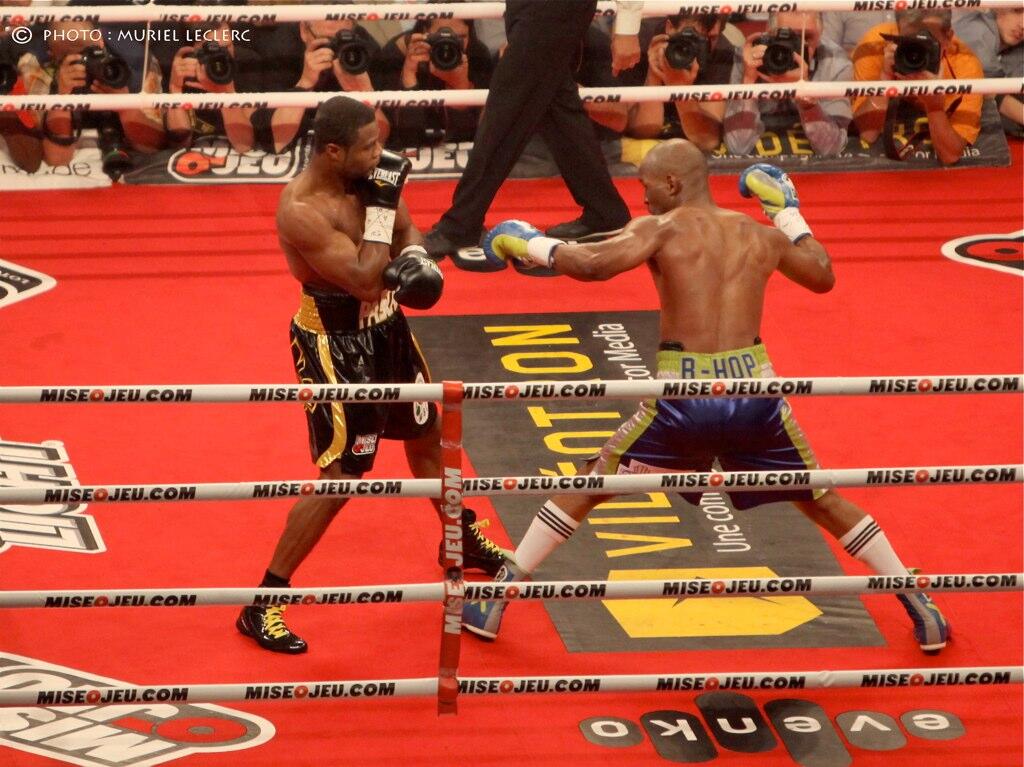
Bernard Hopkins turned his life around through boxing after serving time in prison. He became middleweight champion in his thirties and went on to dominate the division for over a decade. Hopkins relied on preparation, strategy and mental toughness rather than speed. He later moved up to light heavyweight and continued winning titles well into his forties. Hopkins was known for breaking opponents down mentally as much as physically. His longevity and discipline challenged traditional ideas about athletic decline. Few fighters maintained relevance for as long at the highest level.
Major Achievements:
Oldest world champion in boxing history.
Legacy:
Hopkins redefined longevity and professionalism.
Roy Jones Jr.
Division: Middleweight to Heavyweight
Years Active: 1989–2018
Roy Jones Jr. emerged as one of the most athletic fighters boxing had ever seen. Raised in Florida, he relied on speed, reflexes and creativity rather than textbook fundamentals.
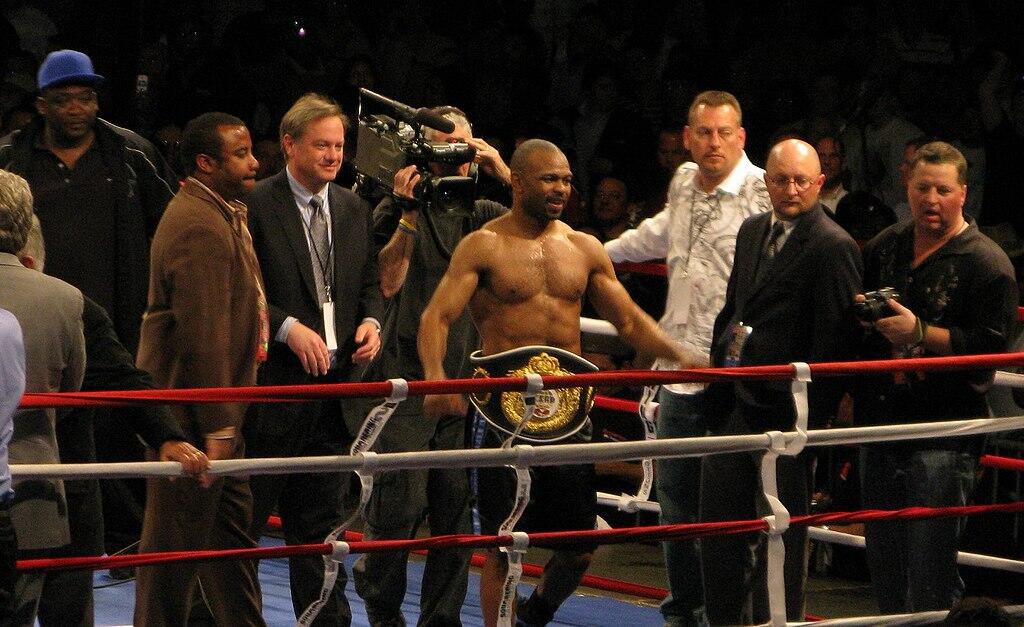
Jones won world titles in four weight divisions, including heavyweight, an extremely rare achievement. At his peak, he was nearly untouchable, often fighting with his hands down and relying on reflexes.
His confidence and flair made him a fan favorite. Although his later career was difficult, Jones’ prime years remain among the most impressive stretches in boxing history.
Major Achievements:
World titles in four divisions.
Legacy:
Jones redefined athleticism in professional boxing.
Joe Frazier
Division: Heavyweight
Years Active: 1965–1981
Joe Frazier grew up in South Carolina and developed a relentless pressure style built on stamina and power. Known for his crushing left hook, Frazier constantly moved forward, forcing opponents into exchanges. He became heavyweight champion and famously defeated Muhammad Ali in the Fight of the Century. Frazier’s conditioning allowed him to maintain pressure for entire fights. Though often compared to Ali, his accomplishments stand on their own. Frazier earned respect through toughness, humility and consistency inside the ring.
Major Achievements:
World heavyweight champion, victory over Muhammad Ali.
Legacy:
Frazier symbolizes heart and relentless determination.
Larry Holmes
Division: Heavyweight
Years Active: 1973–2002
Larry Holmes was born in Georgia and raised in Pennsylvania, where he developed one of boxing’s most effective jabs.
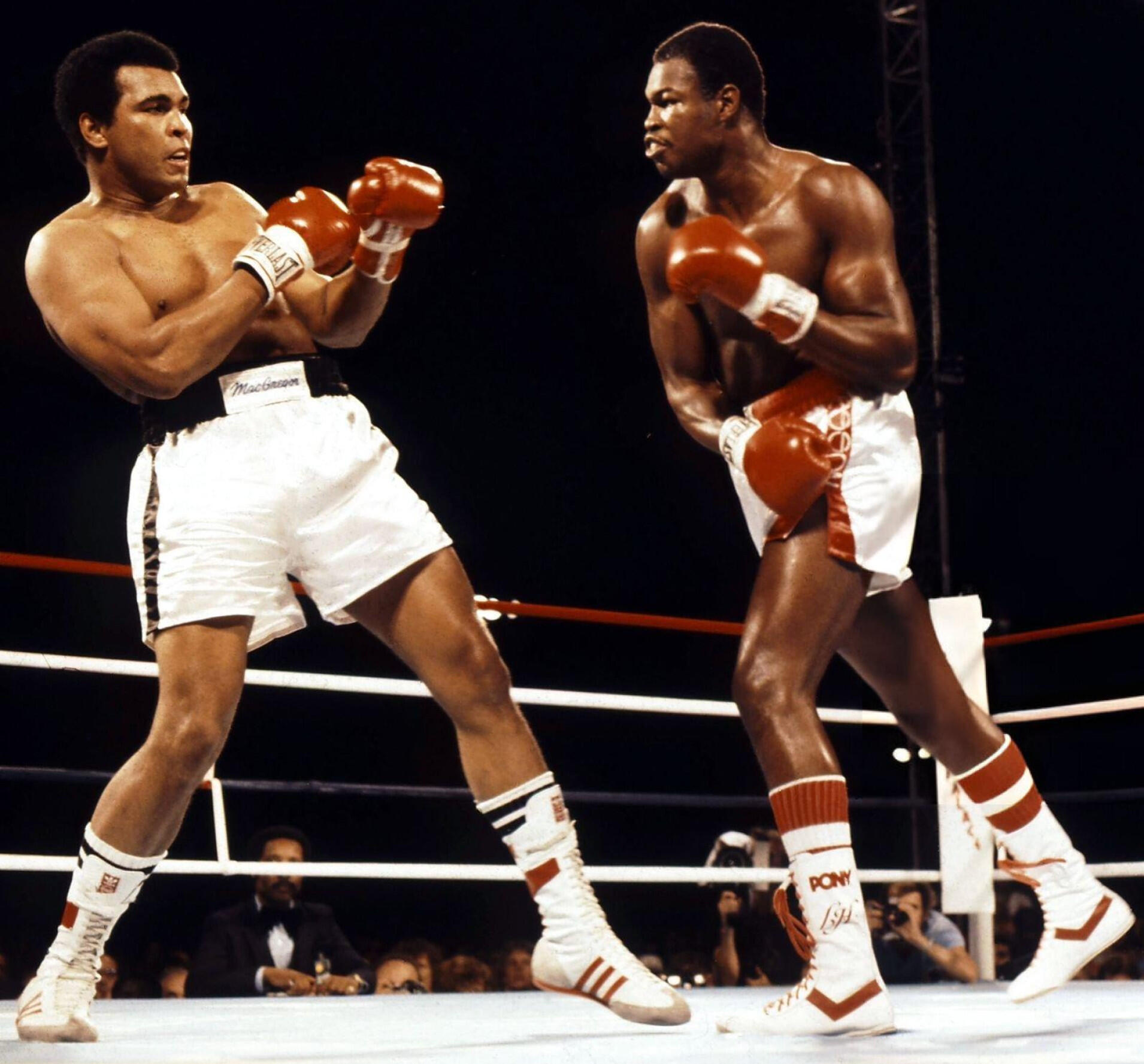
Holmes held the heavyweight title for seven years and defended it 20 times. His style emphasized timing, balance and control rather than aggression. Holmes defeated many top contenders and remained competitive well into his later years. Though often overlooked due to the era he fought in, his technical skill and durability earned respect from fighters and historians alike. His jab remains a teaching standard.
Major Achievements:
20 successful heavyweight title defenses.
Legacy:
Holmes remains one of the most technically sound heavyweights.
Willie Pep
Division: Featherweight
Years Active: 1940–1966
Willie Pep built his career on movement, balance and ring awareness.
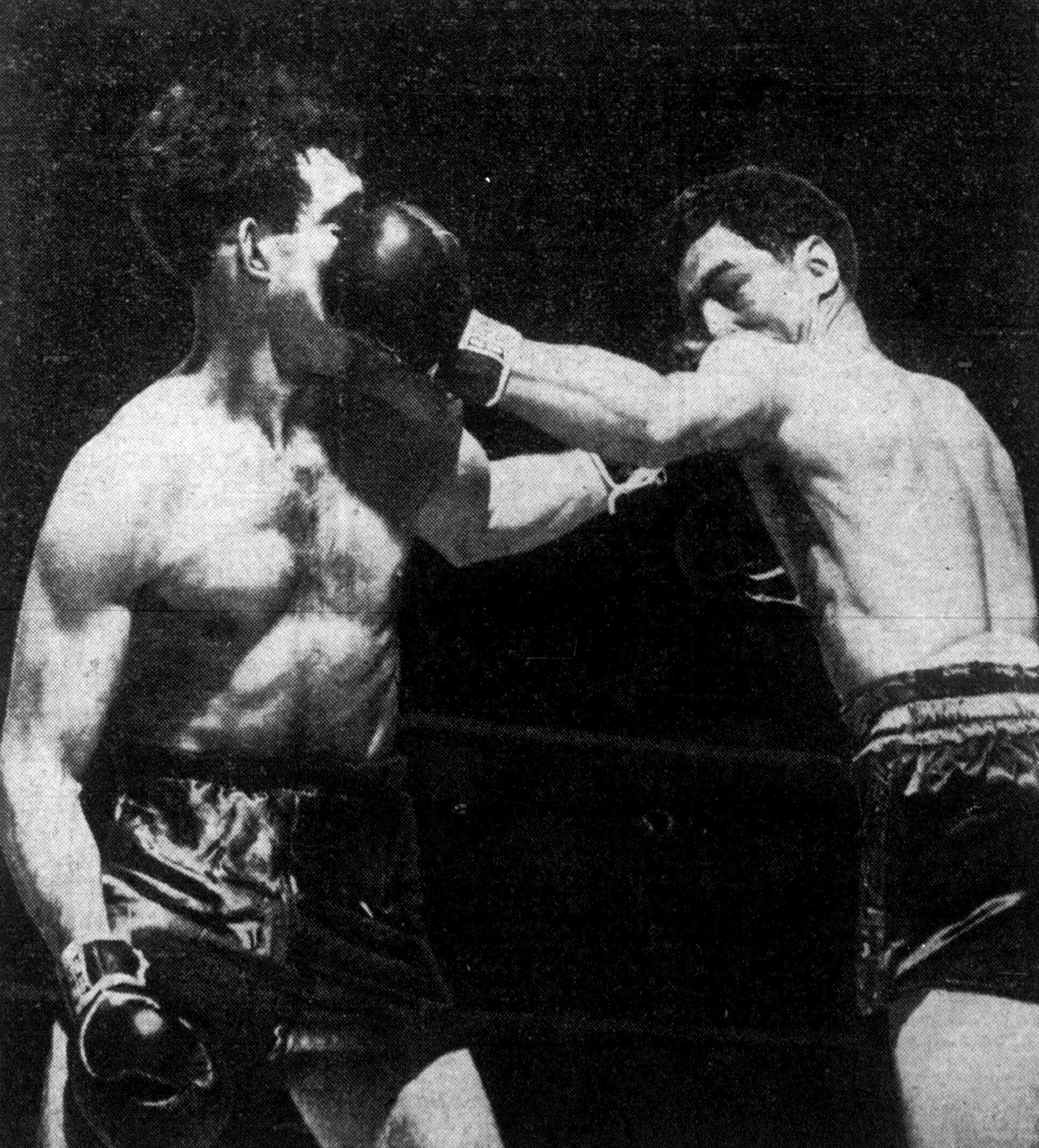
He fought in more than 240 professional bouts, an extraordinary number by modern standards. Pep won the featherweight title twice and became famous for defensive mastery. His ability to avoid punches and control distance made him frustrating for opponents. Pep’s style emphasized intelligence over power, influencing generations of fighters. He proved that defense and positioning could win fights at the highest level.
Major Achievements:
Two-time featherweight champion, over 240 professional wins.
Legacy:
Pep set the benchmark for defensive boxing.
Henry Armstrong
Division: Featherweight, Lightweight, Welterweight
Years Active: 1931–1945
Henry Armstrong fought with relentless pressure and unmatched stamina. Born in Mississippi, he rose through the ranks by overwhelming opponents with constant offense. Armstrong made history by holding three world titles at the same time across different divisions. His pace wore down opponents regardless of size. Armstrong’s conditioning allowed him to maintain intensity throughout fights. His achievements remain unique in boxing history.
Major Achievements:
Held three world titles simultaneously.
Legacy:
Armstrong’s work rate remains unmatched.
Sonny Liston
Division: Heavyweight
Years Active: 1953–1970
Sonny Liston came from a difficult background and became one of boxing’s most intimidating figures. His size, strength and powerful jab made him feared by contenders.
Liston became heavyweight champion by demolishing Floyd Patterson. Though his reign was short, his dominance at his peak was undeniable. Many experts believe Liston was one of the most dangerous heavyweights ever.
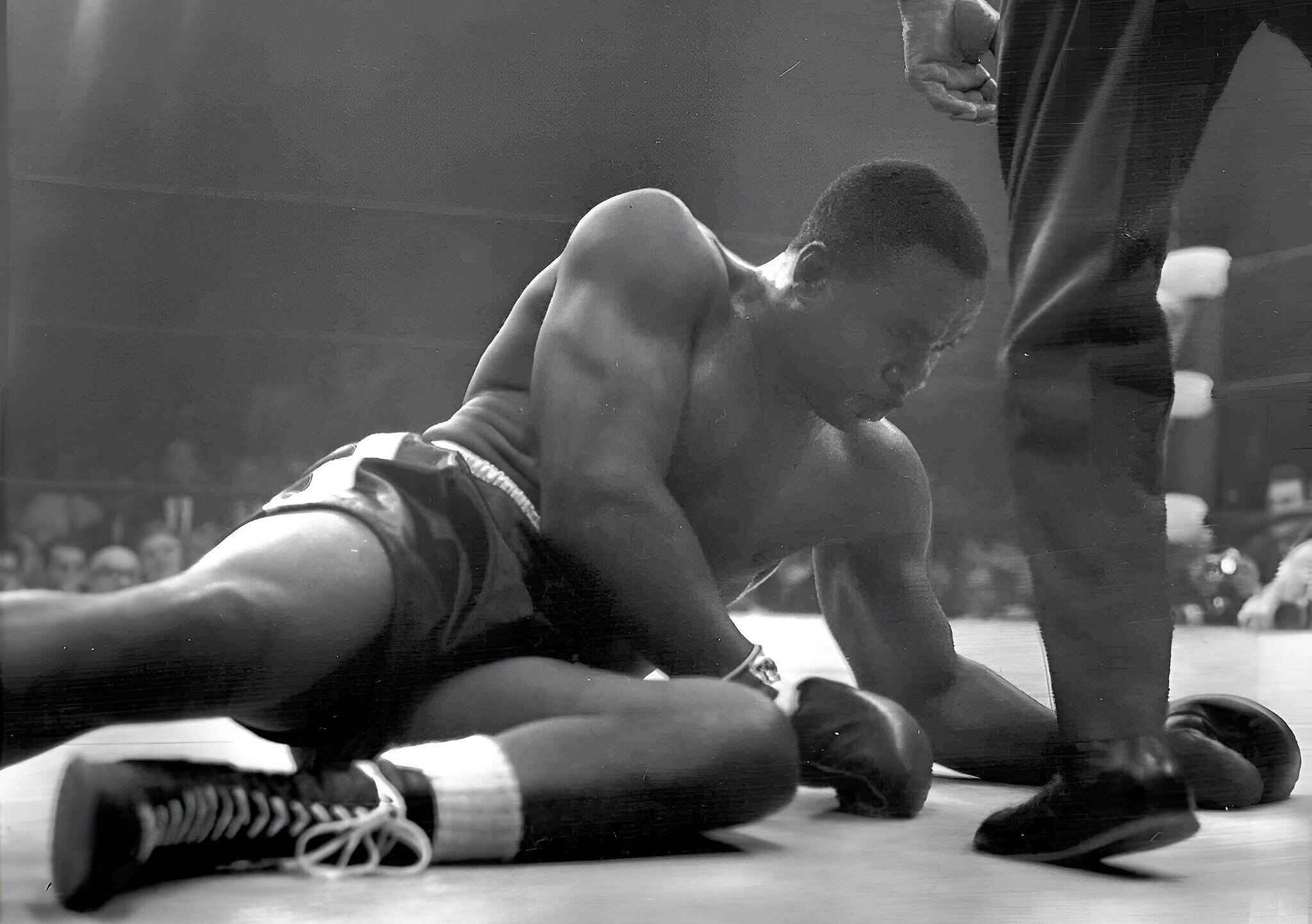
Outside the ring, Liston struggled with public perception and media scrutiny, which often overshadowed his skill. His background and quiet demeanor added to the mystique that surrounded him throughout his career. Despite controversy, trainers and fighters who faced him consistently ranked him among the hardest punchers they ever encountered.
Major Achievements:
World heavyweight champion.
Legacy:
Liston symbolizes raw power and intimidation.
Women’s boxing struggled for recognition for decades. Fighters like Christy Martin, Laila Ali and Ann Wolfe helped bring legitimacy and visibility to the sport. Their success proved that female fighters could draw audiences and compete at elite levels, reshaping boxing’s future.
Laila Ali
Division: Super Middleweight
Years Active: 1999–2007
Laila Ali entered boxing with a famous last name but built her own reputation through performance. She retired undefeated, showing discipline, power and control. Ali competed during a period when women’s boxing was still gaining recognition. Her success helped bring visibility and credibility to female fighters. Ali trained seriously from the start, focusing on conditioning and fundamentals rather than celebrity status. She consistently controlled fights with composure, rarely appearing rushed or reckless. Her professionalism helped change how female champions were marketed and respected.
Major Achievements:
Undefeated professional record.
Legacy:
Ali helped legitimize women’s boxing.
Christy Martin
Division: Super Welterweight
Years Active: 1989–2012
Christy Martin became one of the first widely recognized female boxers in the United States. Her aggressive style and toughness earned national attention. Martin held multiple world titles and helped bring women’s boxing into mainstream broadcasts. Martin’s fights introduced many fans to women’s boxing for the first time. Her willingness to trade punches and show toughness challenged outdated assumptions about female fighters. She remains one of the most influential figures in the sport’s early mainstream exposure.
Major Achievements:
Multiple world championships.
Legacy:
Martin opened doors for future female fighters.
Ann Wolfe
Division: Super Middleweight
Years Active: 1996–2006
Ann Wolfe was known for power and intensity. Raised in Texas, she became a world champion and later transitioned into training. Her influence extended beyond her own career as she mentored younger fighters. Wolfe earned a reputation as one of the hardest punchers in women’s boxing history. Her intensity in the ring translated into a commanding presence as a trainer. Fighters who worked with her often credited her for mental toughness as much as physical conditioning.
I’m not the best boxer in the world, but I’m the toughest.
Ann Wolfe
Major Achievements:
World champion.
Legacy:
Wolfe influenced boxing as both fighter and trainer.
Johnny Tapia
Division: Bantamweight, Featherweight
Years Active: 1988–2005
Johnny Tapia was born in Albuquerque and fought with emotion and honesty. Despite personal struggles, he became a five-time world champion. Fans connected with his resilience and openness. Tapia openly discussed his struggles outside the ring, creating a rare sense of honesty between fighter and audience. His fights often carried emotional weight, reflecting both pain and perseverance. In New Mexico, he remains a symbol of resilience and local pride.
Major Achievements:
Five-time world champion.
Legacy:
Tapia is remembered for heart, honesty and perseverance.
Summarize with AI:
Did you like this article? Leave a rating!

 Loading...
