


Physics has grown through the work of many brilliant minds who lived in different centuries and explored different questions about nature. These scientists uncovered the laws of motion, explained the structure of the atom, revealed the behavior of light and expanded our understanding of the universe. Their ideas shaped engineering, astronomy, technology and modern research. This guide highlights some of the most influential physicists in history and explores the discoveries that made them unforgettable figures in the story of science.
Imagination is more important than knowledge.”
Albert Einstein



Isaac Newton (1643–1727)
Isaac Newton developed the laws of motion and universal gravitation, bringing structure and clarity to the behavior of moving objects. His work connected falling apples with the movement of planets, showing that one set of laws governs motion throughout the universe. Newton also contributed to optics and helped create calculus, giving scientists a powerful mathematical language. His book Principia Mathematica shaped physics for centuries and offered future researchers a model for combining observation with careful reasoning. Newton’s ideas remain central to classical mechanics and continue to guide students learning the foundations of physics today.
Galileo Galilei (1564–1642)
Galileo Galilei introduced a new way of studying nature by combining observation, experimentation and mathematical description.
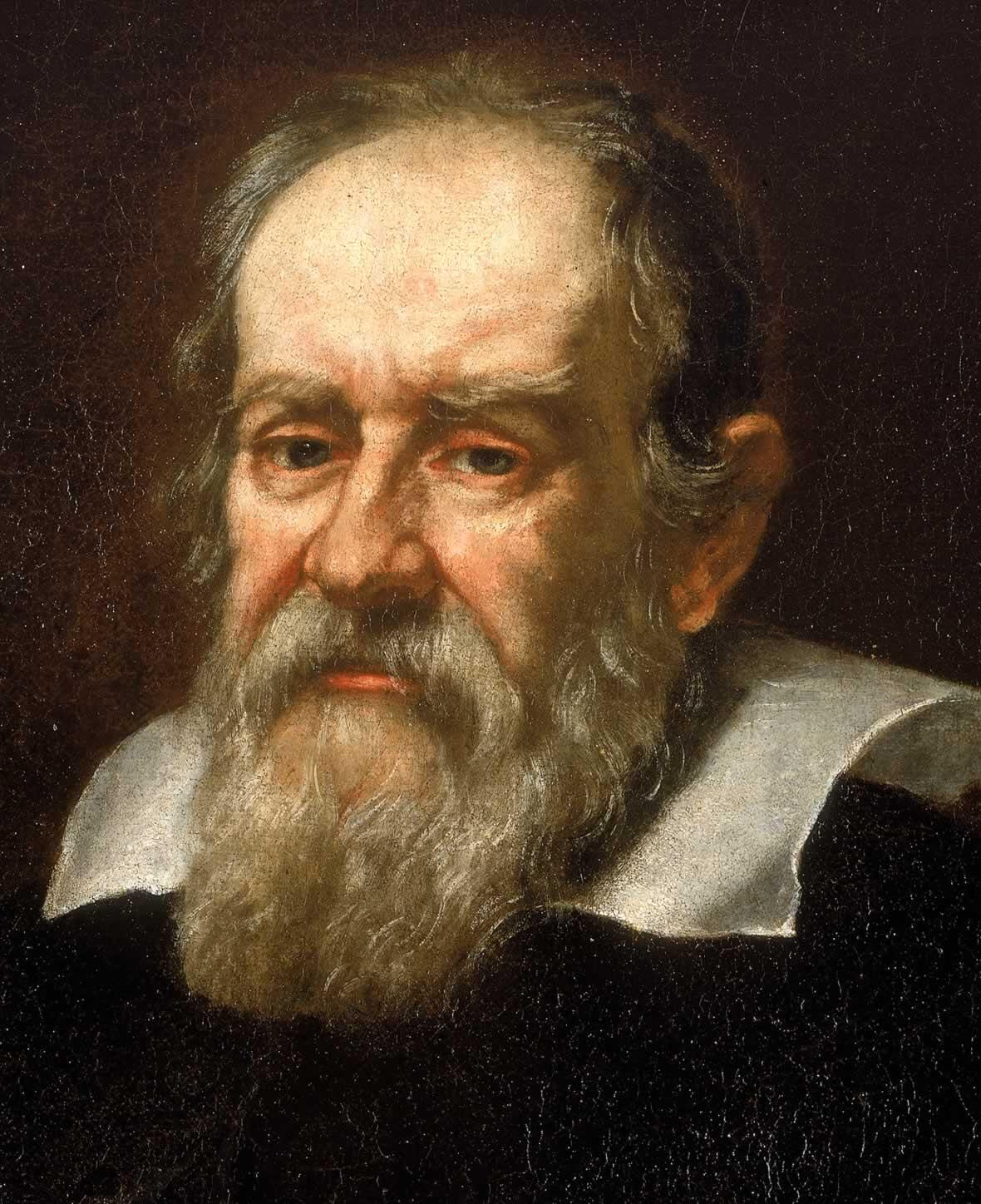
He improved the telescope, observed mountains on the Moon and discovered moons orbiting Jupiter. Galileo studied falling bodies and pendulums to understand motion more accurately than earlier thinkers. His refusal to accept ideas without evidence encouraged a scientific method based on testing and questioning. His work opened the door for future physicists to explore motion with precision. Galileo’s legacy is found in every laboratory that values careful measurement and open inquiry.
Johannes Kepler (1571–1630)
Johannes Kepler discovered the three laws of planetary motion, revealing that planets travel in ellipses rather than perfect circles. His work showed that celestial motion followed precise mathematical rules and prepared the ground for Newton’s theory of gravity. Kepler combined astronomical observations with a passion for geometry, believing that nature expressed itself through recognizable patterns. His laws helped astronomers understand the structure of the solar system and continue to guide orbital science today. Kepler’s determination to uncover order in complex data makes him one of the most important early contributors to physics.
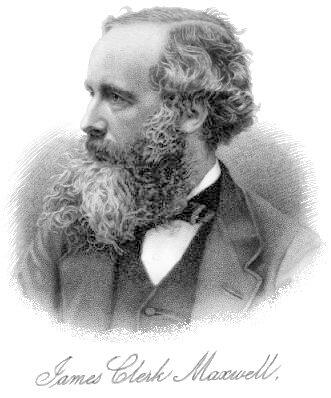
James Clerk Maxwell (1831–1879)
James Clerk Maxwell unified electricity, magnetism and light within a single mathematical framework.
His equations revealed that light is an electromagnetic wave, linking phenomena that once seemed unrelated. Maxwell’s work shaped radio technology, telecommunications, electronics and modern engineering. His ideas also influenced Albert Einstein, who admired the clarity and depth of Maxwell’s theory. Many physicists place Maxwell alongside Newton and Einstein as one of the greatest scientific thinkers. His contributions continue to support advances in physics, communication and materials science.
Albert Einstein (1879–1955)
Imagination is more important than knowledge.
Albert Einstein
Albert Einstein reshaped physics through his theories of special and general relativity. He described how motion affects time, how mass curves space and how energy and matter relate. Einstein’s equation E = mc² became one of the most recognized expressions in science. His work also supported early quantum theory and influenced modern cosmology. Einstein encouraged independent thinking and believed deeply in the power of curiosity. His discoveries continue to guide research on gravity, black holes and the expanding universe.
Niels Bohr (1885–1962)
Niels Bohr transformed atomic physics by proposing that electrons occupy specific energy levels. His atomic model helped explain why atoms emit light in fixed patterns.
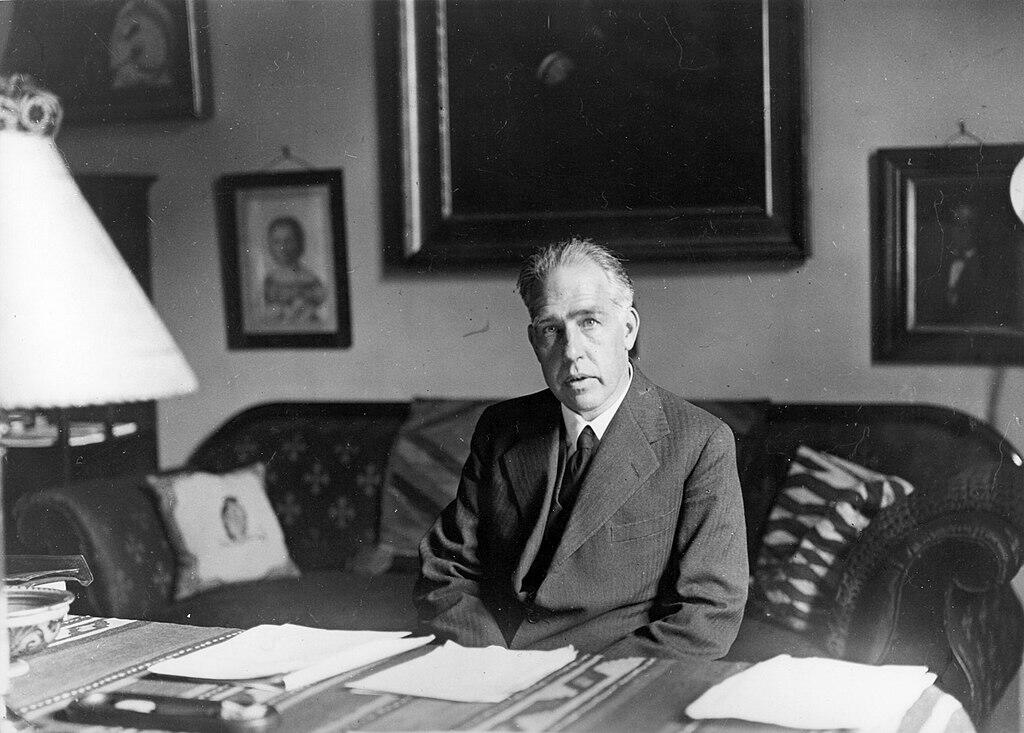
Bohr played a central role in early quantum theory, joining discussions that shaped the interpretation of quantum behavior. He encouraged open dialogue among scientists and established a research community in Copenhagen that attracted many young physicists.
Bohr’s contributions continue to support the study of atomic structure and the development of quantum technology.
Marie Curie (1867–1934)
Marie Curie discovered radium and polonium and became the first person to win Nobel Prizes in two sciences. Her work on radioactivity opened new fields of study and supported early cancer treatments. Curie’s dedication, long hours in the laboratory and determination to understand atomic behavior made her one of the most respected researchers of her time. She inspired many women to pursue physics and continues to influence scientific education worldwide.
Michael Faraday (1791–1867)
Michael Faraday discovered electromagnetic induction, the principle behind electric generators and transformers. His experiments revealed the close relationship between electricity and magnetism. Faraday also studied electrochemistry and introduced concepts that shaped modern energy technology. He used simple tools and careful observation, showing that great discoveries do not require complex equipment. Faraday’s enthusiasm for science and his ability to communicate ideas clearly made him a beloved figure in public education.
Michael Faraday had very little formal schooling and learned most of his science while working as a bookbinder’s apprentice, where he read the books he was binding. This self-taught curiosity eventually led him to discover electromagnetic induction, a foundation of modern electricity!
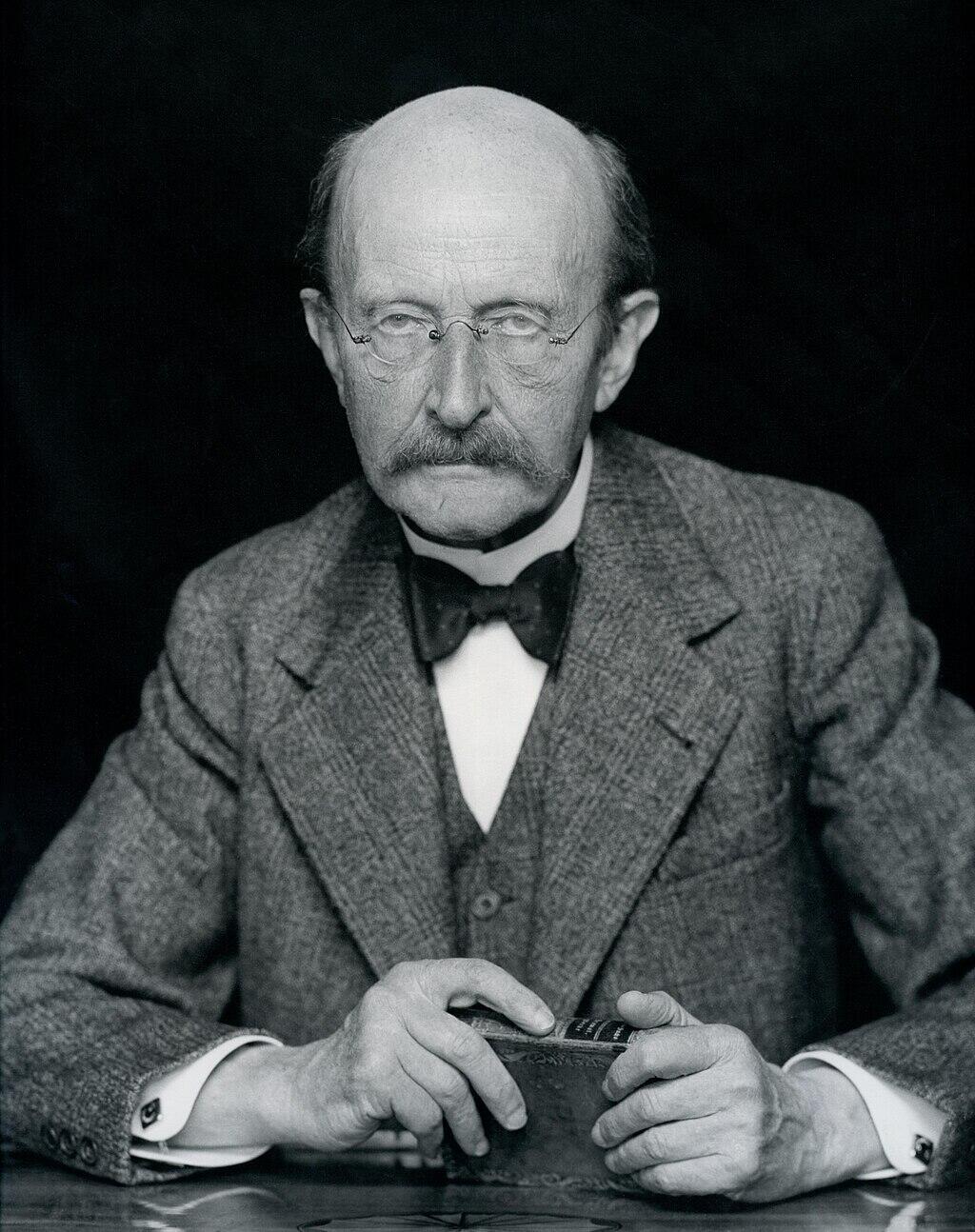
Max Planck (1858–1947)
Max Planck introduced the idea that energy comes in small, discrete amounts called quanta.
This insight marked the beginning of quantum theory, which transformed the study of atoms and light.
Planck’s work encouraged scientists to question classical assumptions and consider new ways of describing nature. His careful reasoning supported future discoveries in particle physics and quantum mechanics.
Planck remains an important figure in discussions about the early development of modern physics.
Werner Heisenberg (1901–1976)
Werner Heisenberg helped establish quantum mechanics and introduced the uncertainty principle, which describes limits on measuring atomic properties. His mathematical approach shaped how scientists think about particles and their behavior. Heisenberg’s ideas influenced research on atomic structure, nuclear physics and quantum fields. His work encouraged scientists to reconsider certainty and measurement in the study of nature.
Enrico Fermi (1901–1954)
Enrico Fermi created the first controlled nuclear chain reaction and contributed to the development of particle physics. He excelled in both theoretical and experimental work, bridging gaps between concepts and practical applications.
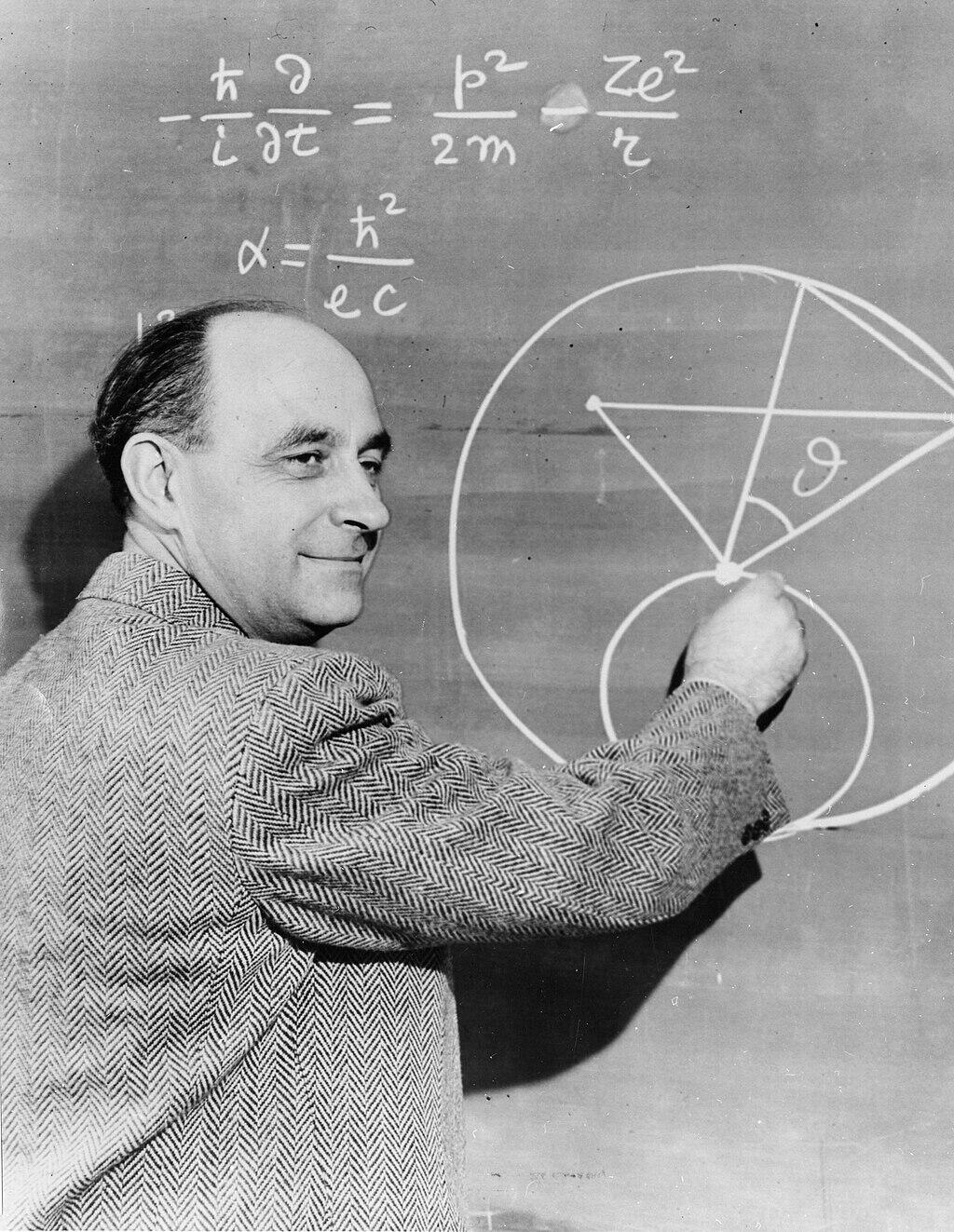
Fermi’s influence can be seen in nuclear energy, reactor design and early particle accelerators. His hands-on approach made him one of the most versatile physicists of the twentieth century. He inspired many younger researchers, who adopted his straightforward style of tackling hard problems. Colleagues often remarked on his sharp intuition and his talent for finding simple solutions to complex questions.
His impact remains evident in the tools and ideas that continue to guide modern physics.
Paul Dirac (1902–1984)
Paul Dirac predicted antimatter through an equation that joined quantum mechanics with special relativity. His work provided a mathematical foundation for modern particle physics. Dirac believed in precision and clarity, producing theories that remain essential to advanced research. His contributions expanded the understanding of electron behavior and quantum fields.
Dirac was famous for speaking extremely little... so little that colleagues jokingly said he had a personal unit of speech, the “dirac,” defined as one word per hour. Despite his quiet nature, his dry humor would sometimes surface. When a student asked him how he managed to create such beautiful equations, Dirac replied: “I try to make them prettier.”
Erwin Schrödinger (1887–1961)
The task is, not so much to see what no one has yet seen, but to think what nobody has yet thought, about that which everybody sees.
Erwin Schrödinger
Erwin Schrödinger developed wave mechanics and introduced the Schrödinger equation, which describes how quantum systems evolve over time. He explored the nature of matter and imagined experiments that challenged scientists to think more carefully about measurement and reality. Schrödinger’s ideas continue to shape quantum research and discussions about the foundations of physics.
Lise Meitner (1878–1968)
Lise Meitner explained nuclear fission and offered insights that became crucial to atomic science. She worked with great care and provided theoretical clarity during a period of intense scientific discovery. Meitner supported responsible research and encouraged scientists to consider the consequences of new technologies. Her influence remains strong in modern discussions about nuclear energy and ethics. Read more on the most famous female physicians today! Here is a short informative video on Lise Meitner on YouTube!
Richard Feynman (1918–1988)
The first principle is that you must not fool yourself.
Richard Feynman
Richard Feynman helped develop quantum electrodynamics and created diagrams that show how particles interact. His clear explanations made complex topics easier for students and researchers to understand. Feynman believed in curiosity and hands-on exploration, often demonstrating ideas through creative examples. His influence reaches far beyond physics into education and scientific communication.
Edwin Hubble (1889–1953)
Edwin Hubble discovered that galaxies move away from each other, proving that the universe is expanding. His observations changed cosmology and supported the Big Bang theory. Hubble’s ability to interpret astronomical data helped reveal the scale of the universe. His work continues to guide studies of galaxies and cosmic evolution.
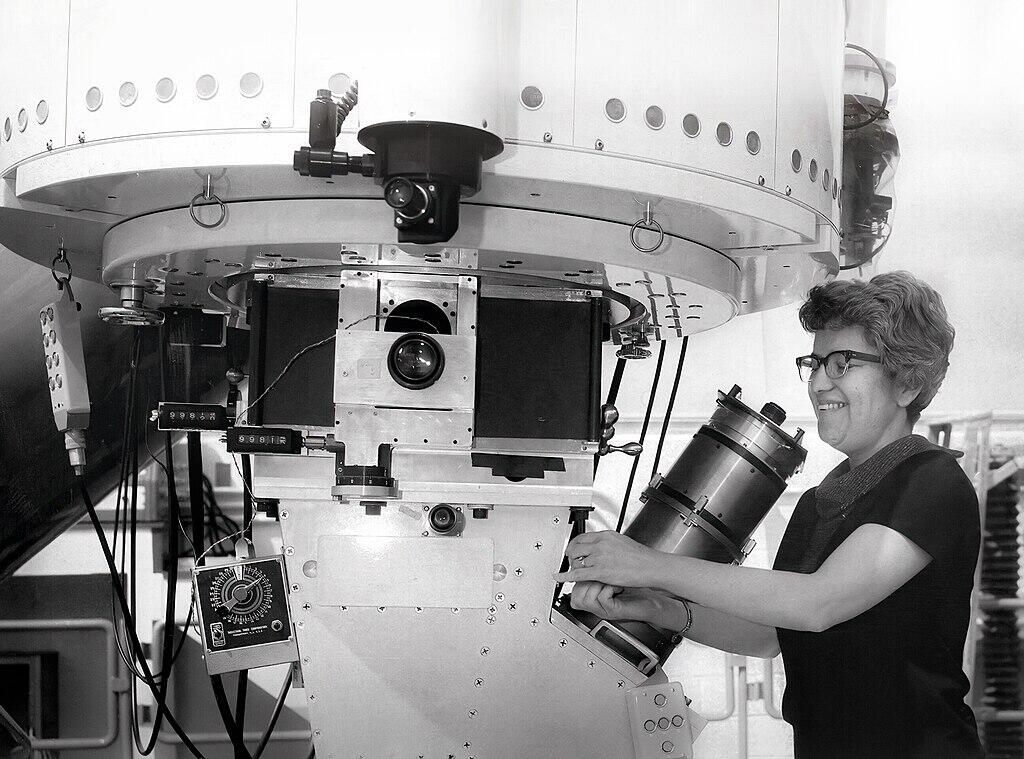
Vera Rubin (1928–2016)
Vera Rubin found strong evidence for dark matter by studying how galaxies rotate.
Her observations suggested that visible matter makes up only a small part of the universe. Rubin’s careful approach encouraged astronomers to investigate one of the greatest mysteries in modern science. Her contributions remain central to cosmology.
Henrietta Swan Leavitt (1868–1921)
Henrietta Leavitt discovered the relationship between a variable star’s brightness cycle and its luminosity. Her work allowed astronomers to measure distances across space and understand the scale of the universe more clearly. Leavitt’s discovery helped guide later research on galaxies and cosmic expansion.
Subrahmanyan Chandrasekhar (1910–1995)
Chandrasekhar calculated the mass limit for white dwarf stars, helping explain their evolution and collapse. His research supported studies of supernovae, neutron stars and black holes.
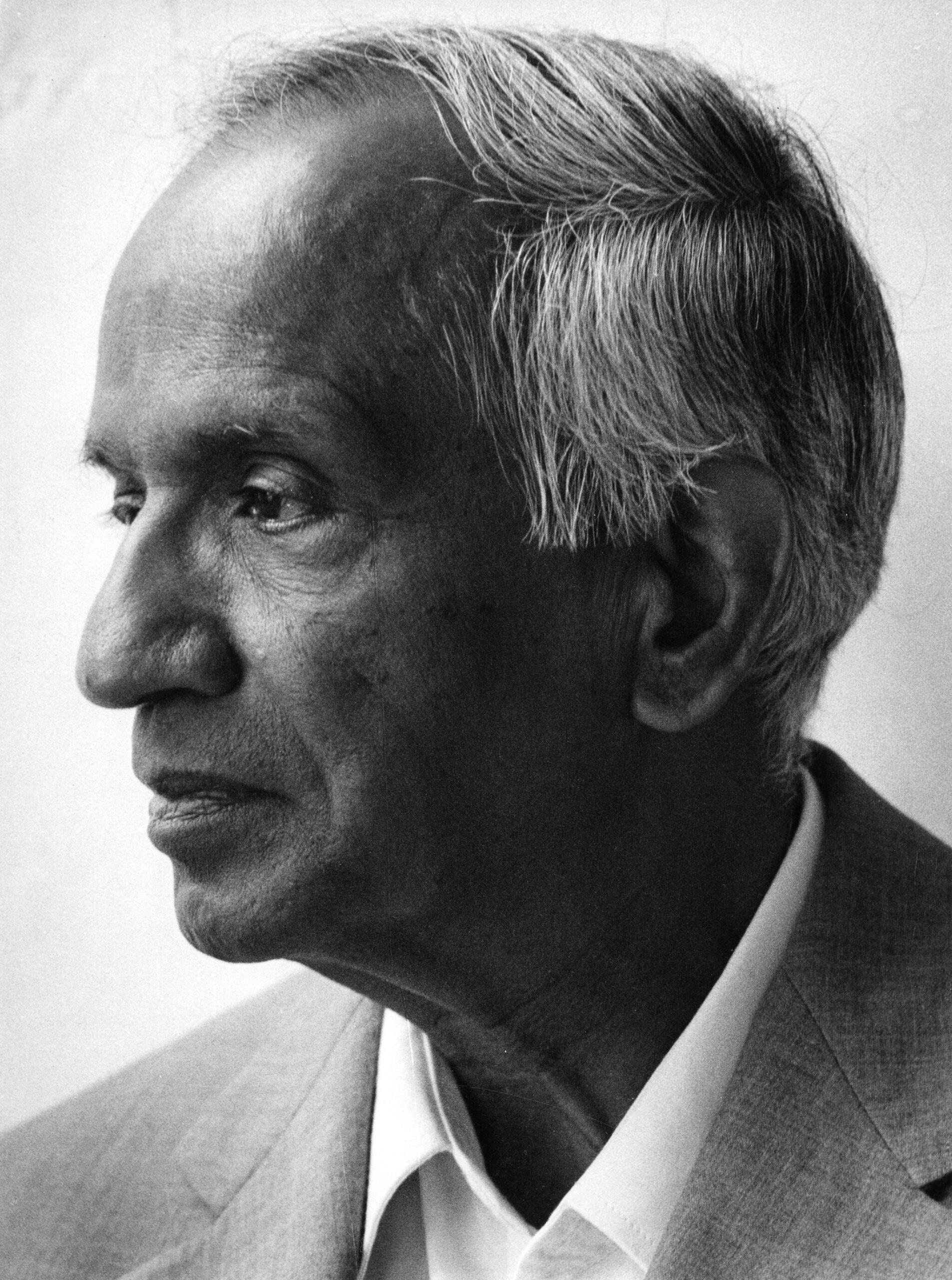
Chandrasekhar combined theory and mathematics with remarkable precision and influenced generations of astrophysicists. He deepened the understanding of stellar structure through pioneering work on radiative transfer.
His books, including An Introduction to the Study of Stellar Structure, became essential references in astrophysics.
His precise and methodical approach set new standards for theoretical modeling.
Honored with the 1983 Nobel Prize in Physics, he remains a central figure in modern astrophysics.
Leonhard Euler (1707–1783)
Leonhard Euler contributed to mechanics, optics and fluid dynamics, shaping many principles used in classical physics. His mathematical skill created new tools that scientists still use. Euler believed in clarity and structure and his work helped connect physics with mathematics in powerful ways.
Christiaan Huygens (1629–1695)
Christiaan Huygens studied the nature of light and introduced the wave theory. He developed accurate clocks and contributed to early studies of motion. Huygens worked with precision and believed that natural behavior could be understood through careful observation and reasoning.
Blaise Pascal (1623–1662)
Blaise Pascal explored pressure, fluids and probability. Pascal’s law guides hydraulic systems and engineering today.
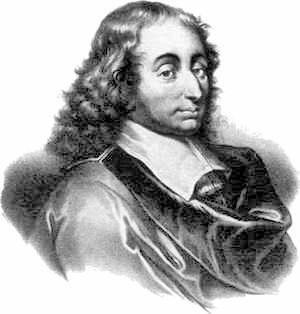
His interest in natural behavior and mathematics created important bridges between scientific fields. Pascal demonstrated how theoretical ideas could shape practical inventions. His work also inspired later scientists to explore the relationships between pressure, fluids and mechanical advantage. By blending intuition with rigorous experimentation, Pascal helped lay the groundwork for modern physics and engineering principles used worldwide.
Emilie du Châtelet (1706–1749)
Émilie du Châtelet translated and expanded Newton’s Principia, making it accessible across Europe. Her commentary clarified Newton’s ideas and provided new insights into energy and motion.
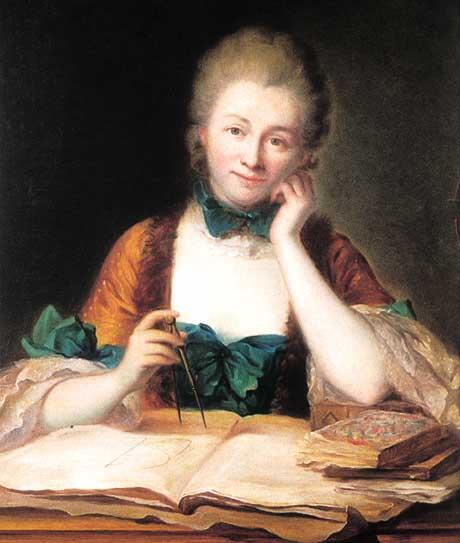
She produced the definitive French translation of Newton’s Principia, a version still used today, completing much of the work while pregnant and creating one of the most important scientific translations in history.
Du Châtelet encouraged critical thinking and helped spread scientific ideas during the Enlightenment.
Why These Discoveries Still Matter Today
The history of physics is filled with scientists who changed the way the world understands nature. Their ideas helped explain motion, light, electricity, stars and the structure of matter itself. Many of these discoveries were made centuries apart, yet they continue to guide everything from modern technology to space exploration. Learning about their work shows how curiosity and persistence can reshape entire fields of study.
For students who want to explore these ideas more deeply, personalized support can make a real difference. Superprof offers access to physics tutors who bring complex concepts to life through clear explanations and practical examples. Whether a learner is reviewing classical mechanics, preparing for university courses, or curious about quantum theory, Superprof’s tutors provide guidance that helps build confidence and long-term understanding. With the right direction, anyone can begin to connect with the ideas that shaped scientific history.
Would you be interested in reading on the most famous physicians today?
Summarize with AI:
Did you like this article? Leave a rating!

 Loading...
