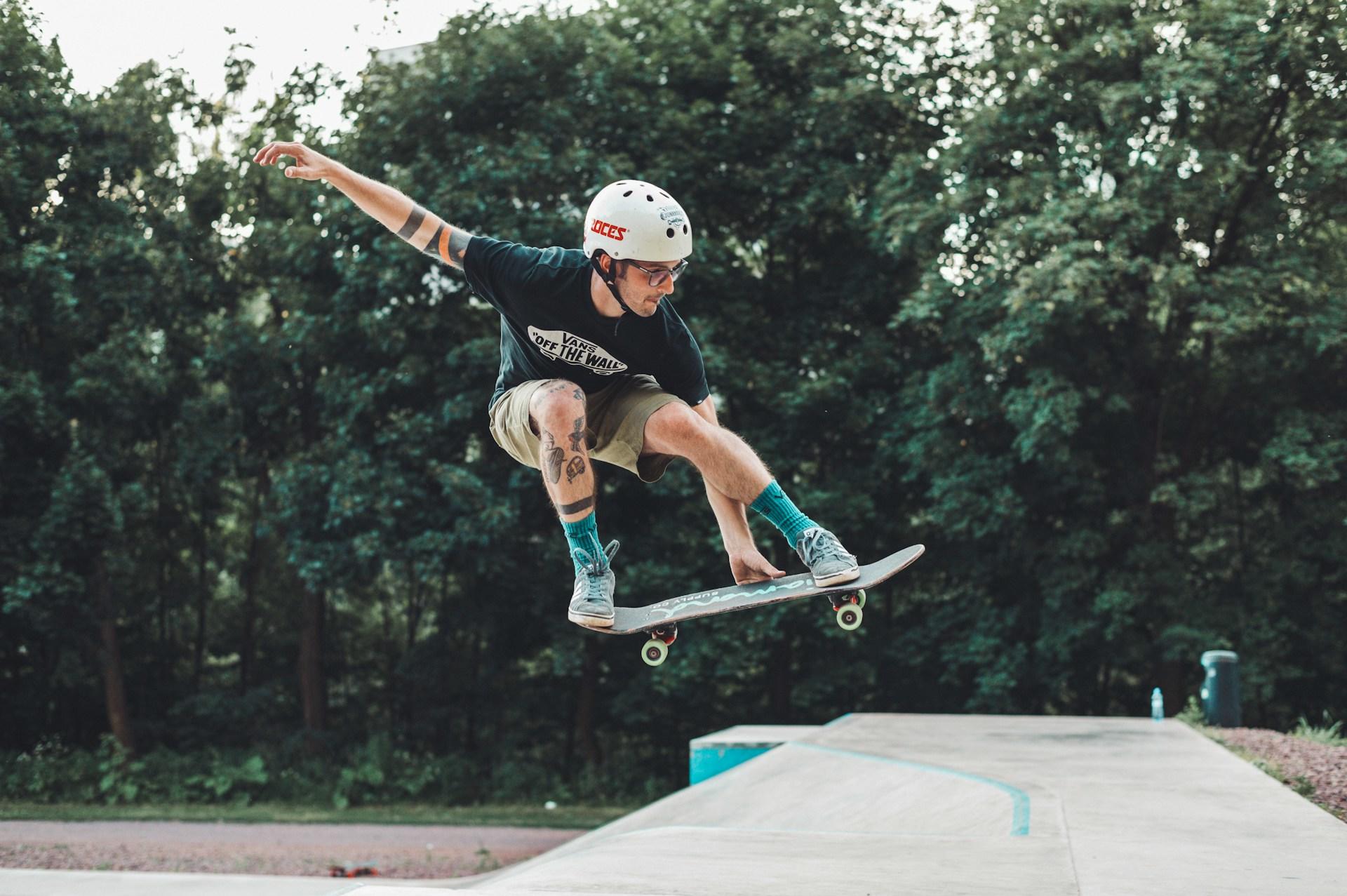

When learning any new activity, there are undoubtedly many pitfalls that beginners typically fall into. This doesn’t mean you shouldn’t learn or that you’re not good enough to keep trying! There is a reason that so many beginners fall into the same patterns when they are learning how to skate: it’s a natural progression.
In this article, we’ll explore the most common mistakes beginner skateboarders make, how to avoid and overcome them, and other tips to help you start skateboarding safely and with confidence!


Gear & Safety Tips for Beginner Skateboarders
Having the right gear when you begin skateboarding is just as important as having the right knowledge. Here are some basic things to know before you get on your board so you can keep practicing without risking a huge injury that will derail your day, your skateboarding practice, and possibly even your life.
Choosing the Right Skateboard
Look for skateboards for beginners made by trusted brands rather than the cheapest option.
In general, an 8” board is suitable for everyone, but if you’re under 10 years old or smaller than the average boarder, you might find a junior-size board easier to control.
Helmets Are Non-Negotiable
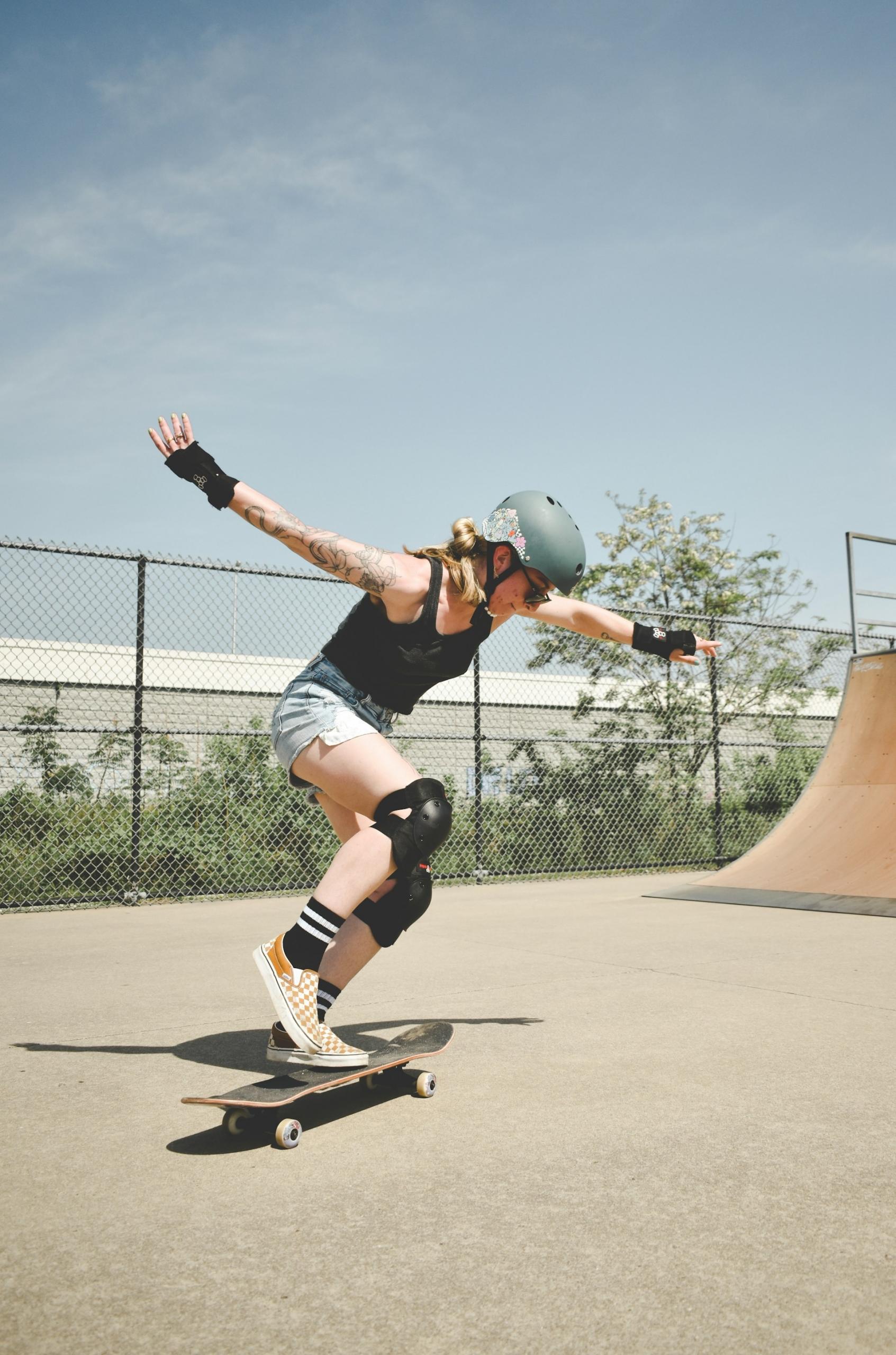
A well-fitting helmet is an absolute necessity for skateboarders of all skill levels. You will fall, and you need to protect your brain. Look for helmets specifically designed for skateboarding, not bicycle helmets.
Pads & Guards Prevent Broken Bones and Cuts
Knee pads, elbow pads, and wrist guards absorb the impact of falls, preventing painful scrapes and bruises.
Shoes for Protection and Grip
Proper skate shoes allow you to grip the board while being able to “feel” the deck. They stay on your feet securely and the laces don’t get tangled in your wheels.
Basic Safety Tips for Skateboarding
There are a few things you should familiarize yourself with before you start skateboarding.
- Always skate in a safe place with enough space
- Avoid skating in wet conditions
- Keep your shoes, deck, and wheels clean
- Learn how to fall properly to avoid breaking bones
These tips combined with your protective gear will help you stay safe and sound while you learn how to skateboard!
When it comes down to it, the best way to start skateboarding is to just gear up and hop on. This is one activity you can only learn through experience!
Skateboarding Tips for Beginners
Before you can cruise around town on your board, hit the half-pipe, or nail cool skateboard tricks, you have to learn the basics. Building a strong foundation in the fundamentals of skateboarding is necessary for you to be capable and confident in the harder aspects of skating. Here are the basics for how to ride a skateboard for beginners.
Balancing on the Board
Balancing on a skateboard is the very first step when learning how to skateboard for beginners. Start by standing on a stationary board, distributing your weight evenly. Gradually progress to shifting your weight from side to side, simulating the motions required for turning and maneuvering.
Decide which stance is most comfortable– regular or goofy– but familiarize yourself with both.
Pushing
Propelling the skateboard forward is a fundamental skill that requires coordination and technique. Practice pivoting your front foot as you use your back foot to push, and then pivoting back to your stance as you coast forward.
Turning and Steering
Turning and steering are essential components of skateboarding. Practice carving, kickturning, and tic-tacs before you move on to adding moves and other fancy footwork to your skillset.
Stopping and Slowing Down
As exciting as it is to gain speed, learning how to slow down and stop safely is equally important. Practice braking with your foot, jumping off the board, jumping and rolling (bailing), controlled slide stopping, and pop-catching while jumping off. Learn how to tail- and heel-brake as well as when it’s appropriate to do them since they damage your board and shoes.
How to Get Better at Skateboarding: Avoid These Mistakes
When learning how to learn to skateboard, beginners typically fall into several common pitfalls. Here is what you need to look out for and how you can correct your mistakes.
It’s hard to unlearn the wrong way to do something, so make sure you do your best to learn the proper ways as soon as possible when you begin learning how to use a skateboard!
1. Not Gearing Up
It stands to be said again because it is so important: always wear a helmet! Wear your knee, elbow, and wrist protection and proper shoes as well!
2. Being Too Afraid of Falling Down
You’re wearing your protective gear for a reason! Skateboarding is a sport that requires you to fall down to learn. Don’t be afraid of getting hurt or of embarrassment. Every skater out there, especially the greats, has fallen down more times than they can count. Simply learn how to fall safely, and you can be fearless.
3. Improper Foot Positioning
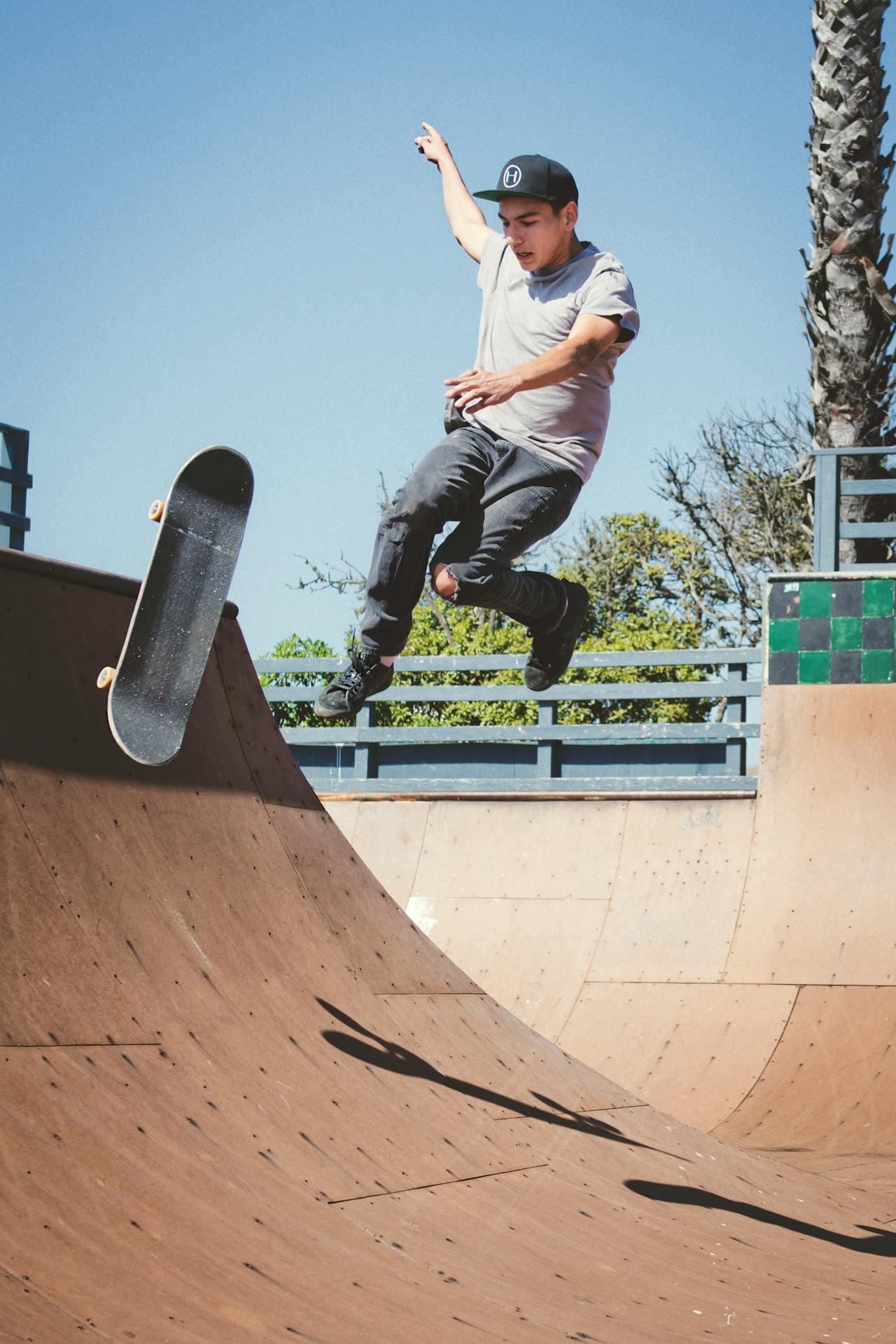
Placing your feet improperly can significantly impact your balance and control. Aim to position your back foot on the rear bolts and your front foot near the front middle of the deck (shoulder-width apart). Both feet should be perpendicular to the board.
4. Improper Body Posture
Keeping your shoulders square while cruising is important, but there are times when you need to change your body posture. Be aware of where you’re leaning: too far forward or backward and the board will shoot out from under you as you fall down, not forward enough means you’re limiting your momentum. You want to stay in the center with a tiny bit of forward lean most of the time.
Also, when attempting tricks, especially ones that involve rotating, you must move your shoulders and body properly before, during, and after the trick to execute it properly.
Keep your knees bent comfortably, but not excessively.
5. Pushing Mongo
While it may seem intuitive, pushing with your front foot (“pushing mongo”) can lead to instability and a lack of control. Instead, use your back foot to push and guide the board with your front foot.
6. Not Using the Front Foot to Steer
Although you do use both feet when carving your board, the front foot is the leader. Make sure to press into your front foot’s heel or toes when carving rather than relying on just the back foot or leaning your body.
7. Looking Down Instead of Ahead
Keeping your eyes focused on the ground directly in front of you leads to a loss of spatial awareness and collisions. Train yourself to look ahead, anticipating obstacles and maintaining a broader field of view.
8. Attempting Tricks Beyond Your Skill Level
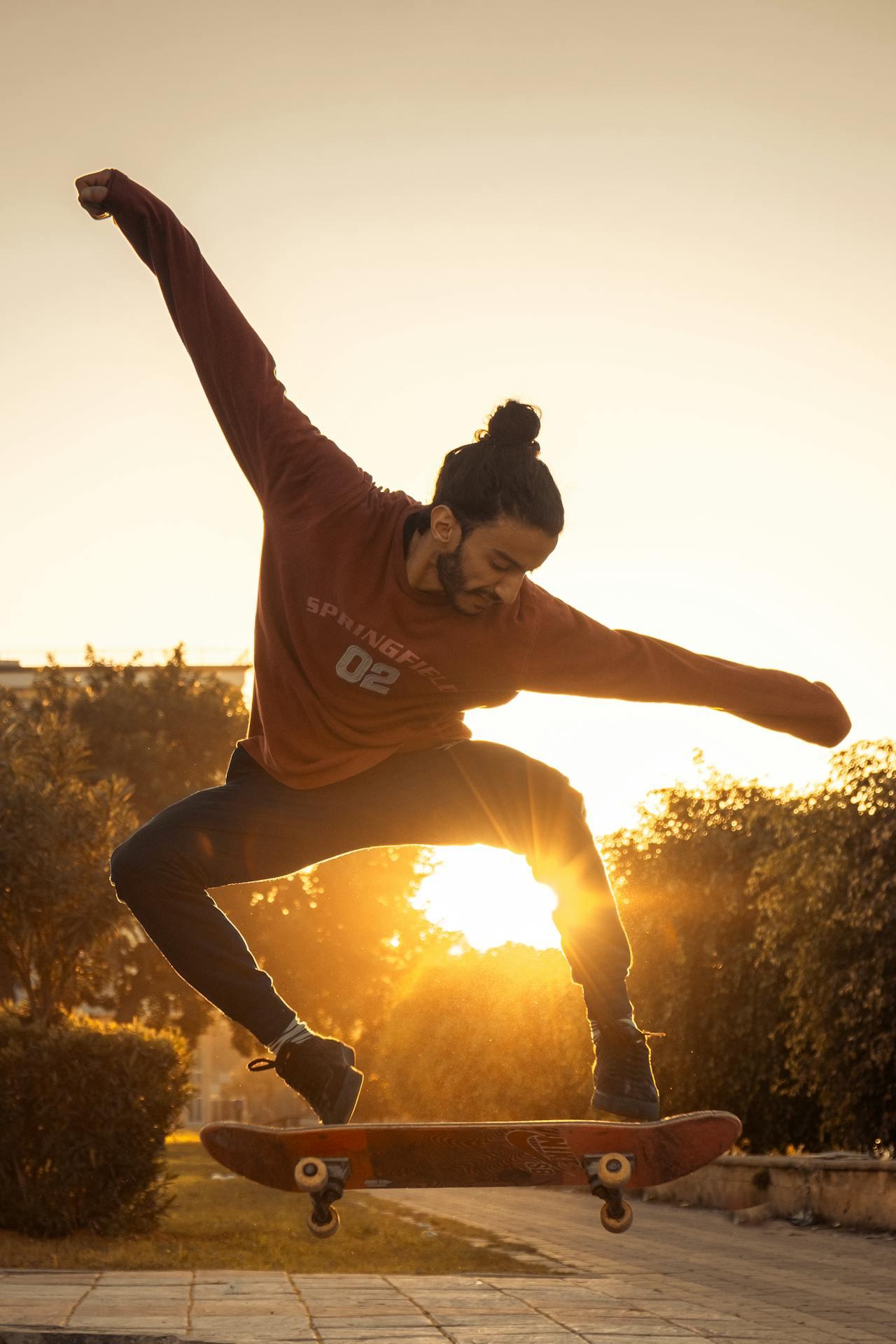
Progressing too quickly and attempting advanced tricks before mastering the fundamentals can lead to frustration and injuries. Instead, build confidence and skill at each level before moving on to more complex skateboard tricks. Find out which tricks are best when learning skateboarding for beginners and start there.
9. Not Keeping Arms and Hands Steady
Your arms and hands are essential for balance and control, and if you fall, you need to be ready for action. Avoid swinging your arms around or keeping them stiff and close to your sides or in your pockets.
10. Neglecting Regular Board Maintenance
Skateboard components, such as the deck, wheels, bearings, and grip tape, can wear down over time, affecting your board's performance and safety. Regularly inspect and maintain your equipment to ensure optimal functionality and longevity.
Also, check your helmet and other equipment to ensure it’s still functional and free of debris.
11. Stopping with Tail Scraping Only
Stopping by scraping your board's tail on the ground can quickly lead to razor tail, a sharp edge that can cause painful cuts and scrapes, not to mention ruining your board over time. Opt for safer stopping techniques to avoid damaging your equipment and risking injury.
12. Skating in Wet, Dirty Conditions
Stepping in puddles or dirt can significantly reduce the grip tape's effectiveness, leading to slips and falls. Be mindful of your riding environment and avoid areas with moisture or debris that could compromise your traction.
Debris on the ground can also get caught in your wheels, causing you to wipe out or even damage your board and hardware.
13. Neglecting Warm-up and Stretching
Like any physical activity, skateboarding requires a proper warm-up and stretching to prevent injuries and improve performance. Dedicate a few minutes before each session to dynamic stretches and exercises to prepare your body for the demands of the sport.
14. Giving Up Too Quickly
Skateboarding is a skill that requires patience, perseverance, and a willingness to embrace failure as part of the learning process. Don't be discouraged by setbacks or frustrations; instead, celebrate small victories and continue pushing through the challenges. Every scrape is proof that you’re learning how to skateboard!
Plus, most skateboarding tricks require a high amount of muscle memory to execute, which means you can only learn how to do the trick through repetition.

15. Not Having a Plan
Just like any other sport, you need to have short-term goals and a plan to meet them. Research which skill or trick you want to learn next that is appropriate for your current level and then practice according to the methods conveyed by experienced skaters.
3 Best Beginner Skateboard Tricks
When building up your skills and your repertoire of skateboard tricks, there are a handful of simple yet exciting tricks you can start learning once you have a solid grasp of the basics.
Ollie
The Ollie is probably the most talked-about trick because it’s the gateway to a ton of other tricks down the line. Learning how to ollie is like unlocking a new skill tree full of jumps, spins, rotations, grinds, and more!
Manual
Manuals are simple and fun. They’re a great way to practice mastering your balance and foot placement while boosting your confidence!
Nose Stall
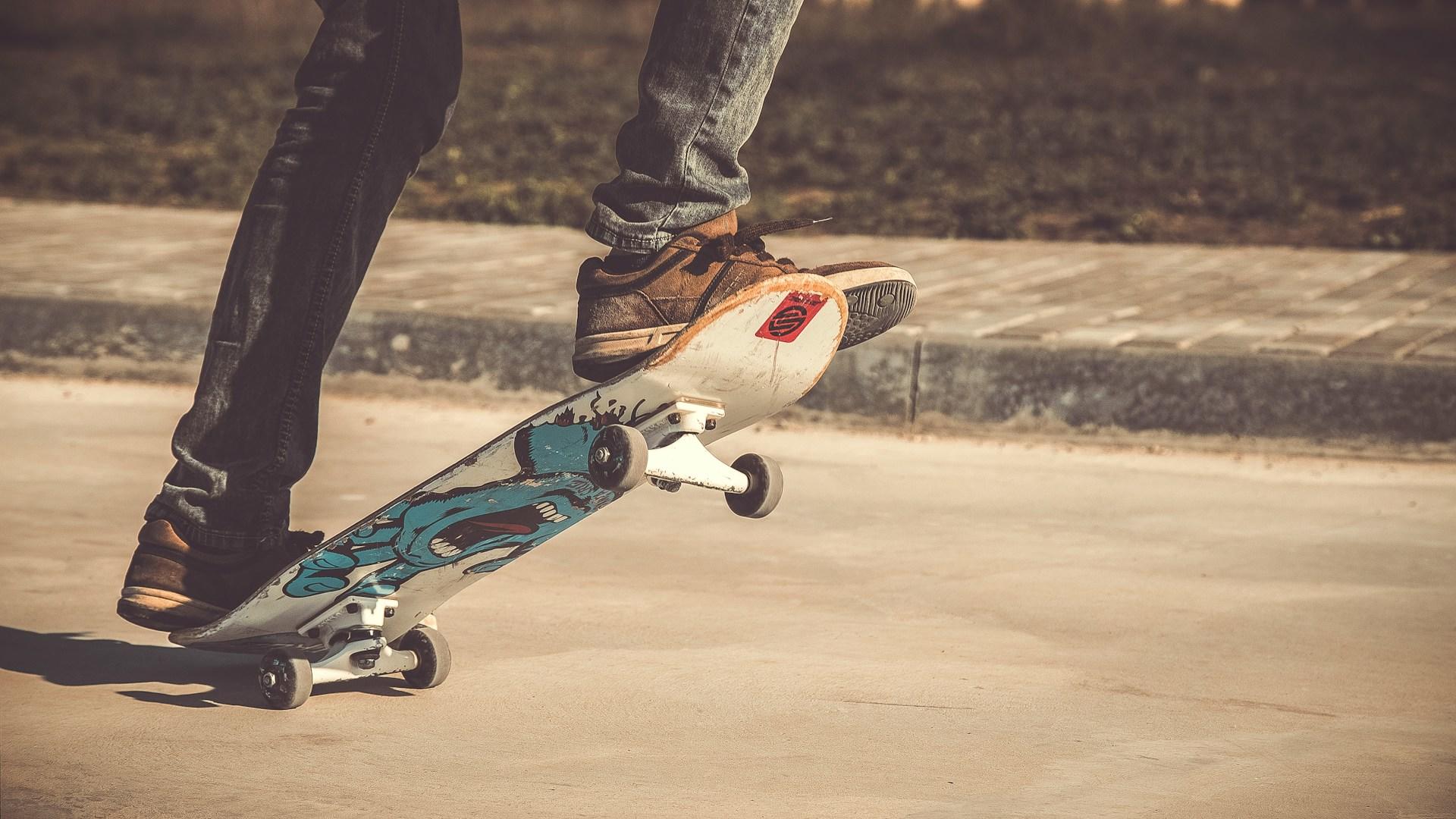
A slappy nose stall is simple and fun, and you can do it without using a skateboard ramp! Simply find a standard curb you can approach at a perpendicular angle, raise the nose (like in a manual), and set the nose on top of the curb, stopping your motion. Just be careful not to approach too fast!
Learn How to Skateboard with Superprof
The last mistake skateboarders make is not asking for help!
Whether you’re brand new to skateboarding or are stuck at a plateau, finding a great skateboarding instructor can help you learn the skills and gain the confidence you need to improve your skateboarding.
Find an amazing skateboarding coach for online or in-person lessons with Superprof!
Learning how to avoid common pitfalls, utilizing the right safety practices, and putting in the time and effort are all keys to skateboarding success. The journey to mastering skateboarding is filled with challenges, but the sense of accomplishment and personal growth you'll experience along the way make it all worthwhile.
Summarize with AI:
Did you like this article? Leave a rating!

 Loading...