

Before you decide to study immunology, you have a lot to think about. There are plenty of great reasons to major in immunology, but one of the main things you need to consider when choosing a major is the kind of work you can get once you graduate.
With certain jobs, your degree may not be enough and postgraduate study may be required. Be sure to check the requirements for each immunology role and career you consider as you may need to do a master's or even a Ph.D. in immunology before you can start even applying.
Whether you dream of being a scientist, working to treat cancer in a medical role, or want to be a professor in an immunology department at a prestigious university, there are lots of jobs that immunology graduates can do.


Choosing a Career inAcademia
Immunologists never technically need to leave college if they choose a career in academia. Of course, working in academia is a job and not just an opportunity to remain a student forever.

In academic roles, you'll be responsible for teaching the next generations of immunologists as a professor or lecturer, conducting research for academic establishments, and publishing scientific papers.
For most immunology careers in academia, however, you will be required to complete postgraduate study and often a Ph.D. in immunology. On top of 4 years of undergraduate studies, 2 years for a master's degree, and between 4 and 6 years (usually) for a doctorate, you could be looking at around a decade of education before you can fully start your career in academia.
After all, every professor needs to have more academic experience than those they're teaching and while not every member of the faculty will have postdoctoral qualifications, it's quite common that the highest-paying positions are for those with the most experience and the most advanced qualifications.
It also helps if you studied at one of the best schools for immunology.
Bacteriologist
With a degree in immunology, you could also work as a bacteriologist (provided you have some experience in it, too).
A bacteriologist is a scientist who specializes in studying bacteria, how bacteria grow, their structures, metabolism, and how they interact with organisms, such as humans, animals, and their respective immune systems.
This is where immunology comes in and a bacteriologist could focus on areas like disease detection and diagnosis, research and development, antibiotic susceptibility testing, bacterial culturing, or even identifying and classifying bacteria.
Bacteriologists can work in positions within academia, too, as well as in labs, for public health agencies, government organizations, or even the food industry.
Biologist
Immunology as an area of study covers both biology and medicine so there's not really any reason why an immunologist couldn't work as a biologist. Throughout your time at college, you'll study a lot of different sciences as you study immunology including biology, microbiology, pathology, biochemistry, etc.
Understanding the immune system requires a good understanding of various aspects of biology, too, including molecular biology.
Biotechnology/Pharmaceutical Industry Roles
There are plenty of great reasons to study immunology and finding work in the biotech or pharmaceutical industries is one of them. Both biotechnology and pharmaceutical companies are likely to be very interested in immunologists, especially those working in vaccine development, drug discovery, clinical trials, and quality control.
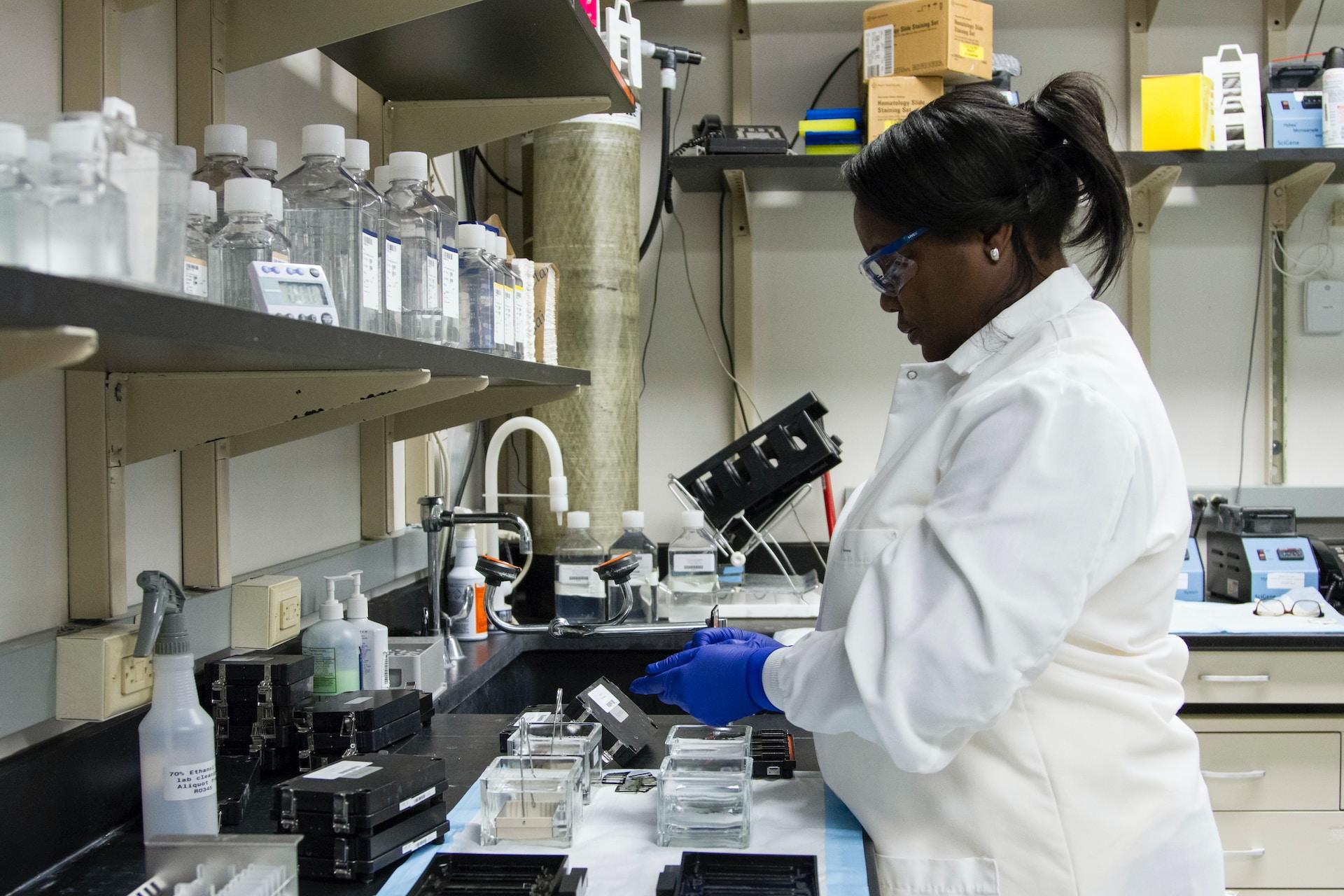
Many of the roles in these industries will be in research and development, but other less scientific roles can also require an understanding of immunology. Much like working in a hospital or university, the role can vary a lot depending on the team or department that you're in and the position you're working in.
For example, there are roles for immunologists in these kinds of industries relating to regulations and policy that would also require such expertise.
If you're interested in working at the forefront of groundbreaking discoveries, new technologies, or innovative products, biotech or pharmaceutical industry roles could be right for you.
Clinical Immunologist
A clinical immunologist works in medicine with patients. These kinds of immunologists are found in hospitals and clinics, for example, and may manage patients, especially those with autoimmune diseases, allergies, immunodeficiencies, etc.
They work alongside other healthcare professionals to diagnose and treat patients with conditions relating specifically to the immune system and offer their expertise to provide specialized care.
Your job could be in a hospital or health center and involve treating cancer, autoimmune diseases, or any other condition that requires the knowledge of someone with expertise in immunology.
A role in clinical immunology is definitely worth considering if you like caring for other people and have always been drawn toward the idea of working in healthcare or medicine.
Epidemiologist
Much like immunology, epidemiology was a field that was thrust into the limelight during the global coronavirus pandemic and one that not many people really thought about until it directly affected them.
Epidemiology is the study of the spread of diseases and an epidemiologist would typically look at various factors to analyze how diseases spread and even forecast how diseases are expected to spread.
One particular factor that can affect all this is the interaction between diseases and our immune system, which is where a background in immunology can help a lot.
Epidemiologists typically focus on disease surveillance, data collection, data analysis, disease outbreaks, public health interventions, and reporting.
Geneticist
While geneticists naturally study genes, there is an area where immunologists can work with or as geneticists: immunogenetics.
Immunogenetics is the field focusing on the genetic factors that influence immune systems and how diseases interact with said immune systems.
An immunology major with a good understanding or background in genetics could enjoy a career in this area. Their job would likely be a position conducting research on areas like the genetics that influence autoimmune diseases or vaccine response.
Any immunologist also fascinated by genetics may want to look specifically at specializing to become a geneticist or immunologist working in immunogenetics.
Government Agency Roles
There are lots of different government agencies that require immunologists, particularly those that have anything to do with disease prevention, public health, and policy-making.
Government organizations like the Centers for Disease Control and Prevention (CDC), the National Institutes of Health (NIH), or the Food and Drug Administration (FDA) require immunologists for their research or work on developing policies, public health initiatives, or regulations around health and disease.
If you'd be interested in using your expertise in immunology to make a difference on a broader scale, roles in government agencies could be a good fit for you. The details of this kind of job would depend greatly on who you're working for, the department, team, or branch of government that you work for.
Immunologist
Every person that studied immunology is technically an immunologist, but you could simply work as an out-and-out immunologist focusing on the very things that you studied at college.
Immunologists study the immune system, create ways to treat immune-related disorders, develop immunotherapies, etc.
They'll do some combination of these things in a lot of the other roles and industries that we've mentioned, but as a pure immunologist, you'll be at the forefront of the field and contributing directly to the knowledge that all these other roles draw upon.
This is a particularly good option for those who loved every minute of the biology classes they took on immunology in college.
Immunology Laboratory Technician
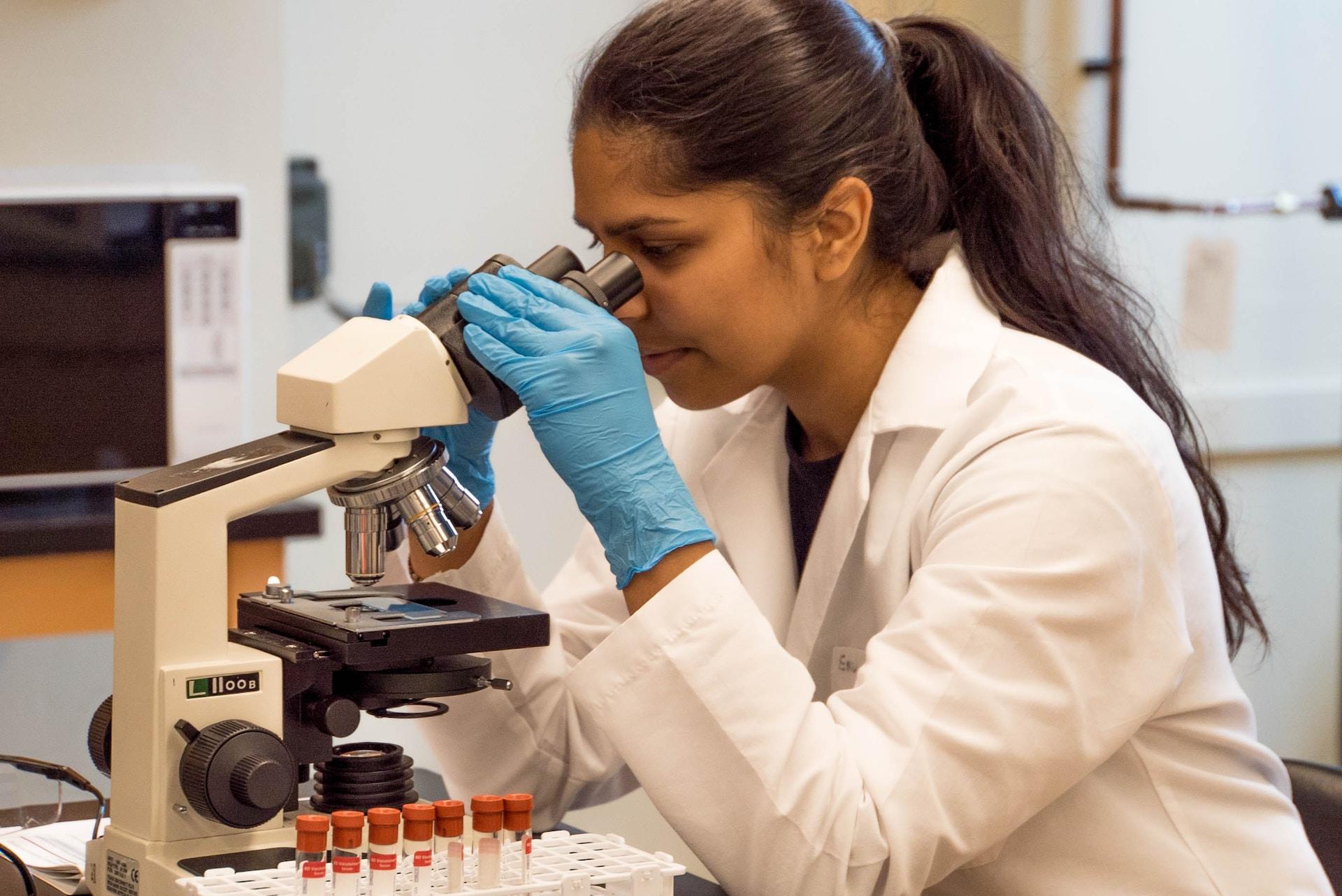
Many scientific majors can lead to work in research labs. As an immunology laboratory technician, your role may involve performing experiments, analyzing samples, operating equipment, and helping out with research and clinical studies.

Lab technicians may be in private research labs, labs at academic institutions, or even in medical settings like hospitals and diagnostic laboratories.
If you enjoy a more hands-on approach to immunology, this could be an excellent career choice for you once you finish your studies.
Molecular Biologist
After majoring in immunology, you could work as an immunologist specializing in molecular biology. In research, these two fields overlap, particularly when it comes to immune response, gene regulation, and immunological diseases at a molecular level.
Molecular interactions within the immune system are an area of study that would require specialists with a high level of knowledge in molecular biology and immunology.
This multidisciplinary area could immunologists working in biotech or pharmaceutical industries or academic research positions.
Public Health Officer
Immunology majors could also focus on roles in public health with epidemiology. This, much like working as an epidemiologist or in epidemiology, involves looking at disease patterns, outbreaks, immunization programs, and potential strategies for preventing or controlling diseases.
This is a line of work that would be well suited to those wanting to make a difference in public health.
Research Scientist
Like most scientific graduates, continuing straight into research is a popular choice for immunologists. Research scientists design and conduct research and in immunology, this research generally relates to understanding the immune system or immune-related diseases, developing new treatments, therapies, and technologies for certain conditions, or creating new technologies for use in the field of immunology.
If you've always been curious, working in research could be right for you. While this won't necessarily always be as hands-on as being a lab technician, it's still a fascinating career choice for certain immunologists.
Who knows, your discoveries could lead you to become one of the most important immunologists.
Get Help Studying Immunology
Immunology leads to so many different careers and that's partly because of how important and complex it is.

Immunology can be really difficult to study. Immune systems are often spoken of as if they're a single entity, but they're a network of many different systems working together.
If you need help with your studies, consider getting assistance from biology classes online. You can find tutors for specific classes, study skills, or even immunology.
There are tutors for all levels and budgets and you can always try out a few different ones (especially if they offer their first class for free) before deciding on which one is right for you and what you want to do once you graduate.
Summarize with AI:
Did you like this article? Leave a rating!

 Loading...
