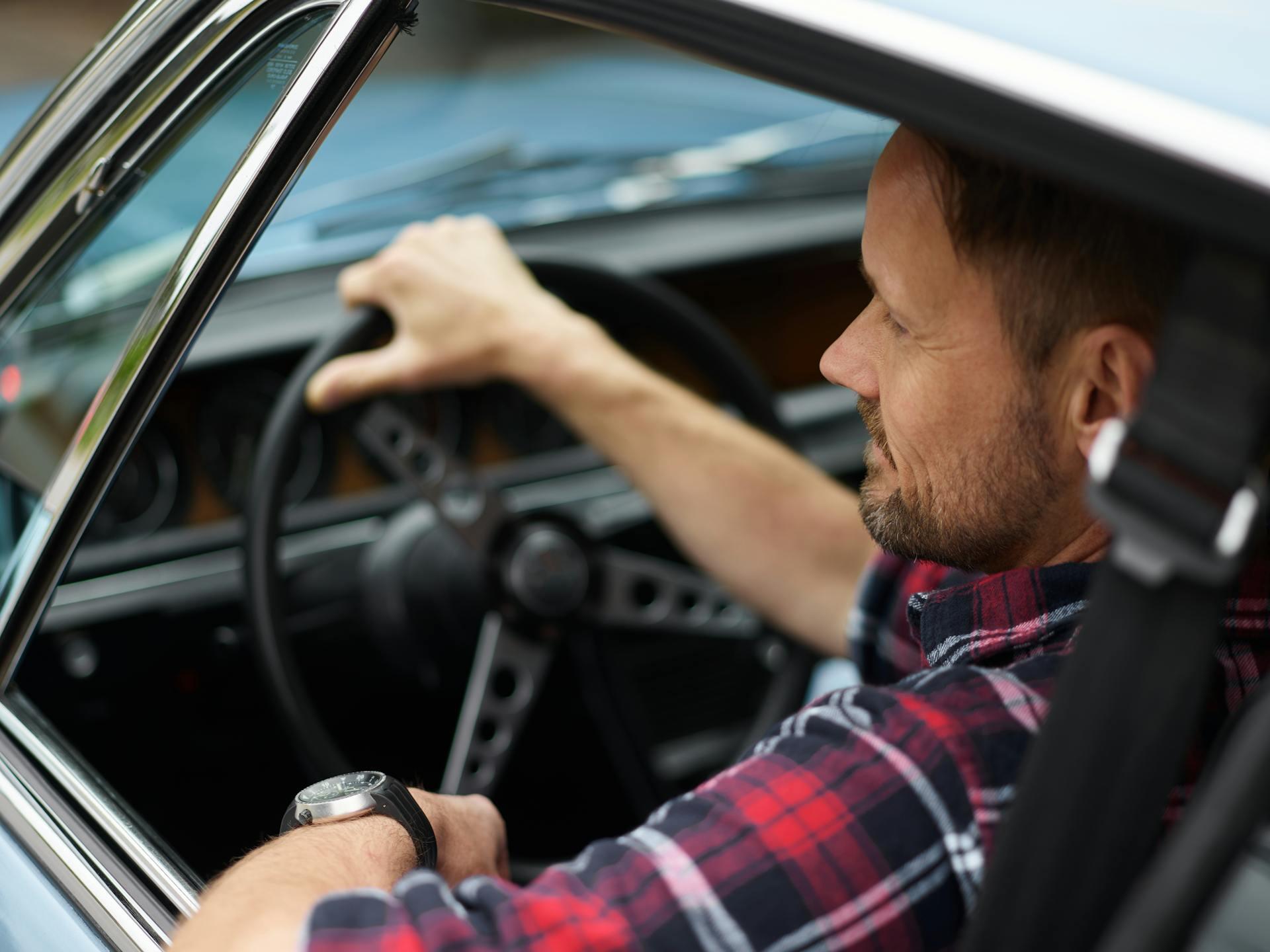

Learning how to drive a manual car is a very practical skill that holds a lot of value, even though most of the vehicles you’ll typically encounter in the United States use an automatic transmission. Manual vehicles remain widely used in specialized vehicles like big trucks domestically and are the norm abroad. They are often more affordable, easier to maintain, and allow the driver more control over the car’s performance. So, while it might seem daunting to learn how to drive a manual, it’s a good idea to practice.


Understanding Manual Transmission Components
For most learners, the biggest barrier to learning how to drive a stick shift (after finding one you can practice with) is the unfamiliarity. A manual car requires the driver to take an active role in the engine’s performance, something that generally never happens when driving an automatic.
To bridge this gap in knowledge and gain the know-how and confidence needed to successfully operate a manual transmission, it helps to understand the differences in operation. Here are the basics you need to know about how a manual transmission works and the devices you need to control as an active driver.
The Clutch System
The transmission system connects the engine to the wheels. All cars have a clutch, but in manual cars, the driver controls the clutch, while in automatic cars, the clutch system is controlled by a complex computer.
The clutch is a connection point in the transmission process that bridges the input force from the engine to the output force, which propels the wheels.
When the clutch pedal is pressed, the connection is temporarily interrupted. The engine keeps running, but the wheels slow down or even stop. When the pedal is released, the connection re-engages, returning power to the wheels.
Smooth driving in a manual vehicle requires controlled clutch use. Releasing the clutch too quickly can cause the engine to stall. Holding it too long can wear it out. With practice, you can learn how to feel with your feet when the clutch is disengaged, partially-engaged, and totally engaged, as well as understand the precise timing needed to smoothly change gears.
Most manual cars use a single clutch pedal operated by the driver. Some newer models may have an assist feature, but you still need to know the basics to use it properly.
Gear Stick and Gear Patterns
The gear stick, also known as the shifter, allows you to choose how much power the engine sends to the wheels. Lower gears provide more torque but less speed, allowing the gears to propel the vehicle from a stop or very slow speed to a slightly faster speed. Higher gears provide less torque and more speed, utilizing the vehicle’s own inertia as the main forward force.
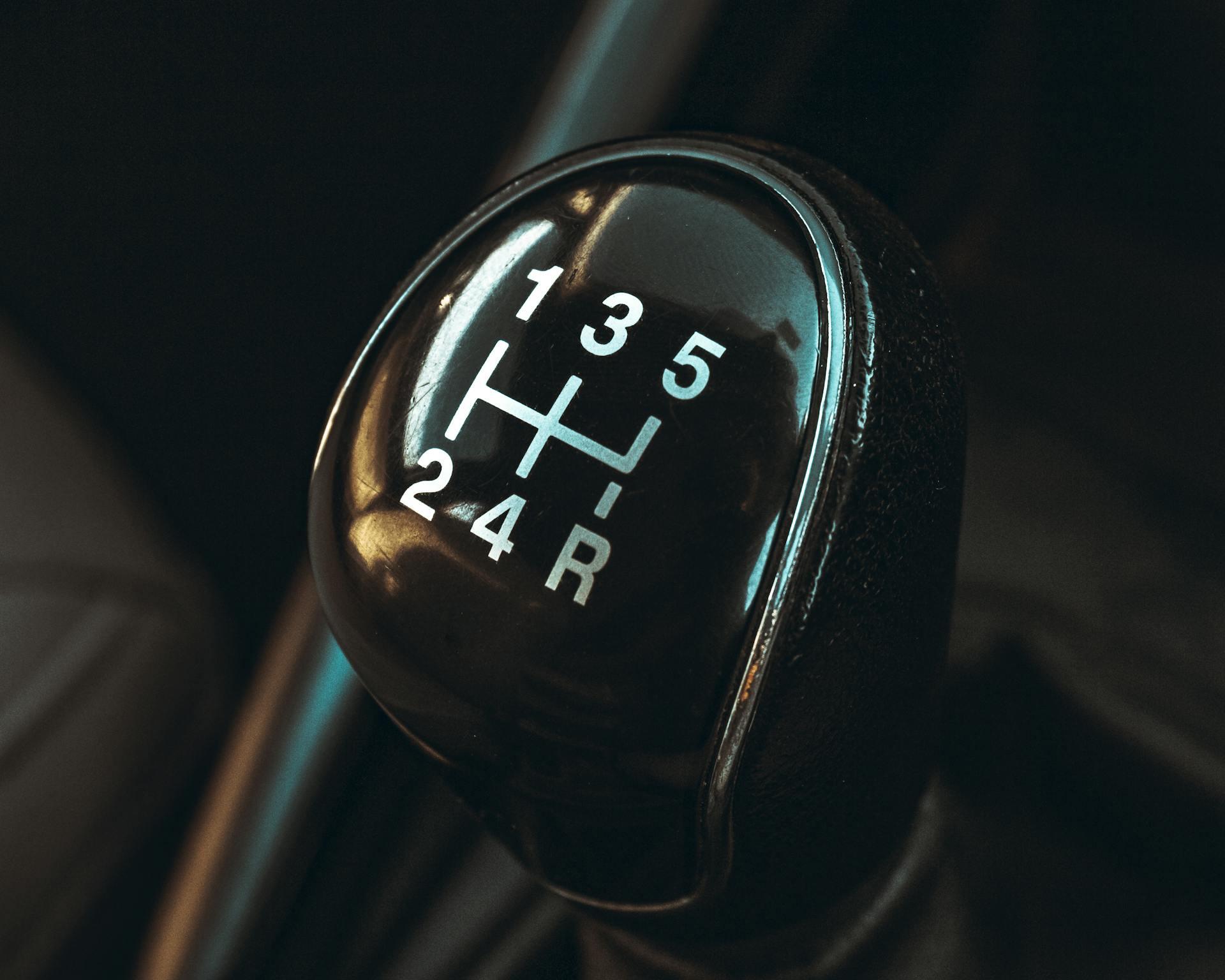
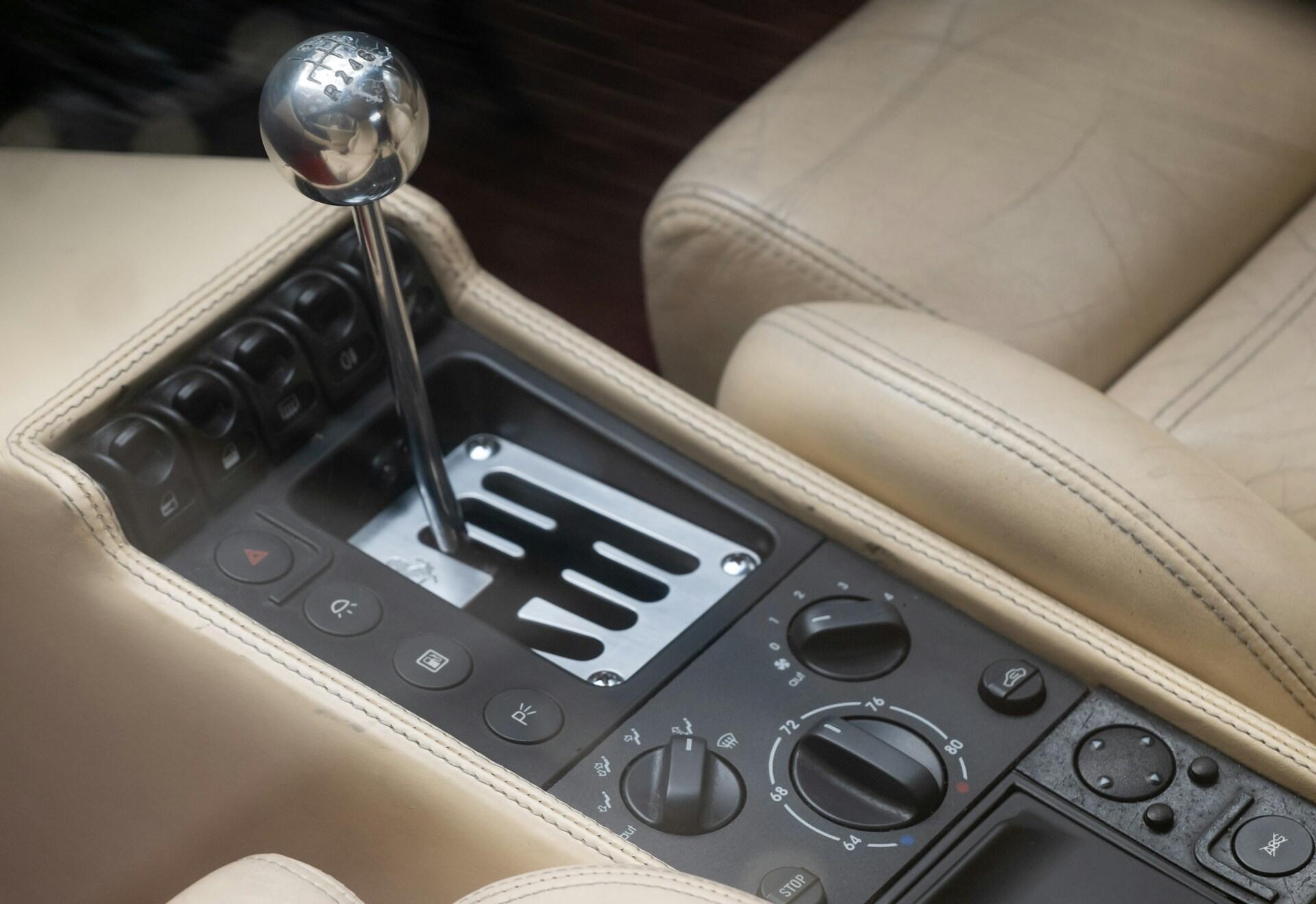
Most manual cars follow a standard pattern, reducing room for error when driving different manual vehicles. 1st gear is usually closer to the front of the car and to the left. 2nd gear sits below it. 3rd and 4th are in the center. 5th is often to the right and forward. The reverse gear may require pressing a button or lifting a ring before engaging to prevent damage to the gears.
The pattern is usually displayed on the top of the gear knob, so you can easily figure it out. It’s also typically shown on the center console, where the gear shift stick goes into the inner-mechanism of the car. Make sure you study it before you start driving to avoid hesitation, taking your eyes away from the road, and making mistakes while driving.
Pedal Layout
A manual car has three pedals.
The clutch is on the left, the brake is in the middle, and the accelerator is on the right.
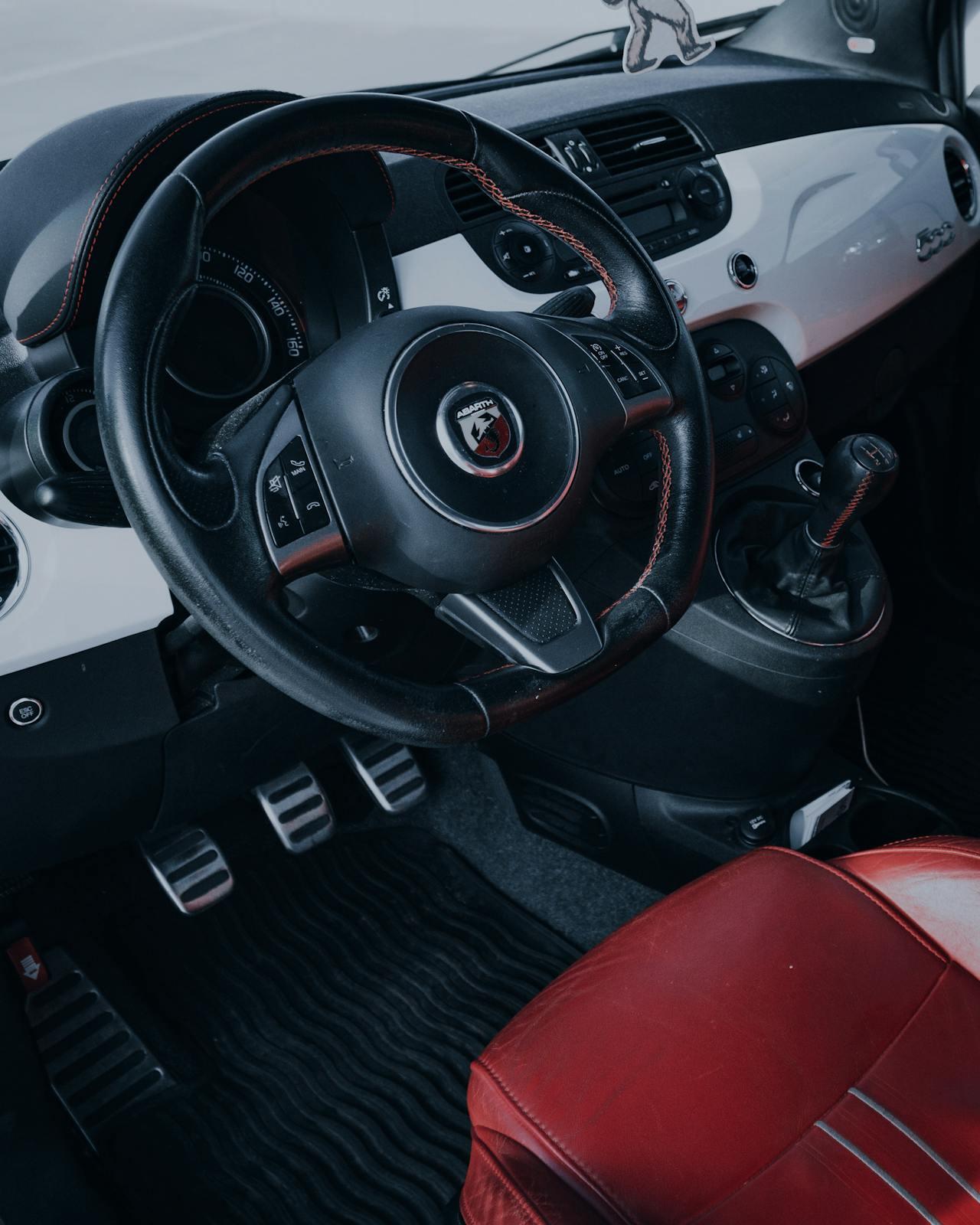
Notice that the brake and accelerator are in the same relation to one another in automatic vehicles (gas to the right of the brake).
In a manual car, you’ll drive with both feet, which is a big difference from an automatic.
Your right foot controls the gas and brake, engaging only one at a time.
Your left foot controls only the clutch pedal, and only when it’s time to change gears.
How to Drive a Stick Shift
Most of learning how to drive a manual car (also called a standard car) is the same as learning how to drive an automatic. Our guide to learning how to drive an automatic can give you a more comprehensive breakdown on driving in general. Here, we’ll focus more on the aspects unique to manual driving.
Pre-Driving Checks
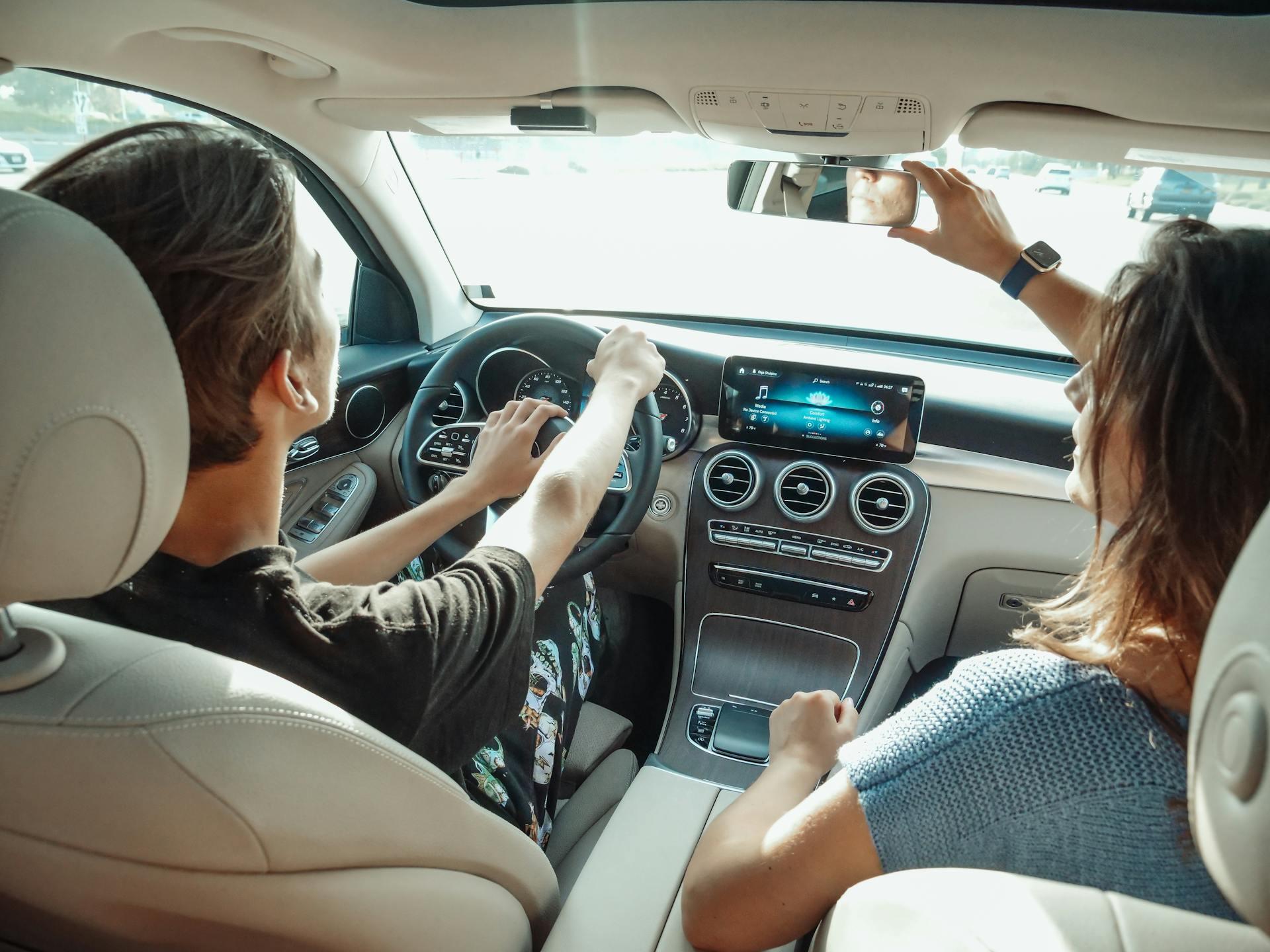
Before starting the car, make sure you are properly seated and adjusted in the driver’s seat. Adjust the seat’s height and position so you can properly press the pedals without reaching. Note that the clutch pedal depresses a lot more than the brake and gas, so be sure you can press it down fully. Your back should rest against the seat, and your knees should be slightly bent.
You should be able to see over the dashboard and out the windshield easily.
Adjust your mirrors to give you a clear view out the rear windshield and to the sides. Make sure the steering wheel is at the proper height/tilt. Fasten your seatbelt properly. Make sure the handbrake is engaged, and the gear stick is in neutral.
Starting the Engine
First, press the clutch pedal and the brake pedal fully. Engaging the clutch will help ensure that no gear is accidentally engaged, which would cause the car to jerk when the ignition starts. The brake prevents the car from rolling when you disengage the handbrake in the next step.
Second, insert and turn the key in the ignition (or press the start button) to start the engine. Keep your feet pressing the clutch and brake!
Third, check again that the gear shift is in neutral. You should be able to wiggle it along the neutral path in between gears (either left and right or forward and back, depending on your car’s specific layout).
Listen to the engine for a moment to make sure it sounds steady and idles, which means it’s ready to move.
Engaging First Gear and Moving Off
To change from a stop to first gear (meaning you’re moving forward), you need to begin with a stopped car. If you’re on a flat surface, you can disengage the brake pedal. If you’re on a slope, you’ll need to keep the brake pedal engaged. Release the handbrake when you’re ready to move.
Begin to lift the clutch slowly until you find the bite point. This signals that the power is now reaching the wheels.
The biting point is the point where the clutch is just engaged with the transmission. It’s different for each vehicle. You’ll need to practice to find out where the biting point is in the car you’re driving by slowly pressing the clutch and feeling for the moment when it changes from engaged to disengaged. Then, practice slowly releasing the clutch and feel for the moment it goes from disengaged to engaged. The feeling is usually a slight vibration in the car, and the engine may change sound.
At the biting point, gently press the accelerator (which means you’ve disengaged the brake pedal) and continue to ease off the clutch. The car will start to move forward. Once the clutch is fully released, you can rest your left foot on the floor or footrest.
Figuring out the specifics of changing from a stop to first gear without stalling takes some time. The only way to improve is to practice, practice, practice.
Upshifting and Downshifting Gears
In a manual, you’ll need to upshift and downshift as your speed changes. Most upshifting and downshifting happens when you’re just picking up speed or preparing to stop.
When you’re accelerating, and the engine sounds strained, it’s time to shift to a higher gear. To upshift, release the accelerator, press the clutch, move the gearstick to the next gear (do not skip gears), and smoothly release the clutch while re-engaging the accelerator. The entire process should take only about 1 second and feel like a continuous set of motions, rather than separate tasks. It should also not feel rushed.
Downshifting is used when slowing down, including when you start going uphill. To downshift, press the clutch, shift to a lower gear, and gently release the clutch. You may need to counterintuitively add some acceleration to the mix to help match the engine speed and reduce jerking and stalling.
Knowing when to change gears comes with experience. Listen to your engine to gain valuable sound input. Monitor your speedometer and RPM gauge (tachometer) on your dashboard to get a better understanding of the mechanism.
Stopping and Parking
When stopping, release the accelerator and apply the brake. As the speed drops, press the clutch to avoid stalling. Shift into neutral when the car is almost at a complete stop, even for short stops like at a stop sign. Keep your foot on the brake whenever you’re stopped to avoid unintentional rolling.
When you need to nudge the car a little bit, like while parking, you can simply ease off the clutch while the engine is on, which can allow the car to get nudged at the biting point. You don’t need to apply any gas for these small movements.
When you’re in a position to park, completely engage the brake pedal, shift into neutral, and engage the handbrake. Turn the engine off only after the car is secured.
Manual cars can be at a higher risk of slipping into gear or handbrake failure while parked, especially if they’re on a hill. To avoid catastrophe if this happens, there are two main strategies:
1: If you’re parked facing uphill, park the car in 1st gear so the car wants to roll forward if the handbrake slips, which can stop it from moving. If you’re parked facing downhill, park in reverse gear. Make sure to shift with the clutch.
2. On a slope, park with the wheels turned so that the front tires will hit the curb if the car starts moving. If you’re facing downhill, turn the wheels towards the curb. If you’re facing uphill, turn the wheels away from the curb so that the back of the tires will hit the curb.
Common Challenges and How to Overcome Them
Most manual car learners struggle with similar issues while learning. These challenges are normal and temporary. You’ll overcome them with practice and time.
🚗 Issue 1: Stalling While Taking Off
Stalling usually happens during takeoff. The solution is to release the clutch at a slower pace and engage the accelerator at a slightly faster pace. Practice in a safe, quiet area to learn how to recognize what sounds the engine makes to indicate you need more gas when disengaging the clutch.
🚗 Issue 2: Stalling While Stopping
The second most common time stalls happen is when you’re slowing down and stopping. To prevent this, practice slowing from 2nd gear to 1st gear in a safe place. Again, listen to your engine to get a better idea of what it’s telling you. Then you can apply what you’ve learned when shifting down from other gears.
Manual driving requires hand-foot coordination.
Driving TV on YouTube
🚗 Issue 3: Rolling Backward on Hills
When you’re stopped on a hill and have to shift into 1st gear, the initial moment of rolling backward while trying not to stall is really stressful and scary. Use the handbrake instead of the brake pedal while you find the biting point and proper acceleration. Then, release the handbrake, and the car should start going forward. Keep your hand on the handbrake, ready to re-engage, in case you stall and panic.
🚗 Issue 4: Jerky Gear Changes
This is usually the result of rushing. Focus on smooth pedal movements rather than trying to shift as quickly as you can. A slower yet effective gear shift is better than attempting to rush and stalling out or jerking the gears.
🚗 Issue 5: Clutch Fatigue
Your clutch can wear down if the pedal is pressed for a long time. Shift into neutral when waiting at stoplights, in drive-thru lanes, etc. to reduce strain on the clutch system. At the same time, don’t worry about using the clutch too much while you’re learning to accelerate; it’s the only way to practice.
Learning how to drive a manual car is a skill that can only be improved with practice. Drivers gain confidence and become adept after hours and hours of driving. It takes longer than learning how to drive an automatic car because there is more for the driver to do. Yet, it’s a valuable skill that can transfer to driving commercial vehicles and classic cars, driving in foreign countries, and operating other vehicles like motorbikes or dune buggies. It's a great skill for teen drivers to pick up.
Over time, you’ll learn how to shift gears just as easily as you learn how to use your turn signal and wiper blades. It’s just another process to master.
Summarize with AI:
Did you like this article? Leave a rating!

 Loading...