


Serve receive is the name of the game for liberos. They are out there six times as a primary receiver.
Mick Haley, Former USC Women's Volleyball Coach
In volleyball, the libero is a specialized position. It helps bring defensive stability and longer rallies to the game. You can spot the libero as they wear a different-colored jersey and play exclusively in the back row. Since they're not allowed to attack or serve in most situations, their impact can be felt in almost every play as they act as the quiet anchor of every great volleyball team.


What Is a Libero in Volleyball?
The libero in volleyball is a back-row defensive specialist and unique volleyball position. They play a key role in controlling the game's flow with precise passing and consistent ball handling. You can recognize them through their contrasting jersey. The libero cannot attack the ball above the height of the net, nor can they rotate into the front row. Instead, they're primarily responsible for serve receive and defensive coverage.
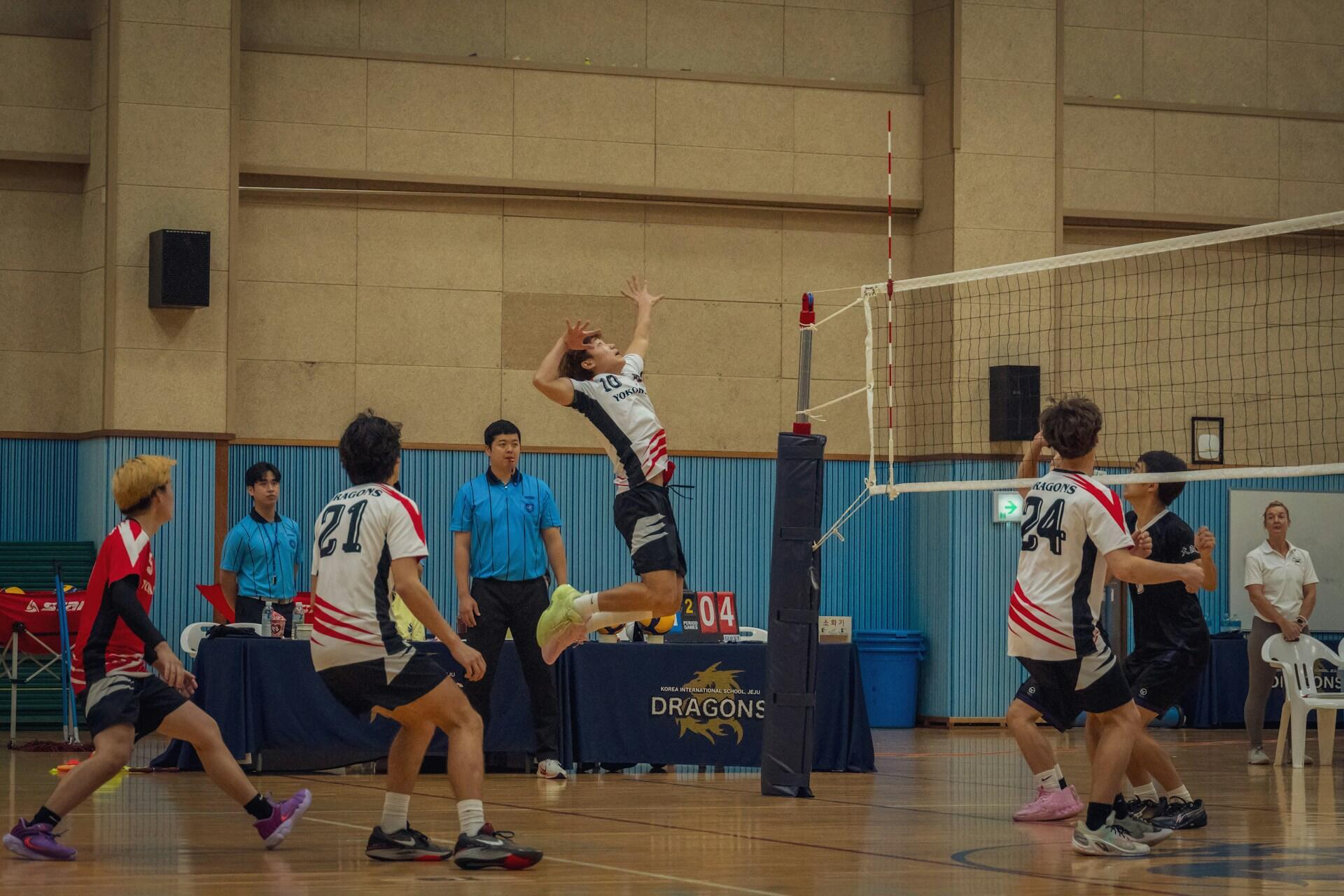
The position was introduced into volleyball in the late 1990s and later adopted by the NCAA to promote longer rallies and higher-quality defensive play. Since then, it has become a staple of competitive volleyball at every level, from high school to college volleyball and even in the Olympic Games.
The libero is also special in the sense that they can freely substitute for any back-row player, excluding one of the team's limited substitutions. Teams and coaches can maximize their defensive strength without sacrificing any rotation strategy, which might happen with a defensive specialist. Although the libero isn't directly involved in attacks or scoring points, their role is at the foundation of the team's defense, setting the pace of play and creating opportunities for both hitters and setters.
By understanding what a libero is in volleyball, you should realize that they're the steady hand behind every successful dig, pass, and rally reset. The libero is a role that calls for consistency, court awareness, and game intelligence.
Libero Volleyball Rules
The libero position in volleyball has a unique set of rules that distinguish it from every other role on the court. The aim of these rules is to reduce the libero's offensive impact while making the libero's role more out-and-out defense, making sure they're focused on ball control and support.
Basic Libero Restrictions
- No Front-Row Play: Liberos are strictly back-row players and cannot rotate into the front row at any time.
- No Attacks Above the Net: A libero is not allowed to complete an attack if the ball is entirely above the height of the net, regardless of their location on the court.
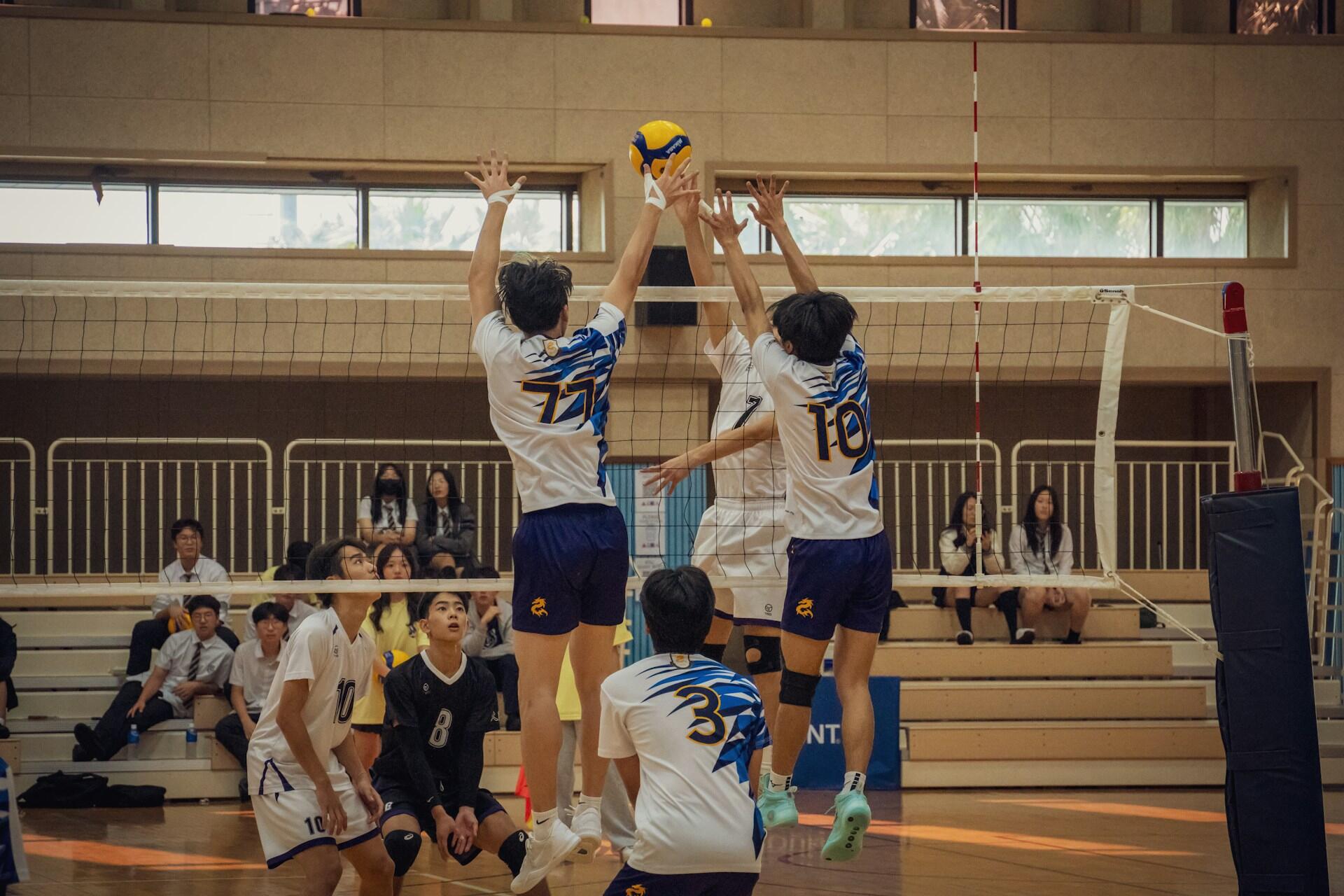
- No Blocking or Attempting to Block: Liberos may not participate in any blocking action.
- Setting Limitations: Unlike a normal setter, if a libero uses an overhead set (a finger pass) while standing in front of the 10-feet line (also known as the attack line), any attack made from that set by a teammate above the net is illegal.
NCAA-Specific Libero Rules
In college volleyball, the rules are even more detailed:
- One Libero on the Court at a Time: While teams may designate two liberos for a match, only one may be on the court per set.
- Serve Receive and Rotation: The libero may replace any player in a back-row position but must be replaced by the same player when leaving the court.
- Serving: As of recent NCAA rule changes, the libero is allowed to serve in one rotation per set, a shift that adds tactical flexibility and rewards liberos with strong serving skills.
Here's the libero explained by the NCAA.
Evolution of Libero Rules
These aren't precisely the rules as they were initially introduced. The libero role has evolved over time. Initially, liberos couldn't serve at all, but in modern adaptations at the college level, the libero's limited serve means that the position has allowed teams to use specialists to maximum effect.
The libero volleyball rules are designed to ensure that the position remains primarily a defensive one while allowing it some flexibility for strategic contributions that can impact the outcome of the set.
The Role of the Libero on the Court
The libero is the beating heart of any team's defense. However, it's not a role that gets all the glory, as it doesn't make big swings or towering blocks like the outside hitter, for example. Instead, the libero's performance sets the tone for each match with every pass, dig, and read being capable of changing the set's momentum.
Liberos often handle the majority of serve-receive duties, providing the foundation for clean first passes and offensive setups.
Key Responsibilities
- Serve Receive Excellence: One of the libero's primary jobs is to handle tough serves with clean, accurate passes that allow the setter to run the offense. A skilled libero gives the team a "free ball" advantage by putting the ball right where it's needed, under pressure, and with consistency.
- Digging and Defensive Coverage: When the opposing team attacks, the libero is positioned to anticipate and react. Great liberos read hitters, position themselves early, and stay low and mobile to handle hard-driven spikes or well-placed tips.
- Court Leadership and Communication: Even though they can’t rotate through all positions, liberos often act as vocal leaders. Their wide field of vision and awareness allow them to direct teammates, alert them to holes in the defense, and organize coverage patterns.
- Supporting Transition Play: After a successful dig or pass, the libero helps reset the play. A clean transition from defense to offense can turn the tide of a rally, with the libero at the center of that transfer.
The Difference Between a Libero and a Defensive Specialist
While both play in the back row, the libero has distinct advantages over a defensive specialist:
- No substitution limit
- Greater flexibility in who they replace
- Special rules protecting them from attacking and blocking
Unlike a defensive specialist, liberos can enter and exit the game without counting toward the team's substitution limit.
Top College and International Liberos
While a middle hitter can often be seen jumping at the net to make impressive blocks, many of the best volleyball teams have elite liberos at their defensive core. These players have mastered the position and pushed their teams forward, often onto tournament glory.
🇺🇸 Justine Wong-Orantes (USA)
🇮🇹 Monica De Gennaro (Italy)
🇺🇸 Morgan Hentz (Stanford, USA)
🇩🇴 Brenda Castillo (Dominican Republic)
How the Libero Position Helps Win Matches
The libero is a more qualitative than quantitative position, which means that while they don't fill the stat sheet with kills or aces like you might see with an opposite hitter, they're the difference between teams that come to play and teams that come to win.
Their impact extends beyond just defense; they can have strategic and psychological effects on the game's outcomes and are instrumental in team play.
Stabilizing the First Contact
Whether a dig or a serve receive, the first touch in volleyball sets the tone for the whole rally. A clean, accurate pass gives the setter options, whereas a bad one narrows the offense. Liberos deliver high-quality first contacts under pressure, giving their team more opportunities for fast and efficient attacks.
Extending Rallies and Forcing Errors
Liberos can frustrate opposing hitters by forcing longer rallies. Over time, pressure can lead to errors, miscommunications, and tipping, allowing the defending team to take control of the match.
Providing Technical Flexibility
Since the libero can enter the game without formal substitution and remain in the back row indefinitely, it allows rotations that keep the strongest hitters in the front. In contrast, the liberos shore up the defense.
Learning the Libero Position
Becoming a libero is about more than just quick feet and sharp reflexes; it requires the mindset, training, and commitment to learn the intricacies of the game. Players and coaches need to understand and appreciate what liberos do every time the ball is in play.
Core Skills to Master
- Passing Mechanics: Every libero must perfect their platform and learn to control tempo and angle on the pass, no matter how fast or unpredictable the serve.
- Reading the Game: The best liberos don’t just react, they read hitters, anticipate shots, and position themselves early to cut off attacks.
- Emergency Defense: From pancake saves to full-extension dives, liberos spend hours drilling recovery moves that turn impossible plays into points.
If you'd like help improving your volleyball game, look to Superprof. There are volleyball coaches and tutors all over the country who can help you improve your game.
Summarize with AI:
Did you like this article? Leave a rating!

 Loading...
