
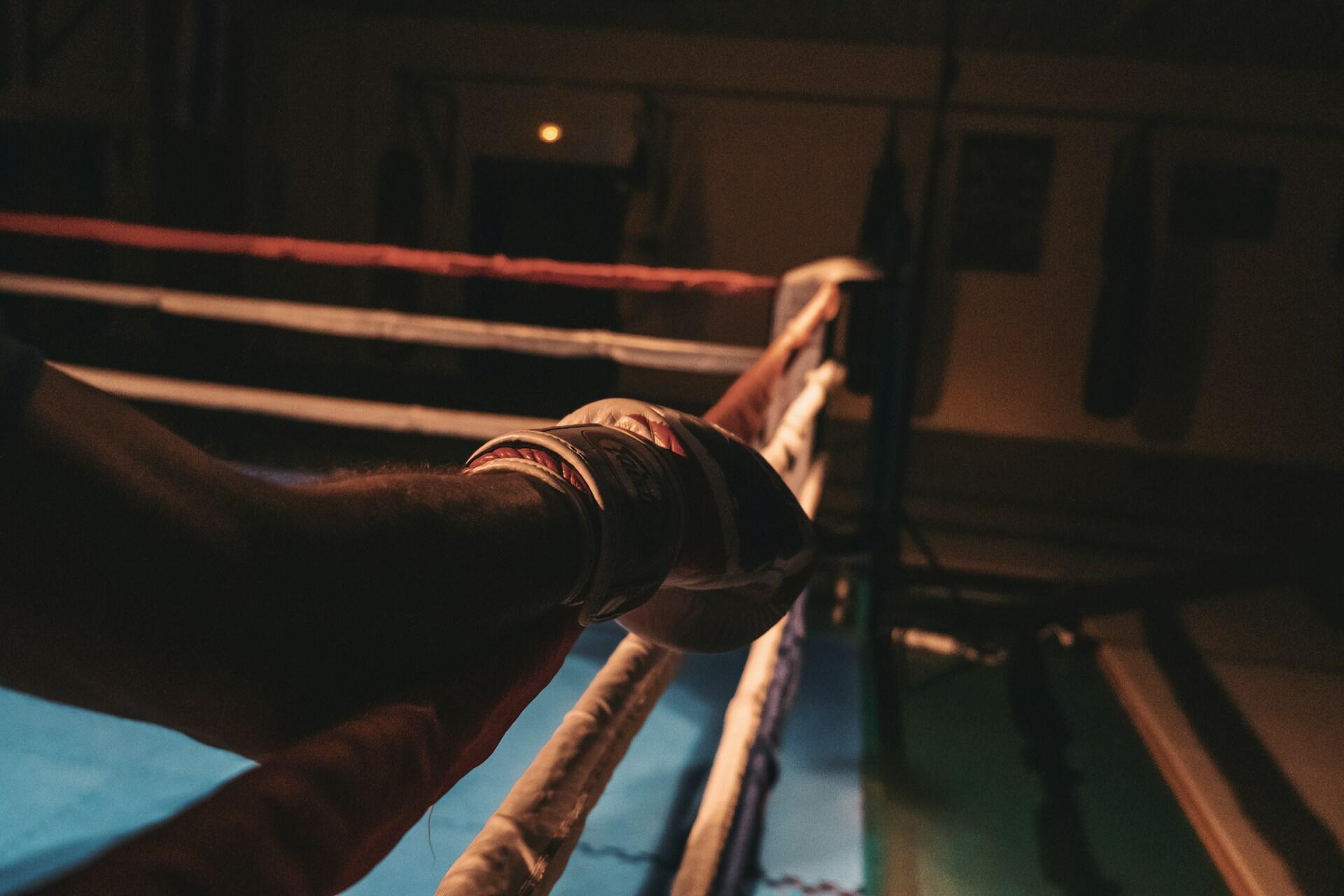

At lightweight, you cannot make mistakes for long.
Floyd Mayweather Jr.
The lightweight division has long been one of boxing’s most competitive weight classes. At 135 pounds, fighters must rely on speed, timing, conditioning and ring intelligence rather than sheer size. American boxers have played a major role in shaping the lightweight division, producing champions who defined entire eras of the sport. This guide ranks the top 15 American lightweight boxers of all time. The list blends historical legends with modern champions and focuses on achievements, ability and lasting influence on boxing.
Key Takeaways
- 🥊 Early era legends:
- Benny Leonard
- Joe Gans
- Henry Armstrong
- Tony Canzoneri
- Lou Ambers
- 🧠 Technical masters:
- Pernell Whitaker
- Floyd Mayweather Jr.
- Shakur Stevenson
- 🔥 Power and pressure fighters:
- Ike Williams
- Gervonta Davis
- Ray Mancini
- 🏆 Modern American champions:
- Teofimo Lopez
- Devin Haney
- ⚔️ Relentless competitors:
- Oscar De La Hoya
- Greg Haugen


15 Lightweight American Boxers Ranked
This list is built on what happened in the ring, not reputation alone. Each fighter is ranked by what they accomplished at lightweight, how they handled elite opponents and how consistently they performed at the top level. Styles, eras and paths to success vary, but every boxer included proved they belonged among America’s best at 135 pounds. Let's get started!
The lightweight division sits at 135 pounds and is often considered one of boxing’s most demanding weight classes. Fighters must balance speed, endurance and technical precision while facing opponents who can maintain a fast pace for twelve rounds. Many of boxing’s most skilled tacticians have emerged from this division due to the physical and mental demands it places on fighters.
Benny Leonard
Competing during the early twentieth century, Leonard was known for his intelligence, patience and refined boxing technique. He held the world lightweight title for nearly eight years and defeated many of the best fighters of his era.
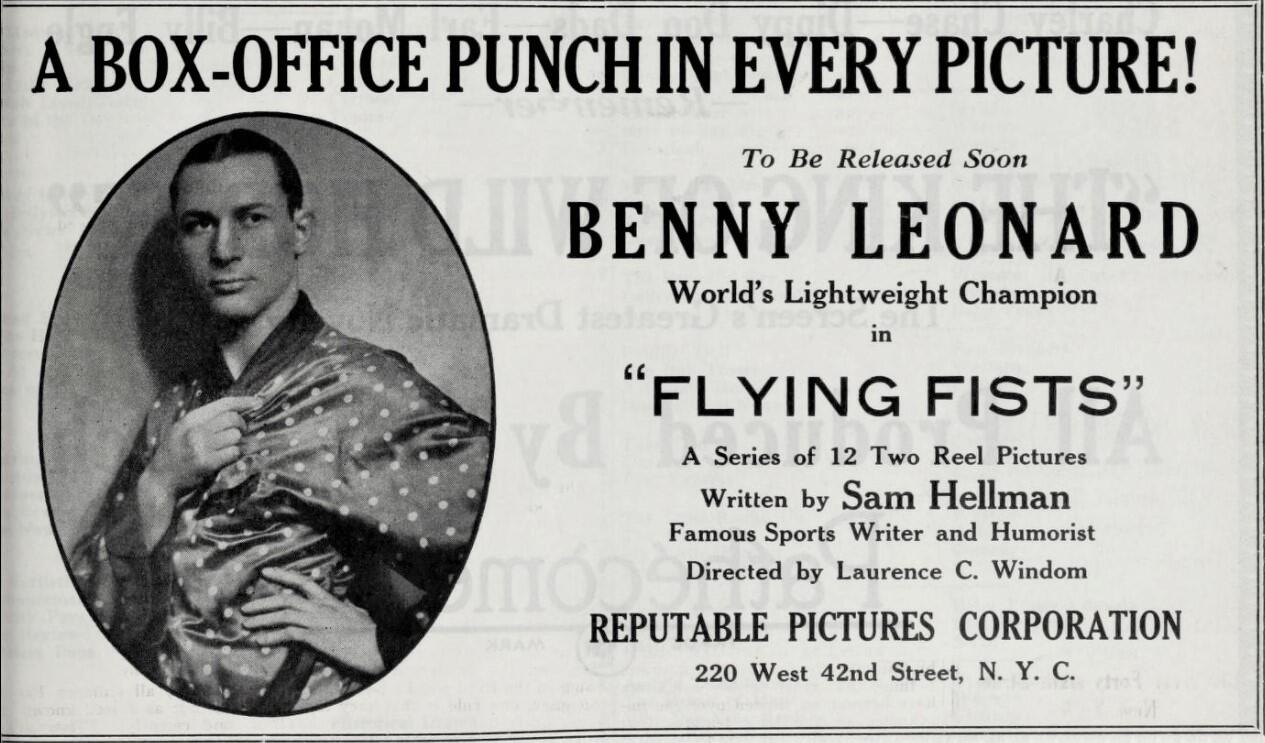
Leonard fought frequently, often taking on elite challengers with little rest between bouts. His ability to adapt mid fight and control opponents with positioning made him difficult to outthink. Many trainers still reference Leonard when teaching defensive responsibility and counterpunching.
His legacy rests not only on wins, but on how he reshaped expectations for what a lightweight boxer could be.
Are you wondering who are the best American boxers, all divisions combined?
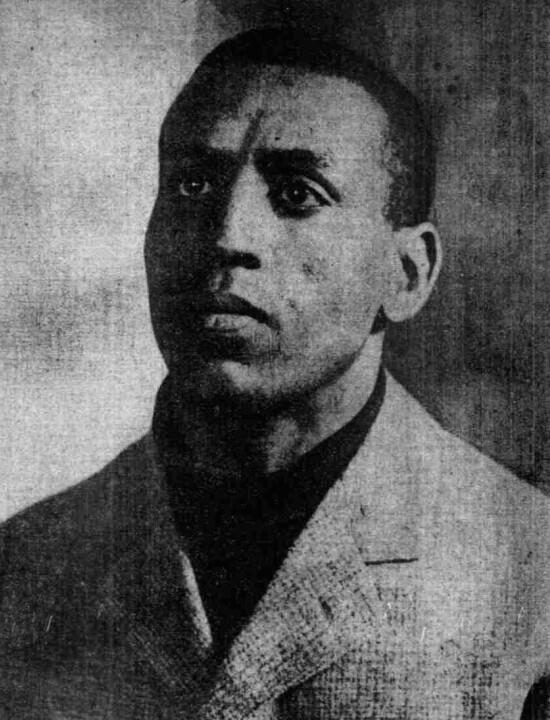
Joe Gans
Joe Gans was one of boxing’s earliest stars and the first truly dominant American lightweight champion.
Nicknamed The Old Master, Gans relied on timing, defense and ring awareness rather than aggression. Gans was known for studying opponents carefully and exploiting small mistakes.
He boxed during a period when rules were inconsistent and conditions were harsh, yet he maintained composure and technical control. His championship reign helped legitimize lightweight boxing at a time when the sport was still gaining structure. Gans remains a foundational figure in American boxing history.
Pernell Whitaker
Speed makes the fight. Timing wins it.
Pernell Whitaker
Pernell Whitaker was one of the most skilled defensive boxers the sport has ever seen. As a lightweight champion, his footwork, balance and ability to avoid punches were unmatched. Whitaker frustrated opponents by making them miss repeatedly, then responding with sharp counters. His style required discipline and exceptional timing, qualities he developed from an early age. Many fighters struggled to land clean shots against him, even over long fights. Whitaker’s lightweight reign is still studied by boxers who value defense and ring control over brute force.
American boxers have historically thrived at lightweight due to strong amateur systems, early technical training and frequent competition. Many American lightweights developed their skills in competitive gyms and national tournaments before turning professional. This foundation helped produce fighters who were adaptable, disciplined and prepared for high level opposition.
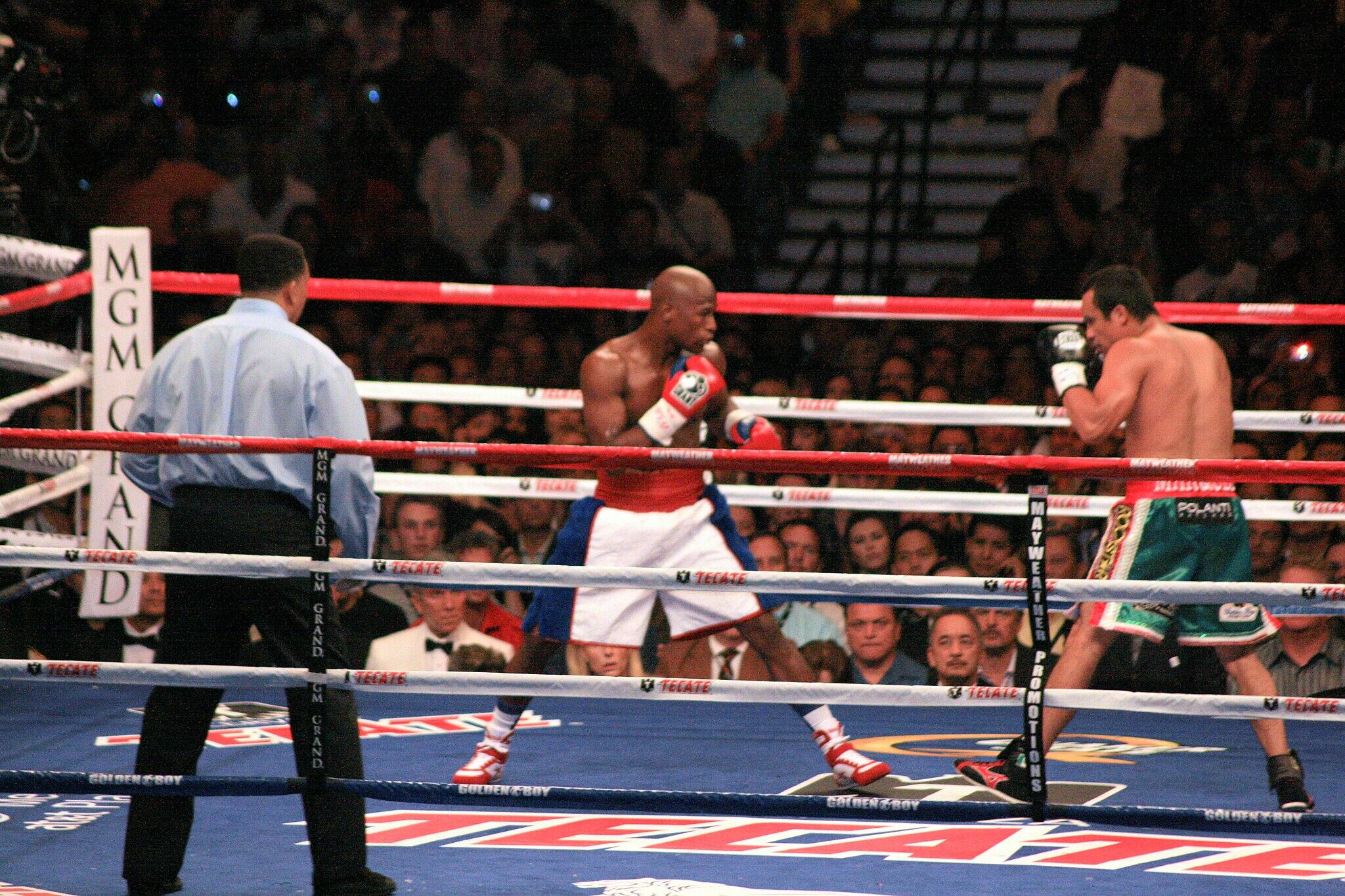
Floyd Mayweather Jr.
Before his rise to global superstardom, Floyd Mayweather Jr. was an elite lightweight champion. His sharp counterpunching and disciplined defense made him extremely difficult to hit. At lightweight, Mayweather refined the style that later defined his career. He controlled distance with precision and punished opponents for overcommitting. His attention to detail inside the ring reflected years of elite training. Though his lightweight run was shorter than others on this list, it played a key role in establishing his reputation as one of boxing’s most complete fighters.
Curious to read on the best American female boxers of all time?
Henry Armstrong
Conditioning is the difference when skill is equal.
Henry Armstrong
Henry Armstrong is remembered for his extraordinary work rate and physical toughness. While he achieved greatness across several weight divisions, his time at lightweight showed the same relentless pressure that defined his career. Armstrong overwhelmed opponents with constant movement and volume punching. His stamina allowed him to maintain intensity across long fights, often breaking opponents down mentally as well as physically. Few fighters could match his pace. Armstrong’s success helped prove that conditioning and determination could overcome size disadvantages in boxing.
Ike Williams
Ike Williams was known for his punching power and aggressive style.
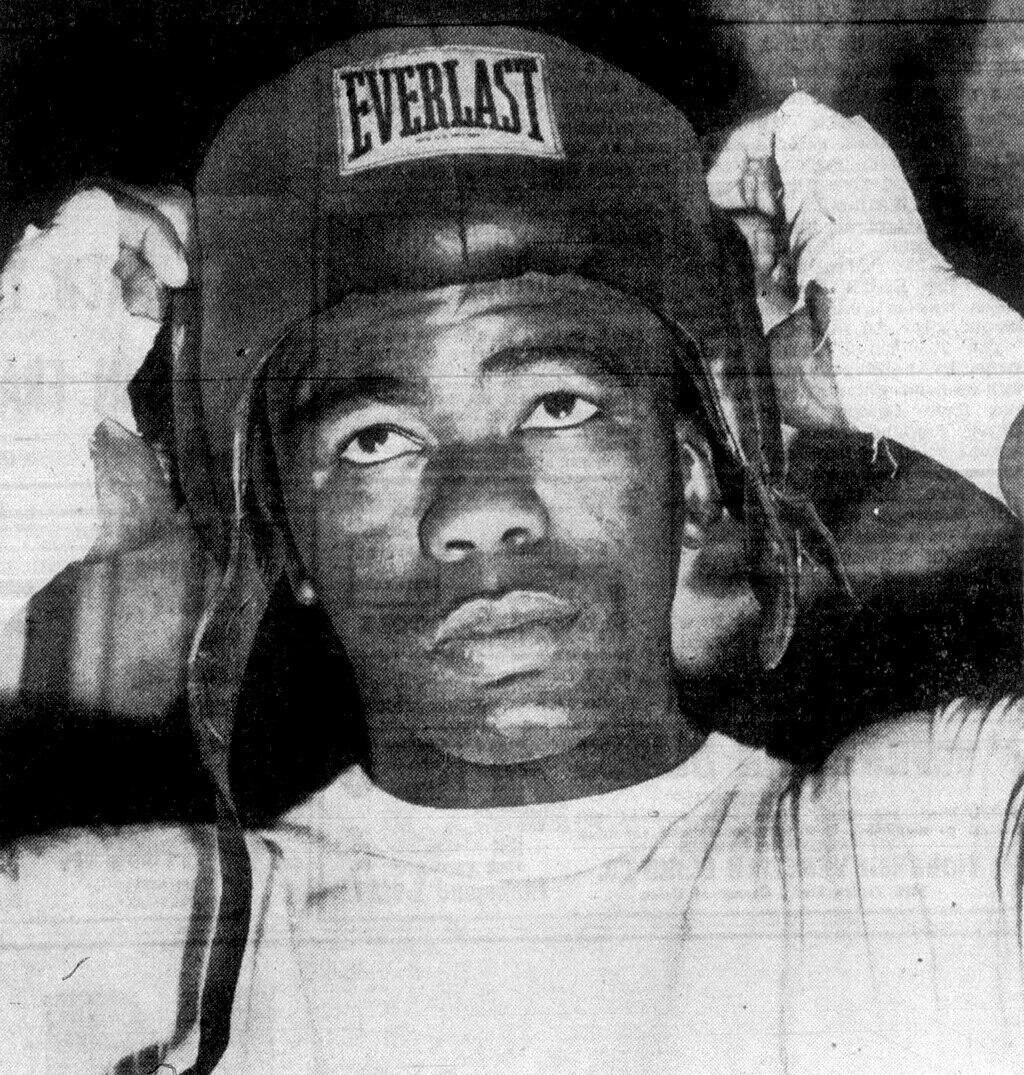
As world lightweight champion during the nineteen forties, he successfully defended his title against strong competition. Williams combined power with solid fundamentals, making him dangerous in exchanges. His fights were often fast paced and decisive. While he did not rely heavily on defense, his timing and accuracy compensated. Williams remains remembered as one of the division’s most exciting American champions.
Lou Ambers
Lou Ambers was a technically clever boxer with an awkward rhythm that troubled many opponents. He held the lightweight title on two occasions and is best known for his rivalry with Henry Armstrong. Ambers relied on angles and positioning rather than strength. He was particularly effective at neutralizing aggressive fighters by disrupting their timing. His ability to adjust strategies during a fight allowed him to compete successfully at the highest level. Ambers is often cited as an example of intelligence over power in lightweight boxing.
Who are the top 25 American boxers in history, in the men's and women's division?
Tony Canzoneri
Tony Canzoneri was one of the most versatile boxers of his era. At lightweight, his combination punching and footwork allowed him to control fights from start to finish. Canzoneri showed consistency against a wide range of opponents. He adapted easily to different styles and was rarely out of position. His calm approach and technical balance made him difficult to dominate. Canzoneri’s success across divisions reinforces his standing among the most skilled American lightweights.
Teofimo Lopez
Teofimo Lopez emerged as a leading American lightweight with his championship victory over Vasiliy Lomachenko. His blend of athleticism, power and confidence made him one of the most talked about fighters of his generation. Lopez demonstrated strong mental composure on the biggest stage. He used timing and foot placement to control distance against elite competition. His willingness to challenge established champions helped revive interest in American lightweights. Lopez remains a defining figure of the modern era.
Devin Haney
Devin Haney built his reputation on discipline and technical control. As an undisputed lightweight champion, Haney relied on a strong jab, movement and composure under pressure. Haney focused on minimizing mistakes and winning rounds clearly. His ability to stay calm in close contests reflects maturity beyond his years. Rather than chasing knockouts, he prioritized control and accuracy. Haney represents a classic boxing approach adapted to the modern professional game.
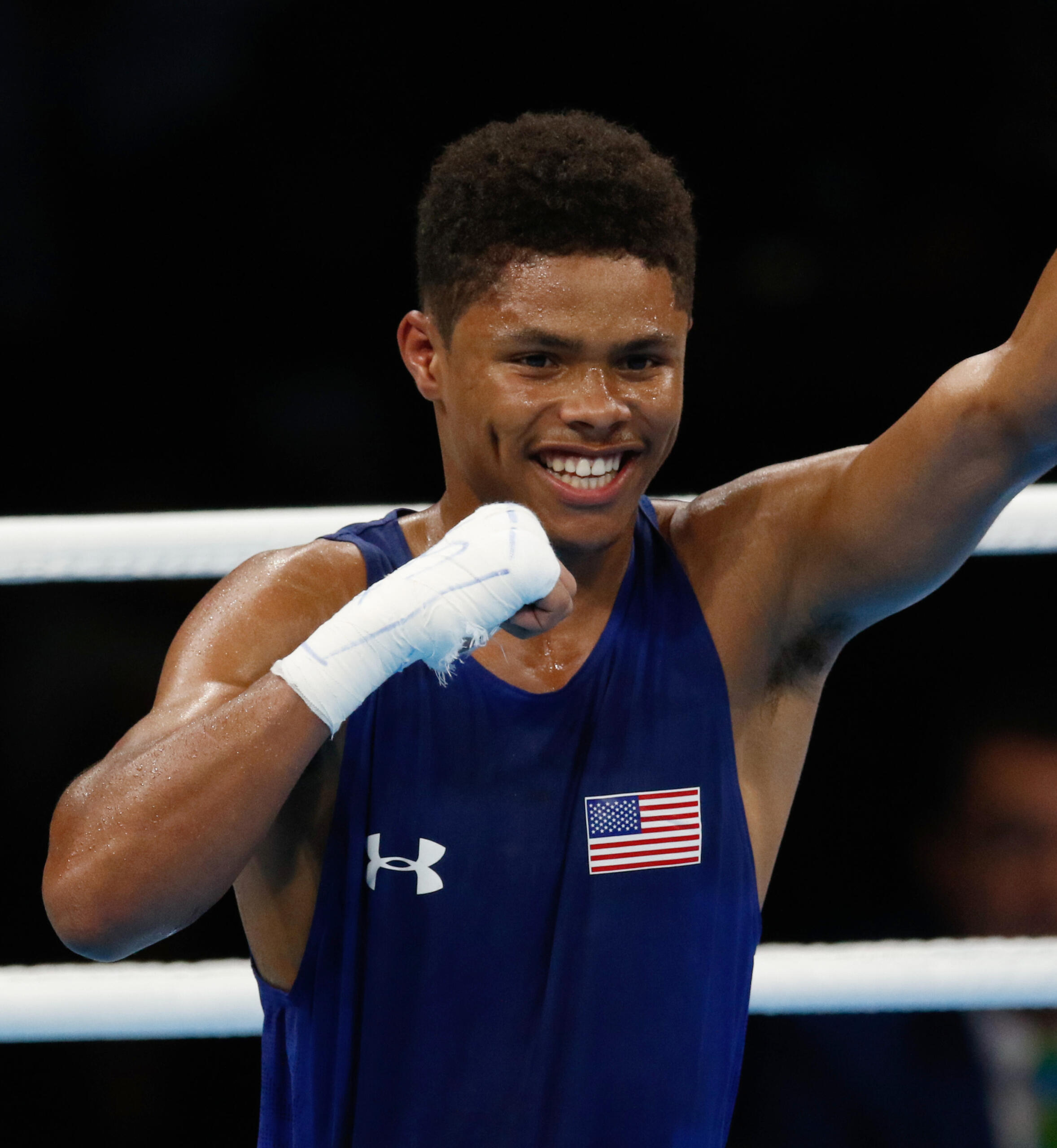
Shakur Stevenson
Shakur Stevenson is known for precision and defensive awareness.
Although still early in his lightweight career, his skill level has already placed him among the top American fighters in the division. Stevenson excels at reading opponents and reacting quickly.
His economy of movement allows him to conserve energy while staying effective. Many analysts view him as a long term force at lightweight due to his technical foundation and ring intelligence.
Gervonta Davis
Gervonta Davis stands out for his power and timing. His performances at lightweight have produced some of the most memorable knockouts in recent years. Davis often remains patient before striking decisively. His ability to end fights suddenly keeps opponents cautious throughout bouts. While his style differs from traditional boxers, his effectiveness is undeniable. Davis has become one of the most recognizable American fighters of his generation.
Oscar De La Hoya
Oscar De La Hoya captured a world title at lightweight early in his career. His speed, athleticism and popularity helped bring new attention to boxing during the nineteen nineties. De La Hoya combined strong fundamentals with charisma. His success attracted new audiences and increased mainstream visibility for the sport. Though he later moved up in weight, his lightweight championship marked the beginning of a historic career.
Lightweight boxing has evolved through rule changes, equipment advances and shifts in fighting style. Early champions fought more frequently, while modern fighters face longer camps and fewer bouts per year. Despite these differences, greatness at lightweight has always required consistency, composure and the ability to win against elite challengers under pressure.
Ray Mancini
Ray Mancini was known for his aggressive style and determination.
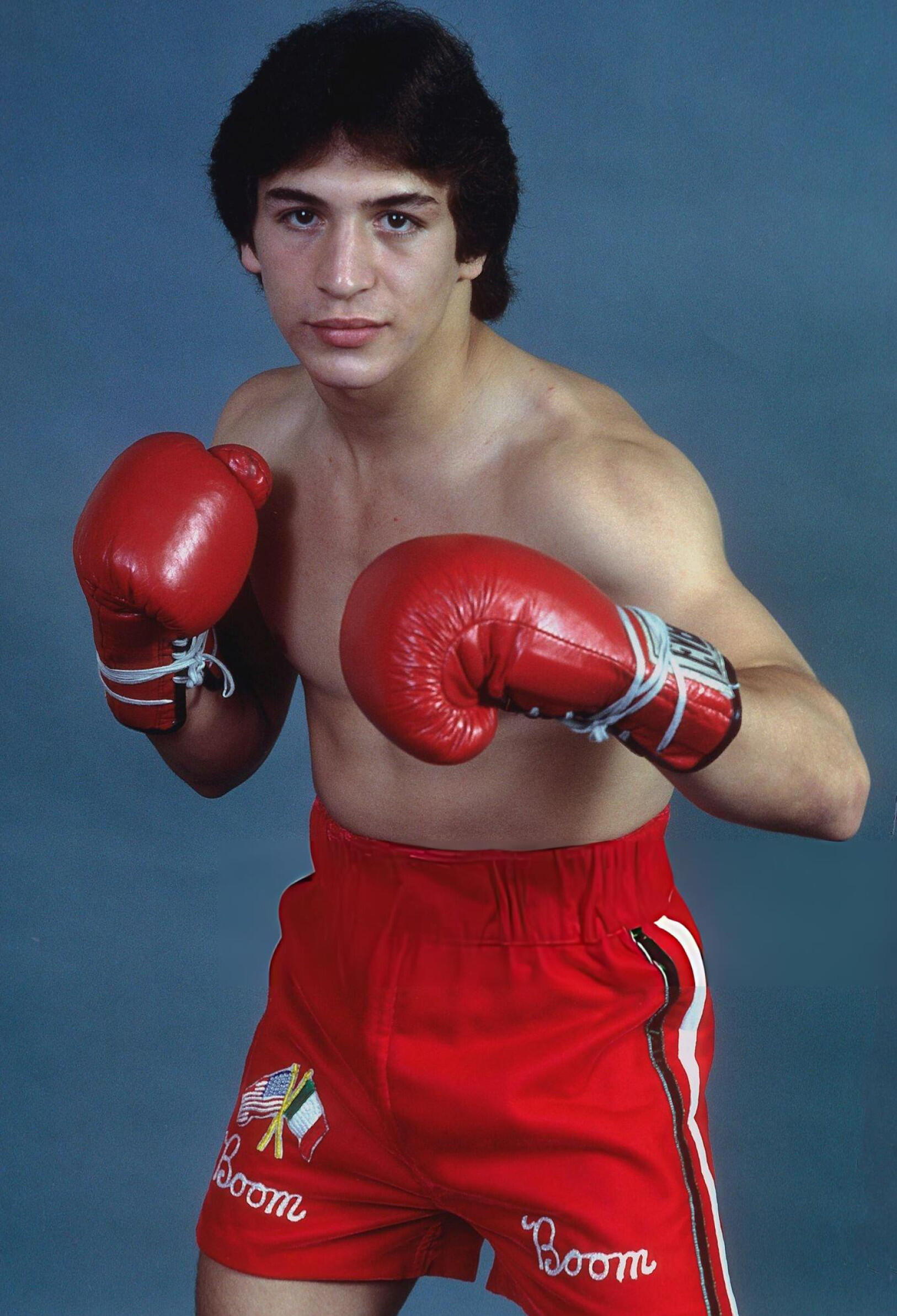
As a lightweight champion, he became a fan favorite due to his willingness to engage and push the pace. Mancini often relied on pressure and endurance rather than finesse. His fights were physically demanding and emotionally charged. He represented a blue collar approach to boxing that resonated with many fans. Mancini remains an important figure in American lightweight history. He rarely backed down once a fight began, choosing to wear opponents down with constant pressure. Win or lose, Mancini was willing to take risks to control the fight.
His toughness showed in long, grinding rounds where endurance mattered most. That mindset helped cement his reputation as one of the division’s hardest fighters.
Greg Haugen
Greg Haugen earned recognition through grit and persistence. His upset victory over Vinny Pazienza remains one of the notable moments in lightweight boxing history. Haugen relied on conditioning and discipline to overcome more flashy opponents. He was rarely outworked and consistently applied pressure. His career illustrates how preparation and resilience can lead to success at the highest level.
Curious to read on our American heavyweight champions?
Criteria for Ranking the Greatest Lightweight Boxers
Ranking the greatest lightweight boxers requires more than looking at win loss records alone. Fighters from different eras faced different rules, competition levels and expectations. To create a balanced list, both measurable achievements and less tangible qualities must be considered. The criteria below explain how these boxers were evaluated and why certain careers stand above others.
Championship Titles and Defenses
Winning a world title at lightweight is a major achievement, but holding onto it separates champions from greats. Successful title defenses show consistency, adaptability and the ability to handle pressure over time. Many fighters can reach the top once, but fewer can stay there while facing motivated challengers. The strongest lightweight champions defended their belts against ranked contenders and fellow champions, often across multiple years. Defenses against elite opposition carry more weight than short reigns or vacant title wins. Longevity as a champion also reflects durability and discipline, especially in a division known for speed and physical wear.
Skill and Technique
Technical ability is central to success in the lightweight division. Fighters rely heavily on footwork, balance and timing rather than raw power.
and description
Strong defense, whether through head movement or positioning, often determines who controls a fight. Punch selection and accuracy also matter. The best lightweights know when to attack, when to reset and how to adjust mid fight. Tactical awareness allows fighters to solve problems in the ring and neutralize different styles. Those with refined technique tend to remain competitive longer and perform well across eras.
Impact on the Sport
Some lightweight boxers leave a mark that goes beyond titles and statistics. Impact can be seen in how a fighter influences future generations, changes popular fighting styles, or brings attention to the division. Several American lightweights on this list became reference points for trainers, analysts and young boxers. Their careers helped shape how lightweight boxing is taught and judged. Fighters who elevated the profile of the division or inspired others to enter the sport earn greater recognition in historical rankings.
The greatest lightweight boxers are defined by more than a single title win. Long championship runs, strong fundamentals and the ability to adapt against top opponents matter most. Fighters who left a lasting impact on the sport through their style or influence stand out over time. At lightweight, consistency and skill separate champions from the rest!
Learning boxing is easier when you train with the right guidance. Superprof connects you with experienced boxing coaches who understand fundamentals, conditioning and technique. Whether you are a beginner or an advanced student, personalized lessons help you improve faster and train smarter. Build confidence, sharpen skills and learn from experts through Superprof.
Summarize with AI:
Did you like this article? Leave a rating!

 Loading...
