
For many people, swimming is an essential skill rather than just being a luxury or something that you do on your vacations. Swimming could be part of your job, or it could just be a safety precaution if you live near the water. Knowing how to swim is something a lot of people learn in their youth.
On top of this, there are different types of swimming strokes and different swimming styles that people may want to master and even take on competitively. Swimming is one of the biggest Olympic sports and is enjoyed as a recreational activity. Plus, it is a great way to keep fit!
In this blog post, we will explore the four main swimming strokes: breaststroke, backstroke, front crawl, and butterfly stroke. We’ll go into specifics of each stroke, providing tips and insights to help you master them and how to get better at swimming and swim strokes in general.


Basics of Swimming
Swimming is simply being able to propel yourself through water. But there is a lot more to it than that, of course.
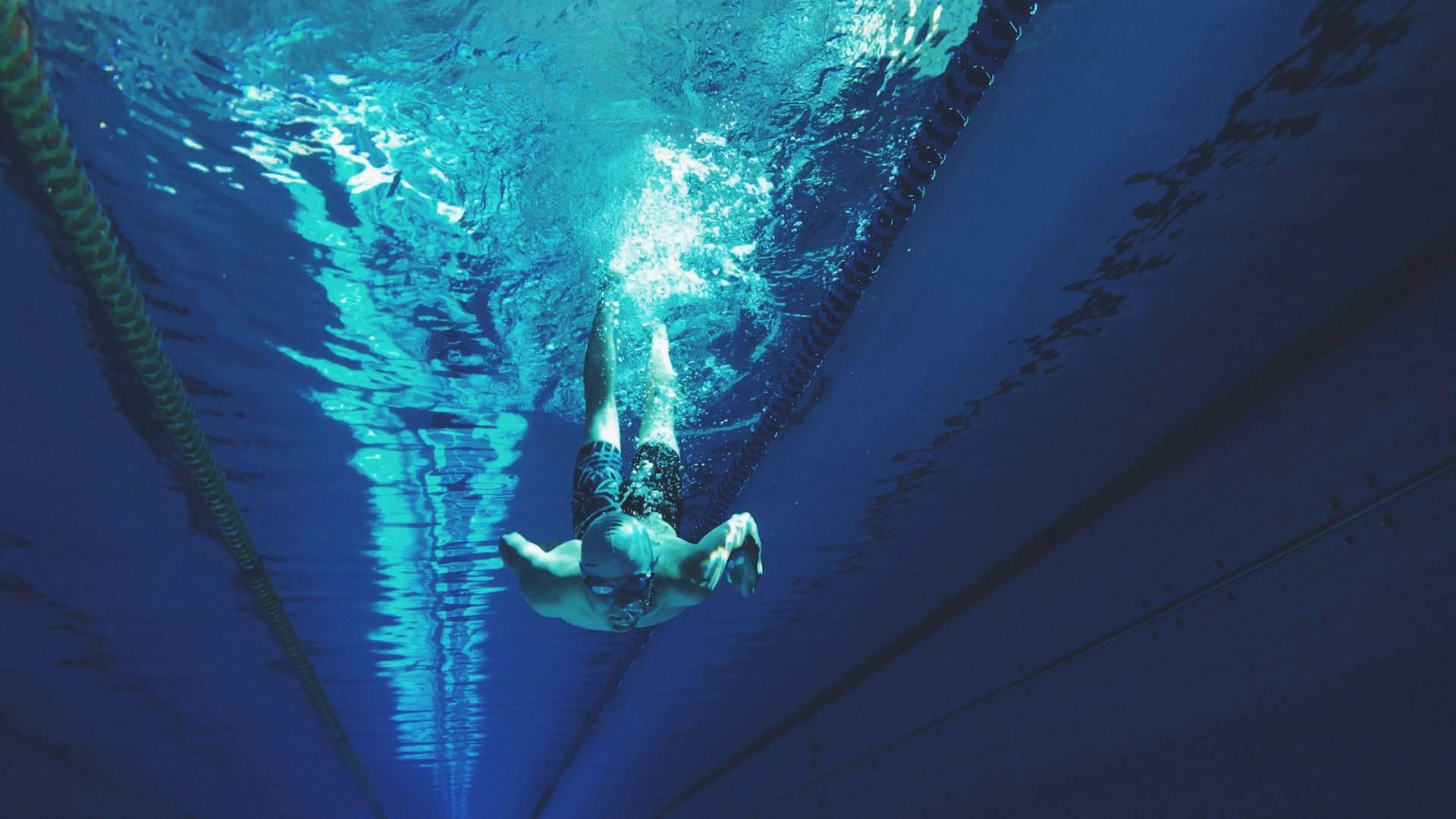
There are loads of different types of swimming including some mainstream swimming styles and swimming positions. Before starting to get any of the specific strokes mastered, swimmers need to learn a few different basics.
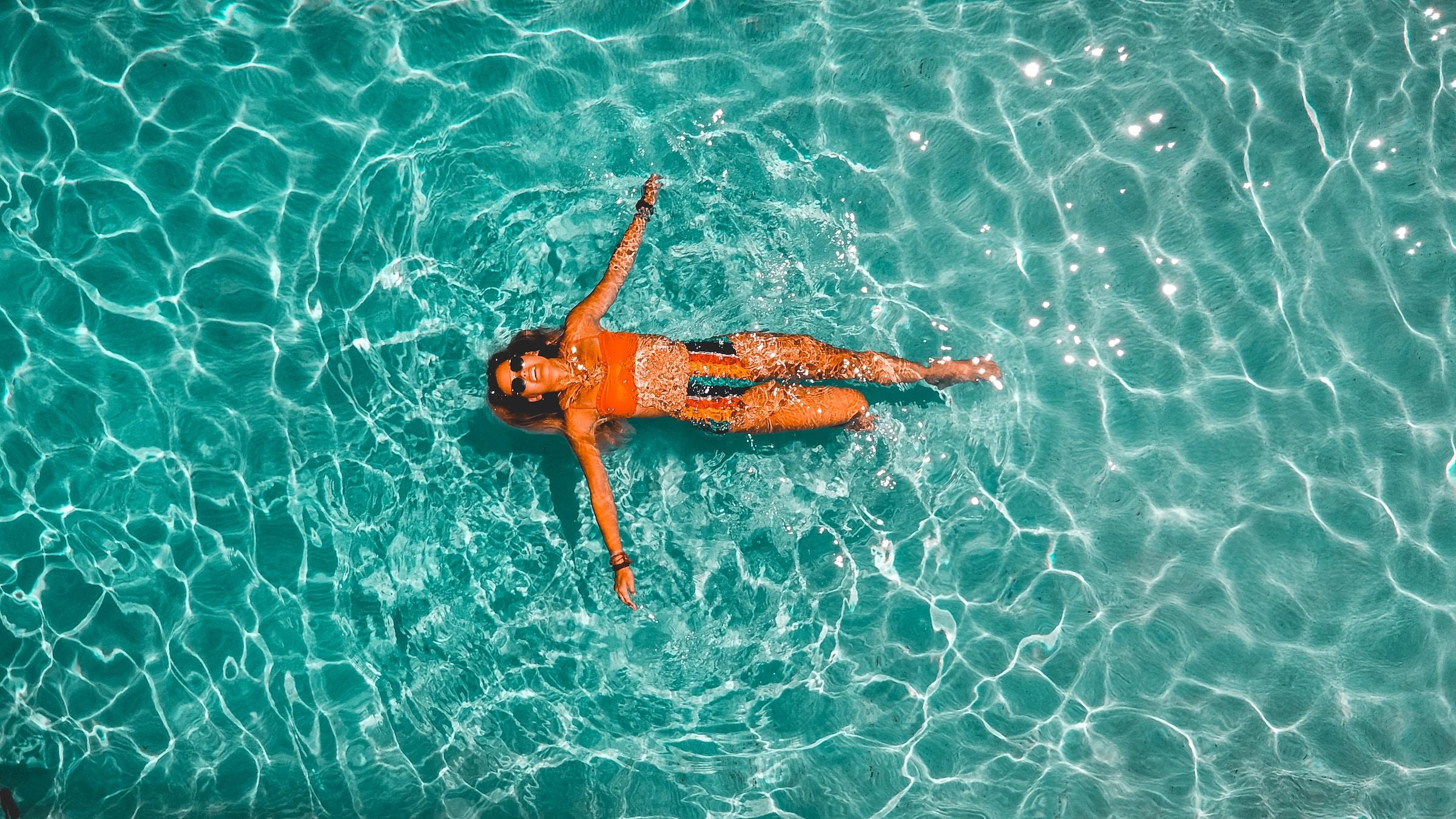
- Floating: Floating is the first step to swimming. To float in the water you need to be relaxed and comfortable, and this is something that might take time. Build up to this by swimming in areas where your feet can touch the ground before gradually becoming more confident with deeper water.
- Learn to get in and out of the pool safely: This doesn’t mean diving, especially for beginners, but eventually, you may build up to being able to dive into the water.
- Get good at breathing: This means that you will have the rhythm to breathe properly when your head is out of the water and be able to hold your breath while in the water.
- Confidence: If you are scared of the water, you are more likely to encounter problems. Work on spending time in a pool and building up that confidence initially.
Swimming Strokes
There are four basic strokes in swimming that are used most commonly. If you are wondering how do you swim, then you will be looking to master one of these types of swim strokes first and foremost.
If you want to swim competitively, there are even specific rules about each stroke.
Breaststroke
The breaststroke is often the first stroke taught to beginners because of its simplicity and the ease with which swimmers can keep their heads above water for much of the action. Swimmers perform a frog-like kick and a simultaneous arm movement to propel themselves.
To perform the breaststroke, start in a streamlined position with your body flat in the water, arms extended forward, and legs together. Begin the stroke by pulling your hands outwards and downwards in a circular motion, drawing them towards your chest.
As your hands come together under your chin, lift your head to breathe. Your legs should perform a whip kick: bend your knees and bring your heels towards your backside, then kick outwards and backward, bringing your legs together in a streamlined position. The timing of the stroke is crucial and this is largely about the rhythm you follow. It follows a "pull, breathe, kick, glide" pattern. Glide after the kick to maximize efficiency and reduce drag.
Mastering the breaststroke requires coordination. Focus on smoother movements and ensure your kick and arm pull are well-synchronized. This is a stroke that can be good for beginners who are looking to go from being comfortable in the water to being able to swim properly.
Backstroke
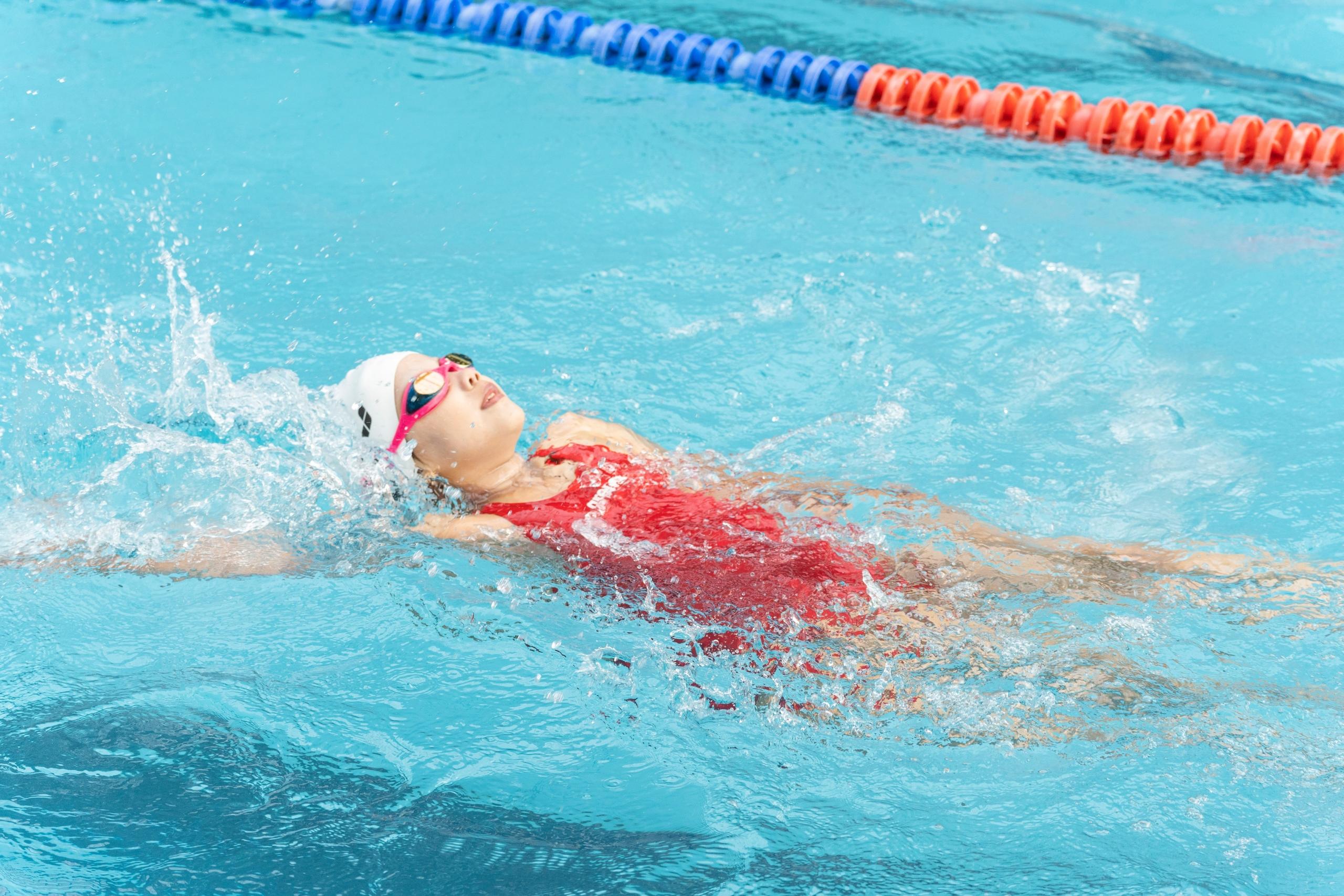
The backstroke is the only stroke performed on the back, a unique position as you swim. It is a fast stroke that relies on continuous, alternating arm movements and a flutter kick, and can be good for those who don’t really feel good with their breathing yet, as your face is out of the water.
To swim the backstroke, start by floating on your back with your body straight and hips high in the water. Your arms should move in an alternating windmill motion: one arm pulls underwater from an extended position above your head, sweeping down alongside your body, while the other arm recovers above water, straight and close to your ear.
The flutter kick is a crucial skill that makes up many different styles of swimming stroke (and their variations)
Your hand should enter the water pinky-first to reduce resistance. The flutter kick involves small, quick kicks from the hips, keeping your legs straight and toes pointed. This is the foundation of many different strokes.
Front Crawl (Freestyle)
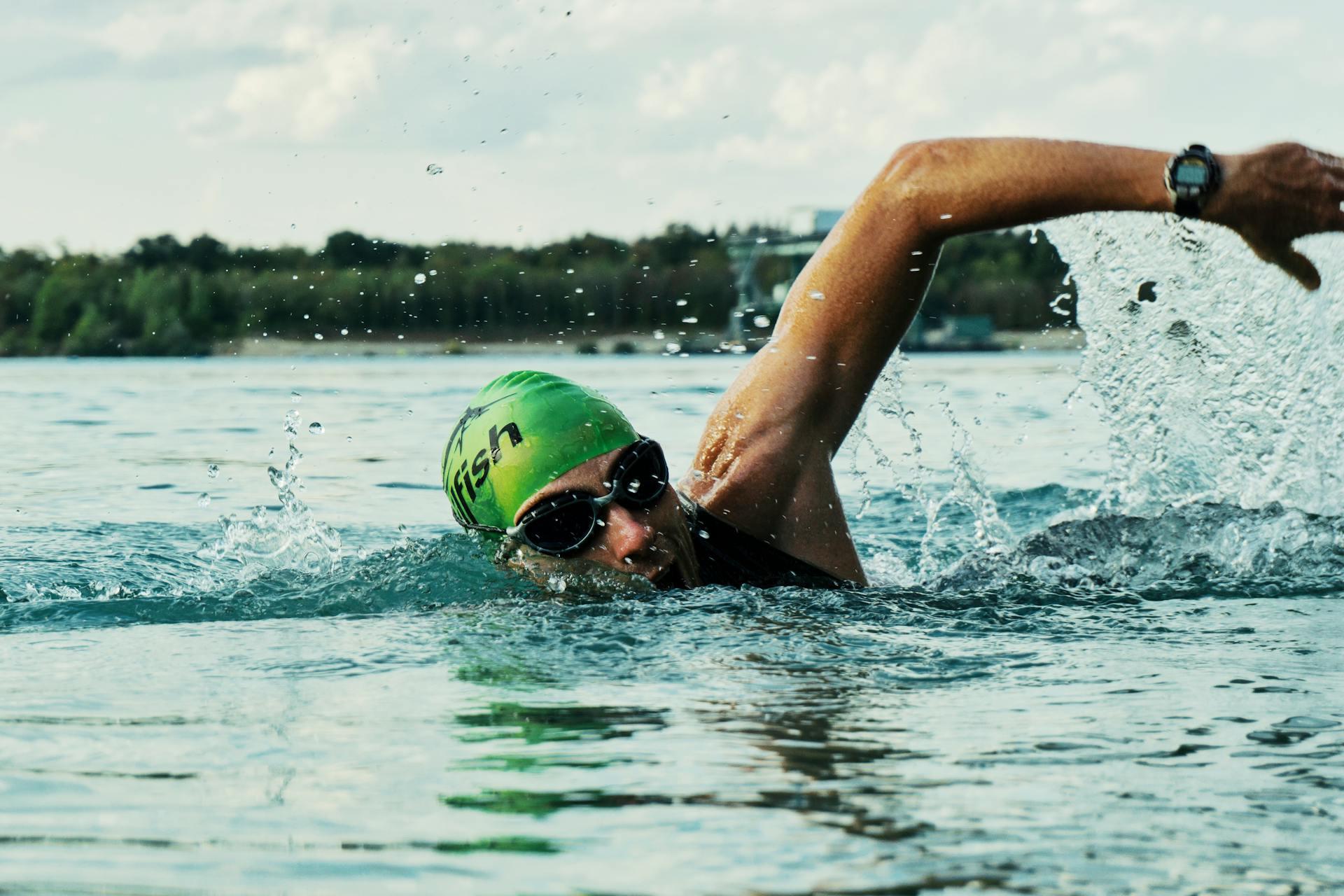
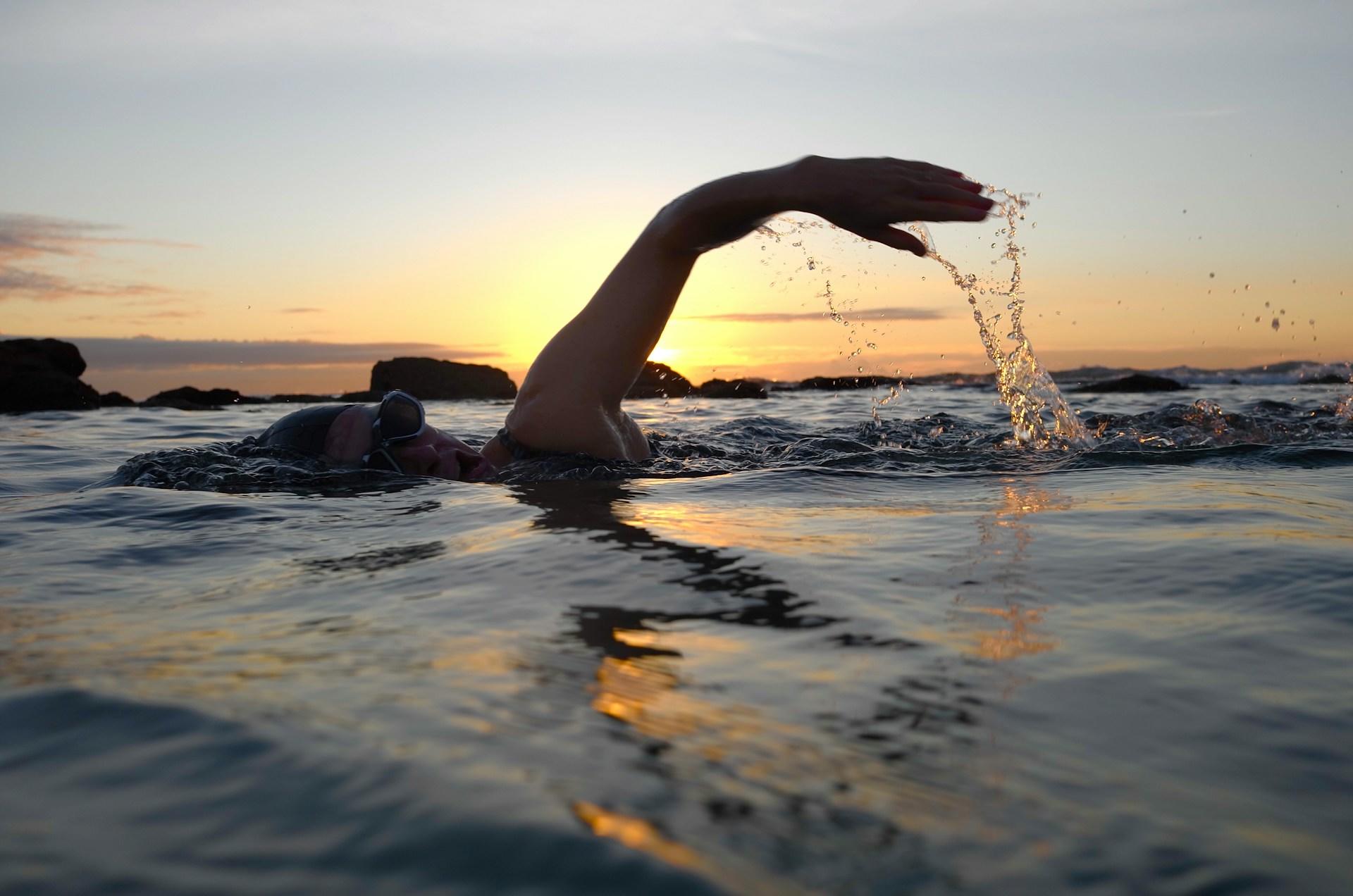
The front crawl, commonly known as freestyle, is the fastest and arguably the most efficient swimming stroke. It involves alternating arm movements and a flutter kick, similar to the backstroke, but performed on the front so your breathing is much more tricky. This is often used in competitive events.
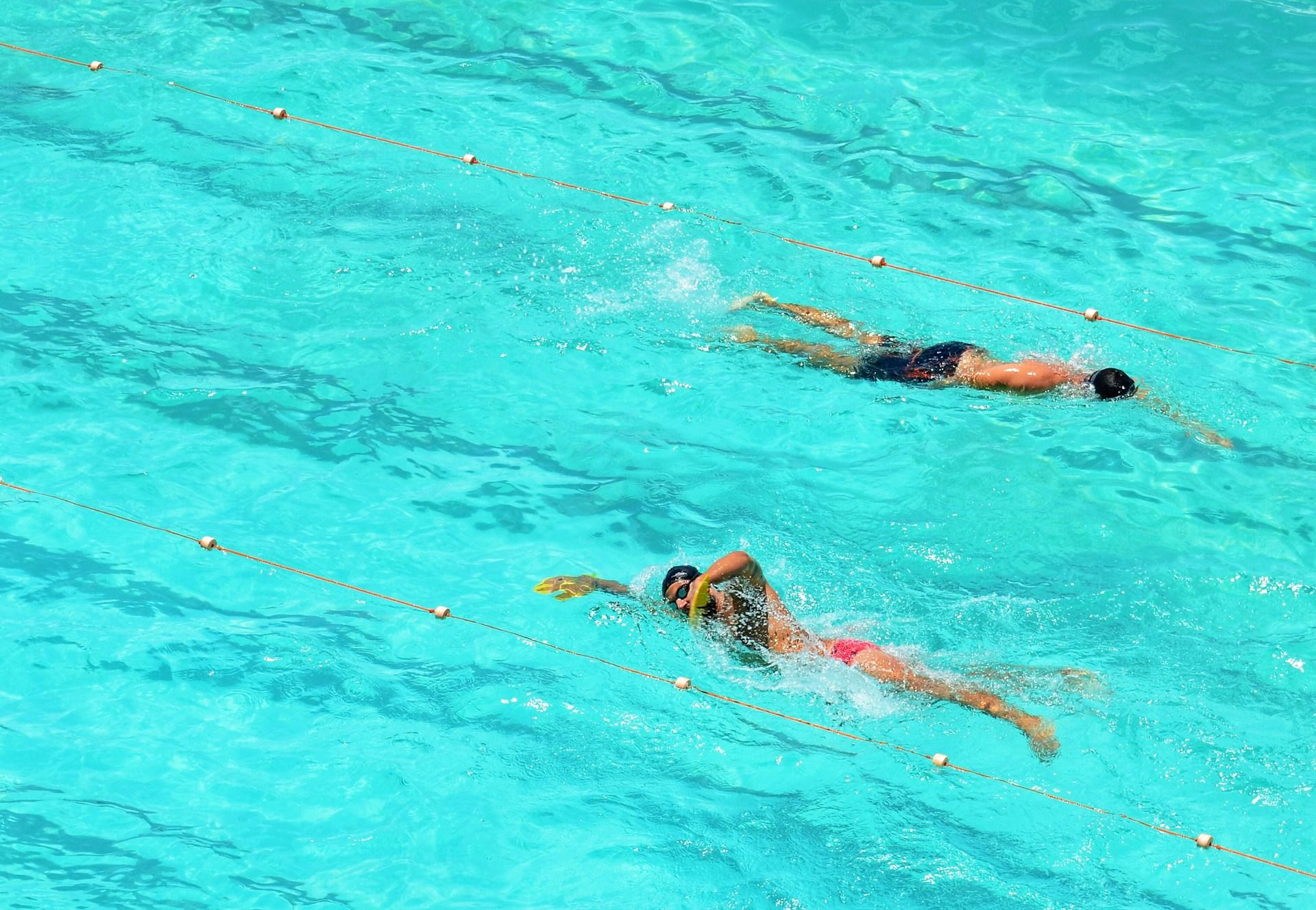
To be able to swim using the front crawl, start in a streamlined position with your body flat in the water, arms extended forward, and legs together. The arms move in an alternating motion, so one arm pulls underwater from an extended position above your head, sweeping down towards your hip, while the other arm recovers above water, straight and close to your body. Think of your whole body like a propeller through the water.
Your hand should enter the water fingertips first to reduce resistance.
Like the backstroke, you are also using the flutter kick we have discussed already, this is one of the foundational skills used in swimming.
Being able to breathe in the front crawl requires turning your head to the side as one arm recovers, taking a quick breath, and then exhaling underwater. Practice bilateral breathing, which means breathing on both sides.
Our advice is to only take this on when you are comfortable.
Butterfly Stroke
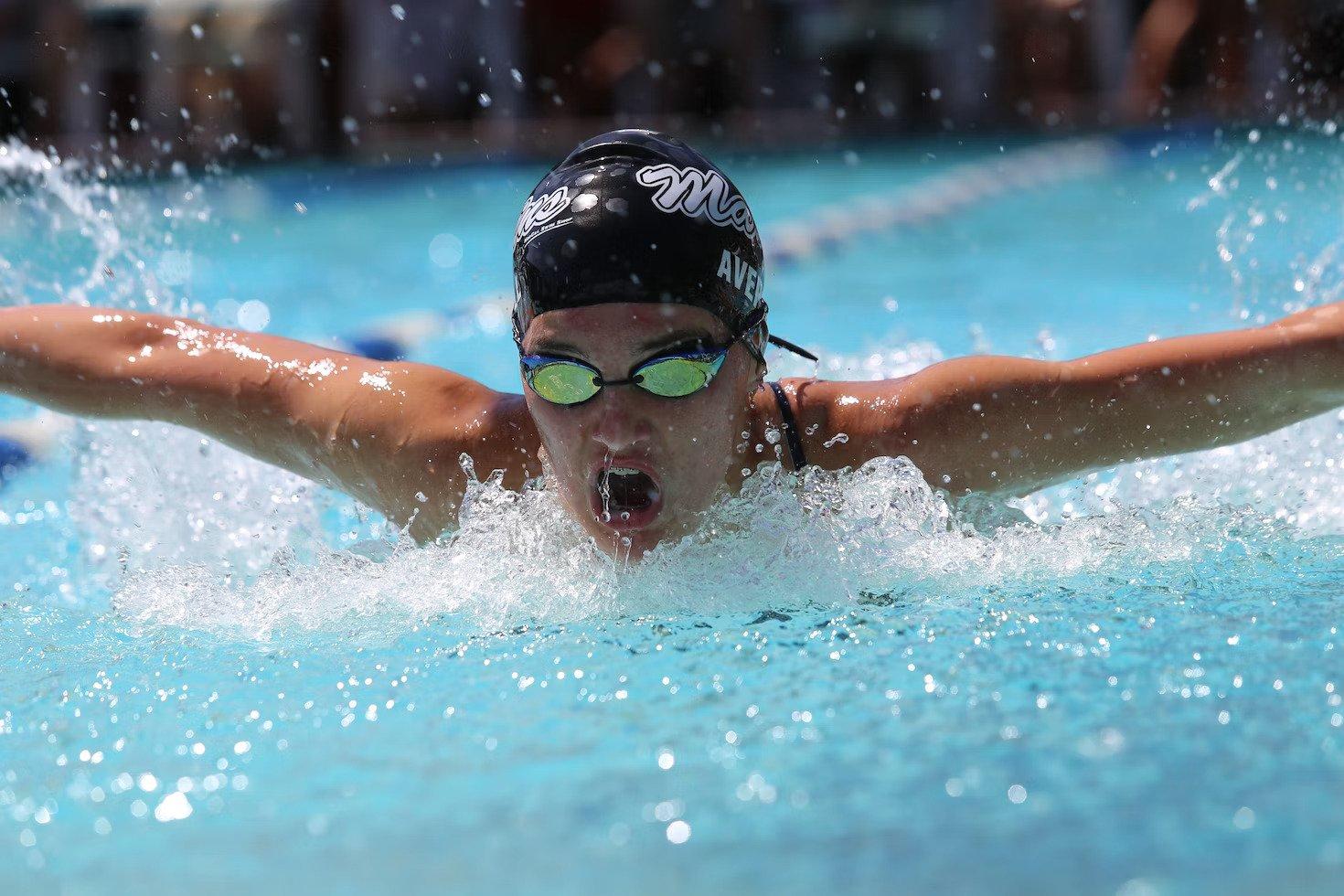
The butterfly stroke is physically demanding. It involves a simultaneous arm movement and a powerful dolphin kick, requiring strength, coordination, and endurance.
To perform the butterfly stroke, start in a position with your body flat in the water, arms extended forward, and legs tightly together. The arms move simultaneously, so you will sweep them outwards and downwards in a circular motion, then pull them towards your hips and recover them over the water back to the starting position.
The dolphin kick is different from the flutter kick. It involves moving your legs together in a wave-like motion, so you need to bend your knees slightly, then kick downwards with your feet together, creating a powerful undulating movement from your hips.
Breathing in the butterfly stroke requires lifting your head and shoulders out of the water as your arms pull down, taking a quick breath, and then returning your face to the water during the arm recovery phase. Rhythm is so important in this particular stroke.
Mastering Swimming
This is something that can take many years. Of course, if you’ve got aspirations to be professional, it could take up a large chunk of your time. Swimming at a professional level can be incredibly grueling.
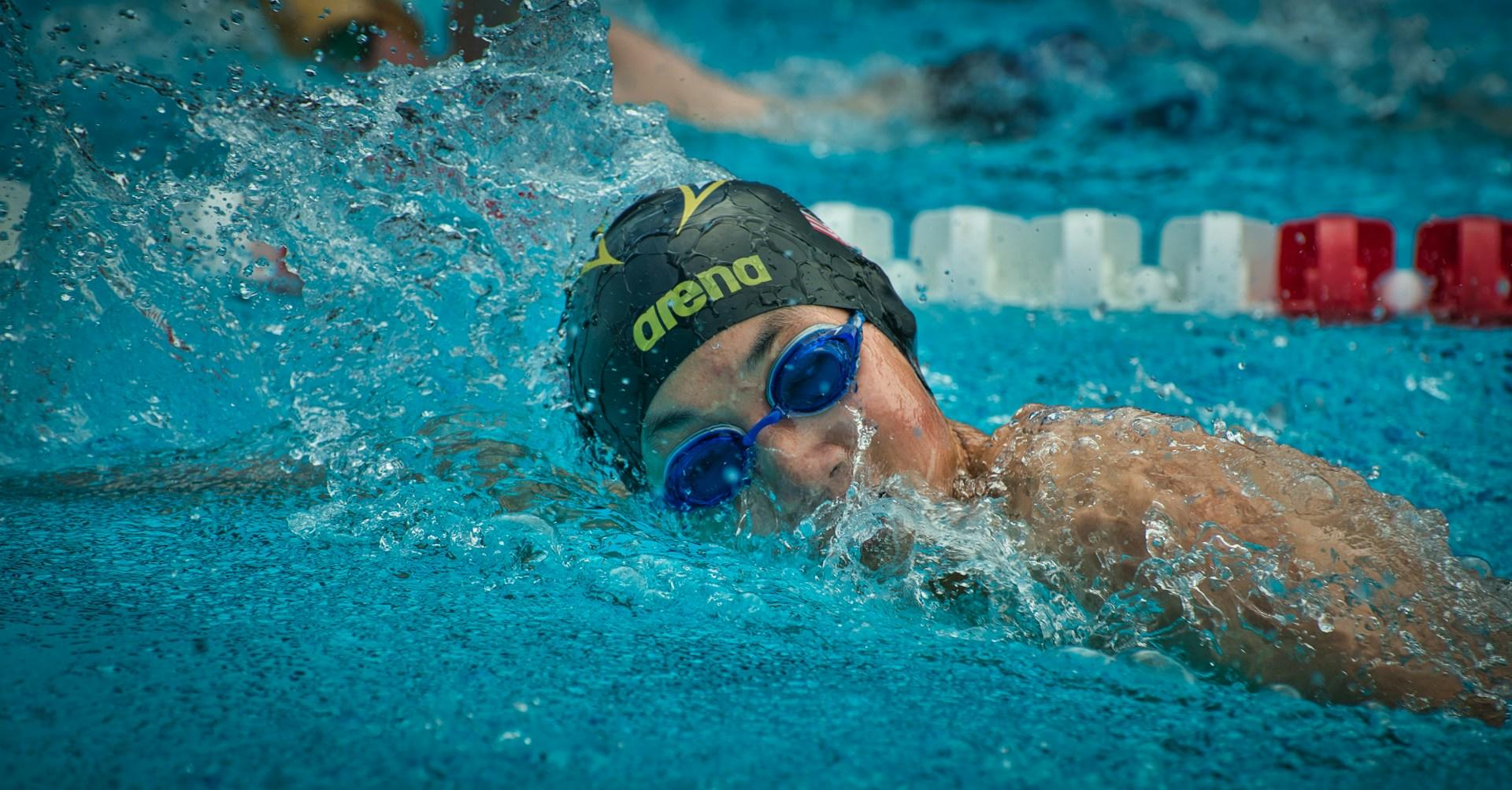
Whether you wish to get to the top, or just be an accomplished swimmer so that you’re comfortable in the water, our top tips can help you to master the skill.
- Maintain a streamlined body position to reduce drag and increase efficiency. Your body should be as flat and horizontal as possible in the water.
- Work on general fitness with flexibility exercises and strength training in your routine to improve your range of motion and build the muscles needed for your strokes.
- Master your breathing. Practice regular, rhythmic breathing when in the water to ensure you are getting enough oxygen and to prevent fatigue. Coordinate your breathing with your strokes for maximum efficiency and to ensure you can last the distance without feeling excessively tired or struggling.
- Keep at it. Consistent practice is essential for mastering any swimming stroke. Aim to swim regularly, focusing on both technique and endurance and spend as much time as you can in the water to build your comfort and confidence.
- Work with a coach or tutor. We cover this in more detail below.
Learn to Swim with Superprof
Whether you are right at the start of your journey and have never swam before, or you are looking to improve your skills ready for competitive swimming, Superprof can help.
Working with a tutor is a way to get one-to-one feedback, and help with your techniques as well as learning the ins-and-outs of different strokes. Tutors and coaches may have a wealth of experience that they can help to pass on, increasing your athletic ability while growing your skill and passion for swimming.
Superprof can connect you with a variety of tutors and coaches in your area to provide personalized coaching and feedback to help you to reach the next level. Reach out to a coach today to get started, simply search for a tutor in your local area and you will be met with a number of options for coaching and tuition. Don't wait—start your swimming journey with Superprof today!
Summarize with AI:
Did you like this article? Leave a rating!

 Loading...