
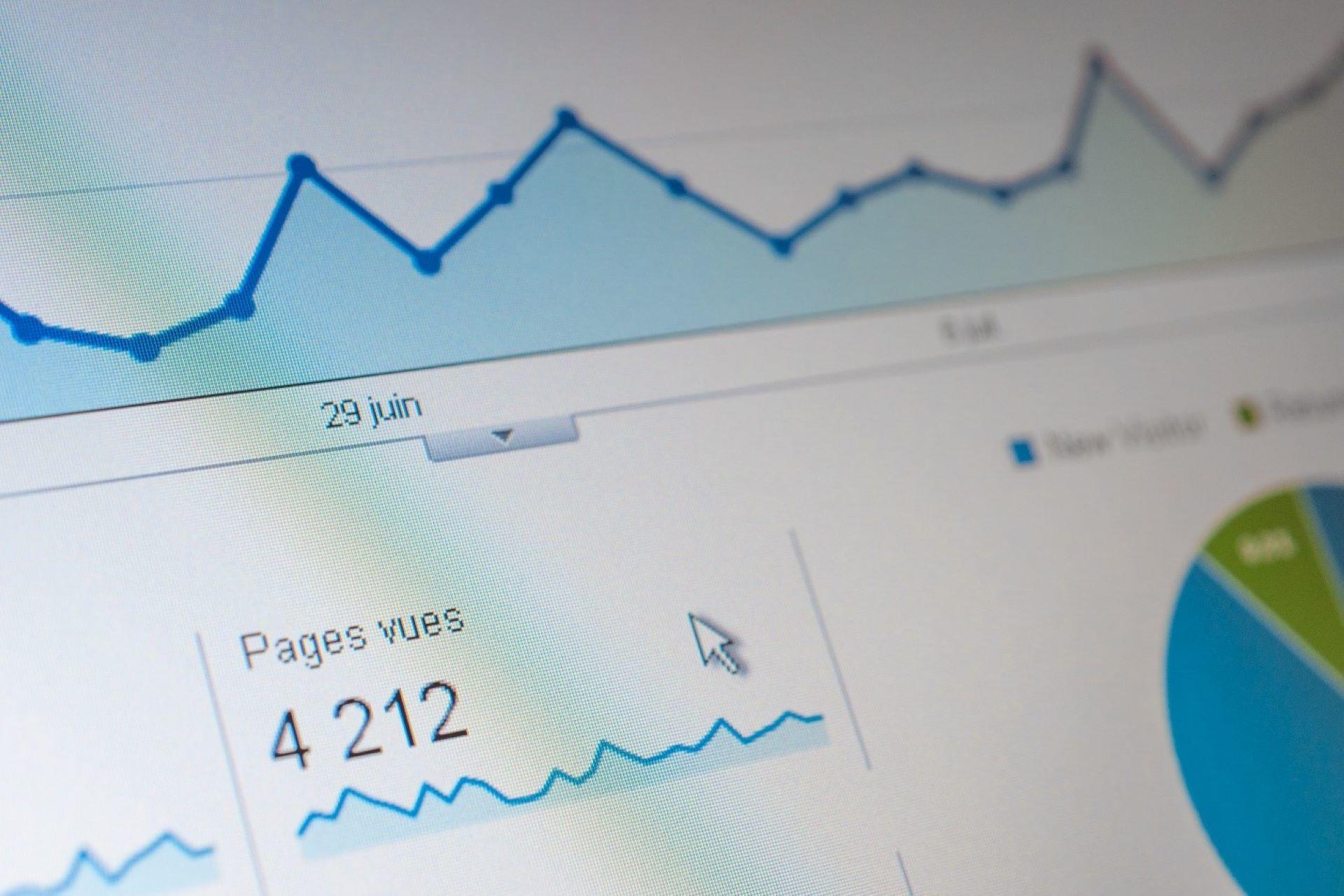

The ability to manipulate and study data is one of the most critical aspects of a modern business. A department for data and statistical analytics with qualified professionals can help companies stay on top of their sales, revenues, and reviews. Modern business is about collecting and interpreting data to find trends and patterns to optimize your strategies and grow your services. So, your business can only reach so far without a solid grip on the numbers.
But how do you start building your statistical skills? What do you need to learn to become a data analyst? We’ll map out all your questions and explain everything you need to know about statistics for business analytics. We’ll explore all the mathematical concepts used in business statistics and show you the best way to learn them.





What is Math and Statistical Analysis in Business?
Suppose you’re running a business on robotics, and you’re hosting a live event to promote your brand and tell your audience about your newest projects. You’d have to do a lot of research to handle it successfully, and for that, you’ll have to collect relevant data from different surroundings. Here are a few of the things to consider:
- Think about how much your operation would cost to set up and host this event and how much revenue is needed to make up for those expenses.
- Think about the different locations and venues where you can host your event. Which one’s the most affordable for the general public? Which area has the busiest population? What if someone prefers to attend the event online?
- Think about the trending discussions in the robotics community. What kind of people is likely to be interested? Would the target audience care about your announcements? Will they learn something new at your event?
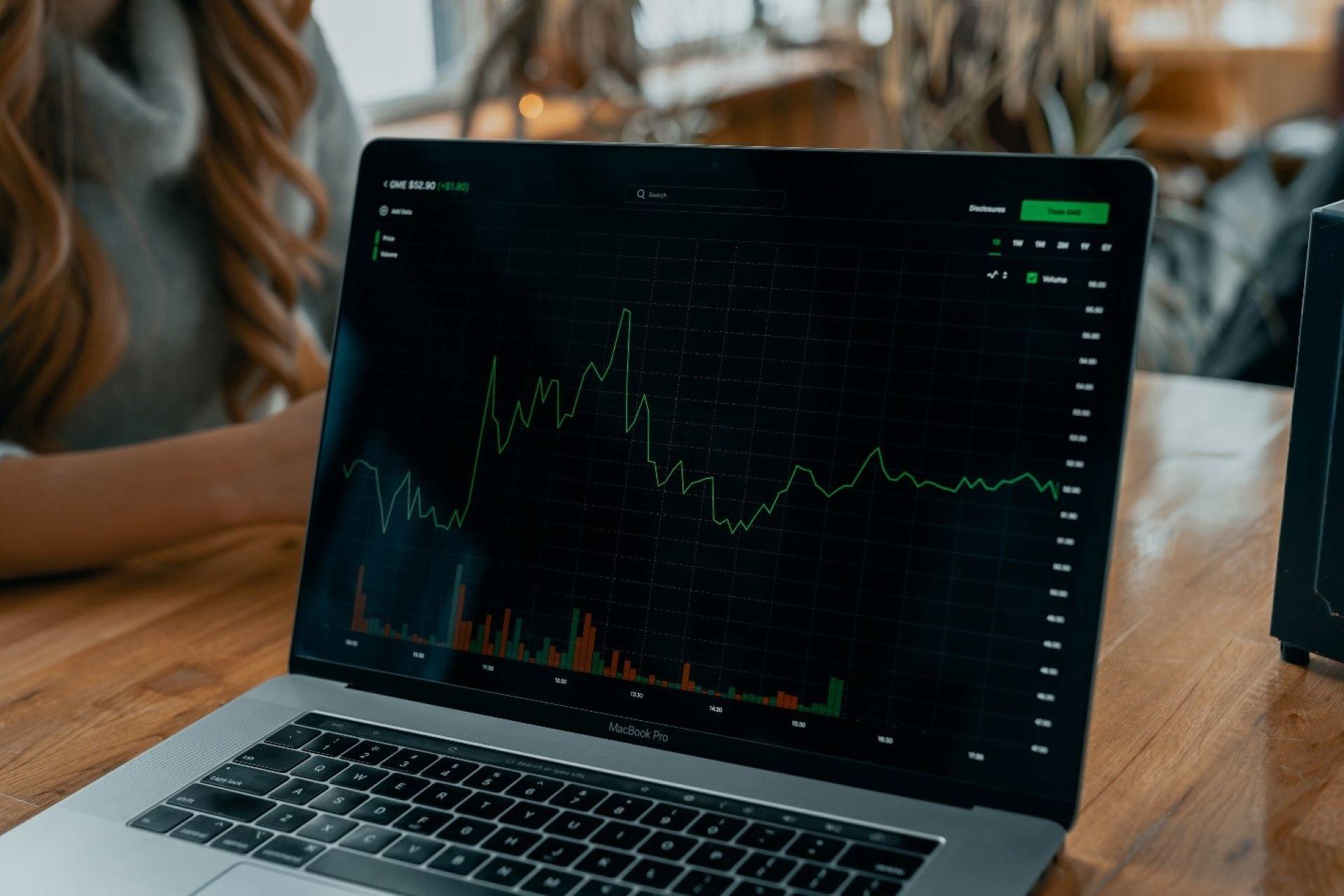
All these questions demand research that will lead to some form of data, which needs to be compared, sorted, and recorded. Once done, it’ll have to be converted into a statistical format. Since unit-based values and calculations can be challenging to understand, statistics, graphs, and charts will allow you and your business partners to study the numerical data from a quantitative perspective.
And that’s just what statistical analytics is—presenting different types of data in a way that highlights whether they represent the ‘more’ and ‘less’ of its values. Such data manipulation strategies allow companies to make favorable decisions for their brand more effectively.
Performing statistical analysis at a professional level requires a comprehensive study of many mathematical concepts. That’s why Superprof provides statistics math classes from hundreds of professional, private tutors. Reach out to us to learn statistics, its scope and find rewarding opportunities of majoring in statistics.
Why Are Math and Statistics Important for Business Analytics?
You may think that math shouldn’t be crucial in every business and that some brands based on specific industries can run fine without incorporating complex data analysis into their workflow.
That might’ve been true in the old days, but today, you simply cannot overlook the potential of robust data. The digital age has tripled and transformed the data that businesses can use. Think about some of the ways technology has helped us expand, for instance:
- We no longer need multiple devices to secure all our files, as cloud storage makes the process a lot more convenient
- We no longer market our brands to everyday, local customers. Instead, we aim to reach out to targeted demographics worldwide
- We no longer need multiple people to keep in touch with clients because one person can easily contact any client through online messaging communication
- We no longer rely on print marketing and TV commercials to promote our brand. Instead, we have social media and digital marketing tools to keep track of views, conversions, click rates, SEO ranking, etc.
Having these beneficial resources allows us to expand the potential of our services, which leads to more data on our plates. That’s precisely why math is essential for all businesses today. Because no matter what kind of service you provide, you have to deal with too many numbers to grow your business proficiently.
How Much Math Do You Need to Know for Business?

Let’s discuss the question you’ve been waiting for. You already know what data analysis means in business, but what do you need to learn to apply it professionally?
Business statistics is a challenging subject. Understanding statistics through various data values requires a solid grip on math, but what kind of math? Are school and college enough to prepare you for a business analyst job? Let’s break down the pillars of data analysis and find out the following:
| Math Subjects | Role in Business |
|---|---|
| Statistics | It is an important branch of mathematics that covers everything from analyzing patterns and sequences to calculating averages and medians; learning statistical skills is the central step to becoming a business analyst. It is the core foundation of data analysis that countless companies use to calculate trends and plan strategies effectively. |
| Accounting and Economics | Naturally, if you’re working on a commercial project, you need to have a solid understanding of financial processes and principles. Even small startups should know the concepts of profits and revenues and how investments are made. Studying accounting, economics, and calculus till a college level should prepare you enough for your business journey. |
| Probability | The data you acquire won’t just be studied to remodel your current business tactics but also to predict how the market is likely to change in the future. Industries with high competition tend to stay ahead of the game by using probability to strategize their sales and marketing plans and prepare for upcoming developments |
| Algebra | Algebra isn’t a central part of business analysis, but in some cases, it comes in handy. If you’ve studied algebra up till 8th grade with fundamental concepts like logarithms, and linear algebra, you should be prepared for business. Having algebra in your skillset is a valuable safety measure as it can enhance your grip on statistics and finance. |
At most, an undergraduate education should be enough to prepare you for all these subjects, but if you’re rusty with math and you feel like you might need some extra help, there’s always Superprof waiting for you. It’s network of over 30,000 tutors have brought hundreds of students and young entraprunuers to the world of statistics and data science, and now it’s your turn. Start your online tutoring sessions with Superprof today.
How are Math and Statistical Analysis Used in Business?

We’ve discussed the different ways statistical data can help your business and the comprehensive range of skills you can use to optimize those methods. All this power opens a whole lot of data-oriented possibilities for your brand, and you’ll only get to explore them once you get out there and start bringing your business to life. But for now, let’s look at a few ways in which storing, monitoring, and presenting statistical data can enhance your business:
Managing Finance
Whether it be revenue, profits, or investments, financial data stands at the center stage of any business. Most startups these days know how they need to save costs and expenses to expand their services consistently. That’s why they’re actively monitoring their financial holds to stay on top of how much they have and how much more they need to make. Having a solid grip on economics and statistics can help them set realistic goals and devise upcoming trends for the financial state of the market.
Monitoring the Market
In today’s fast-paced world, many industries, such as tech, media, law, and travel, are growing at an unprecedented rate. Businesses know that the new age always overtakes the old one, so they always have to ensure they look fresh on the market. By gathering statistical proof on which products are making sales and which ones are in demand, you can effectively set your place in the market and figure out how to navigate your growth for years to come.
Workflow Enhancement
As a business, data analysis can also help you optimize your internal tasks. Imagine that you’re working with several departments, each holding a considerably large number of employees. Not only will you have to supervise multiple tasks, but you’ll also have to deal with everyone’s queries and requests simultaneously. Having an automated database at your side could save a ton of time and effort, producing an uninterrupted workflow for you and your co-workers.
Productive Strategies
Decision-making is perhaps the most crucial use of math and statistics for business analytics. Instincts, assumptions, and personal experiences can only get you so far, but a well-structured, verified, and relevant set of data can help you develop strategies that are on par with the top brand names of your industry. Whether it’s sales, marketing, or growth, having confident research to support your idea can bring you five steps closer to a successful output.
Get Professional Statistics Class Help From Superprof
Now you know the key math principles to learn for any business. Anyone who’s looking for a career in business statistics is expected to be well-versed in these subjects. You’re pretty likely to need some extra help if you want to wrap your head around every topic perfectly.
That help is but a click away, thanks to Superprof. Its network of over 30,000 tutors can provide you with professional statistics class help so that you can launch your brand with flying colors. Start your online statistics tutoring sessions with Superprof today.
Summarize with AI:
Did you like this article? Leave a rating!

 Loading...
