
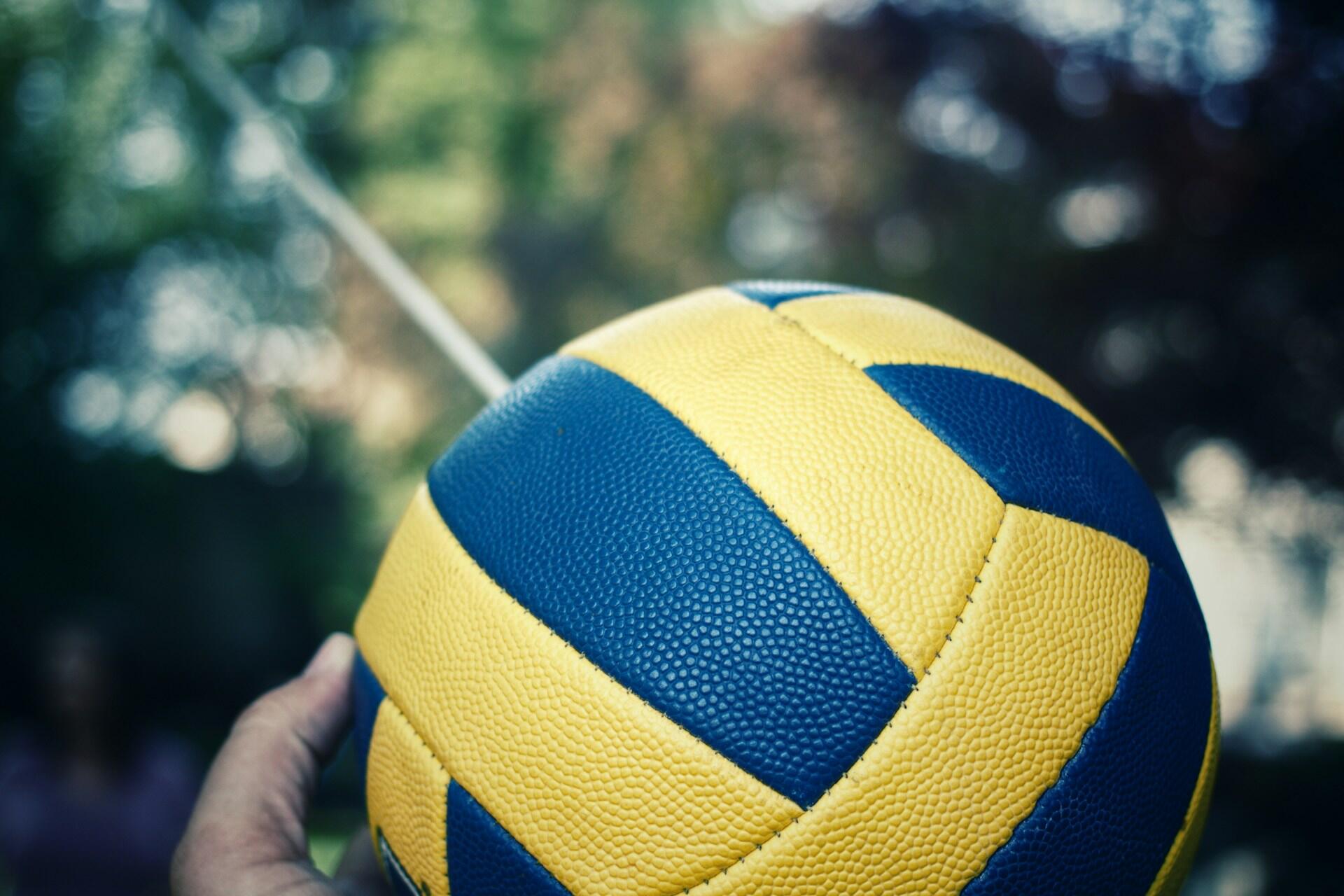

The middle hitter or middle blocker in volleyball plays a critical role both offensively and defensively. Near the net in the center of the front row, this player must deliver quick attacks, create an impenetrable blocking wall, and react quickly during transitions. This position requires fast reflexes, precise timing, and effective communication with teammates.


What Is a Middle Hitter in Volleyball?
The middle hitter or middle blocker is the front-row specialist volleyball position right at the center of the net. The role involves two key responsibilities: one as a fast-paced offensive threat and the other as the cornerstone of the team's defensive wall. Middle hitters are agile, tall, and quick-thinking since they're integral to most front-row plays.
This is a physically and mentally demanding role. The player needs great timing, sharp reflexes, and impeccable communication with their teammates.
Where Does the Middle Hitter Play?
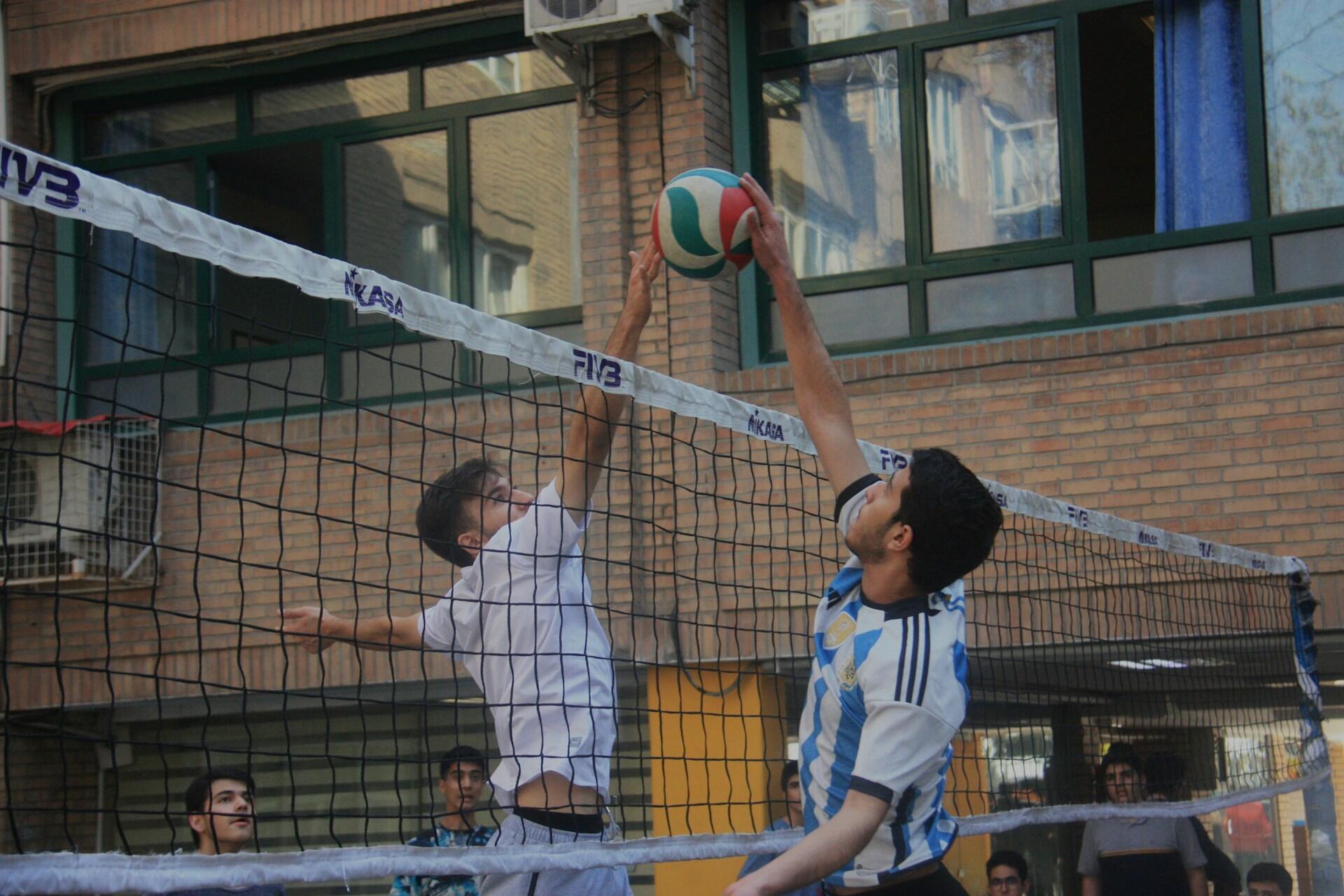
- Front Row (Position 3): The middle hitter starts in the middle of the front row between the opposite hitter and outside hitter and transitions quickly to help with blocking and attacking.
- In Transition: When the ball is served or played over, the middle shifts left or right, depending on the play and the ball's location.
The middle hitter dictates the flow of play on both sides of the net, through things like a quick kill or timing a block perfectly, helping the team score points or stop them.
Offensive Role at the Net
The middle hitter in volleyball is key to the team's offensive strategy. They're involved in fast-paced attacks right at the net and often use quick sets (called “1s” or 3s”) to beat the opposing blockers before they can react.
What Makes Middles So Effective at the Net
- Quick Sets (1s and 3s): These are short, rapid sets that give blockers little time to react. The middle hitter needs precise timing with the setter to execute them effectively.
- Slide Plays: Advanced middle hitters may attack off one foot on a lateral approach, especially in women’s volleyball. This adds deception and shifts the attack point.
- Creating Space: Even without getting set, middles act as decoys. Their aggressive movement draws attention from blockers, freeing up the outside hitter and opposite hitter for clean swings.
- Capitalizing on Overpasses: When the opposing team sends an errant pass over the net, the middle hitter is typically in the best position to attack immediately.
Middle hitters often hit a "1" set, one of the fastest sets in the game of volleyball. This quick attack happens almost immediately after the setter releases the ball, giving defenders little time to react.
Blocking and Defensive Responsibilities
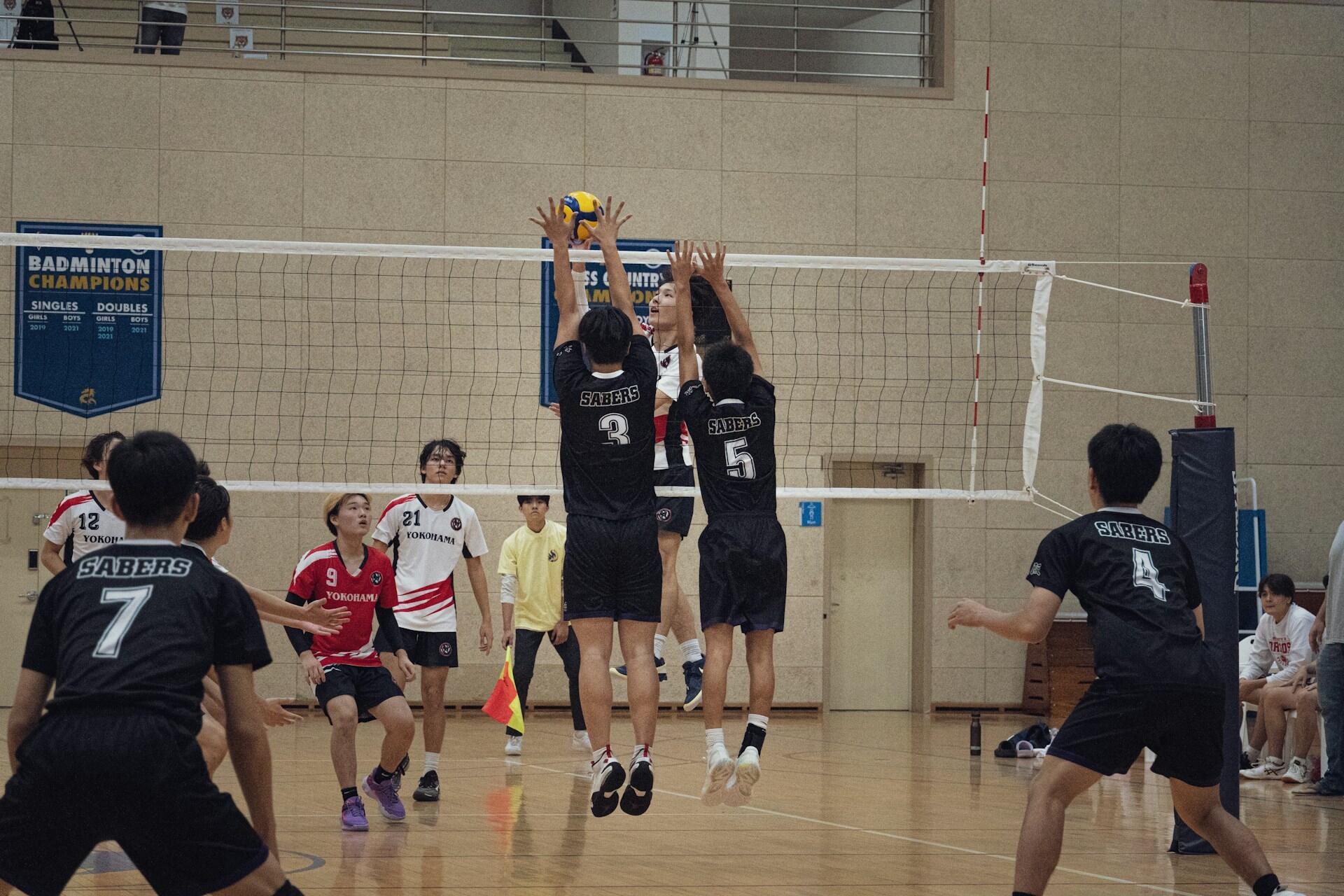
The defensive side of the middle hitter's responsibilities is predominantly blocking. Due to their position at the center of the front row, they're best-placed to shut down attacks.
Primary Blocking Duties
- Block the Opponent’s Middle Hitter: This is the most direct matchup. The middle hitter must track the opponent’s middle and time their jump with the setter’s release.
- Assist with Wing Blocks: Because the ball is often set to outside or opposite hitters, the middle must quickly move laterally to close the block with either the outside or right-side blocker.
- Read the Setter: Great middle blockers watch the opposing setter’s hands and shoulders to anticipate where the ball is going.
- Cover Tips and Off-Speed Shots: After a block, they should be ready to react to soft touches or redirections over the net.
Defensive Impact
- Pressure the Opponent’s Offense: A well-placed block can shut down even the best hitters. Strong middle blocking forces opponents to alter their hitting angles or avoid attacking zones altogether.
- Disrupt Timing: By jumping early or moving unpredictably, the middle can cause opposing hitters to hesitate, throw off their timing, and create hitting errors.
Timing and Anticipation
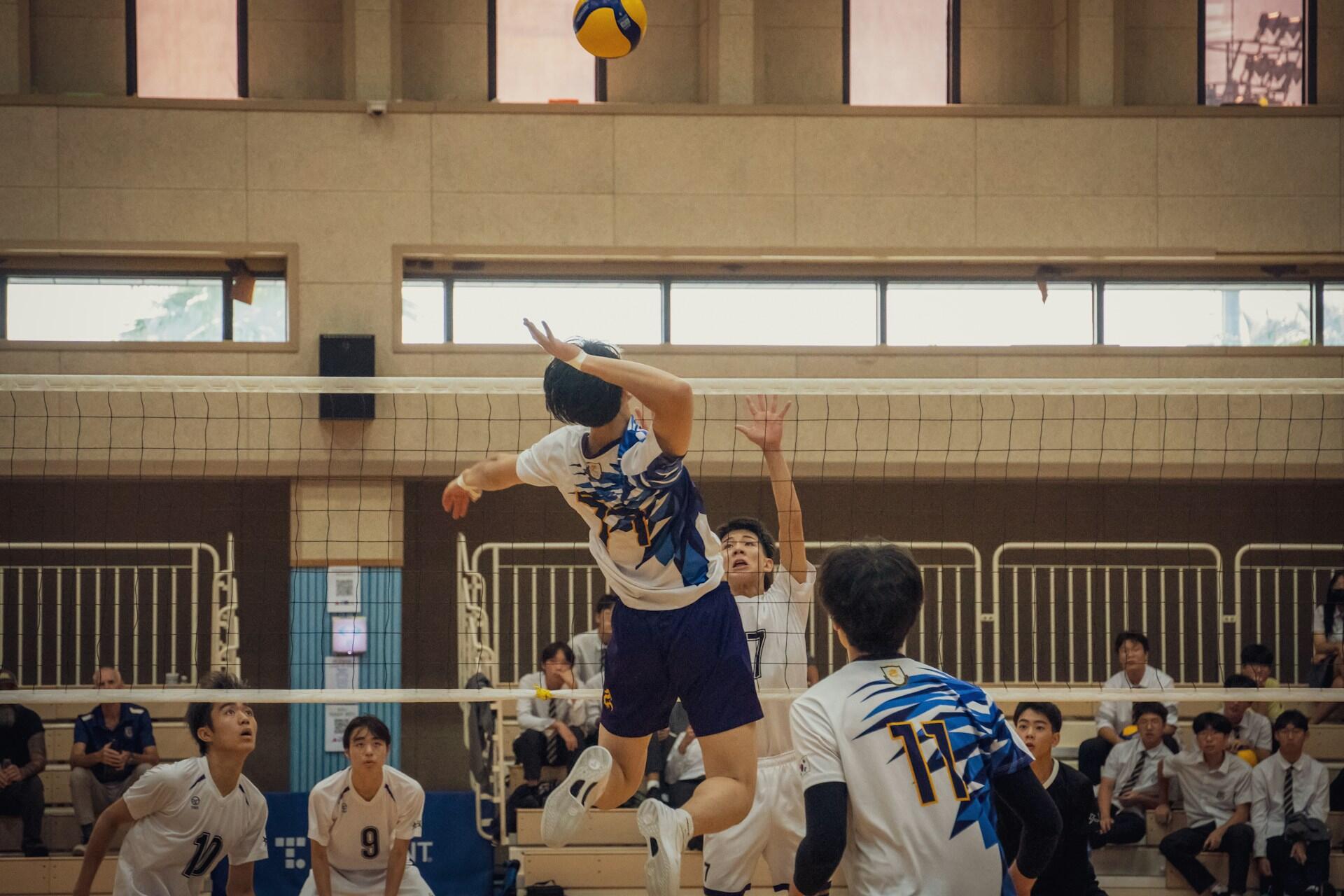
Unlike outside hitters who have more time to approach and adjust, middle hitters have to work in tight spaces with rapid plays, reacting and moving before the play has fully unfolded. Let's learn a bit more on why middle hitters need to excel in timing and anticipation in order to help their team.
Why Timing Matters
- Quick Sets Require Perfect Timing: Most middle attacks involve fast sets close to the net. These sets leave little room for error, so the hitter must jump just as the ball is released, not after.
- Beating the Block: A well-timed jump allows the middle to strike the ball before the blockers are fully in position, catching the defense off guard.
- Blocking Precision: Middle blockers also need to time their blocks to meet the hitter at the peak of their swing, not too early or too late.
Want to up your game? Watch this video.
Anticipation and Reading the Game
- Watch the Setter: A great middle anticipates the play by reading the opposing setter’s body language, arm position, and past tendencies.
- Know the Patterns: Top middle hitters study their opponents. They know when a team is likely to send a quick middle ball or push it outside based on rotations and recent plays.
- React to Shifts in the Play: When plays break down or the pass is off, middle hitters must adjust instantly either by transitioning to defense or becoming a secondary hitting option.
Transitioning Between Offense and Defense
The transitions between offense and defense make playing the middle hitter role one of the most physically demanding. Middle hitters have to go from blocking to attacking and back again, even in the span of a single rally.
Most coaches recommend practicing “block–retreat–approach” footwork drills to help middle hitters improve transition speed between defense and offense. Repetition builds muscle memory and game-readiness.
What Transitioning Looks Like
- From Block to Attack: After jumping to block, the middle hitter must land, quickly retreat a few steps off the net, and prepare for an immediate approach to attack, all in a couple of seconds.
- From Offense to Defense: If the attack doesn’t end the rally, the middle must quickly refocus, get in position, and prepare to jump for another block or cover a tip. Unlike a defensive specialist, who focuses primarily on one side of the game, the middle hitter covers both offense and defense.
Why Transition Is Critical
- Fast Plays Demand Faster Recovery: Many sets to the middle come quickly, and only if the hitter is ready. A late transition means the opportunity is lost.
- Tiring but Essential: Consistent, explosive transitions separate good middles from great ones. Without them, teams lose tempo and effectiveness.
- Affects Team Timing: Setters rely on the middle being in position. A delayed transition can disrupt the setter's rhythm and limit offensive options.
Tips for Better Transitioning
Stay low and balanced after landing from a block.
Use short, explosive steps, not long strides, to get off the net quickly.
Keep your eyes on the ball and setter while resetting your position.
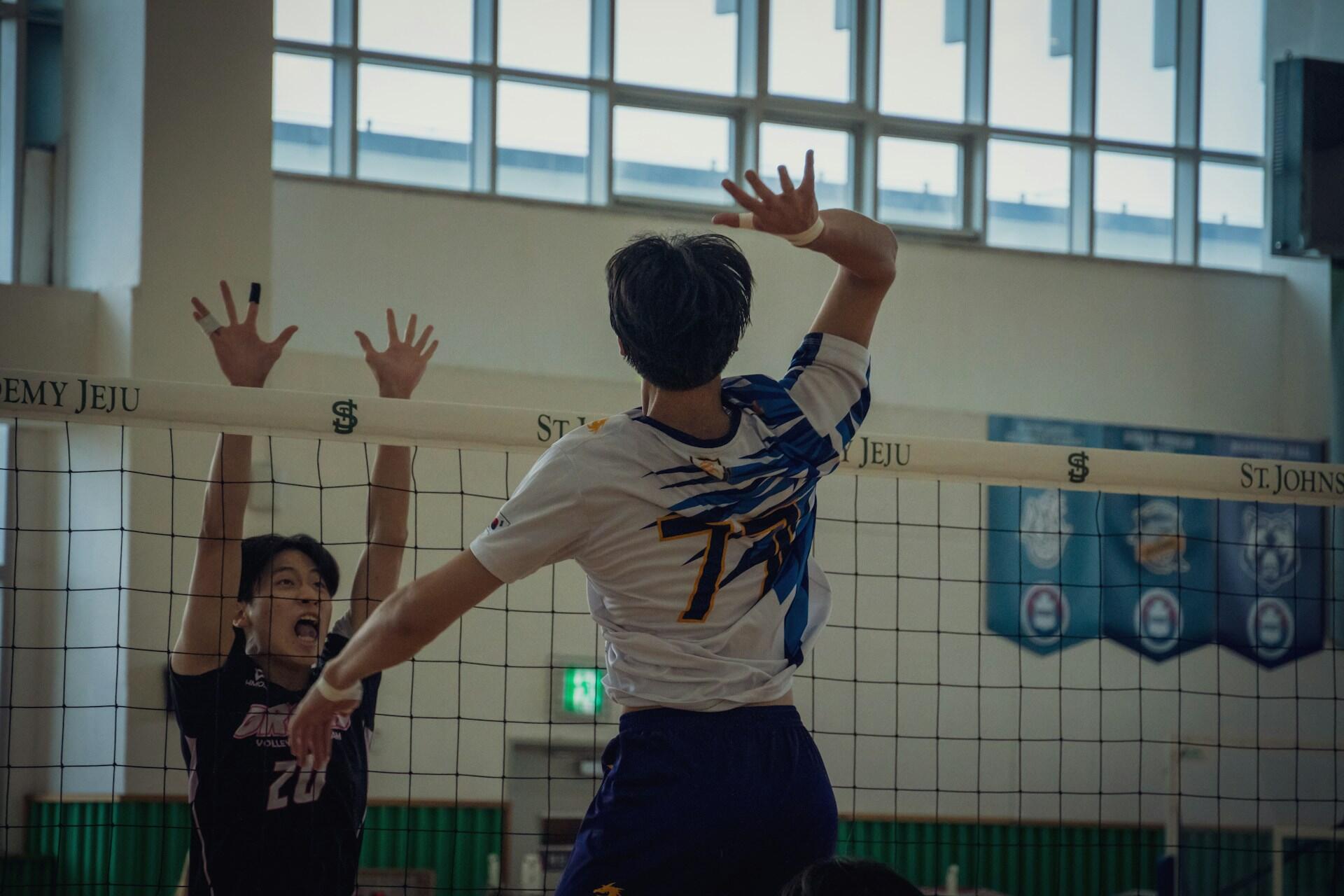
Communication and Court Presence
The middle hitter must communicate and connect with the front row and the rest of the team, including specifically back-row players like the libero. Their central positioning requires them to organize blocks, anticipate plays, and synchronize with setters and other hitters.
Why Communication Matters
- Coordinating Blocks: The middle hitter must communicate with the outside and right-side blockers to form a unified block. This means identifying opponent tendencies, adjusting timing, and determining when to commit or read.
- Reading the Setter: Effective middles identify and counter opposing setter habits, such as quick sets, dumps, or patterns, to warn teammates and adjust the block accordingly.
- Offensive Timing: Middle hitters and setters must constantly check in during matches. A well-timed quick set depends on both players being in sync, often requiring verbal cues or quick eye contact.
Presence on the Court
- Energy and Confidence: Middles set the tone. A fired-up middle after a big block can lift the entire team. Their energy and body language impact momentum.
- Defensive Leadership: From the center of the net, the middle often sees the entire play develop. They’re in a great position to direct the front-row defense and shift teammates to cover attacks or tips.
Tips for Stronger Presence
- Talk early and often. Call out blocks, reads, and matchups.
- Be a vocal leader after big plays, blocks, kills, or even smart coverages.
- Build trust with your setter through consistent feedback and eye contact.
Famous Middle Hitters to Know
Many of the greatest volleyball players have been middle hitters. They've demonstrated what can be achieved offensively and defensively in the same role, showcasing their timing, power, and commanding net presence. Here are a few you should know about.
🇺🇸 Foluke Akinradewo (USA)
🏐 Team: USA Women's National Team
#Number: 16
🇺🇸 Max Holt (USA)
🏐 Team: USA Men's National Team
# Number: 12
🇹🇷 Eda Erdem (Turkey)
🏐 Team: Turkey Women's National Team
# Number: 14
Master the Middle Hitter Role with a Coach
By working with a coach, you can enjoy customized drills, receive feedback on your technique, and benefit from mental training. With Superprof, you can search for private volleyball coaches and tutors across the country and around the world.
With most coaches offering the first session for free, you can test a few options to find the teaching style that best matches your goals, budget, and learning style. Whether you want to focus on transitions, improving your block form, or are an absolute beginner wanting to learn how to play, search for volleyball on the website today!
Summarize with AI:
Did you like this article? Leave a rating!

 Loading...
