

An outside hitter should always be thinking, ‘I’m going to get this point. I’m going to save this team.'
Mark Barnard, Former Oregon State Volleyball Coach
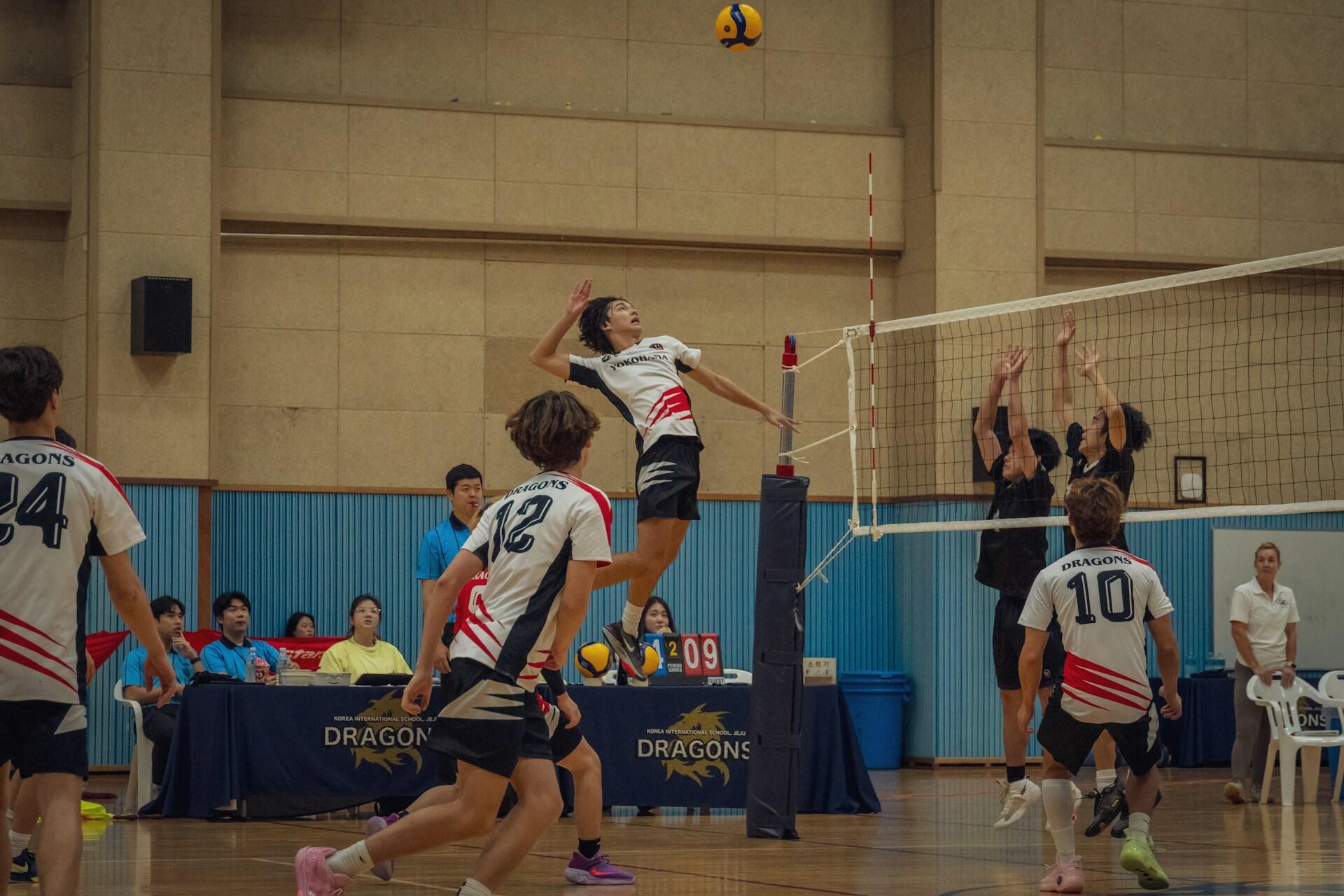
The outside hitter in volleyball is usually the team's primary attacker. Positioned on the left side of the court, their role involves both offense and defense. Thanks to their versatility, power, and consistency, the outside hitter is often thought of as one of the most important and demanding positions on any volleyball team.


What Is an Outside Hitter in Volleyball?
The outside hitter, also known as the left-side hitter, is a volleyball position and the player who attacks from the front left position (Position 4) and rotates through responsibilities in both the front and back rows. Usually one of the most heavily relied-upon players, particularly during high-pressure points or when the team is out of system, the outside hitter is a demanding role.
The outside hitter typically starts in Position 4 (front-left) but plays through all six rotations.
Outside hitters receive sets from the setter and attack to score points. However, they also have a vital role in defense, passing in serve receive, blocking on the left side, and covering tips or off-speed shots. Usually playing six rotations, outside hitters need to have strong all-around skills and formidable endurance.
This position demands:
- Powerful, consistent hitting
- Reliable serve receive passing
- Quick transitions between offense and defense
- Good communication and teamwork
In a large number of volleyball situations, the outside hitter is the go-to player. Coaches will count on them for their leadership, energy, and stability.
Why the Outside Hitter Is So Important to the Team
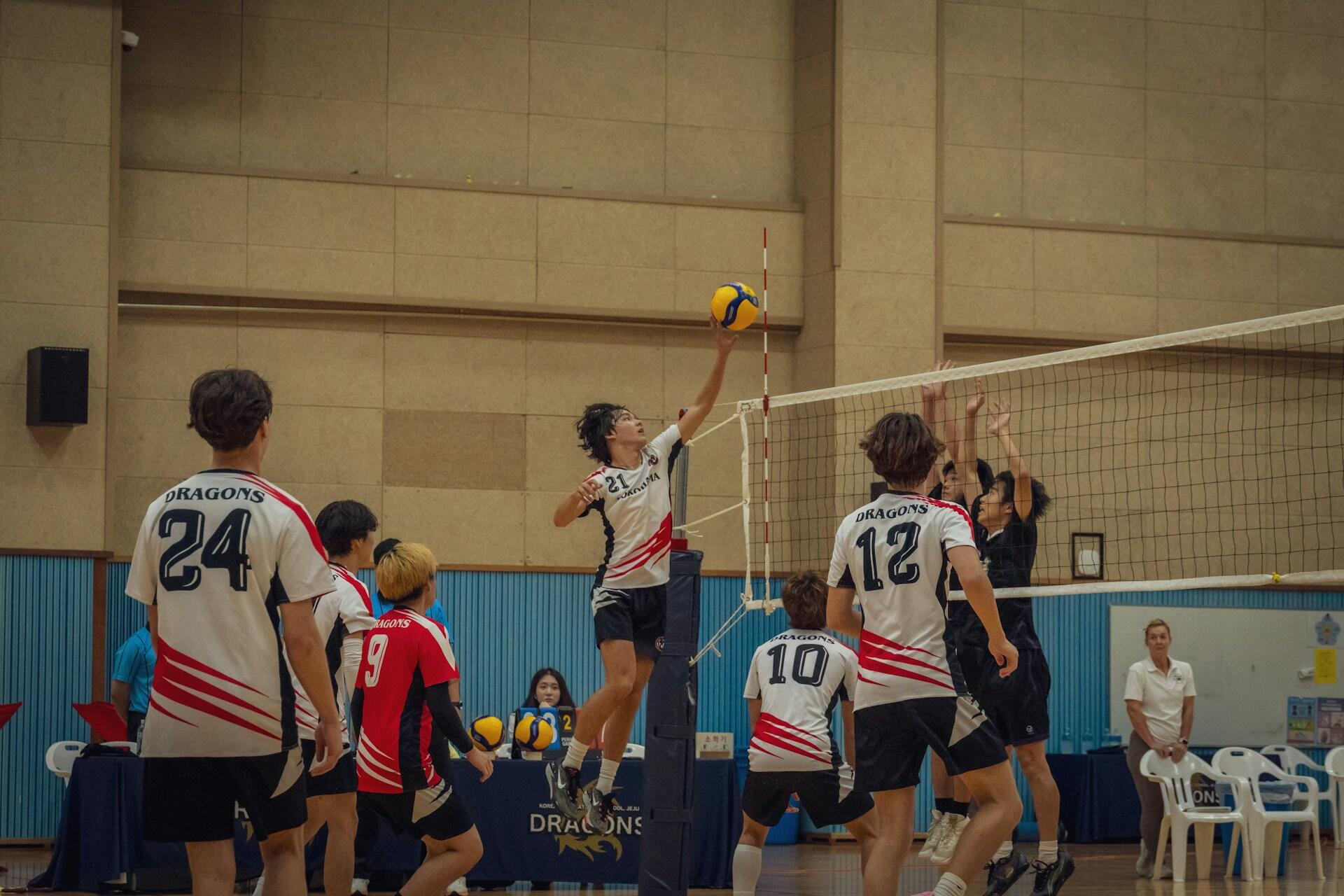
The outside hitter is the backbone of the offense. While volleyball is undoubtedly a team sport, the outside hitter can take on a leadership role since they're regularly involved in rallies.
In many matches, outside hitters:
- Take the most swings across all sets
- Provide a reliable option when the team is out of system
- Anchor serve receive patterns and passing formations
- Lead both emotionally and tactically, especially in tight sets
Outside hitters score points, make plays, set the tone, and solve problems for the team. They can step in to cover a shaky pass, lead a run of points at the net, or pick up a key defensive dig. At the highest levels of play, such as collegiate, professional, and Olympic volleyball, the outside hitter is one of the most decorated roles due to the significant contributions they make and while they don't get a contrasting jersey like the libero, you'll regularly see them in highlight reels.
Core Responsibilities of the Outside Hitter
Outside hitters have offensive and defensive duties throughout a volleyball match. Their responsibilities are part of every phase of play, which require a combination of technical skills, physical abilities, and high volleyball IQ.
In many matches, the outside hitter receives the highest number of sets from the setter, especially in out-of-system plays.
Front Row Attacking
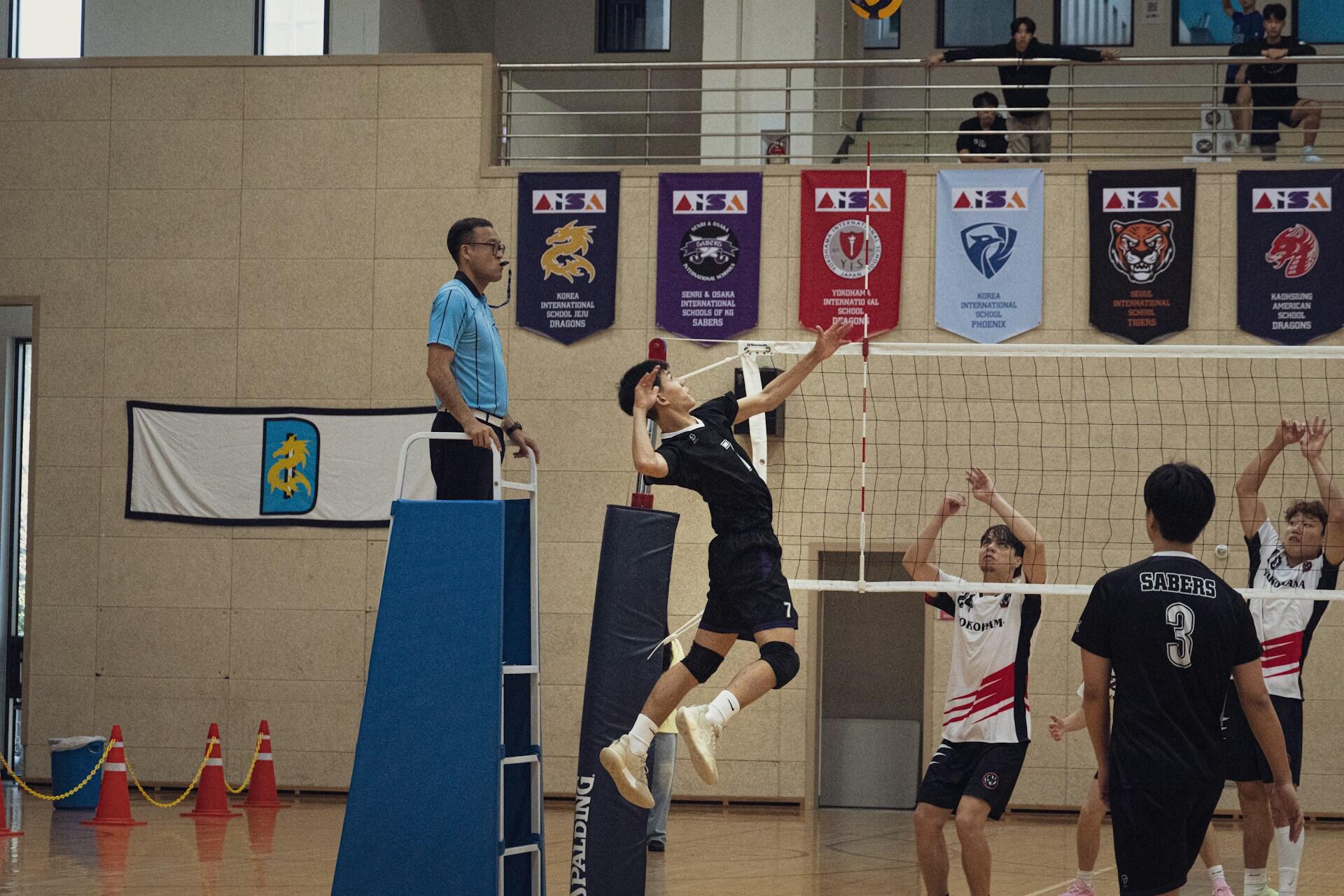
The outside hitter's main offensive duty is to attack from the front left (Position 4). They have to take sets from the setter or even difficult out-of-system balls and look to convert them into scoring opportunities.
Responsibilities include:
- Executing a variety of attacks: cross-court, line, and off-speed shots
- Making smart decisions under pressure
- Staying available as a reliable outlet, even when the play breaks down
Serve Receive Passing
Outside hitters are often part of the serve receive formation. They regularly need to deliver high-quality passes to the setter.
Responsibilities include:
- Reading the server and adjusting position
- Maintaining proper platform angles and footwork
- Providing consistent and accurate passes under pressure
Blocking on the Left Side
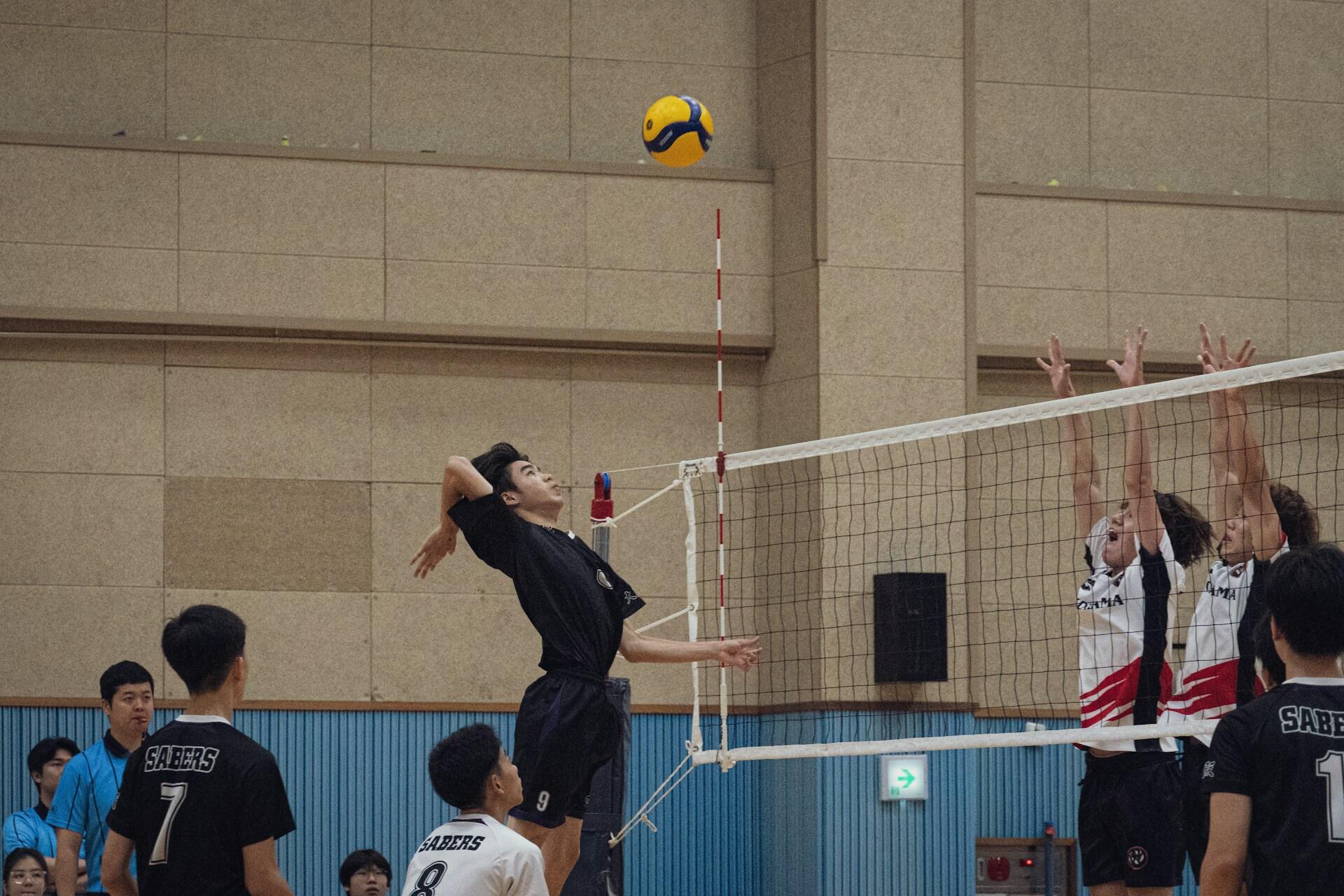
Outside hitters need to block against the opponent's opposite hit. Given this is usually one of the opposition's strongest players, this is a challenging feat.
Responsibilities include:
- Timing jumps and pressing over the net
- Working with the middle blocker to form an effective block
- Reading the opposing setter to anticipate the play
Back Row Defense
When the outside hitter rotates into the back row, they have to continue to defend against attacks and cover the court.
Responsibilities include:
- Digging hits from the opposing team’s left-side attacker
- Covering tips and off-speed shots
- Transitioning quickly from defense to attack when needed
Serving
A lot of outside hitters serve. They're expected to put pressure on the opponent with accurate and strategic serves.
Responsibilities include:
- Placing serves in weak passing zones
- Varying between float, jump, or hybrid serves depending on team needs
- Staying composed and consistent in high-pressure situations
Essential Skills Every Outside Hitter Needs
With outside hitters playing all six rotations, they're constantly involved in the action. This means they need a range of volleyball skills. Not just attackers, they're passers, blockers, defenders, and leaders on the court!
Consistent and Powerful Hitting
An outside hitter has to hit with power and accuracy. This is even more important when hitting from imperfect sets.
Key elements:
- Arm swing mechanics that generate speed and control
- Ability to hit from both in-system and out-of-system sets
- Vision to find open space or tool the block
Reliable Serve Receive
As one of the first contacts in several plays, their serve receive passing has to be really strong. This means they have both physical and mental demands on them when serving.
Key elements:
- Clean platform angles
- Calm under pressure
- Quick footwork and court positioning
Smart Decision-Making
It's up to the outside hitter to make choices under pressure. They need to know when to swing hard, when to tip, and when they should keep the play alive.
Key elements:
- Reading the opposing blockers and defense
- Adapting to the situation (off-speed vs. full power)
- Staying mentally composed
Effective Blocking
Facing off against the right-side hitters, outside hitters have to work with the middle blocker to form a strong front. This requires key strategic decisions as well as physical fitness.
Key elements:
- Timing and positioning
- Pressing hands over the net
- Reading the opponent’s set and hitter approach
Defensive Hustle
The best outside hitters are great defenders, too. This means that their back-row defense is as important as their role in the front row.
Key elements:
- Quick reaction time
- Reading off-speed shots and tips
- Willingness to sacrifice their body to keep the ball alive
Stamina and Mental Toughness
Since outside hitters play all six rotations, they need high energy and sharp focus throughout the match. They can't let their guard down at any point.
Key elements:
- Physical conditioning to stay consistent
- Positive body language and leadership
- Focus in high-pressure situations
Want to become a better outside hitter? Watch this.
Outside Hitter vs. Opposite Hitter: What’s the Difference?
Both the outside hitter and the opposite hitter are front-row attackers. However, their roles are different in terms of positioning, responsibilities, and style of play. For anyone looking to develop their play or help their coach assign roles, here are the main differences.
Court Positioning
- Outside Hitter: Plays on the left side (Position 4) when in the front row.
- Opposite Hitter: Plays on the right side (Position 2), directly opposite the setter.
Offensive Role
- Outside: Often receives more sets, especially in tough or broken plays. Must be consistent and reliable even when out-of-system.
- Opposite: Attacks from the right side, often used for high-powered hits and quick finishes. Not typically involved in serve receive.
Defensive Responsibilities
- Outside: Plays full rotation, also unlike defensive specialists, contributes heavily in serve receive and back-row defense.
- Opposite: Usually avoids serve receive; their defensive duties are more focused on blocking and occasional digging.
Blocking Assignments
- Outside: Blocks against the opposing opposite hitter, often one of the strongest attackers.
- Opposite: Blocks against the opponent’s outside hitter, typically their primary attacker.
Skills Required
| Skill | Outside Hitter | Opposite Hitter |
|---|---|---|
| Serve Receive | Strong and consistent | Rarely required |
| Hitting Under Pressure | Critical | Important |
| Blocking | Reads right-side attacks | Anchors against left-side swings |
| Defensive Coverage | Full back-row defense duties | Less frequently involved |
| Versatility | High (all six rotations) | Moderate (mainly front row) |
Top Outside Hitters in Volleyball Today
Some of the game's most iconic athletes are outside hitters. They're famous for powerful spikes, reliable passing, and game-changing input. Here are just a few of the outside hitters you should be paying attention to:
🇨🇳 Zhu Ting (China)
🇺🇸 Kerri Walsh Jennings (USA)
🇵🇱 Wilfredo León (Poland)
🇺🇸 Jordan Larson (USA)
🇫🇷 Earvin N’Gapeth (France)
Learn to Play Outside Hitter with a Coach
You need more than raw power to become an outside hitter. You need to focus on precision, consistency, and making informed decisions. What better way to do this than with a private volleyball coach?
On Superprof, you can search for private volleyball coaches and tutors to help you with your game. With experienced and qualified coaches all over the country and around the world, you're bound to find a good fit for your goals. With many offering the first session for free, you can try out potential coaches before choosing the right one. Search for 'volleyball' on the Superprof website today, and you can start comparing profiles, rates, and even reviews from other customers.
Summarize with AI:
Did you like this article? Leave a rating!

 Loading...
