
Physics has evolved through centuries of bold ideas, unexpected breakthroughs, and the relentless curiosity of remarkable thinkers. From the earliest efforts to describe motion to modern advances in particle physics and cosmology, each generation has produced individuals whose insights transformed the way we interpret nature. The table below gives an overview of the major physicists featured in this article, including their lifespans and their most notable contributions.
| Physicist | Years Alive | Key Discovery |
|---|---|---|
| Isaac Newton | 1643–1727 | Laws of Motion & Universal Gravitation |
| Albert Einstein | 1879–1955 | Theory of Relativity |
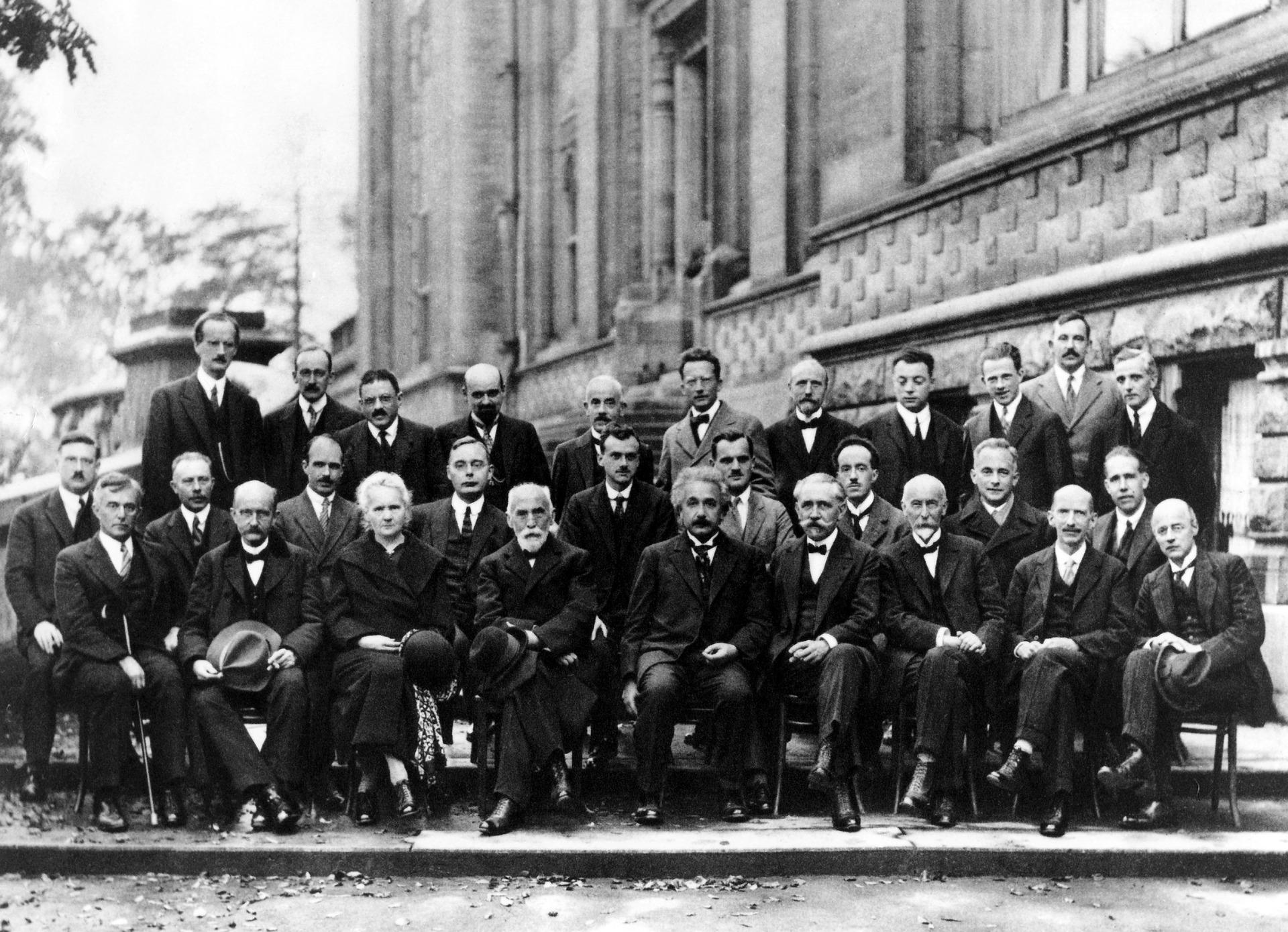
| Niels Bohr | 1885–1962 | Bohr Model of the Atom |
| James Clerk Maxwell | 1831–1879 | Electromagnetic Theory |
| Marie Curie | 1867–1934 | Radioactivity |
| Lise Meitner | 1878–1968 | Nuclear Fission (theoretical explanation) |
| Chien-Shiung Wu | 1912–1997 | Parity Violation in Weak Interaction |
| Steven Weinberg | 1933–2021 | Electroweak Theory |
| Michio Kaku | 1947– | String Theory Popularization |
| Donna Strickland | 1959– | Chirped Pulse Amplification |



Pioneering Physicists and Their Contributions
The early history of physics rests on the work of several remarkable scientists whose theories created the foundation for the field. Their discoveries shaped classical mechanics, electricity, magnetism, relativity and quantum theory. These contributions continue to guide modern research and remain a central part of physics education. The figures below changed the way people understand motion, energy and the structure of matter.
Isaac Newton (1643–1727)
Isaac Newton’s work shaped the foundations of modern science. His three laws of motion and his description of universal gravitation unified the physics of the heavens and the Earth.
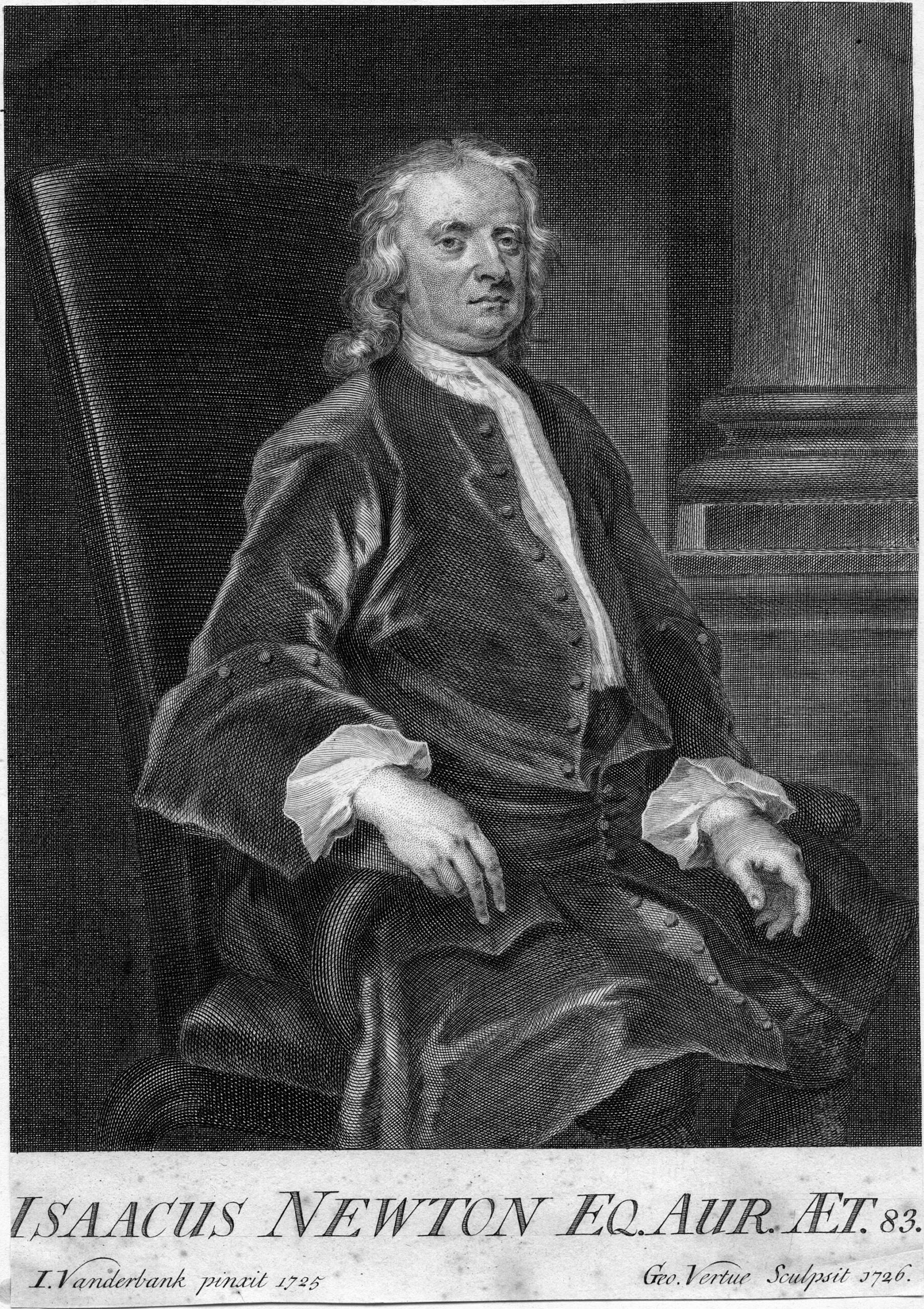
Published in Philosophiæ Naturalis Principia Mathematica, his ideas set the course for centuries of scientific progress and remain essential in physics education today. Newton’s influence reached far beyond physics, shaping mathematics and astronomy as well.
His method of calculus provided new tools for describing change in nature. He also spent years studying light and optics, uncovering the spectrum hidden inside white light. His broad curiosity made him one of history’s most versatile thinkers.
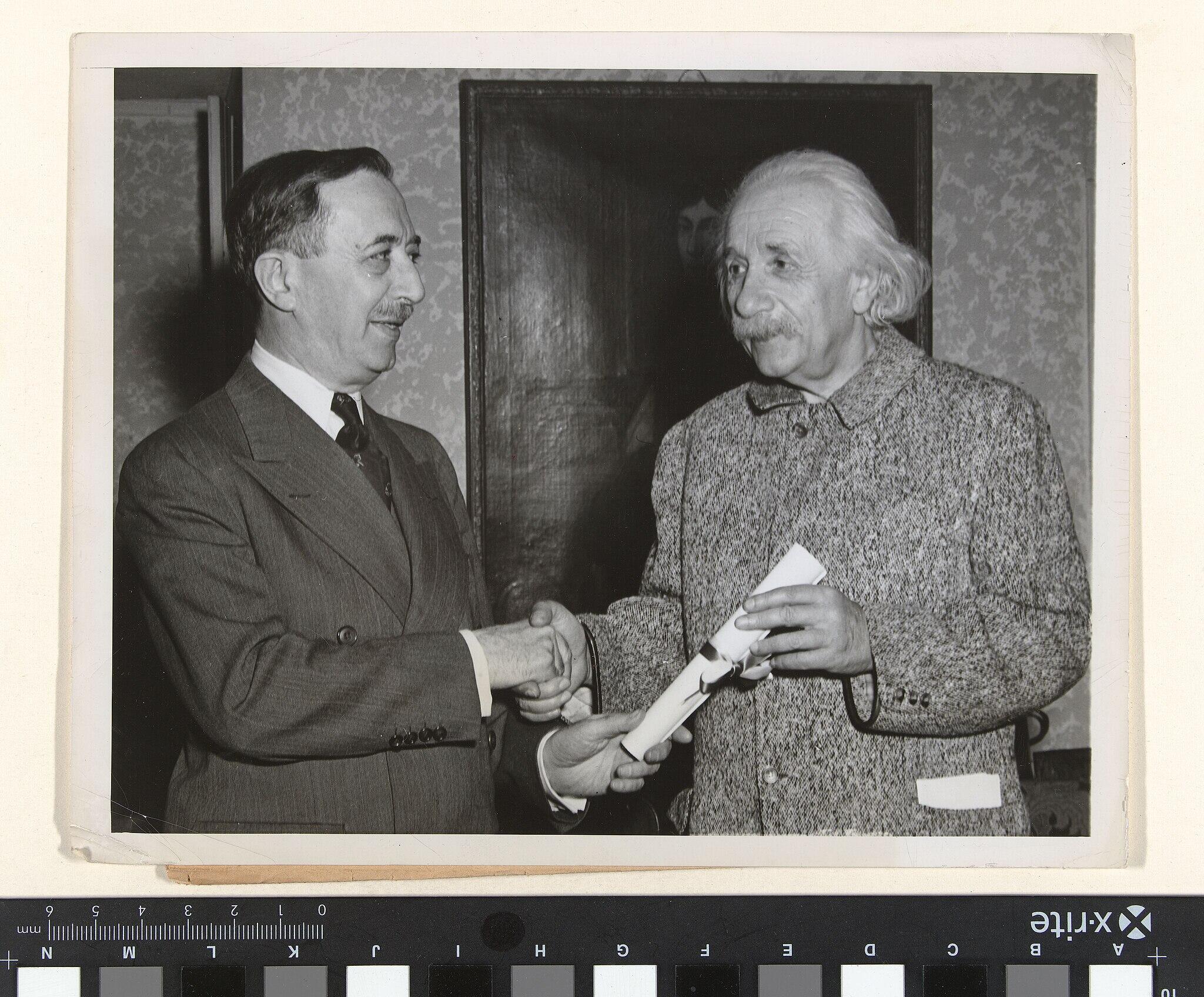
Albert Einstein (1879–1955)
Imagination is more important than knowledge.
Albert Einstein
Albert Einstein redefined nearly everything we thought we knew about space and time. With the Special and General Theories of Relativity, he revealed the deep connection between mass, energy, and the geometry of the universe. His equation E = mc² is one of the most recognized scientific formulas in existence. Einstein’s work also guided the development of modern cosmology. His equations predicted black holes, gravitational waves, and the expansion of the universe, ideas confirmed long after his lifetime. He remained active in scientific debates throughout his career, often challenging traditional thinking. His legacy continues to inspire physicists around the world.
James Clerk Maxwell (1831–1879)
James Clerk Maxwell unified electricity, magnetism, and light with his elegant mathematical framework known as Maxwell’s equations.
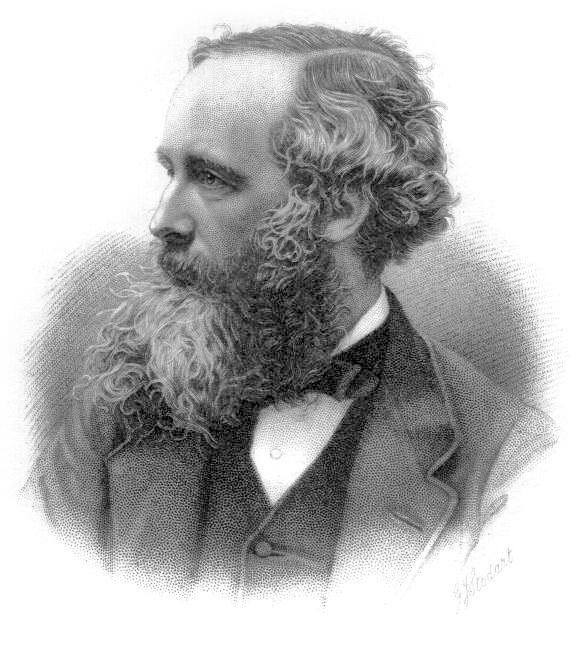
These discoveries laid the groundwork for radio, telecommunications, and nearly every modern electronic technology. Maxwell’s equations showed that electricity and magnetism are two sides of the same phenomenon. His work predicted the existence of radio waves before they were detected. Many scientists consider his contributions equal in importance to those of Newton and Einstein. His theories shaped the technological advancements of the twentieth century.
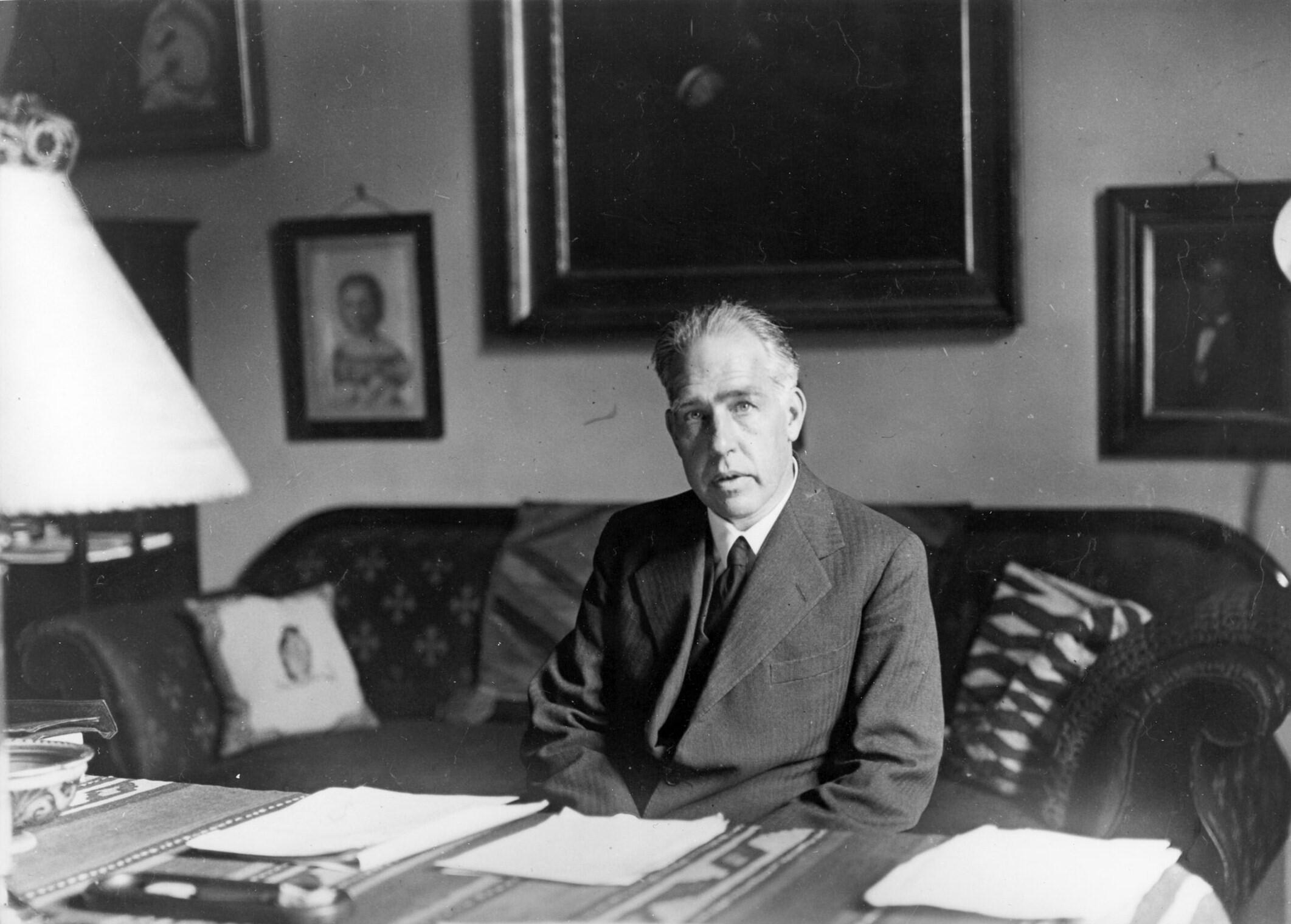
Niels Bohr (1885–1962)
Niels Bohr introduced a revolutionary model of the atom by proposing quantized electron orbits, marking a turning point in the study of atomic structure. His ideas helped launch the field of quantum mechanics and brought clarity to previously puzzling experimental data. Bohr also contributed to discussions about the nature of scientific knowledge. His ideas about complementarity helped shape the philosophical foundations of quantum mechanics. He mentored many young researchers who later became leading physicists. His institute in Copenhagen became an important center for scientific collaboration during a crucial period of discovery.
Richard Feynman (1918–1988)
Richard Feynman reshaped theoretical physics with his contributions to quantum electrodynamics and his creation of Feynman diagrams, simple sketches that reveal the dance of particles at the smallest scales. His lively teaching style made him one of the most memorable physicists of the 20th century.
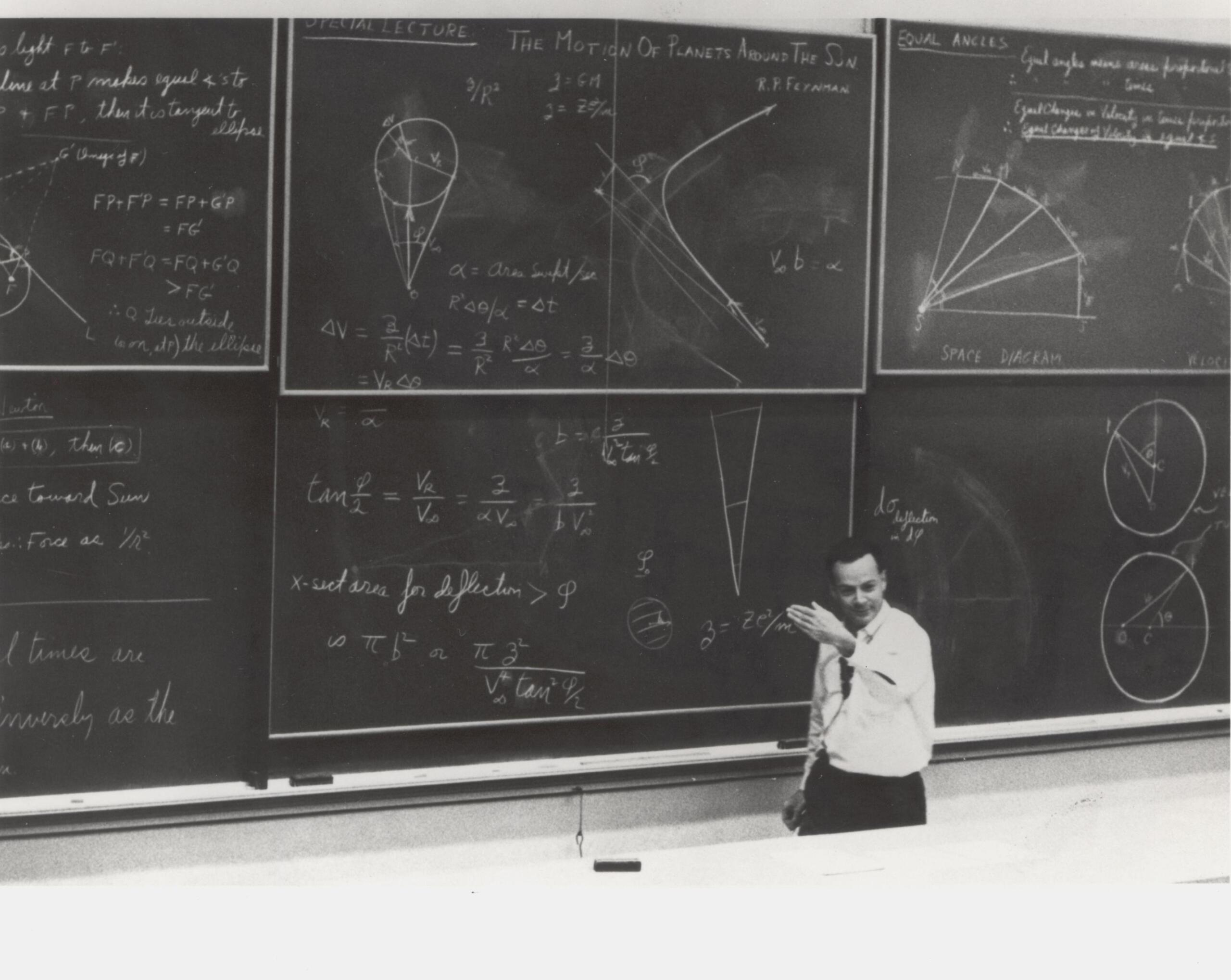
Feynman played an essential role in explaining complicated ideas in simple, memorable ways. His lectures remain popular among students for their clarity and energy. He contributed to the study of superfluidity and particle interactions, expanding the reach of quantum theory.
His curiosity and creativity left a lasting impression on scientific culture.
If you think you understand quantum mechanics, you don’t understand quantum mechanics.
Richard Feynman
Influential physicists introduce ideas that reshape fields of study. Their discoveries open new research paths and change how scientists understand nature at its most basic level.
Trailblazing Female Physicists
Many women made important contributions to physics even when they had limited access to laboratories and academic positions. Their work shaped entire scientific fields and introduced new ways of studying the natural world. The scientists highlighted here influenced nuclear physics, crystallography, particle physics, and atomic research. Each of them expanded the limits of what was possible in their time.
Marie Curie (1867–1934)
Marie Curie made history as the first woman to win a Nobel Prize and the only person to receive the award in two different scientific disciplines. Her investigations into radioactivity and her discovery of radium and polonium changed physics, chemistry, and medicine. Curie’s research changed how scientists approached the study of atoms. She spent long hours refining samples and measuring radiation with great precision. Her efforts led to important medical treatments that are still used today. Curie also encouraged other women to pursue scientific careers, leaving a powerful example for future generations.
Lise Meitner (1878–1968)
Lise Meitner played a central role in identifying the process of nuclear fission.
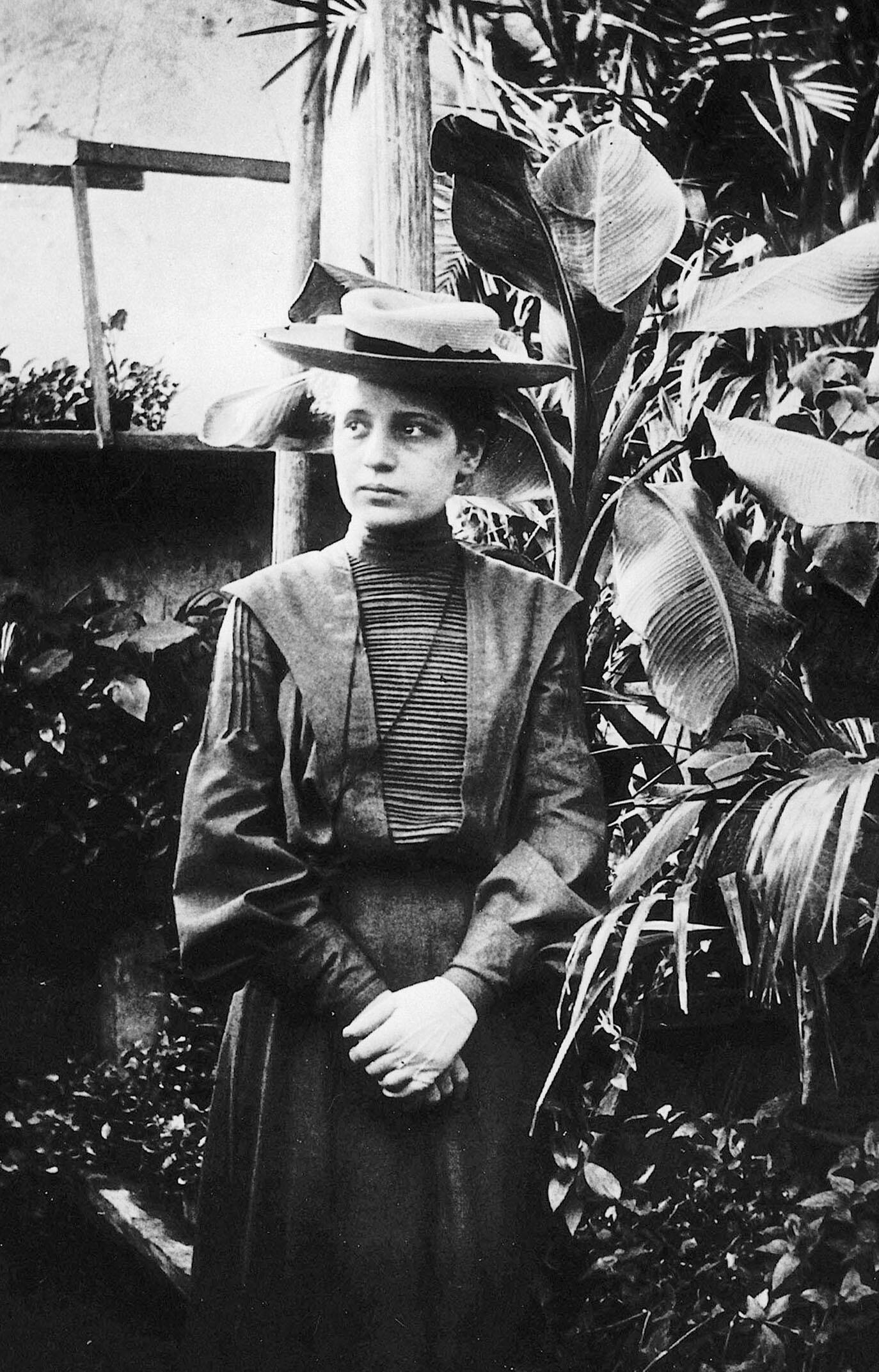
Although she was excluded from the Nobel Prize awarded for the discovery, her theoretical explanation remains one of the key achievements in nuclear physics.
Meitner worked closely with colleagues to interpret experimental results that puzzled scientists for years. Her clear reasoning and theoretical skill helped explain what was happening inside the nucleus.
She later became a strong voice for scientific integrity. Her career reflected determination, resilience, and a deep commitment to understanding nature.
Chien-Shiung Wu (1912–1997)
Chien-Shiung Wu led the landmark experiment that proved parity violation in weak nuclear interactions, overturning a major assumption in physics. Her contributions were instrumental to particle physics and earned her international recognition as one of the most accomplished experimental physicists of her time. Wu’s experimental skill earned respect worldwide. She designed studies with exceptional precision, producing results that often settled major scientific questions. Her work influenced both nuclear physics and particle theory. Despite obstacles, she built a distinguished career that continues to inspire young scientists, especially women pursuing research in physics.
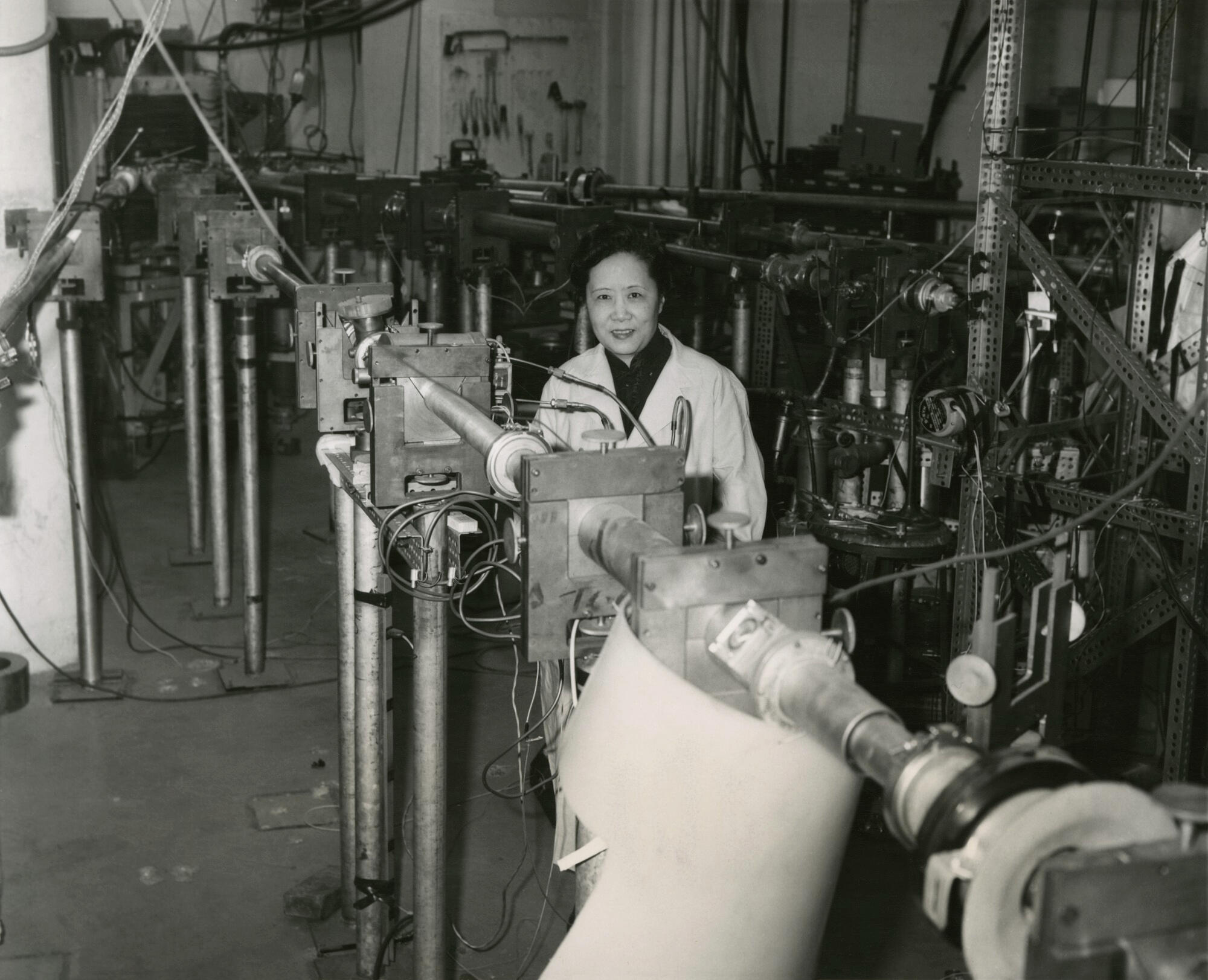
(Science Service (Smithsonian Institution) - Restored by Adam Cuerden, No restrictions, via Wikimedia Commons)
Rosalind Franklin (1920–1958)
Rosalind Franklin’s precision and expertise in X-ray diffraction produced the data that helped reveal the structure of DNA.
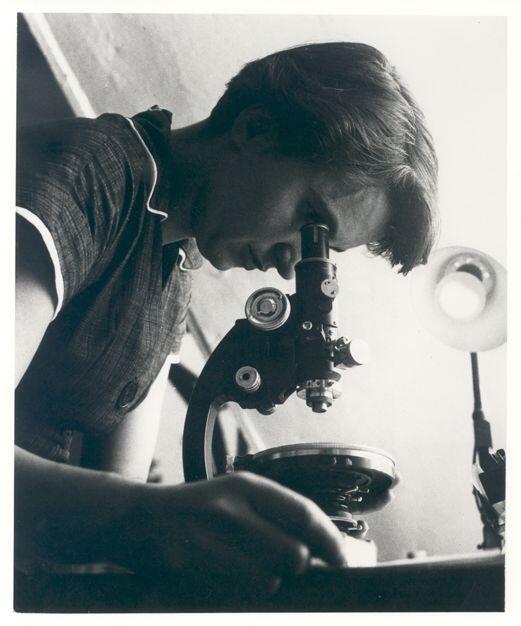
Her work also advanced the understanding of molecular physics, viruses, and crystallography. Franklin’s careful approach to experimentation produced images of remarkable clarity. Her methods improved the understanding of structures found in viruses, coal, and minerals. Although her contributions were not fully recognized during her lifetime, her work is now honored as essential to molecular science. Her dedication set a standard for careful research.
You can find out more about the women physicians who have influenced science today!
Quantum Mechanics
Electromagnetism
Relativity
Nuclear Physics
Cosmology
Laser Science
Atomic Structure
Contemporary Physicists Shaping the Future
Physics continues to grow through the work of researchers who explore the limits of matter, energy, and the structure of the universe. New approaches in cosmology, quantum information, and laser science are opening paths to discoveries that once seemed impossible. The scientists below contribute to both research and public understanding of advanced concepts. Their work shows where physics may go in the next century.
Michio Kaku (1947– )
Michio Kaku works at the frontier of theoretical physics, focusing on string theory and the search for a unified explanation of the forces of nature. He is also known for his ability to bring scientific ideas to the public in a clear and inspiring way. Kaku continues to explore the possibility of unifying the laws of physics into a single theory.
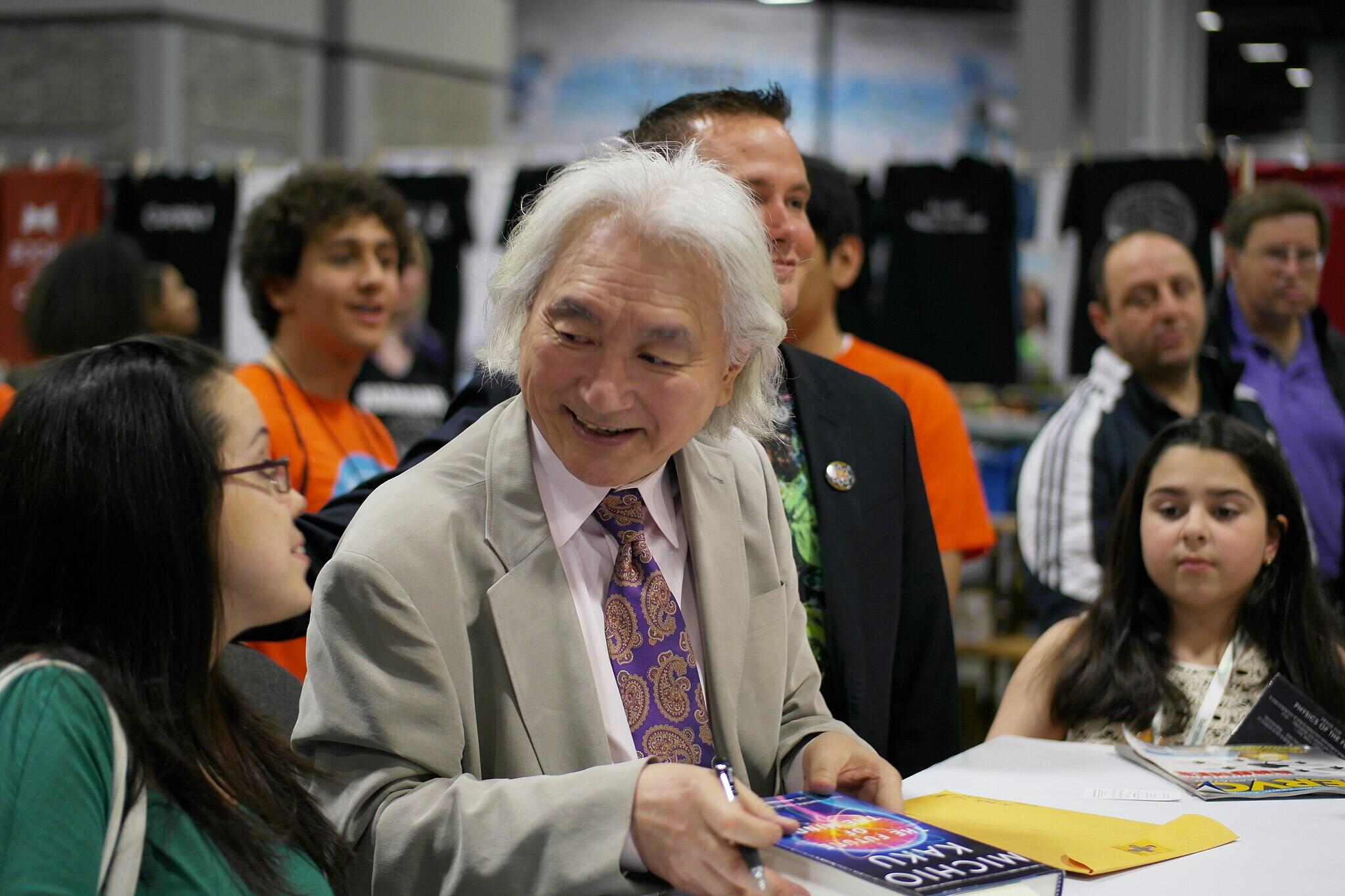
He writes and speaks extensively about the future of technology and scientific progress. Many students discover their interest in physics through his books and interviews. His ability to connect science with everyday life remains a key strength.
Brian Greene (1963– )
Brian Greene is a leading figure in the development of string theory, contributing important insights into spacetime and the origins of the universe. He also co-founded the World Science Festival to promote public engagement with science. His research has shaped discussions about the fabric of space and time.
His work often blends advanced mathematics with ideas about higher dimensions. He has also focused on public outreach, creating programs that bring science to broader audiences.
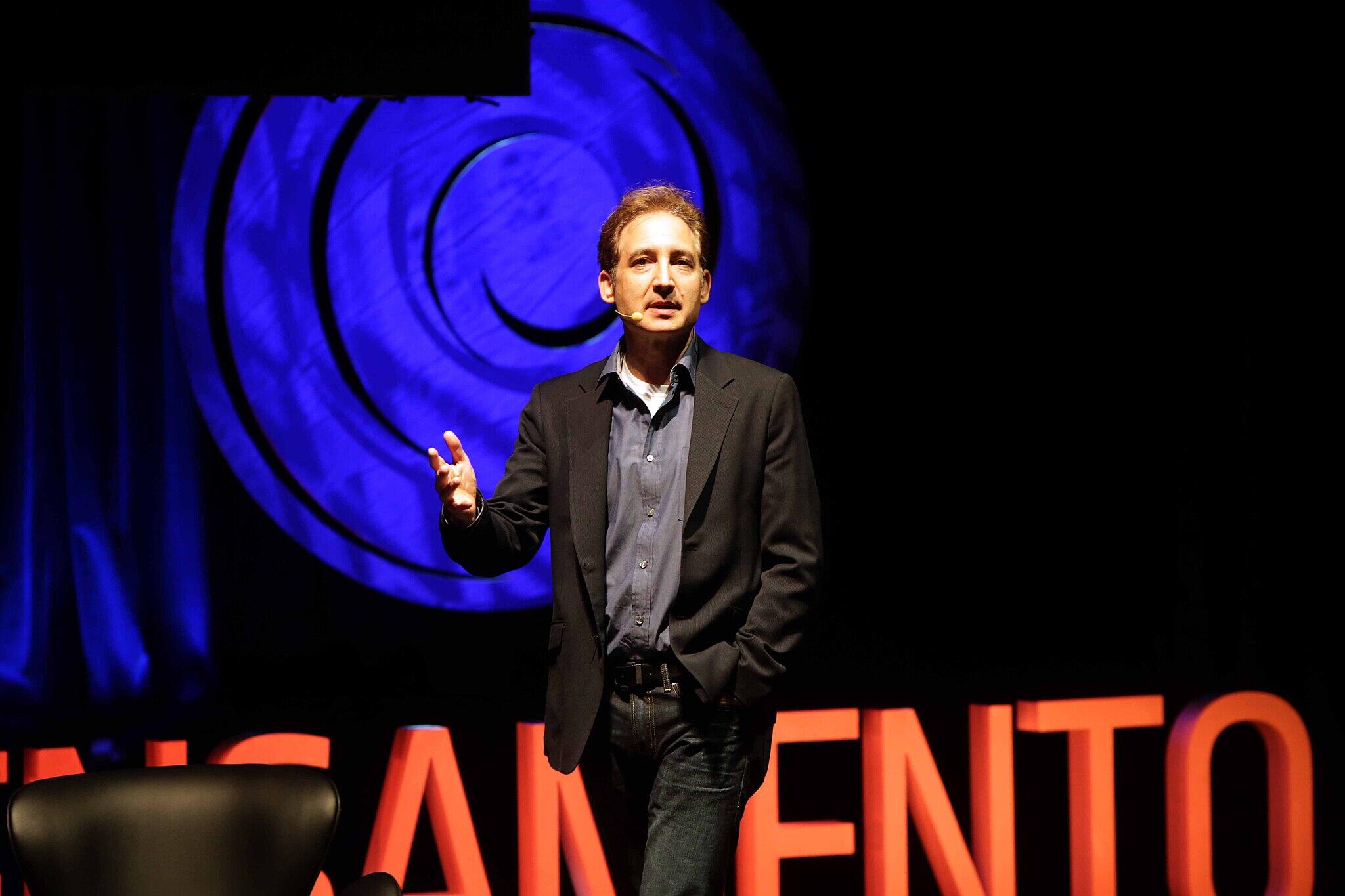
His efforts help bridge the gap between complex research and public curiosity.
Would you like to read on the most famous historical physicians?
Donna Strickland (1959– )
Donna Strickland earned the Nobel Prize in Physics for her work on Chirped Pulse Amplification, a breakthrough that allows lasers to reach extraordinary intensities. Her research reshaped laser technology and opened new paths in medicine and industry.
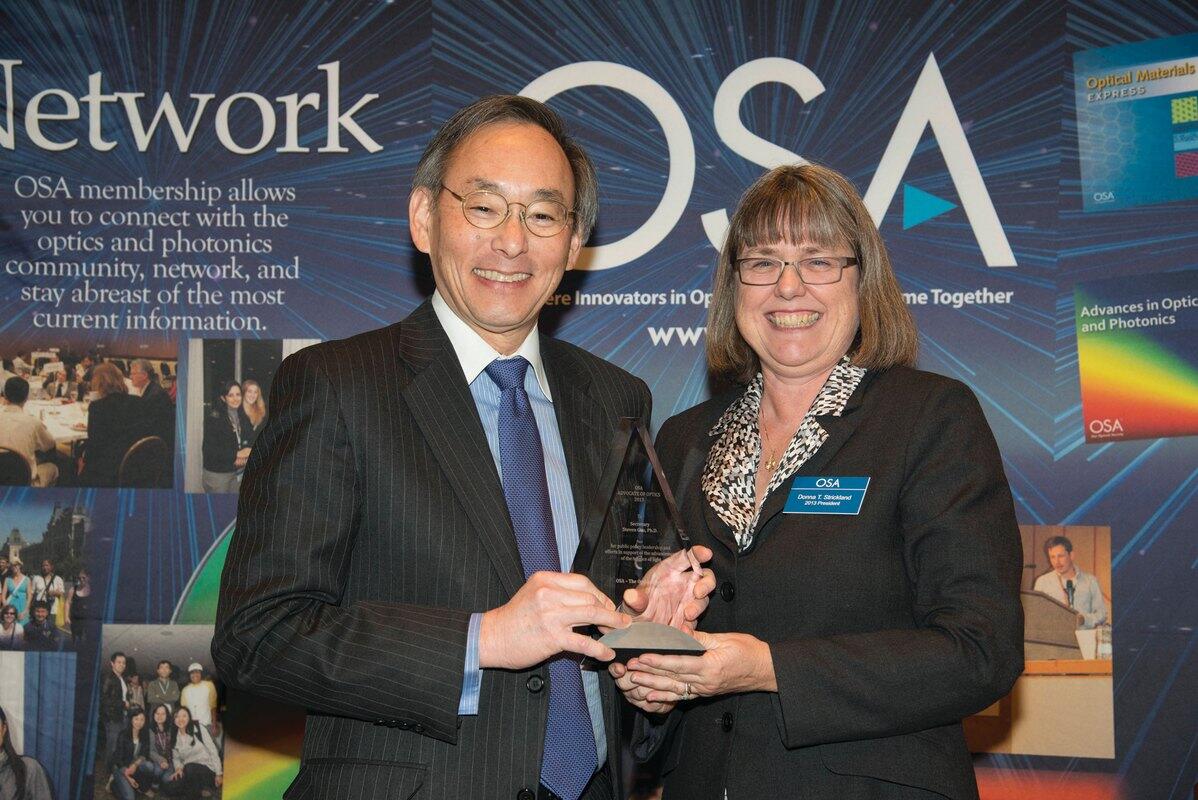
Strickland’s development of Chirped Pulse Amplification opened new possibilities in laser research. Her technique created lasers powerful enough for precise cutting and medical applications. She continues to work in optical physics and supports opportunities for women in science.
Her achievements highlight the importance of innovation in experimental research.
Steven Weinberg (1933–2021)
Steven Weinberg’s contributions to the electroweak theory helped unify two fundamental forces of nature.
His work remains a cornerstone of the Standard Model, one of the key achievements in modern physics. Weinberg’s writings helped explain difficult concepts in an accessible way.
His textbook on quantum field theory remains a standard reference for students and researchers. He contributed to many areas of theoretical physics throughout his career.
His work shaped the direction of modern particle physics and strengthened the foundation of the Standard Model.
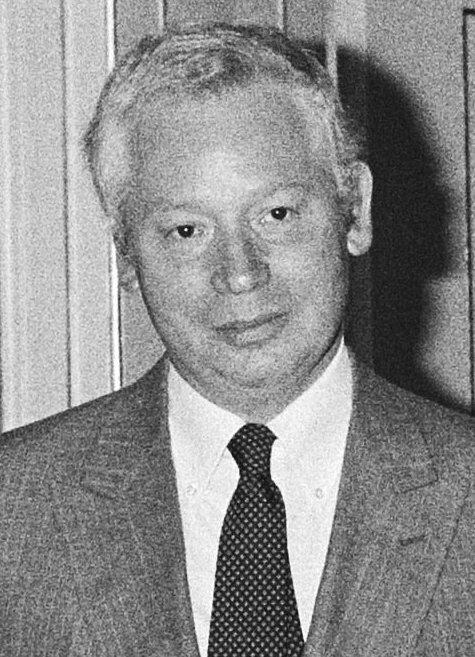
Here is a short video that walks through several major scientific discoveries and connects well with the achievements of the physicists highlighted in this article!
The Lasting Impact of History’s Most Influential Physicists
Physics has advanced through the work of scientists who questioned old assumptions and introduced new ways of understanding nature. Discoveries by Newton, Curie, Einstein, and many others shaped the tools and theories used in classrooms and laboratories today. Their ideas influenced technology, medicine, engineering, and modern research.
Current physicists continue this tradition as they study quantum information, space, matter, and the forces that shape the universe. Each discovery adds to the foundation laid by earlier thinkers. For students, physics offers a chance to explore meaningful questions and develop strong problem solving skills. It also reveals the connections between everyday experiences and the larger patterns of the natural world. The achievements of these scientists show how curiosity and persistence can lead to progress that benefits future generations.
Summarize with AI:
Did you like this article? Leave a rating!

 Loading...