
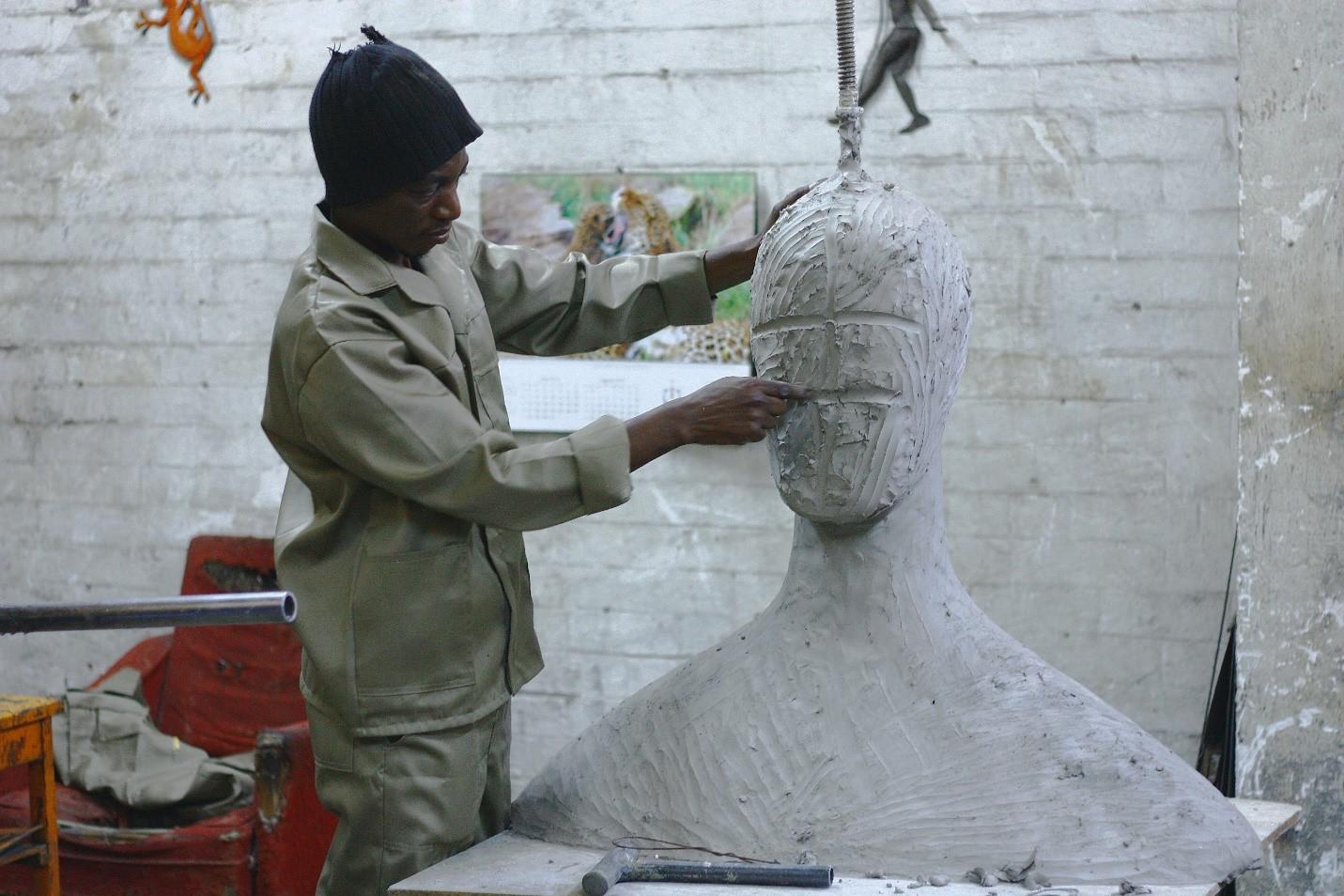

When sculpture comes up, you think of grand statues carved with marble. Well, sculpture is way more than that. Any 3D art piece can be labeled as a sculpture.
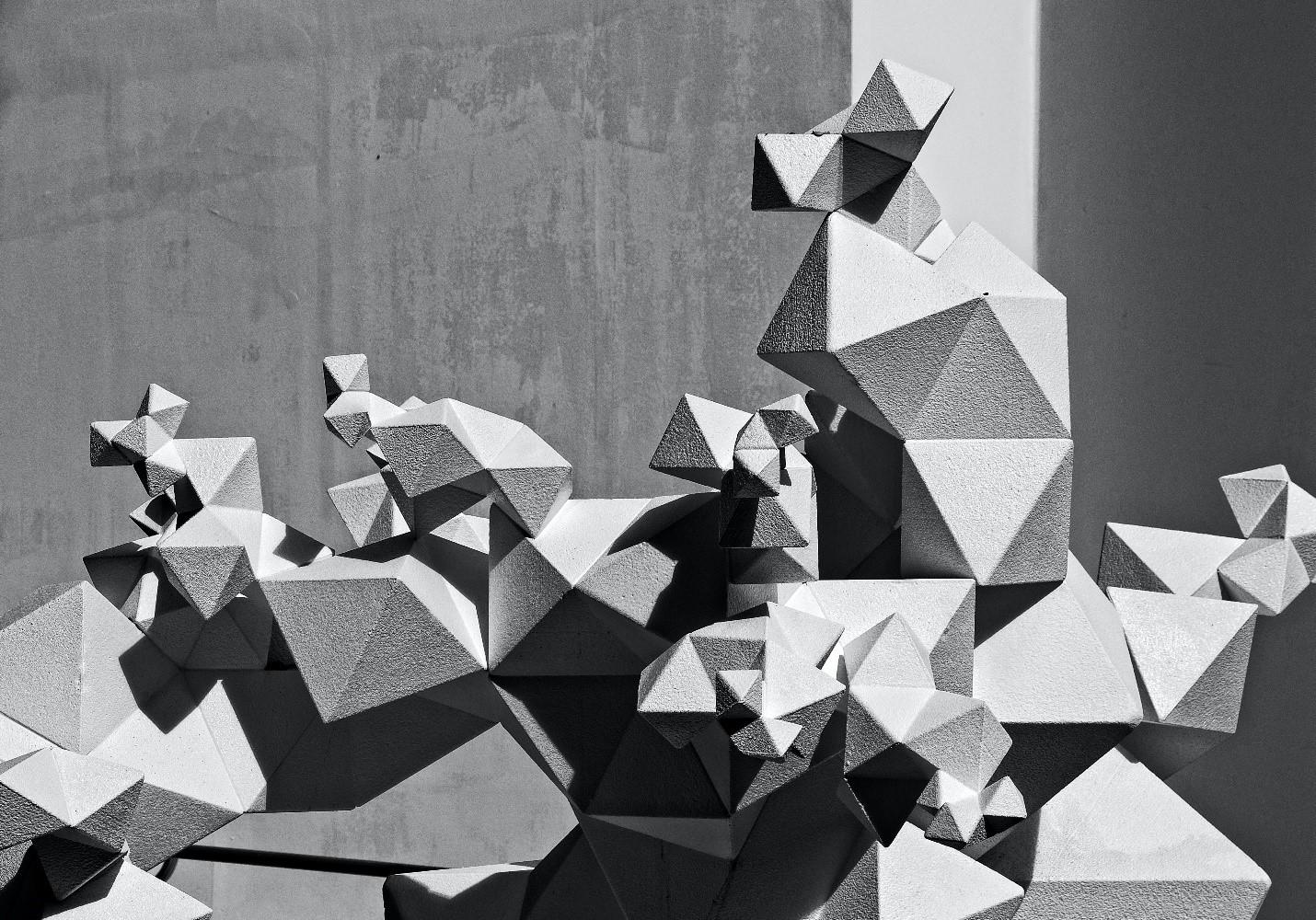
Several students love spending time working on sculptures. While creating such art pieces may seem like child's play, creating appealing 3D structures requires a lot of hard work and effort.
If you love art and want to enhance your art skills more than merely creating sketched and painted art pieces, sculpting can be a great option to help you hone them.
3D sculpture making exceeds the restrictions of just creating 2D art pieces. As an artist, sculpting will help you express yourself in exceptionally creative ways.






What Is Sculpture?
Sculpture is an art form that involves creating three-dimensional objects from different materials such as plastic, wood, clay, marble, and bronze.
Any durable material can be used to create sculptures. Sometimes, several exotic materials such as plastic, fabric, and ice are also used to create sculptures.
Sculptures can be identified by marks, edition numbers, and copyright dates. Sculptures are carved using several tools to shape a particular form by scraping and cutting solid materials such as stones, wood, and clay.
Sculptures can represent many elements of our society. Thus, they are an excellent way of expressing symbolism.
For example, you may have seen statues used to identify wild animals in zoos and museums. Sculptures also depict the way we live our lives.
What Is The History Of Sculptures?

Sculptures have been the core of sacred practices since the early years of civilization. They can be found in cultures worldwide and have become a complete art form.
As a result, sculptures have an enormous cultural and social significance. The western tradition of sculpting began as early as 800 BC in Ancient Greece.
Ancient people used to create sculptures of priests and saints to immortalize them.
This eventually had an intense impact on the art forms that followed till the 20th century and continues to do so.
Moreover, it inspires contemporary artists today, especially those associated with three-dimensional art forms like sculpture.
In the early years, sculptures were driven from Christianity, where art pieces portrayed biblical scenarios. For example, they'd represent what sinners would experience after death.
During Rennaisance, sculptures studied human form and presented its realistic and idealistic glory. As a result, artists created several masterpieces like Ghiberti and Donatello.
Some of the examples include masterpieces like Gates of Paradise of the Florence baptistery (1425).
Such sculptures of the human body became an essential part of the curriculum of sculpting classes in the contemporary world today.
Using plaster cast, replicas of classical sculptures became a vital tool for art students in the 18th and 19th centuries.
During the 20th century, sculptors and artists wandered away from traditional subjects of human representation and started incorporating modern practices when making sculptures.
Soon, they began creating three-dimensional abstracts using new and innovative materials.
Today, sculpture has obtained a broader definition. People have started including urban installations in their art genres.
If you want to learn sculpting in Houston, LA, etc., search 'clay sculpting classes near me to find professional teachers who can teach you.
What Are The Benefits Of Sculpting?
3D sculpting is used in various fields today, including commerce, education, medicine, and gaming.
It not only helps people develop self-discipline but improves their analytical skills. Sculpting has numerous benefits for mental health patients.
This is one reason why practitioners are incorporating sculpture making to treat patients with schizophrenia, dementia, and other mental health-related issues.
While making sculptures require a little effort and patience, you can quickly master this 3D art technique by dedicating some time to practicing.
Look for sculpture lessons near me in Chicago or anywhere else, and you will find millions of institutions that teach the art of sculpting.
Sculpting helps enhance the artistic abilities of students. It challenges their imagination and allows them to portray unique parts of their creative minds, so they create something exceptional.
In addition, sculpting helps students develop various techniques in polishing their creativity and inner talent.
Additionally, with sculpting, you will be able to develop your observational skills when you watch the world in full detail.
You will look at several objects and observe every little detail of them. Then, you will picture the world with a realistic approach and use your imagination to create unique pieces.
Students are taught to associate 3D objects and shapes with creating a unique art piece in sculpting classes.
You will be able to shape any model or structure into something better. Moreover, you will also be able to create unique art pieces right from scratch.
Importance Of Sculpting Lessons
Sculpting lessons can help you develop your cognitive and physical abilities.
Research shows that sculpting enhances students' artistic abilities and performance in areas outside merely just art.
Children, teens, and adults can develop their cognitive, social, and physical skills. However, the advantages of sculpting lessons go way beyond improving these skills.
These classes play a vital role in enhancing your overall well-being.
Sculpting lessons can help you develop an 'out of the box' thinking that can help you in various aspects throughout your life.
You will understand and process your experiences by demonstrating your feelings and emotions creatively yet playfully.
Different sculpture classes in Atlanta and all over the US are a great source of art education at the highest standards for students of all age groups.
You will learn the basics of sculpting, starting with the basics and then gradually moving towards a more advanced approach.
Sculpting lessons will provide you with a personalized experience with instructions that focus on broader aspects.
You will learn and improve your art skills in a warm, inspiring environment where students can help each other.
Below is a list of some of the long-term benefits of taking sculpting classes:
- You will be able to express complicated feelings effortlessly
- You will exercise your creativity
- You will be able to calm your hyperactive mind
- You will be able to improve your manual agility
- You will be able to construct and design new shapes
- Focusing and concentrating on everyday activities will become easier
- Creating sculptures manually will help strengthen muscles and tendons
- Your brain functions will show improvement
- You will learn how to assess and evaluate new shapes and structures
- You will become more cooperative and resilient
If you are a beginner at sculpting, we highly recommend learning sculpting from a professional tutor.
There are various sculpting classes for beginning levels in New York City and LA that can help you hone your sculpting abilities shortly.
What Are The Basic Elements Of Sculpture?
Various elements define sculpture and other forms of three-dimensional art forms. These include volume, space, line, color, rhythm, value, emphasis, balance, continuity, proportion, and texture.
The majority of sculpture-making techniques utilize these elements. Some of the features have been discussed in detail below.
Space
Space in art includes the volume, distance, and area of the physical object. The space of a sculpture does not depend on the object that may occupy it.
Volume/Mass
Mass or volume is a three-dimensional form that is independent and closed. Volume is usually surrounded by space. Sculptures that use volume are made of several blocks of stone, wood, or plastic.
Volume may sometimes also refer to a negative or positive solid space. A negative space includes an open area surrounded by a material—for example, a vessel.
Shape
Shapes can be either negative or positive. They are often referred to as occupied and unoccupied spaces.
They utilize the volume found between the contours. In three-dimensional pieces, shapes often change when a viewer looks at them from different angles.
Texture

The quality of a sculpture's surface often depends on its texture. Textures can either be smooth, rough, or weathered. The texture of a sculpture usually depends on the material the sculptor used to create an art piece.
Value
The light and shadows on the surface of a sculpture are known as value. Value often indicates the amount of light reflected on the surface of a statue.
Value can usually change with the addition of color on the surface of a sculpture.
Where Can You Learn Sculpting?
There are several schools, colleges, and universities that offer sculpting lessons. Students assess the methods and processes for sculpting objects using live models.
You will learn clay sculpting techniques that are focused on using tools and anatomy. Moreover, you will be able to explore your style and techniques.
Finally, you will learn the history of realistic figures in art with time.
Below is a list of some institutions that offer sculpture classes in Los Angeles and the United States.
- Yale University
- University of California – Los Angeles
- Rhode Island School Of Design
- Bard College
- Maryland Institute College Of Art
- University Of Texas – Austin
- Virginia Commonwealth University
Learn Sculpting In Los Angeles With Superprof!
It's essential to be patient when learning sculpting, but it usually is worth all the hard work it requires.
If you would like to be connected with a sculpting instructor near you and within your budget, head to Superprof!
You will indeed find an experienced and highly skilled tutor so you can take your sculpture skills to the next level.
Summarize with AI:
Enjoyed this article? Leave a rating!


 Loading...
