


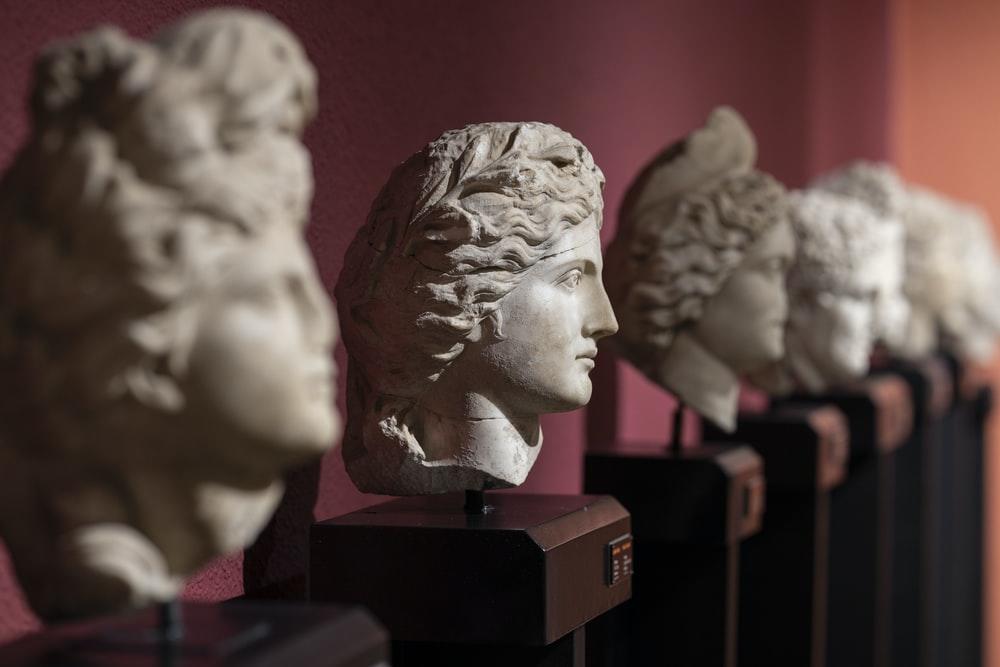
Many people are trying to improve their drawing skills these days. While many methods are utilized for this, one of the most popular is sculpture lessons in Atlanta.
Sculpture is the practice of creating three-dimensional pieces that portray an idea or concept to the viewer.
One can create sculptures using different materials, but one of the most common materials is clay because it requires little maintenance and is easily molded into any desired shape.
Sculpting has been around for thousands of years, beginning with the ancient times when wealthy individuals commissioned talented sculptors to create beautiful pieces that would serve as elegant decorations for homes or other buildings.
Sculptures made out of stone were later developed because natural stones began eroding due to weather conditions.
Atlanta is home to several of the best sculpture schools in the nation. However, Los Angeles is quite at par as well.
Sculptors that live and work here have many opportunities to learn their craft since there's such a concentration (and number) of Sculpture schools and Sculptors in the area.
All of these sculpture schools offer one-on-one instruction from sculpting instructors who are recognized nationally for their excellence.
The Atlanta Metropolitan College has both an associate's and a bachelor's degree in Sculpture (BFA).
It also offers Sculpting degrees at other locations outside Atlanta, including Alpharetta, Lawrenceville, Marietta, Newnan, Norcross, Smyrna, Griffin, and more.
What Is Sculpture?
The term sculpture refers to three-dimensional artwork with a stationary, flat base upon which it stands.
The form in sculpture can be made using many different materials, but it must have at least one dimension larger than two-dimensional art forms such as painting or printmaking.
Art historians believe prehistoric humans first made sculptures.
They used unpolished stones, animal bones, cave walls, vegetation, sand, clay, leaves, feathers, metal sheets, shells, and mineral pigments - anything they could find around them.
Sculptures may express abstract concepts such as love or beauty, communicate ideas about political ideologies that people may not agree with, or tell stories from history—or lies!
Because a sculpture often breathes life into otherwise still forms, it can challenge how we feel about an issue and help us better understand complex situations.
In addition, sculpture techniques have broadened significantly throughout time, particularly during the twentieth century.
As technology progressed, so did contemporary sculpture, which today employs a variety of materials.
For instance, 3D printing is a method of modern sculpture, which shows that there are no limitations attached to this artform.





Application Of Sculptures
Sculptures can be made by hand or cast in molds, typically made of stone, clay, metal, glass, wood, or plastic.
In addition, these sculptures are often painted with paint designed specifically for use on plastic.
The sculptures intended to be placed outdoors, especially if they contain moving parts or water elements (such as fountains), are usually made from durable materials like stone-cast concrete, marble, bronze, or stainless steel.
Sculptures are used to make products more valuable and attractive. For example, statues can be made to attract customers or make them feel like their company values them.
Sculpting materials include clay, metal, stone, wood, and plastic, often combined into multi-material sculptures. Some items that use sculpture include:
- Buildings (landmarks etc.)
- Furniture (chairs, seats, etc.)
- Cars/Vehicles
Some common uses of sculptures are to provide an aesthetic quality to the surrounding architecture or space. Sculpture classes in Houston, Atlanta, or elsewhere go into more detail about this.
For example, some sculptures are created for public squares or parks, with the primary purpose being visual enhancement.
Sculptures designed for indoor use are often referred to as "artworks." A famous artist who made many sculptures is Michelangelo Buonarroti.
People often use statues to remind them of somebody significant in their life or culture, such as Abraham Lincoln.
However, sculptures can also be used for practical purposes, such as eye-catching landmarks that people use to find their way around public places.
Types Of Sculptures

Let's take a look at the most prominent types of sculptures!
High Relief Sculptures
High relief sculpture is a type of carving where figures project from a flat background but are not fully detached from it.
This means that high relief sculptures are an intermediary between free-standing statues or busts made to be placed on elevated surfaces and low relief sculptures, which were carved into the rock to fit within walled areas.
High reliefs often have their bottom edge forming a base which gives them extra support because they take up more space. Many high-relief sculptures are found in large museum collections all around the world.
Low Relief Sculptures
Low relief sculptures are 3-dimensional sculptures that sit low to the ground without any part of the sculpture protruding upwards.
Instead, low relief sculptures rest on a flat surface or low into a wall, pillar, or another object.
Types of low relief sculpting include:
- Carving low reliefs in stone, wood, and metal using a hammer and chisel
- Carving low reliefs by pressing the tip of a knife into wet clay
- Carving low reliefs from thin sheets of materials such as linoleum or thin slabs of limestone or marble
In addition to being made from different mediums, low relief sculptures can also be differentiated based on their height.
Bas Relief Sculptures
Bas relief sculptures are a type of sculpture that has been around for thousands of years. This sculpture type uses stone, wood, etc., and carve it into a three-dimensional object rather than projecting it out from it.
People create many different types of bas reliefs, but the most common bas reliefs depict scenes from nature or religion. Other popular bas relief sculptures include images of birds and other animals.
People often use bas relief sculptures to decorate walls, buildings, and even whole cities to honor important people or moments in history.
Sunken Relief Sculptures
Sunken carving is the process of using sunken sculpting tools to form images in relief; these sculptures are carved below the level of the surrounding material.
When planning sunken relief sculpture images, it may be helpful to imagine that there will be two surfaces visible: one where no material has been removed (the background) and another behind this (the foreground).
For example, a person's picture might include sunken eyes on the background surface and sunken cheeks on the foreground surface.
Carved Sculptures
Carved sculptures are carved wood or stone figures carved by hand. Carving is the practice of removing material from a block of solid stone, wood, or other material, usually with an implement such as a sharp tool.
Since prehistoric times, humans have created valuable objects and more elaborate sculptures, jewelry, and ritual objects.
Materials carved have included bone, ivory, antler, shell, stone (such as marble), wood, and anything obtainable that can be engraved.
Cast Sculptures
Cast sculpture is a work cast in a fluid material such as wax, giving it a hollow inside so that it may later be filled with another material. When a cast sculpture is used to make statues, they are usually tinted later.
Though sculptors had been making cast sculptures since ancient times, from the 18th century onwards, cast sculptures became the primary method of making full-sized works of art.
Art cast sculptures can be made from several different materials, but most cast sculptures are composed of clay, plaster, cement, or plastic resin.
Assembled Sculptures
Assembled sculptures are an excellent way to understand different artists' work and how they can play with lines and shapes to create something beautiful.
This style of sculpture isn't about being perfectly polished or meticulous. Instead, it's about finding interesting pieces that inspire you, putting them together in new ways, and adding your own twist on the look.
Assembling art for yourself is one option when considering assembled sculptures, but there are also assembled sculpture kits available if you prefer something premade.
Installation Sculptures
Most installation sculptures focus on the entryway into a building or onto a stage and installation that seeks to create ambiance inside a space.
Installation is sometimes confused with public art; however, installation pieces tend not to be moved from where they were initially installed.
The most common materials used for constructing installation sculptures are steel, copper, stone, and wood.
However, any material can be adapted for use by installation artists given certain artistic constraints.
Where Do Sculptors Work?
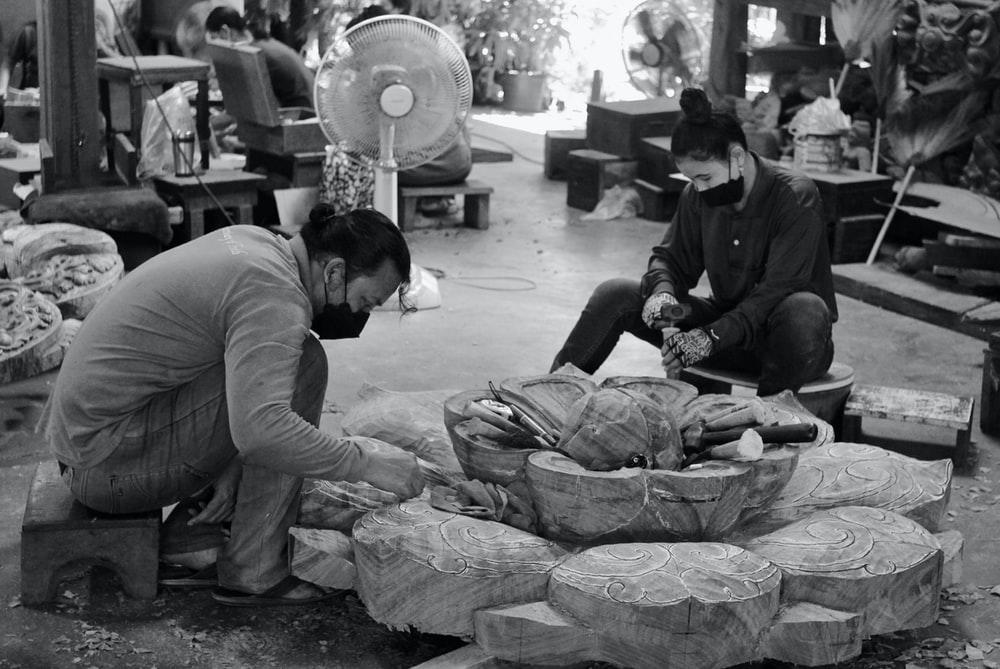
Because of their nature, it is a common misconception that a sculptor works outdoors or where a large amount of space is available.
This is not always the case, but it holds true for some. For example, a sculptor does not necessarily need an outdoor studio to produce his best work.
Most sculptors will often work where they have access to stationary tools that will help them achieve perfection.
It's no surprise then that many sculptures are created in college art departments where makers have access to concrete and stone chips and welding equipment capable of creating iron sculptures.
Sculptors can be found working in specialty studios where sculpting is not only allowed but encouraged, such as university sculpture studios or professional artist warehouses where rent prices are affordable.
Additionally, some local artists or low-income housing communities may give artists access to large areas where many people can share costs while simultaneously creating something together.
Most studios for this sort of work are equipped with the appropriate tools which provide stability and durability.
Career Outlook For Sculptors
The sculpting career is exciting for people who love to work with their hands and admire works of art.
It is an exciting career choice because you can be self-employed, work in big companies, or even start a small business, like a studio.
Many universities offer training in sculpture — in fact, sculpting classes In Atlanta, New York, or other cities are provided in universities or institutes from bachelor to master's level.
After you finish your bachelor's degree, you might wish to pursue a master's degree. If the idea of doing unique, scholarly research projects appeals to you, you can go for M.A. or MFA programs.
M.A. programs typically last one year of full-time study, while MFA programs can last anywhere from 18 to 24 months.
Career opportunities exist for sculptors at theme parks, creating statues and carving mascots.
The career path is relatively straightforward: you will find job opportunities worldwide to master different sculpting techniques.
For example, some artists create figurines and statues that are used by toy and amusement parks (other types of companies that need sculptures).
Other artists want to change, and they learn how to make 3D printed figures that look like real people. Finally, there are roles such as animator and concept artist for those who want more creative input.
Learn Sculpting In Atlanta With Superprof
Are you in Chicago, Atlanta, or anywhere else and want to become a world-renowned sculptor?
Don't waste any more time; just search for sculpture lessons near me if you are anywhere in the U.S., and head over to Superprof for the best clay sculpting classes near me if you want to master the art of sculpting.
Summarize with AI:
Enjoyed this article? Leave a rating!

 Loading...
I wish to take a stone sculpture class in Atlanta.
Hello Steven, thank you for your interest in Superprof! You can take sculpture classes in Atlanta at Superprof.com and find the tutor that fits your goals. If you would like additional help please reach out to our customer care department at hey@superprof.com.