
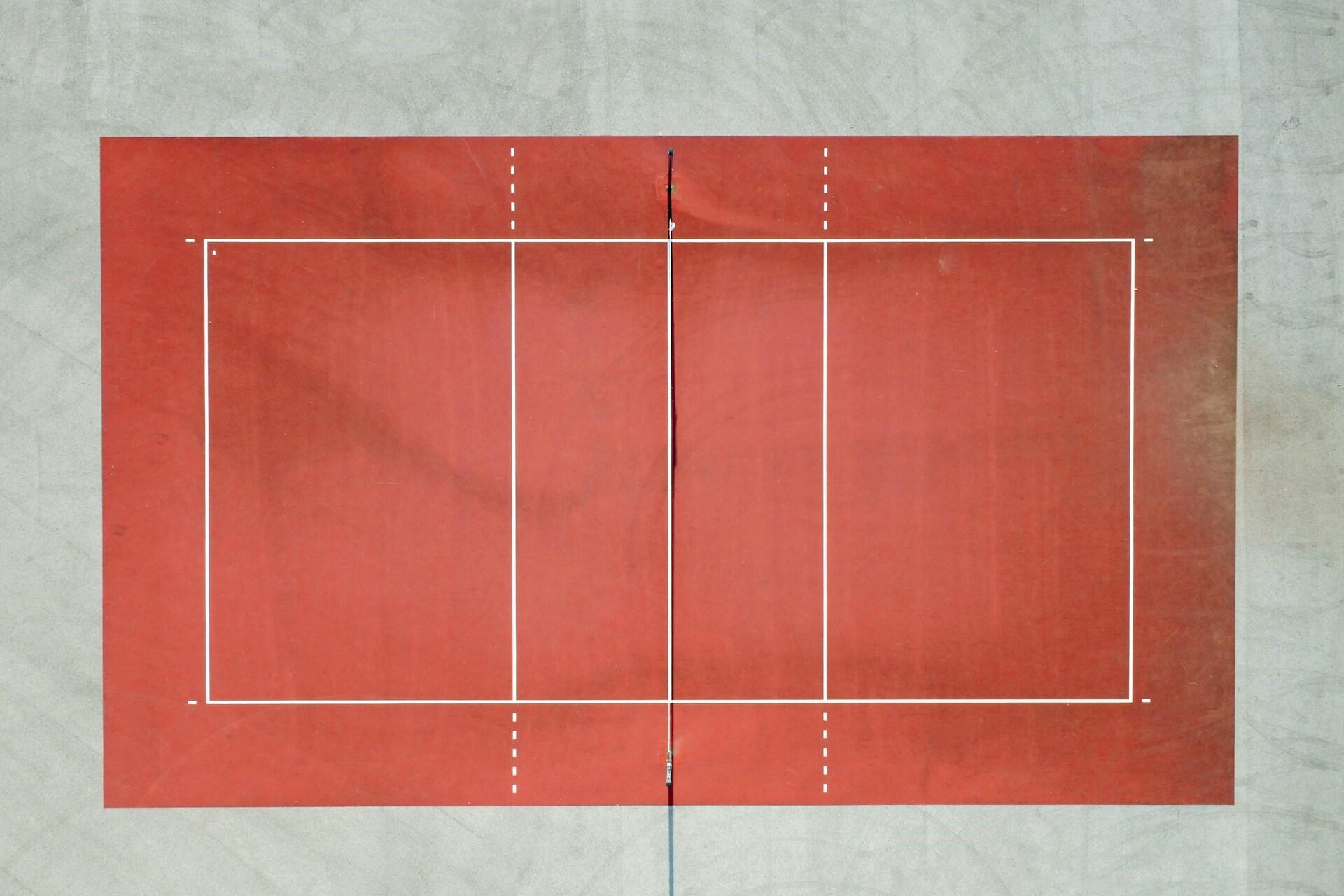

A good setter can make a weak team decent and a good team exceptional. A poor setter can do the opposite. If you analyze the most successful teams, they usually have one thing in common: a quality setter.
Peggy Kane-Hopton
In volleyball, the setter is the player who touches the ball on almost every play and decides who gets the next hit. They run the offense by coordinating with hitters, directing tempo, and turning imperfect passes into strategic opportunities. They don't consistently score the points themselves, but they're responsible for creating the plays that do. They have specific rules to follow involving front-row vs. back-row play, footwork, and hand contact.


What Is a Setter in Volleyball?
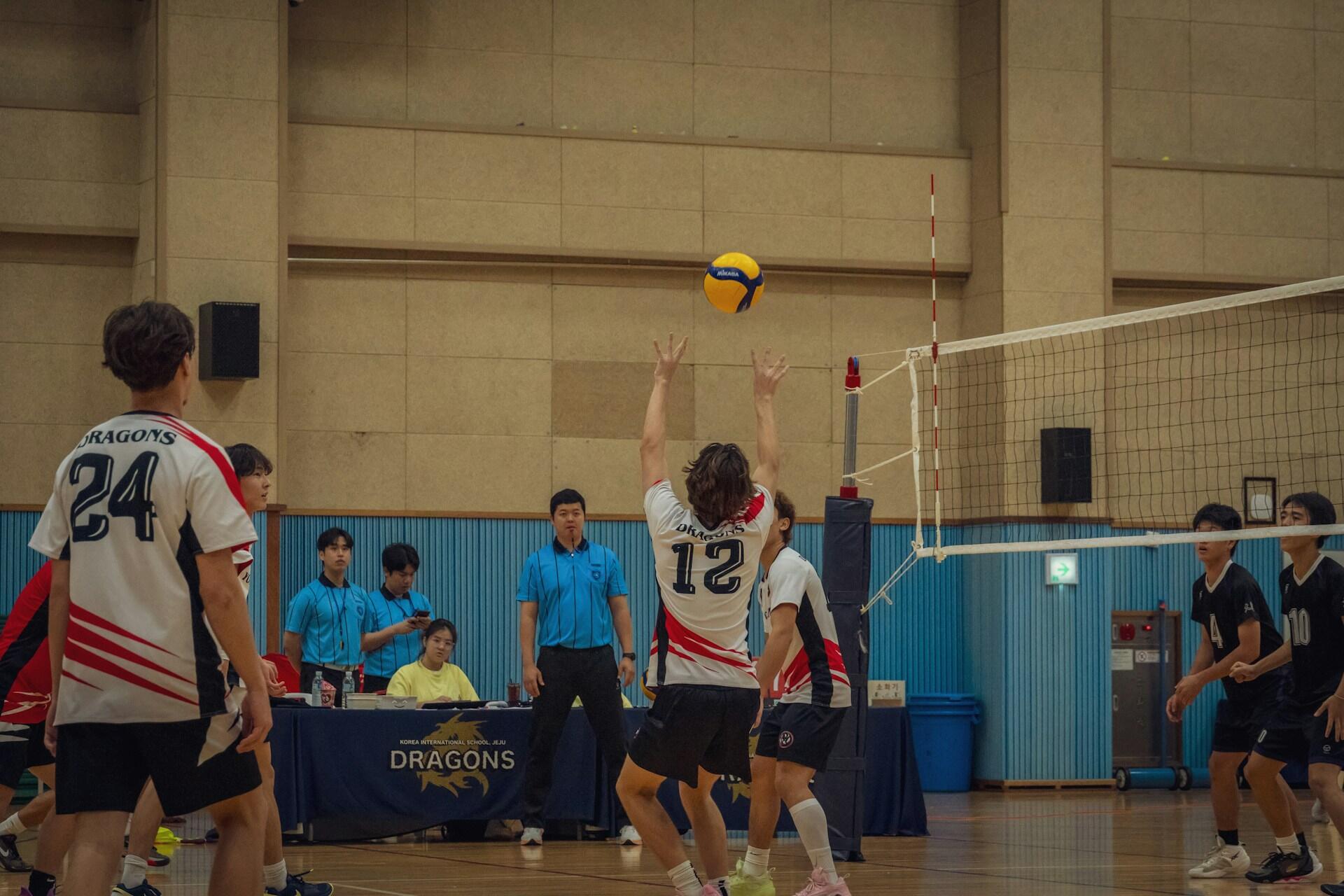
So, what does a setter do in volleyball? More specifically, the setter in volleyball is the strategic leader on the court, setting up the attacks and controlling the game's tempo. The setter reads the opposing defense and makes split-second decisions to deliver the ball to the right hitter (which could actually be the left-side hitter) at the right time. They're positioned between the pass and the attack and get involved with nearly every play. They usually make the second contact after the ball is passed.
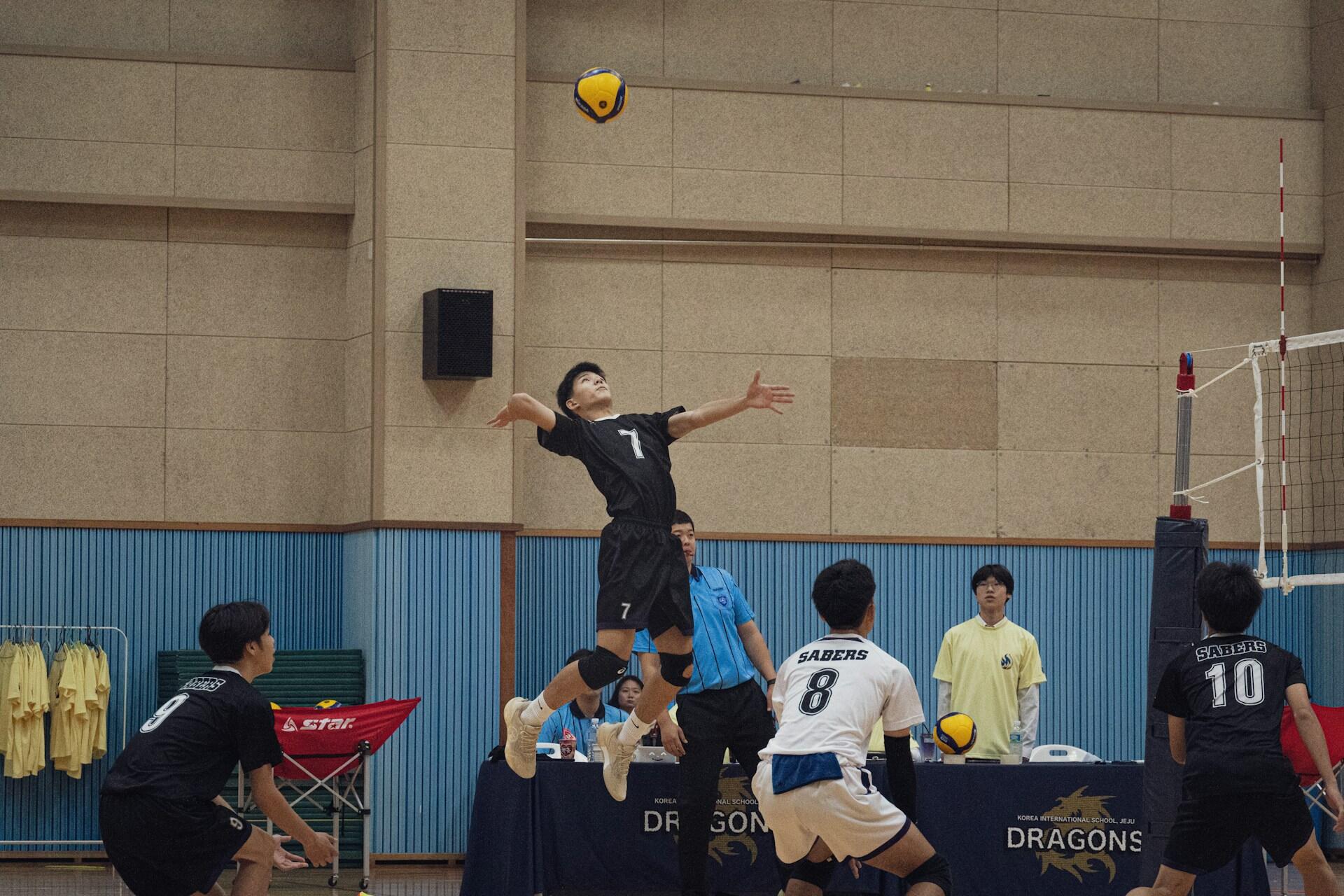
Their main job is to deliver an accurate set, a clean, well-placed ball that gives the attacker the best chance to score. This could be a quick set to a middle blocker, a high ball to an outside hitter, or even a surprise dump to catch the defense off guard.
The setter position in volleyball requires sharp reflexes, excellent vision, and a deep understanding of their teammates' tendencies and opponents' positioning. Great setters execute technically sound sets while disguising their intentions to the opposition.
At the highest levels of the sport, setters have to coordinate three or more hitters, read blocks, and track rotations, while under pressure! They're the architects of offense in a volleyball team.
Rules of the Setter Position in Volleyball
The volleyball setter position has more freedom than most positions. However, they're still subject to a few rules specific to their role and court position. These rules will vary depending on whether the setter is in the front row or the back row.
Front-Row vs. Back-Row Setters
- Front-Row Setters (positions 2, 3, 4): Can legally jump and attack the ball (often called a "setter dump") as long as they don't cross the net or interfere with the opposing block.
- Back-Row Setters (positions 1, 6, 5): Cannot attack or jump and hit the ball above the height of the net if they’re in front of the attack line (10-foot line).
Setting Rules and Ball Handling
- Double Contact: The setter must contact the ball cleanly with both hands simultaneously. A misaligned or spinning set may result in a "double" call.
- Lifts and Carries: Holding or scooping the ball instead of a clean release is illegal.
- Back Row Attack Violation: If a back-row setter jumps and dumps the ball above the net while in front of the attack line, it's a violation.
Rotation and Overlap
Setters are part of the team's rotation and must follow positioning rules to ensure they do not overlap before the serve. For example, when the setter is in the back row, they have to be behind the front-row middle player at the time of serve.
Setter Hand Signals and Communication
When it comes to the setter position in volleyball, nonverbal communication is essential, especially during fast-paced matches. Setter hand signals are used to quickly communicate with hitters before the serve, allowing the team to coordinate complex offensive patterns without speaking a word.
What Are Volleyball Setter Hand Signals?
These visual cues often indicate the type of set that a hitter should expect. The setter usually throws these hand signs behind their back so that their opponents can't see them.
Examples include:
- “4” or Open Hand – High outside set
- “2” – Quick set to the middle
- “1” or Fist – Very quick set, right at the net
- “Back” or “9” – Back set to the right-side hitter
- “Pipe” – Set to a back-row attacker (typically in position 6)
Obviously, different setters will customize their signs to the coach's system, team strengths, and opponent weaknesses.
Verbal and In-Play Communication
Setters also constantly communicate with players during the game; they call out changes, direct free balls, and alert teammates to locations of the blockers. Setters also read opposing defenses so that they can adjust their plays mid-game.
Key Skills Every Volleyball Setter Needs
A good setter needs precision, leadership, and effective game management, as well as the ability to toss the ball into the air accurately. At every level, these skills are essential for good setters.
Technical Skills
- Consistent Hand Positioning: Great setters have soft, controlled hands. Their technique allows for clean, accurate sets from any angle or location on the court.
- Footwork and Balance: Quick, agile movement is crucial for getting under the ball, even off tough passes, and staying balanced while executing the set.
- Variety in Setting: The ability to deliver different types of sets (quick, high, back, or outside) with minimal visual cues makes a setter unpredictable and more challenging to block.
Great setters use a “right-left” foot pattern when moving into position for a set; this helps them stay balanced and consistent under pressure.
Mental Skills
- Game Awareness: A setter must constantly read the defense (especially in the presence of a defensive specialist), identify the weakest blockers, and select the most effective hitter in the moment.
- Decision-Making Under Pressure: Every point moves quickly. A setter has seconds to process what’s happening and deliver the right ball at the right time.
- Anticipation: Great setters think one or two touches ahead, planning offensive sequences in response to opponent rotations and plays.
Leadership and Communication
- Vocal Control: Setters are usually the most vocal players on the team. They organize serve receive, direct transition movement, and take charge of broken plays.
- Confidence: As the decision-maker, the setter’s body language, voice, and energy influence the entire team. When the setter is steady, the rest of the players follow.
What better way to learn about setting the ball than from an Olympian?
Physical Attributes and Requirements for Setters
While volleyball requires skill and strategy, certain physical attributes can also be beneficial for setters. There isn't a one-size-fits-all body type for setters, but like in every sport with a physical aspect, there are certain physical traits that are advantageous to have.
Height
At the college and international levels, elite setters tend to be above average in height. At between 5'10" and 6'2" for women and 6'2" and 6'6" for men, their increased height helps them when blocking in the front row.
At elite levels, women’s volleyball setters often range between 5'10" and 6'1", helping them contribute at the net defensively.
Agility and Quickness
Setters need to be fast with good foot speed and body control. They constantly move and chase down errant passes, transition to the net, and adjust to quick serve or libero touches. Fast reflexes help them react and keep the offense fluid.
Core Strength and Endurance
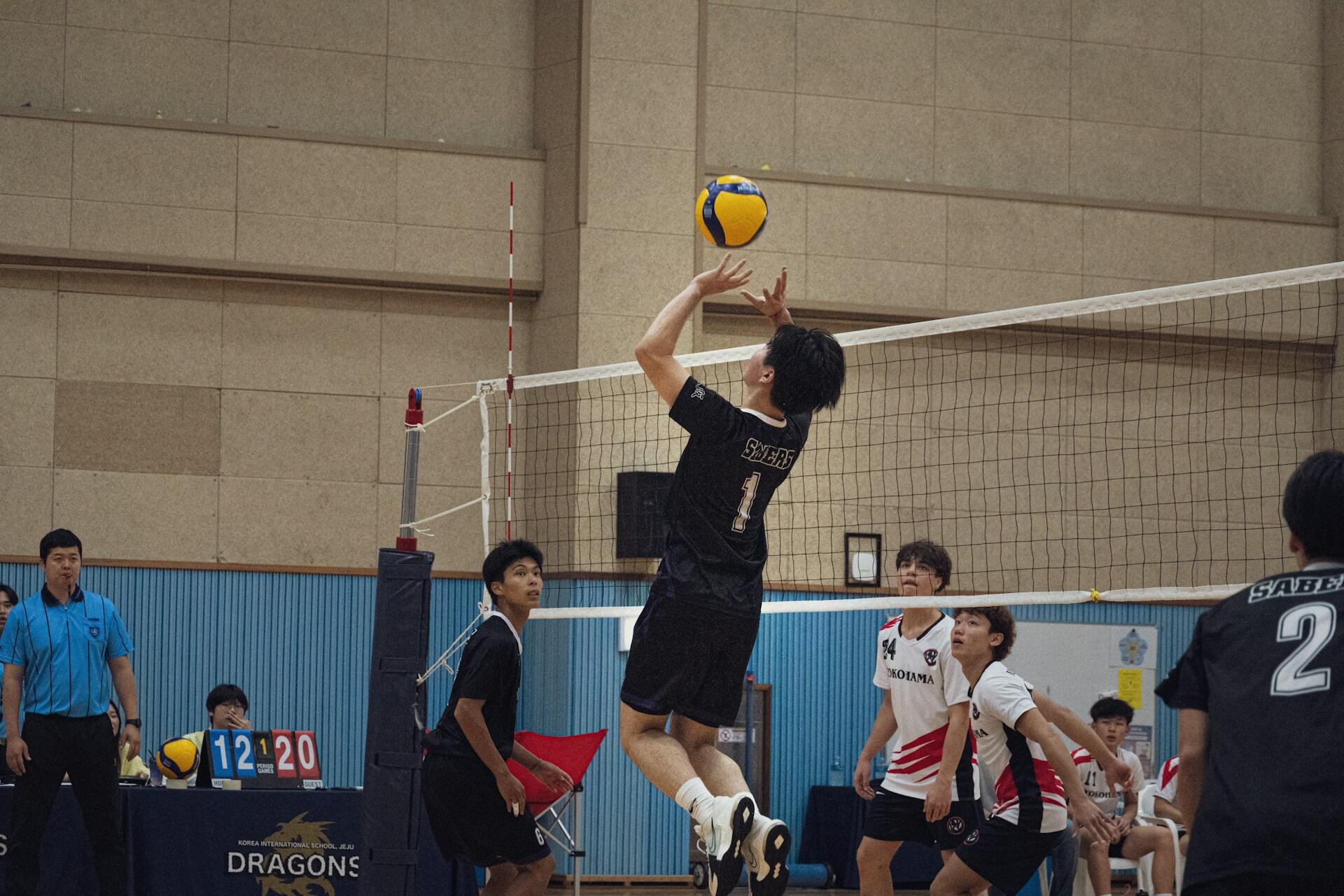
Setters have a lot on their plate and need to jump, twist, sprint, and reset every few seconds for multiple sets. Strong core muscles are essential for maintaining balance during intense sets. At the same time, overall conditioning helps them stay focused and execute effectively over long matches and training sessions.
Hand Strength and Control
Setters make many high-pressure touches, so it helps that they have soft hands for finesses and strong wrists for speed and spin control. Their hand contact must be consistent, legal, and disguised, especially when it comes to quick sets near the net.
in a five-set match at college level.
Types of Sets and Setter Techniques
Great setters set the rhythm, speed, and direction for every offensive play. The more types of sets that a setter can do, the more difficult it is for opposing blockers and defenders. Here are just a few of the weapons in the setter's arsenal.
Quick Set
Also called a "1 set", this is a fast, low set directly in front of the setter, typically aimed at the middle blocker. It requires perfect timing and a well-trained connection between setter and hitter. Quick sets speed up the offense and catch blockers off guard.
High Ball Set
Often referred to as a "4 set" or simply an outside set, this is a higher, slower set for the left-side hitter. It's reliable and commonly used when the pass is off the net or when the team needs time to reset.
Back Set
This set is delivered behind the setter’s head to the right-side hitter (also called the opposite hitter). It requires core strength and hand control and is especially useful for spreading the offense and avoiding strong blocks.
Shoot Set
A fast, flat set just outside the middle, used to beat the block with speed. It requires exceptional timing and effective communication between the setter and the attacker.
Pipe Set
A back-row set to the middle of the court, usually to a back-row hitter coming from position 6. This adds a surprise element and forces the opposing block to stay honest.
Setter Dump
When in the front row, a setter can occasionally "dump" the ball over on the second contact instead of setting. This strategic fake catches the defense off guard and can be used to steal a point when blockers are slow to react.

Famous Setters and Teams Known for Their Setters
Teams built around world-class setters often find their way to success and victory. These setters transform the way their teams play and are exemplary models of leadership, precision, and court vision.
🇺🇸 Micha Hancock (USA)
🇺🇸 Lloy Ball (USA)
Lori Endicott (USA)
How to Train to Become a Great Setter
If you'd like to work on becoming a great setter, consider consulting a volleyball coach or tutor on the Superprof website. With experienced and qualified coaches all over the country, you need to search for tutors in your local area (or online) and start comparing their profiles. With most offering the first session for free, you can try several potential coaches before choosing the right one for you and your ambitions of becoming a better setter.
Summarize with AI:
Did you like this article? Leave a rating!

 Loading...
