
Learning to sew can be an intimidating prospect. There is a lot to learn about sewing machines, types of thread and fabric, and techniques. Plus, it can often seem like an extremely costly endeavor. However, studying the art of sewing doesn’t have to break your budget. Sewing lessons are available at many price points, whether you’re looking for a casual group lesson, private instruction, or an online option.






Average Costs of Sewing Classes in the US
There are three main types of sewing classes: group tuitions, private training, and online courses. Depending on your preferences, needs, location, and budget, certain lesson types may be more suitable for you. Though specific costs vary based on many factors (which we’ll cover in-depth later in this article), comparing the national average costs can give you a good basic idea of what to expect and plan for.
Be sure to explore sewing classes on Superprof to find convenient and affordable teachers.
per hour
per hour
per hour
Group classes typically offer a good balance between budget, hands-on help, and access to materials and equipment. They can also be a great way to meet other people interested in the same activity, so you can make connections!
Private instruction helps ensure that you quickly understand all the intricate details about sewing. Some private teachers also provide a sewing machine and materials, so you don’t need to buy all your own things until you’re more advanced.
Online lessons can be the most convenient and cost-effective method for many, especially if you already have your own machine. Though you’ll need to purchase your own materials, the balance of an affordable, personalized lesson versus the cost of those materials can be worth it.
Sewing is a highly practical and useful skill that many people find fun and fulfilling! Some want to learn as a hobby, making their own clothes, bags, stuffed animals, etc. Others use it as a way to explore fashion and creation as a business. Everyone can use sewing skills to modify their existing clothes and repair damage.
Cost Breakdown by Region
Larger cities usually have higher prices due to things like cost of living, studio rent, and demand. Smaller cities and suburbs usually have lower rates, but potentially fewer opportunities to learn.
This is where online classes can be a major benefit, since they’ll mostly be the same cost no matter where you live!
Compare average costs in these major cities to understand the differences.
New York City
It's easy to find a lesson in NYC. The abundance of artistic communities, especially people interested in creating their own unique clothes, costumes for plays and musicals, and people who want to learn and teach textile art, means you can find just about any specific type of sewing class imaginable. Fashion schools, independent studios, and community centers often offer training.
in NYC
in NYC
Many studios offer general sewing instruction for beginners as well as advanced classes that focus on things like fashion design, pattern-making, and garment construction. Many of these lessons even include training on industrial sewing machines, which is especially helpful for anyone who wants to sew professionally. Prices reflect the steep cost of living and operating a business in the city.
Check for a lesson at the New York Sewing Center, Brooklyn Craft Company, and SEW BKLYN.
Los Angeles
Like New York, LA likewise has a strong sewing and fashion culture. Areas like DTLA and Hollywood are hotspots for aspiring designers, artists, and other types of fashion enthusiasts. Plus, with the abundance of vintage clothing available in the area, knowing how to alter something incredible to fit you better or be updated for the times is a great skill to have.
in Los Angeles
in Los Angeles
Studios and classes that teach sewing in Los Angeles may provide materials or may allow students to bring their own fabric and patterns. You can find sessions on costume design, everyday sewing, alterations, and more.
Discover sewing instruction at Sew FYI, Moving Thread, and Los Angeles City College.
You can also look for sewing lessons taught by professional instructors on Superprof.
San Diego
Though not usually renowned for its thriving fashion scene, San Diego has no shortage of people interested in the art. Just like any city, you’ll find many people who want to learn how to sew, as well as plenty of people who want to teach it. You’ll find a mix of casual and professional sewing instruction throughout the city.
in San Diego
in San Diego
Classes may be smaller and more relaxed compared to those found in cities with a more demanding fashion culture. Many studios focus on beginner sewing, home projects, and basic machine use.
Search for sewing lessons at places like Sew Loka, Sew Hut, and San Diego Continuing Education.
Chicago
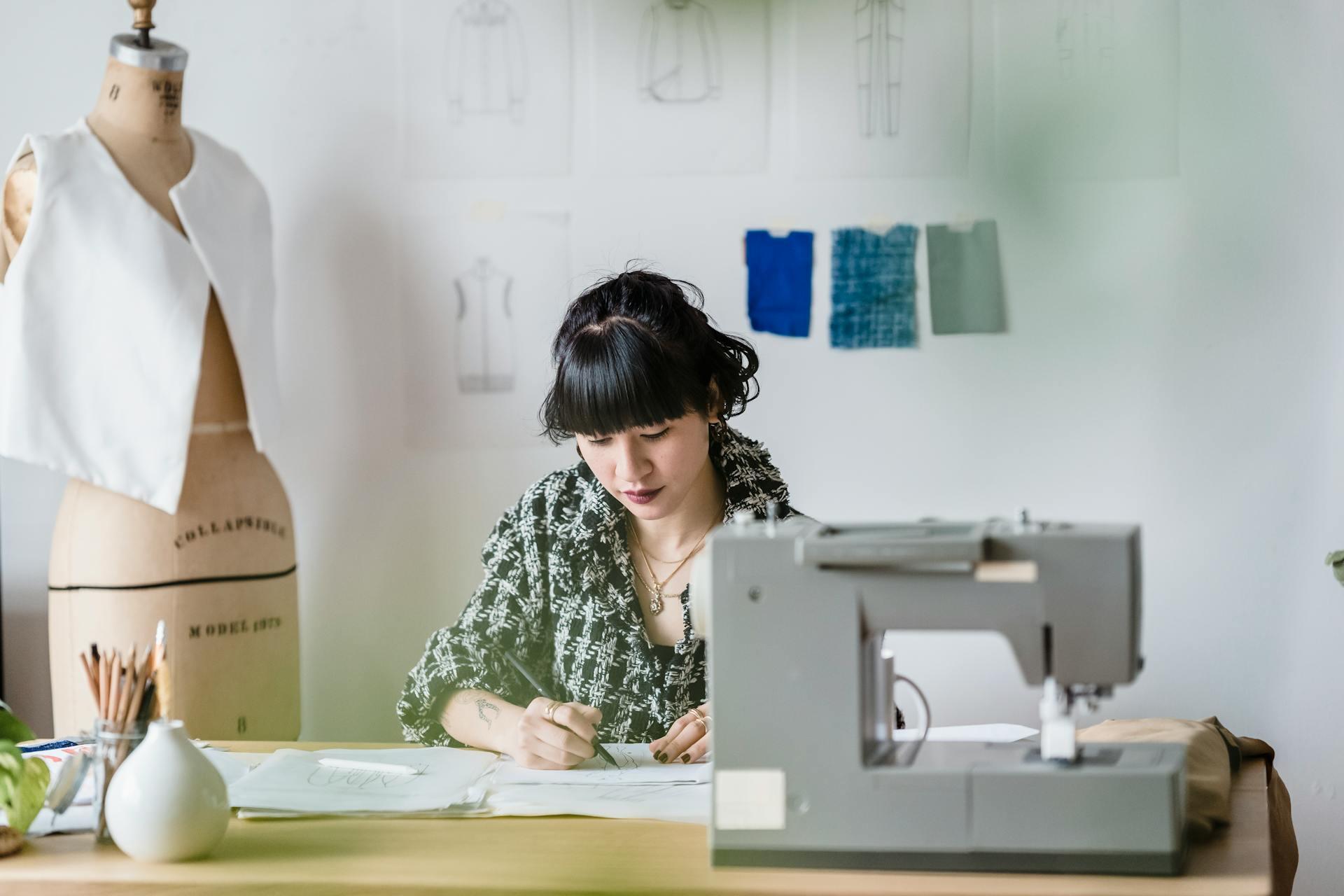
Chicago has a well-established sewing scene, with many community studios and private teachers to learn from. The city’s unique small-but-big feeling, especially among social circles organized around a specific interest, means you will be able to discover many interesting people and opportunities the more you get involved. With many choices available in the city, you'll find the right sewing class in no time.
in San Diego
in San Diego
Like anywhere, specific costs will depend heavily on the type of sewing being taught, the class style, and the instructor’s experience level. Find a lesson at local shops like Sew Crafty Studio, Making It SewFun, and public libraries with Maker Labs.
Houston
Houston generally offers more affordable sewing tutorials compared to other cities. Although it’s one of the largest cities in the US, it tends to have a lower cost of living than many other large cities. It has a thriving sewing community and is home to one of the largest quilt shows in the country!
in Houston
in Houston
Many teachers offer home-based or small studio instruction. This helps keep costs lower while still providing quality instruction. Look for a class at the Moxie Collective Workshop, Thimble Fingers Sewing Studio, and sewing groups at the Harris County Public Library.
Factoring Influencing Sewing Class Costs
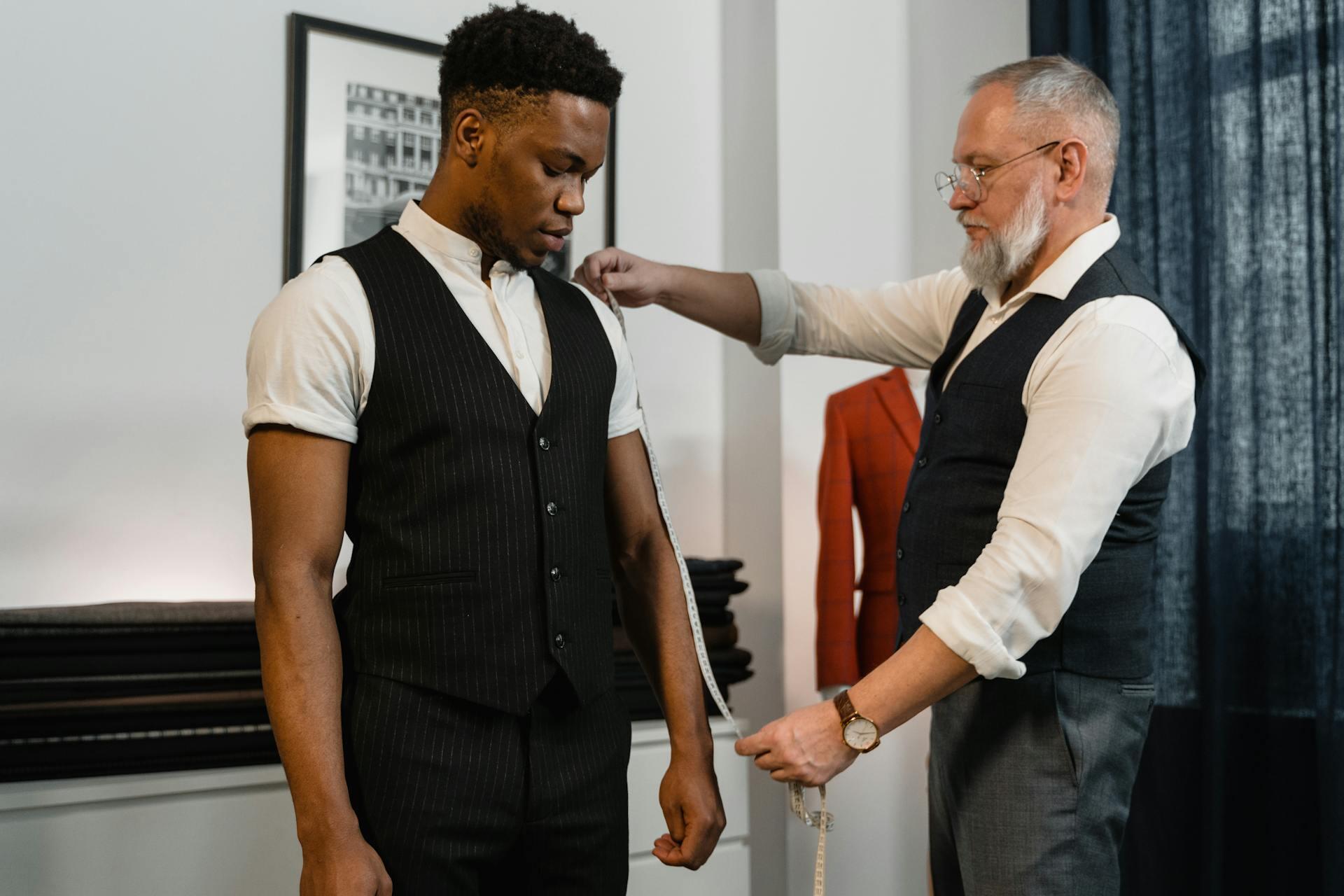
Like any class, many factors influence how much a teacher needs to charge for their services. When researching sewing courses, consider these aspects and how they may impact the cost.
Location
Location plays a major role. Tuitions in large cities usually cost more than those in smaller towns. Studio rent, demand, and local living costs all affect pricing. Urban areas also tend to offer more specialized courses, which can raise the price. Search for sewing classes near you to get a better idea of prices in your area.
| City | Average Sewing Lesson Cost Per Hour | Average Cost Per Hour on Superprof |
|---|---|---|
| New York City | $90+ | $48 |
| Boston | $45 | $30 |
| Atlanta | $60 | $40 |
| Raleigh | $50-$70 | $37 |
| Miami | $55-$75 | $43 |
| St. Louis | $60 | $37 |
| Chicago | $45 | $27 |
| Houston | $50 | $37 |
| Los Angeles | $70-$90 | $44 |
| San Diego | $55-$75 | $24 |
| Portland | $43 | $43 |
Class Type
Group courses typically cost less per student, since the teacher can accommodate multiple students at once. However, they are less customized, and you may find the pace of the lesson too fast or too slow for your preferences.
Online courses are often cheaper and more flexible due to their nature.
These can be great if you have your own sewing machine and supplies.
However, if you don’t have those things, you'll be at a disadvantage.
You’ll need to find a way to provide your own equipment.
You also unfortunately don’t have the benefit of face-to-face interaction and demonstration, which can be very helpful in a hands-on skill like sewing.
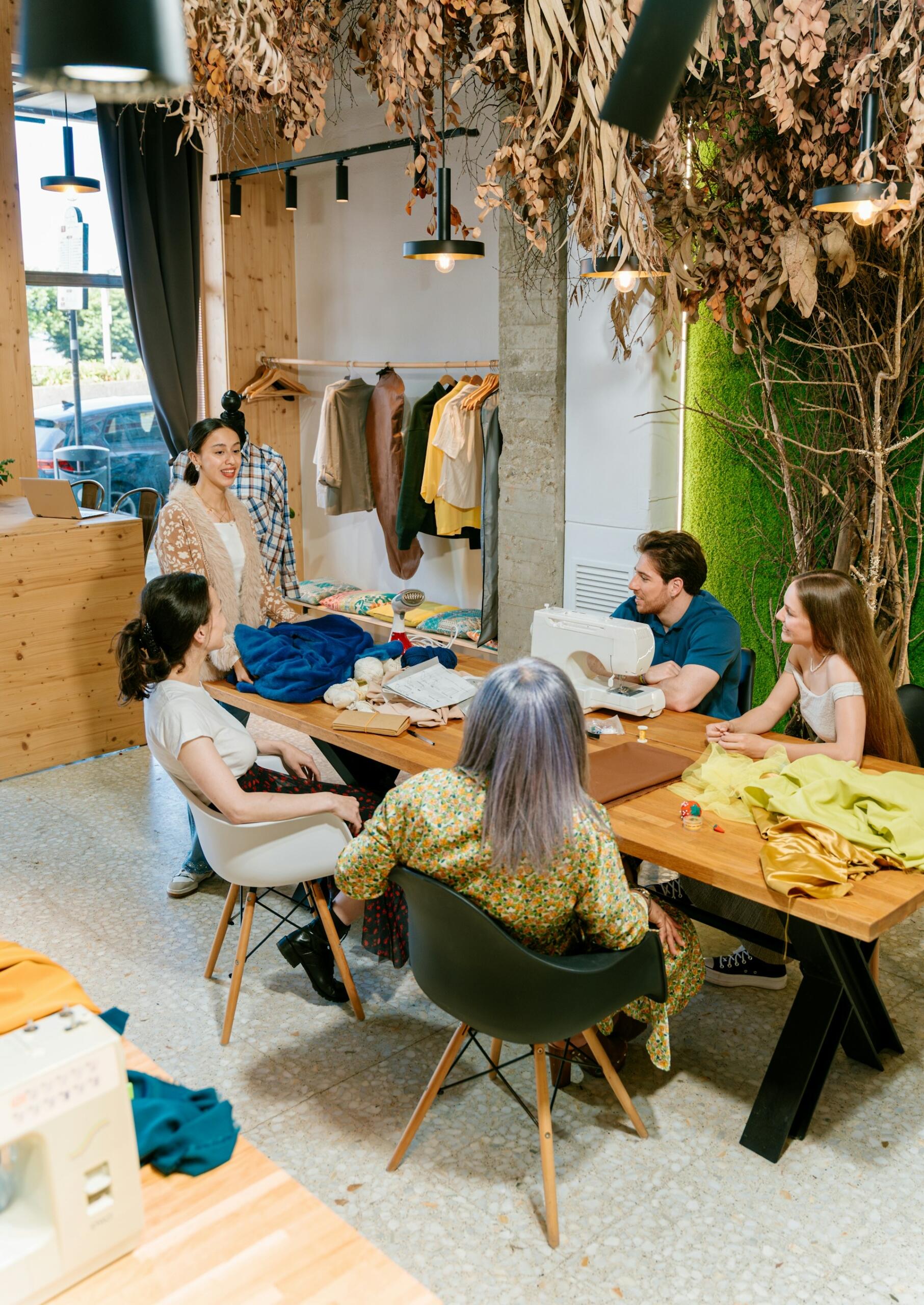
Private courses usually cost more, but you get the benefit of a teacher who can supervise your every stitch and help you learn exactly the things you want and need to know. The pace can be as fast or slow as you need, and you can learn specialized skills more easily.
Instructor Experience
Like most types of classes and services, more experienced instructors charge more due to their level of expertise. A teacher with a fashion background or professional sewing career will be more expensive to work with than a newer teacher or hobby-based instructor.
It’s important to note that you can still learn quite a lot from hobbyists, who often practice sewing on their own and studying with others for many years before turning to teaching.
You’ll need to do your research about a specific teacher and class to determine if a more expensive sewing instructor with a specialized background is helpful for the type of education you want to receive.
Course Duration and Content
Beginner sewing tutorials usually focus on things like basic stitches, machine setup, understanding fabric, thread, and cloth, and simple projects. These are usually the most affordable type of instruction since they teach the fundamentals.
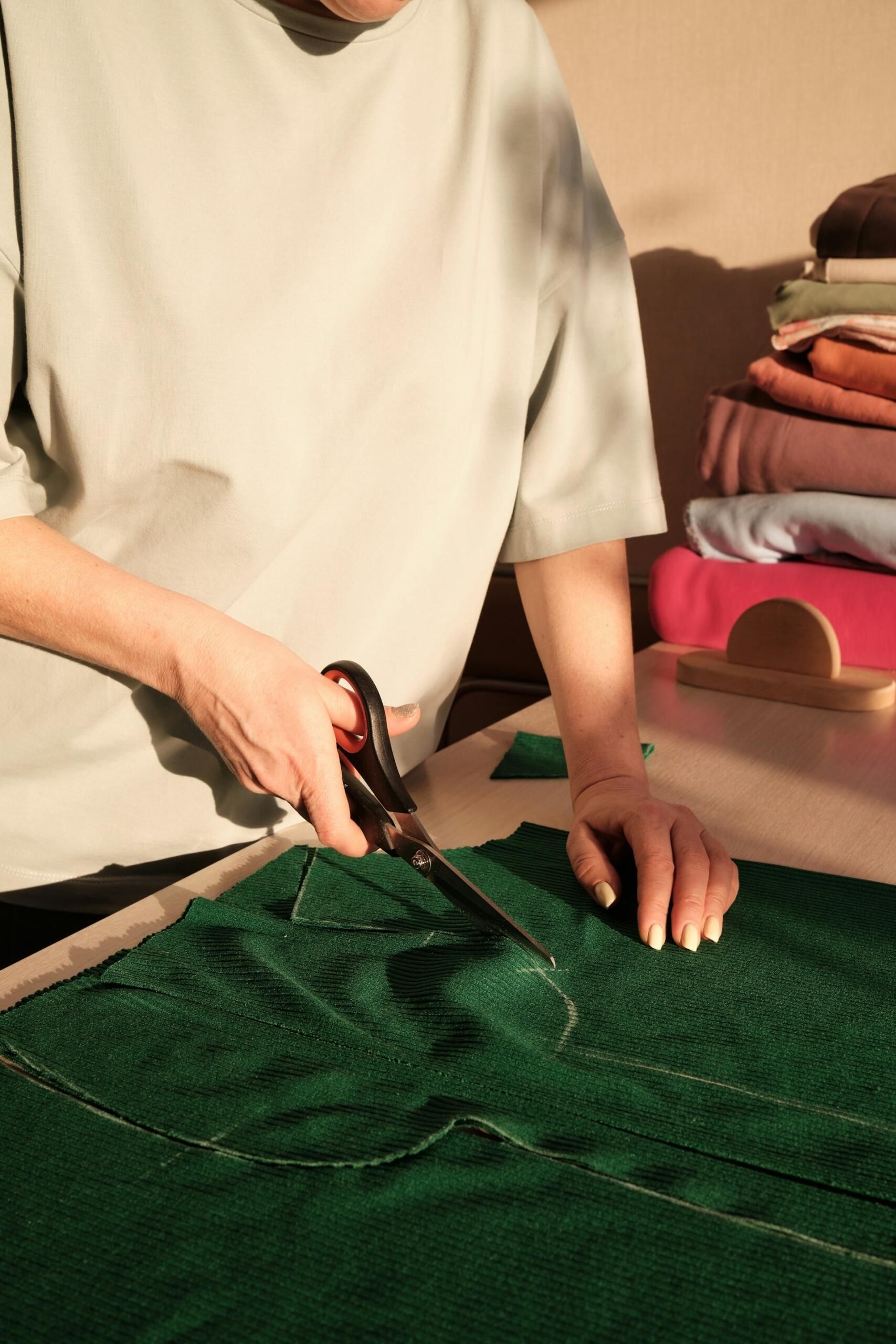
Intermediate lessons can be a little more costly.
They usually cover skills like pattern drafting, garment fitting and tailoring, and advanced machine use as well as maintenance.
Advanced classes can become much more expensive, depending on which skills you want to learn.
For example, a costume design class will be costly since there are dozens of steps in the process of ideating and researching, sketching, patterning, assembling, and the cost of specific materials.
You also usually have the choice between a single class, workshops, or courses. There is usually a balance between the cost per lesson and the overall cost that you need to determine. For basics, a handful of classes might be enough for what you want to achieve. If you learn more slowly or are practicing something advanced, a course can be a good way to go. Each class might cost less, even if the overall cost is higher.
Sewing courses for groups or solo learning can range greatly, from a couple of weeks to a month or more, with one or two sessions per week, to daily instruction.
When working individually with a teacher for private instruction in-person or online, you can typically take one class or sign up for class packs, which usually reduces the cost per lesson. That way, it’s like your own personal sewing course!
per week
per hour, for private instruction
Additional Costs to Consider
Training is not the only expense to factor into your budget. Sewing requires tools and materials, which can add up over time. It can be budget-friendly for beginners, but the more you want to learn and make, the more you’ll need to spend.
Sewing Machines
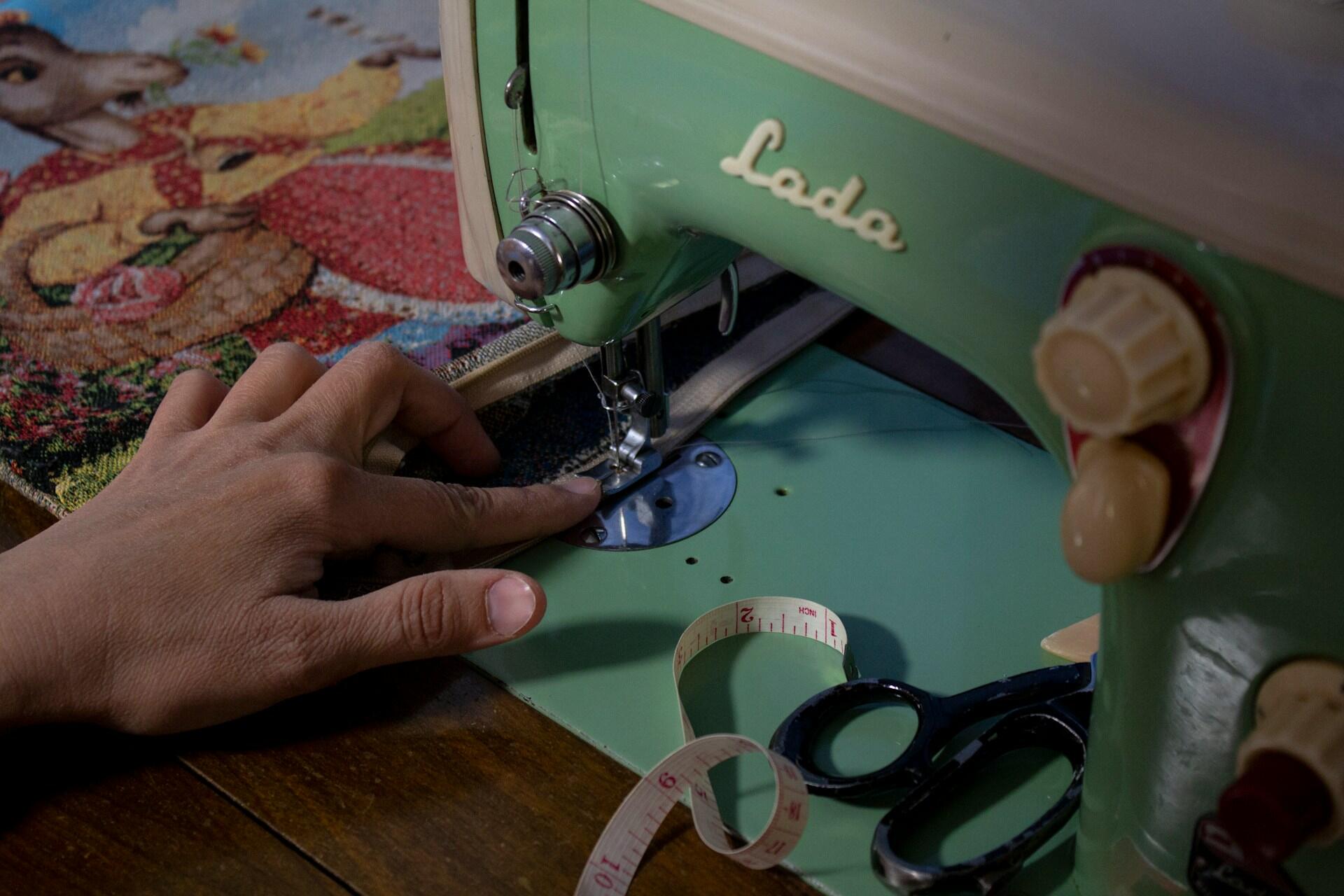
Sewing machines are usually the biggest upfront cost for beginners. If you’re taking classes, some studios or instructors provide machines, so you don’t need to invest in one until you’re more experienced. Others may require you to bring your own. If you’re training with online instruction, you’ll need to have your own machine. New machines, even basic ones, often cost $300 to $500, so it can be a good idea to search for a used one.
You can typically start out with a cheaper or a hand-me-down machine until you become more advanced and understand what features and qualities you need.
Patterns
Commercial patterns usually cost $5 to $20 each. Some tuitions include patterns, but many ask students to purchase their own. You can find pattern books and individual patterns for sale online and at most craft stores.
Fabric
Fabric prices vary widely. Basic cotton fabric may cost $6 to $12 per yard. Specialty fabric costs more, sometimes $20 to $50 per yard or more. Most workshops require students to bring their own fabric.
Materials and Supplies
Beginner sewists need a few essential supplies, including:
- Sewing scissors
- Sewing stiletto
- Pins
- Safety pins
- Needles and sewing machine needles
- Fabric glue
- Seam ripper
- Thread
- Bobbins
- Measuring tape
- Marking tools
- Pinking shears
Starter kits with quality items usually cost $30 to $60. You’ll also need an iron and an ironing board.
Additional supplies like sewing forms, sewing gauges, a self-healing cutting mat, rotary cutter, clips, extra machine feet, loop kits, buttons, and any other things required for your projects can add up.
Before enrolling in a class, ask the studio what you need to bring. This helps avoid surprises and keeps your budget under control.
Learning to sew is an exciting and valuable endeavor. While it can become a big investment, beginners can learn with just the basics. Many sewing supplies can be easily found at second-hand shops or from friends and relatives who are willing to share. Overall, it becomes something you can scale up or down depending on your budget, interest, abilities, and the amount of energy and time you have to dedicate to the craft.
Discover the perfect sewing class in your city or find online sewing classes with Superprof!
Summarize with AI:
Did you like this article? Leave a rating!

 Loading...