
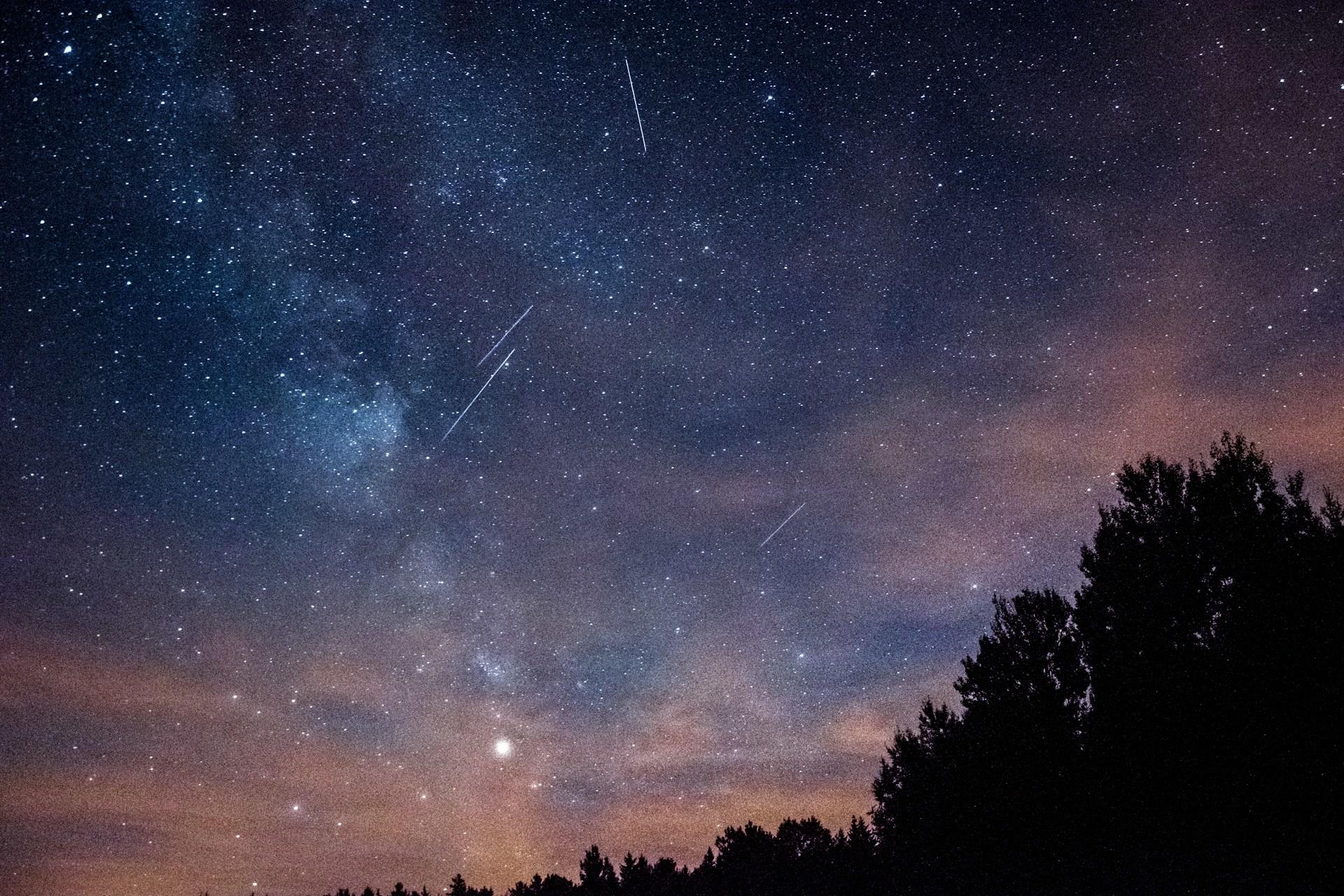

Welcome to our shooting star quiz! Are you ready for an exciting journey through the secrets of the night sky? Immerse yourself in the world of shooting stars and meteors, those spectacular celestial phenomena that have amazed us for centuries.
The sight of a shooting star moving across the sky leaves hardly anyone unmoved. But what exactly are shooting stars and how do they form? How and when can we best observe them? This quiz invites you to test your knowledge and find out more about these fascinating phenomena.
Quiz
Quiz :





All About Shooting Stars and Meteor Showers ☄️
Shooting stars, also known as meteors, are luminous trails in the sky that are formed when meteoroids enter the Earth's atmosphere and burn up through friction with air molecules.
Several times a year there is a very special spectacle in the night sky: meteor streams or shooting star showers. These events are known for the large number of shooting stars that become visible within a short period of time. The best-known meteor showers are:
- Perseids in August: An annual event from mid-July to mid-August, with the peak around August 12.
- Leonids in November: Have diminished considerably over time, with greater activity expected to be observed again from 2033.
- Geminids in December: Reach their peak around mid-December, known for their numerous and bright meteors.
- Quadrantids in January: They peak at the beginning of January and are known for their fast meteors.
These meteor showers are particularly popular with amateur astronomers and shooting star enthusiasts due to their regularity and intensity.
The best time to observe them is on dark nights in clear weather. Look for a place where there is as little light pollution as possible and be patient. Your eyes need some time to get used to the light conditions and the view of the starry sky. A comfortable lounger or blanket can help you to relax and enjoy the beauty of the meteor showers.
The Fascination of Shooting Stars: Myth and Science 💫
Shooting stars, also known as meteors, have played a fascinating role in human history for thousands of years. From ancient times to modern astronomy, they have been seen as spiritual signs, divine messengers or harbingers of good fortune, and they have shaped numerous cultures around the world.
In ancient times, shooting stars were often interpreted as heavenly messages. In Greek mythology, it was believed that shooting stars were sent by the gods to herald certain events or to influence personal destinies. Similar ideas can be found in many other ancient cultures, from the Romans to the ancient Chinese and Mayans.
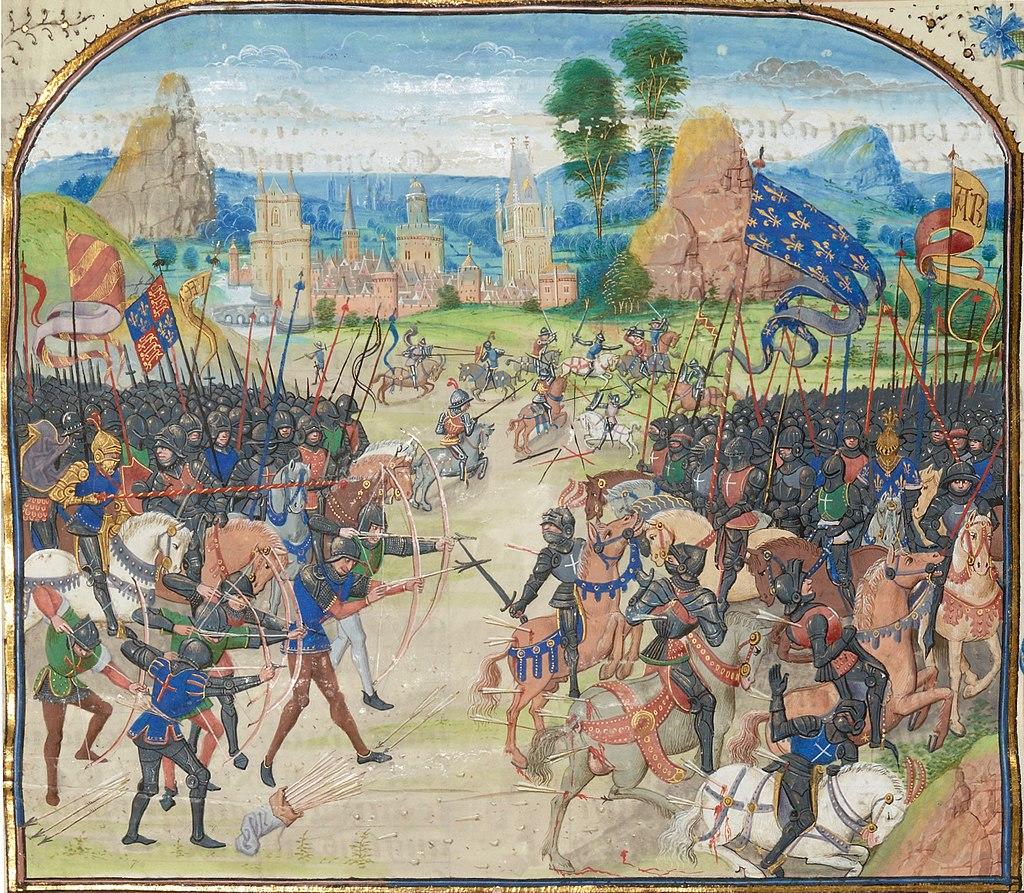
In the Middle Ages, shooting stars were not only seen as a welcome lucky charm. Many people saw them as possible harbingers of impending political or social changes, which gave rise to both hope and fear. As some decision-makers relied on these omens, shooting stars could actually have an influence on the course of events.
From the 15th century onwards, the myth spread that shooting stars were glowing wicks that fell when angels cleaned the candelabras.
Even today, shooting stars still play an important role in popular belief and culture in many countries. It is widespread to make a wish when you see a shooting star in the sky. This custom has remained alive in many cultures around the world and is often seen as an opportunity to express personal dreams and wishes.
The custom of making a wish when you see a shooting star is widespread. But be careful: you have to be extraordinarily quick and formulate your wish before the shooting star has completely faded away. Furthermore, confidentiality applies: only wishes that are kept secret should come true.
In modern astronomy, shooting stars serve as an important source for understanding cosmic events and the formation of our solar system. By studying their composition and movements, scientists can gain valuable information about the distribution of matter in space and even obtain clues about the possible origin of life on Earth and other planets.
The observation and study of meteor showers is not only important for science, but also continues to help us appreciate the wonder and beauty of the universe that has inspired mankind since time immemorial.
Summarize with AI:
Enjoyed this article? Leave a rating!


 Loading...
