
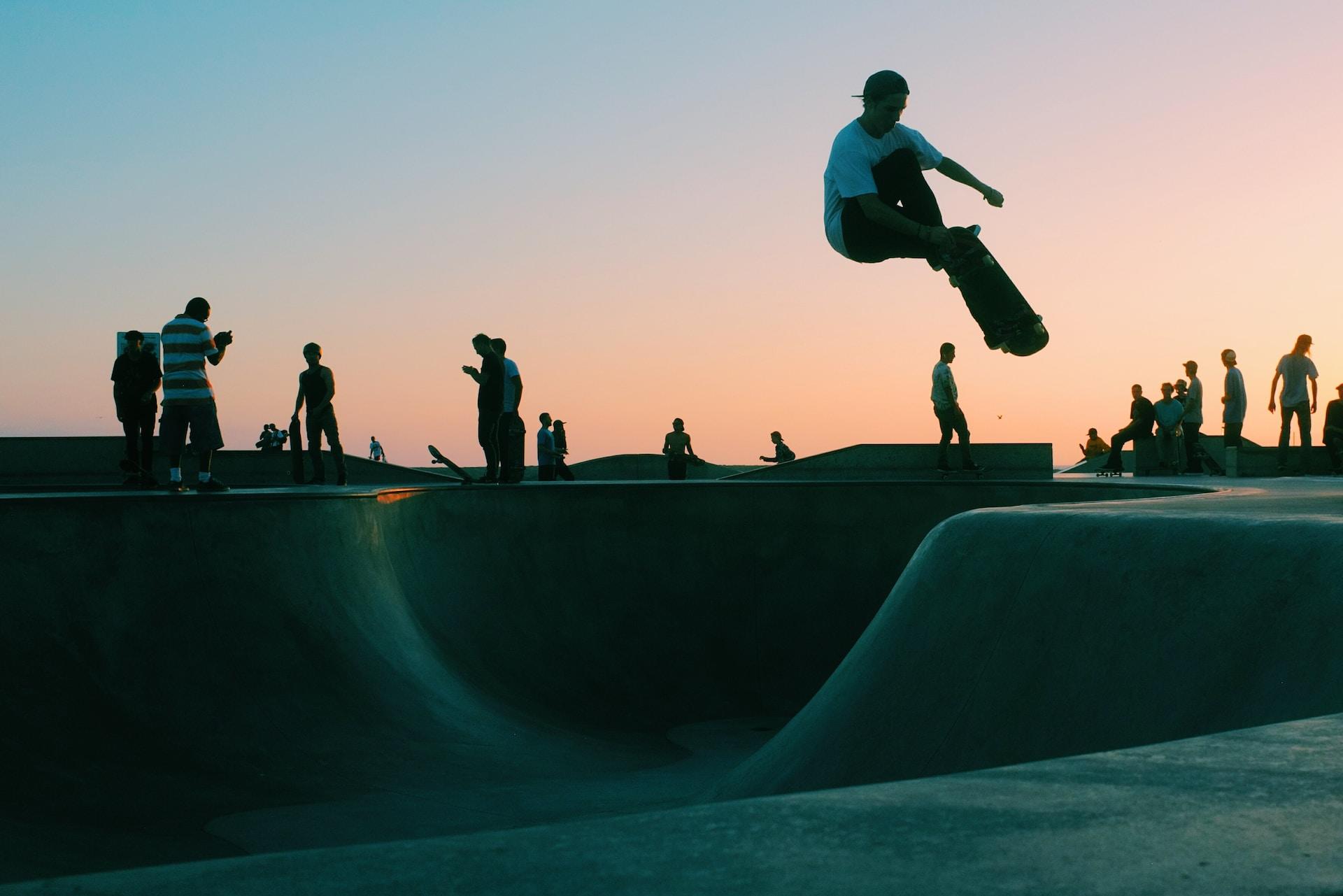

If you're new to skateboarding and the community, you mightn't know anyone or anything, so practicing on your own might be your only option (for the time being). Here's how you can safely and effectively practice skateboarding on your own.


Is It Possible to Learn Skateboarding by Yourself?
Learning to skateboard can definitely be done on your own, but it takes patience and consistency. It's a good idea to look for quiet parking lots, driveways, and flat open surfaces where you can practice simple balance and rolling drills before you start tackling tricks. Study and break down each movement, then repeat it until it becomes second nature. Consider filming your progress and keep a training log to see if you can find any room for improvement (and you should be able to). Progress will come after, and you can always ask around in the community, speak to a coach or tutor for tips on improving, but you'll find that simply putting in the hours is one of the best ways to improve.
Essential Safety Gear for Solo Skateboarding
We don't want to sound like your parents, but you should be safe when skateboarding. It mightn't sound like the coolest thing to say, but you can do a lot more skateboarding if you aren't injured. When you first start skateboarding, you'll likely fall a lot, and you don't want a simple fall to stop your skateboarding journey as soon as it starts. Even low-speed falls can cause significant injuries if you fall the wrong way, and they can be easily mitigated with affordable safety equipment.
Protective gear also serves another purpose for those just getting started: it can give them confidence. Knowing you're protected means you can be more relaxed when you skate while staying loose and, ultimately, learning faster. Be sure to inspect your gear before every session, like checking your helmet straps, the velcro on your pads, and the grip on your shoes. It's also a good idea to stretch for a few minutes before you start, and in some cities, skateparks have helmet laws, so wearing a helmet means you're safe and compliant. Confidence will come from preparation and protection.
Good safety gear does more than prevent injuries. It changes how you skate. When you know you’re protected, you’ll take natural risks, practice longer, and recover faster after each fall. Most new skaters discover that once the fear of falling fades, progress comes much quicker.
Skateboarding Safety Checklist
Helmet
Get yourself a helmet. Falling can become very dangerous if you hit your head on something hard, like concrete, cement, a metal rail, or any of the other kinds of things and materials you'll find yourself surrounded by when you skateboard.
Make sure that your helmet is fitted correctly and suitable for skateboarding. You want to look for certifications such as CPSC, ASTM, or EN1078 on the helmets you buy. When in doubt, you can always ask a staff member at a skateboarding shop.
Knee and Elbow Pads
Knee and elbow pads will protect against impacts and abrasions. You don't want your skateboarding sessions cut short by a nasty graze or bump, and pads are a relatively cheap and effective way to protect yourself.
Wrist Guards
We can't stress enough just how often you're going to fall. Wrist guards can protect your wrists from sprains, fractures, and breaks. Since you'll automatically put your arms out when you fall, your wrists are likely to be used to soften your landing. When learning tricks, you'll regularly fall onto them, so make sure that they're protected. Having appropriate safety equipment can also help beginners get over a fear of skateboarding.
Shoes
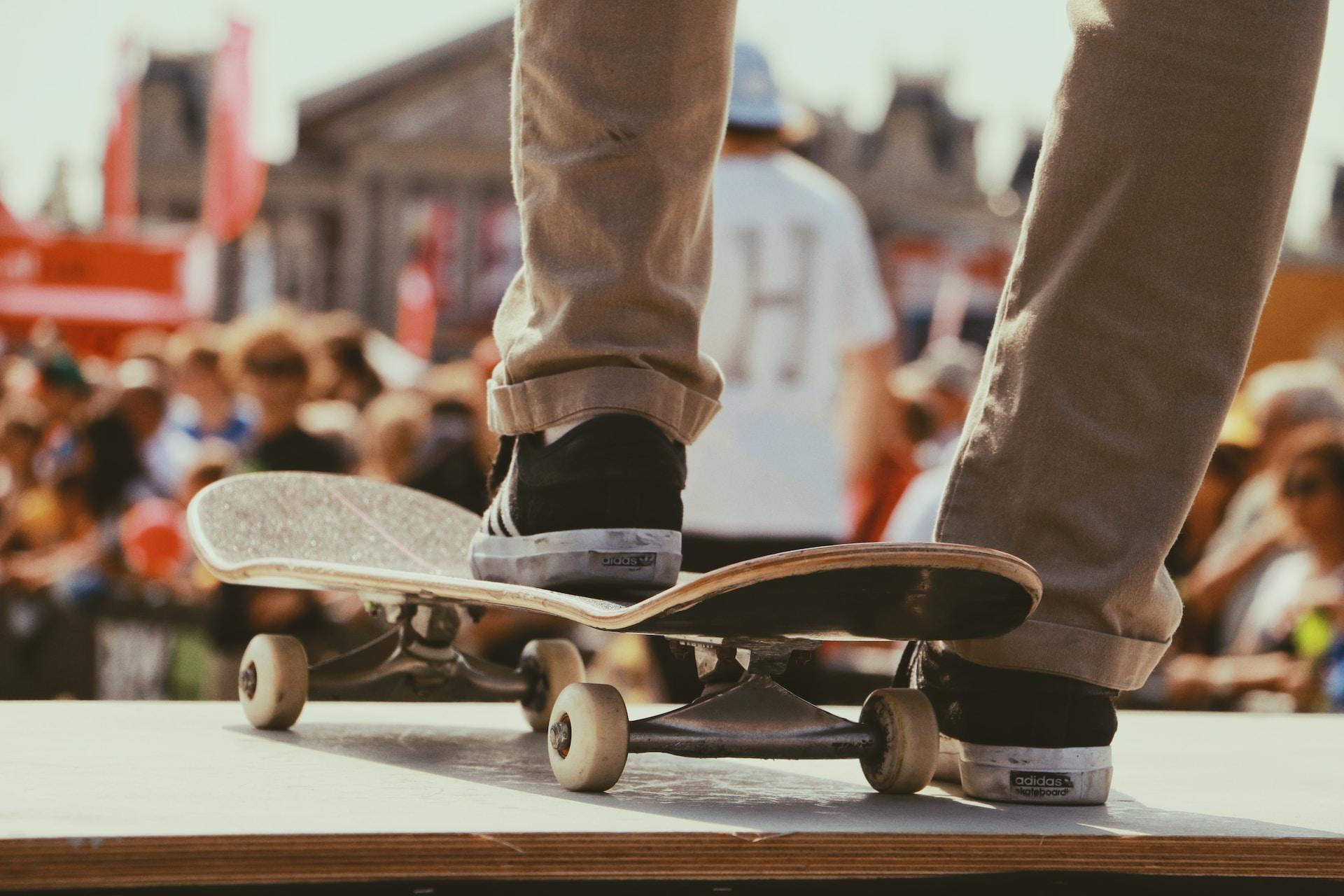
Invest in a good pair of skate shoes. These generally have flat soles for better contact with the board and are designed for skateboarding. You can find some decent skateboarding shoes on a budget, too, as they tend to be cheaper than some of the more “fashionable” sneakers out there.
Other Clothing for Skateboarding
If you're skateboarding during the day, long sleeves and pants can help protect against sunburn (as can sunscreen). If you get carried away and spend all day skating, you'll be thankful that you covered up because nobody wants a nasty sunburn.
Choosing the Right Skateboard for Beginners
It doesn't take a genius to work out that you can't skateboard without a board! You need to pick a suitable board and remember that breaking the bank on an expensive high-end board won't automatically make you the world's most incredible skateboarder.
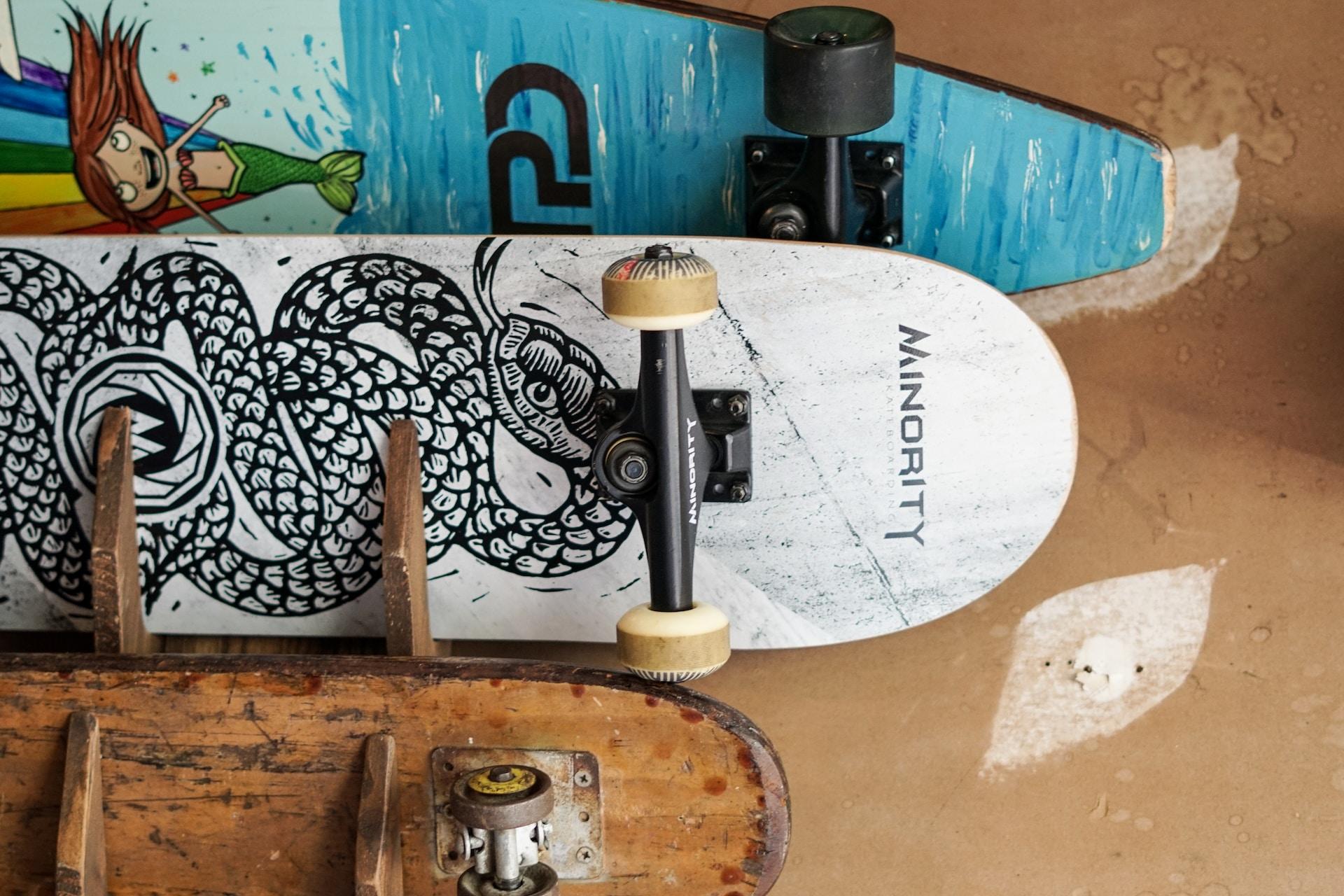
Your board should reflect your level, and there's no harm in getting an affordable board as you start. That being said, there are some things to look out for when choosing your board. You can buy skateboards fully assembled, or buy all the necessary parts separately and assemble them yourself. For beginners, it's recommended that you purchase a pre-built board, as you're unlikely to have the knowledge to choose the proper setup.
Beginners may want to choose wider decks, too, as they offer more stability. Speak to a staff member in your local skate shop for advice. Longboards are different from skateboards and are designed for cruising or going downhill. You'll want trucks that prioritize stability, too, as you get to grips with standing on a skateboard and moving around.
Prioritize stability over a style. Most beginners will want a deck between 7.75 and 8.25 inches wide, as these give you enough room for comfortable foot placement. Softer brushings in the trucks make turning easier at low speeds, and medium-sized wheels (52-54mm) give a smooth roll on concrete without feeling too loose. Durability and comfort are what count. You can start looking at lighter decks or firmer wheels as you advance.
A beginner’s skateboard isn’t about flash or brand names; it’s about comfort. The best board is one that feels stable beneath your feet and reacts smoothly to your movements. When your setup suits your body, you’ll learn technique instead of fighting your equipment.
While it can be tempting to spend a lot, your budget should be in line with your level. As you get better at skateboarding, you can always upgrade your gear for better performance, but your equipment won't necessarily make you better at skateboarding until you get better.
Beginner Board Setup
Start with the Basics
Even though you've probably seen lots of excellent tricks done by professionals, it's going to be a while before you're anywhere near the level even to attempt them. Skateboarding is like any other skill, and you aren't going to be immediately good at it when you start. There are going to be frustrating moments when you can't do the things you want to do and you'll fail a lot.
Repetition at low speed is the secret to control. By slowing each motion, like pushing, turning, and stopping, you teach your body precision before adding pace. Skaters who master control early are the ones who stay balanced and confident later on ramps and curves.
Any experienced skateboarder will tell you it's all part of it. Just ask them how many times they've fallen off their board or how many times they tried a new trick before they were able to do it. Start simple and remember that failing is just a part of learning and getting better.
10-Minute Solo Warm-Up Routine
Work Out Your Stance
Before you can skate at skateparks, you'll need to find out what your stance is. This should be pretty natural and obvious when you first step on the board. On a skateboard, you have a front foot and a back foot as you face sideways from the direction of travel. You'll either have your left foot forward (regular) or your right foot forward (goofy). If you're really not sure, you'll soon work this out when you start pushing the board.
Push
Pushing is the act of moving the skateboard with one of your legs, and it is one of the first things you'll learn how to do on a skateboard. Your back foot will push, so if you haven't been able to work out your stance just by standing on the board, once you go to make, you'll likely work it out. Much like we have a dominant hand we use to write with, we have a dominant leg that we'll use to push a skateboard. This will likely be the same leg that you kick with, but this isn't always the case.
Steer
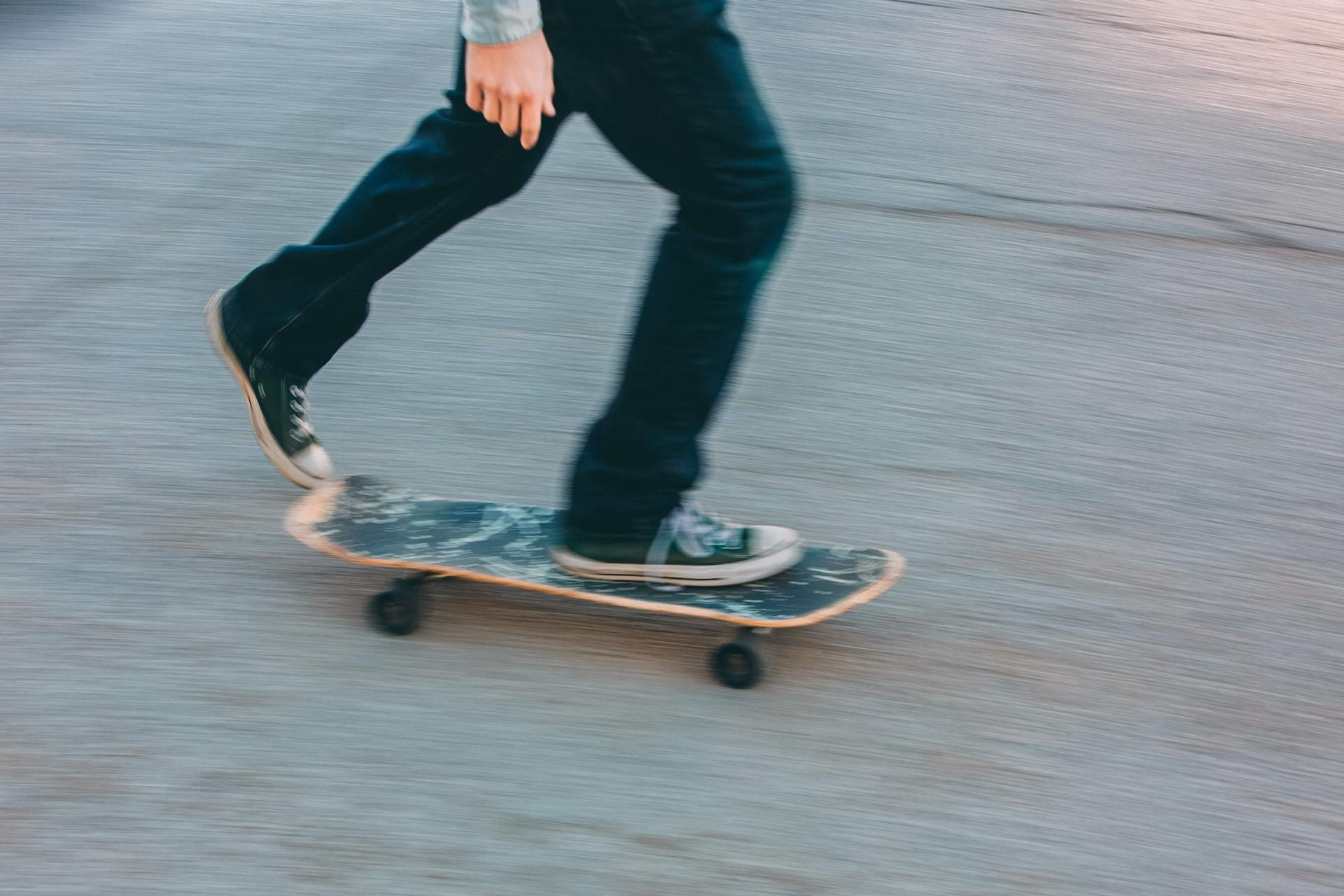
Once you're moving on your skateboard, you'll also need to learn how to turn. Start in nice open areas. You steer a skateboard by shifting your weight through your feet to either edge of the board. The board will turn towards the side with the most weight on it. Start by turning by just shifting your weight onto your toes or your heels. As you advance, you can start leaning into turns.
What’s your biggest challenge when learning to skateboard alone?
Keep Your Balance and Learn to Fall
Before you tackle any trick, you need to learn how to balance on the board. The better your balance, the less frequently you'll fall off your board. This doesn't mean you won't ever fall; you'll need to get used to falling safely. Generally, you'll want to roll with the fall and avoid stretching your hands out to stop yourself, as this can damage your wrists. Protective equipment will help you minimize damage when you fall, so you can get back up and try again.
Don't Skateboard Alone
While you mightn't want to skateboard with others because you're not very good, we don't recommend it. As we mentioned earlier, the skateboarding community is famously welcoming and helpful, especially to newcomers.
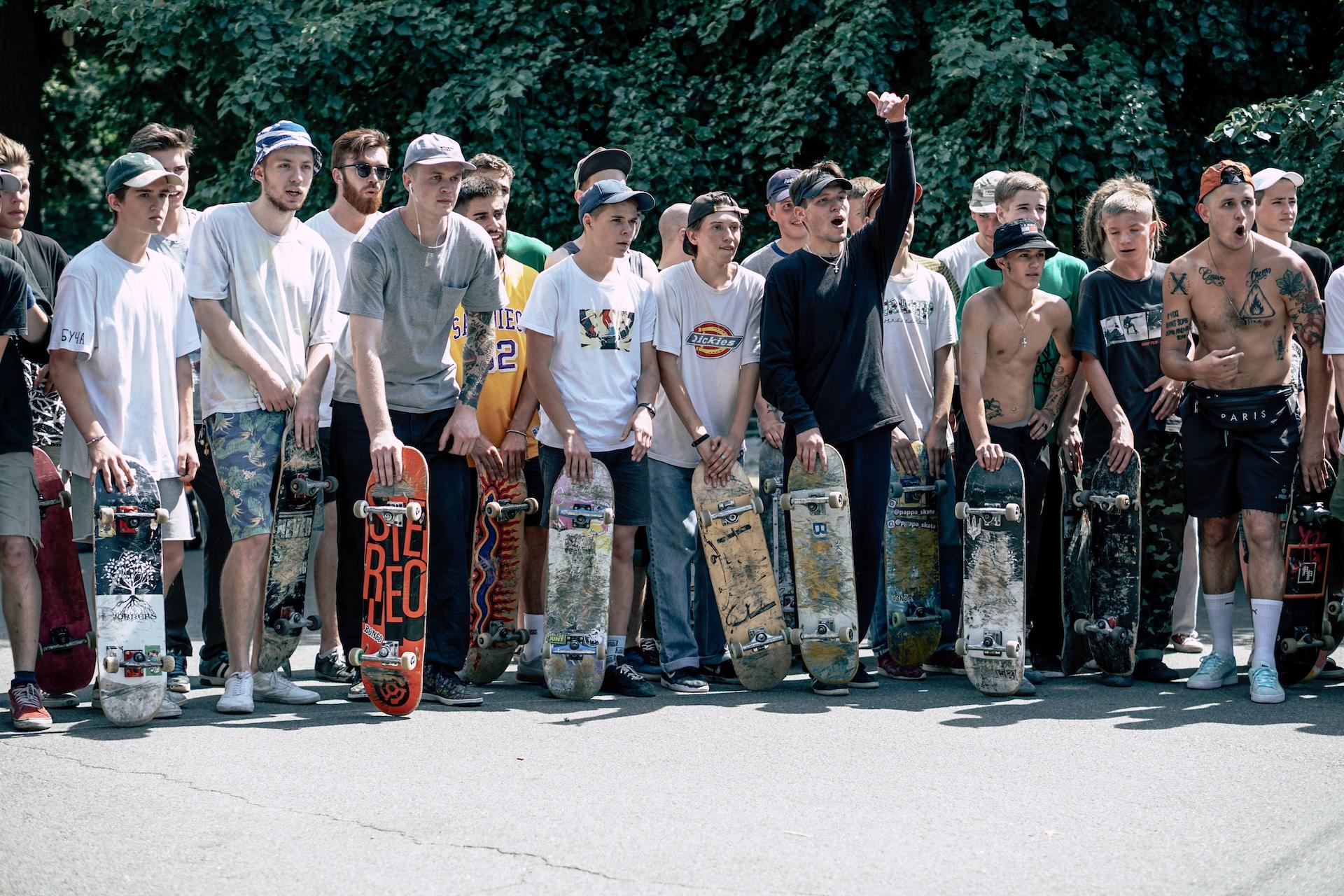
Even if you don't want to skateboard in front of others, it might help to learn skateboarding with somebody else, like a private skateboarding tutor or coach. While there are plenty of online tutorials and resources for learning how to skateboard, having somebody teach you is the best way to learn techniques more quickly. You can pick up bad habits that ultimately hinder your progress if you try to teach yourself, but you can avoid this by having just one person there who knows what they're doing.
Summarize with AI:
Did you like this article? Leave a rating!

 Loading...
