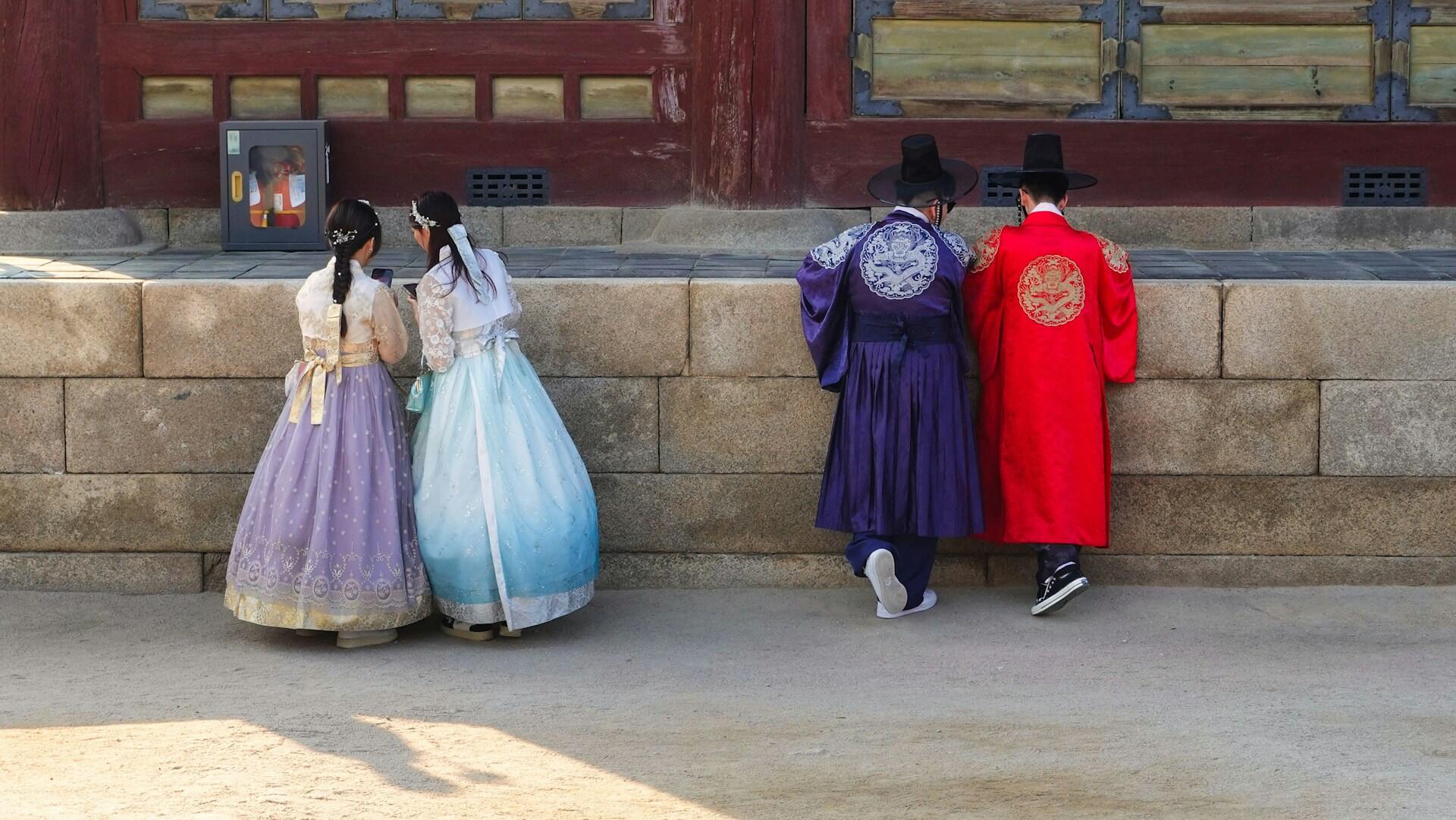
Korean culture is more popular internationally than it's ever been and there are a multitude of reasons for it. In addition to traditional Korean culture, Korean popular culture is known around the world and helped by world-famous K-pop acts, Korean cinema, K-dramas, and Korea's delicious cuisine.
In this article, we'll be looking more closely at what Korean culture is, the aspects of it that make it so popular, and how you can learn more about Korean culture and the Korean language.


A Quick Introduction to Korean Culture
Like anywhere else in the world, Korean culture isn't a singular entity and there are subcultures and lots of different aspects to the culture that are definitely worth exploring more deeply, but for this article, we'll be looking at Korean culture with a broad lens and speaking about it very generally.
Naturally, Korean people aren't all the same and everybody has their own interests, but there are lots of commonalities across South Korea that are unique to the country and that culture is what we'll be looking at today.

We'll also be predominantly talking about South Korean culture, especially when it comes to contemporary culture, but we'll be using both "Korean" and "South Korean" interchangeably, especially when referring to contemporary Korean culture.
For obvious reasons, we won't be talking about North Korean popular culture after North and South Korea became two separate countries following the Second World War.
Korean culture, like other cultures, is a product of the people living there and the history and geography of the area. The culture has its own distinct and native features while also being influenced by neighboring civilizations and cultures from China, Japan, and Mongolia. Interactions between these different peoples have resulted in Korean culture as we know it today.
The culture is also a product of the religions practiced in the area and Confucianism has significantly impacted traditional Korean culture including the importance placed on education, family, and the older generation.
Traditional Korean culture also has a strong respect for nature and this can be seen in how they treat nature and how it features in Korean art, which is known for highlighting simplicity and harmony.
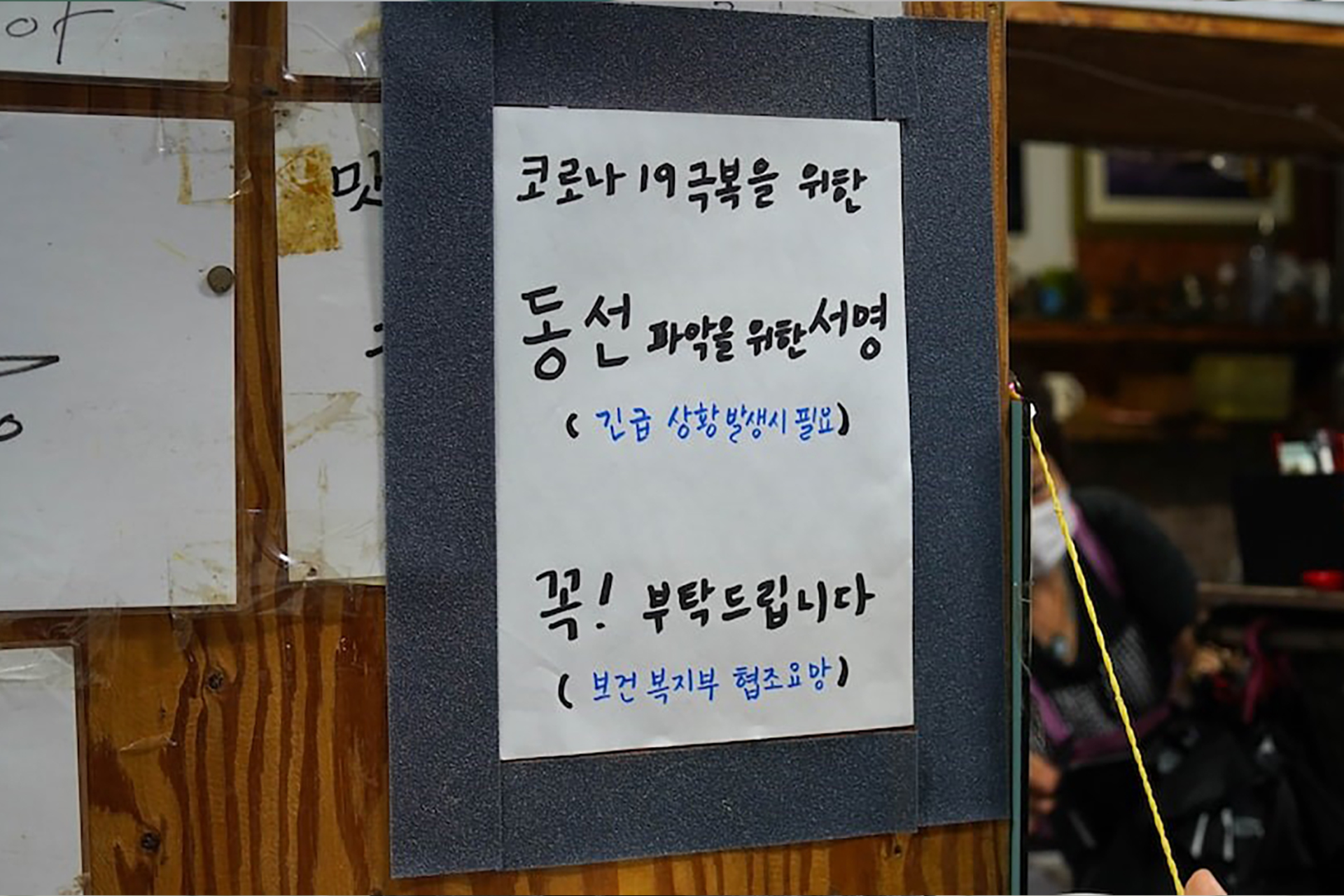
Language and culture are inseparable and the Korean language is as much an influence on the culture as it is a product of it. The Korean language features its own unique writing system known as Hangul which was developed in the 15th century to help with literacy and is instantly recognizable to those familiar with it.
Linguistically, the Korean language is classified as a language isolate since it has no surviving related languages. While English is related to other Germanic languages like Dutch and German and the Romance languages like Spanish, Italian, French, Portuguese, and Romanian are all related to one another, linguists have been unable to find any living languages related to Korean.
There is technically the Jeju language that belongs to the Koreanic language family and is spoken by 5,000 people primarily on Jeju Island, but the jury's still out on whether this should be classified as a language or a dialect of Korean, despite it not being mutually intelligible with mainland Korean dialects.
The Reasons Korean Culture Is Popular
While there are plenty of reasons to take an interest in traditional Korean culture, it's Korean contemporary culture that's taken the world by storm and not by accident.
In the late 90s and following the popularization of satellite television, Korean cinema and K-dramas (Korean TV dramas) started gaining popularity in China and Southeast Asia.
This was dubbed the Korean Wave (Hallyu) and by the early 2000s, Korean culture was going beyond Southeast Asia and finding its way into the Middle East and Eastern Europe.
The internet only further popularized Korean culture and almost everybody who was online in the early 2010s will remember the massive impact that Gangnam Style had when it became the first YouTube video to reach one billion views!
The South Korean government has also actively promoted its own culture and entertainment and has made concerted efforts to market it and collaborate with others around the world.
Korean culture has some very unique elements that not only make it stand out against other cultural exports but also make it appealing and refreshing to those who consume it. Korean musicians, pop stars, and actors are all also very active on social media and digital platforms and regularly engage with their fans, strengthening the connections they have with them.
Korean culture has also benefited a lot from increased global connectivity and globalization and has been helped greatly by being very culturally active at a time when culture can be so easily exported to other countries.
What's Behind Korean Pop Culture?
While so many things make up a culture, there are a few aspects of Korean pop culture that are predominantly behind its success.
Here are the cultural exports that have helped make Korean culture so popular in the last few decades.
K-pop
K-pop is Korean pop music and is one of Korea's most important cultural exports. K-pop is famous for having catchy melodies, intricate dance routines, and incredible production quality complete with eye-catching visuals.

K-pop performers, that are known as idols, regularly engage with fans, are heavily marketed, and endure grueling performing, media, and recording schedules, which have not only come under a lot of criticism but have been downright illegal in some cases.
Some of the most popular K-pop groups include BTS, BLACKPINK, EXO, TWICE, and Red Velvet, though there are many more and if you're new to K-pop, you're bound to find something you like.
K-dramas
K-dramas are Korean television series famous for their character-driven storylines, romantic themes, and beautiful cinematography and aesthetics. While they're called K-dramas, they cover a broad emotional range and also be funny as well as dramatic or tense.
Popular K-dramas include "Descendants of the Sun," "Boys Over Flowers," "Goblin," "Crash Landing on You," and "Itaewon Class".
Korean Cinema
Korean culture is popular on the big screen, too, and much like other kinds of cinema, you can't narrow Korean cinema down to a single genre. Whether you like thrillers, historical epics, art films, or comedies, you're bound to find something you like.
Korean cinema is generally praised for including thought-provoking social commentary delivered through impactful performances that resonate with viewers all over the world. While they include Korea's cultural identity, there's something very cross-cultural and universal about a lot of Korean cinema that international audiences enjoy.
Korean Cuisine
One of the best things about traveling is trying new food and there's plenty of great Korean food to enjoy.

A lot of Korean cuisine blends lots of different flavors through the use of oils, spices, and seasoning. Chili peppers, garlic, ginger, and sesame oil are commonly used to create wonderful combinations of tastes.
Korean cuisine also uses a lot of fermentation and kimchi (fermented spicy vegetables), doenjang (a fermented soybean paste), and gochujang (fermented red chili paste), which is both tasty and good for you.
Generally, Korean food is quite healthy, too, and fresh ingredients, vegetables, seafood, and whole grains are commonly used in Korean dishes.
Korean food is to be enjoyed in a group and communal dining is a big part of the Korean culinary culture. Korean barbecue, for example, is an experience where diners barbecue their own food using a grill in the center of their table, which many find to be enjoyable.
How to Learn More About Korean Culture
If you want to learn more about Korean culture, you can find plenty of it online. Thanks to the internet, you can listen to K-pop or watch K-dramas and Korean cinema on streaming sites and platforms.
One of the best ways to maximize your enjoyment of Korean culture is by speaking the language and if you're interested, you should look to learn how to speak Korean.
Learn Korean
Learning Korean is no different from learning any other language since you need to develop the same skills. However, Korean is traditionally considered one of the most difficult languages for English speakers to learn because it differs so greatly from our mother tongue.

European languages are usually easier to learn because a lot of the vocabulary is similar, they use the same writing system as English, and there are related or similar cultural concepts for students to grasp.
While Korean's Hangul writing system is intuitive, you'll still need to spend time studying it. Korean grammar can also be very difficult for English native speakers and the syntax (word order) is quite confusing when you first start studying it.
Korean also uses particles and markers to indicate the grammatical function of words and for learners who've never seen these before, it can be quite a challenge.
That said, with the right resources, you can learn how to speak Korean and you can always hire a private Korean tutor to help you if you're struggling. There are plenty of Korean tutors all over the country and even more around the world who can teach you over webcam if you prefer!
Summarize with AI:
Did you like this article? Leave a rating!

 Loading...