


The 80s were a great decade for music and, by extension, musical theater. Hit shows from that decade, like Cats, Miss Saigon, and La Cage aux Folles, easily spring to mind; others reflect the shifting cultural sensibilities of the times: Dreamgirls and Sarafina! enjoy frequent revivals and have even been made into films. Where does Chess fit in? Curiously enough, it has Miss Saigon overtones and a crucial tie to Cats. Chess even enjoys a tenuous connection with Cage, believe it or not. As for any link to Dreamgirls and Sarafina!? Let Superprof show you how to pull together the various strings of 80s musicals to come up with a complete picture of the times.








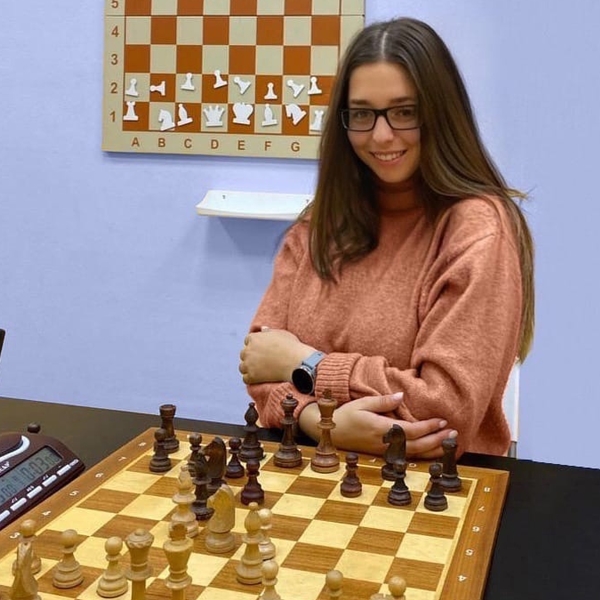
The Plot of Chess, the Musical
What do the Cold War, forbidden love, and chess have in common? A musical! Let's explore the two acts that make up the musical. We'll try not to go into too much detail, but you should be warned that there are spoilers.
Act One
It's the height of the Cold War, yet the International Chess Federation continues to welcome the Soviets. Do they not realize that inviting them to play only legitimizes their regime? Still, the World Chess Championship games must go on; this year, it will be held in Italy - a neutral territory for both the menacing Soviets and the arrogant/aggressive Americans. Soon, the players take the stage. They mask their private motivations behind a series of shenanigans and an apparently real enmity.

Quite by accident, Anatoly falls in love with Florence, Freddie's second (and likely lover) - the very trick that Anatoly's second, Molokov, suggested. Freddie, coming upon Florence and Anatoly enjoying an embrace, explodes with jealousy and rage. Just as Molokov predicted, Freddie was unable to focus on the game. The winner takes it all as the tournament ends: Freddie loses his title and his love to Anatoly. In the Cold War, every public contest became a political statement. Chess simply made that subtext explicit.
Act Two
Freddie and Anatoly (with Florence) meet up again in Bangkok. Anatoly is there to defend his title, but Freddie is now a media commentator, there to report on the match. The theme now is humiliation. Freddie is instructed to humiliate Anatoly on-air, Molokov engineers the sudden appearance of Svetlana, Anatoly's left-behind wife... and all of this is designed to destabilize the reigning World Chess Champion. However, he remains ever the chess purist; he refuses all of their schemes. And then, things turn around.

Florence and Svetlana forge a bond, and Florence confesses that, no matter how perfect she and Anatoly are for each other, he should return to Svetlana. Freddie finally puts aside his animosity for his former rival and clues Anatoly into flaws in his opponent's strategy... but the show has one more betrayal in store.
Character Analysis
The characters in Chess are shaped by political pressure and personal ambition. Each of the main characters represents a different response to power, ideology, and emotional vulnerability during the Cold War. Freddie, Anatoly, and Florence are explorations of private relationships being manipulated for public and political gain.
Freddie Trumper
Although Freddie is a leading character, we learn little about him. Only the gut-wrenching song Freddie sings after Florence leaves him, Pity the Child, gives a hint that his upbringing was less than stellar - indeed, that his parents' coldness towards him is what made him such an angry, aggressive person. However, unlike in the series The Queen's Gambit, neither Freddie's childhood trauma nor Soviet chess prowess drives the plot.
In the 80s, the chess world was still on fire from Bobby Fischer's surprise win over Boris Spassky (1972). At the time, Mr Spassky was the World Chess Champion, and Mr Fischer, at just 29 years old, was still considered too wet behind the ears to take on such a chess giant. Their match was promoted as a Cold War confrontation between the US and the USSR, a symbolic fight to the death for supremacy between political superpowers, indicating that the desire to crush the Soviets, one way or another, was alive and well. And it carried over into the real world.
Pity the child who has ambition, Knows what he wants to do.
Freddie Trumper, “Pity the Child”, Chess
Anatoly Sergievsky
Anatoly, Freddie's Soviet challenger, is a chess purist who refuses to use any underhanded tactics that would ensure his win. In an odd twist, the underhanded tactic in question becomes a pivotal plot point. The Soviet player then adds to his wins by defecting, thus gaining his freedom from his homeland's oppressive regime. Unknown at that point is that he left his wife and children behind. Anatoly successfully defends his title and returns to the Soviet Union with Svetlana at his side.
No man, no madness, No rule of law can make me stay.
Anatoly Sergievsky, “Anthem”, Chess
Florence Vassy
Early on, we learn that Florence's father was believed to have been captured by the Soviets during the Hungarian Revolution. Her missing father is a sore point that Freddie exploits early in the story, while they are together. At the end of the show, she discovers that her craving to know her father's whereabouts - or even if he is still alive was used against her to make the World Chess Champion, Anatoly, return to his homeland. That final revelation shows how art imitates life as well as a perfect blending of chess and art.
I don’t see how I can survive this game.
Florence Vassy, Chess
Production History
Tim Rice, still basking in the success of Evita, wanted to put together a show about the Cold War. Unfortunately, he and his long-time collaborator, Andrew Lloyd Webber, couldn't come up with anything that smelled like a hit, so the project was shelved. That doesn't mean Sir Rice gave up on the idea; he just needed to find an angle to build the story around. He found it in The Match of the Century, the 1972 Fischer/Spassky match, but it wasn't anything chess-related that grabbed him. It was the politics behind the match.
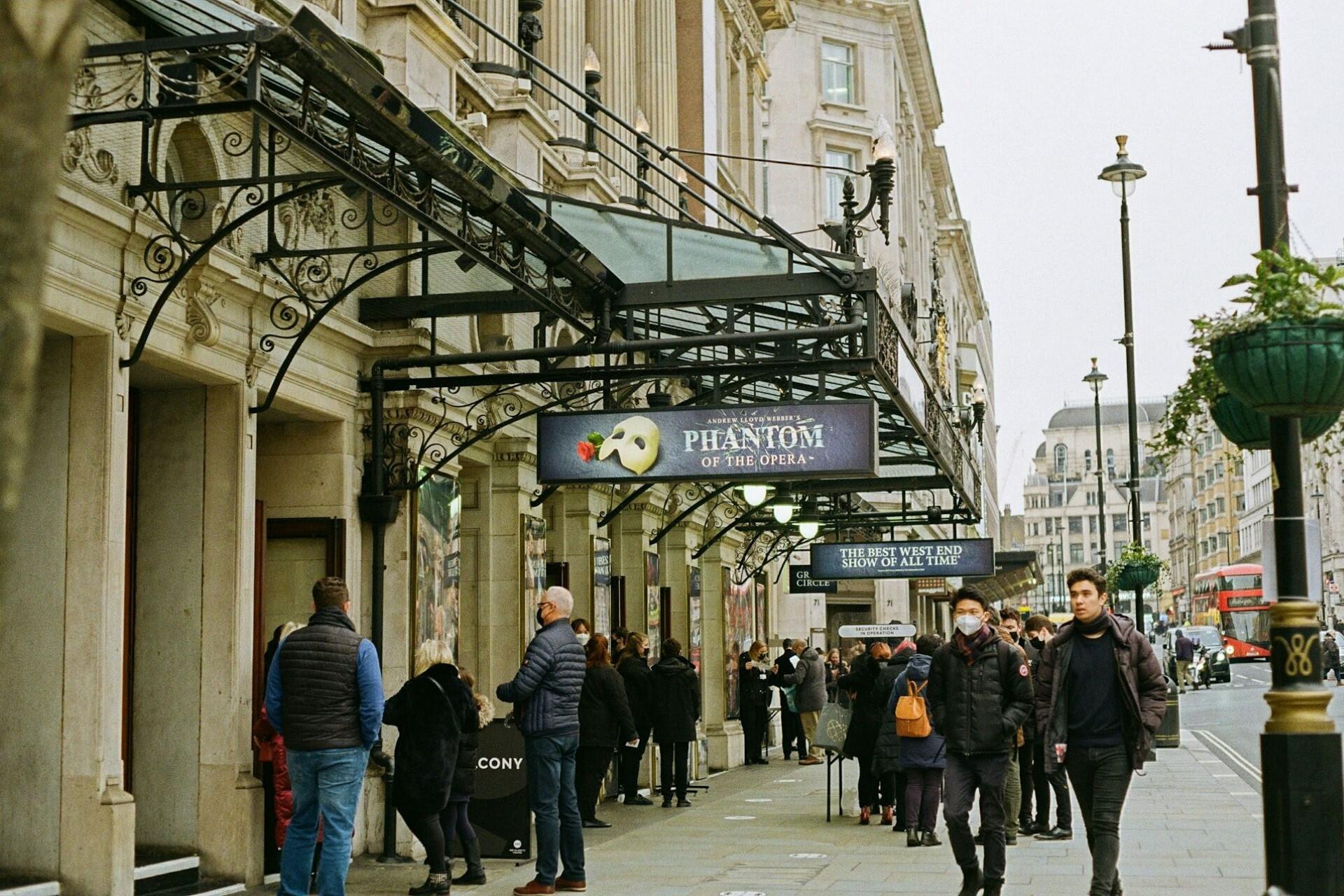
Chess premiered in London’s West End on May 14, 1986, opening at the Prince Edward Theatre. The production ran for three years and won multiple Laurence Olivier Awards, including Best New Musical.
Now ready to get to work on this new, big idea, he found his writing partner neck-deep in Cats. So he turned to ABBA's creative talent, Björn Ulvaeus and Benny Anderssen. As they had been looking for a property to work on, they gladly accepted the offer. Thus began their transatlantic partnership. They met once, in 1981, to discuss the concept and where the story could go. From there, Ulvaeus/Anderssen would lay down tracks for which Sir Rice would write lyrics. After roughly 18 months of this back and forth, the team had songs for:
- Freddie: Pity the Child, One Night in Bangkok (with ensemble)
- Florence: Heaven Help my Heart, Nobody's Side
- Anatoly: Anthem
- Duets:
- Florence and Freddie: The American and Florence, Florence Quits
- Florence and Svetlana: I Know Him So Well
- Florence and Anatoly: Mountain Duet, Argument
Besides these, the show includes many songs sung by more than two characters, such as Endgame, sung by Florence, Anatoly, Freddie, and Svetlana. The entire ensemble joins in as well. If these song titles sound familiar, it's probably because you've heard them on the radio. The production team decided to release a concept album to raise funds for the production (and to preview the show). One Night in Bangkok became a #1 hit for Murray Head, who plays Freddie in the original cast while I Know Him So Well became almost a signature song for Elaine Paige (Florence).
1972
The Match That Inspired It All
The World Chess Championship between Bobby Fischer and Boris Spassky becomes a global media event, framed as a symbolic Cold War confrontation between the United States and the Soviet Union. The political subtext of this match would later form the backbone of Chess.
1981–1984
Writing and Concept Album
Tim Rice partners with Benny Andersson and Björn Ulvaeus of ABBA to develop Chess. Before staging the show, the creative team releases a concept album in 1984, featuring songs like One Night in Bangkok and I Know Him So Well, which become international hits.
1986
West End Premiere
Chess premieres in London’s West End on May 14, 1986, at the Prince Edward Theatre. The production runs for three years and wins multiple Laurence Olivier Awards, including Best New Musical.
1988
Broadway Premiere
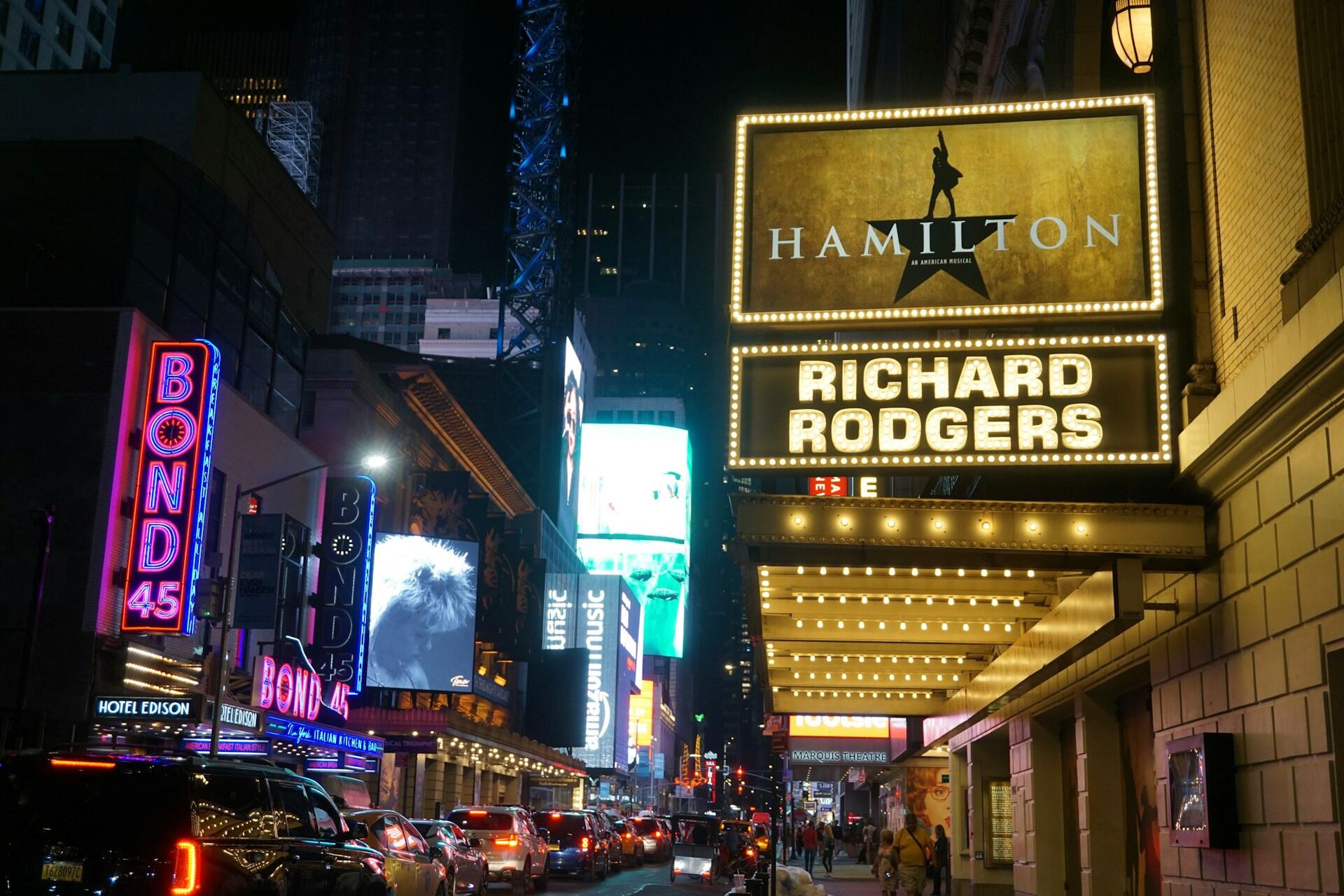
Chess opens on Broadway on April 28, 1988, at the Imperial Theatre in New York City. Significant changes to the book and structure result in a shorter run, with the production closing after 68 performances.
1990s–2000s
International Productions and Concert Versions
Despite its mixed Broadway reception, Chess gains a strong afterlife through concert stagings and international productions in Sweden, Norway, Australia, Japan, and Russia. These versions often return closer to the original West End score and structure.
2010s–Present
Revivals and Reassessment
Modern revivals and concert performances lead to a critical reassessment of Chess, with audiences and critics highlighting its prescient themes of media manipulation, political pressure, and personal cost. The musical is increasingly viewed as one of the most ambitious political works of 1980s musical theatre.
Reception and Legacy
With such talent driving the show and such a promotion, it could hardly have failed. Chess opened in 1986 at London's West End theater, earning high praise and nods at the Lawrence Olivier Awards ceremony for Best New Musical and Best Performance by (male and female) Lead in a Musical. It would continue its run for the next three years.
Chess remains relevant because it blends personal emotion with global politics. Its themes of manipulation, media pressure, and divided loyalties continue to mirror modern international conflicts, making revivals feel timely rather than nostalgic.
Capitalizing on its West End success, the show went international: to the US, Norway, Sweden, Japan, Russia, Australia... Whenever a topic the show addresses manifests in real life, a performance troupe will invariably put on a concert, if not revive the show altogether.
Some describe Chess as a mess; there are too many plot points and too many disparate elements to make the show cohesive. They may be referring to the Broadway edition of Chess, a production that changed so much of the original story that subtle plot points suddenly made no sense.
Chess opened on Broadway on April 28, 1988, at the Imperial Theatre in New York City. Despite strong anticipation following its West End success, the Broadway production had a short run, closing after 68 performances and 17 previews. Differences in structure and tone from the original London version contributed to a more divided critical reception in the United States.
And, Broadway refused to engage Elaine Paige! It's likely because they were contractually bound to hire local talent but, still: Dame Paige IS Florence. Her take on that role and her powerful vocals bring it to life in a way no other actress can, including Tony Award winner Idina Menzel. That's not just us saying it; take a look at the commentary on YouTube, where some thoughtful soul uploaded the entire original West End production. Even the archaic sound system cannot mute those glorious voices.
And the songs! From the hipster-pop of One Night in Bangkok to the sorrowful I Know Him So Well - a song that's been covered by everyone from Whitney Houston to Barbra Streisand... and who could forget when Susan Boyle finally achieved her dream of singing with Elaine Paige? And what song did they sing together? Note that, if you hear a whisper of ABBA running through the notes - and you caught our nod to them earlier in the text, that was all by design.
Indeed, Chess' song, Anthem, uses the same guitar chord structures as ABBA's Our Last Summer. It has the same wistful tone, too. And Anatoly singing about building a border around his heart? Look no further than the lyrics to The Winner Takes it All. Now that you're in the know, isn't it strange to hear people say that Mamma Mia was ABBA's first musical? Did you enjoy this blend of chess and musical theater. Why not enter the curious world of paintings with chess as their theme?
Summarize with AI:
Did you like this article? Leave a rating!

 Loading...

