
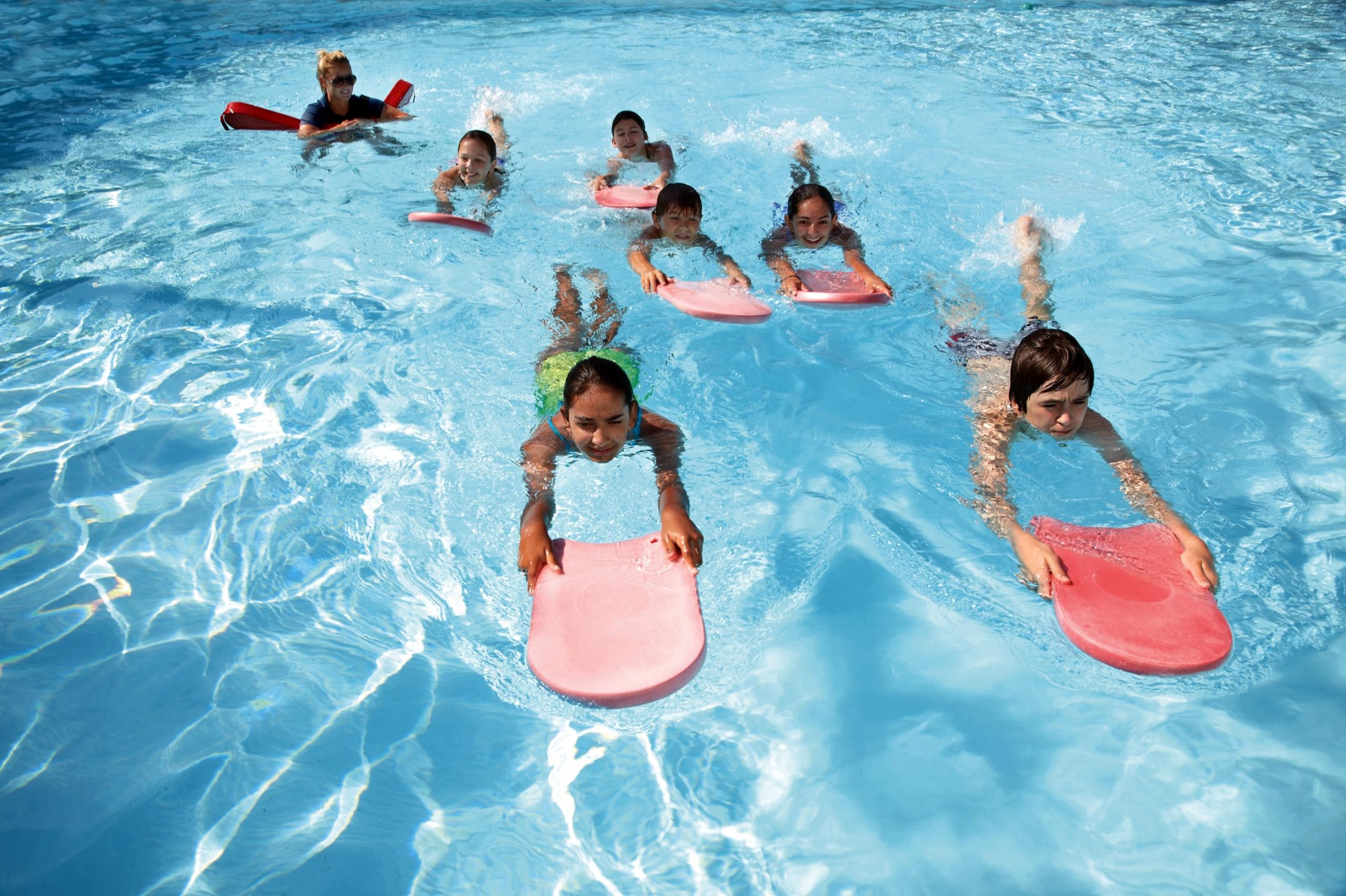

You might fondly recall your childhood days spent swimming in the lake or, in more recent times, lounging by the hotel pool on vacation, which might be the closest you get to swimming today. However, swimming isn't just a leisure activity, it's a fantastic aerobic workout that can transform your body and attitude towards fitness. Swimming is enjoyable and highly effective as a form of exercise.
Swimming for exercise is suitable for individuals of all fitness levels and age groups. You can choose to swim at a relaxed, leisurely pace or crank up the intensity for a more rigorous workout. In either scenario, swimming is an excellent way to stay active and meet the recommended guideline of at least 150 minutes of moderate-intensity aerobic exercise each week.
If you're looking to improve your swimming technique, getting swimming lessons miami is your best bet. Superprof has a pool of seasoned swimming tutors who can help you build your confidence, skill level, and more.
Basic Skills Stroke Skills Breathing (Endurance) Backstroke Breathing (Timing) Breaststroke Diving Butterfly Flip-turn Free-style Kicking


Physical Health Benefits Of Swimming
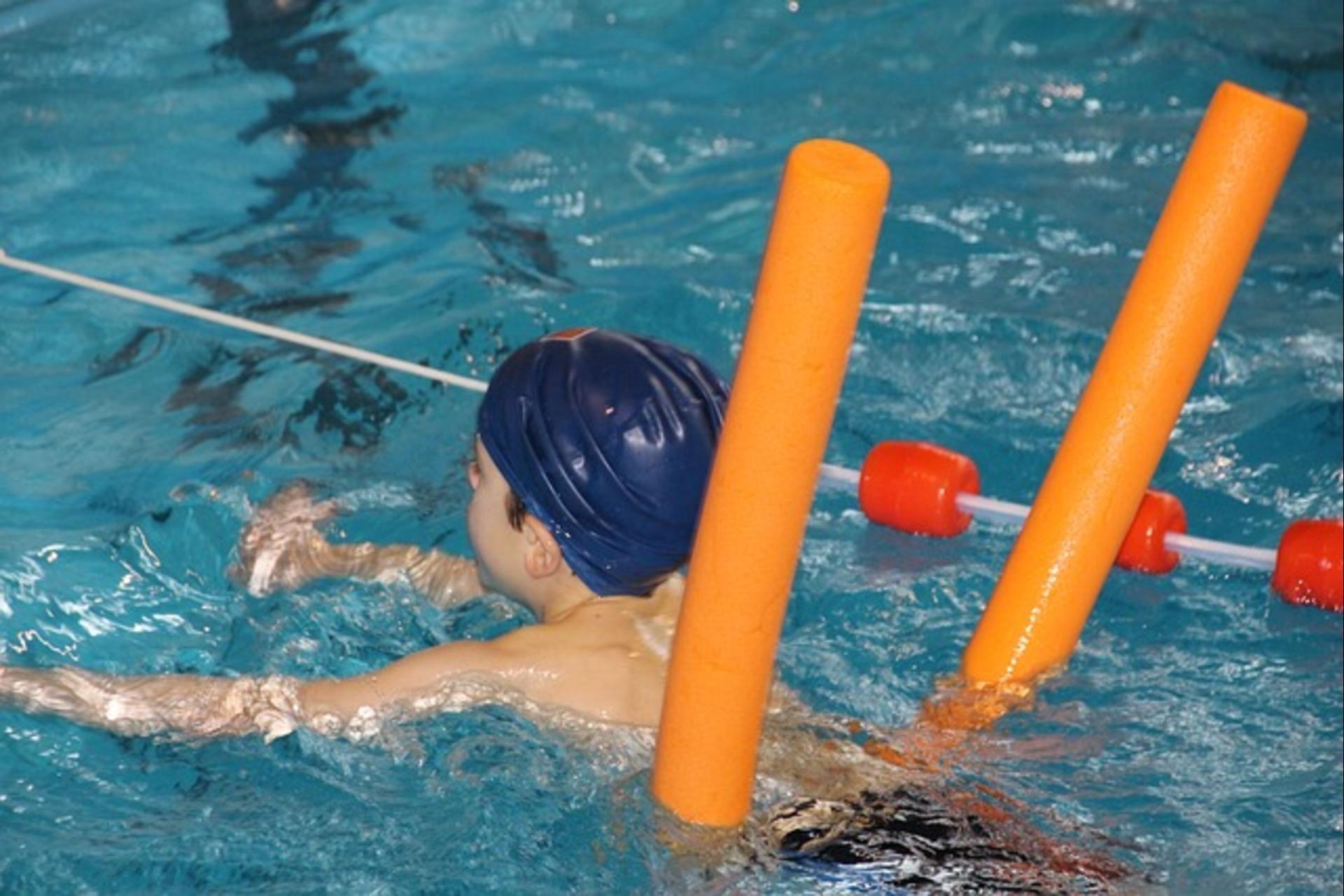
Not only are there numerous swimming psychological benefits, but it comes with an array of physical benefits, too.
Your overall health is significantly enhanced by staying active, and regular exercise is a key factor in achieving this. It contributes to strengthening your bones and muscles, reduces the risk of chronic illnesses, and offers many other benefits. Swimming, as a sport, is not only enjoyable but also offers a range of well-documented health advantages.
Easy On Your Joints
Swimming stands out as a gentler activity for your body when compared to exercises like jogging or biking, though it is by no means effortless. This is because aquatic workouts place less stress on your joints due to the buoyancy provided by the water.
Swimming's importance extends to health conditions, such as:
- Arthritis: Swimming has long been recognized as an excellent exercise for individuals with arthritis, as it can alleviate symptoms and enhance muscular strength.
- Fibromyalgia: Research has shown that women with fibromyalgia who engaged in regular swimming for eight months experienced a 20% improvement in overall physical function and a significant 53% reduction in stiffness.
- Obesity: Excess weight can strain joints, leading to stiffness and discomfort. For those who are overweight or obese, water-based exercises, including swimming, are particularly advantageous due to the buoyancy of the water.
- Pregnancy: Swimming is a safe and soothing option for expectant mothers, relieving the discomforts of pregnancy, including muscle and joint pains, while protecting the joints.
- Reduced movement: Water exercises can effectively alleviate pain and spasticity in individuals with mobility-affecting conditions such as muscular dystrophy, cerebral palsy, or multiple sclerosis.
Stronger Lungs
Swimming every day can enhance your respiratory function by increasing lung power and capacity, making breathing easier.
Research has revealed a potential downside: prolonged exposure to the chemicals used for pool disinfection may increase the risk of developing asthma. For this reason, it is advisable to exercise caution and consult your healthcare provider to ensure that swimming is a safe and suitable activity for you.
Better Cardiovascular Strength
Cardiovascular exercise, which benefits the heart, lungs, and circulatory system, is commonly known as "cardio." This type of activity is an integral component of a well-rounded fitness regimen that includes swimming.
A study found that swimmers exhibited a significantly reduced risk of all-cause mortality—53% lower than sedentary individuals, 50% lower than walkers, and 49% lower than runners, after adjusting for factors like age, smoking status, body mass index, and family history of cardiovascular disease.
Furthermore, a 2016 report from a reputable source suggests that swimming can help lower blood pressure. In this study, 15 overweight adult males underwent four weeks of detraining and eight weeks of swimming training.
Better Toned Muscles
While swimming is a full-body exercise, different strokes can selectively target specific muscle groups more effectively. For instance, the backstroke emphasizes activating the glutes, thighs, and pecs.
The butterfly strokes focus on the triceps, biceps, and shoulders— the primary muscles used in swimming. In contrast, the breaststroke demands relatively less physical strength. Each stroke offers a distinct array of benefits and the potential to enhance muscle tone and definition. It's worth noting that water provides 12 to 14 times more resistance than air, which can further aid in building strength.
What are the Swimming Tips for Better Health?

Whether you're moving quickly or leisurely, this swimming advice can enhance your form and safeguard you from potential injuries.
Keep a Streamlined Form
Swimming becomes a more efficient and enjoyable experience when you maintain a streamlined posture, akin to a missile. This stands in contrast to water aerobics, which necessitates a larger surface area and broader movements to create increased resistance for a more effective workout.
Irrespective of your swim stroke, a key technique is to keep your knees together, point your toes, overlap your hands, and propel your arms upward towards your head when you push off the wall. Ensure that your fingers remain close together as you initiate your strokes. If you're practicing the breaststroke, return to the streamlined missile position as you glide between breaststrokes.
Work On Shoulder Strength
Swimming is typically associated with a low risk of injury, but it's important to be aware of the potential strain on your shoulders. Strengthening your shoulders can help minimize the risk of issues and enhance your strength.
You can effectively strengthen your shoulders by incorporating exercises like arm raises and flies into your resistance workouts. If you ever experience any discomfort in your shoulders, consider modifying your stroke or engaging in alternative activities like water aerobics, walking, or running until the discomfort diminishes. If the discomfort persists, seeking advice from a medical professional is advisable.
Find your ideal swimming lessons nyc on Superprof— they'll make sure your muscles are in prime shape to help with swimming laps.
Don't Eat Right After Swimming
Swimming can sometimes be less effective for weight management due to the body's natural response to lower water temperatures, which requires an increase in metabolism to maintain core temperature. Even in a heated pool, the water is cooler than body temperature, which can lead to heightened metabolic activity. Consequently, some individuals may experience increased appetite after swimming.
It's essential to note that for those swimming for weight loss, this heightened hunger is primarily a result of thermogenesis, the internal production of heat, rather than the physical exertion of swimming. Training your mind to differentiate between genuine hunger and the body's response to thermogenesis is crucial in managing your appetite.
Time Yourself
Novice swimmers often mistake their physical effort for breathlessness, which leads to overly extended rest breaks. In many swimming pools, the primary purpose of the pace clock is to help you monitor your intervals, not just to time your quick swims. Therefore, you can use it to time your swimming recovery effectively. It's generally recommended that the average person should not pause their swimming for more than 30 seconds at a time, with 20 seconds being the preferable duration.
Take The Time To Warm Up
Contrary to the portrayal of effort in action films, humans require a phase of gradually increasing physical stress to accelerate our heart rates and enhance oxygen supply for increased performance. During the warm-up phase, we often experience sluggishness and a sense of being unfit until our hearts can deliver the necessary oxygen. Once warmed up, you'll find that you can swim with more intensity, speed, and overall effectiveness.
This initial phase can be a significant deterrent for those unfamiliar with exercise. It leads to sweating and difficulty breathing, often accompanied by a peculiar tingling sensation in the water. For individuals unaccustomed to this experience, it can be unpleasant and demoralizing, causing them to decide against repeating it. This challenge becomes more pronounced with age, as it may take longer for the heart rate to increase. For instance, it usually takes me one mile or twenty minutes to fully warm up.
How Does Swimming Burn Calories?
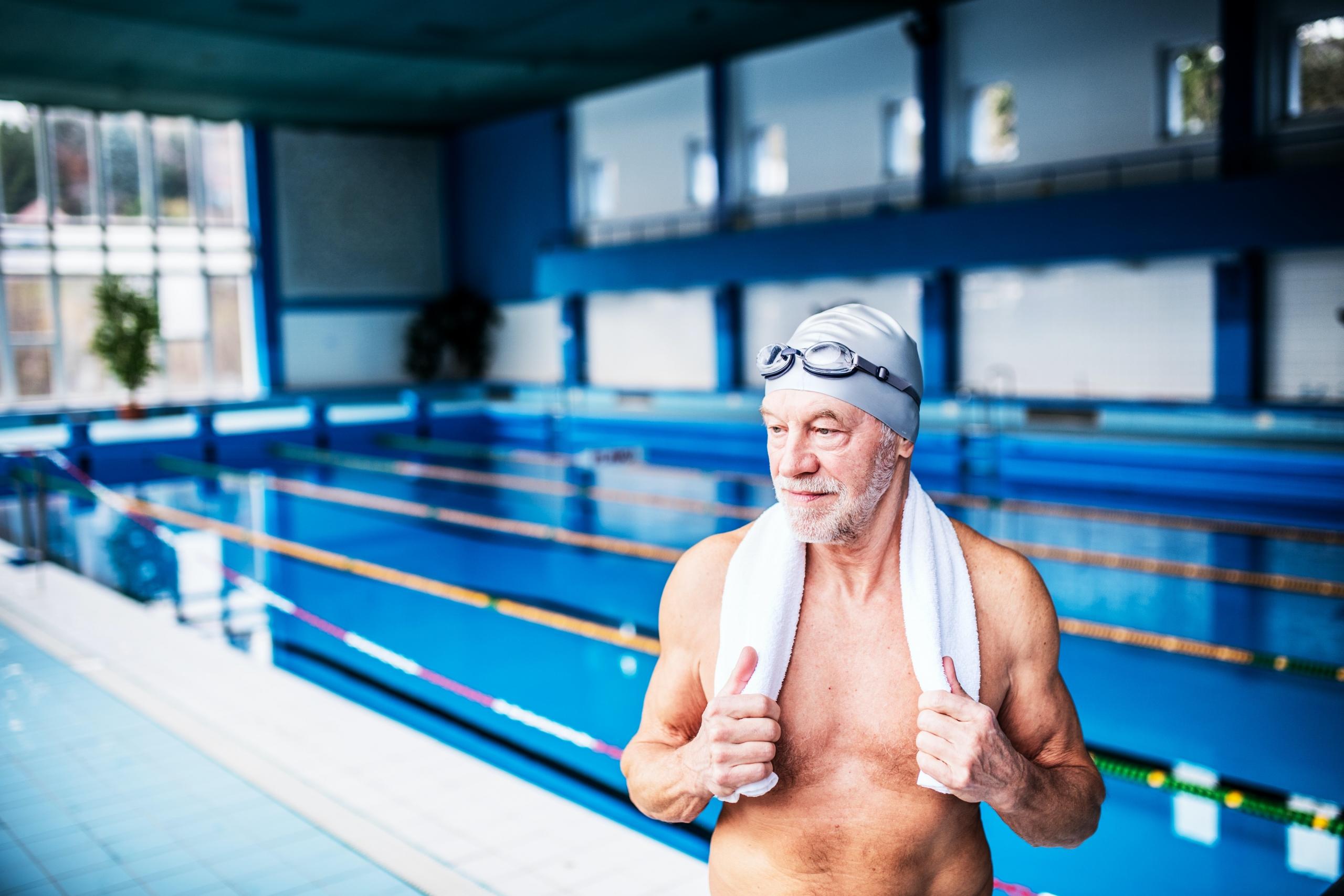
Now that we've discussed the physical benefits of treading water and highlighted tips for swimming weight loss, let's address another question: "Does swimming burn calories?"
If one of your health goals is to shed pounds or increase your calorie burn, consider incorporating swimming into your exercise regimen. Swimming offers a full-body workout that can help you torch a substantial number of calories. In fact, many individuals can achieve calorie loss through swimming.
For example, a person weighing 185 pounds may potentially expend 420 calories when vigorously swimming laps for 30 minutes. In contrast, a person of the same weight might burn an estimated range of 168 to 252 calories during 30 minutes of swimming or aquatic exercises at a more leisurely pace. By comparison, a 185-pound individual would only burn approximately 159 calories during a 30-minute walk at a moderate pace or 126 calories while weightlifting.
Learn Swimming With Superprof's Swimming Coaches
Swimming is a total-body exercise that increases your cardiovascular fitness while also strengthening your swimming muscles, increasing flexibility, and enhancing your general well-being. There has never been a better time to enter the world of swimming and discover its tremendous health benefits, whether you're a beginner looking to learn the fundamentals or an experienced swimmer trying to improve your technique.
Look no further than Superprof if you're prepared to dive in and learn the numerous sides of swimming with a passionate and knowledgeable coach. With us, you can hire qualified swimming instructors at a low per-hour fee. Superprof has the ideal swimming lessons for toddlers, whether they need to improve their freestyle, learn the butterfly stroke, or just gain confidence in the water.
Summarize with AI:
Did you like this article? Leave a rating!

 Loading...
