


In pursuing holistic well-being, nurturing our mental health is a cornerstone of a fulfilling life. In today's fast-paced world, finding effective and enjoyable ways to alleviate stress and promote mental equilibrium is crucial.
Swimming is the fourth most liked sport in the United States and a great way to exercise regularly. Activities like swimming, biking, or running for just two and a half hours each week can lower the chance of getting long-term illnesses.
It is a great full-body, low-impact activity for various people, whether you're a serious competitor or just swimming for fun. In this blog post, we'll dive into the incredible benefits of swimming and explore its positive impact on your mind, body, and soul.
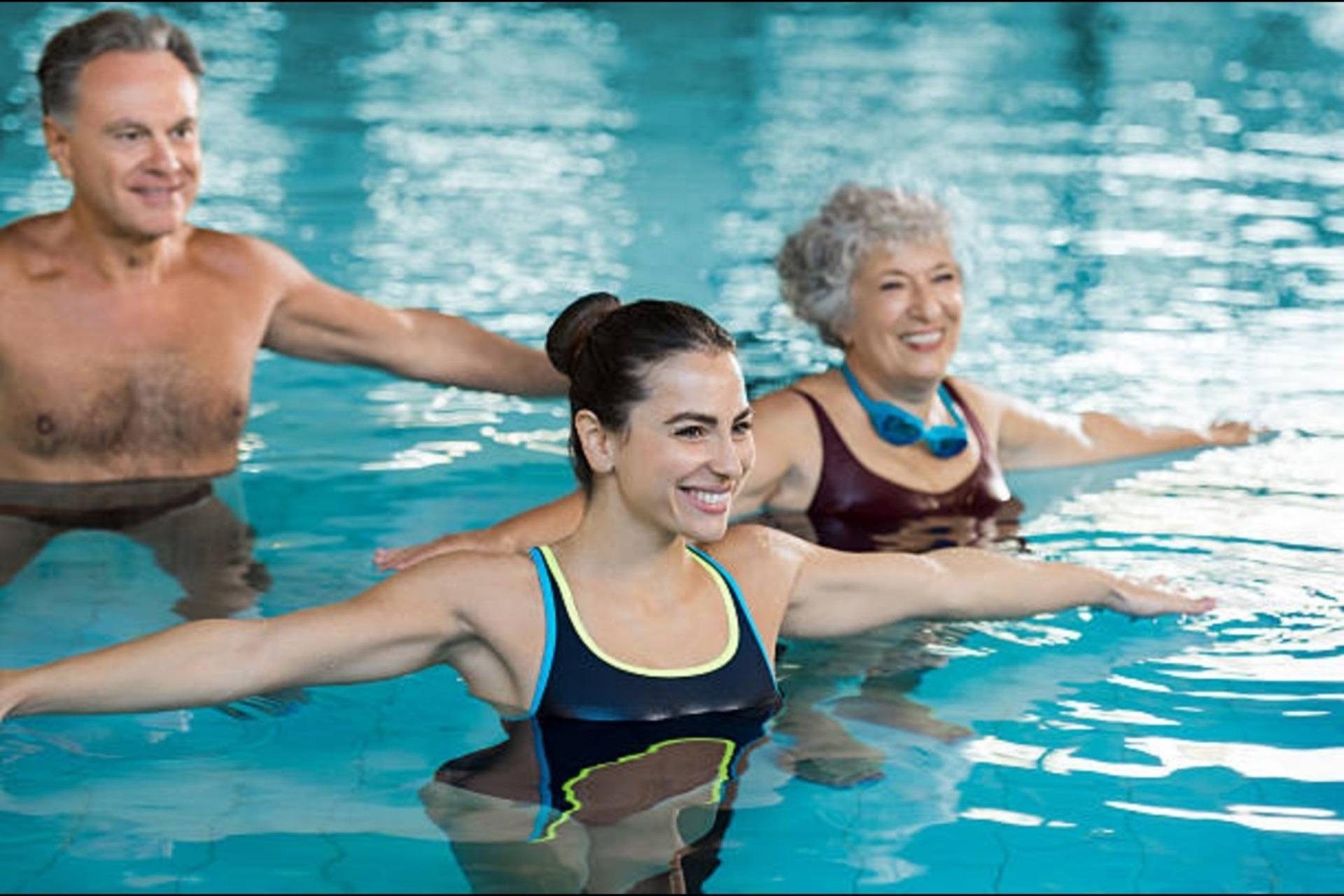


Why Is Swimming Important for Mental Fitness?
Swimming holds a unique and vital place in the realm of mental wellness. Beyond its obvious physical benefits, it offers a profound mental rejuvenation. The soothing embrace of water and rhythmic movements creates a meditative experience that calms the mind. It acts as a sanctuary where the stresses of daily life dissipate, allowing for a deep sense of relaxation.
Furthermore, the controlled breathing required in swimming aligns with mindfulness practices, fostering a state of mental clarity. This practice releases endorphins, the body's natural mood enhancers, and improves overall cognitive function.
Superprof is an online educational platform that offers swimming lessons nyc for people of all ages. Interested in reaping the health benefits of swimming? Sign up for private swimming lessons with Superprof today.
Why Is Swimming Considered Beneficial for Physical and Mental Health?
The mental health benefits of swimming are multifaceted. Exercise positively impacts mental health by releasing endorphins, the body's natural 'feel-good' chemicals. These neurotransmitters act as painkillers and mood elevators, counteracting stress and anxiety and as a buffer against depression symptoms.
The swimming importance lies in the fact that it's a comprehensive, full-body exercise that engages multiple muscle groups simultaneously, fostering overall strength, endurance, and flexibility. Unlike other forms, the rhythmic strokes and water resistance require a coordinated effort from arms, legs, core, and back.
Swimming stress relief refers to the therapeutic effect that swimming can have on reducing stress and promoting relaxation. Regular exercise, like swimming, significantly impacts mood regulation and stress reduction. It promotes long-term changes in brain chemistry, producing neurotransmitters like serotonin, essential for mood, sleep, and appetite regulation.
Expert instructors from Superprof provide personalized swimming wellness routines, promoting inner balance and peace through rhythmic movements and mindful breathing.
How Does Swimming Help With Stress Reduction?
Immersing oneself in water is a sensory experience that creates a tranquil sanctuary for the mind, calming the nervous system and promoting relaxation. Swimming advantages involve a rhythmic approach to breathing, aligning with mindfulness and meditation practices. This intentional breathing pattern induces a relaxation response, helping lower heart rate, stabilize blood pressure, and promote calmness.
Scientific studies have shown that regular swimming participation significantly decreases stress, anxiety, and depression symptoms. Statistics published in the International Journal of Environmental Research and Public Health concluded that aquatic exercise, particularly swimming, led to significant mood improvements and reduced stress-related symptoms.
Swimming into a wellness routine provides a unique and effective avenue for stress reduction, offering a sanctuary of serenity and a potent tool in our journey toward mental equilibrium. It is a vital exercise for mental health through its calming effects and rhythmic movements. Superprof offers experienced instructors for personalized guidance.

Boosts Mental Clarity And Focus
Swimming advice is a highly effective method for improving mental clarity and focus. The rhythmic and controlled breathing patterns in swimming ensure a steady oxygen supply to the brain, which is crucial for cognitive function.
This improves oxygen uptake and regulates energy flow, promoting mental alertness and clarity. Swimming also offers a meditative experience, as the repetitive and fluid movements induce a flow state, allowing the mind to absorb the present moment fully.
This meditative state temporarily escapes everyday life, providing a sanctuary of calmness where mental clutter dissipates. Thousands of individuals have experienced the transformative power of swimming on their mental clarity and focus, with testimonials highlighting the tangible benefits of this aqueous practice. These personal narratives serve as reminders of the potential for swimming to become a cornerstone of mental wellness.
Builds Resilience and Confidence
Swimming presents challenges, such as mastering different strokes and endurance, but it also fosters resilience and encourages individuals to push beyond their comfort zones. Setting and achieving goals, such as swimming distance, stroke perfection, or endurance improvement, provides a clear sense of purpose and determination.
This incremental progress in the water leads to a profound sense of accomplishment. The resilience and confidence forged in the pool ripple effect on daily life, instilling a deep-seated belief in one's abilities. This confidence extends beyond the poolside, influencing how individuals approach obstacles in their professional and personal lives.
Engaging in swimming not only offers physical swimming advantages but also serves as a powerful catalyst for building resilience and confidence. This newfound confidence becomes a valuable asset in navigating the complexities of everyday life.
Social Connection and Community
Swimming is a dynamic activity that thrives in communal settings, offering individuals a unique opportunity to improve their physical and mental fitness and well-being. Group swimming activities and classes foster a sense of camaraderie and mutual support, fostering bonds that extend beyond the pool. Being part of a swimming community provides a profound sense of belonging, enabling a sense of community and belonging integral to mental well-being.
How Does Swimming Promote Mindfulness and Mind-Body Connection?
Swimming promotes mindfulness through focused, deliberate movements, grounding you in the present moment. The sensory experience of water against your skin and the gentle sound of your breath creates a serene environment free from distractions. This aqueous sanctuary allows you to fully immerse yourself in the here and now, fostering a profound sense of mental fitness and presence.

Breathing plays a crucial role in swimming, acting as a bridge between the body and mind. The controlled, rhythmic breathing patterns mirror mindfulness techniques, ensuring efficient oxygenation, triggering relaxation, stabilizing heart rate, lowering blood pressure, and promoting calmness. This synchronized dance enhances mental fitness.
A structured swimming recovery routine is crucial for performance optimization and mental health. It involves post-swim stretches and relaxation techniques, allowing the body to recover and renew. Its meditative qualities complement yoga, meditation, and mindfulness exercises, enhancing the overall well-being of the body and mind. This synergistic approach provides a foundation for a holistic wellness journey.
How Can You Overcome Mental Health Challenges with Swimming?
Therapeutic swimming benefits individuals dealing with anxiety and depression. The repetitive movements and sensory experience create a relaxing environment, prompting the brain to release endorphins, relieving stress and depression. Swimming's immersive nature provides temporary solace and rejuvenation, providing a sanctuary for mental health challenges.
People with mental problems need to swim to improve their mental health. Many individuals have found solace and renewed purpose by swimming, highlighting its profound impact on mental fitness and well-being. These accounts inspire hope and highlight the potential of swimming as a catalyst for positive change.
It is increasingly used in mental health therapy as an adjunctive intervention due to its buoyancy, calming effect, and sensory stimulation. Mental health activities encompass a wide range of practices to nurture and maintain psychological well-being.
Who Can Benefit from Swimming?
Swimming is for people of all ages. Its diverse benefits for mental and physical health are not restricted to a certain age group. Here are the vast advantages this activity offers:
1. Individuals of All Ages and Fitness Levels
Swimming is a versatile and low-impact exercise suitable for people of all ages and fitness levels. It offers a low-impact, effective workout for mental health that promotes cardiovascular health, flexibility, and muscle strength. Swimming benefits seniors with mobility restrictions, providing a gentle yet comprehensive exercise that caters to various fitness levels.
2. People with Specific Mental Health Conditions
Swimming benefits for mental health conditions, including calming the nervous system, boosting mood, and reducing anxiety and depression symptoms through sensory experiences and rhythmic movements. Also, it is a great workout for mental health due to its soothing properties and mindfulness-inducing nature. Incorporating exercises that prioritize physical and psychological well-being can lead to a more balanced mind.
3. Individuals Seeking an Inclusive and Low-Impact Exercise Option
It is a low-impact exercise appropriate for individuals with joint issues, arthritis, or injuries due to its buoyancy. It minimizes common stress, promoting strength and cardiovascular fitness. This accessibility makes swimming an ideal choice for those who find high-impact exercises challenging due to physical limitations.
4. Pregnant Women
Also, it is a safe and recommended exercise for expectant mothers due to its buoyancy, which relieves joint pressure and supports extra weight during pregnancy. It offers a full-body workout, maintaining muscle tone and cardiovascular fitness without strain or injury. The soothing properties of water also promote relaxation and reduce stress.
5. People with Asthma and Respiratory Conditions
It benefits individuals swimming for anxiety, asthma, and respiratory conditions due to its warm, humid environment, which alleviates symptoms and improves lung function. Controlled breathing techniques in swimming can also enhance respiratory capacity over time. With proper guidance, swimming can be a valuable part of a comprehensive management plan.
Learn to Swim With Superprof
Swimming is a transformative practice that provides physical rejuvenation and enhances mental well-being. Swimming for anxiety and depression enhances focus and flexibility and relieves the symptoms of depression.
Swimming is inclusive, welcoming individuals of all ages, fitness levels, and physical abilities. The buoyancy of water levels the playing field, making it accessible for everyone. Swimming is more than just a physical exercise; it's a holistic journey towards inner peace and balance.
The rhythmic cadence of strokes, mindful breath, and sense of belonging in a swimming community profoundly impact our mental well-being. Superprof offers professional swimming instructors for personalized guidance, promoting mental fitness and physical benefits from swimming.
Nurture a lifelong love and respect for water safety with our swim lessons for toddlers. Beyond the joy of splashing and swimming, our program emphasizes essential water skills, boosting confidence, and creating a foundation for a lifetime of aquatic enjoyment. Enroll your toddler today to ensure they not only learn to swim but also develop a strong foundation for a safe and enjoyable relationship with water.
Summarize with AI:
Did you like this article? Leave a rating!

 Loading...
