


Many confuse a resonator guitar for a regular acoustic guitar due to their similar shapes. Although slightly different in shape, their main difference is the sound. Besides, the resonator guitar is slightly more complex than an acoustic guitar. There are a lot of myths surrounding resonator guitars. Some believe they are similar to acoustic guitars, while people who know the difference assume they are difficult to play. Professional musicians can teach you how to play a resonator guitar in resonator guitar classes. Superprof provides step-by-step guidance, regular practice and assessment to help you learn all the techniques to play a resonator guitar.



History and Evolution of Resonator Guitars
The resonator guitar came about in the early 1920s, when guitar players needed more volume to keep up with brass and percussion in live bands. Regular acoustic guitars simply weren’t loud enough for dance halls and crowded venues at the time. In 1927, instrument maker John Dopyera, working with the National String Instrument Corporation, introduced a new type of guitar that used metal cones inside the body to boost sound.
Resonator cones are thin, spun metal diaphragms that sit inside the guitar body beneath the bridge. When strings vibrate, the bridge transmits the sound into these cones, which amplify and project the sound more powerfully than a regular wooden top. This is what gives resonator guitars their loud, bright, metallic tone.
This design gave the guitar a sharper, louder voice that cut through a band far better than standard acoustics. From there, builders continued to refine the instrument, creating different cone systems that shaped the sound in distinct ways. By the middle of the century, resonator guitars had become a mainstay of blues, bluegrass, and Hawaiian music, and they later found a place in country, folk, rock, and many other styles.
Early 1920s
Guitarists look for more volume in live performance
1927
National String Instrument Corporation releases the first tricone resonator guitar
Early 1930s
Introduction of biscuit bridge and spider bridge designs
1940s–1950s
Widespread use in blues, bluegrass, and Hawaiian music
1970s–1990s
Renewed interest among folk and roots musicians
Today
Resonator guitars appear in blues, country, rock, folk, and experimental music
Construction and Design
What separates a resonator guitar from a standard acoustic is how the sound is produced. Instead of relying only on the wooden body for volume, a resonator guitar uses one or more metal cones mounted inside the body. When the strings vibrate, the bridge transfers energy directly into these cones, which act like built-in speakers and push sound outward with much greater strength and clarity.
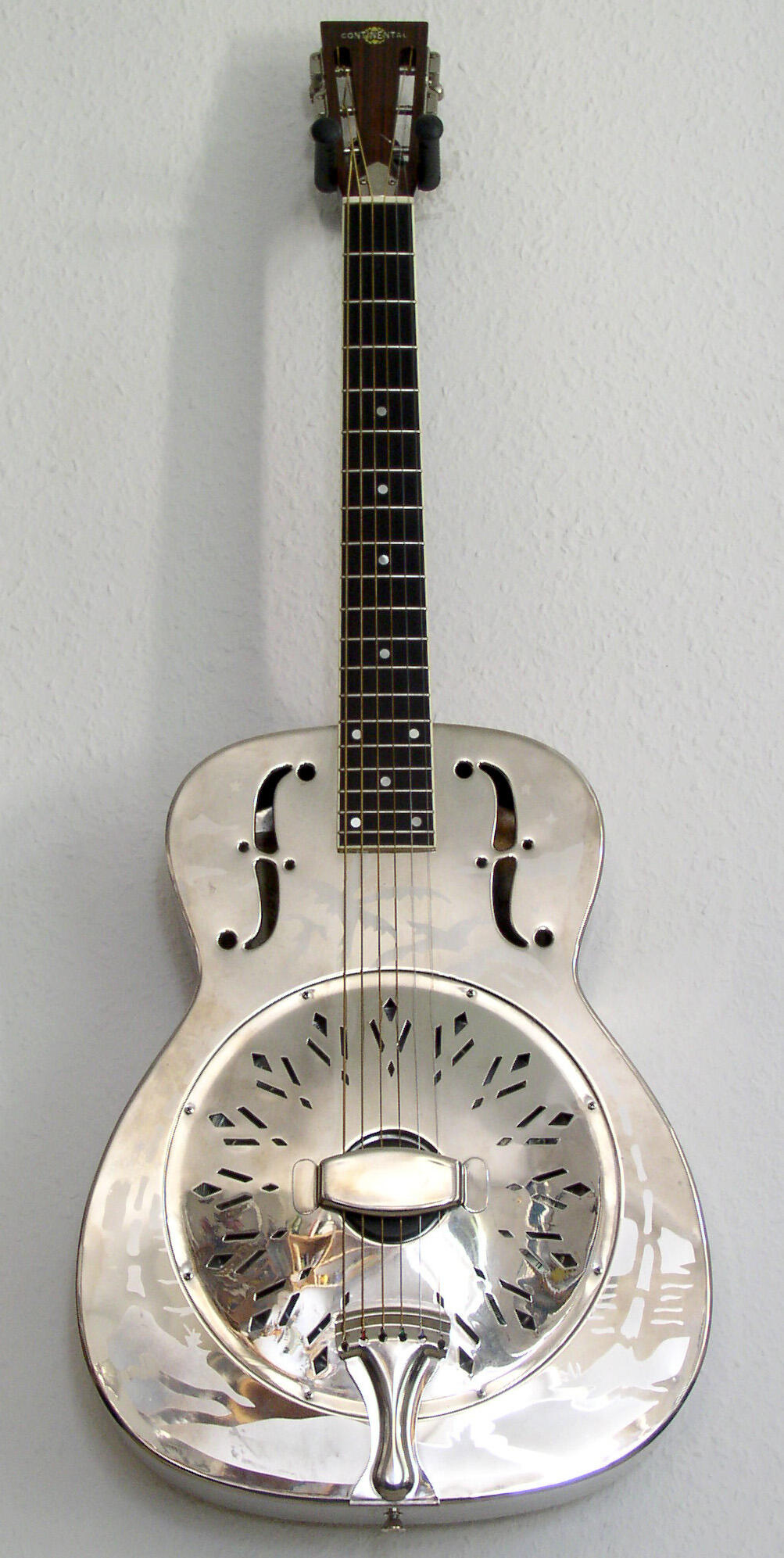
Resonator bodies are commonly made from wood, steel, or brass, each material shaping the instrument’s tone in a different way. Metal bodies tend to produce a sharper, brighter sound with strong projection, while wooden bodies create a warmer and more rounded tone. The cones themselves are usually made from thin aluminum, chosen for its quick response and ability to handle strong vibration.
Another important part of the design is the neck style. Round-neck resonators are played like standard guitars and are popular among blues and folk players. Square-neck models are designed to rest flat in the player’s lap and are mainly used for slide playing in bluegrass and country music. This difference in design strongly influences both playing posture and technique.
Types of Resonator Guitars
When choosing a resonator guitar, learn the difference between regular guitar vs resonator guitar. Also, be aware of its different types because this will eventually impact the volume and tone. The effect of the sound and how long it lasts also differ from each other. When learning about resonator guitars, the following are the features you should know about:
Biscuit Style- Single Cone Resonator
| Biscuit Bridge | Features |
|---|---|
| Cones | Single-cone |
| Sound | Loud |
| Capability to Provide Sustain | Short |
| Genres | Blues, Jazz, Country |
A single-cone resonator is similar to an aluminum speaker cone pointed inside the guitar's body and strings going over the wooden saddle. Sitting on the top of the disc is a 'biscuit'. The one-cone resonators have a robust projection, but the tunes don't sustain. However, they still have more sustain than an acoustic guitar, but in comparison with other cones, the single cone biscuit resonator's tune starts off very barky and decays quickly. They are usually preferred in the blues genres, where they are most commonly used. A well-known biscuit-style guitar is Dobro. It is a single-cone resonator, meaning it has less sustain, and a lot of effort is needed while hitting the strings as the volume depends upon it.
Spider Cone Style
These are not as loud as the biscuit-style resonator guitars, but they are incredibly rich in sound and sustain of the tunes. Spider cone style is also known as Spider Bridge due to the outward web-shaped cone, similar to the speaker cabinet with an aluminum resonator. Its strings go across the wooden saddle.
Tricone Resonator
This resonator guitar may seem intimidating on the look of it due to its three resonator cons which are ten inches in size. All three seem connected with a T-shaped cast aluminum under the strings. Resonator guitar functionality has distinctive features, it has an intensity of the sound like biscuit style and the sustain on notes like spider cone style.
National
National resonator guitars typically feature a wooden body with two cones and are known for their bright, jangly tone. They were among the first resonator instruments produced and became especially important in early blues and American roots music. Their cutting sound makes them a strong choice for bluegrass, country and live acoustic performance.
Weissenborn
These resonator guitars are more on the mellow side of the sound. Used often in Hawaiian music, these resonators have four cones. Weissenborn is the resonator that paved the way for modifications like round neck, Tricone, Spider Style, and Square Neck guitars.
Playing Techniques and Styles
Resonator guitars support several distinctive playing approaches, and many players combine them depending on the style of music they perform and the sound they want to achieve.
- Slide guitar is the most recognizable technique. A glass or metal slide is worn on one finger and glides across the strings, creating smooth, singing notes, subtle vibrato, and expressive bends. This style allows players to mimic the sound of the human voice and is especially powerful for blues and roots music.
- Fingerpicking is common in blues and folk, giving players the ability to manage bass lines, rhythm, and melody at the same time. It creates a full, layered sound even when playing solo.
- Flatpicking is often used in bluegrass and country, producing strong rhythm patterns and crisp lead lines that cut through ensemble playing.

Most resonator music relies heavily on open tunings, especially Open D, Open G, and Open E. These tunings make slide playing more natural and allow full chords to ring with a rich, open sound while reducing the effort needed for complex chord shapes.
Musical Genres and Applications
Resonator guitars have played a central role in many musical traditions. In blues, their gritty tone and strong projection make them ideal for expressive slide work and solo performance. They are equally important in bluegrass, where their clear, cutting sound allows them to stand out in acoustic ensembles without the need for amplification.
In country music, resonators add brightness and texture to both rhythm and lead parts, while in folk music they provide warmth and depth for storytelling and melodic playing. Many modern musicians have also brought resonators into rock and experimental music, using their raw character to create sounds that feel both vintage and fresh. This wide range of uses shows just how versatile the instrument has become.
Choosing the Right Resonator Guitar
Choosing the right resonator guitar depends on your musical goals, playing style, experience level, and budget. Beginners often benefit from simpler, more affordable models that are easy to handle and maintain, while experienced players may prefer higher-end instruments that offer greater tonal range and responsiveness.
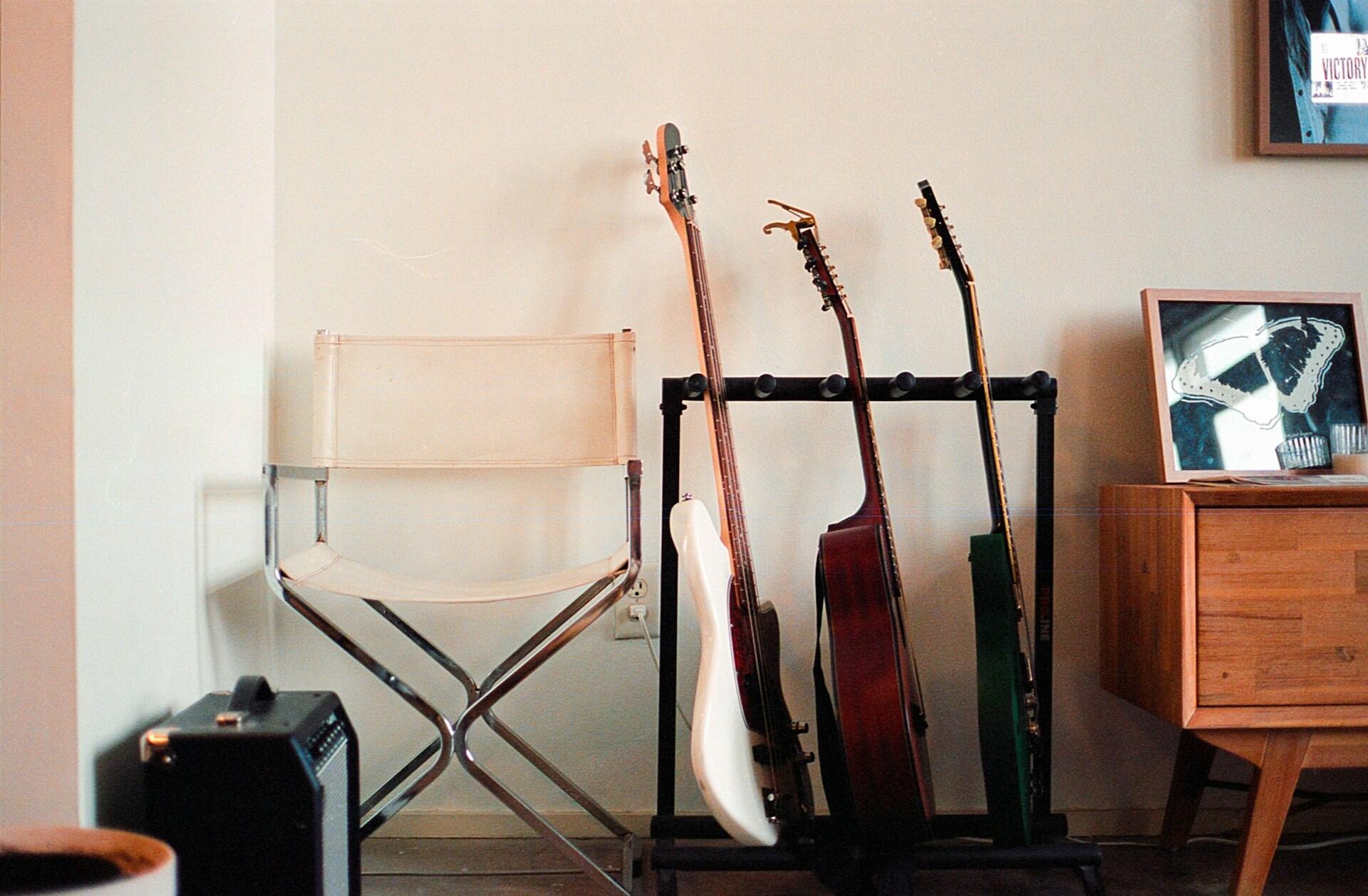
Body material, cone type, and neck style should all factor into your decision. If you plan to play mostly blues and folk, a round-neck single-cone model may suit you well. For bluegrass or lap-style playing, a square-neck spider-cone resonator is usually the better option. Comfort, tone, and reliability should always matter more than appearance alone.
| Model | Body Material | Resonator Type | Best For | Skill Level | Key Features |
|---|---|---|---|---|---|
| National T-14 Brass | Brass | Tricone | Blues, slide, versatile styles | Intermediate–Advanced | Warm yet powerful tone, flexible for multiple genres, strong projection |
| Epiphone Dobro Hound Dog Deluxe | Flamed maple & steel | Single cone (Biscuit style) | Blues, roots, general practice | Beginner–Intermediate | Affordable, comfortable to play, punchy tone with strong volume |
| National NRP 14 Fret Steel | Steel | Tricone | Professional blues, country, roots | Advanced | Rich sustain, complex tone, iconic steel-body look |
| Typical Spider Bridge Resonator | Wood | Spider cone | Bluegrass, lap-style playing | Beginner–Advanced | Smooth sustain, warm tone, excellent for square-neck playing |
| Weissenborn Style | Wood | Multiple cones | Hawaiian, slide, ambient | Intermediate–Advanced | Mellow tone, hollow neck, unique sustain |
National T-14 Brass
The model was released in 2018 and is a relatively new one. It would help if you learned enough basics to get your hands on this one because it is slightly tricky. The body is brass which performs differently than the ones with steel. The delivery is softer but high quality. Artists prefer it for its adjustability and flexibility in different styles of performances.
Epiphone Dobro Hound Dog Deluxe
As a beginner, this would be the best option to try your hands on. It is not as costly as a National and offers excellent quality sound when played. Epiphone Dobro is a single-cone resonator created with a flamed maple and steel exterior. The sound is similar to one of the Biscuit resonators and is comfortable to carry and play with.
National NRP 14 Fret Steel
The appearance may seem rustic and aesthetically pleasing with an outer steel body. National, the pioneer of the resonator guitar, is still leading the game with the most inventions. Artists generally love to play the Tricone resonator guitar because it's a one-of-a-kind experience with a unique sensation in sound. These are some of the best models to try when buying a resonator guitar. However, as a beginner, practicing on regular resonator guitars is fine, as it may take a while to start playing professionally.
Learning to Play the Resonator Guitar
Many players are drawn to the resonator because it sharpens core playing skills. The instrument reacts clearly to the smallest movement of the hands, which helps develop better control, timing, and accuracy. It also strengthens a player’s sense of rhythm and touch, especially when playing without any electronic amplification. Because the sound is so direct and honest, the resonator quickly exposes sloppy technique and rewards careful, focused practice. Over time, this kind of feedback makes a noticeable difference in overall musicianship.

Are you wondering why you should learn the resonator guitar?
Getting Started
Beginners should concentrate on building solid fundamentals. This means learning proper picking technique, clean fretting, steady slide control, and becoming comfortable with essential open tunings. Working through slow exercises, basic blues progressions, and simple rhythm patterns helps train the hands and ears together. Short, consistent practice sessions tend to produce better results than long, irregular ones, allowing coordination and confidence to grow naturally.
Open tunings make slide playing easier and give chords a rich, ringing quality. Common resonator tunings include:
Open G (D G D G B D) – widely used in blues
Open D (D A D F♯ A D) – great for slide and folk styles
Open E (E B E G♯ B E) – brighter, louder sound
Open tunings help the slide ring over full chord shapes with minimal finger stretching.
Advanced Techniques
With experience, players begin to explore more detailed slide phrasing, controlled muting, hybrid picking, and smooth transitions between tunings. Many also focus on shaping notes through dynamics and phrasing, learning how to make each line speak with intention. These skills open up new possibilities across blues, bluegrass, folk, and beyond, allowing the resonator to become a deeply expressive instrument in the player’s hands.
Hire Superprof Tutors to Improve Your Resonator Guitar Skills
Learning the resonator on your own can feel overwhelming at first. The right teacher makes the process far more direct and enjoyable, helping you build solid technique from the start and avoid habits that slow progress later on. With one-on-one lessons through Superprof, you can work with experienced musicians who tailor each session to your level, your style, and your goals.
Whether you’re chasing the raw feel of blues slide, the drive of bluegrass picking, or a sound that’s completely your own, a good instructor keeps you moving forward with focus and confidence — and makes every practice session count. Is learning the guitar hard? Find out with Superprof today!
Summarize with AI:
Did you like this article? Leave a rating!


 Loading...

