
The violin is a stringed instrument that has been an integral part of the music industry for centuries. It is an immensely versatile instrument used in classical and traditional music, as well as jazz, folk, rock, and world styles.
Its unique sound has made it a crowd favorite in countless venues around the world. To make this remarkable instrument even more accessible to aspiring musicians, there are plenty of learning materials available.
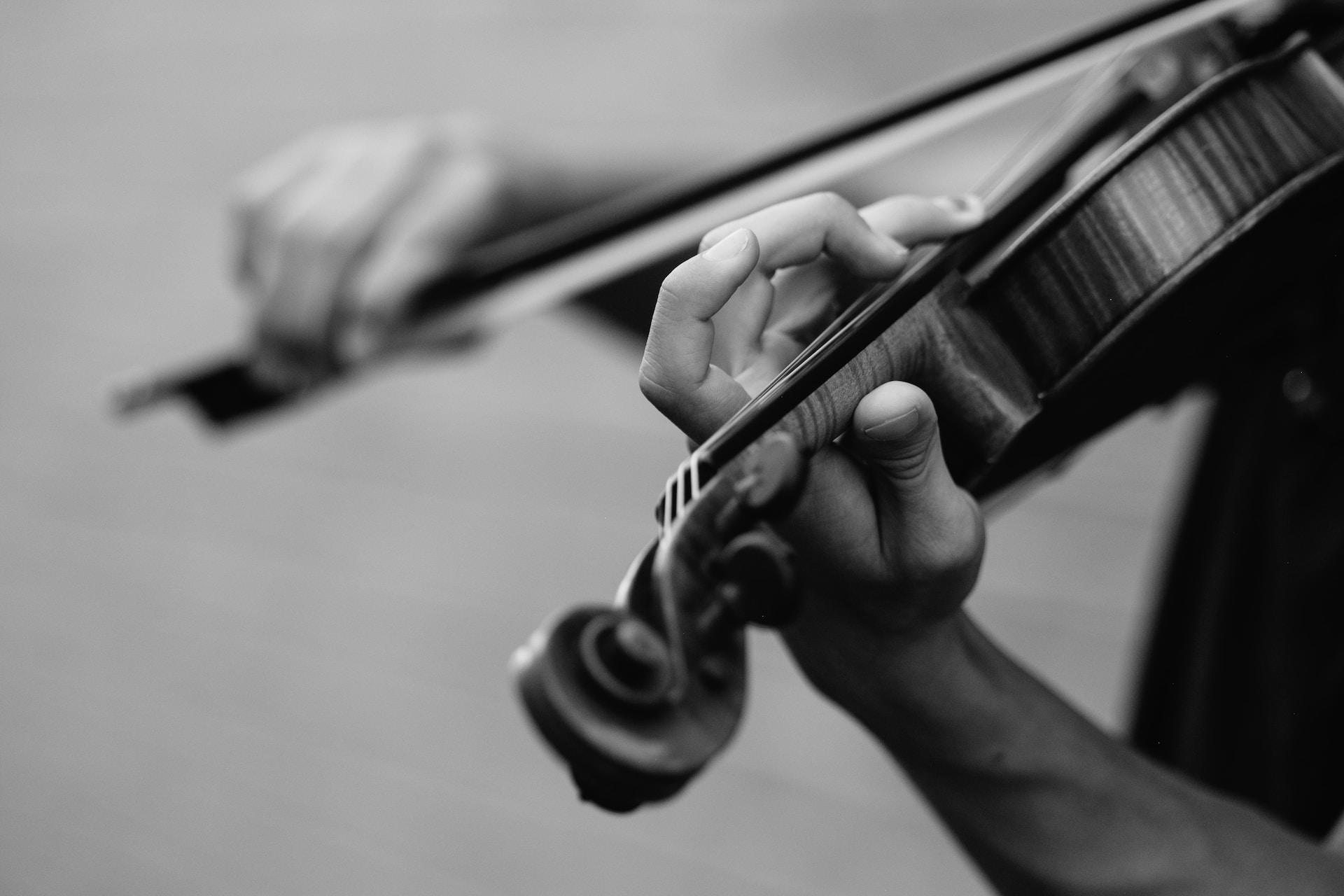
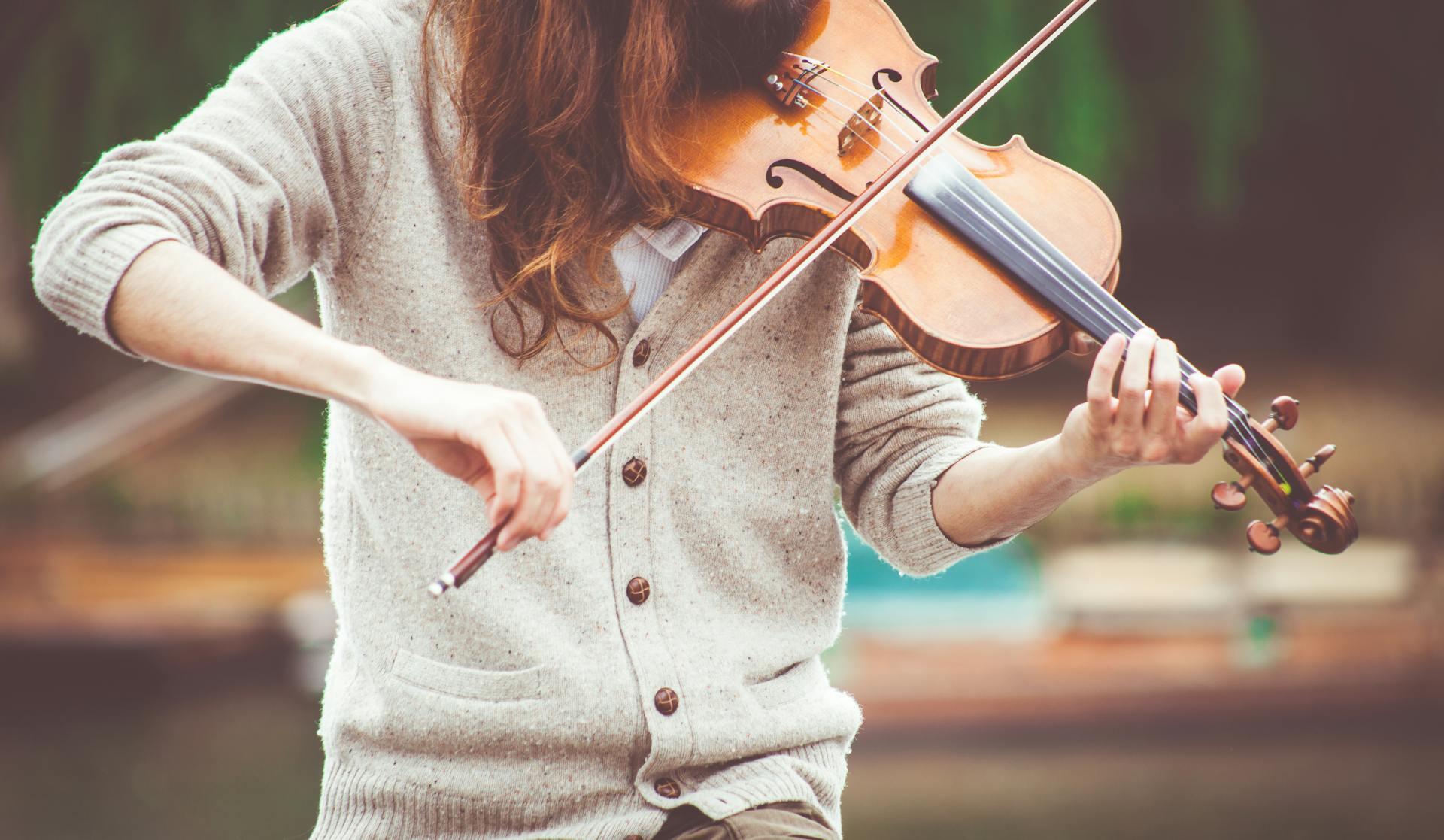
The basics of playing the violin involve controlling sound with your left hand by pressing down strings with your fingertips at various places on the fingerboard while "bowing" the strings with your right hand to generate delicious melodies and harmonies.
By starting slow with violin lessons online and building upon successful experiences with the practice, anyone can learn how to perform show-stopping solos or be part of a dynamic ensemble group.


How Do I Choose The Right Violin?
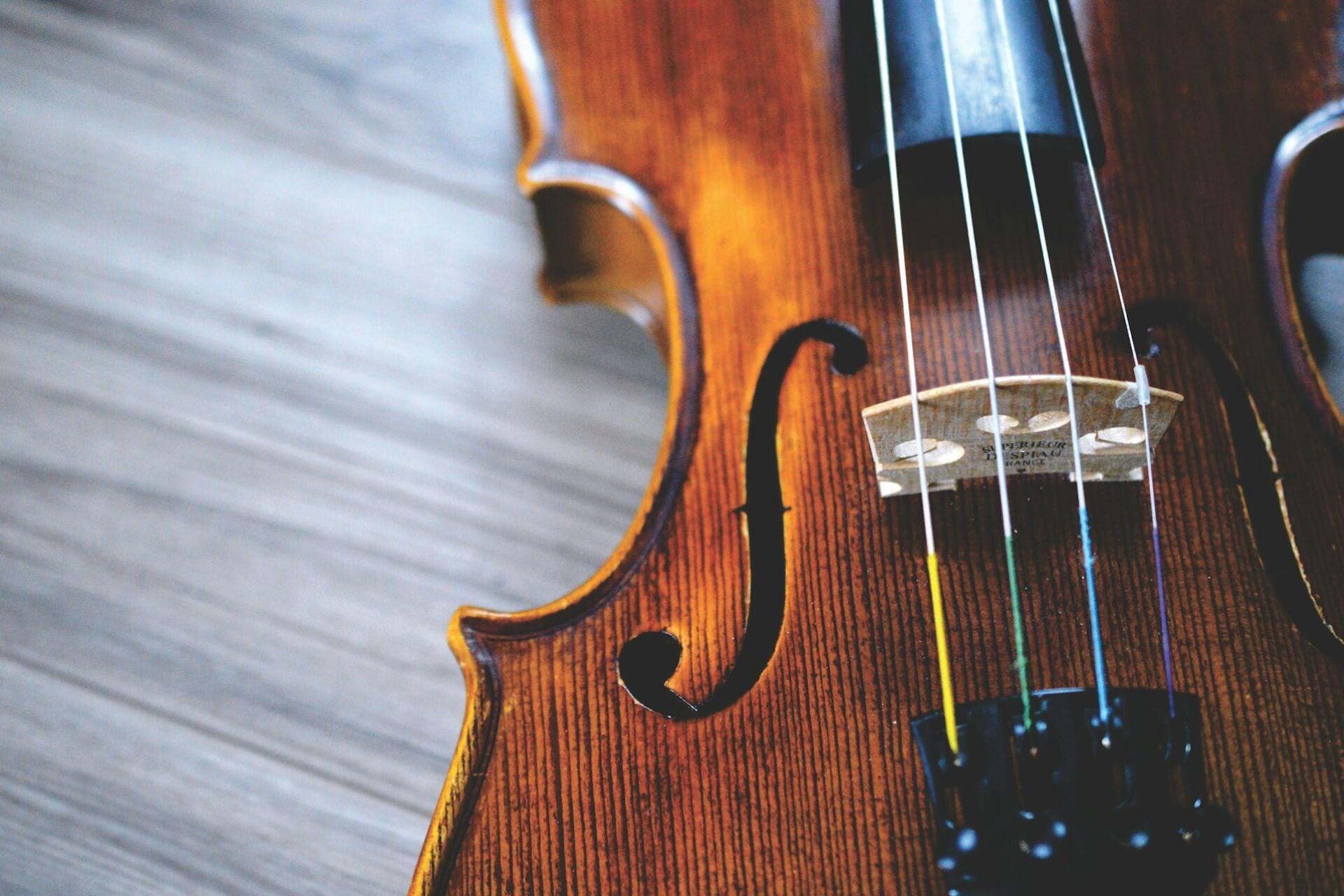
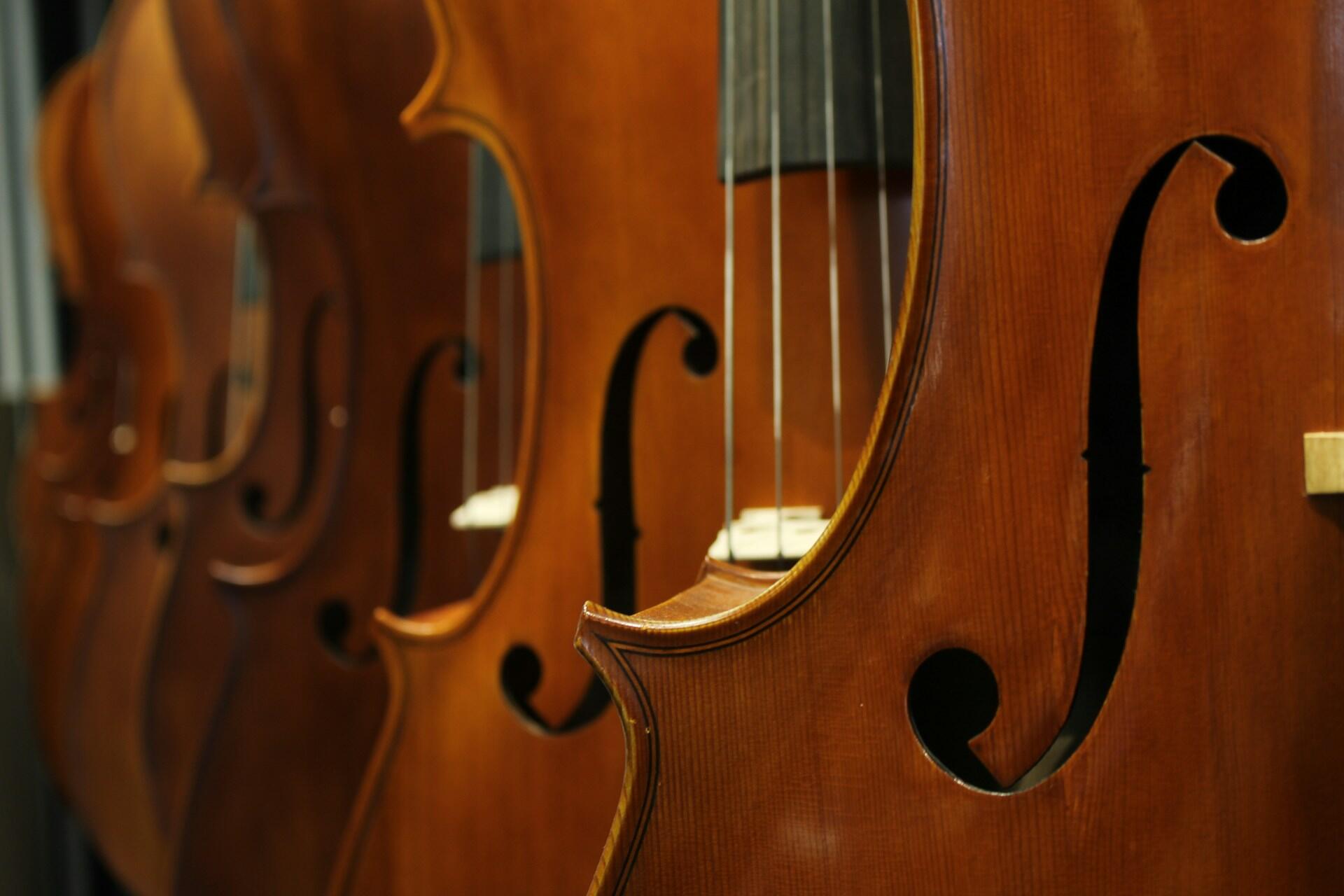
You should look into purchasing a quality bow that offers even balance, responsiveness, and fluidity of motion. Make sure the strings on the fiddle are in good working condition for producing quality tone and sound.
Having an instrument with these features will ensure that both you and your student have a great learning experience.
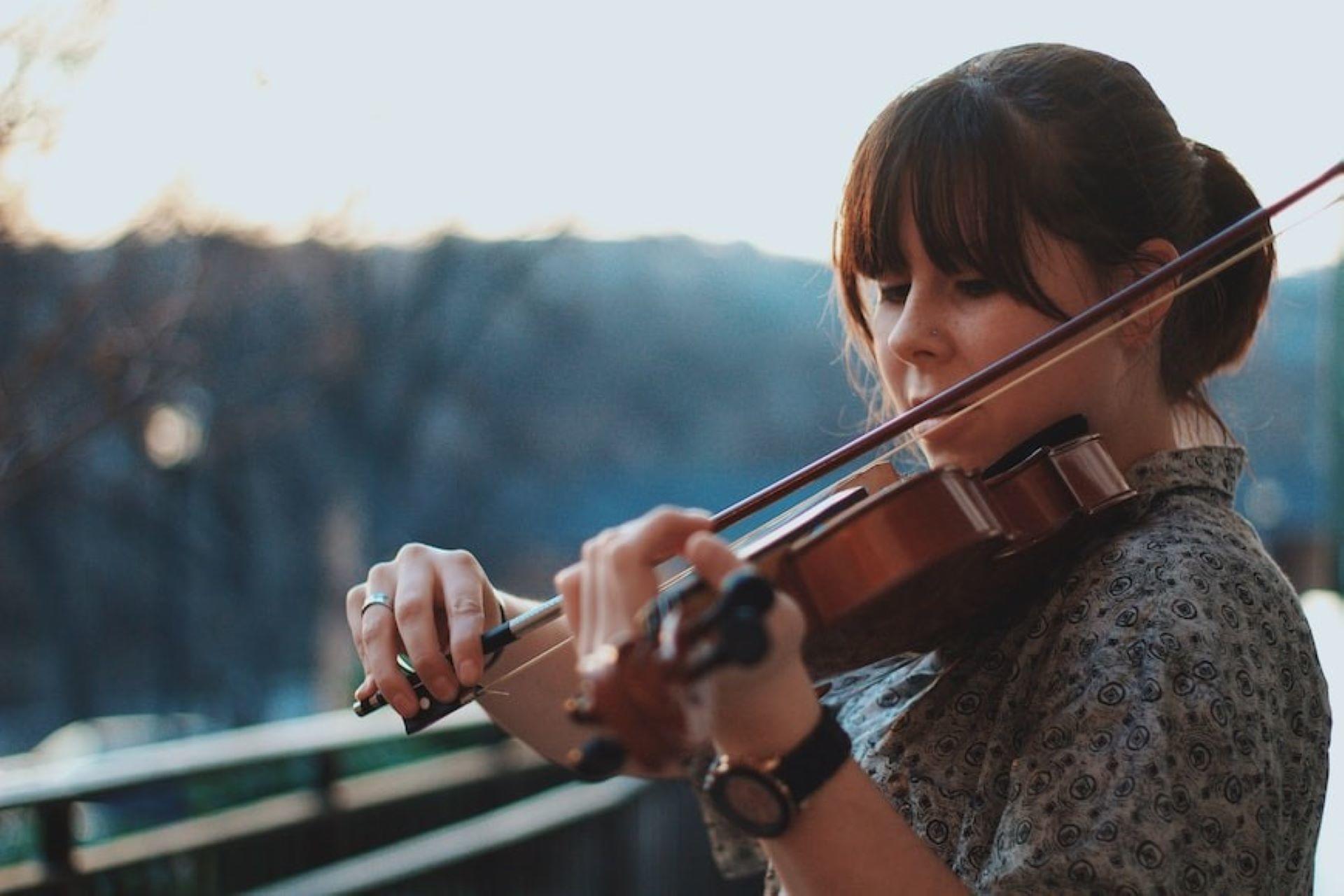
Teaching violin is a complex endeavor, so finding the right violin for children can be challenging. Going with something classical is often advisable because it cements the basics of technique and style.
However, even within the realm of classical music, there are some pieces that work better than others, depending on the student's level of skill. Matching a student's interests with an appropriate repertoire is often key to keeping them engaged.
This can involve exploring techniques like jazz scales or improvisation for more experienced players as well as emphasizing elements such as phrasing for beginners. With the right instrument, violin lessons for kids can be an incredibly rewarding experience.
What Makes A Good Violin Teacher?
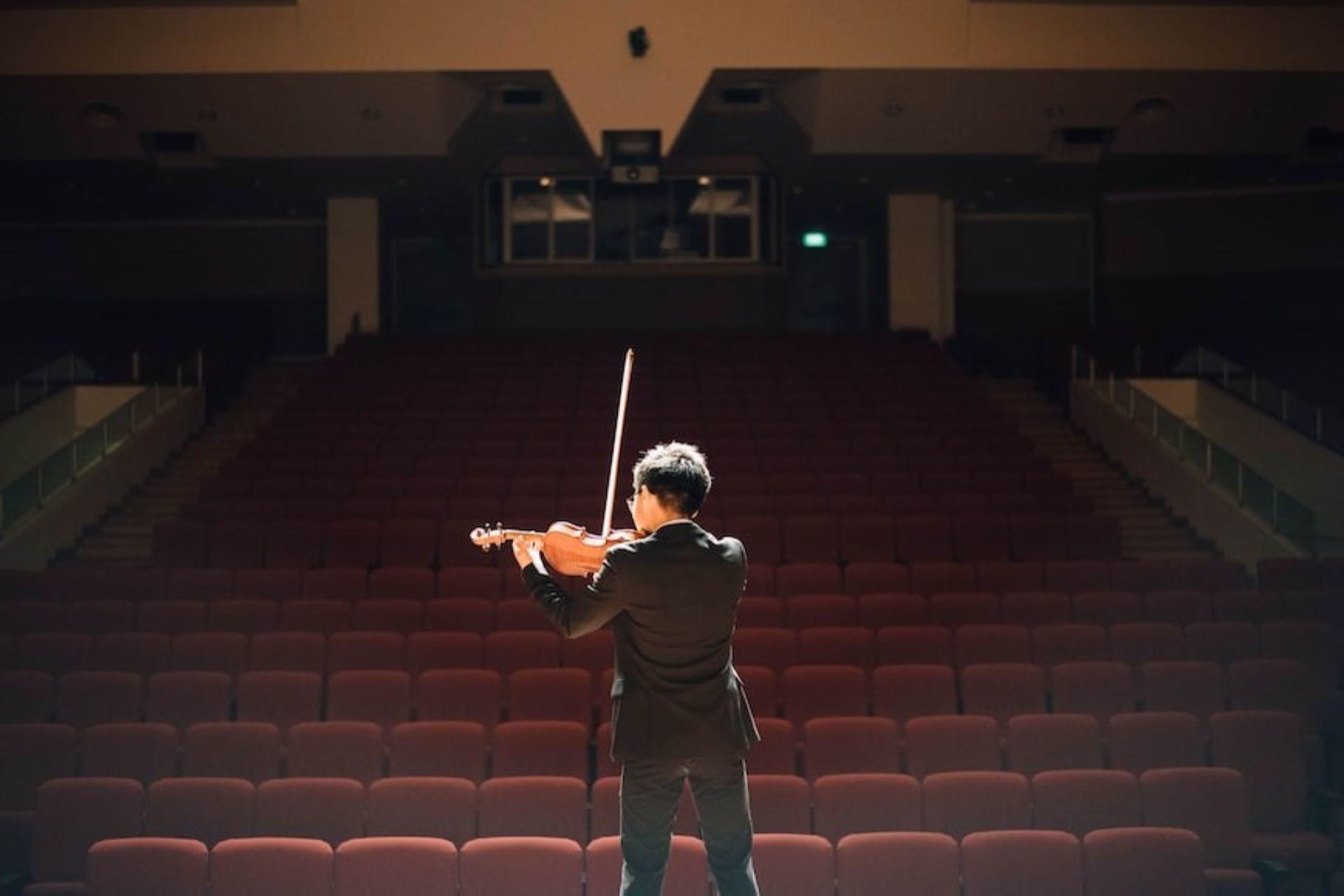
Preparation is key to a successful violin teaching experience. As such, it's important to take the time and consider what you'll need before you get started.
Begin by taking inventory of your teaching materials and resources: do you already have a comprehensive teaching curriculum, or will you be developing one? What kind of violin will you be using and orienting your students around?
Learning a new instrument demands great amounts of practice, so it pays to prepare lesson plans accordingly. Think about an effective order for teaching fundamental techniques and music theory.
Besides, organizing mini-recitals throughout the course helps students gain confidence in their abilities, as well as develop important performance skills.
Creating an environment that promotes patience, kindness, and understanding when interacting with students is equally as important. Develop an attitude that sets the tone of your sessions in every single class.
By following these steps and combining them with your personal style of teaching, you can ensure a rewarding outcome for both yourself and your students.
How Can I Teach Myself To Play The Violin?
While learning the violin can be daunting for kids, there are various ways through which children can learn. These include learning the basics of music theory, which is the study of how music works. It involves learning about different elements, such as melody, harmony, rhythm, and form, besides studying the principles of counterpoint and tonality.
Besides, it teaches students how to read and write music notation. By understanding basic music theory, musicians can better understand and appreciate all types of music.
Here are some other common ways to teach violin to children!
Playing Simple Notes And Melodies
Once students have mastered the basics of violin playing, they can start tackling more advanced repertoire. This includes learning how to play simple melodies, scales, and arpeggios.
To help them along, provide scales and arpeggio exercises that can be practiced in different keys and rhythms. Encourage them to use their ear and learn how to recognize intervals as they practice.
Practicing Regularly
In violin lessons for children, there are a few basic things you can do to help children progress with violin playing. The most important is to make sure they are regularly practicing and that they are challenged enough to continue making progress.
You can also encourage them by setting goals, praising their efforts, and providing positive feedback. Make sure to provide regular opportunities for them to perform in front of others so they can develop confidence in their abilities.
Besides, make sure they have a good understanding of basic music theory so they can better understand and appreciate all types of music.
Reading Music Notation
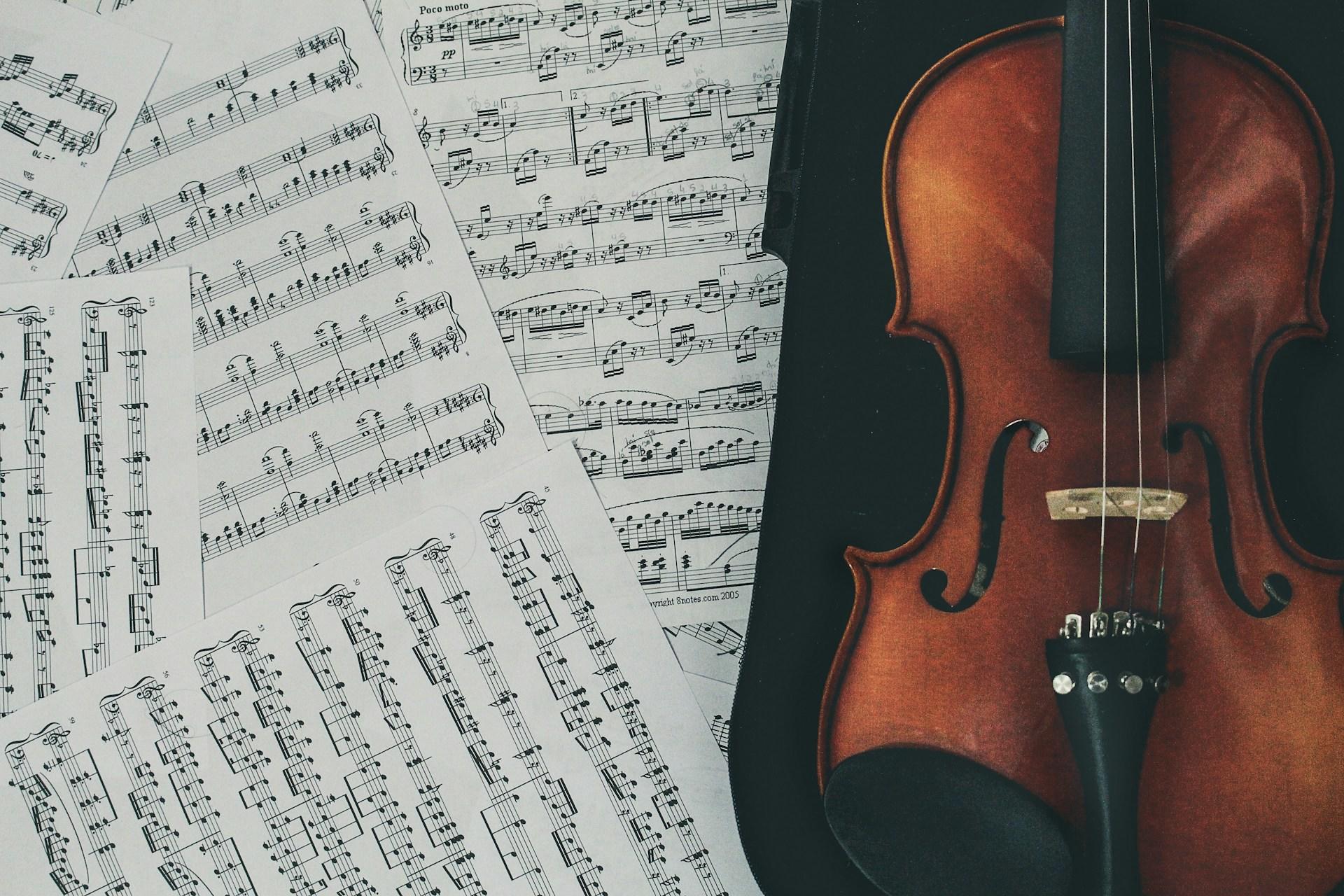
In order to read music notation, students must first learn the basics of note reading and rhythmic and harmonic analysis. Start by teaching them how to identify notes on the staff and how to read simple rhythms.
Once they understand the basics, they can move on to more complex melodies and harmonies. Also, introduce them to different musical styles, such as jazz, classical, and folk, which can help them develop a better understanding of how music is structured.
By reading music notation, students can unlock a world of new possibilities for their playing and become more creative when composing or improvising. Additionally, it can help them develop a better understanding of the music they are playing and how to interpret it in their own way.
Playing With Others (Duets)
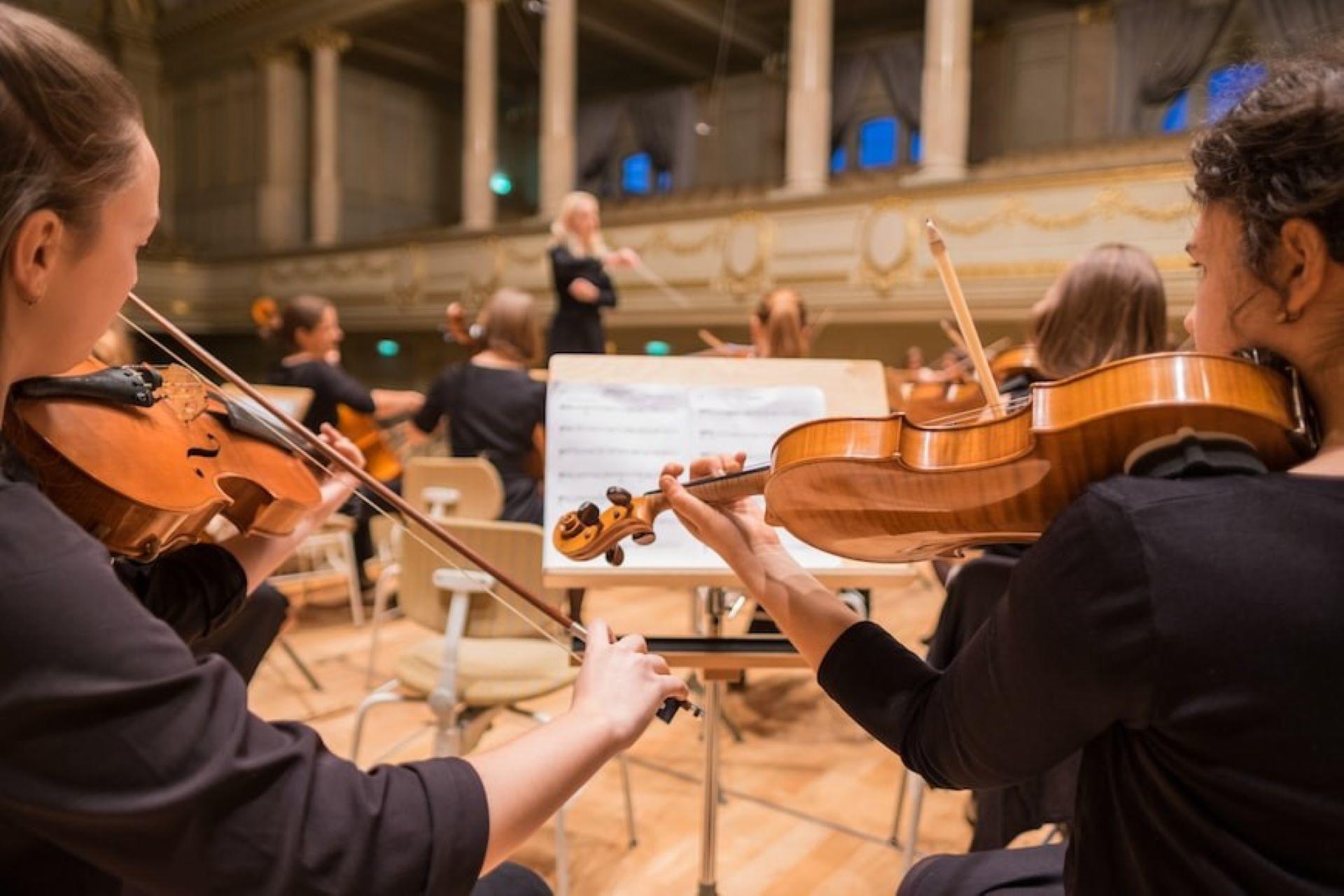
Learning to play with others is an important part of violin playing. Duets and ensembles provide students with a chance to develop their listening, collaboration, and ensemble playing skills.
When starting out with duets or ensembles, start simply by having them play unison melodies or parts that are written in the same key. As they progress, you can move on to more advanced duets with countermelodies and chords.
You May Also Like: What Are Easy Songs To Teach Kids On Violin?
Frequent Performances
Performances are an important part of any musician's development. Regularly performing helps students to develop confidence and gives them the opportunity to show off all the hard work they have been putting in.
Encourage them to perform for friends and family or even sign up for a local recital or music festival. With enough practice and dedication, they'll be able to put on an impressive performance that is sure to entice any audience.
By following these ways, you can help your students become better violin players and foster their love for the instrument. With enough practice, patience, and dedication, anyone can learn to master the instrument.
What Are The Benefits Of Playing The Violin?
If you take up learning the violin, you'll be joining generations of musicians who have explored and enjoyed this special instrument. Here are some of the many benefits of learning violin!
Improves Physical And Mental Agility
Playing the violin can greatly improve physical and mental agility since it requires precision and accuracy in hand-eye coordination as well as fine motor skills.
Helps You Learn Music Theory
Studying violin notes will not only help you learn music theory but also develop discipline and perseverance, as practicing regularly is essential for progression.
Provides An Opportunity To Express Yourself
Learning to play the violin will provide you with an opportunity to express yourself creatively with an instrument unique from all others in the orchestra.
Provides Social Interaction
Learning the violin allows you the opportunity to perform individually or in a group setting – both options provide social interaction depending on your preference.
Violin Lessons For Children
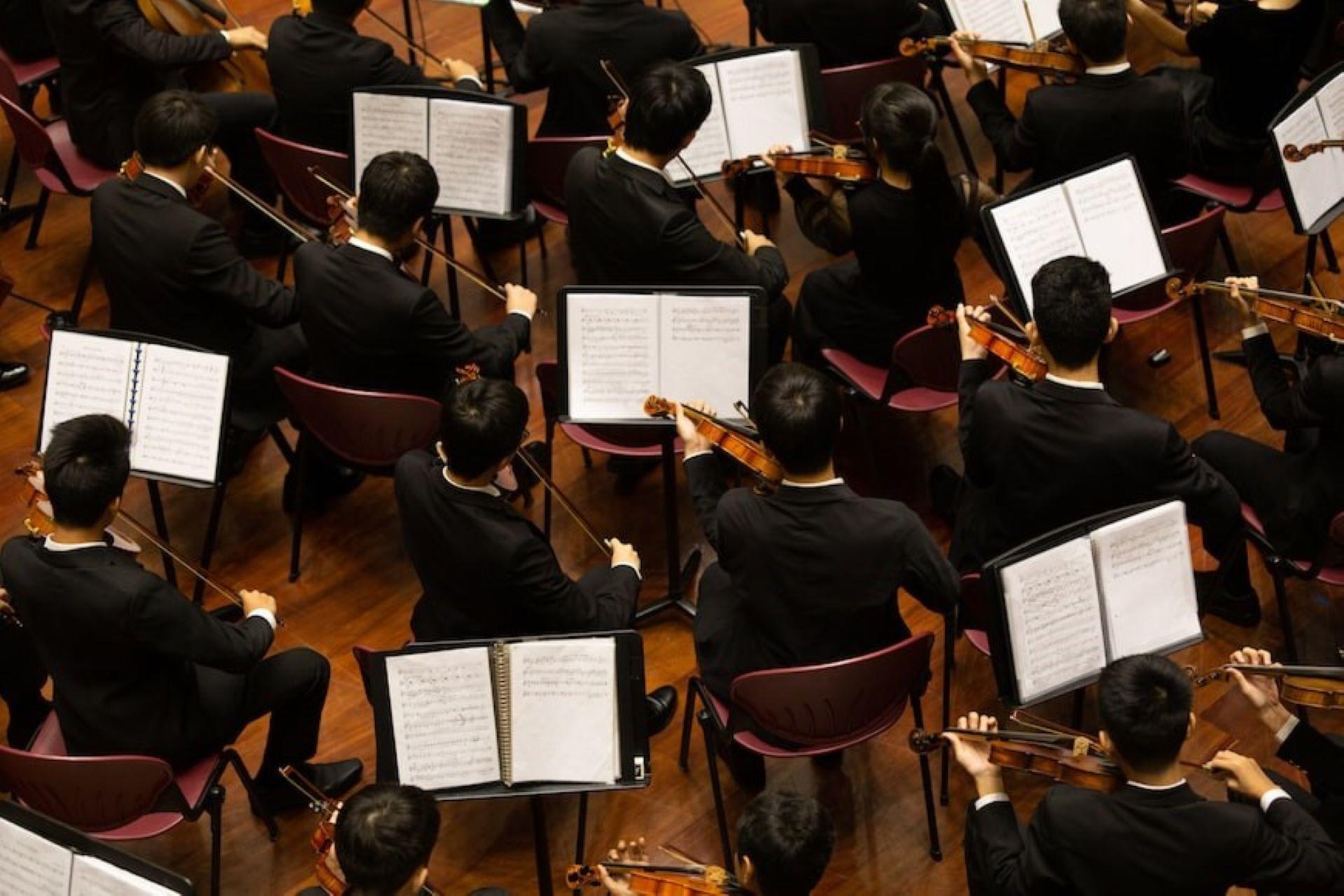
When teaching violin lessons, it is important to first focus on the basics. This includes tuning, posture and hand position, bow hold, and sound production.
Here are some tips for teaching the fundamentals of playing the violin!
| Basics | Description |
|---|---|
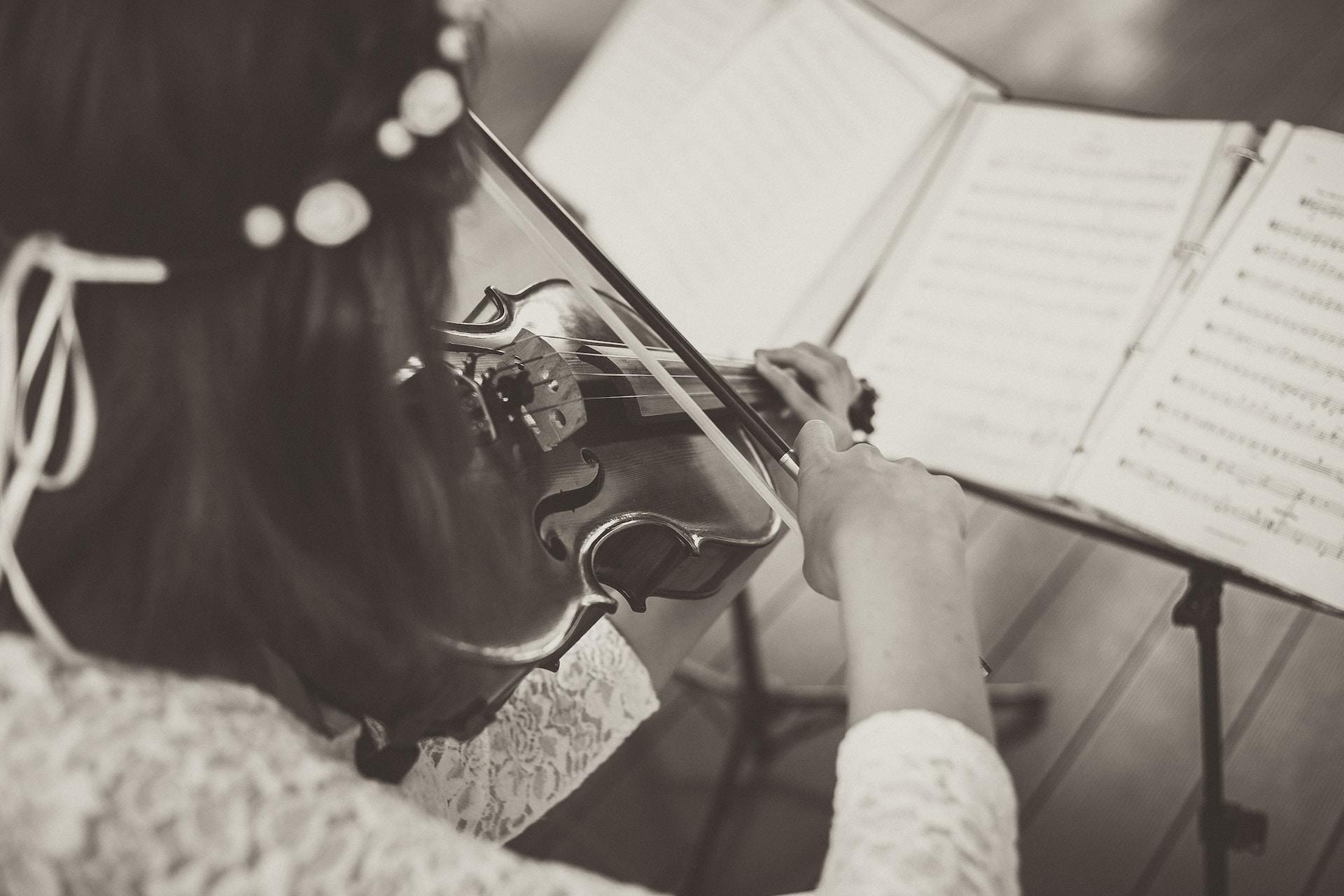
| Posture And Positioning | One of the first things to emphasize when teaching beginners is proper posture and positioning. This means having a student sit with their back straight, feet flat on the floor, and shoulder blades slightly rounded. The violin should rest comfortably on the left shoulder and be propped up by the chin. Arms should be relaxed and close to the body, while the fingers should be free and flexible. |
| Holding The Bow And Violin | Having the right grip on both the bow and violin is also essential. With violins, students should keep their left thumb tucked behind the neck and the first four fingers positioned on the fingerboard. As for the bow, they should keep a loose grip with their right hand and make sure the bow is angled away from the body. |
| Strumming And Plucking | Teaching students how to use the bow correctly is one of the more important fundamentals in learning to play the violin. Begin by teaching them how to draw smooth and even strokes across the strings using gentle pressure. As they progress, they can learn how to pluck the strings with their right index and ring fingers, as well as incorporate vibrato into their playing. |
| Reading And Writing Music | Introducing students to the basics of music notation is also essential when teaching violin. Start with simple melodies and progress to more complex ones as their skills improve. Make sure they understand how to read the staff, recognize notes, and distinguish between major and minor scales. |
| Tuning And Intonation | Teaching students how to properly tune their instruments is also important. Have them start by playing an "A" note on the violin and using a tuning app or tuner to adjust their strings until they are in tune. They should also be aware of how to change the pitch of notes while playing by adjusting the bow pressure and angle. |
| Practice | Finally, make sure to give your student practice tips and techniques that will help them improve their playing. Have them practice regularly and start with short intervals to build up strength and endurance. Encourage them to record their playing as they go so they can identify any areas that need more work. Also, be sure to emphasize the importance of relaxation while playing and remind them to take breaks when needed. |
Want To Master Your Violin Skills With Superprof?
When teaching violin, it is important to choose the right instrument for your student. Consider the size of the student's hands and make sure the instrument is comfortable and easy to hold.
If you want to become a skilled violinist, Superprof is the platform for you. With experienced tutors to guide you through your musical journey, Superprof is perfect for any level of musician, from beginner to professional.
Each tutor offers their own personalized lesson plan designed to help you reach your goals quickly and efficiently. By leveraging the power of online learning, you can access various materials and have sessions on-demand whenever you need them. Who knows, maybe once you've mastered the violin, you can make big bucks teaching your protégés!
Summarize with AI:
Did you like this article? Leave a rating!

 Loading...