
In men's and women's volleyball, each player has a specific role. Whether it's scoring points or digging out tough serves, the volleyball positions and roles create balance and strategy on the court. Understanding volleyball court positions is essential for viewers, players, and coaches. So, what are the positions in volleyball?
Back Row Positions
- Libero
- Defensive Specialist
Front Row Positions
- Setter
- Outside Hitter
- Opposite Hitter
- Middle Blocker


Setter
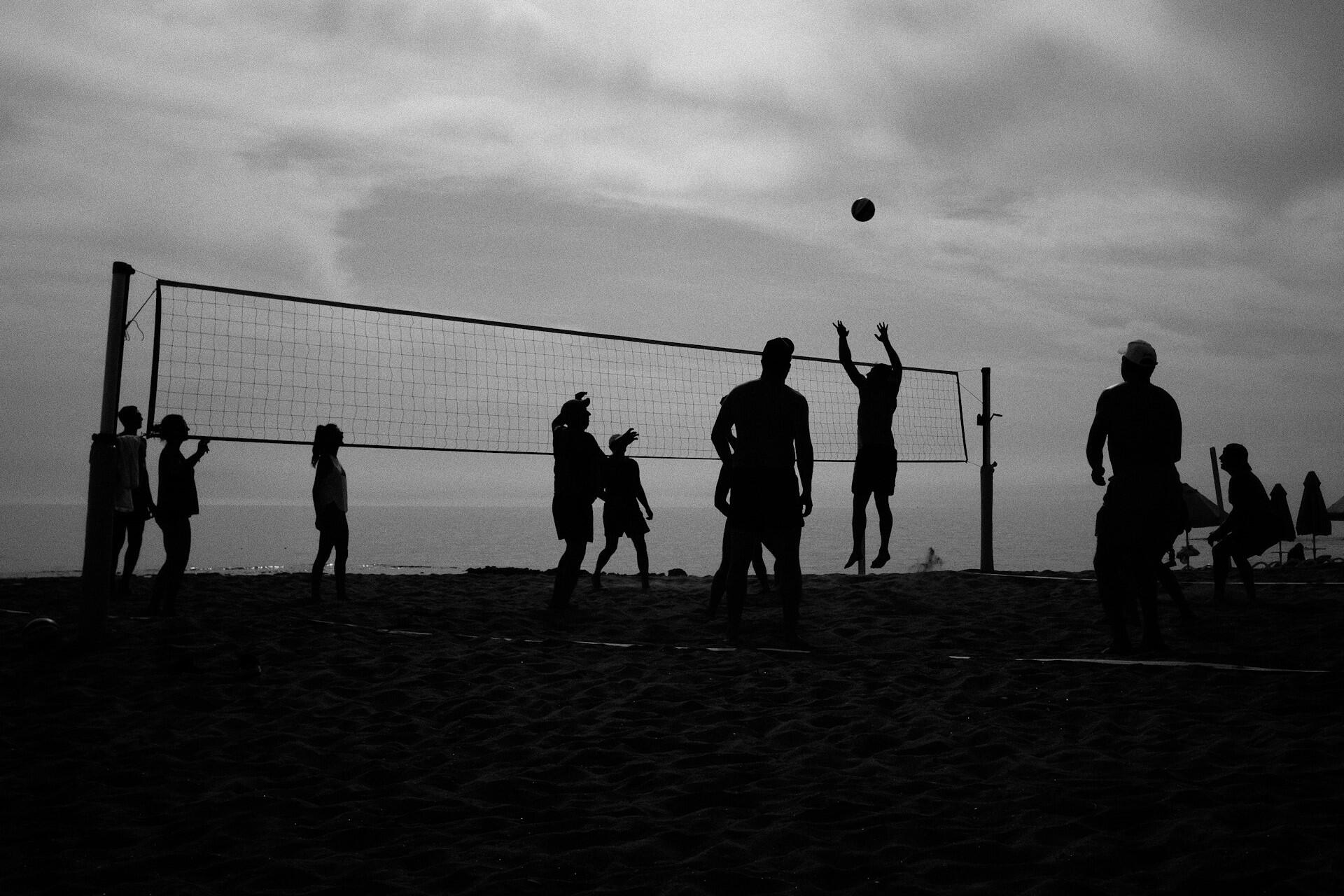
The setter is one of the most important positions on the court. If you know football, you could consider them the quarterback of a volleyball team because they set up the offense, control the tempo, and make split-second decisions that determine the outcome of the play (or in the case of volleyball, rally).
Court Position
The setter plays at the front right (Position 2) when in the front row and rotates to the back right (Position 1) when in the back row. They're positioned near the net to receive the second ball and distribute it to hitters.
Setters act much like the team’s quarterback, distributing the ball, controlling tempo, and designing plays.
Main Role
- Deliver accurate sets to the team’s attackers
- Choose the best offensive option based on the situation
- Control the flow of the game and adapt quickly to changes
- Communicate constantly with hitters and back-row players
Understand the setter role with this video.
Requirements for Setters
- Exceptional hand control and quick reflexes
- A high volleyball IQ and strong decision-making skills
- Great footwork to move quickly and square up to the ball
- Leadership skills and strong verbal communication
A good setter doesn’t just deliver the ball; they read the defense and outsmart the opponent’s block.
Outside Hitter
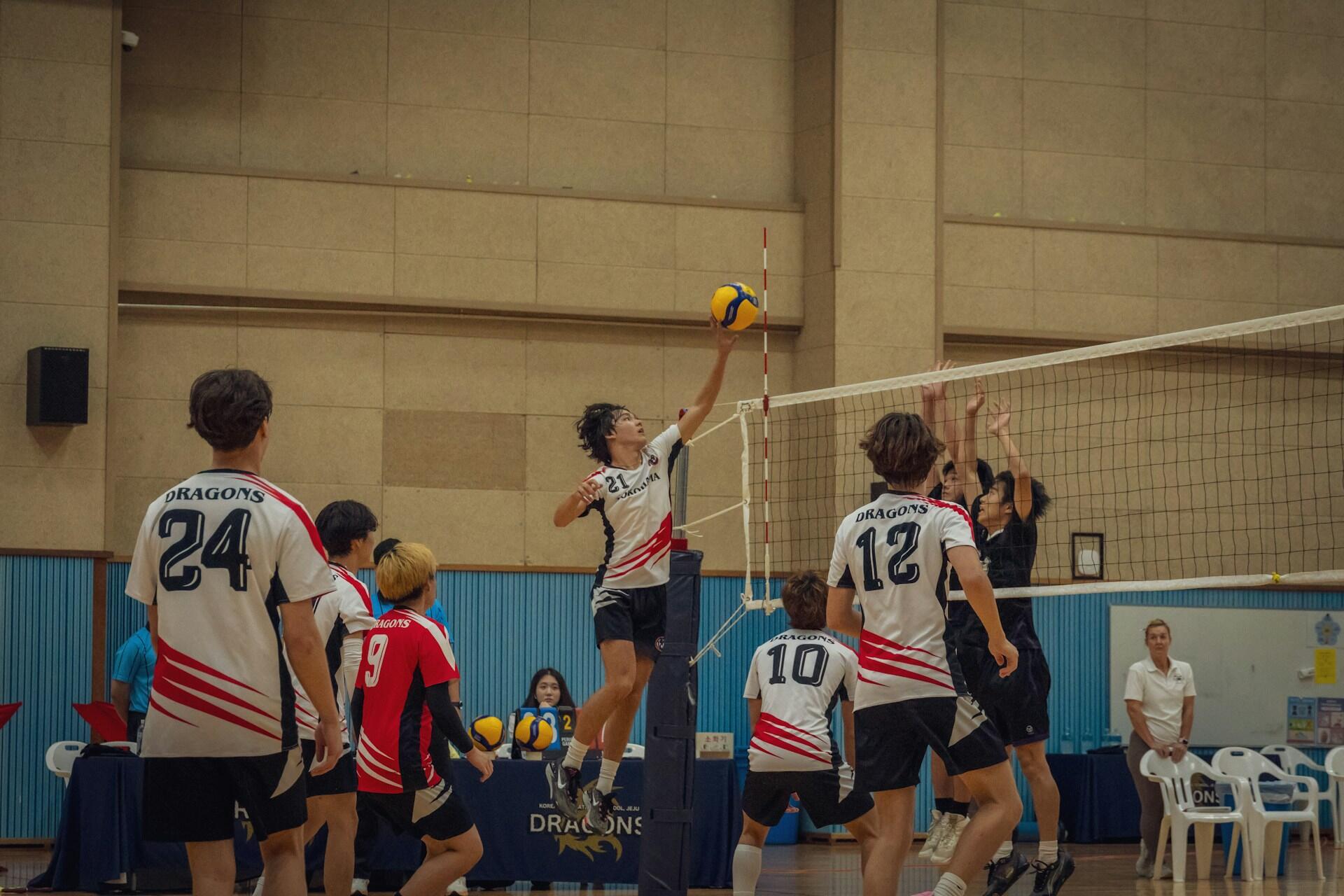
The outside hitter, also known as the left-side hitter, is one of the most relied-upon players on a volleyball court. Their responsibilities include everything from scoring points to passing serves. This makes the outside hitter one of the most demanding positions in volleyball, and many teams build their offensive systems around this position.
Where the Outside Hitter Plays
The outside hitter attacks from Position 4, on the left front of the court. When they rotate to the back row, they typically play defense from Position 5 (left back) or Position 6 (middle back). The outside hitter typically remains on the court for every volleyball position rotation, which means they must be both an offensive and defensive asset.
What the Outside Hitter Does
The outside hitter is key in ideal and broken plays. They usually receive high, outside sets and look to convert them into points. They'll also play a key role in defense and passing.
Key Responsibilities
- Attack from the left side of the court with power and precision
- Receive serves in the back row and deliver accurate passes to the setter
- Block the opposing opposite hitter, who is usually one of the opponent’s strongest attackers
- Defend in the back row by digging hard-driven spikes
- Communicate with teammates to keep the play alive and adjust to in-game changes
Skills and Physical Requirements
The best outside hitters combine strength, endurance, and versatility. They must be able to:
- Jump high and hit hard, even from difficult sets
- Stay mentally sharp and make smart hitting decisions
- Pass with consistency and move quickly in serve receive
- Block effectively and cover their zone on defense
Here's how to play outside hitter.
Opposite Hitter
The opposite hitter or right-side hitter is one of the more underappreciated roles of the men's and women's volleyball positions. They line up opposite the setter in the rotation, allowing them to attack effectively when the setter is in the front row. Throughout the match, the opposite hitter will contribute both offensively and defensively.
Where the Opposite Hitter Plays
The opposite hitter attacks from Position 2 (right front) and defends from Position 1 (right back) and sometimes Position 6 (middle back). Unlike outside hitters, opposite hitters usually don't participate in serve receive, focusing more on attacking and blocking.
What the Opposite Hitter Does
The opposite hitter can take pressure off the outside hitter by providing additional scoring options, especially in out-of-system plays. Since they're usually matched up against the opponent's outside hitter, who is often the team's best attacker, the opposite hitters' blocking skills are also essential.
Key Responsibilities
- Deliver powerful attacks from the right side, often on high or out-of-system sets
- Block the opponent’s outside hitter, one of the primary attackers
- Provide emergency setting when the setter takes the first contact
- Cover tips and short balls on the right side of the court
- Stay ready to transition quickly from blocking to hitting
Skills and Physical Requirements
Opposite hitters are often some of the most athletic players on the volleyball court. They don't usually handle passing, but they do need to be able to:
- Execute powerful cross-court and line shots from the right side
- Read the setter’s cues and respond with timely blocks
- Jump explosively and hit at a high contact point
- Maintain composure when stepping into the setter role, if needed
Here's the opposite hitter role explained.
Middle Blocker
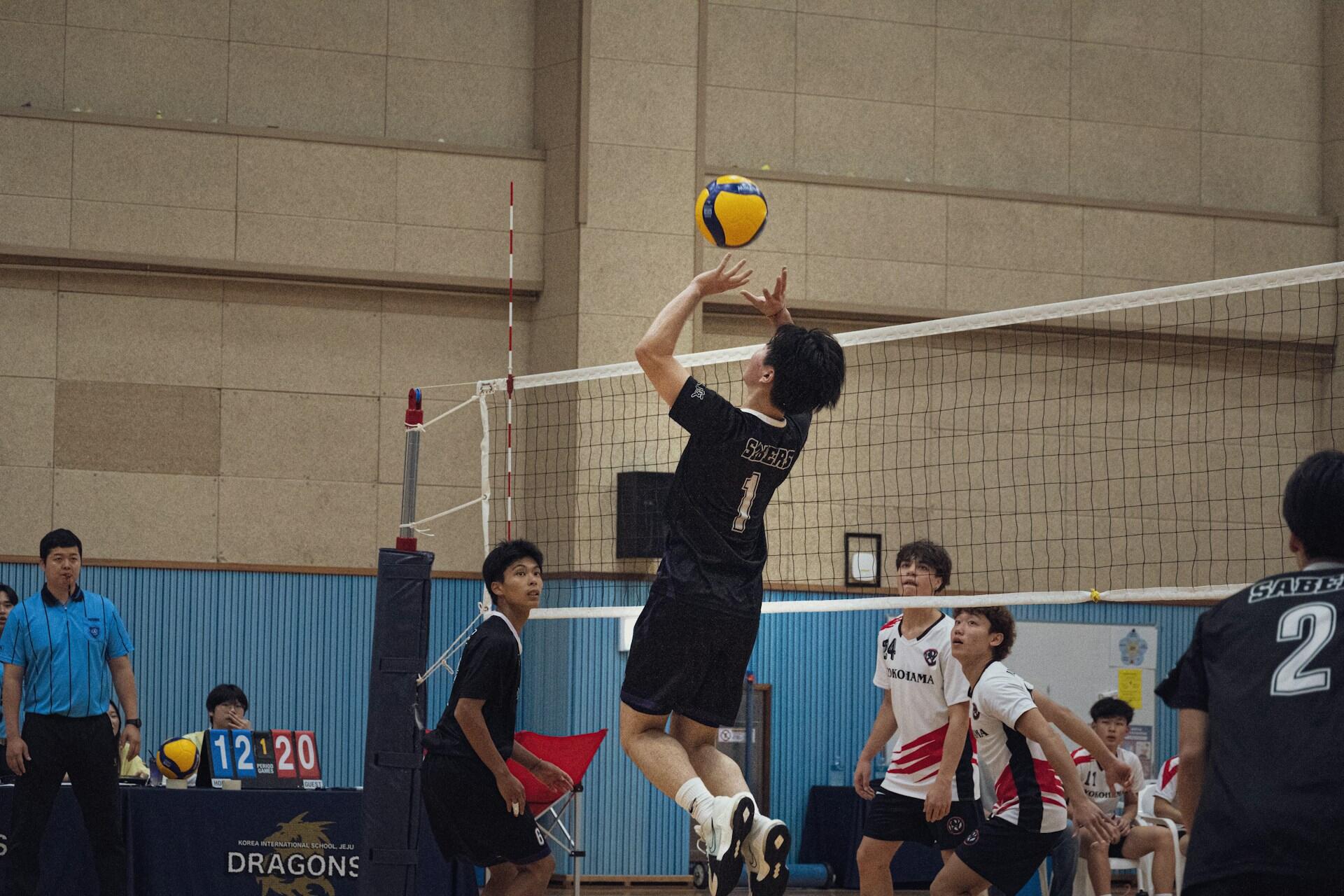
The middle blocker or middle hitter is probably the most physically demanding position in volleyball. It's also incredibly strategically important since they're positioned right in the center of the net. This means they have to shut down attacks at the net and offer lightning-fast offensive options.
Where the Middle Blocker Plays
The middle blocker plays in Position 3 (center front) when in the front row. Middle blockers typically don't play in the back row unless they're a strong server or the team has a unique rotation system. When they rotate to the back, they'll likely be replaced by a libero or a defensive specialist.
What the Middle Blocker Does
The middle blocker is a key part of a team's defense at the net. Their primary goal is to read the opponent's setter and attempt to block or slow down attacks from the opposing middle hitter, outside hitter, or opposite hitter. On the offense, they can execute quick hits (called "1s" or "3s") off of fast sets from the team's setter.
Key Responsibilities
- Read the opposing setter and position for a block
- Work with outside blockers to form a double or triple block
- Execute quick attacks on tight sets in the center of the court
- Act as a decoy to pull blockers away from outside hitters
- Track transitions and move laterally to close blocks
Effective blockers are unquestionably the keystone of a successful defense.
Don Shondell, Former Volleyball Coach
Skills and Physical Requirements
Middle blockers are usually tall and able to jump high and react quickly. Often among the tallest players on the team, they have to cover the net efficiently from antenna to antenna. While their offensive power is important, their timing and ability to read the game are essential.
Crucial Skills Include
- Explosive footwork and fast lateral movement
- Timing on blocks and quick sets
- Communication with other front-row players
- The ability to switch between offense and defense within seconds
Want to become a better middle? Watch this video.
Libero
The libero is the easiest volleyball position to recognize and one of the most unique. For one, this back-row defensive specialist wears a different-colored jersey and cannot rotate to the front row or complete attacks above the net. While the libero has special rules, they play a crucial role in serve receive, digging, and ball control, particularly in women's volleyball, where the game requires precision and consistency for long rallies.
The libero wears a different-colored jersey because they follow special rules that differ from the rest of the team. This makes it easy for referees to track their substitutions and ensure they don’t break front-row restrictions.
Where the Libero Plays
The libero only plays in the back row as per the special rules applied to the role. Typically rotating between positions 5 and 6 (left back and middle back), they never serve, block, or attack above the height of the net in most rule sets. In high-level games, the libero is often on the court for six rotations and will replace front-row players when they shift to defense.
Since their substitutions are unlimited and do not count against the team's formal subs, the libero is a flexible option for improving defense and serve receive during a match.
What the Libero Does
The libero is usually the team's best passer and most reliable defender. They have to receive serve, dig powerful spikes, and pass the ball accurately to initiate offense. They also attempt to keep chaotic rallies alive by making last-second saves and chasing down tough balls.
Key Responsibilities Include
- Handling the majority of serve receive duties
- Digging opponent attacks, particularly from outside hitters
- Maintaining ball control and consistent passing
- Backing up blockers and covering tips and off-speed shots
- Communicating with teammates and organizing the back row
Skills and Physical Traits
A great libero doesn't need to be the tallest or strongest, but they do need quick reflexes, anticipation, and phenomenal footwork. Many liberos are actually among the shortest players on the team, but make up for their lack of height with great hustle and game sense.
Top Skills Include
- Passing with a controlled platform under pressure
- Reading the opposing hitters and setter
- Speed and low positioning to stay balanced
- Strong voice and leadership from the back row
The libero is a bit different. Here's the role explained.
Defensive Specialist
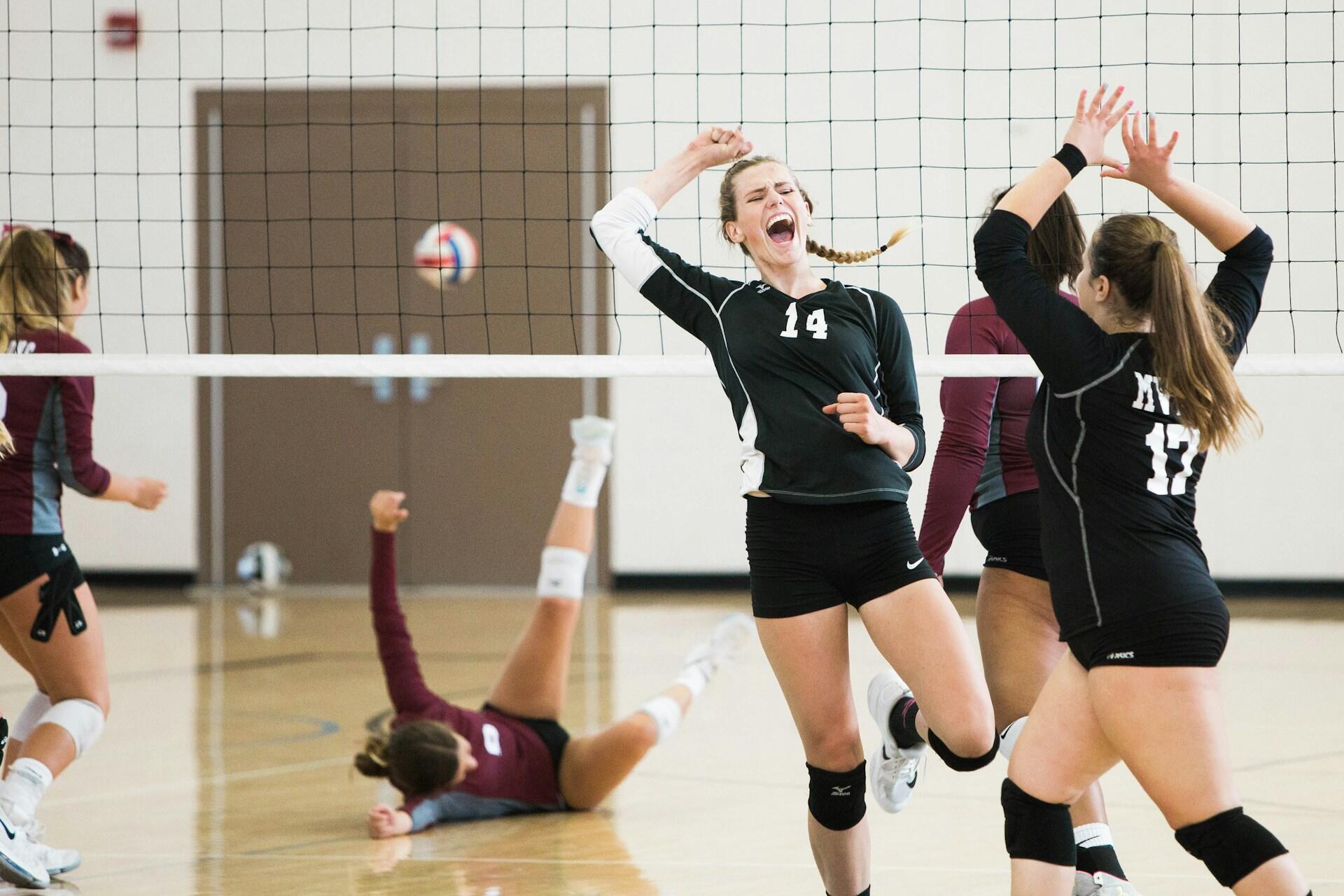
The defensive specialist or DS is a flexible back-row substitute player. They're used to shore up a team's defence, similar to the libero, and are often confused with them, but they don't wear a different-colored jersey. A defensive specialist typically plays in positions 5 or 6 (left back or middle back), similar to a libero, but is a formal substitution.
Where the Defensive Specialist Plays
The defensive specialist rotates in the back row, often to replace a front-row hitter as they rotate out. A team can only make a certain number of substitutions per set, so the inclusion of a DS has to be done strategically.
What the Defensive Specialist Does
Understandably, a defensive specialist is brought in for their defensive skills. However, unlike a libero, they can serve, attack below the net, and wear the same jersey as the rest of the team. Coaches typically bring in a defensive specialist to counter strong servers and provide consistent passing.
Primary Responsibilities
- Passing in serve receive
- Digging hard-driven attacks
- Supporting emergency plays in long rallies
- Serving (if stronger than the hitter they sub in for)
- Helping maintain defensive shape and communication
Skills and Qualities Needed
The defensive specialist doesn't need to be a high jumper, but they do need quick reflexes, lateral movement, and strong court awareness. Defensive specialist will usually train in multiple positions.
Top Skills Include
- Precise serve receive passing
- Reading hitters and adjusting positioning
- Explosive lateral speed and low defensive stance
- Calm decision-making under pressure
- Accurate serving (float or jump float often preferred)
Top Players in Each Role
Looking for some fine examples of each role? While there are certainly plenty others we could mention, start with these players.
If you'd like to get better at any of these positions, why not work with a private volleyball coach? On Superprof, you can find coaches across the country, as well as those specializing in various roles. With most coaches offering the first session for free, you can even try a few before choosing the one that's right for you.
On each coach's profile, you can see what they teach, their fees, and what their other students have to say about them. Compare a few coaches and, when you're ready, start getting in touch with them to arrange your first sessions. Good luck!
Summarize with AI:
Did you like this article? Leave a rating!

 Loading...