The civil rights included everyone. It wasn't just the most visible male leaders, but the extraordinary women organizing, teaching, and strategising. If you'd like to learn more about the incredible women behind the civil rights movement, we'd recommend starting with these figures.
| Name | Role / Contribution | Key Organizations |
| Ella Baker | Major strategist, community organizer, strengthened grassroots leadership | SCLC, SNCC |
| Fannie Lou Hamer | Voting rights activist, Mississippi Freedom Summer leader | MFDP, SNCC |
| Rosa Parks | Sparked the Montgomery Bus Boycott, long-time NAACP organizer | NAACP |
| Diane Nash | Student organizer, Freedom Rides, Selma Campaign leader | SNCC |
| Septima Poinsette Clark | Mother of the Movement, citizenship schools, literacy activism | SCLC, NAACP |
| Dorothy Height | National women’s rights and civil rights leader | NCNW |
| Jo Ann Robinson | Architect of the Montgomery Bus Boycott’s mass mobilization | WPC |
| Pauli Murray | Legal theorist whose arguments shaped civil rights case law | NAACP, NOW |
| Coretta Scott King | Human rights leader, expanded the movement after MLK’s death | SCLC |
| Gloria Richardson | Leader of Cambridge Movement, challenged segregation directly | CNAC |
| Constance Baker Motley | First Black woman federal judge, key civil rights attorney | NAACP LDF |
| Daisy Bates | Leader supporting the Little Rock Nine during integration | NAACP |
Key Takeaways
- Black women played essential leadership roles in organizing, strategising, educating, and mobilizing communities throughout the civil rights movement.
- Many of the most important victories of the period, including the Montgomery Bus Boycott, Freedom Summer, the Nashville sit-ins, and the Little Rock school integration, were shaped or led by women.
- Women such as Ella Baker, Fannie Lou Hamer, Rosa Parks, and Septima Clark strengthened grassroots networks that made national action and major legislation possible.
- Their work spanned courts, classrooms, churches, local organizations, and national coalitions, showing how change often begins at the community level.
- Although often under-recognized in public memory, these women transformed American democracy and created legacies that still influence activism today.

The best History tutors available

5 (18 reviews)

1st lesson free!
5 (12 reviews)
1st lesson free!
5 (11 reviews)
1st lesson free!
5 (8 reviews)
1st lesson free!
5 (6 reviews)
1st lesson free!
5 (8 reviews)
1st lesson free!
5 (9 reviews)
1st lesson free!
4.9 (4 reviews)
1st lesson free!
5 (18 reviews)
1st lesson free!
5 (12 reviews)
1st lesson free!
5 (11 reviews)
1st lesson free!
5 (8 reviews)
1st lesson free!
5 (6 reviews)
1st lesson free!
5 (8 reviews)
1st lesson free!
5 (9 reviews)
1st lesson free!
4.9 (4 reviews)
1st lesson free!
Let's go
Ella Baker
Strong people don’t need strong leaders.
Ella Baker
Ella Baker
Place of birth:
Norfolk, Virginia, USA
Major roles:
Community organizer; strategist; mentor to student activists
Key organizations / affiliations:
SCLC; SNCC
Known for:
Catalyzing grassroots leadership and helping found SCLC and SNCC
Signature contributions:
She served as the SCLC's first staff director and promoted bottom-up leadership. She organized the meeting that led to the creation of SNCC. She spent more than 50 years developing community-driven activism.
Ella Baker was a strategist for civil rights organizations. Her work shaped the SNCC, the SCLC, and various community movements. She was integral in grassroots leadership and empowered ordinary people.
Why Women Were the Backbone of the Movement
Women carried out much of the day-to-day organizing that held the civil rights movement together. They arranged mass meetings, managed communications, coordinated transportation, and built local networks strong enough to sustain long campaigns. Although many worked behind the scenes, their leadership shaped strategies used nationwide. Without their organizing power, major victories like the Montgomery Bus Boycott or Freedom Summer would not have been possible.
Fannie Lou Hamer
Nobody’s free until everybody’s free.
Fannie Lou Hamer
Fannie Lou Hamer
Place of birth:
Ruleville, Mississippi, USA
Major roles:
Voting rights leader; MFDP cofounder; civil rights organizer
Key organizations / affiliations:
SNCC; Mississippi Freedom Democratic Party
Known for:
Her televised testimony at the 1964 Democratic National Convention and leadership in Freedom Summer
Signature contributions:
She led voter registration efforts across Mississippi. She became the national voice of the MFDP at the Democratic Convention. She continued fighting poverty and injustice through community-based programs.
Fannie Lou Hamer was a sharecropper who became an activist. She transformed the voting rights struggle. She exposed the brutal realities of racism in the South.
The Power of Grassroots Organizing
Across the South, women ran citizenship schools, taught literacy, and trained neighbours to register to vote. These programmes created thousands of first-time voters who were essential for the success of later federal legislation. Women activists also built coalitions between churches, labour groups, and student organizations, strengthening the movement from the bottom up. Their ability to mobilize entire communities remains one of the most important legacies of the civil rights era.
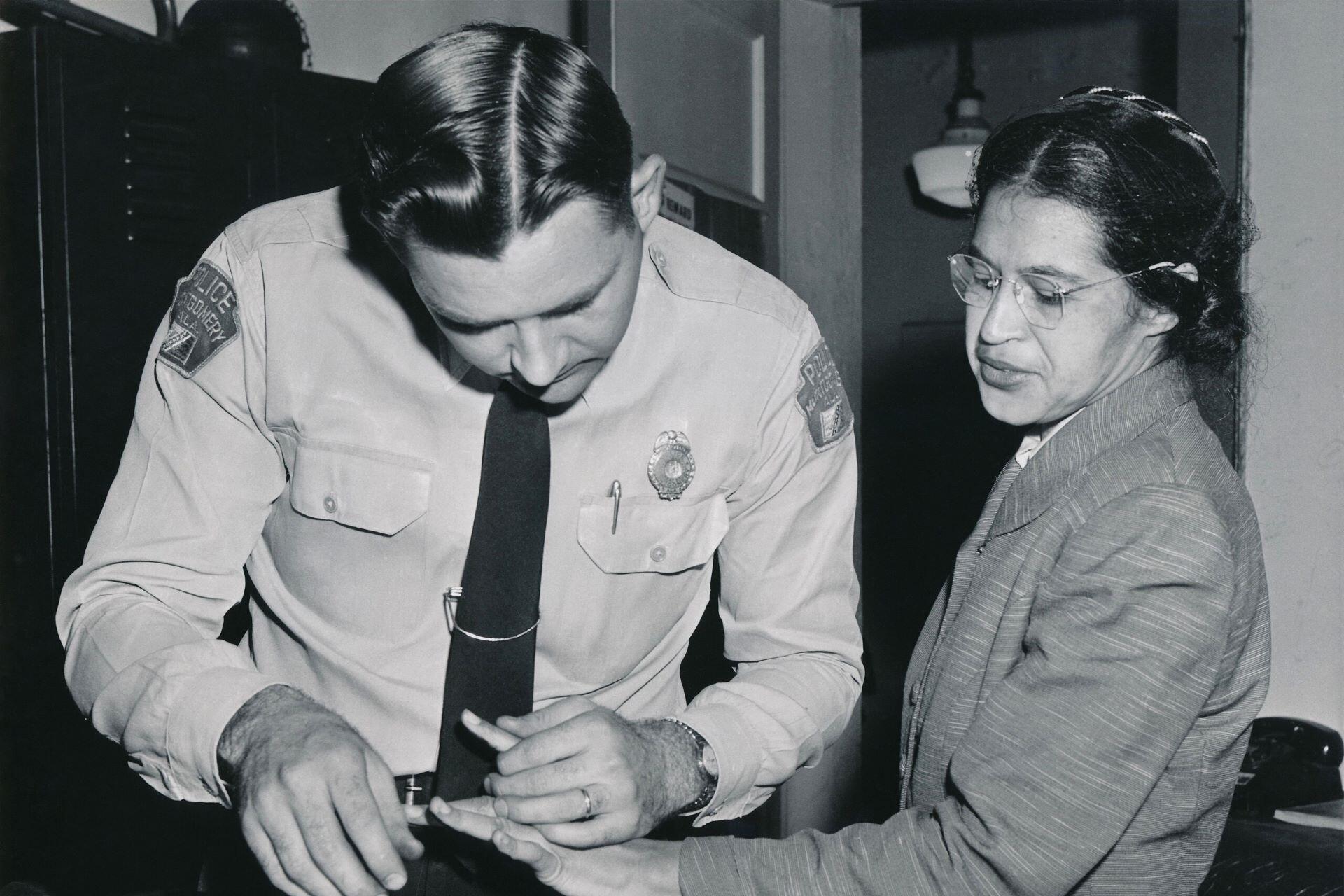
Rosa Parks
You must never be fearful about what you are doing when it is right.
Rosa Parks
Rosa Parks
Place of birth:
Tuskegee, Alabama, USA
Major roles:
Civil rights activist; long-time NAACP organizer
Key organizations / affiliations:
NAACP; Montgomery Improvement Association (ally)
Known for:
Her 1955 arrest that sparked the Montgomery Bus Boycott
Signature contributions:
She helped ignite a 381-day bus boycott that reshaped national civil rights awareness. She worked for decades supporting victims of racial violence. She became a global symbol of principled resistance.
Rosa Parks was an activist who challenged segregation. Long before her 1955 arrest in Montgomery, she'd been fighting for equality.
Diane Nash
Diane Nash
Place of birth:
Chicago, Illinois, USA
Major roles:
Student organizer; strategist of sit-ins and Freedom Rides
Key organizations / affiliations:
SNCC; SCLC
Known for:
Leading the Nashville sit-ins, sustaining the Freedom Rides, and coordinating Selma campaigns
Signature contributions:
She helped organize the Nashville student movement. She pressed federal authorities to protect Freedom Riders. She played key roles in campaigns that built momentum for the Civil Rights Act and Voting Rights Act.
Diane Nash was a student leader. She was part of key events in the civil rights movement, like the Nashville sit-ins and the Freedom Rides. She helped shape student activism as it turned into a national political force.
Septima Poinsette Clark
Septima Poinsette Clark
Place of birth:
Charleston, South Carolina, USA
Major roles:
Educator; civil rights trainer; architect of citizenship schools
Key organizations / affiliations:
Highlander Folk School; SCLC
Known for:
Developing citizenship schools that expanded literacy and voter registration
Signature contributions:
She trained thousands through literacy-based civic programs. She helped scale the citizenship schools across the South. She strengthened community political power through education.
Septima Clark was an educator. She empowered thousands of Black Southerners with literacy and civic knowledge through citizenship schools. Believing education was the foundation of political power, her teaching methods became a cornerstone of voter registration and community leadership programs.
The best History tutors available
5 (18 reviews)
1st lesson free!
5 (12 reviews)
1st lesson free!
5 (11 reviews)
1st lesson free!
5 (8 reviews)
1st lesson free!
5 (6 reviews)
1st lesson free!
5 (8 reviews)
1st lesson free!
5 (9 reviews)
1st lesson free!
4.9 (4 reviews)
1st lesson free!
5 (18 reviews)
1st lesson free!
5 (12 reviews)
1st lesson free!
5 (11 reviews)
1st lesson free!
5 (8 reviews)
1st lesson free!
5 (6 reviews)
1st lesson free!
5 (8 reviews)
1st lesson free!
5 (9 reviews)
1st lesson free!
4.9 (4 reviews)
1st lesson free!
Let's go
Dorothy Height
Dorothy Height
Place of birth:
Richmond, Virginia, USA
Major roles:
Civil rights and women’s rights leader; NCNW president
Key organizations / affiliations:
National Council of Negro Women; YWCA
Known for:
National leadership connecting civil rights, gender equality, and community empowerment
Signature contributions:
She directed NCNW programs advancing youth leadership and economic development. She helped integrate the YWCA. She shaped national policy conversations around race and gender.
Dorothy Height combined the civil rights struggle with women's rights, youth empowerment, and economic justice. She helped shape policy discussions on race and gender. She worked tirelessly to strengthen organizations and communities across the country and was a key organizer of the March on Washington.
Women Who Shaped National Policy
Many women leaders influenced federal decisions even when they were not publicly recognised. Figures such as Dorothy Height regularly advised U.S. presidents, attended high-level strategy meetings, and shaped civil rights recommendations presented to Congress. Their work helped secure support for the Civil Rights Act, Voting Rights Act, and later anti-poverty initiatives. Though often missing from headlines, their political influence reached the highest levels of government.
Jo Ann Robinson
Jo Ann Robinson
Place of birth:
Near Culloden, Georgia, USA
Major roles:
Educator; Women’s Political Council president; boycott organizer
Key organizations / affiliations:
Women’s Political Council (WPC)
Known for:
Mobilizing the leaflet campaign that launched the Montgomery Bus Boycott
Signature contributions:
She produced tens of thousands of leaflets overnight to mobilize the boycott. She organized communication networks among teachers and leaders. She supported boycott logistics throughout 1955–56.
Jo Ann Robinson was an educator. She helped launch the Montgomery Bus Boycott, and her overnight leaflet campaign mobilized the city's Black community. She guided the logistics and communications of civil rights efforts.
Pauli Murray
Pauli Murray
Place of birth:
Baltimore, Maryland, USA
Major roles:
Lawyer; legal theorist; feminist scholar; Episcopal priest
Key organizations / affiliations:
NAACP; ACLU; NOW
Known for:
Developing legal ideas that influenced Brown v. Board and later gender equality cases
Signature contributions:
She created the “Jane Crow” analysis connecting racism and sexism. She shaped legal strategies later used in landmark discrimination cases. She advanced intersectional approaches to civil and women’s rights.
Pauli Murray was an incredible legal thinker. Her ideas influenced both civil rights and gender equality laws. A respected lawyer, scholar, and the first Black woman ordained as an Episcopal priest.
Coretta Scott King
Coretta Scott King
Place of birth:
Near Marion, Alabama, USA
Major roles:
Human rights leader; peace activist; founder of the King Center
Key organizations / affiliations:
The King Center; SCLC ally
Known for:
Extending the civil rights movement’s reach after MLK’s assassination
Signature contributions:
She advocated globally for human rights and social justice. She established the King Center to preserve the movement's history. She led the decades-long campaign for the MLK national holiday.
Coretta Scott King was a civil rights and human rights advocate. She helped expand the movement around the world and spoke out about poverty, apartheid, and discrimination. She established the King Center and led the campaign for Martin Luther King Jr. Day.
Gloria Richardson
Gloria Richardson
Place of birth:
Baltimore, Maryland, USA
Major roles:
Cambridge Movement leader; community organizer
Key organizations / affiliations:
Cambridge Nonviolent Action Committee
Known for:
Leading the Cambridge desegregation and jobs campaign
Signature contributions:
She organized local direct-action protests in Cambridge. She negotiated with state and federal officials during martial law. She modeled a more assertive approach to community-centered civil rights action.
Gloria Richardson led the Cambridge Movement's fight for desegregation and economic justice. Through mass protests, negotiations during martial law, and direct confrontation, she helped contribute to the civil rights movement. She was a national symbol of uncompromising community resistance.
Constance Baker Motley
Constance Baker Motley
Place of birth:
New Haven, Connecticut, USA
Major roles:
NAACP LDF attorney; federal judge
Key organizations / affiliations:
NAACP Legal Defense Fund; U.S. District Court
Known for:
Litigating landmark civil rights cases and becoming the first Black woman federal judge
Signature contributions:
She helped win multiple school desegregation and civil rights cases. She represented James Meredith in the integration of Ole Miss. She opened pathways for women and Black lawyers in the judiciary.
Constance Baker Motley was a civil rights lawyer who argued landmark cases dismantling segregation. She contributed to multiple Supreme Court victories. Later, she became the first Black woman to serve as a federal judge.
Daisy Bates
Daisy Bates
Place of birth:
Huttig, Arkansas, USA
Major roles:
Journalist; NAACP Arkansas leader; adviser to the Little Rock Nine
Key organizations / affiliations:
NAACP Arkansas State Conference; Arkansas State Press
Known for:
Leading community support during the Little Rock desegregation crisis
Signature contributions:
She guided the Little Rock Nine through the 1957 integration effort. She used the Arkansas State Press to report racial injustice. She continued civic leadership through voter education and community organizing.
Daisy Bates was a journalist and NAACP leader. She guided the Little Rock Nine through desegregation efforts. Through advocacy and reporting, she exposed racial injustice across Arkansas. She also worked in voter education, youth programs, and local organizing.





 Loading...
