

Nothing in life is to be feared, it is only to be understood.
Marie Curie
Women have played a vital role in shaping physics, even during periods when they faced limited opportunities, recognition, or support within the scientific world. Their research opened doors in quantum mechanics, radioactivity, nuclear physics, crystallography, astrophysics, and experimental science. The table below highlights the fifteen leading physicists today featured in this article, along with their lifespans and their most influential discoveries.
| Physicist | Years | Contribution |
|---|---|---|
| Marie Curie | 1867–1934 | Radioactivity; radium and polonium |
| Lise Meitner | 1878–1968 | Nuclear fission theory |
| Chien-Shiung Wu | 1912–1997 | Parity violation |
| Rosalind Franklin | 1920–1958 | DNA X-ray diffraction |
| Emmy Noether | 1882–1935 | Symmetry laws; Noether’s theorem |
| Maria Goeppert Mayer | 1906–1972 | Nuclear shell model |
| Vera Rubin | 1928–2016 | Dark matter evidence |
| Jocelyn Bell Burnell | 1943– | Discovery of pulsars |
| Mildred Dresselhaus | 1930–2017 | Carbon nanostructures |
| Donna Strickland | 1959– | CPA lasers |
| Fabiola Gianotti | 1960– | ATLAS Higgs boson |
| Sara Seager | 1971– | Exoplanet atmospheres |
| Lene Hau | 1959– | Slowing/stopping light |
| Jill Tarter | 1944– | SETI research |
| Karen Barad | 1956– | Quantum theory and philosophy |


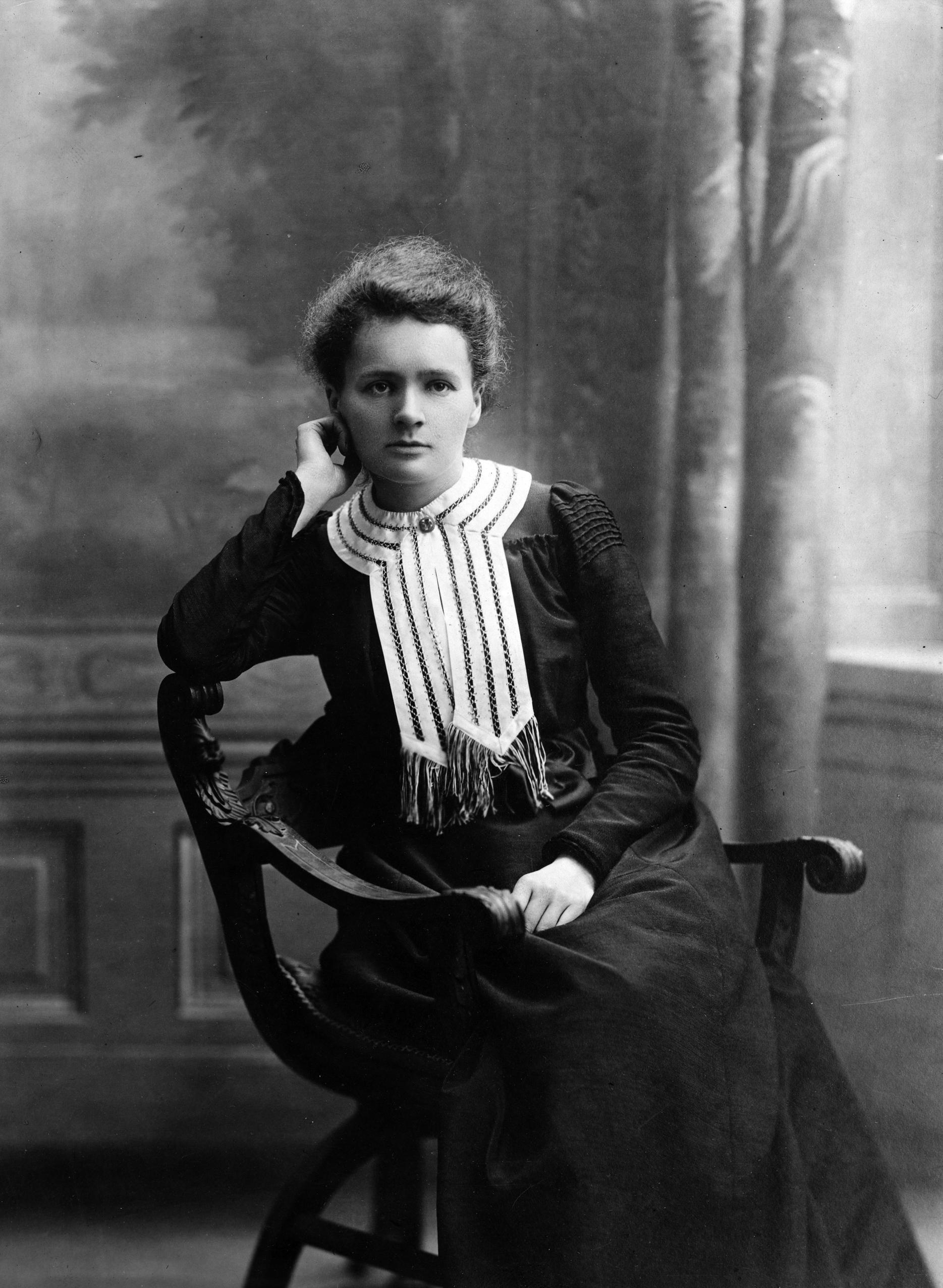
Marie Curie (1867–1934)
Marie Curie transformed modern science through her study of radioactivity, discovering radium and polonium with extraordinary precision. Her work changed physics and medicine, shaping early nuclear research and cancer therapies.
Marie Curie’s dedication to research set a new standard for scientific perseverance. She carried out long, often exhausting procedures to isolate radioactive materials, working in simple laboratories that lacked proper ventilation or safety tools. Her curiosity led her to explore the behavior of radioactive elements and their potential applications in medicine, especially cancer treatment. Curie also helped train the next generation of scientists and supported mobile radiology units during World War I, bringing X-ray technology to the battlefield.
Her legacy continues to inspire students who see in her life an example of courage, skill and commitment to knowledge.
Do you know who are the most famous physicians today?
Lise Meitner (1878–1968)
Lise Meitner offered the theoretical explanation behind nuclear fission, one of the most important breakthroughs in twentieth-century science. Lise Meitner’s influence in nuclear physics grew from her ability to connect experimental observations with deep theoretical insight.
She spent decades building her reputation as a careful, disciplined researcher whose explanations helped guide major discoveries. Her analysis of Otto Hahn’s data led to the recognition of nuclear fission, one of the most important breakthroughs of the twentieth century.
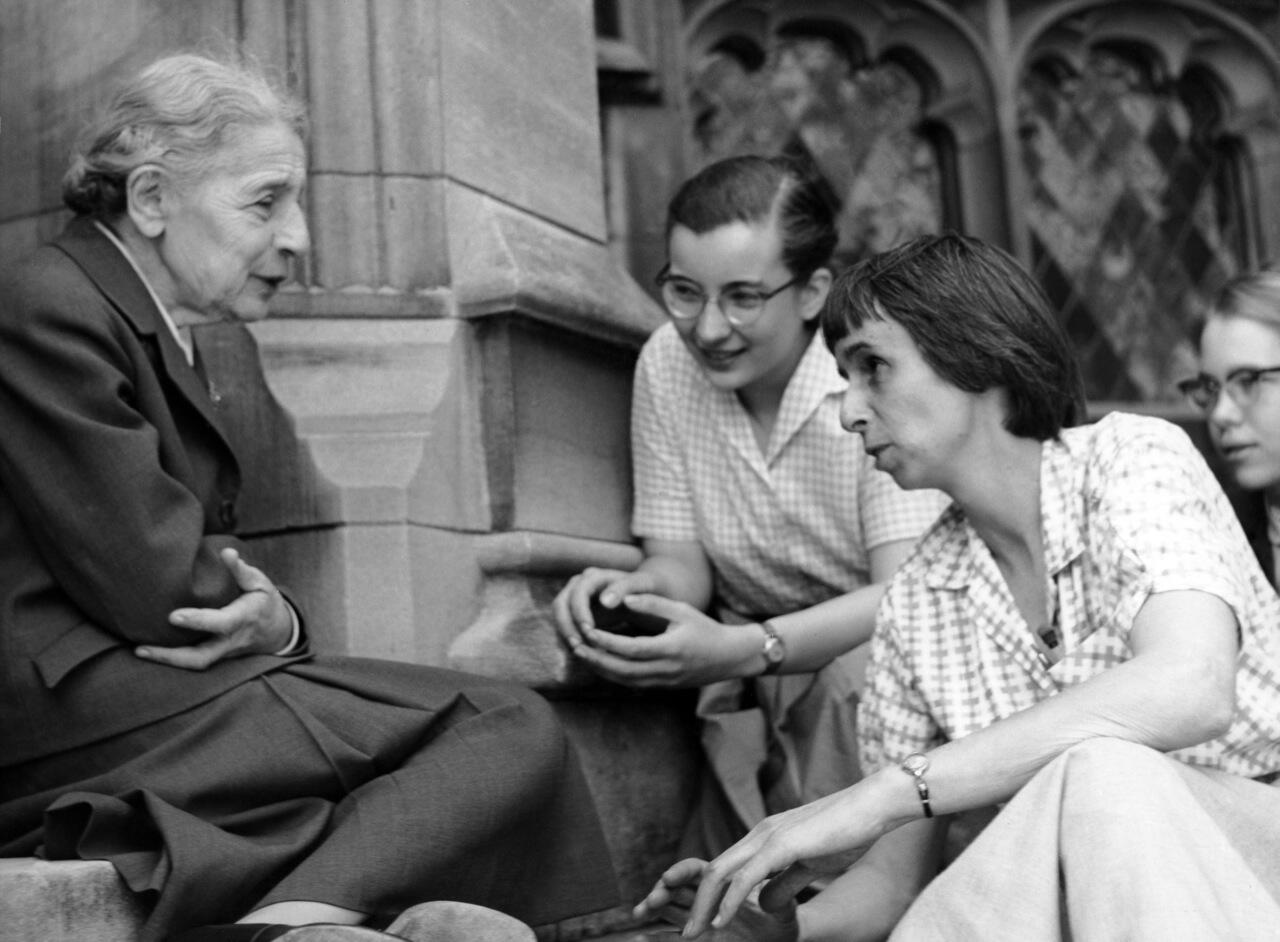
Although she did not receive the Nobel Prize associated with this discovery, her contribution is now widely acknowledged. Throughout her life, Meitner encouraged ethical scientific practice and rejected the use of nuclear research for destructive purposes. Her work remains essential to atomic science.
Meitner’s theoretical leap revealed how the nucleus splits, unlocking a new era of nuclear research.
Chien-Shiung Wu (1912–1997)
Chien-Shiung Wu confirmed the violation of parity, reshaping particle physics. Her precision in experimental work earned her worldwide respect. Chien-Shiung Wu’s precision and creativity helped solve major questions in particle physics.
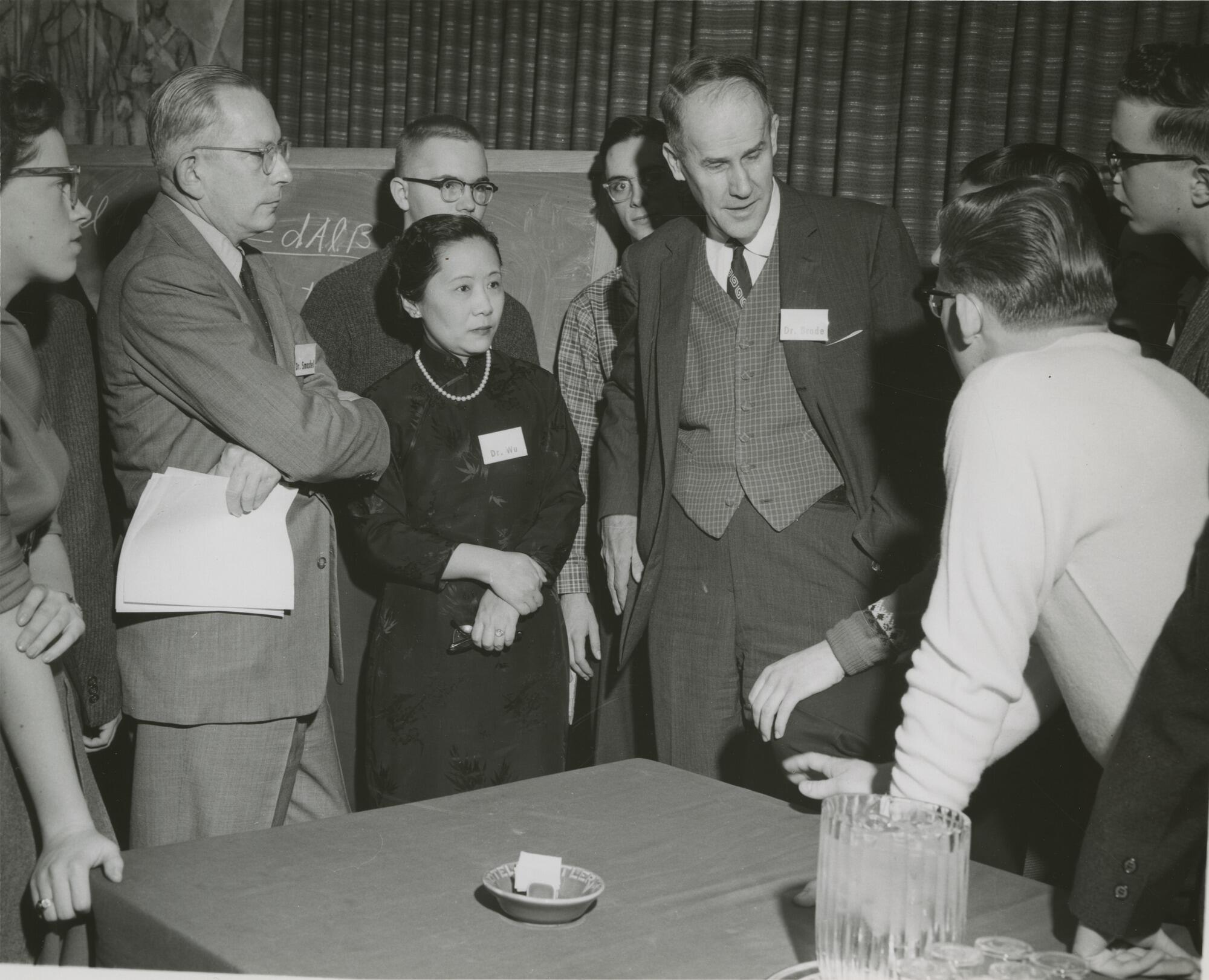
Her experiments often required careful planning, technical skill, and a deep understanding of atomic behavior. Wu confirmed that parity is not conserved in weak interactions, rewriting a long-held belief in physics. She also made important contributions to the study of beta decay and the Manhattan Project.
Students and colleagues admired her determination and high standards in the laboratory. Wu’s legacy includes both her scientific achievements and her advocacy for women in science, encouraging future generations to pursue careers in physics without hesitation or doubt. Who are your favorite current physicists?
It is the responsibility of scientists in every field to help the public understand the importance of science.
Chien-Shiung Wu
Rosalind Franklin (1920–1958)
Rosalind Franklin’s X-ray diffraction images were essential to revealing the double-helix structure of DNA. Rosalind Franklin brought extraordinary skill to every experiment she designed. Her ability to produce clear, precise diffraction images resulted from careful preparation and an understanding of molecular structure.
Although best known for her work on DNA, Franklin also studied coal, graphite, and viruses, contributing valuable knowledge to several scientific fields. Her research on the tobacco mosaic virus set the stage for later advances in virology.
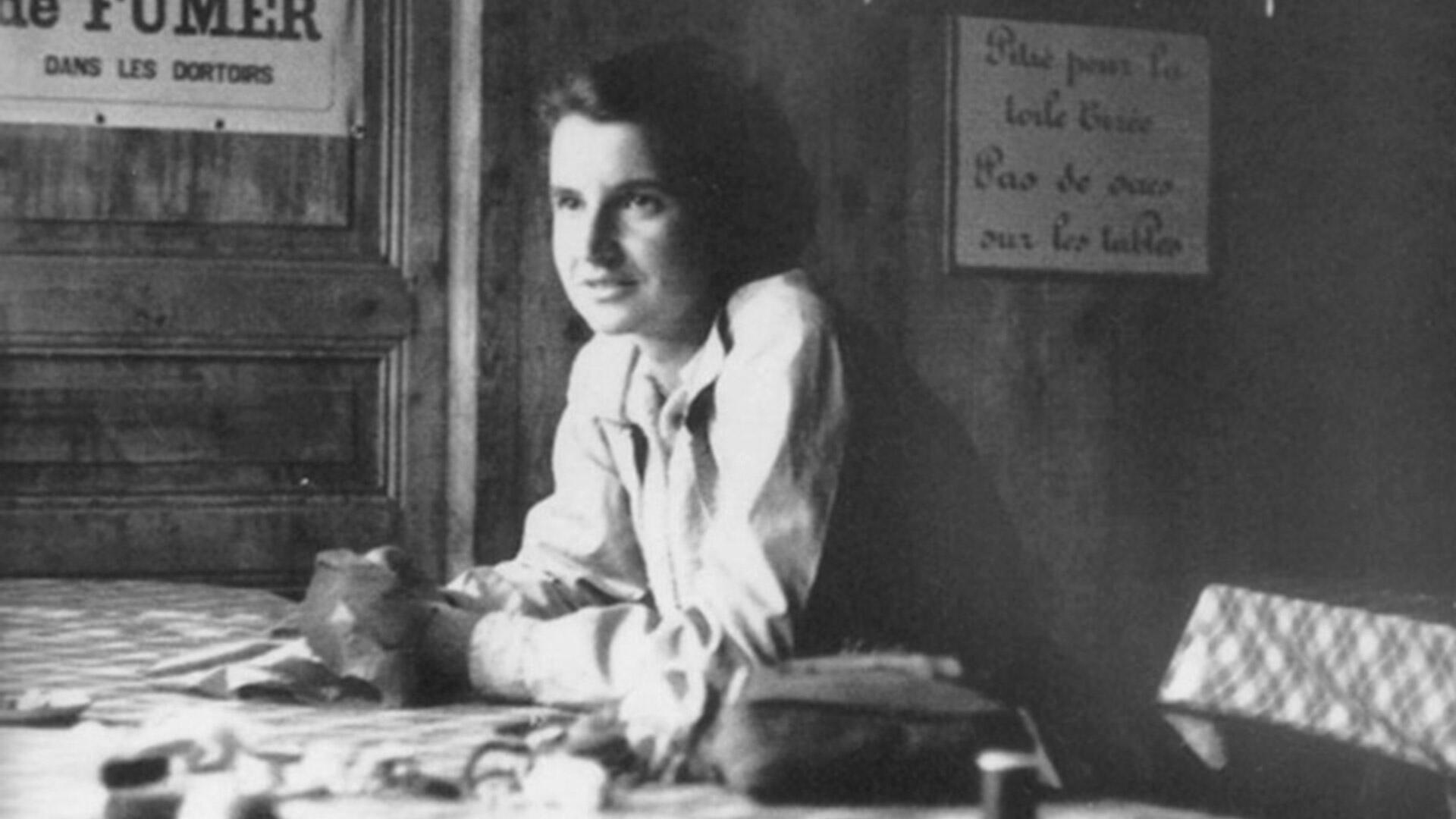
Franklin’s career was cut short, but her influence continues to grow as more people learn how essential her work was to understanding molecular biology and the physics of structural patterns.
Emmy Noether (1882–1935)
Emmy Noether created the theorem that links symmetry with conservation laws, forming a foundation of modern physics. Emmy Noether’s ideas reshaped the mathematical foundations of physics. Her theorem showed that every conserved quantity, such as energy or momentum, arises from a symmetry in nature.
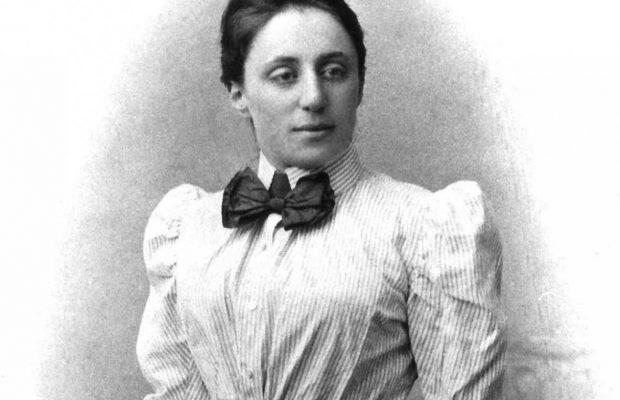
This insight gave physicists a clearer, more unified way to understand the laws that govern the universe. Noether also contributed to abstract algebra, influencing mathematicians for generations. Despite facing significant obstacles throughout her career, she mentored many young researchers and created a supportive community around her work.
Today, her contributions are recognized as essential to both physics and mathematics, and her ideas continue to guide modern research.
Noether’s theorem is often described as one of the most profound principles in theoretical physics.
Maria Goeppert Mayer (1906–1972)
Maria Goeppert Mayer developed the nuclear shell model and earned a Nobel Prize for her work. Maria Goeppert Mayer’s development of the nuclear shell model revealed why certain atomic nuclei are stable while others are not. Her theory brought clarity to patterns that puzzled physicists for decades.
She balanced research with teaching positions that often lacked formal recognition, yet remained dedicated to advancing scientific understanding. Her Nobel Prize confirmed the importance of the model she created. Goeppert Mayer also contributed to the study of optical processes and quantum chemistry.
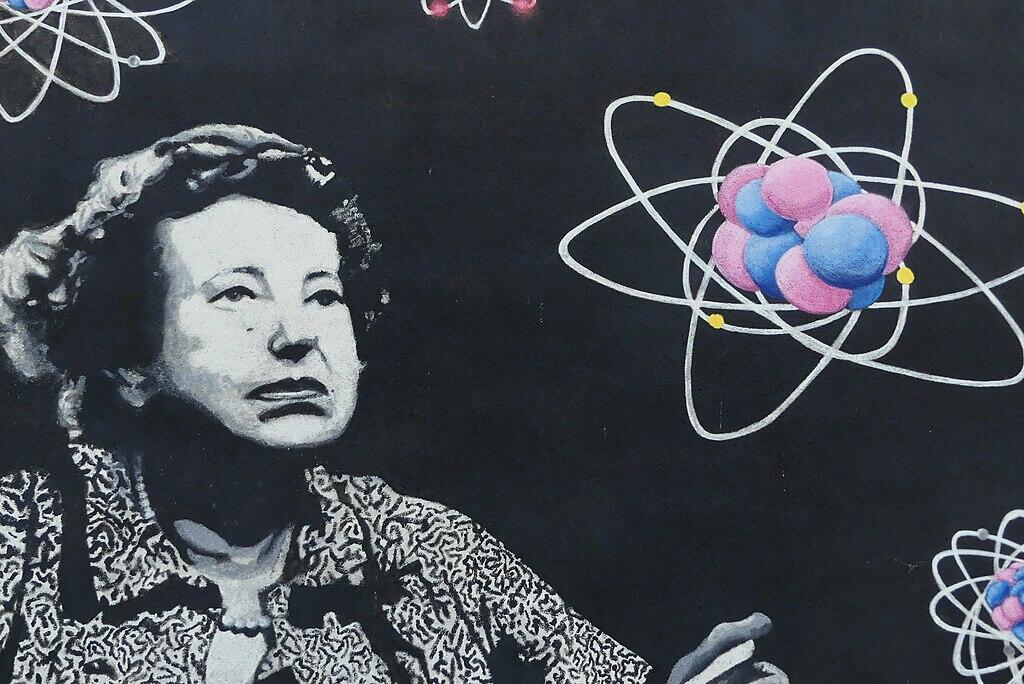
Her life demonstrates the value of persistence and the impact a single idea can have on an entire field of science.
Discover the most famous discoveries in physics in our next article!
Vera Rubin (1928–2016)
Vera Rubin provided key evidence for the existence of dark matter through her study of galaxy rotation. Vera Rubin’s observations of galaxy rotation curves provided powerful evidence for dark matter, a substance that makes up most of the universe yet remains invisible.
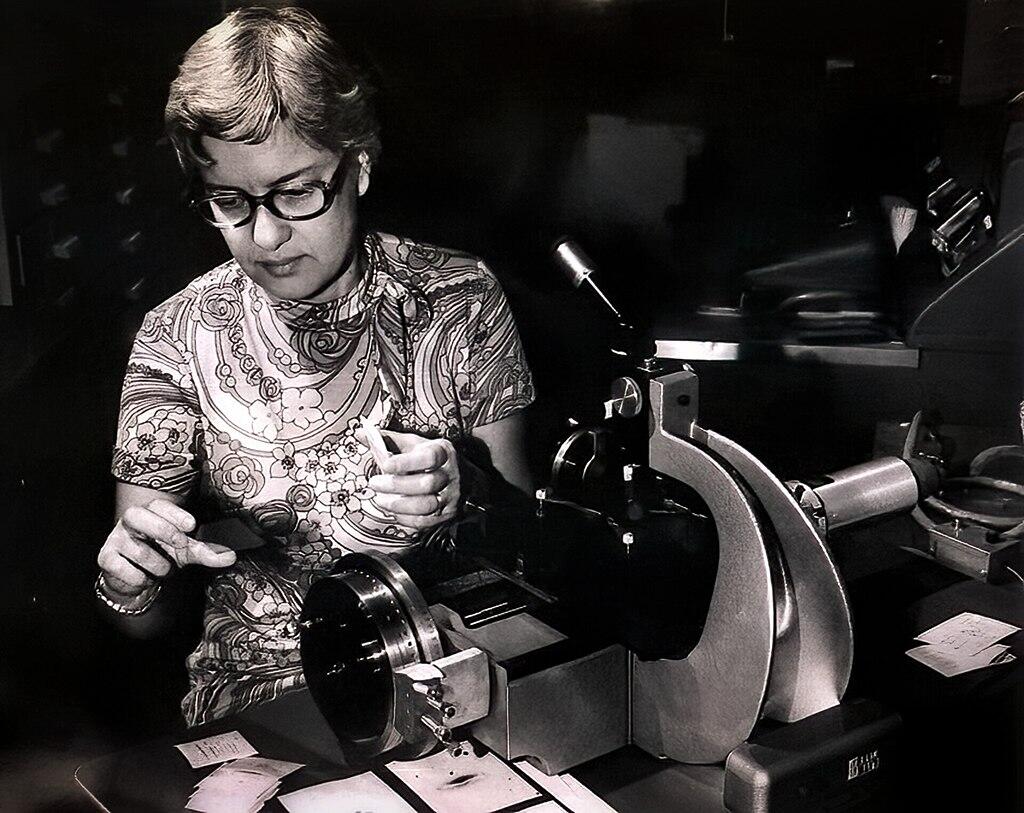
Her work helped shift astronomy toward a deeper investigation of cosmic structure. Rubin fought for equal opportunities in scientific institutions and encouraged more women to pursue astronomy and physics. Her research opened new questions about how galaxies form and evolve, and her influence is found in nearly every modern discussion of cosmology.
Rubin’s curiosity and steady determination helped transform the study of the universe.
Jocelyn Bell Burnell (1943– )
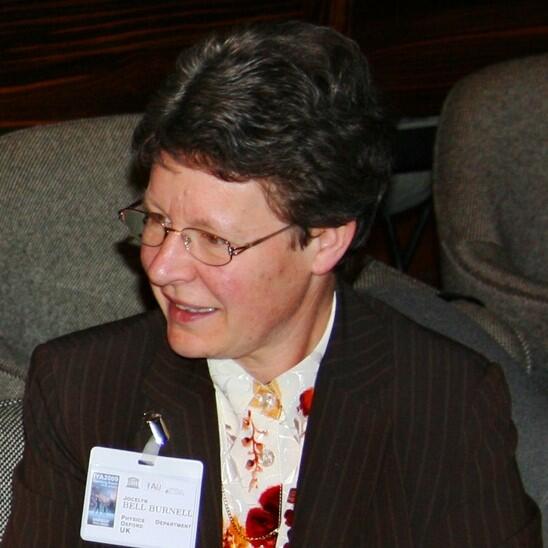
Jocelyn Bell Burnell discovered pulsars, revealing one of the most important astronomical objects of the twentieth century. Jocelyn Bell Burnell discovered pulsars while analyzing radio telescope data as a graduate student. Her attention to detail allowed her to notice patterns others might have missed.
Pulsars became a key tool for studying neutron stars, gravitational waves, and extreme environments in space. Bell Burnell spent much of her career supporting students, improving science education, and promoting diversity within physics. Her calm, thoughtful approach made her a respected figure in astronomy. Her discovery remains one of the most significant observational achievements of the twentieth century.
Mildred Dresselhaus (1930–2017)
Mildred Dresselhaus pioneered research on carbon nanostructures and shaped the future of materials science. Mildred Dresselhaus, often called the “Queen of Carbon,” pioneered research on carbon structures that shaped the future of nanotechnology.
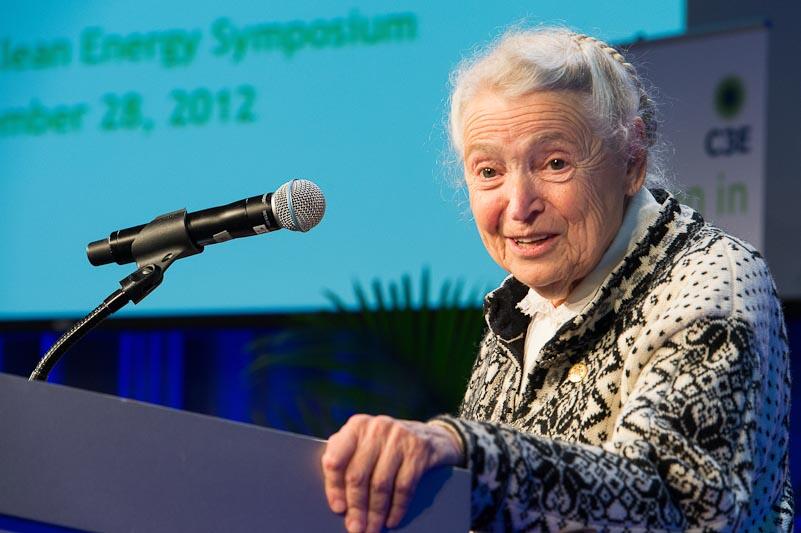
She studied graphite, carbon nanotubes, and low-dimensional materials, helping scientists understand how electrons move within these structures. Her work supported the development of modern electronics, renewable energy materials, and advanced engineering.
Dresselhaus also spent decades teaching and mentoring students at MIT, inspiring countless researchers. Her leadership and research helped bring greater recognition to women in physics and engineering.
Donna Strickland (1959– )
Donna Strickland’s Chirped Pulse Amplification changed the capabilities of modern lasers. Donna Strickland’s work on Chirped Pulse Amplification created a safer, more powerful way to produce intense laser pulses.
This technique changed the capabilities of laser systems, enabling precise cutting in manufacturing and delicate procedures in medicine. Strickland has continued to study nonlinear optics and train future scientists. Her approach to research emphasizes experimentation, curiosity, and careful measurement.
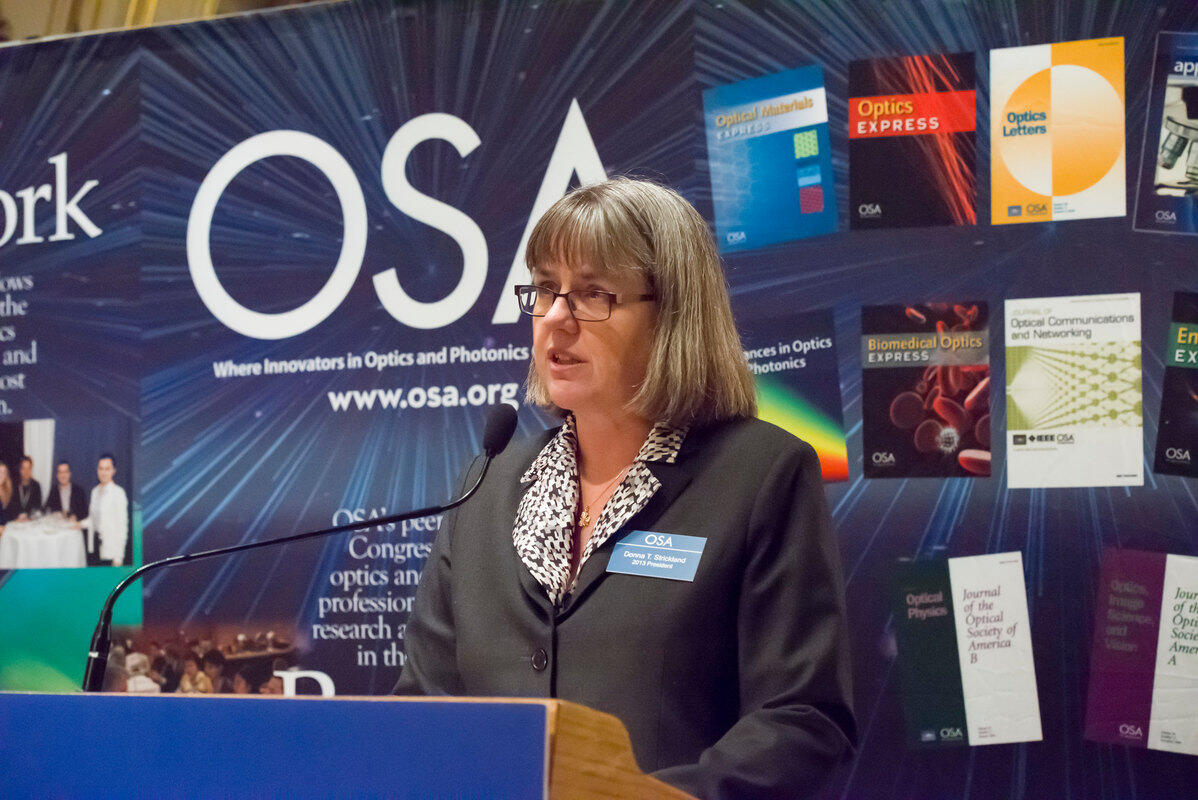
Her Nobel Prize brought renewed attention to women working in optical physics and highlighted the importance of innovation in laboratory environments.
Fabiola Gianotti (1960– )
Fabiola Gianotti led the ATLAS experiment during the detection of the Higgs boson.
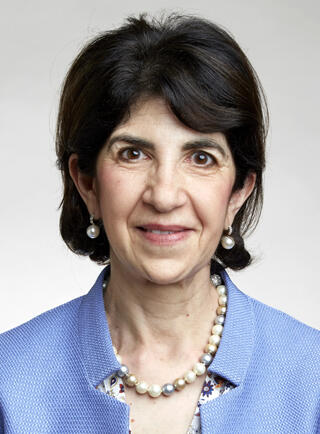
Fabiola Gianotti played a central role in the discovery of the Higgs boson at CERN. Her leadership of the ATLAS collaboration helped guide one of the largest scientific efforts in history. She continues to shape the direction of particle physics as CERN’s Director-General.
Fabiola Gianotti supports open scientific communication and promotes global cooperation in research. Her work demonstrates the power of large-scale scientific teamwork and the importance of long-term planning in experimental physics.
Sara Seager (1971– )
Sara Seager studies exoplanets and their atmospheres, helping identify worlds that may support life.
She developed techniques to study the atmospheres of distant planets and identify potential signs of habitability. Her work combines physics, astronomy, and planetary science, influencing how researchers explore worlds outside the solar system.
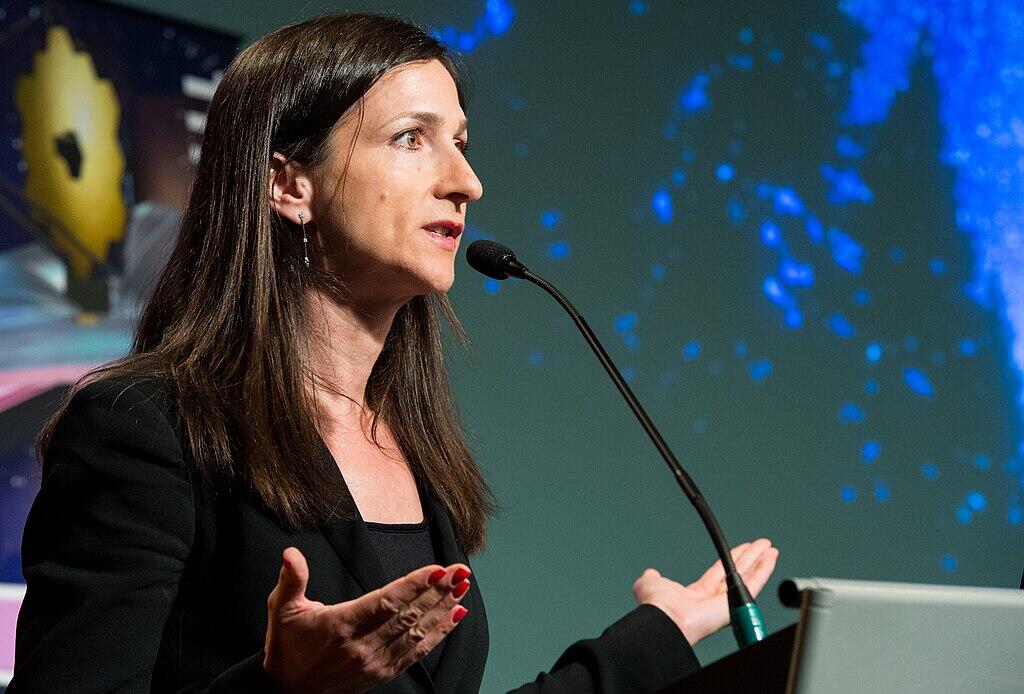
Seager’s ability to connect physical principles with observable data expanded the field of exoplanet research. She continues to inspire students interested in astrophysics and the study of life in the universe.
Lene Hau (1959– )
Lene Hau slowed and stopped light in a laboratory environment, transforming quantum optics.
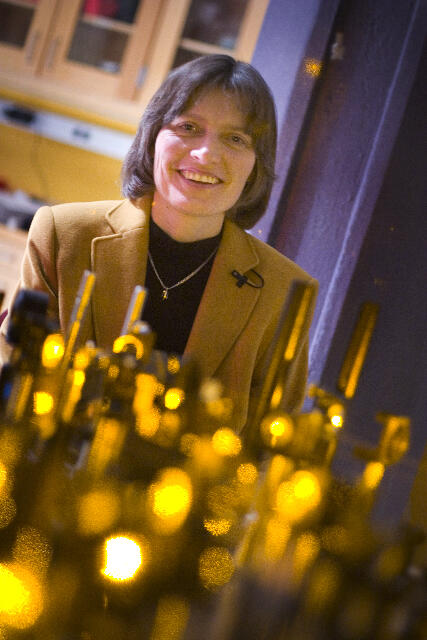
Lene Hau stunned the scientific community by slowing and stopping light in a laboratory setting. Her research on quantum optics explores the relationship between light and ultra-cold gases.
These discoveries help scientists understand how information can move through different materials. Hau’s work has implications for quantum communication and advanced computing.
Lene Hau is known for her creative approach to experiments and her ability to bring complex topics into clear focus for students and colleagues. Hau is a great physicist of her generation.
Jill Tarter (1944– )
Jill Tarter helped establish SETI research and promoted scientific exploration of life beyond Earth. Jill Tarter helped shape the modern search for extraterrestrial intelligence. Her work with SETI involves scanning the sky for signals that could come from advanced civilizations. Tarter encouraged the use of improved radio technology and new scanning methods, expanding the reach of SETI programs. She has long advocated for scientific curiosity about life beyond Earth. Her influence continues through her public outreach and support for young researchers.
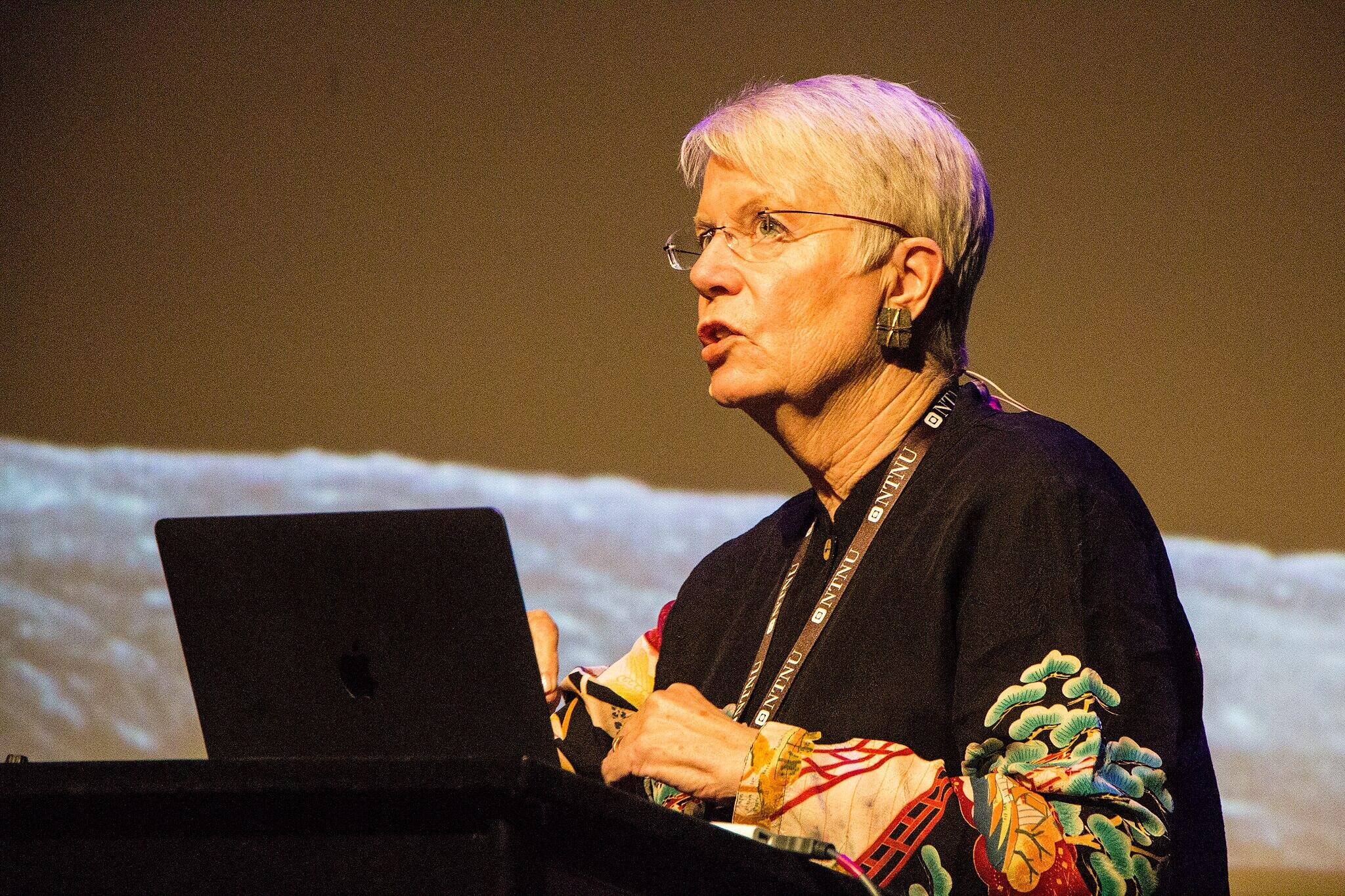
Karen Barad (1956– )
Karen Barad bridges physics and philosophy, exploring how measurement shapes quantum reality. Karen Barad blends physics with philosophy, studying how measurement and observation shape our understanding of quantum systems. Her work challenges traditional boundaries between scientific disciplines. Barad encourages researchers to consider how scientific practices influence the knowledge they produce. Her writing and teaching brought new attention to the connections between quantum theory, interpretation, and human experience. Barad remains an important voice in discussions about the foundations of physics.
How Superprof Can Help You Master Physics
The achievements of these fifteen leading physicists today show how determination and curiosity can reshape our understanding of the natural world. Their discoveries continue to guide research in fields such as astronomy, quantum science, and materials physics. For students inspired by their work, studying physics can open new ways of thinking and help build strong problem-solving skills. Those who want support while learning can explore personalized physics lessons on Superprof, where experienced tutors help students master concepts at their own pace. With the right guidance, anyone can begin exploring the ideas that changed science.
Are you curious to read more on the most famous historical physicians?
Bibliography
- American Physical Society. (n.d.). Women in physics. https://www.aps.org
- CERN. (n.d.). Fabiola Gianotti biography. https://home.cern
- Gaither, C. C., & Cavazos-Gaither, A. E. (Eds.). (2012). Biographical encyclopedia of physicists. CRC Press.
- Harvard University. (n.d.). Lene Hau profile. https://harvard.edu
- Massachusetts Institute of Technology. (n.d.). Mildred Dresselhaus profile; Sara Seager faculty profile. https://mit.edu
- National Academy of Sciences. (n.d.). Biographical memoirs. https://www.nasonline.org/publications/biographical-memoirs
- Nobel Prize Outreach. (n.d.). Nobel Prize laureate biographies. https://www.nobelprize.org
- SETI Institute. (n.d.). Jill Tarter biography. https://www.seti.org
- University of St Andrews. (n.d.). MacTutor history of mathematics archive. https://mathshistory.st-andrews.ac.uk
- UC Santa Cruz. (n.d.). Karen Barad faculty page. https://www.ucsc.edu
Summarize with AI:
Did you like this article? Leave a rating!

 Loading...
