

Slam poetry is a dynamic form of performance poetry that combines powerful writing, live delivery, and audience participation. Performed at events known as poetry slams these competitions challenge poets to present original work within a three minute time limit while being judged by members of the audience. Each round pushes performers to share new pieces with the highest scoring poet advancing to the final stage and often earning a prize. What sets slam poetry apart is its energy immediacy and direct connection with listeners. If you have come across spoken word performances online and wondered what makes them so compelling, this guide explores how Poetry Slam evolved and how it continues to spotlight social issues and amplify diverse voices today!
Poetry is the spontaneous overflow of powerful feelings.
William Wordsworth


The History of Slam Poetry
Slam poetry is a spoken-word type of poetry largely influenced by the free verse, musical style of Beat Generation poets like Jack Kerouac and Allen Ginsberg. It first took off in the 80’s, when open mic sessions were organized in cafés in cities like New York and San Francisco.
The ancient Indian epic Mahabharata holds the record with over 200,000 lines of verse, making it the longest epic poem in the world.
Many people would say that Marc Kelly Smith, a Chicago poet also known as “Slampapi” started the slam poetry movement. He believed that academic poetry was too high-brow and wanted to find a looser, more accessible poetry medium. He founded the first-ever National Poetry Slam in Chicago in 1990 and that annual competition still goes on today. Another driving force that made slam poetry popular was the television show Russell Simmons Presents Def Poetry, which ran from 2002 to 2007. The series showcased established poets like Nikki Giovanni, The Last Poets and Sonya Sanchez, as well as up-and-coming spoken word poets.
Key Moments in Poetry Slam History
🎤 1980s:
Slam poetry begins in Chicago open mic venues
🏆 1990:
First National Poetry Slam is held
📺 2002–2007:
Def Poetry brings slam to television audiences
🌍 2000s onward:
Slam poetry spreads globally through competitions and social media
Characteristics and Guidelines
Slam poetry stands apart from traditional page poetry because it is written to be performed. While traditional poems may rely heavily on imagery or complex structure slam poems prioritize rhythm pacing and emotional delivery. Every word is chosen not only for meaning but for how it sounds when spoken aloud.
In most competitions poems must be original and performed without props, costumes or musical instruments. Time limits usually cap performances at three minutes which forces poets to be concise and intentional. Judges are often selected from the audience which creates a dynamic relationship between performer and listener! Audience reactions such as laughter, snaps, applause or silence can influence scoring and add to the intensity of the experience!
By the way, have you also ever heard of limerick poems? Read all about limericks after this article!
Competition Rules
- ⏱ Poems must be performed within a three minute limit
- ✍ The work must be original
- 🚫 No props costumes or instruments allowed
- 🧑⚖ Judges are often selected from the audience
- 📊 Performances are scored numerically
Performance Elements
- 🎙 Strong vocal delivery and projection
- 🔥 Emotional intensity and authenticity
- 🎭 Use of facial expressions and body language
- 🎵 Strategic pacing pauses and repetition
- 👀 Direct engagement with the audience
Performance techniques play a major role in shaping impact. Poets may vary their speed, raise or lower their volume, pause strategically, or repeat phrases for emphasis. Body language, facial expressions, and eye contact help reinforce meaning. The physical presence of the poet becomes part of the message.
Accessibility is another defining characteristic. Slam poets come from a wide range of backgrounds and do not need formal academic training. What matters most is authenticity and the ability to connect with an audience. This openness has helped slam poetry become a powerful platform for marginalized voices and emerging artists.
What is a ballad poem? Read on ballads in our next article!
Core Features of Slam Poetry
- ⏱ 3 minute performance limit
- ✍ Original work only
- 🚫 No props or costumes
- 🧑⚖ Audience members serve as judges
- 🔥 Emphasis on performance energy and emotional impact
What Makes Slam Poetry Different From Traditional Poetry?
The difference is simple: one is written with the intention of being performed or spoken aloud, while the other is written specifically for the page. Slam poems are meant to be performed. Words in slam poems are specifically chosen for the way they will sound when read aloud. Traditional poets don’t need to worry about this in the same way. The rhyme schemes and rhythm of a poem can be performed in a way to give the piece a hip-hop feel. Some slam poets play around with pacing, slowing down and speeding up, pausing to emphasize a point or change the volume of their voices to add dramatic effect.

Have you ever heard of the epic poetry style?
Unlike traditional poetry there are no rules in slam poetry, just that a poem must be performed! Slam poetry topics tend to be political. Most often you’ll find slam poets broaching heavy subjects in their pieces. Topics like race, gender, class, sexuality, discrimination, religion are commonplace at a poetry slam. These topics are provocative but that’s the point. Slam poetry is meant to make you think. Don’t forget that they are usually performed in front of a live audience. Poets want to evoke an emotional response from their audiences.
It is usually the audience that choose the winners so the more the poet can make the audience, laugh, gasp, cry is an advantage for them. Arguably, slam poetry is more accessible than traditional written poetry. Slam poetry engages its audience more, it elicits emotions from you that you don’t get from traditional poetry. Because it is designed to make you think and is usually based on current affairs it is more relevant to most people and not just the academic elite. It plays with sounds and is often compared to hip-hop, opening it up to so many more people who might not enjoy traditional written poetry.
Slam poets can be anyone. You don’t need to be Harvard-educated or to even have studied English Literature. You just have to have something to say. Consider enrolling in poems lessons to immerse yourself in the world of poetic expression. These courses provide the flexibility to learn from the comfort of your home, allowing you to explore diverse poetic forms and techniques at your own pace. You'll benefit from personalized feedback from experienced poets, engage in interactive workshops and connect with a community of poetry enthusiasts. Online poetry classes offer the opportunity to enhance your writing skills, develop and refine your poetry skills, all while fitting into your busy schedule.
Notable Slam Poets and Performances
Over the years many slam poets have gained national and international recognition. Some performers have transitioned into publishing careers television appearances and activism while still maintaining strong roots in live performance spaces. Poets such as Saul Williams, Taylor Mali and Sarah Kay became widely known through competitions and viral videos!
Their performances demonstrate the range of slam poetry from deeply personal storytelling to sharp social commentary. Many slam poets use their platform to address systemic injustice or challenge stereotypes giving audiences both artistic expression and cultural critique.
Saul Williams
Saul Williams is often recognized as one of the most influential figures in modern spoken word and slam poetry. He first gained attention after winning the 1996 Nuyorican Poets Cafe Grand Slam Championship in New York City. Williams blends poetry with elements of hip hop music and political commentary.
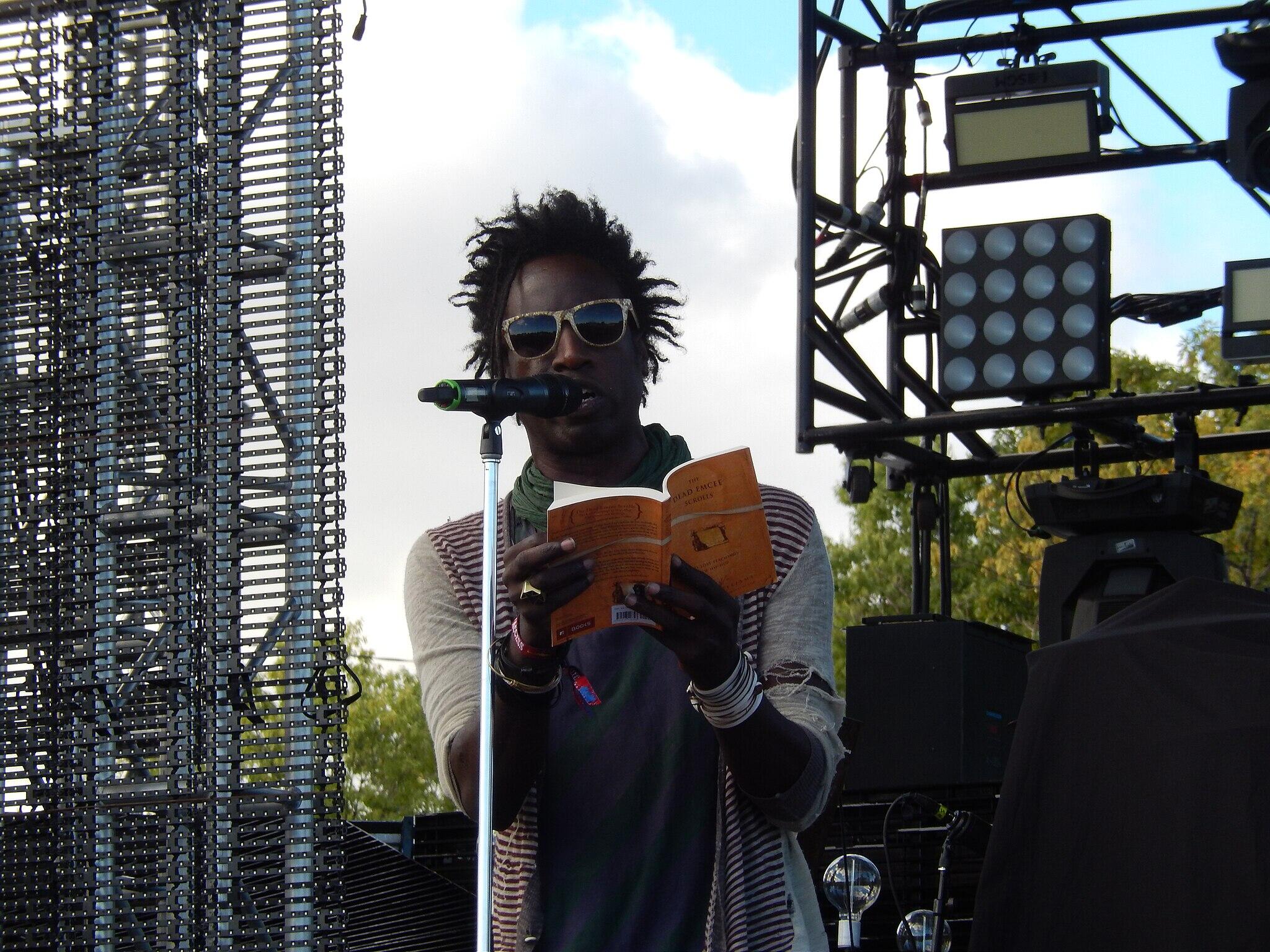
His performances often address themes such as race identity and social justice. In addition to performing poetry he has also worked as an actor musician and author which has helped introduce slam poetry to wider audiences.
Taylor Mali
Taylor Mali is another widely known slam poet and educator whose performances focus on language communication and the power of words.
Mali gained widespread recognition through his appearance on the television series Def Poetry Jam. One of his most famous poems “What Teachers Make” celebrates the value of teachers and became extremely popular online.
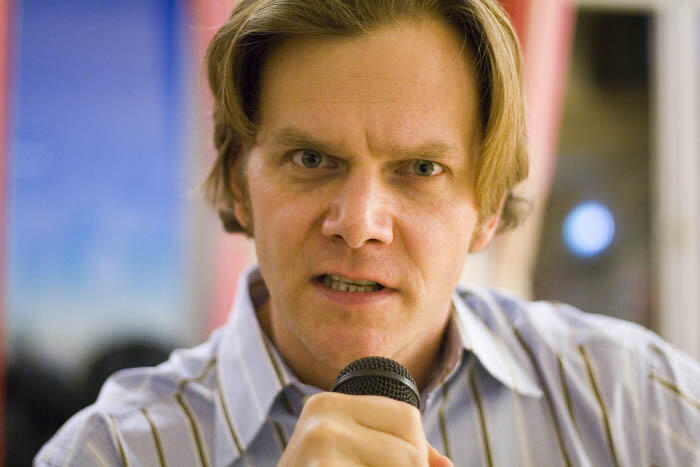
His energetic delivery, strong rhythm and humorous storytelling style have made him one of the most recognizable voices in slam poetry.
Sarah Kay
Sarah Kay helped bring slam poetry to younger audiences through her emotional storytelling and relatable themes. She co founded the educational organization Project VOICE, which brings spoken word workshops into schools around the world. Her poem “If I Should Have a Daughter” became widely shared after her TED Talk and resonated with audiences because of its hopeful message and personal tone. Kay’s work shows how slam poetry can combine intimate storytelling with powerful performance!
📺 Spoken word performances have appeared on major platforms including HBO Netflix and presidential inaugurations,
🎓 Many universities now host annual poetry slam competitions,
🌍 International poetry slam championships take place in multiple countries each year.
What are the different types of sonnets in poetry?
Campus Slams and Competitions
College campus slams youth poetry festivals and international competitions continue to cultivate new talent. Organizations such as Youth Speaks and Brave New Voices have helped create spaces where young poets can develop confidence and refine their craft. These programs emphasize mentorship and community building alongside competition. The digital age has also expanded the reach of slam poetry. Videos shared on social media platforms allow performances to reach millions of viewers far beyond local venues. A single powerful poem can spark conversations across countries and cultures within hours.
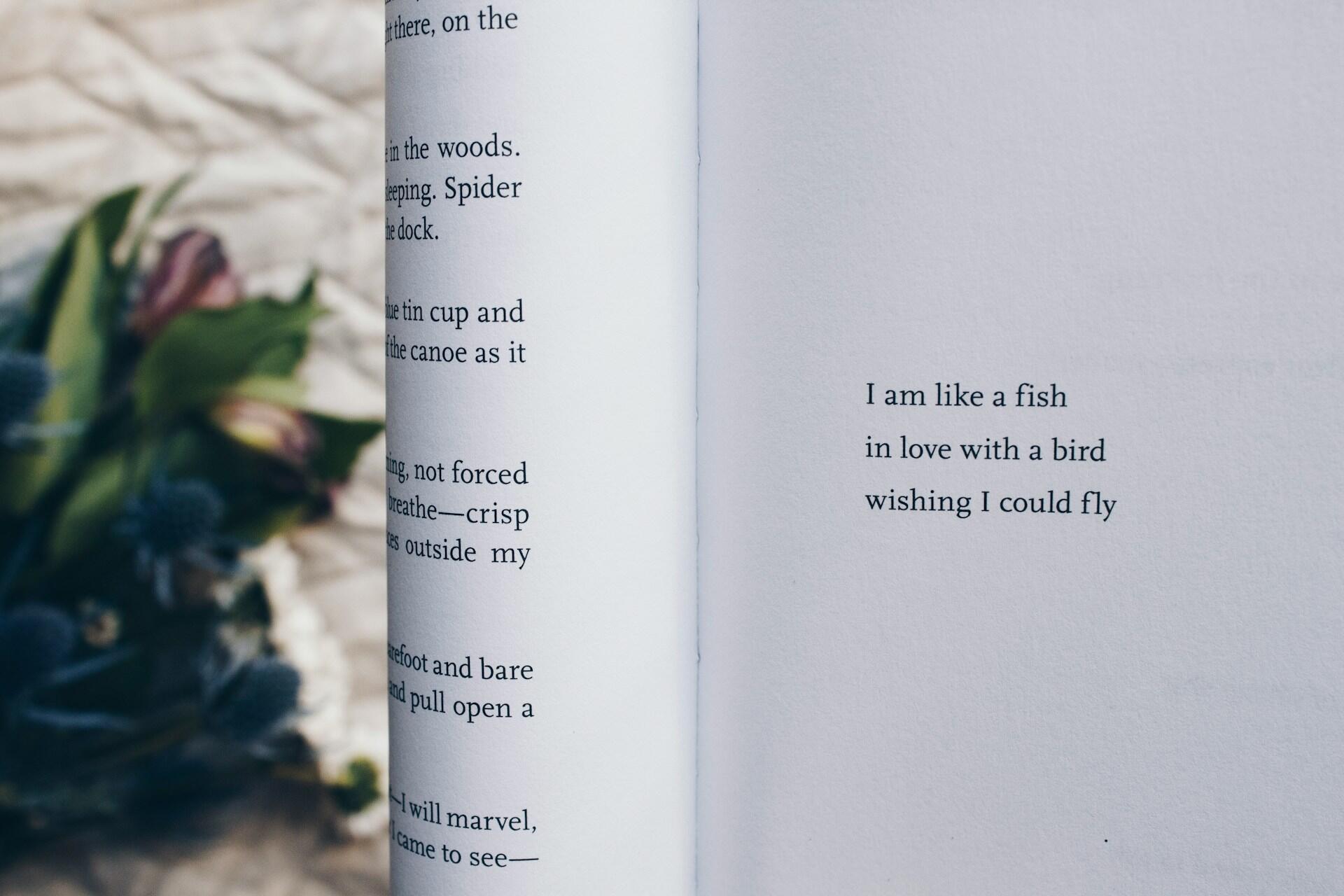
Curious to discover what is a Haiku poem?
Create a Slam Poem of Your Own
Follow our tips to make your poem stand out from the crowd.
- Do your research. To know more about what makes slam poetry effective, you need to watch it being performed. Find a poetry slam at a local coffee shop or bookstore. If you can't find one, head to YouTube, type in "slam poetry videos" and you'll be amazed by the amount that you’ll find. Take notes on which slam poems you like best and why they made an impression on you.
- Choose a topic. Identify an event, person, or issue that evokes emotion in you, positive or negative. It could be a political issue that you feel particularly passionate about, or maybe you recently fell in love or went through a bad breakup. Or, perhaps you're determined to educate people on a lesser known topic that you think people should know about. Whatever it is, make sure it means something to you. When you're fired up, your words will be full of emotion. Curious to discover free verse poetry?
- Get your feelings down on paper. Write down everything you feel when you think about your topic. If you want to paint a vivid picture through your poem you need to include as many details as you can. Assemble your thoughts into short stanzas that lend themselves to a natural rhythm.
- Edit. When editing, read your poem out loud. It should flow easily if you find yourself stumbling over certain words then change them or move them round. You can use an online thesaurus if you're looking for synonyms to replace certain words.
- Remember, you’re performing! The goal of slam poetry is to evoke an emotional reaction in the audience. You want them to audibly react to increase your score in the competition. So always think of ways to increase the drama. Play with different techniques like pacing or changing the volume of your voice. Illustrate your story with body movements and facial expressions.
After you’ve got your poem on paper and have practiced performing it, you’re ready for your first slam!
👏 Audience reactions can influence judges' scores
📣 Snaps applause and vocal responses are common during performances
🎭 Strong delivery often scores higher than quiet reading
⚡ Energy and authenticity can make or break a slam performance
Looking to improve your poetry skills? Search online for poetry lessons in your area today with Superprof! Working with a private tutor can help you sharpen your writing and strengthen your performance. Lessons are flexible and tailored to your goals. Start learning with Superprof today and build your confidence as a poet!
Summarize with AI:
Did you like this article? Leave a rating!

 Loading...
Nice to know what I would be facing
Thank you for the comment! Good luck at your next slam poetry event! 🎤