All That You Need To Know About African Dance—A Detailed Outlook
Traditional African dances are used by tribes to connect with their ancestors and other deities. If you want to know more about what they entail, read this blog
Sub-Saharan traditional African dances consist of various cultural distinctions in musical and movement forms. The Sub-Saharan African music traditions and Bantu rhythm-cultivation practices are always considered while studying these dances. Polyrhythm and whole body articulation are used in African dance. People learn social patterns and values via dance, which they may use to:
Praise or condemn members of their society
Celebrate holidays and funerals
Compete
Recite poetry and history
Connect to their Gods
It is common for African dances to be participatory, with the audience being an integral part of the show. Dancers and observers have historically interacted freely, except for a few spiritual or religious dances. When it comes to ceremonial dances, viewers are typically invited to join in at some point. All African dance genres are firmly rooted in ritual and history, regardless of the tribe or country they originate from. In most cultures, dancing has a purpose beyond mere amusement. There are many ways in which dance may be used as a kind of prayer, emotional communication, and more. You can get to find out about the dance classes near me here.
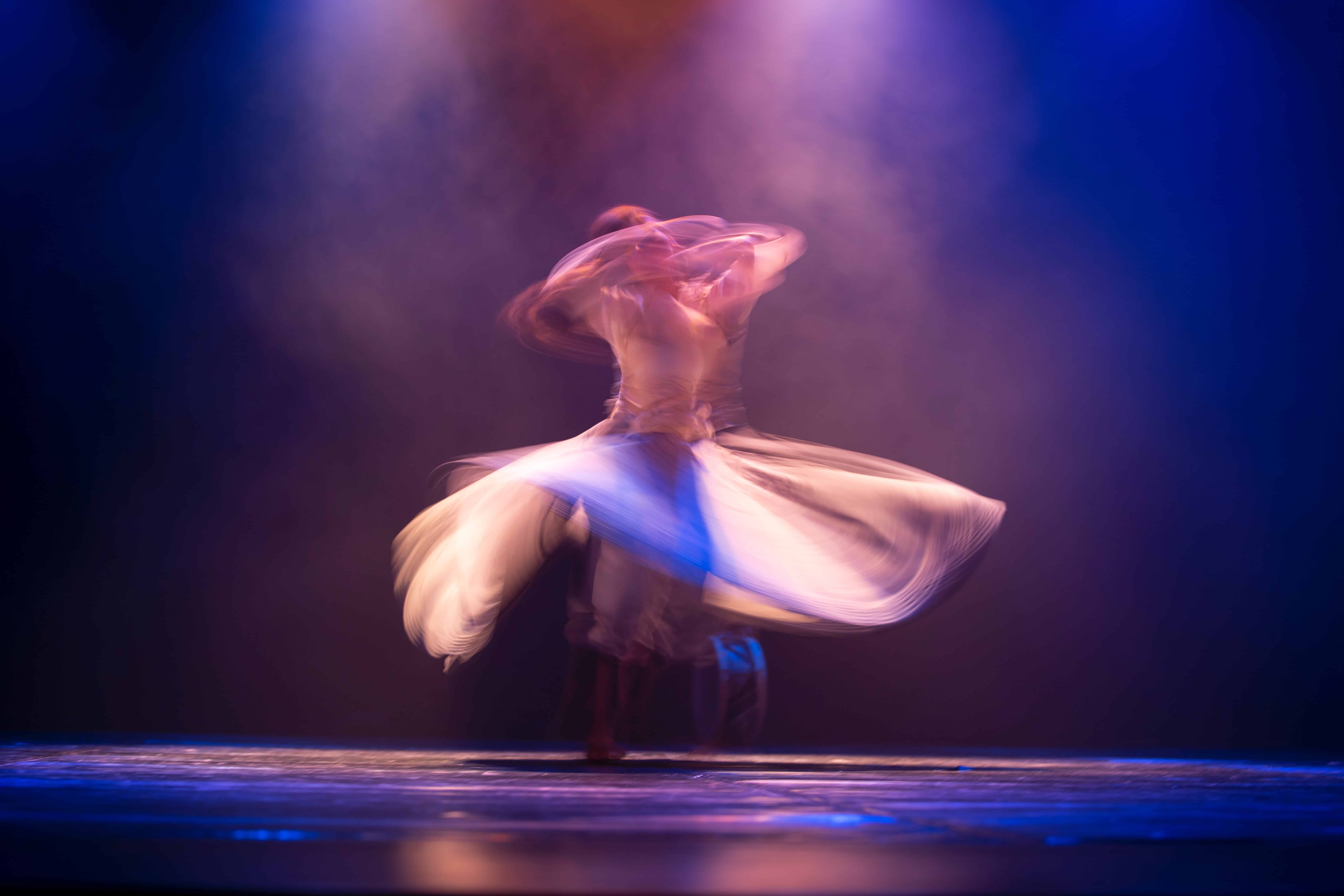
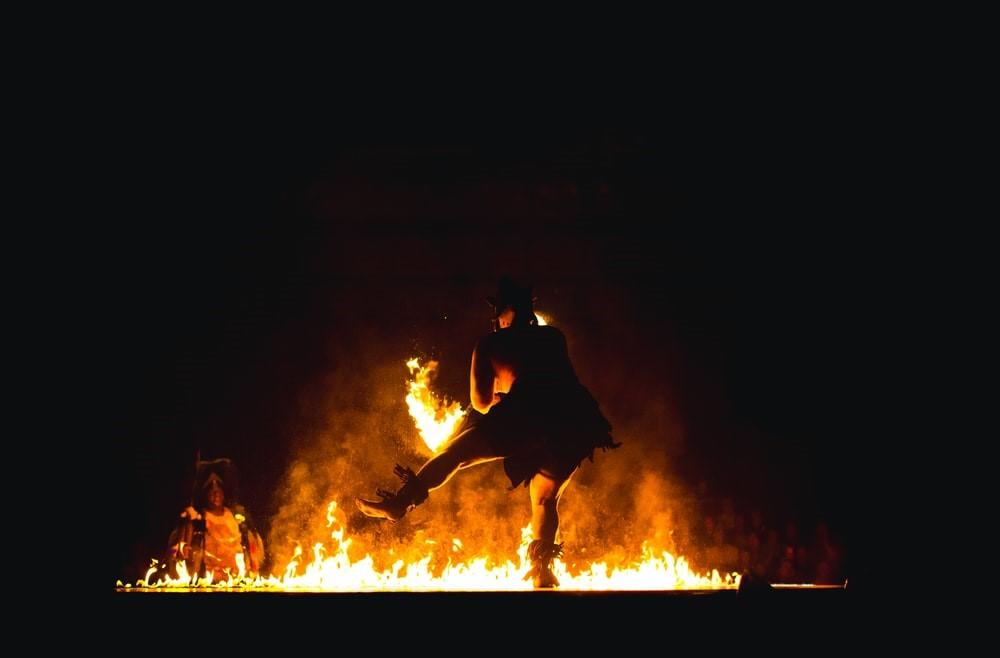
A key part of Africa's cultural history, traditional African dancing represents the region's philosophy and depicts its cultural riches and development through the years. (Source: Unsplash) The transmission of a tribe's traditional dances is often the exclusive responsibility of a designated authority in many tribes. The "dancing master" is responsible for ensuring that everyone understands the dances of their tribes without inquiry. If you're interested in learning African dance, simply type African dance online or African dance classes near me, and you'll find instructors who can teach you. Many African dances have been performed for hundreds of years without significant changes. This dance must be done exactly as written, with no improvisation. Here's everything you need to know about the elements and history of African dance:
Dance Rituals
Throughout traditional African life, the spirit permeates every element. For the Shona people of Zimbabwe, the Mbira was a multi-purpose performance that served many purposes, including:
Summoning ancestors
Begging tribe protectors
Calming down droughts and floods
Commemorating deaths
Installing a new chief
Ceremonial Dance
The ceremonial dance is often done to welcome guests, commemorate milestones, mark the end of a successful hunt, or any other occasion shared by the whole community. During this traditional dance, young males of the tribe take turns leaping as high as they can to demonstrate their physical prowess and stamina.
Enduring Characteristics
They are rhythmic dances with a refined and sensual feel to them. It's a full-body workout, concentrating on angular and asymmetrical techniques and intricate isolations. The everyday rhythms of caring for crops and animals are embodied in the dancers' shuffling, scuffing, stomping, and hopping. Polyrhythm is especially well-suited to African dances, which often use two or more rhythms at once, corresponding articulations in the torso, arms, legs, and head.
Slavery And Adaptation
Whole communities were brought to the Caribbean and mainland plantation areas through the slave trade. The dances of Africa were heavily impacted by the many cultures and ethnicities of the Caribbean. During the 18th century, colonial French, Dutch, British, or Spanish influences would have had an impact. Slave dances such as the Calenda and other tribal hybrids remained vital cultural touchstones. There were two parallel lines in the Calenda, one for women and the other for males. It had a pattern of approach and departure that began without touching and then accelerated when thigh-slapping, kissing, etc., was added to the equation.
Modern Development
An explosion of skill and invention occurred in dance throughout the twentieth century thanks to African dance. The anthropology of Caribbean dance and its African origins were studied by Katherine Dunham, whose work spanned the twentieth century. Under the umbrella of contemporary dance styles, Katherine Dunham created training methods that are still utilized by dancers today.
Taking It To The Streets
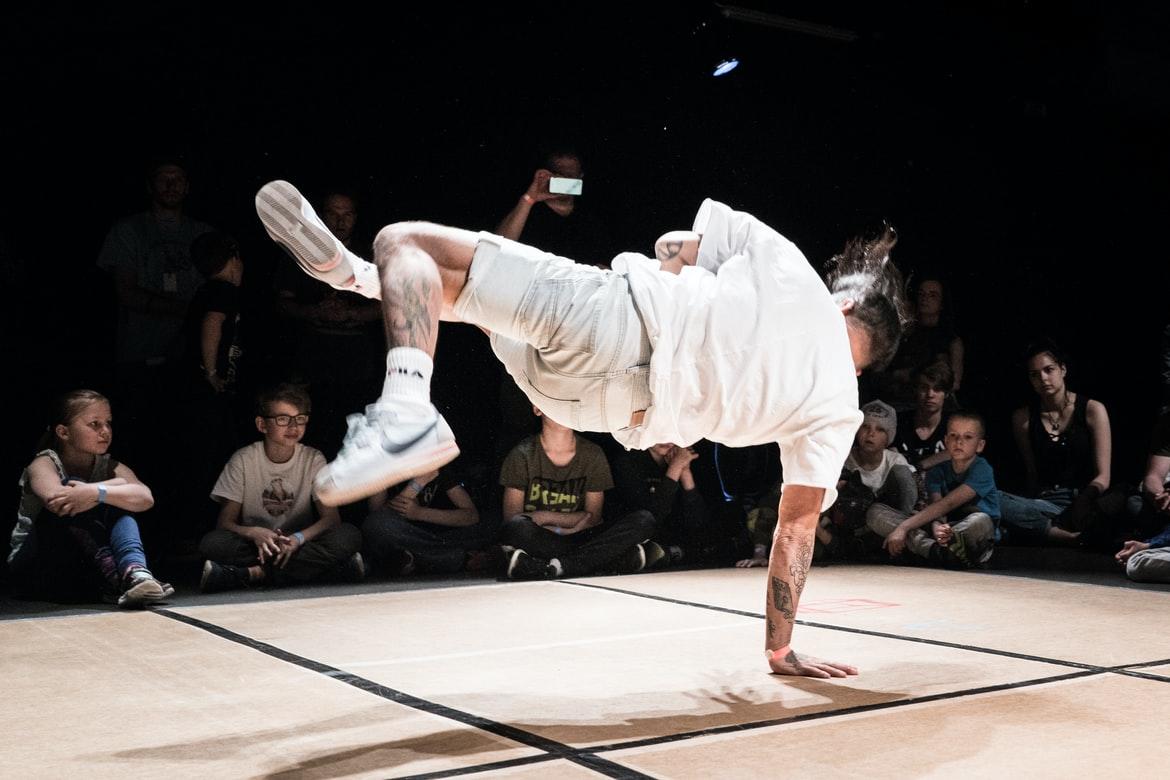
Many African-inspired dances that evolved from the slave experience are not as true to their origins as street dances like breaking, hip-hop, tutting, locking, popping, and crumping. Rap, the griots' rhythmic spoken-word storytelling style, sparked the emergence of hip-hop dancing. There are a lot of exaggerated isolations in this style, with several body movements in reaction to the rhythm. On the other hand, hip-hop connects the street with the stage since it has been a fixture in musicals from Beyoncé to Broadway. People also use African dance workouts to stay fit, and many people join African dance classes for adults to immerse themselves in the culture. In African civilization, dance has long been an integral part of life, bringing people together and allowing them to understand their duties in the community better. Search Superprof for African dance classes for adults. (Source: Unsplash)
What Are The Top 10 Popular African Traditional Dances?
To better comprehend African culture and heritage, we need to learn about the dance styles of each African country and its original customs. In African culture, dancing is a fundamental component of life. Some types of West African dance are:
Agbadza dance, which started in Ghana
Adumu dance, which originated in Kenya
Besides being a kind of entertainment, dancing is a way of expressing one's ideas, emotions, and other intangible qualities. It's the chorographical presentation of these messages that makes them stand out. Listed below are the most popular African traditional dances, their origins, and the categories they belong to.
Agbadza Dance
Music and dance from the Ewe tribe of Ghana are known as Agbadza. As a battle dance known as Atrikpui, this dancing step has been transformed into a ceremonial or celebratory dance. The Anlo Ewe people's Hogbetsotso festival is the primary stage for this dance. Interestingly, this old dance form has five basic motions and is often accompanied by musical instruments such as the Gankogui, Sogo, Kagan, and Atoke.
Adumu Dance
The Maasai tribe of Tanzania and Kenya performs the Adamu dance, a traditional dancing style that incorporates hopping. It is second on our list of the most popular African traditional dances. More than just an initiation rite, this dance step is frequently performed by physically fit men (usually young warriors) on special occasions. Likewise, the dancers' hop leaps aren't just for show; they reflect the warriors' agility, strength, and endurance. They're a vital part of the performance.
Indlamu Dance
The Zulu people of South Africa's Zulu tribe also perform the Indlamu dance. This warrior dance is a prominent African traditional dance style that warriors often perform. Besides the fact that it necessitates a great deal of physical exertion, it also conveys a sense of dominance, self-control, and physical prowess. This ceremonial dance is frequently performed at weddings, during wartime preparations, and harvest.
Lamban Dance
Lamban dancing is a centuries-old African custom that uses storytelling to impart knowledge to children in an engaging manner. However, Mali's traditional lamban dance is typically done by a single person or a small ensemble. Lumba dancing is also thought to summon spirits to help the storyteller present the narrative to the best of their abilities.
Moribayasa Dance
For a long time, the African diaspora has struggled with many issues, such as extreme poverty, malnutrition, and disease. The Moribayasa dance, performed by the Guineans, has its roots here. Performing this dance to commemorate a woman's triumph over adversity might be referred to as a victory or celebration dance. The first time it was done was in a Guinean village after a long period of starvation, and the ladies danced around the village. The head of the dancing crew must wear damaged clothes, which will be buried after the dance. This is part of the ritual.
Ikpirikpi Ogu Dance
Abia State, in Nigeria's eastern region, is where this battle dance began. Males in good physical shape do this ancient dance while wearing battle garb. Ikpirikpi Ogu is a ceremonial dance that honors the sacrifices made by soldiers during times of conflict. This historic ritual continues to be practiced, although it is now used to celebrate success after a student has graduated.
Mbira Dance
Many African cultures have a strong belief in the existence of supernatural creatures, often known as spirits. They have a variety of methods they use to summon these ghosts. Ancestral spirits can be summoned through dancing, according to the Shona tribe in Zimbabwe. As a result, the Shona people of Zimbabwe conduct this well-known traditional African dance during the dance rituals to summon the ancestral spirit. The religious leader starts to pray for rain and safety for the population once this dance has been done.
Atilogwu Dance
Outside of Nigeria, the term "Acrobatic Dance" has been used to describe this traditional African dance. It is a traditional Nigerian dance that requires some tricky acrobatics. Rhythms and Igbo traditional musical instruments are often used to accompany Atilogwu. Because of the intense bodily movement and acrobatic performance required, physically fit males often perform this ceremonial dance.
Makua Dance
The Nyamwezi tribe of Tanzania uses the Makua dance as a welcoming ritual for guests entering their village. It's common for this dance to be done by both men and women to show the community's welcoming of a newcomer. The essential aspect of this dance is that it has become one of Tanzania's most popular tourist attractions. Doing this helps maintain the Tanzanian culture and keeps visitors amused and engaged.
San Dance
The San people of Botswana are among the oldest African tribes, and their dance technique directly results from this. Many popular African dance moves, such as those performed by the San people, call for quick movement and intricate rhythms. Aside from amusement, this dance is often utilized to achieve altered states of consciousness and treat the ill. In this situation, it is thought that dancing not only heals the ill but also helps repair the bad characteristics of the community as a whole.
What Are Popular African Dance Styles, And Which Tribes Do They Belong To?
#
Dance Styles
Purpose
Tribe of Origin
1
Agwara
Courtship
Uganda / Alur
2
Akogo
Courtship
Uganda / Iteso
3
Gombey
Harvest
Senegal
4
Ambas-i-bay
Celebration
Cameroon
5
Kwassa kwassa
Celebration
Congo (DRC)
6
Amaggunju
Harvest
Buganda
7
Bwola
Celebration
Acholi
8
Coupé-Décalé
Celebration
Côte d'Ivoire
9
Sabar
Celebration
Senegal
10
Ekitaguriro
Celebration
Banyankole Uganda
11
Ekizino
Courtship
Bakiga Uganda
12
Ding Ding
Celebration
Acholi Uganda
13
Runyege
Courtship
Banyoro
14
Sunu
Wedding
Guinea, Mandinka
15
Ukusina
Rite of passage
South Africa
16
Zaouli
Celebration
Guro
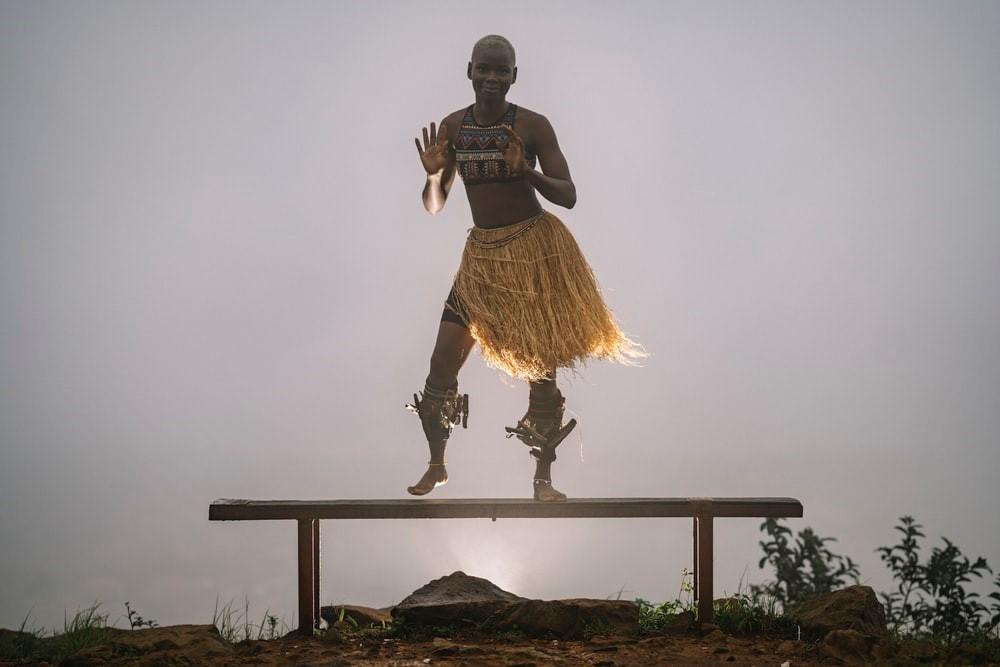
African dance has a vital role in African culture, exhibiting dynamism and a delicate elegance that flows with the beat of the dance. (Source: Unsplash)
Want To Master Your African Dancing Skills With Superprof?
The term "African dance" describes various dance forms from Sub-Saharan Africa. Many traditional African communities include music and dance as essential elements. Songs and dances are used for
Oral history and other recitations
Educating and promoting societal ideals
Commemorating important occasions and significant life milestones
Facilitating spiritual experiences
Most African dance genres include extensive interaction between dancers and spectators and are performed collectively in big groups. If you want to learn African dance and learn more about the forms of African dance, Superprof is the best place to visit. The experienced dance tutors at Superprof will help you master different forms of African dance in no time.
Summarize with AI:
Did you like this article?Leave a rating!
4.00 (2 rating(s))
Loading...
Aimen Ali
I have five years of experience working in the digital marketing industry paired with diverse background in fields such as computer sciences, building and construction, international affairs, medicine and finance. As a marketer, I help businesses of all sizes achieve their goals through increased brand visibility, enhanced lead generation, and proper nurturing of potential leads.
Career Roadmap: How to Become a Professional Ballet Dancer Ballerinas undergo years of training and need unwavering dedication and a deep passion for dance just to make it as professionals. Ballet is more than just art; it's a physically and mentally demanding profession that pushes dancers to their limits. Ideally, ballerinas need to start training […]
Discover the Popular Types of Dances Some people have rhythm in their blood while others are born with two left feet. Regardless, dance is a craft that can be learned and it also has a wide variety of different styles. So, there's really no excuse not to get up and start that dance class you've […]
A Journey Into the History of Tap Dance When tap dance first appeared in North America, it immediately became an icon of culture. It established itself as an integral part of the Jazz community and the larger music industry and won the hearts of many people worldwide. Tap dancing began in the mid-1800s, a period […]
Learn A New Skill Today with Ballroom Dancing Classes Are you interested in a physical activity that’s elegant, fun, and exciting? Dance is less aggressive than sports, but can still have all the competition and adrenaline, if that’s what you’re looking for. It can also be a source of community and a place to destress […]
A guide to Contemporary Dance Anyone who is interested in dance has paid attention to contemporary dance. Dancers today follow this genre because it is versatile and it gives them an opportunity to explore an artistic side that other genres don't. In this article you'll learn about the history and origins, the different techniques and […]
A guide to learning to dance Bachata If you are someone who loves learning new skills and you are considering starting to learn how to dance, then we recommend you give bachata a try. This genre was born from a fusion between Spanish guitar music, indigenous Taino and Sub-Saharan African musical elements, and southwestern European […]
How popular is salsa dancing in the United States? Salsa dancing is a dancing style that originated in Latin American communities and became highly common in the region and even in the United States. This genre is characterized by its distinguishable upbeat rhythm and many other elements. For instance, it includes bell patterns, the son […]
All You Need To Know About Kids Hip Hop Lesson Wouldn't you agree that dance is a multi-faceted activity? Hip hop, For instance, is undoubtedly one of the most enjoyable music genres available. It offers each dancer a sense of accomplishment while also posing obstacles. Parents may be concerned about the outcome when bringing their […]
Breakdance 101: How It Began And How It Is Now What comes to your mind when you hear the word 'breakdance'? Do you envision hipsters breakdancing in a group under dim lights across walls full of graffiti art? Or do you think they'll be performing human-defying dance moves which require a lot of flexibility? Breakdance […]





 Loading...