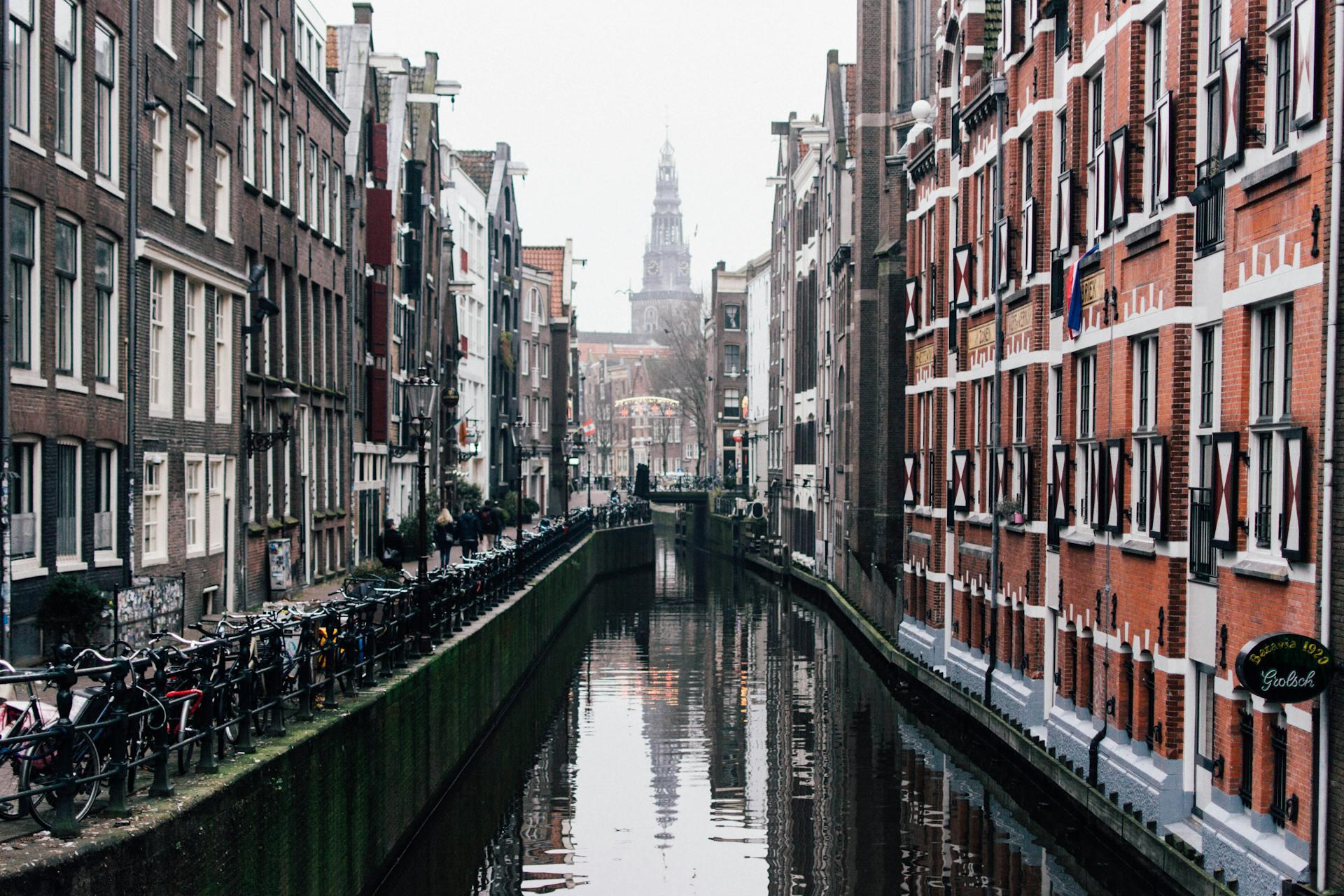

Every language holds immense significance. This is because language reflects a country's culture and heritage.
It is a way to communicate and express yourself. Language helps you build a mindset and personality that is necessary for your personal and professional development.
And out of the many languages throughout the world, one primary language is Dutch. This West Germanic language is widely spoken throughout the Netherlands as its first language.
In addition to that, 60% of the population of Belgium also speaks this as one of their three official languages.
Moreover, Dutch is spoken in numerous parts of the world, including Belgium (Flemish), Brazil, Canada, Caribbean Netherlands, Curacao, Germany, Sint Maarten, South Africa, Suriname, and United States.
It has been estimated that around twenty-five million people speak Dutch as their first language while the other five million speak it as their second language.
Keep reading as we elaborate further:


Dutch Language
The Dutch language has originated from the old Frankish dialects. Therefore, the history of this language dates back to 450/500 AD.
Between then and 1150, the Old Dutch language came into existence. And till 1500, it developed into Middle Dutch, which was used.
Furthermore, the language is part of the same family as the English and German languages. After these two, Dutch is the third most popular West-Germanic language.
If you are a fluent English speaker, you will notice that there are numerous words of the English vocabulary which are borrowed from the Dutch language.
Some examples of these words include:
- Bamboo
- Deck
- Excise
- Frolic
- Guilder
- Poppycock
- Tattoo
- Wiggle
Additionally, Dutch is one of the Indo-European languages. It is famous and widely spoken all across Europe.
Dutch Relevance To Art
The language has been relevant to literature since the start of time. However, you may notice that some of the Dutch literature gets lost in English translation.
Nevertheless, the Dutch language still comprises numerous literary books and scriptures. In addition to that, Dutch songs and musicals are to die for.
The entertainment industry comprises top-tier films and shows in the language. Once you start speaking Dutch, you will notice that this world-famous language tends to attract the listener to you substantively.
This is because the Dutch language is different and engaging.
Pennsylvanian Dutch
Pennsylvania Dutch is widely spoken throughout the USA and Canada. It is one of the oldest languages, which is still very much alive today.
Additionally, it is popular in various states, including New York and Los Angeles.
How To Learn Dutch In The United States
Learning a foreign language may seem to be difficult at first. However, over time, you will start to learn and understand it.
Every language requires substantive attention and focus. Similarly, Dutch requires adequate consideration and time.
We all know that we can spend years learning a language and still come across new words every other day.
However, you can learn Dutch in six months if you are a native English speaker. Then, after investing the right amount of hard work, you will be able to read, write and speak Dutch.
An easy way to learn something is to break it down into a step-by-step procedure. Following that, let's have a look at some of the practical steps to understanding the Dutch language:
Deducing The Purpose Of Learning Dutch
To learn Dutch, it is vital to find the right motivation. People learn a foreign language for various reasons, and these could include:
- Academic
- Traveling
- Communication
- Business
- Culture
- Food
- Passion
Once you have a goal to look forward to, you will become motivated to learn the language and excel in it.
Hire An Experienced Dutch Tutor
An experienced professional can train you according to your goals. In addition, Dutch tutoring will help you to learn the language procedurally.
As a result, you will get more exposure and learn the language faster. In addition, a teacher will provide you with adequate knowledge to help you understand the language in no time.
Start By Learning Dutch Alphabets
Alphabets are the basics of language. You can start by learning them. This will help you make significant progress when learning grammar and vocabulary.
Having a solid foundation of the basics of Dutch will help you master the complex areas of the Dutch language. As a result, you will find it easy to specialize in the language.
Seek A Language Exchange Partner
A great way to learn Dutch is to seek a language exchange partner. This is an innovative and exciting way to learn a foreign language.
For instance, if you know English or any other language, you should look for someone who knows Dutch and is willing to learn a language you know.
You can teach them the language you know, and in return, they will teach you Dutch. This barter trade of languages provides a benefit for both parties.
Free Learning Sources
The internet is the perfect place for self-learning and personal research. There are several free and cheap learning options.
These will help you find unique pieces in Dutch to help you read, write and speak the language.
Immerse Yourself In Dutch
To learn Dutch, you must live Dutch! Watch Dutch movies, read books written in it, and listen to songs in this language.
You will automatically start grasping the language when you consistently read and listen to Dutch words and phrases.
Explore Dutch Culture
Language is the direct reflection of a culture. Therefore, exploring the culture of the Dutch is one way of self-Dutch tutoring.
Do the necessary research and learn about the Dutch people and country. This will help you understand and learn the language constructively.
Interact With Native Dutch Speakers
Communicating with someone who is well-versed in the language will provide you with immense benefits.
After gaining knowledge of the language and learning it, it is paramount for you to acquire a practical understanding of Dutch.
This can only be attained by interacting with someone who speaks excellent and fluent Dutch.
Create A Dutch Environment Around Yourself
To learn Dutch, it is vital to stay motivated throughout the experience. This can be made easy if you create a Dutch environment and ambiance around you.
In simple words, live like the Dutch. Eat Dutch food, dress like them, celebrate their festivities, stay updated on Dutch news and journalism, and initiate steps to contact the Dutch way of living. This venture will extensively fuel you to learn the language.
Enjoy The Dutch Language
Dutch is an exciting language; you will find it fun and engaging to speak it. It is gravely important to enjoy the language; only then can you build and maintain an interest in learning this west-Germanic language.
How To Speak Dutch?
You may notice that speaking a foreign language sometimes seems more complicated than reading or writing it.
Sometimes Dutch learners excel in reading and writing Dutch. However, they fail to speak fluent Dutch. This is because they project all of their attention towards reading and writing Dutch and not speaking.
Hence, it would help if you gave equal importance to all the aspects of learning Dutch, allowing you to speak it every day consistently.
Furthermore, it's worth knowing that even if you live in cities like Chicago and Houston, you may run into Dutch speakers. Therefore, you can socialize and interact with them to gain fluency.

What Is Pennsylvania Dutch?
Pennsylvania Dutch is an American language spoken in the United States and Canada. It is spoken by German speakers in Pennsylvania.
Hence, it is often referred to as Pennsylvania German rather than Dutch. So If you're wondering how to speak Pennsylvania Dutch, you may be surprised to know that it is not even close to Dutch.
However, Pennsylvanian Dutch cannot be called German because they were not citizens of Germany at that time.
Benefits Of Learning Dutch In The United States
When you learn Dutch, you will feel yourself earn more than just a language:
- A dynamic personality
- High paid salaried jobs in Dutch-speaking countries (Netherlands and Belgium)
- Entrepreneurship opportunities in Dutch countries
- Trade with Dutch-speaking countries and individuals
- You will know the Dutch and Flemish culture
- It makes traveling more fun and easy
- Learning Dutch will help you in understanding and learning other languages
- You can easily go for higher studies in Netherlands and Belgium
- Learning a new language is good for personal and professional growth
- It will give you a brain boost
- You can improve relations with your Dutch family members if you have any
- You will meet new people from all over the world in Dutch tutoring classes
Is Dutch Easy To Learn?
Dutch shares the same language family with English. Hence, it won't be hard to learn if you are a native English speaker.
With adequate time, focus, interest, and commitment towards the Dutch language, you can master it in no time.
Furthermore, there are numerous schools all over the United States, including in Atlanta, which offer top-tier educational services to teach multiple languages, including Dutch.
Get Dutch Tutoring To Become An Expert Over Night
Hiring a Dutch tutor for yourself is the right way to dive into the language and learn it. Dutch tutors have years of experience in reading, writing, and teaching the language.
We are all aware that the recent shift into the technological era has made lives more manageable. Acquiring knowledge or learning any subject is now effortless because of online education.
For example, there are numerous online platforms that provide you with world-class knowledge to learn Dutch.
One such example is Superprof – a platform offering teachers and students a way to find each other, all across America and the world!
They have top-notch tutors who are experienced and have verified reviews. In addition, Superprof offers numerous subjects, including arts, music, humanities, social sciences, mathematical studies, career development, health, wellbeing, sports, all sorts of academic teachings, and hobbies.
Additionally, they offer all sorts of languages classes, including Dutch. Superprof is your go-to place for learning Dutch.
Summarize with AI:
Did you like this article? Leave a rating!

 Loading...