


As the world becomes globalized, speaking a second or foreign language has become one of the most valuable skills.
Whether you're living in your homeland or working thousands of miles away, learning a foreign language can prepare you to become competent and succeed in the competitive global economy.
The most rewarding benefit of learning a second language is connecting with diverse groups of people. In addition, knowing a foreign language can help you feel at home in countries you haven't visited!
If you've read this far, we hope you're finally planning on learning a second language because we have the perfect foreign language for you to learn!
As the third most widely spoken Germanic language, Dutch shares a close bond to English and German, making it super the easy-to-learn foreign language.
However, the Dutch language went through an evolutionary process to become what it is today.
With that said, keep reading for more information on Dutch and why you should learn it in Atlanta, New York City, or other cities in the USA.


How Is Dutch Similar To The English Language
Banaan, Appel, tomaat – Congratulations, you're officially speaking and understanding the Dutch without knowing it. You probably had no idea that you use a little Dutch almost every day.
And this is because the language is quite closely linked to English. And here is how:
During the 17th century, Dutch colonists settled in America and incorporated English vocabulary into their own. So today, you can find French, Dutch, and German words in the English dictionary.
Additionally, Dutch is linguistically one of the closest languages to English – spellings and accents are the only elements contributing to the linguistic difference between Dutch and English.
The journey to learn a foreign language can seem an overwhelming task. Learning Dutch, however, is similar to a pleasant walk on the beach compared to an exhausting, uphill marathon that other foreign languages represent.
So, if you find yourself asking, "is Dutch easy to learn?" Of course, no language is too easy to learn, but Dutch is as easy as they come.
Examples
A complete beginner can easily understand or unravel Dutch sentences more easily than Spanish or French sentences.
For example:
- Dutch: Wat is jouw naam?
- English: What is your name?
Quite easy, right?
There are hundreds of cognates and loanwords in the Dutch language borrowed by the English language.
Hence, unlike German, French, Spanish, and other languages, English and Dutch have no case system.
Learners of any foreign language with a case system know it's incredibly frustrating to remember the different forms of words.
Luckily, Dutch is an exception to this! So you don't have to remember des, dem, der, die, etc.
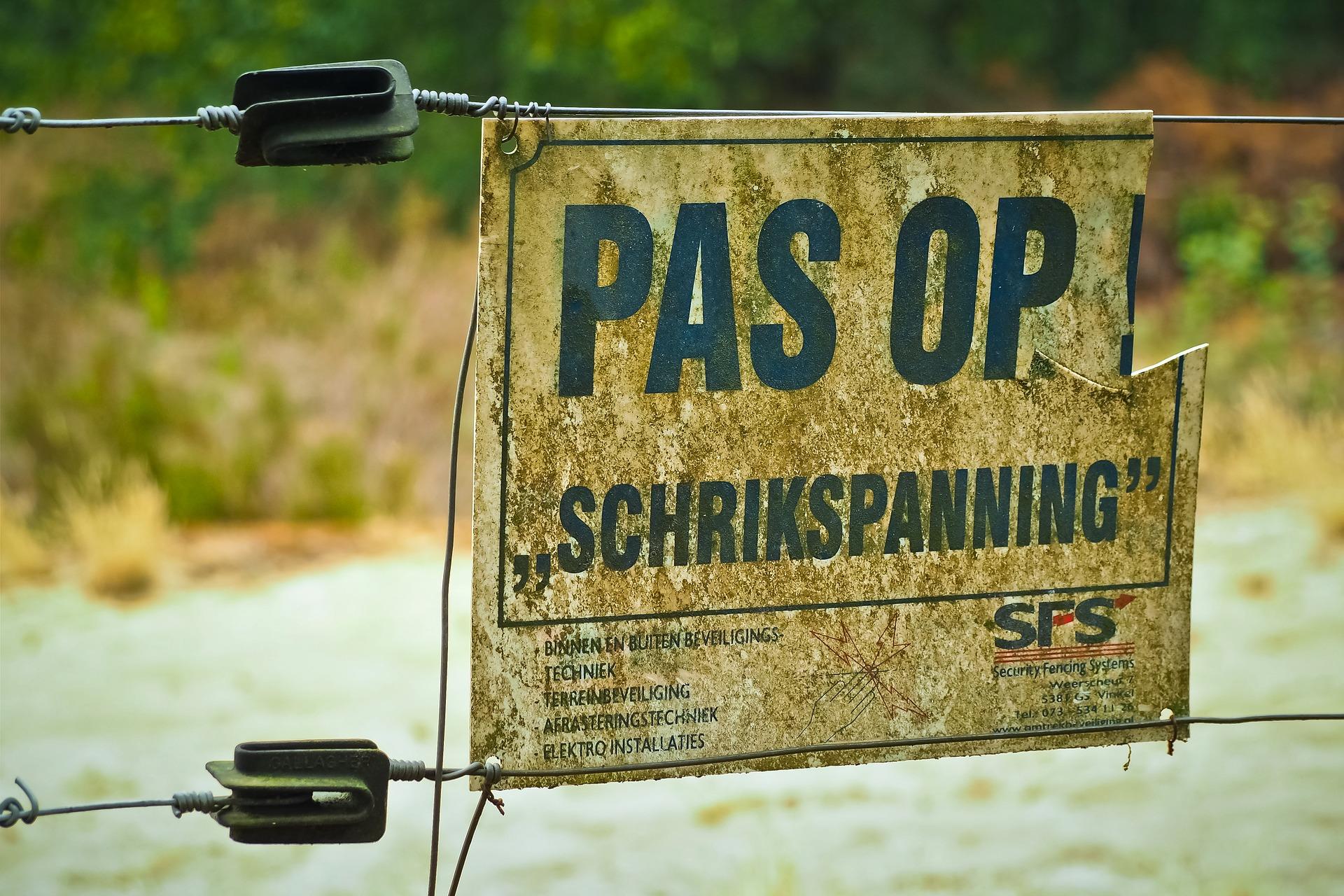
6 Reasons To Learn Dutch
The Netherlands is known for its beautiful houses, appealing canals, and bohemian appeal. Although, however, most people are aware of the shopping and tourism landscape of the country, very few are familiar with the language.
But that's not because the language is irrelevant – with around 23 million native speakers, Dutch is not a minor language.
Did you know that Dutch isn't the official language of the Netherlands only, but also of Suriname in South America and Belgium in Europe? It's even the native language of:
- Curacao
- Aruba
- Sint Maarten islands in the Caribbean
Dutch is closely related to the English vocabulary. It's one of the most noteworthy languages with rich vocabulary and outstanding literature.
Moreover, it's considered an essential tool for business people who trade and work in Europe.
With that said, here are six reasons to learn Dutch in Atlanta, Houston, or other busy cities in America:
1. Mistakes Are Allowed
Dutch people aren't too arrogant or snobby regarding their native language. Pronunciation and grammatical mistakes in the Dutch language are okay because there are no grammar rules or pronunciation strictness when it comes to Dutch.
Regardless of how small a country the Netherlands is, It has diverse dialects and accents from region to region.
That's why there is no big deal as such perfect Dutch accent or pronunciations. So, of course – learning a new language can be difficult, but a language that has room for mistakes is sure a safe choice.
2. Better Cultural Understanding
If you're planning to learn Dutch, get ready to explore the rich culture, dialects, and traditions of the Netherlands.
As language and culture go together, learning Dutch can expose you to the unique historical and cultural aspects of the Netherlands, Europe, and the world.
The Netherlands may be a small country, but it is best known for its vast windmills, delicious cheese, wooden shoes (clogs), canals of Amsterdam, and innovative bicycles.
Therefore, learning how to speak Dutch can open the door to exploring the sumptuous cuisine, architecture, and art of Dutch and Flemish culture.
Apart from getting to know the diverse cultures and traditions, learning Dutch is a great way to understand other languages.
Once you know how to speak Dutch, you will quickly understand how hundreds of its vocabulary cognate English.
3. Career Asset
With constant globalization, it's imperative to be bilingual.
Holland is the 18th most powerful economy globally, birthing multinational and transnational companies like:
- Shell
- Philips
- Unilever
Therefore, the Netherlands is a leader in logistics, banking, trade, agriculture, and water management; learning Dutch can improve your odds in the job market across the world.
Atlanta, New York, and Chicago are diverse cities with people from all over the world, including the Netherlands. Hence, learning the language can help you understand your colleagues on another level.
4. Intellectual Functionality
Learning a new skill is undoubtedly an effective way to enhance your intellectual horizons.
Knowing how to speak Dutch is a sound way to improve your creative thinking ability and keep your brain agile as you age.
Remember, learning a new language involves:
- Introducing your mind to a whole new connection of words and grammatical structures
- Testing your memorizing ability
- A lot of active listening
Hence, it's one of the most effective ways to enhance intellectual functionality.
5. Adventurous Tour
When the desire for adventure strikes, don't let the language barrier hold you back. Knowing how to speak Dutch can provide you with a ticket to many new corners of the world.
Of course, learning Dutch means you will be able to communicate with people from different regions, but you will also be able to navigate the new cuisine, road signs, and tickets, making the adventure worth it.
Often said, the best way to explore a new place is through the eyes of a local, and speaking Dutch will let you experience the country in complete authenticity.
Whether it's the deep mesmerizing canals of Amsterdam or the crystal clear beaches of Suriname, planning how to learn Dutch will equip you to venture off the touring path and explore all the rich-cultural Dutch landmarks.
6. Education Opportunities
The Netherland is famous for its renowned high standard of education and low cost of living; learning Dutch can provide you with the actual value of your money and efforts.
Netherland is a unique non-Anglophone country which makes it an excellent choice for the international students around the globe who come to study.
Moreover, speaking Dutch can significantly help you gain high-quality education in the famous Dutch universities known worldwide for their well-designed curriculum, modern courses, and affordable tuition fees.
If you're at college in Atlanta or anywhere else in America, you may be able to join an exchange program in the Netherlands. And for that, learning the language would be a good idea!
5 Steps To Learning Dutch
There are generally five learning steps that learners go through to learn Dutch through an institute in America. These learning steps are:
1. Preproduction
The first step in learning a new language is preproduction. The tutor emphasizes that the learners hear the Dutch language regularly during this step.
Preproduction trains the student's mind to listen to the new words and understand the speaker's tone and accent.
Even if you don't understand what the Dutch tutor is saying, paying attention to it will improve your subconscious mind to recognize and memorize the Dutch vocabulary better.
2. Early Production
The second stage focuses on absorbing and learning the Dutch language. In this stage, the learner knows how to use some words.
The process trains the learner to use short sentences and phrases such as:
- Goedendag — Good day
- Goedemorgen — Good morning
- Alles goed? — is everything alright?
- Hoe gaat het? — How are you?
- Hoe is je dag? — How's your day?
3. Speech Emergence
At this stage, you will put together vocabulary and phrases to form a sentence. Students are expected to have a conversational grasp of the language by now.
Speech emergence teaches students to use small words, produce simple greeting sentences, and ask questions. Pronunciation and grammatical mistakes are made during this stage.
4. Intermediate Fluency
In intermediate fluency, the learner has acquired the ability to communicate and write in the second language.
The individual forms more complex sentences, such as:
- Waar kom je vandaan? — Where are you from?
- Hoe oud bent u? — How old are you?
Furthermore, they learn to use them in social and academic interaction.
The Dutch tutor trains students to start thinking in the second language to help them gain more proficiency and fluency in speaking.
However, there are still some gaps in vocabulary pronunciation and knowledge.
5. Advanced Fluency
Advanced fluency is the last stage of learning Dutch. The student has achieved complete fluency in speaking and writing the Dutch language through consistency and practice.
A student must communicate with others in the new language to maintain fluency.
Ready to Learn Dutch?
Learning Dutch is an excellent start if you aim to keep up with the globalized world and become relevant to job opportunities abroad.
Like Los Angeles, Atlanta offers several platforms, institutes, and schools where you can learn the language.
However, there aren't many places better than Superprof – the platform that brings students and teachers together.
The introductory and beginner-level course designed by Superprof can help you master the complexities of Dutch phrases, pronunciation, grammar, and much more.
Summarize with AI:
Did you like this article? Leave a rating!

 Loading...
