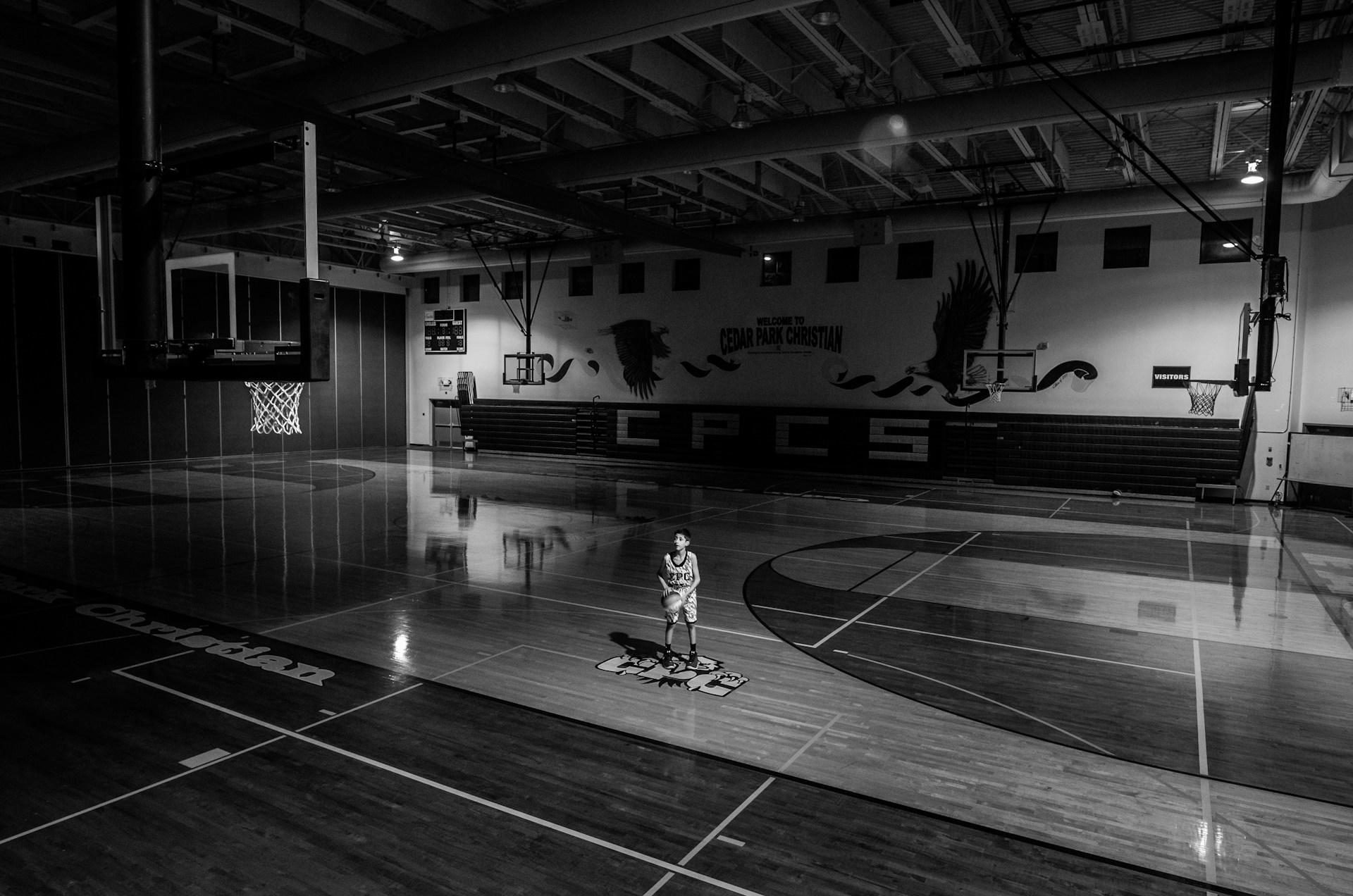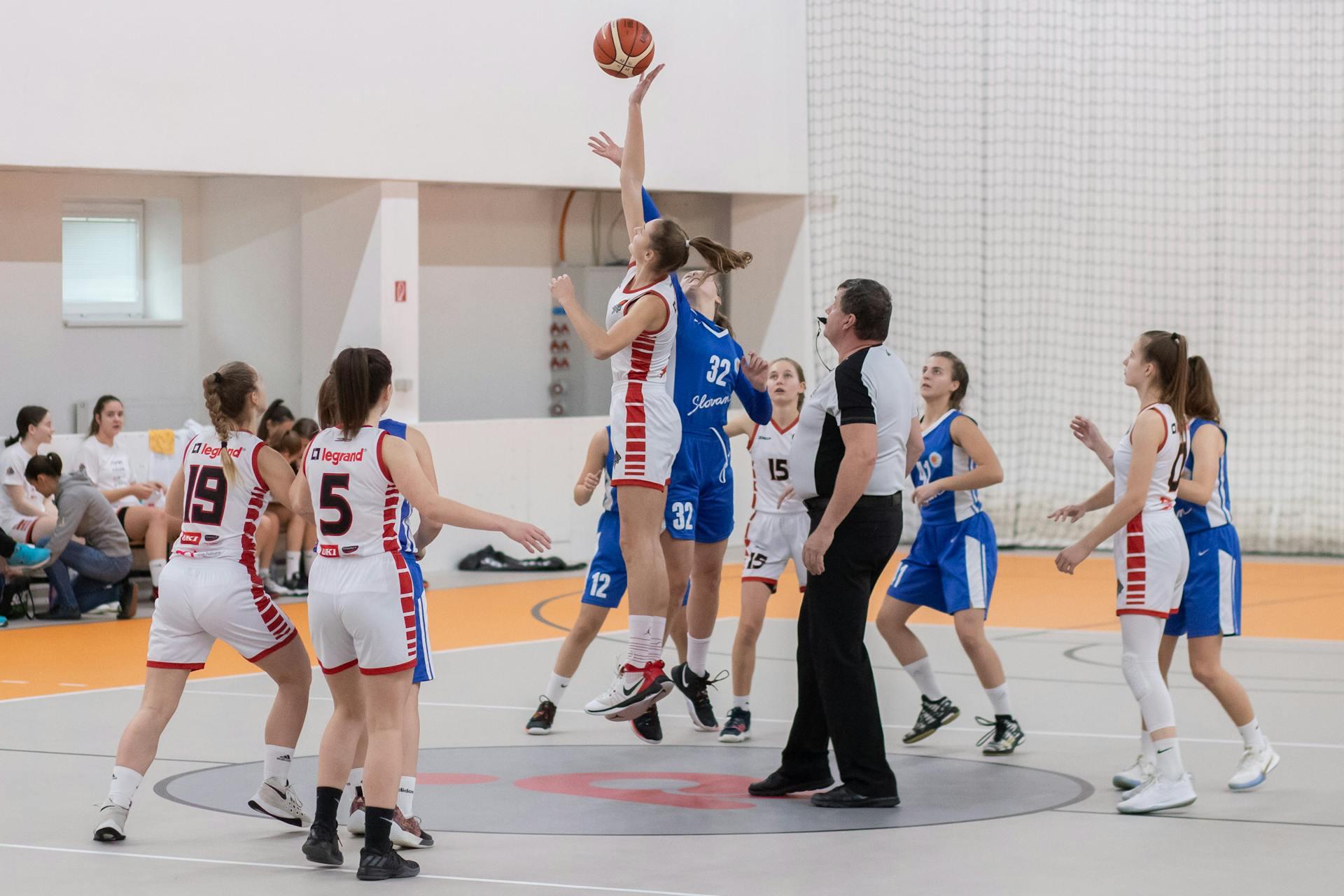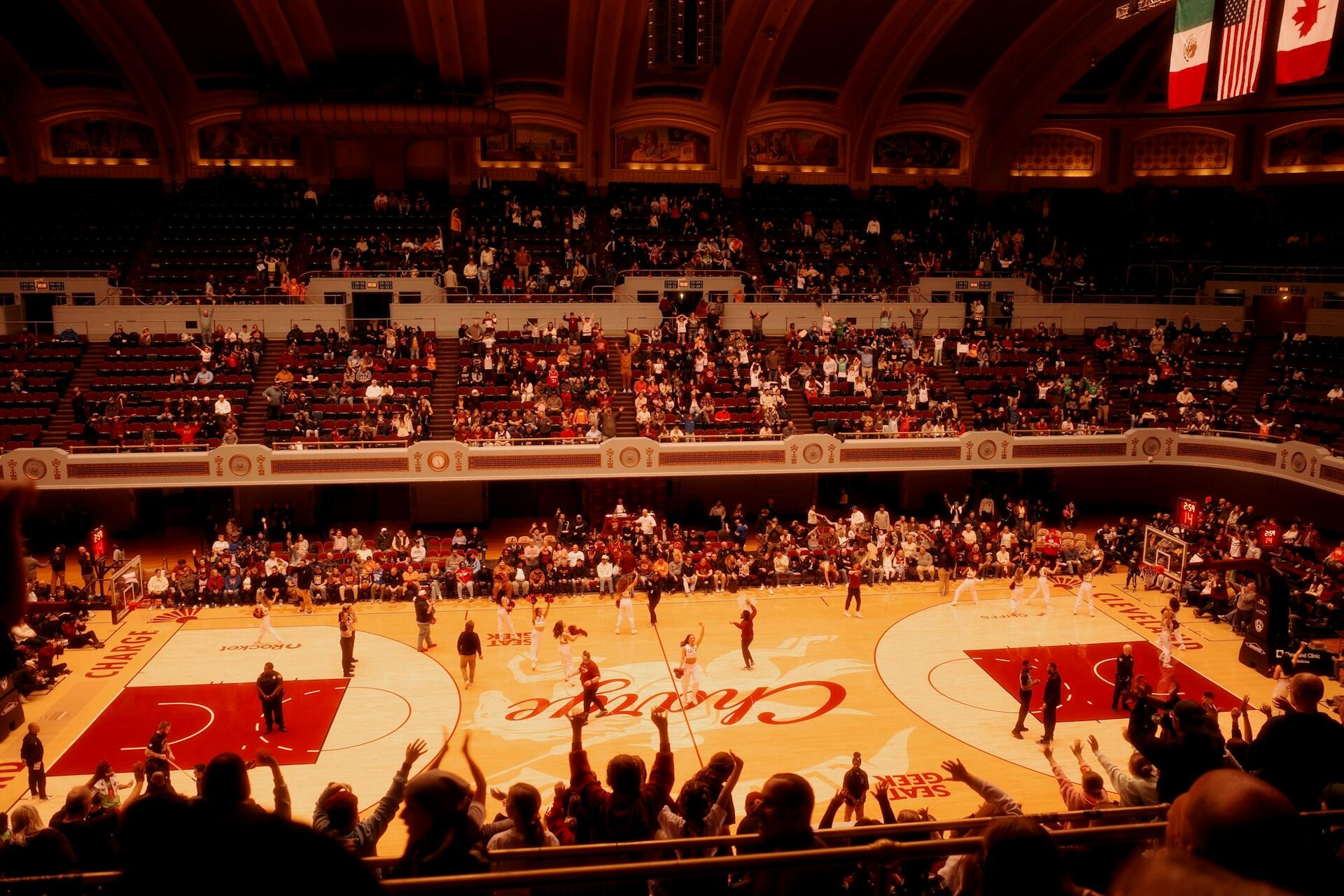

Basketball in the United States goes beyond the NBA. Whether players play professionally, represent a college, join an independent team, or develop their skills through youth and amateur competition, a broad basketball system exists. Each level serves a purpose, from producing the world's leading professional players to giving younger athletes their first taste of organized competition.
Key Takeaways
- US basketball spans professional, semi-professional, college, and amateur competition.
- The NBA and WNBA are the leading traditional professional leagues, while the NBA G League provides a development pathway.
- BIG3 and Unrivaled use three-on-three formats, while Overtime Elite plays traditional five-on-five basketball.
- College basketball is organized through associations, divisions, and conferences rather than one national league.
- Amateur basketball includes travel, school, youth, community, and recreational competition.


What Are the Different Basketball Leagues in the US?
The main basketball leagues in the US fall into professional, semi-professional or independent, college, and amateur categories. You'll see that structure and standards vary widely across levels, as do eligibility, compensation, schedules, and paths to higher-level basketball. It's worth exploring the differences to see how they all fit together in the broader picture.
Basketball in the US operates at several different levels. Professional leagues pay players to compete; semi-professional and independent leagues offer additional playing opportunities; college basketball is organized through associations and conferences; and amateur basketball includes youth, school, travel, and community competition.
| League type | Examples | Typical players | How competition is organized | Main role |
|---|---|---|---|---|
| Professional | NBA; WNBA; NBA G League; BIG3; Unrivaled; Overtime Elite | Paid professionals and elite development players | Franchise-based leagues, regular seasons and playoffs; some use alternative 3-on-3 formats | Elite competition, entertainment and player development |
| Semi-professional | The Basketball League (TBL); United States Basketball League (USBL) | Emerging, independent and experienced players | Independent and regional schedules with postseason competition | Competitive opportunities outside the major NBA system |
| College | NCAA; NAIA | College student-athletes | Divisions, conferences, regular seasons and national championships | College competition and player development |
| Amateur | AAU; travel basketball; high school; youth and community leagues | Youth, school-age and recreational players | Clubs, tournaments, school competition and local leagues | Development, participation and competitive experience |
Professional Basketball Leagues
Professional basketball naturally features the most recognizable competitions in the American game. However, there are still different formats. The NBA and WNBA are the leading traditional five-on-five leagues. The NBA G League focuses on professional development. Competitions like the BIG3 and Unrivaled are alternatives to the most popular professional formats. Overtime Elite is a development-focused league.
The NBA G League is the NBA's official minor league, not a competitor to the NBA. It develops players, coaches, officials, trainers, and front-office staff, and NBA-affiliated teams can move players between the two levels through assignments, call-ups, and two-way contracts.⁴
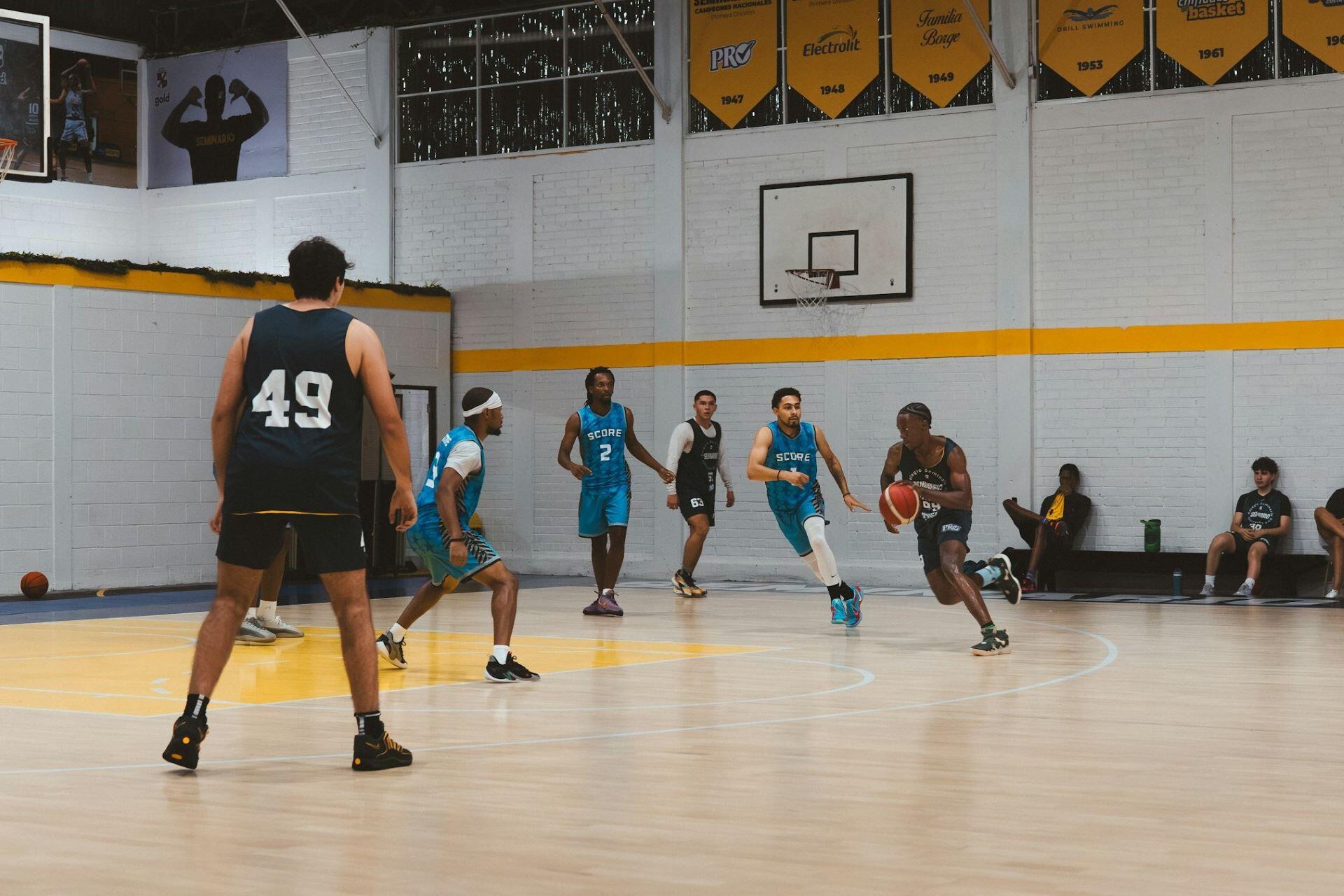
The NBA's franchises are recognized beyond their home cities. Teams like the Los Angeles Lakers, Boston Celtics, Golden State Warriors, New York Knicks, and Chicago Bulls have large followings because of historic success, famous players, or their presence in major basketball markets.
franchises currently compete in the NBA.³
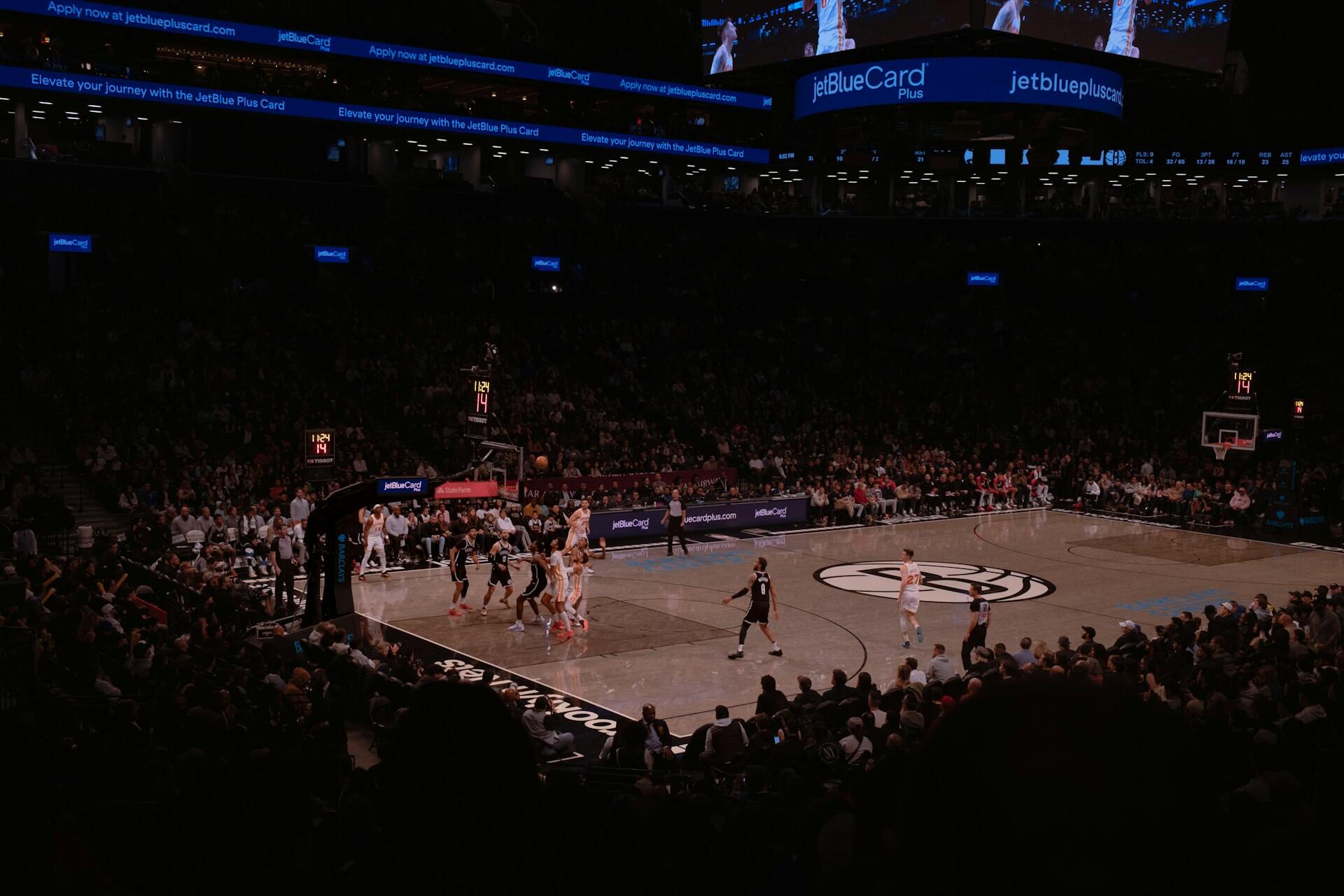
Popular NBA Teams
The top tier of women's professional basketball is the WNBA. The league now features 15 teams, including newer teams like the Golden State Valkyries, Portland Fire, and Toronto Tempo.¹⁰ Like the NBA, the WNBA has a regular season and postseason, with the champion decided at the end of the latter. Teams like the Las Vegas Aces, New York Liberty, Indiana Fever, Seattle Storm, and Phoenix Mercury remain among the competition's most recognizable names.
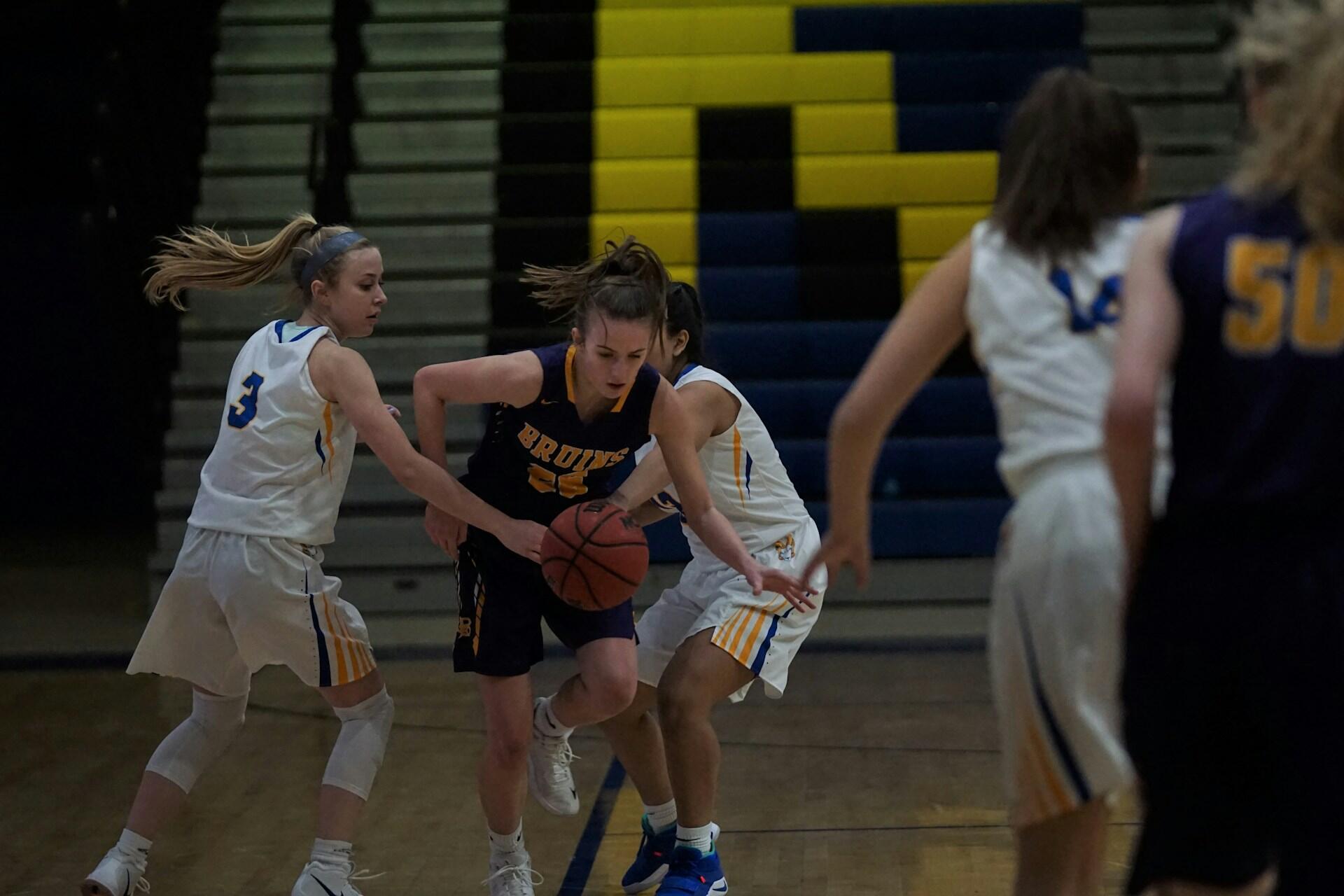
Popular WNBA Teams to Know
Professional basketball in the US also includes organizations that don't fit into the NBA or WNBA model. Overtime Elite is mostly made up of highly rated young players, with its own teams. It offers an intensive competitive environment.⁶
Overtime Elite sits slightly outside the traditional professional league structure. It focuses on elite young basketball players and provides a high-level development environment for athletes working toward college and professional opportunities.⁶
BIG3 is another professional alternative. It uses a three-on-three format with city-based teams. Franchises have clearer local identities. This makes the game faster and more condensed than traditional professional basketball, even if the top players still play in the NBA.
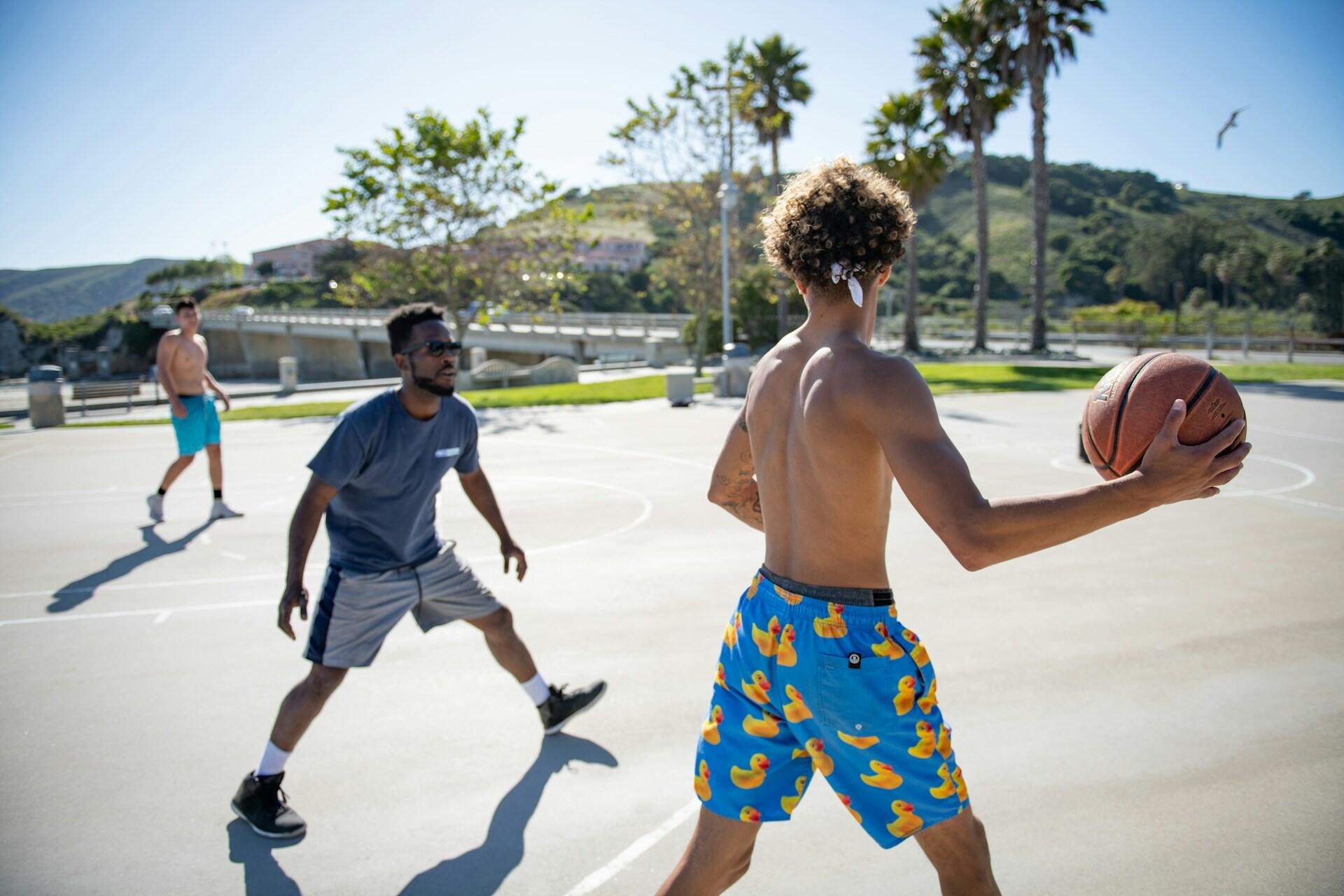
Teams Competing in BIG3
Unrivaled is another three-on-three option, but for women's professional basketball. The 2026 season has an eight-team regular season with six teams progressing to the playoffs. It's noticeably different from the WNBA, too.⁸
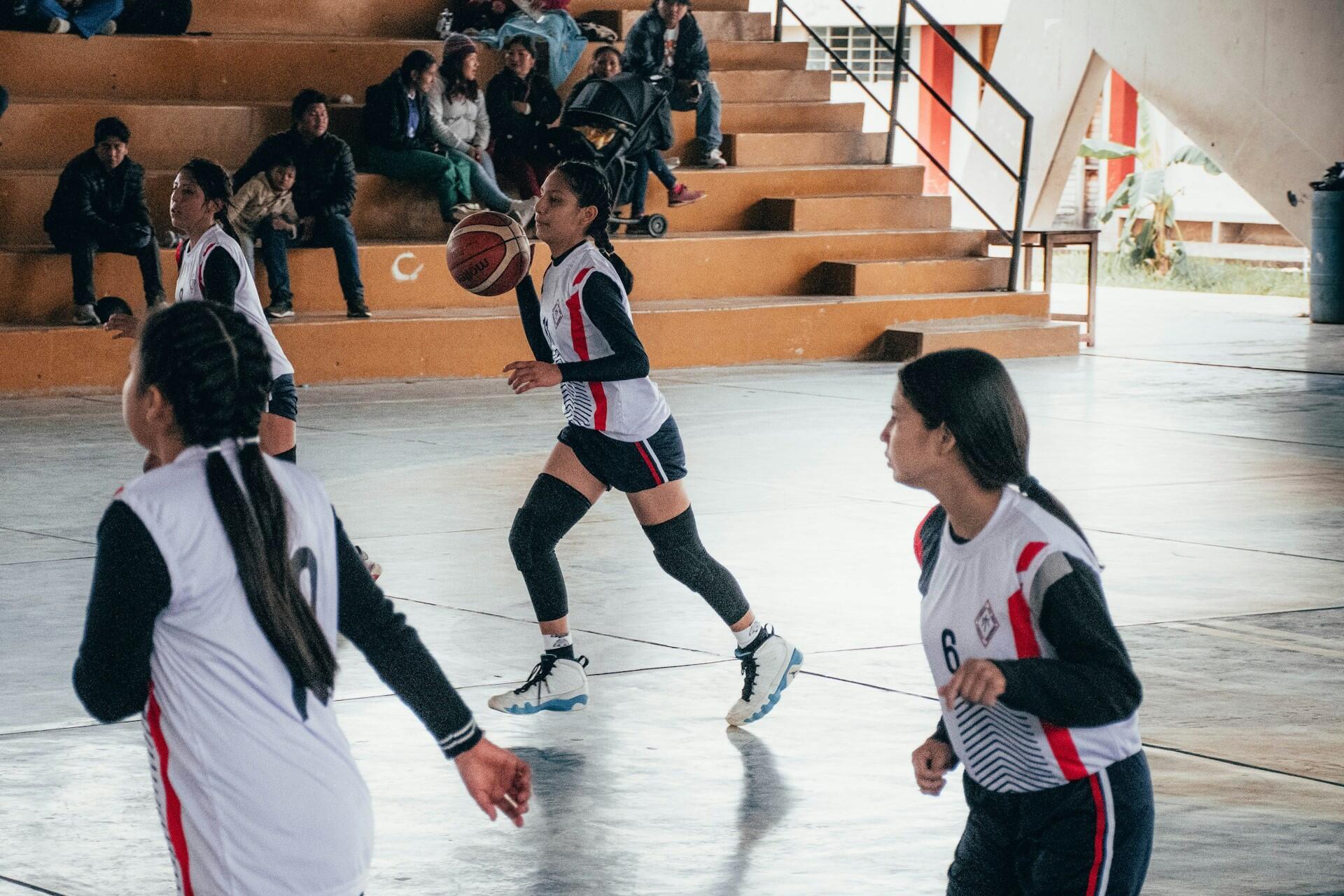
Unrivaled Teams to Know
Overtime Elite has a roster of teams giving young players regular competition. The environment is designed around preparing them for the next stages of their basketball careers.⁶ Unlike BIG3 and Unrivaled, this is a traditional five-on-five, full-court basketball format.
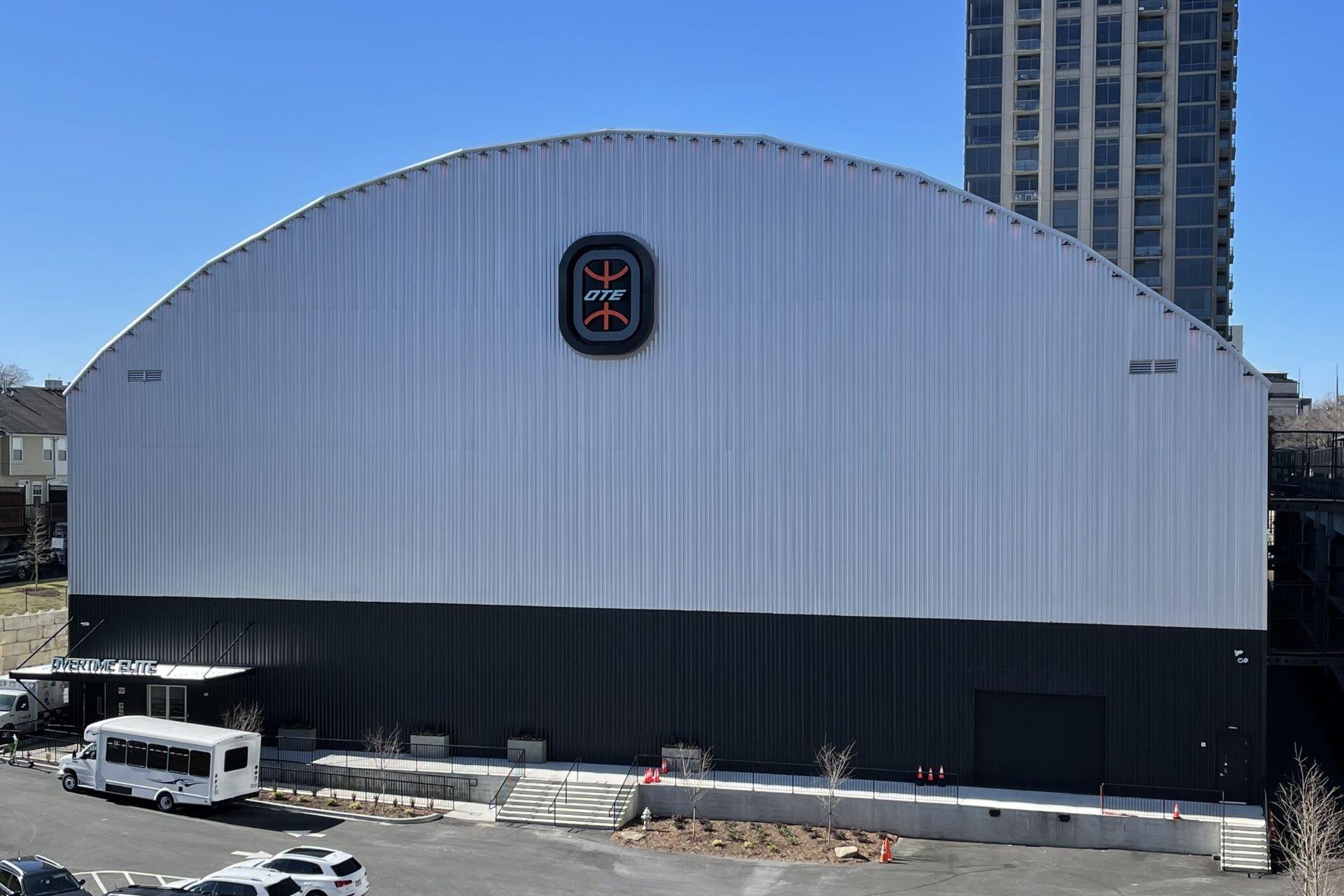
Overtime Elite Teams
Semi-professional Basketball Leagues
Semi-professional basketball consists of smaller, independent competitions rather than a single official tier. These leagues often offer former college players, experienced professionals, and athletes seeking more exposure another place to compete. Just remember that one of them is officially under the pro leagues.
No single official semi-professional tier sits directly beneath the NBA. The term commonly refers to smaller independent and regional competitions where player compensation, schedules, facilities, travel, and organizational resources vary widely from one league or team to another.
The Basketball League (TBL) provides an independent professional option outside the NBA system. Its locally based structure gives players another place to continue their careers.⁷ The revived United States Basketball League (USBL) also returned to competition and crowned the Seattle SuperHawks its 2026 champion.⁹
Who Plays in Independent Basketball Leagues?
- Recent college players
- Players seeking professional contracts
- Experienced independent-league players
- Athletes returning to competitive basketball
- International players looking for US opportunities
- Players seeking greater exposure
College Basketball Leagues
College basketball is made up of associations, divisions, and conferences. It isn't a single national league. The NCAA is the largest and best-known system, but the NAIA is another pathway for student-athletes.
Not exactly. The NCAA is an athletics association whose schools compete through divisions and conferences.⁵ The NAIA separately organizes college competition and national championships for its member institutions.²
The Main College Basketball Levels
- NCAA Division I⁵
- NCAA Division II
- NCAA Division III
- NAIA basketball²
The NAIA is a separate college system with its own conferences and national championships. Programs compete regionally before successful teams advance to the postseason. This format gives schools outside the NCAA a national competitive pathway.²
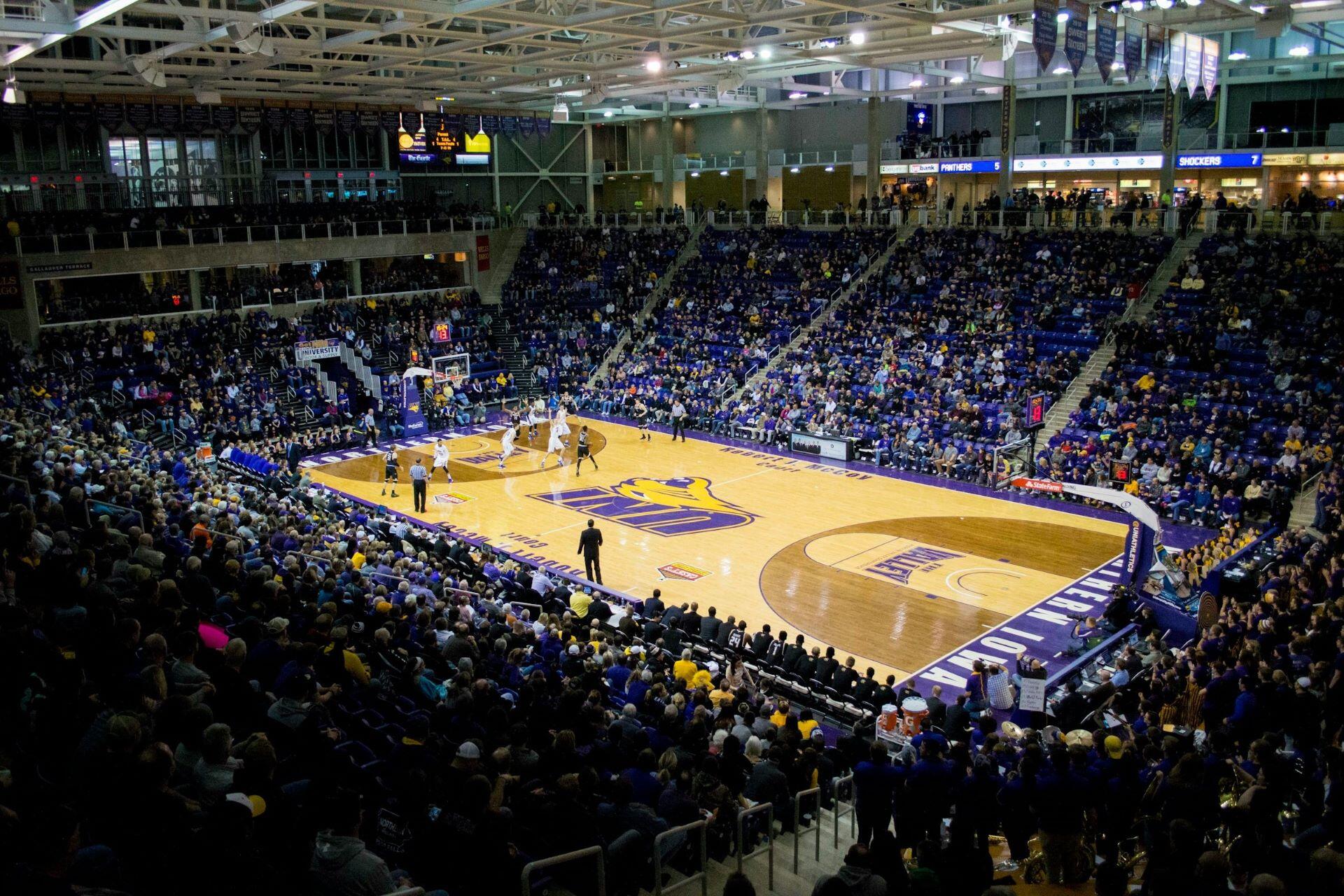
teams still competing for the national title.²
Amateur Basketball Leagues
Amateur basketball isn't centralized like professional or college basketball. Organization depends on age, location, governing body, and level. This means players can find structured basketball without entering into the professional or college systems.
The word “amateur” describes the competition's organizational or compensation structure, not necessarily its standard of play. Elite youth and travel basketball can feature highly skilled players preparing for college programs and, eventually, professional basketball.
At this level, schedules can focus on regular local games, short tournaments, or a mix of both. Eligibility and team selection can depend on the organization running the competition. For many young players, this is an accessible way to gain experience before deciding whether to pursue basketball more seriously.
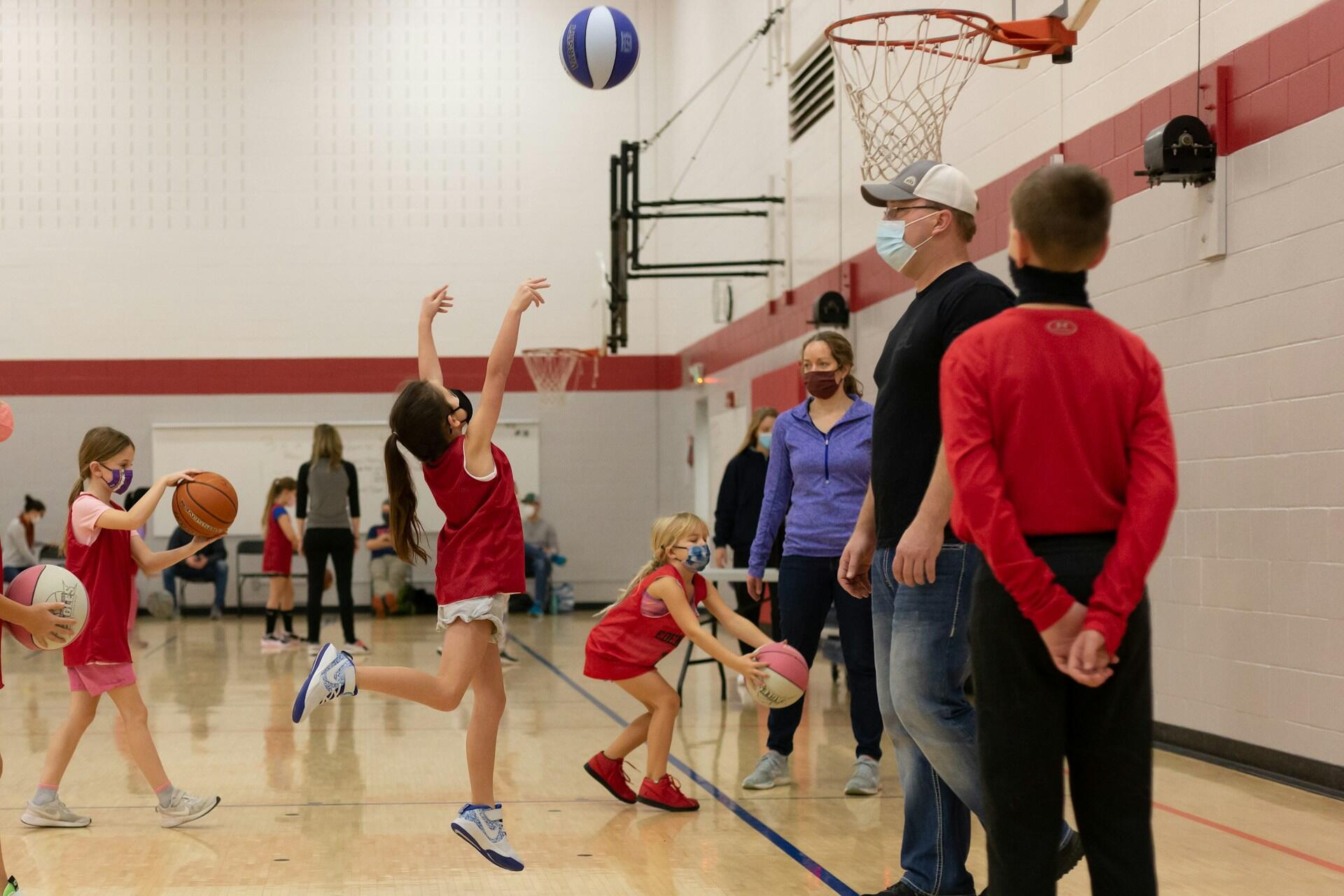
Common Types of Amateur Basketball
- AAU basketball
- Travel basketball
- High school basketball
- Youth leagues
- Community leagues
- Adult recreational leagues
- Local basketball tournaments
References
- BIG3. “BIG3 Schedule Released as Ice Cube Hypes 2026 Season as ‘Basketball Heaven’ in B/R Interview.” BIG3, 5 May 2026. https://big3.com/news/big3-schedule-released-as-ice-cube-hypes-2026-season-as-basketball-heaven-in-b-r-interview/. Accessed 5 Oct. 2026.
- McCall, Brandt. “It All Comes Down to This, 16 Teams, 15 Games, Six Days, One National Champion.” NAIA, 18 Mar. 2026. https://www.naia.org/news/mens-basketball/it-all-comes-down-to-this-16-teams-15-games-six-days-one-national-champion/. Accessed 5 Oct. 2026.
- National Basketball Association. “About the NBA.” NBA.com, updated 15 May 2026. https://www.nba.com/news/about. Accessed 5 Oct. 2026.
- NBA G League. “What You Need to Know About the NBA G League.” NBA G League, 2026. https://gleague.nba.com/about. Accessed 5 Oct. 2026.
- National Collegiate Athletic Association. “NCAA Membership Composition and Sport Sponsorship.” NCAA.org, 2026. https://www.ncaa.org/about-us/membership-directory/membership-composition-and-sport-sponsorship/. Accessed 5 Oct. 2026.
- Overtime Elite. “Teams.” OTE, 2026. https://www.overtimeelite.com/teams. Accessed 5 Oct. 2026.
- The Basketball League. “FAQ.” The Basketball League, 2026. https://thebasketballleague.net/faq/. Accessed 5 Oct. 2026.
- Unrivaled. “Win or Go Home: Breaking Down the 2026 Unrivaled Playoffs.” Unrivaled, 27 Feb. 2026. https://www.unrivaled.basketball/news/win-or-go-home-breaking-down-the-2026-unrivaled-playoffs-36j35xxr0q51. Accessed 5 Oct. 2026.
- United States Basketball League. “USBL Championship Game Recap: Seattle Defeats Salem, 132-105.” USBL, 1 Sept. 2026. https://usbl.com/usbl-championship-game-recap-seattle-defeats-salem-132-105/. Accessed 5 Oct. 2026.
- Women’s National Basketball Association. “Frequently Asked Questions.” WNBA, 2026. https://www.wnba.com/faq. Accessed 5 Oct. 2026.
Summarize with AI:
Did you like this article? Leave a rating!

 Loading...