Engineering is one of those career paths your parents or teachers have likely been steering you toward since your earliest days at school. This is certainly justified, seeing as it is both a rewarding and lucrative career to pursue. It also offers a diverse range of industries in which you can work, many of which have been growing substantially with no signs of slowing down anytime soon. However, regardless of which discipline you choose, becoming an engineer is no walk in the park. It requires formal education, technical knowledge, practical experience, and strong problem-solving abilities just to get your foot in the door. In this article, we’ll run through every box you need to check to get the ball rolling on your engineering career.


What Does an Engineer Do?
A good way to understand what lies ahead as you equip yourself with the skills needed to become an engineer is to understand exactly what engineers do in their roles. They make the big bucks because they apply scientific principles, mathematics, and technical knowledge to solve practical problems. They’re essentially Swiss Army knives, seeing as they design, develop, test, and improve everything from products to systems and structures.
Common Responsibilities of Engineers
The work engineers do hinges on their specialization. The common responsibilities associated with their roles could involve anything from improving transportation infrastructure to manufacturing machinery or even creating artificial intelligence systems. It’s also an exciting role in that there’s generally a need for them to collaborate with other professionals within their respective companies to solve the problem at hand.

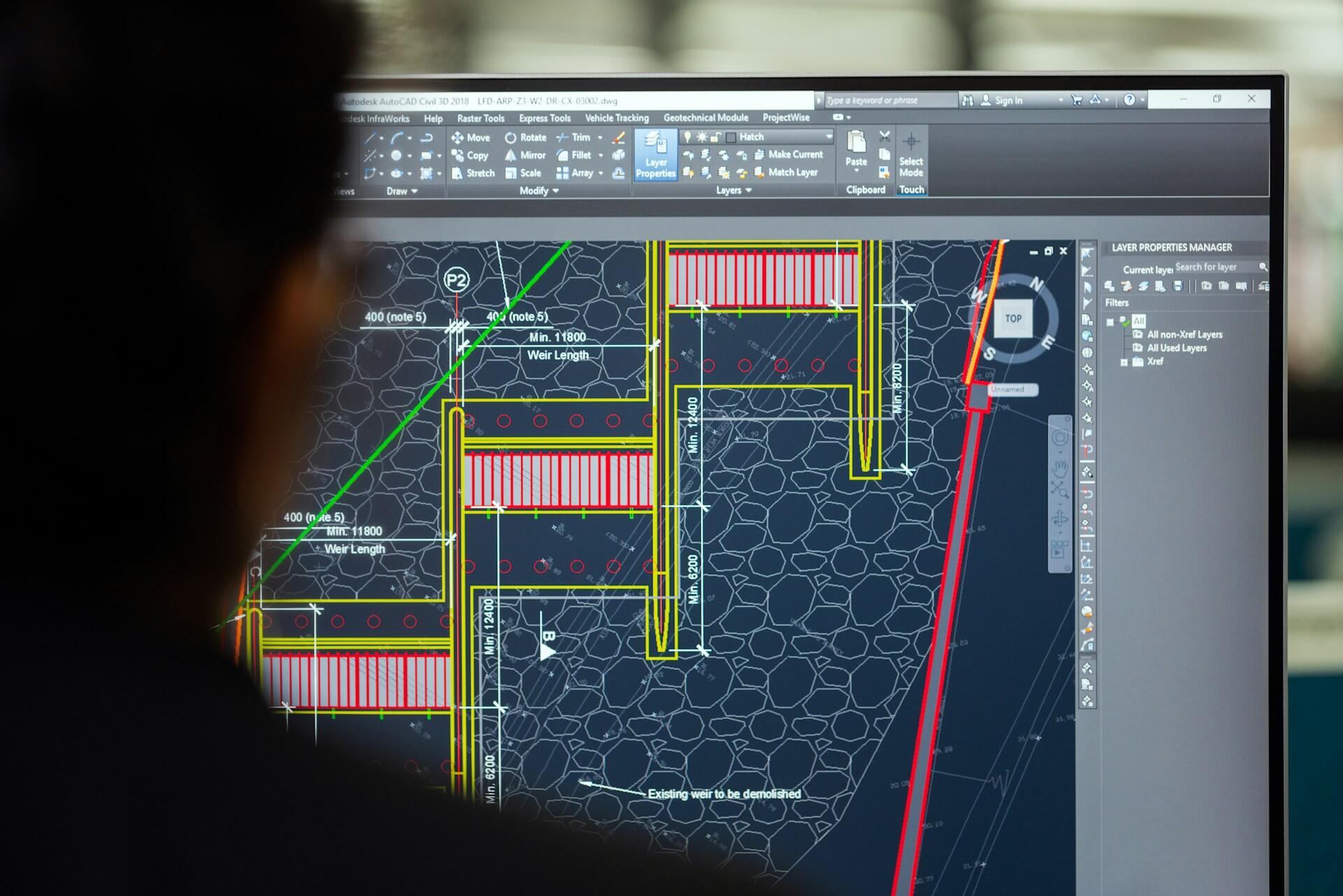
However, there are some common responsibilities regardless of specialization. You would have a hard time finding an engineering role that doesn’t involve spending a good portion of the workday researching problems, developing technical designs, conducting calculations, and evaluating potential solutions. This is also evident if you browse engineering job listings across all disciplines. You’ll notice that the majority require proficiency in computer-aided design (CAD) software, simulation tools, and programming languages.
| Type of Engineer | Primary Roles and Responsibilities |
|---|---|
| Civil Engineer | Designs, constructs, and maintains infrastructure, including roads, bridges, buildings, and other public structures. |
| Mechanical Engineer | Designs, develops, and maintains machinery, engines, manufacturing equipment, and mechanical systems. |
| Chemical Engineer | Applies scientific principles to industrial processes involving chemicals, materials, and chemical production. |
| Software Engineer | Develops, tests, and maintains software applications, computer systems, and digital solutions. |
| AI Engineer | Develops and implements artificial intelligence technologies, including machine learning models and intelligent systems. |
Another responsibility that’s seemingly common across all specializations is testing and quality assurance. This is where engineers assess whether designs perform as expected. They then need to identify any weaknesses and make improvements where necessary.
The Different Types of Engineers
🏗️ Civil
⚙️ Mechanical
⚡ Electrical
🧪 Chemical
🏭 Industrial
Now that we’ve covered the commonalities in an engineer’s working day, let’s look at what differentiates the tasks engineers are required to perform in their respective roles. Civil engineering is definitely one of the more popular fields. It essentially describes a discipline in which engineers work on designing and maintaining infrastructure such as roads, bridges, and buildings. You’ve also got mechanical engineers, who, as the name suggests, spend the majority of their time working with machinery, engines, and manufacturing equipment. Chemical engineers are those who work primarily with scientific principles and industrial processes involving chemicals and materials.

The day-to-day work of engineers across all industries has been evolving over the past few years at an accelerating rate.
Technological advancements have also given rise to newer specializations within engineering.
These include computer software engineering and the more recent field of AI engineering.
If you’re considering majoring in engineering at college, comparing engineering specialty timelines can help you see how a combined program might shorten the path to a master’s compared with earning the two degrees separately.
In these roles, you can expect to develop computer systems, applications, and artificial intelligence technologies. While engineering is a lucrative career path across the board, technology-focused disciplines are definitely among those offering the greatest financial returns. Knowing the options available to you as an aspiring engineering professional is an important part of making an informed decision. In order to land on a career that fulfills you, you need to consider a discipline that captures your interest, suits your academic strengths, and offers your preferred working environment.
The Path to Becoming an Engineer
With your sights set on your preferred engineering discipline, you can then map out the path that stands between you and your dream role. While this process is subject to some variation depending on the discipline you’re pursuing, there are also some commonalities across the U.S. In pretty much every case, you’re going to need to kick-start your journey by building a strong academic foundation. Most often, this will involve a four-year bachelor’s degree. From here, you’ll need to develop practical skills and gain professional experience. We’ve made life that bit easier for you and created a timeline showing what your journey toward becoming an engineer is likely to look like.
Step 1
Choose a Discipline
Research engineering specializations and identify the area that best matches your interests and career ambitions.
Step 2
Earn a Degree
Complete an accredited undergraduate program in your chosen discipline, typically taking around four years.
Step 3
Develop Technical Skills
Strengthen your knowledge of mathematics, science, engineering software, and relevant technologies.
Step 4
Gain Experience
Complete internships, participate in university projects, and apply your knowledge in professional environments.
Step 5
Find Employment
Apply for entry-level positions such as graduate engineer, junior engineer, or engineering associate.
Step 6
Obtain Licensure
Where required, complete professional examinations, gain supervised experience, and meet registration requirements.
Step 7
Continue Learning
Pursue additional qualifications, certifications, and professional development to advance your career.
Education Requirements
Well, there are many pathways to getting into just about any career out there. You can think of a bachelor’s degree as the highway into engineering. Bachelor’s degrees essentially act as a stamp of reassurance to employers that you’re equipped with the skills and knowledge to make an impact in an entry-level role. These degrees generally take four years to complete across the board. In terms of what you can expect throughout the learning experience, you can expect to be introduced to topics such as mathematics, physics, engineering fundamentals, and your specialist subjects. While a number of core subjects, such as mathematics and physics, underpin the majority of engineering disciplines, an important question you’ll need to consider is whether or not you’ll need to pursue a master’s degree. These are generally two-year programs across the U.S. and allow you to further specialize in your subject area.
Should You Get a Master’s Degree?
One of the biggest questions you’ll need to ask yourself when preparing for all that lies ahead is whether or not you’ll need to complete a master’s degree. These are generally two-year programs here in the U.S. and allow students to further specialize in their respective subject areas. Now, if you were to spend some time browsing advertized entry-level engineering positions, you’d find that a master’s degree isn’t a universal requirement. That said, it certainly enhances a candidate’s chances of landing a role, especially when they’re competing against other candidates who only have a bachelor’s degree.
For instance, if it’s AI engineering that you envision yourself working in down the line, then obtaining a master’s degree in artificial intelligence, machine learning, or data science would most certainly give you an edge. This way, you’ll enter the position or interview process with an enhanced understanding of more advanced topics such as neural networks, deep learning, and statistical modeling. Seeing as these degrees take a considerable amount of time to complete and can certainly be quite expensive, you’ll need to weigh whether or not pursuing one is the right move for your particular career path.
Build the Core Skills Employers Look For
With your education under your belt, you’ll then look to build those core skills that employers are always on the lookout for. Developing these skills throughout or shortly after your education will contribute to a seamless transition into the workplace.
Technical Skills
Technical skills are generally those that come more easily to engineering students, as most of them are skills that your bachelor’s program will have been specifically designed to develop. These include strong mathematical and scientific knowledge.
So, really knuckling down and understanding the algebra, calculus, statistics, and physics you’ll encounter in your courses will go a long way toward developing these skills.
There are also plenty of technical skills that you might find vary from one advertised position to the next.
If two disciplines appeal to you, comparing pay by engineering specialty can help you weigh what each role typically earns alongside the kind of work you’d like to do.

This is because mechanical engineers may need to work with CAD software and simulations. So if you're wondering how to become an electrical engineer, you'll need to sharpen your circuit design skills. Nonetheless, it’s certainly reassuring to know that the knowledge gained throughout your education will also help you meet the demands of your future role.
Soft Skills
The reason hiring processes aren’t as simple as reviewing your resume is that technical skills alone aren’t going to land you an engineering role. Employers will also be on the lookout for your soft skills and favor professionals who communicate clearly, collaborate effectively, and approach challenges logically. Then you’ve got things like time management, organization, and attention to detail, which are soft skills that are likely to be tested in various other assessments that may form part of your interview process.
The U.S. Bureau of Labor Statistics projects that there will be, on average, 174,800 annual openings a year in architecture and engineering occupations on average from 2025 to 2035.
Obtain Licensure and Certification
The next obstacle you might encounter is obtaining licensure and certification to work in your desired role. In order to become a licensed Professional Engineer (PE) here in the U.S., there’s no getting around having an accredited engineering degree, passing the Fundamentals of Engineering (FE) exam, gaining supervised experience, and passing the Principles and Practice of Engineering (PE) exam. However, it’s also important to know that this isn’t always a requirement. So, make sure to check the requirements for your chosen specialization. If your intended role calls for a PE, map out the PE licensing process early so you know when you can take each exam and how to document qualifying work experience.
Gain Real-World Experience
Real-world experience carries more weight than you might previously have thought. It gives employers direct evidence that you have the capacity to make an impact in the role they’re hiring for. This is why looking out for internships and college connections is such an essential part of the process when choosing prospective engineering schools.

It’s definitely not a bad idea to develop a portfolio of your own that showcases your completed projects. This way, you can easily demonstrate your technical ability and improve your chances of landing your desired role. If you’re interested in AI but want to keep your options open, compare how the strongest engineering schools connect engineering with related fields such as computer science and robotics.
Internships
Internships are perhaps the best way to gain real-world experience, as they directly challenge you to apply the theoretical knowledge gained through your education to solving problems that real businesses face. In addition to this, you’ll also have the opportunity to shadow more senior engineers and get a better sense of their responsibilities and best practices. On top of this, internships can also help you establish professional connections that you may use or depend on throughout your career.
Networking and Mentorship
As with most skills and endeavors, there is usually an extensive trial-and-error process involved. However, much of this can be mitigated with the support of networking and mentorship. Building professional relationships can support career development and introduce aspiring engineers to new opportunities. This could involve anything from university clubs at your chosen engineering school to industry events organized locally or online. Finding a mentor is perhaps one of the most valuable assets you can have in the early stages of your career and education. A mentor will be able to offer guidance on choosing a specialization, developing the required skills, and navigating any career challenges you may face.
Summarize with AI:
Did you like this article? Leave a rating!

 Loading...