
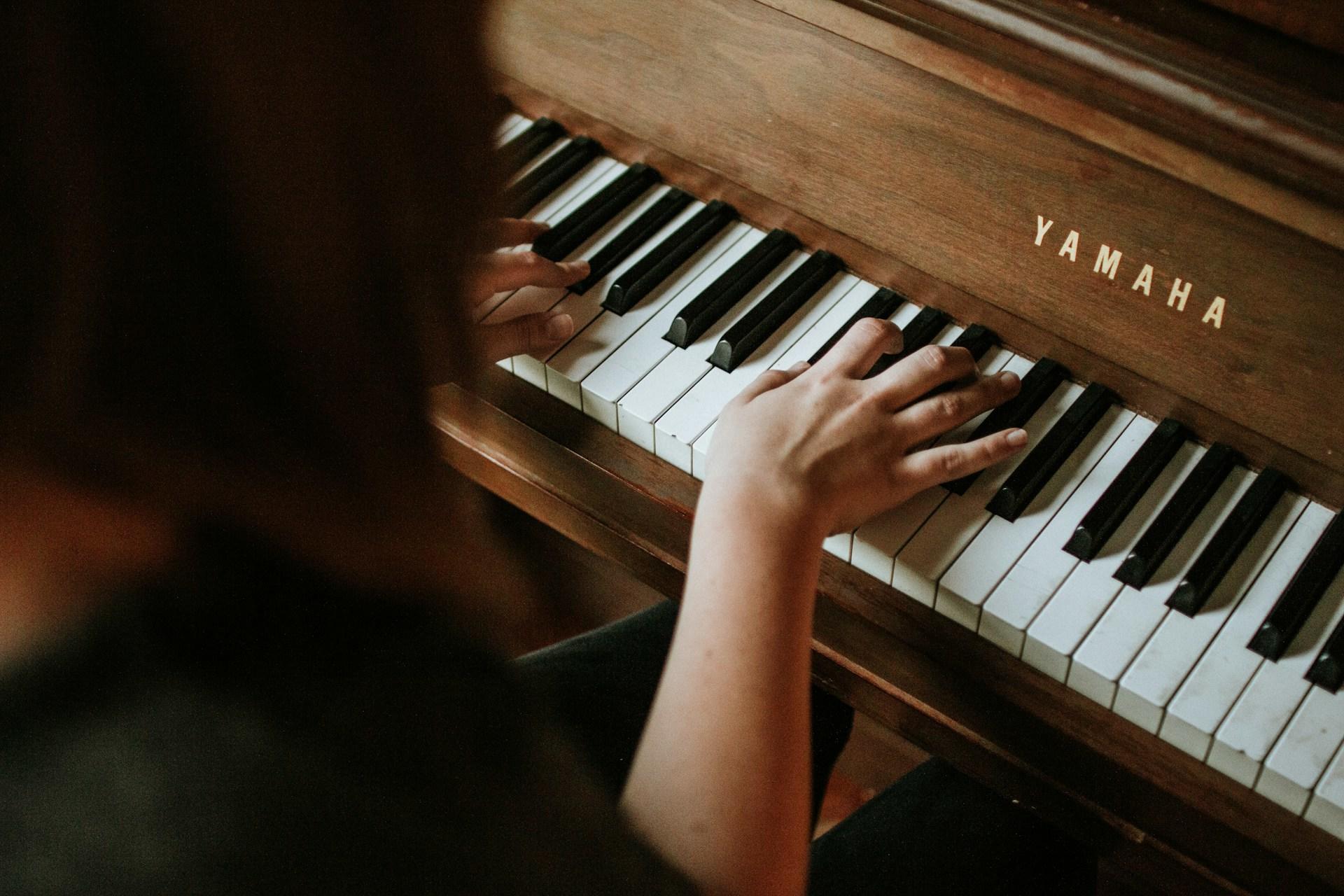

The piano ain't got no wrong notes.
Thelonious Monk, Pianist and composer
When choosing a piano, there are so many brands, models, and features that it can be overwhelming. Each brand has pros and cons, and not every piano brand is right for every skill level; spending a fortune on a piano is not worthwhile if you're just getting started, for example. In this guide, we'll examine different piano brands, their strengths and weaknesses, their costs, and the kinds of pianists they'd be right for.
Key Takeaways
- The best piano brands depend on your level, budget, space, and whether you want an acoustic piano, digital piano, hybrid model, upright piano, or grand piano.
- Yamaha and Kawai are good piano brands for beginners because they offer reliable sound, fair price ranges, strong digital options, and beginner-friendly keyboard action.
- Baldwin and Mason & Hamlin are better suited to intermediate players who want a more expressive acoustic piano with richer sound, durable construction, and room to grow.
- Advanced players often look to top piano brands such as Steinway & Sons, Bösendorfer, Fazioli, Blüthner, and Grotrian for concert-level sound, polished ebony finishes, premium grand models, and greater tonal detail.
- When comparing piano brands, consider the model, size, condition, number of keys, sound quality, upright or grand format, and whether the instrument is the right fit for your musical goals.
| Piano brand | Founded | Origin | Best level | Best for | Key features |
|---|---|---|---|---|---|
| Yamaha | 1887 | Japan | Beginner | New learners, home players, and budget-conscious students | Reliable acoustic and digital pianos, broad model range, strong value |
| Kawai | 1927 | Japan | Beginner | Students, teachers, and players interested in hybrid models | Digital innovation, composite action materials, good affordability |
| Baldwin | 1862 | United States | Intermediate | Families, schools, home studios, and progressing players | Warm tone, durable uprights and grands, practical pricing |
| Mason and Hamlin | 1854 | United States | Intermediate | Serious home players, collectors, and advanced learners | Boutique craftsmanship, powerful sound, Tension Resonator System |
| Grotrian | 1835 | Germany | Advanced | Advanced students, educators, and classical pianists | Clear tone, strong uprights, precise German craftsmanship |
| Steinway and Sons | 1853 | United States | Advanced | Concert pianists, professionals, and collectors | Prestige, dynamic range, long-lasting acoustic piano craftsmanship |
| Bösendorfer | 1828 | Austria | Advanced | Concert pianists and luxury piano collectors | Viennese tone, handcrafted build, extended-key models |
| Fazioli | 1981 | Italy | Advanced | Professional players seeking modern luxury | Bright clarity, customization, modern concert grand design |
| Blüthner | 1853 | Germany | Advanced | Classical pianists and players seeking a lyrical tone | Warm sound, handcrafted design, Aliquot stringing |


Beginner Level
Beginner pianists should look for reliable, affordable pianos that are easy to maintain. Focus on a consistent sound, good key action, and a range to support steady progress. Yamaha and Kawai are strong choices. Both brands make acoustic, digital, and hybrid models for students and families.
Beginners usually need a reliable and affordable piano that supports regular practice. Intermediate players may want better tone, stronger action, and more durability, while advanced pianists often look for expressive range, projection, and long-term craftsmanship.
Yamaha: A Versatile Choice for All Levels
The Yamaha brand was founded in 1887 and does far more than just pianos. However, as a piano brand, it caters to beginners, hobbyists, and professionals. The company is consistent while regularly innovating, offering a range of piano models, including acoustic grand and cutting-edge digital pianos. For many, a Yamaha piano is an excellent choice for your first piano, offering a price point that's very affordable, especially the brand's digital pianos. If you're shopping locally, you can also find instructors by searching for piano lessons near me.
Pros
- Wide Range: Yamaha has excellent pianos for every skill and budget.
- Digital Innovation: Yamaha's Clavinova series is the market leader in digital pianos.
- Reliability: Yamaha pianos are famous for low maintenance and consistent performance.
Cons
- Tone Quality: Advanced players may find Yamaha's tone less complex than certain European brands.
- Mass Production: Yamaha produces high-quality instruments, but they're mass-produced, and some people may prefer the artisanal touches boutique brands can offer.
Who Is a Yamaha Piano For?
Yamaha pianos are well-suited to beginners and intermediate players. The U1 Upright is a popular choice for home use, and the CFX Concert Grand is a popular choice for the stage. If you've never played the piano before but are willing to invest in one, a Yamaha could be an excellent choice.
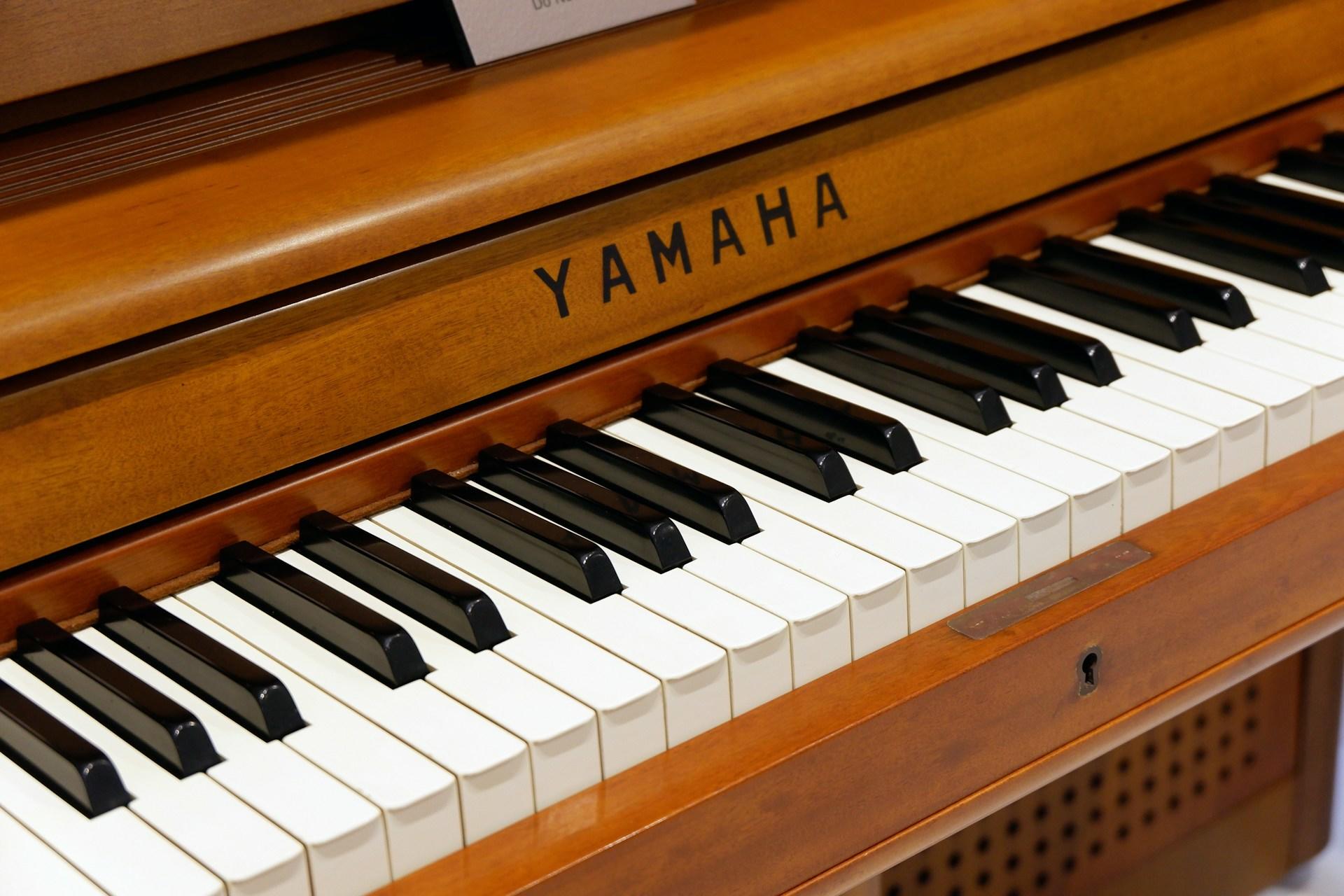
An acoustic piano offers the traditional sound and feel most players associate with the instrument. Digital and hybrid pianos can be better for beginners, smaller homes, or players who need headphones, recording features, or easier maintenance.
Kawai: The Hybrid Piano Innovator
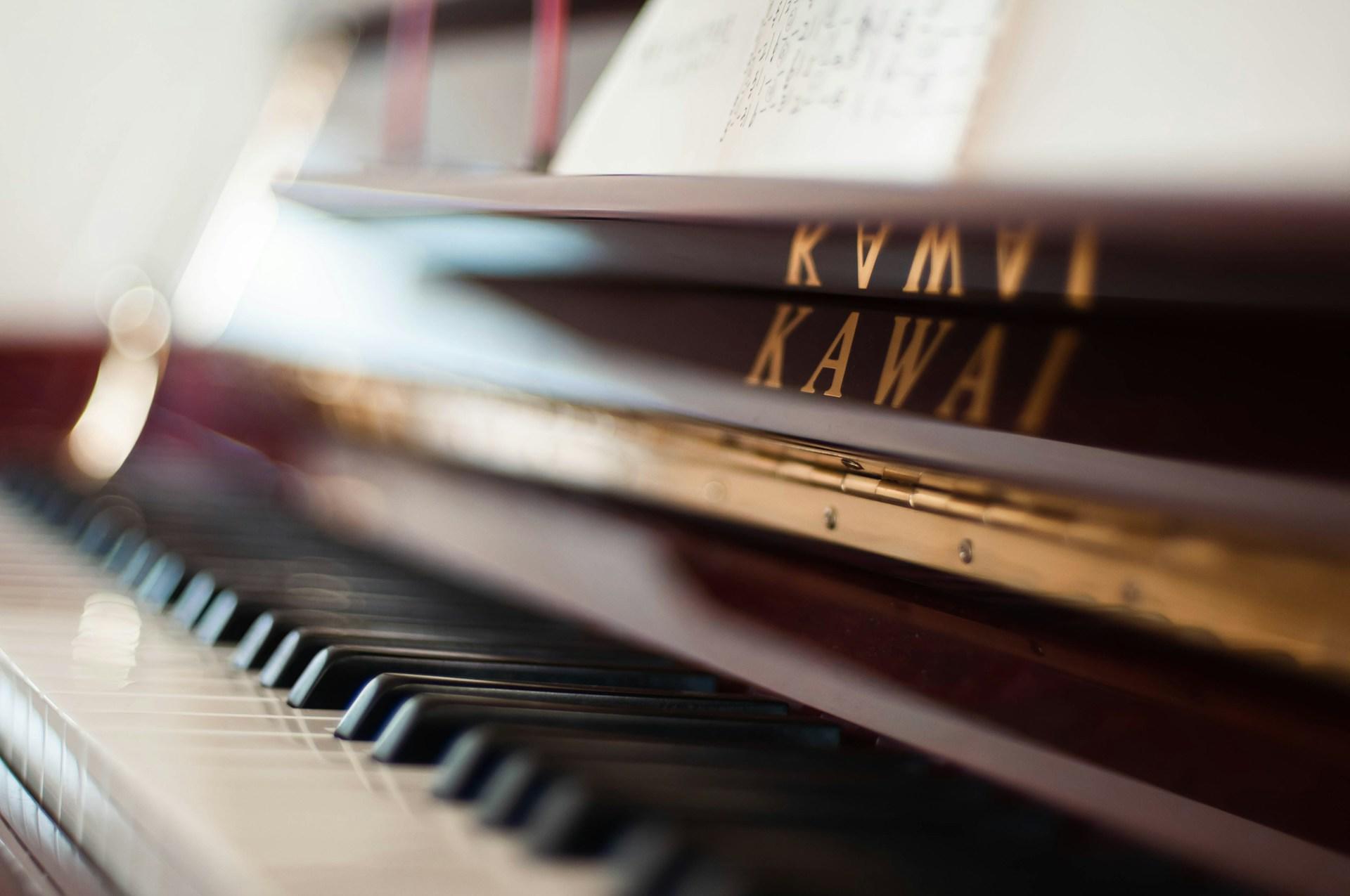
The Japanese Kawai brand is famous for acoustic and digital pianos. Founded in 1927, it is a popular choice for teachers and students because it offers affordability and innovation. Teachers and students often look for local instructors in cities like San Antonio; search for piano lessons near me. The Kawai brand, despite having existed for nearly a century, is not afraid to try new things and has set itself apart by incorporating advanced materials such as ABS-carbon into its action designs.
Pros
- Hybrid Models: The Novus series is a traditional piano with digital features.
- Durability: Kawai pianos use composite materials that provide enhanced longevity.
- Affordability: Kawai pianos offer great value for money.
Cons
- Tone Preference: Kawai pianos offer a brighter tone, though some pianists may prefer the warmth European piano brands offer.
- Lesser Prestige: Kawai pianos are certainly prestigious, but they're typically considered less prestigious than brands like Steinway or Bösendorfer.
Who Is a Kawai Piano For?
Kawai pianos are great for tech-savvy players. Standout models include the K-500 Upright and GL Series Grands. Many pianists who choose Kawai pianos appreciate the feel of an acoustic piano while enjoying the benefits of digital technology. A Kawai piano, especially the hybrid models, offers versatility and innovation on a level that few other piano brands can match.
Intermediate Level
Intermediate players should look for acoustic pianos with more character. Focus on better tonal control and durability, since you'll be playing it more than a beginner. Brands like Baldwin and Mason & Hamlin are interesting choices. Baldwin is a popular choice for schools, families, and home studios, while Mason & Hamlin offers a boutique feel for players seeking richer sounds and a distinctive instrument.
Baldwin: The Workhorse for Schools and Home Studios
Baldwin was founded in 1862 in Cincinnati and is famous for producing robust, warm-toned pianos. These pianos have become incredibly popular in educational institutions and home studios. The company helped make high-quality pianos accessible to much wider audiences, and Baldwin was once arguably one of the most recognizable piano brands in the USA. This reputation has helped them stay relevant even as piano manufacturing and the market have changed.
Pros
- Affordability: Baldwin pianos are of exceptional quality without the price tag you'd see on a Steinway.
- Versatility: Baldwin offers upright and grand pianos in a range of models for various situations and settings.
- Durability: Baldwin pianos are built for heavy use, so they're beloved by music schools and families.
Cons
- Less Prestige: While Baldwin pianos are respected, they aren't as prestigious as those of piano brands like Steinway or Bösendorfer.
- Limited Range: Baldwin piano models tend to focus on practicality over luxury.
Who Is a Baldwin Piano For?
A Baldwin piano is a great option for intermediate and advanced pianists on a budget. It's very popular with intermediate pianists, music educators, and families looking for a quality, reliable, and affordable piano. In particular, the Model R and Acrosonic series are known for their warm tone and affordability. Baldwin pianos are often a pragmatic choice, offering a fine balance between quality and affordability. They won't cost as much as some of the more luxury piano brands that we've mentioned in this article.
Grand pianos are big instruments. Consider compact models and upright pianos for use at home.
Mason & Hamlin: The Boutique American Brand
The Mason & Hamlin piano brand was founded in 1854 in Boston and is famous for its powerful sound and exceptional longevity, thanks to the company's patented Tension Resonator System. If you're located elsewhere in the United States, you can find local options like piano lessons near me. Despite Mason & Hamlin's boutique status, many pianists appreciate the pianos' versatility and their ability to suit both professional and home environments. These pianos are made in much smaller quantities than many other brands.
Pros
- Exceptional Craftsmanship:Mason & Hamlin pianos are handcrafted and impeccable.
- Rich Tone: Pianists love the deep, resonant sound that a Mason & Hamlin produces.
- Durability: The aforementioned Tension Resonator System helps these pianos maintain structural integrity and tone for decades.
Cons
- Limited Availability: A Mason & Hamlin is a boutique handcrafted piano, which means they're made in smaller numbers. There are also fewer dealers and repair specialists.
- Price: Mason & Hamlin pianos aren't as expensive as Steinways, but they're still a significant investment.
Who Is a Mason & Hamlin Piano For?
Mason & Hamlin is an excellent choice for advanced pianists and anybody who appreciates boutique craftsmanship. The 7-foot Model BB grand piano is popular for its concert-level sound. Collectors also like Mason & Hamlin pianos because of their handcrafted, almost one-of-a-kind quality. Buying a Mason & Hamlin is an investment.
Advanced Level
Top pianists look for brands with exceptional tone, touch, projection, and craftsmanship. Steinway and Sons, Bösendorfer, Fazioli, Blüthner, and Grotrian are all great options for serious musicians, professionals, collectors, and demanding classical players. However, serious pianos are serious investments, but they will give you the nuance, power, and expressive range that advanced players need.
A premium acoustic piano is usually worth considering when a player has developed clear preferences around tone, touch, repertoire, and long-term goals. Brands like Steinway and Sons, Bösendorfer, Fazioli, Blüthner, and Grotrian are best suited to serious pianists who know what they want from an instrument.
Steinway & Sons: The Gold Standard for Professional Pianists
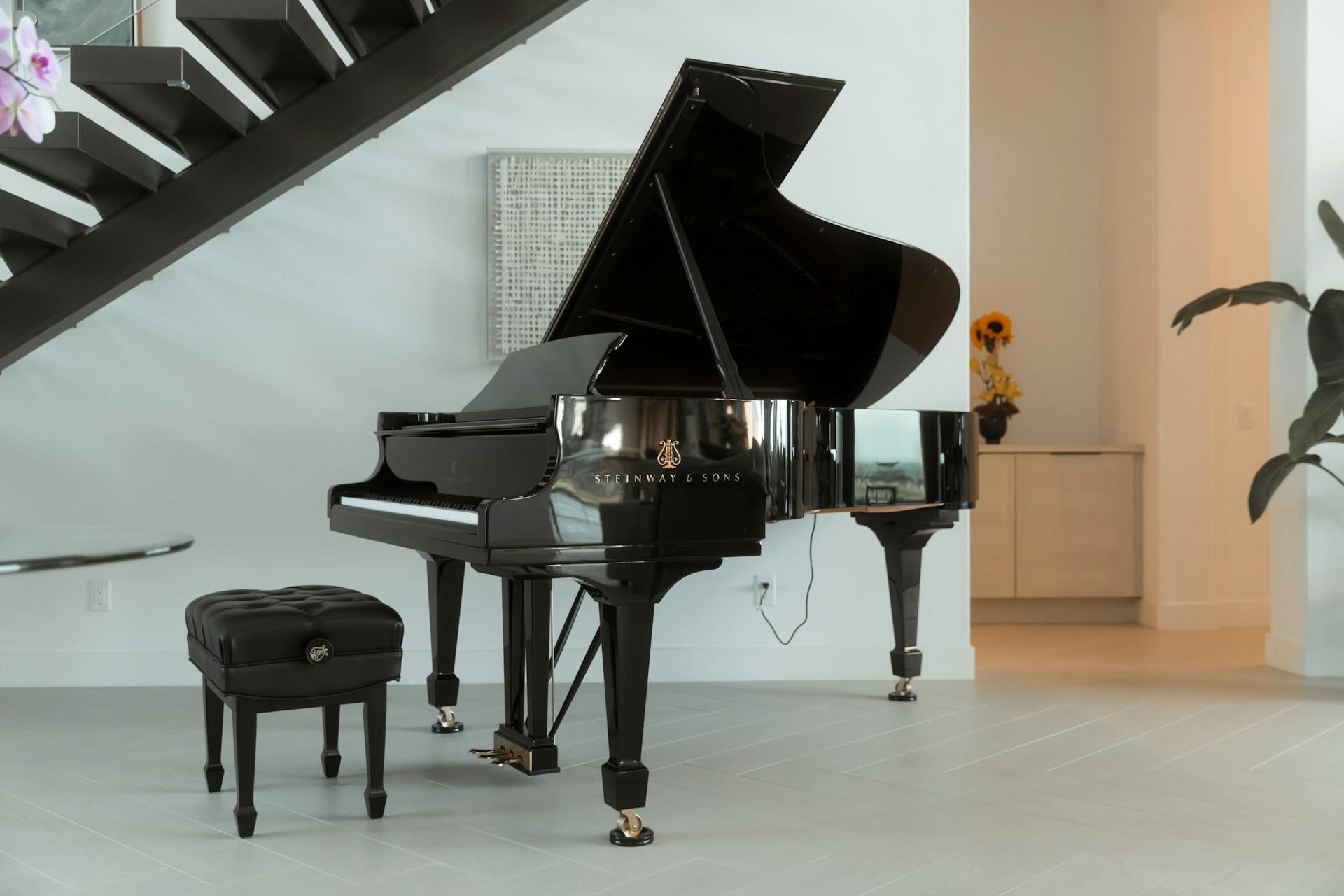
Steinway & Sons is widely regarded as one of the finest American piano brands on the planet. Founded in 1853 in New York, it is the choice of piano for over 95% of concert pianists worldwide. Steinway's innovative use of patents, such as the Diaphragmatic Soundboard and Hexagrip Pinblock, means these pianos offer superior sound quality and long-lasting performance. Each Steinway has over 12,000 parts and takes nearly a year to build!

Pros
- Unparalleled Sound Quality: Steinway pianos are famous for their rich, full tone and dynamic range. Their patented designs, including the Diaphragmatic Soundboard, enhance resonance and sustain.
- Durability: Steinways are top-quality musical instruments that are built to last. When you buy a Steinway, you're likely buying a piano that will outlive you.
- Prestige: As the finest pianos around, owning a Steinway is often an indication of musical excellence.
Cons
- Price: The finest pianos naturally come at a cost. Steinway pianos are among the most expensive around, and they're not accessible to pianists on a budget or recommended for beginners.
- Size: A Steinway is typically a large, impressive piano, at home in larger rooms or concert venues. It's not the kind of instrument that could fit in a smaller space.
Who Is a Steinway & Sons Piano For?
Steinway pianos are for advanced piano players, such as concert pianists, and those who need the pinnacle of acoustic piano craftsmanship. For example, the Steinway & Sons Model B piano is often referred to as the "perfect piano." Steinways are also popular among collectors looking for a timeless piano that's bound to last. Even those with limited space can find smaller Steinways that offer the same quality as the bigger models.
Bösendorfer: The Epitome of Luxury
The Bösendorfer piano brand was founded in 1828 in Vienna, Austria. These pianos are synonymous with luxury and sophistication. Handcrafted Bösendorfer pianos are renowned for their distinctive Viennese sound. This is a very specialist brand, and, as a European brand, it is a little more difficult to obtain in the US than domestically or mass-produced pianos.
Pros
- Unique Tone: Bösendorfer pianos are famous for their dark, rich, and singing tone, which sets them apart from many other piano brands.
- Extended Range: Some Bösendorfer models feature extra bass keys.
- Artisanal Craftsmanship: Bösendorfers are handcrafted in Vienna.
Cons
- Price: Bösendorfer pianos are among the most expensive in the world.
- Limited Availability: These artificial pianos are made in small quantities.
Who Is a Bösendorfer Piano For?
A Bösendorfer piano is best for advanced players or collectors willing to invest in fine European craftsmanship. The Imperial Grand, with 97 keys, is a magnificent piano for concert pianists. Again, these are very specialist and luxury pianos, so they are really reserved for incredibly talented pianists with a significant budget and very specific requirements.
rather than the standard 88.
Fazioli: A Newcomer with Global Prestige
Fazioli is the first 20th-century piano brand we've mentioned so far. Founded in 1981 in Italy, it has risen to prominence as one of the world's best luxury piano brands. Fazioli pianos combine modern engineering with traditional craftsmanship and are famous for their precision and clarity. Don't let the fact that this company is a fraction of the age of the other giants on the market fool you; Fazioli makes some incredible musical instruments.
Pros
- Exceptional Sound: A Fazioli piano has a clear, bright tone.
- Customization: Customers can choose from a range of finishes and configurations.
- Modern Innovation: As a relatively new piano brand, Fazioli incorporates modern, advanced materials such as carbon fiber into its designs.
Cons
- Exclusivity: Fazioli pianos are produced in limited numbers, adding to their allure and making them a coveted choice for discerning pianists.
- Cost: Like with the other top brands we've mentioned, a Fazioli piano isn't cheap.
Who Is a Fazioli Piano For?
Fazioli is great for professional musicians and those happy to play a modern take on a luxury piano. The F308 model, for example, is the largest concert grand in production. A Fazioli piano is still an excellent investment. Since the models are much newer than those of other manufacturers, though, it's hard to tell how well they'll retain their value over time. Feeling lost when buying an acoustic piano? Here's a good video with some great tips to consider.
Blüthner: A German Masterpiece
Founded in 1853 in Leipzig, Germany, Blüthner is one of the world's oldest and most respected piano manufacturers. A Blüthner piano is recognized for its warm, lyrical tone and innovative design. This brand is known mostly in Europe, but its reputation is growing worldwide, and pianists from every corner of the world are discovering just how good these luxury German pianos are.
Pros
- Unique Features: A Blüthner piano's Aloquot Stringing adds a fourth string, enhancing resonance.
- Artisanal Craftsmanship: Every Blüthner is handcrafted in Germany.
- Distinctive Tone: Blüthner is famous for its warm, romantic sound.
Cons
- Availability: It's much harder to get a Blüthner piano outside of Europe.
- Price: As with any handcrafted piano, Blüthners are an investment.
Who Is a Blüthner Piano For?
A Blüthner is an excellent choice for advanced pianists and classical musicians seeking a rich, lyrical tone that can only be achieved with this brand. The meticulous craftsmanship makes them a perfect choice for pianists who need an expressive, distinctive piano, whilst collectors will enjoy the brand's heritage and artistry. However, pianists in the US should be aware that these are harder to obtain outside of Europe.
Grotrian: The Pianist’s Piano
Grotrian, founded in 1835, is another German piano brand. Its pianos are famous for their precision and clarity and have been dubbed "the pianist's piano." These pianos are loved by teachers and conservatories alike. Much like with Blüthner pianos, you should know that European brands, especially luxury brands, are harder to find outside of Europe.
Pros
- Consistent Tone: A Grotrian piano has a bright, clear sound.
- High Build Quality: Every piano is meticulously crafted in Germany.
- Educational Appeal: The upright models are popular in schools.
Cons
- Limited Range: The Grotrian brand focuses on a small selection of piano models.
- Recognition: Grotrian, while producing extremely high-quality pianos, lacks the global recognition of brands like Steinway.
Who Is a Grotrian Piano For?
Grotrian is an excellent choice for advanced students and educators. Their Concertino Upright is particularly popular in teaching environments since it's compact without compromising on sound quality. If you're looking for a grand piano, the G-208 model offers a good dynamic spectrum. Of course, if you need help choosing a piano, be sure to ask your piano teacher or tutor. If you don't have one, just search for piano lessons on the Superprof website! You can also search for city-specific options, for example, piano lessons in Detroit.
Which piano brand would you most like to play?
Summarize with AI:
Did you like this article? Leave a rating!

 Loading...
