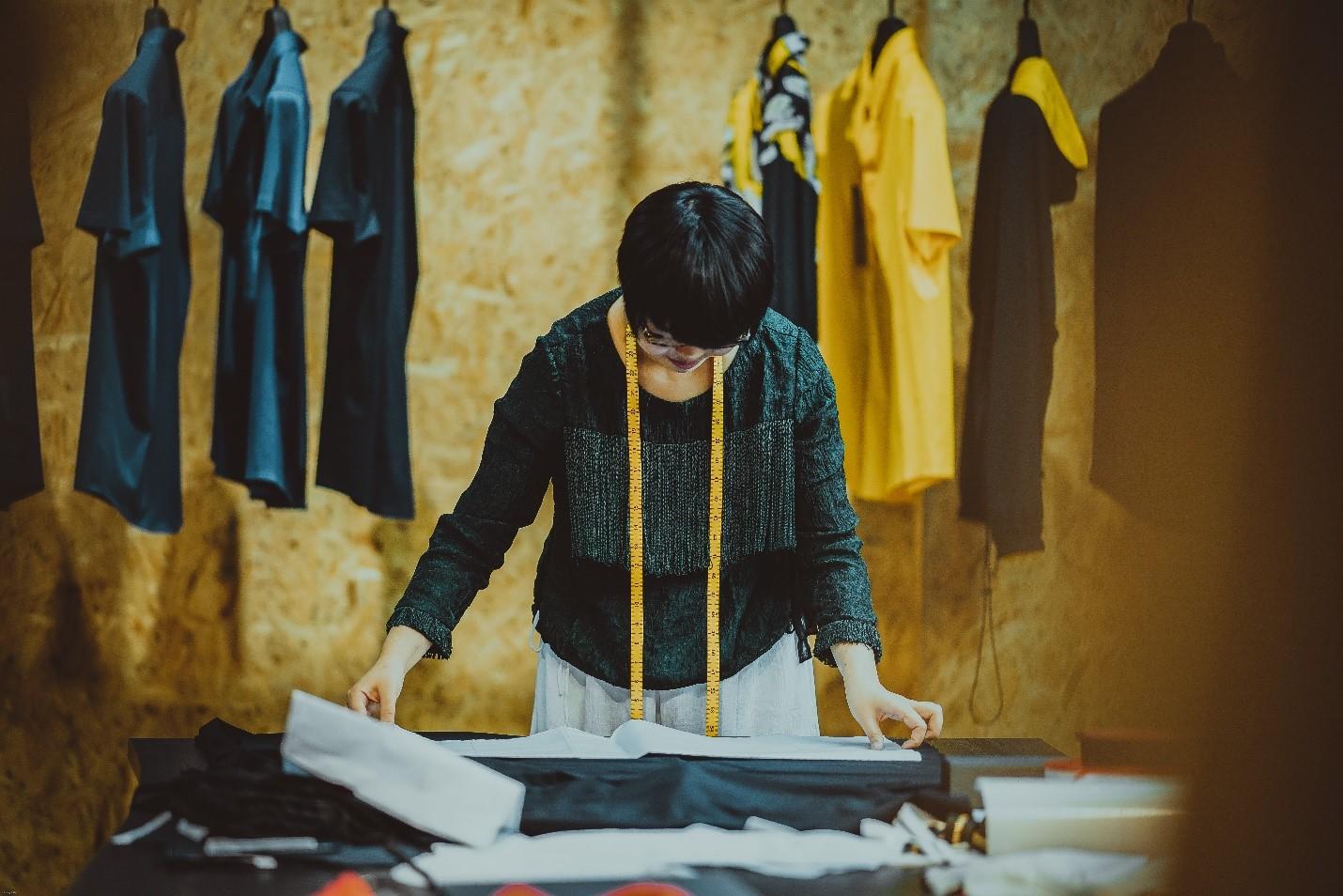
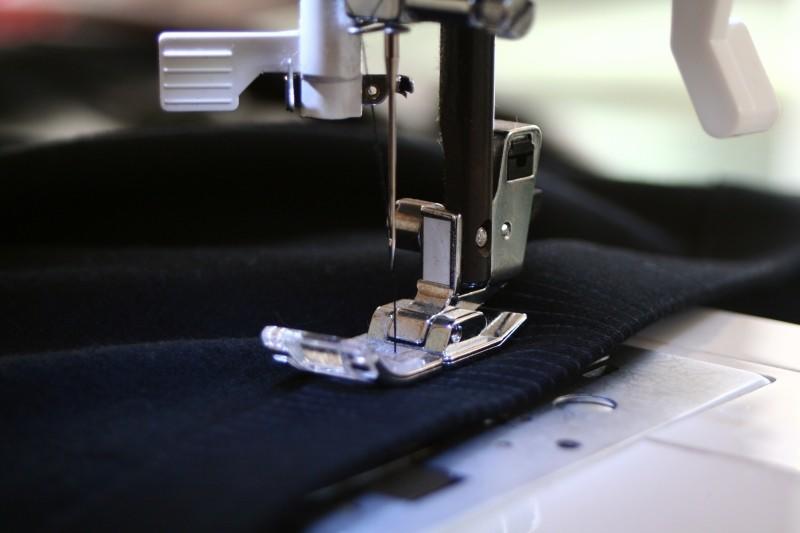
Sewing went from a household basic to a lost skill in about two generations, and people are picking it back up fast. Whether you want to hem your own trousers instead of paying someone, make clothes that actually fit, work through the quilt your grandmother left unfinished, or build a portfolio for fashion school, Superprof has teachers who will get you sewing. Book a sewing class in New York City or find a sewing teacher in Boston and you’ll be past the fear-of-the-machine stage in a session or two.
One-to-one teaching solves the specific problem with sewing, which is that most failures happen invisibly. Your seam puckers, your zip sits crooked, your bobbin tension is off — and a video can’t tell you why, because it can’t see your machine. A teacher can, usually in about four seconds.
If you already sew, lessons can move on to pattern drafting, fitting adjustments, tailoring, and finishing techniques — the difference between a garment that reads homemade and one that doesn’t.
From Straight Seams to Full Garments
Beginners start with threading, tension, straight and curved seams, and reading a commercial pattern, which is a language of its own. From there it’s zips, buttonholes, facings, and linings. Experienced sewists work on fit alterations for their own body, drafting from measurements, and couture hand-finishing.
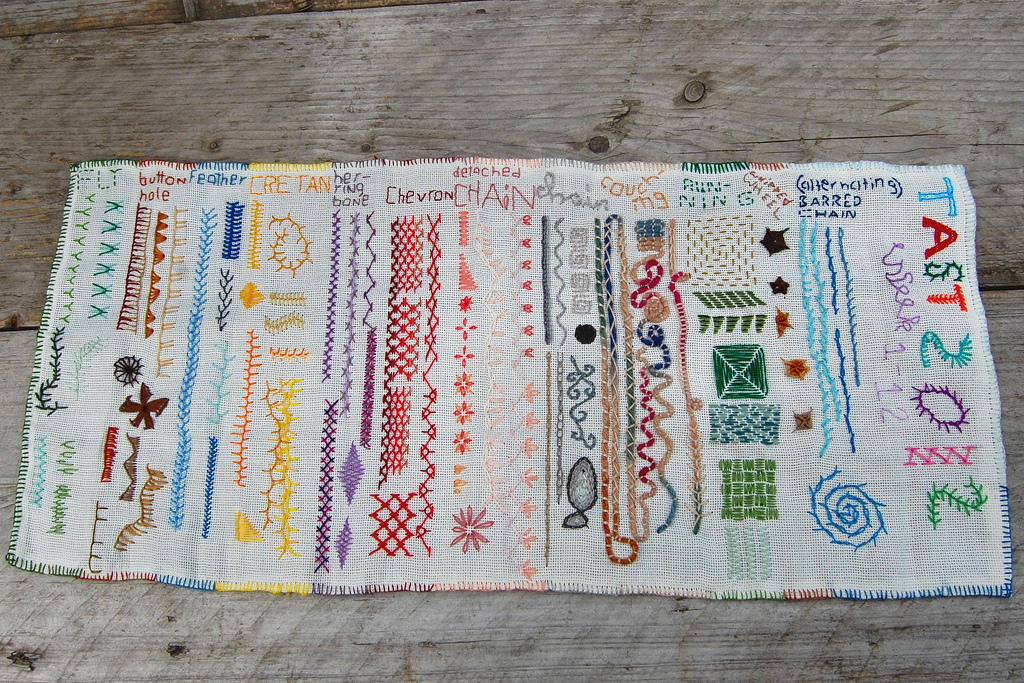
The subject is broader than dressmaking, too. Teachers cover quilting, embroidery, upholstery, bag-making, alterations, and mending, and plenty of students arrive wanting only to repair what they own rather than make anything new. That’s a perfectly good reason to take lessons. Sewing classes in Houston and private sewing lessons in Chicago both have teachers working across all of it.
Choosing Someone Who Fits Your Project
Be specific about what you want to make. A tailor, a quilter, and a costume maker have overlapping skills but very different instincts, and the right match saves you a significant amount of learning time.
A sewing teacher in Los Angeles, or whoever is nearest you, should be willing to work on your machine rather than theirs. Machines vary enormously, and learning on the one sitting in your spare room is worth more than learning on an industrial straight stitch you’ll never touch again. Expect honest guidance on equipment as well — most beginners are told to buy far more than they need.
Remote lessons work better than people expect, particularly for pattern reading, fitting feedback, and troubleshooting. With online sewing classes you can hold the garment up to the camera and get an answer immediately. You can also browse sewing teachers across the US to compare specialties and rates.