
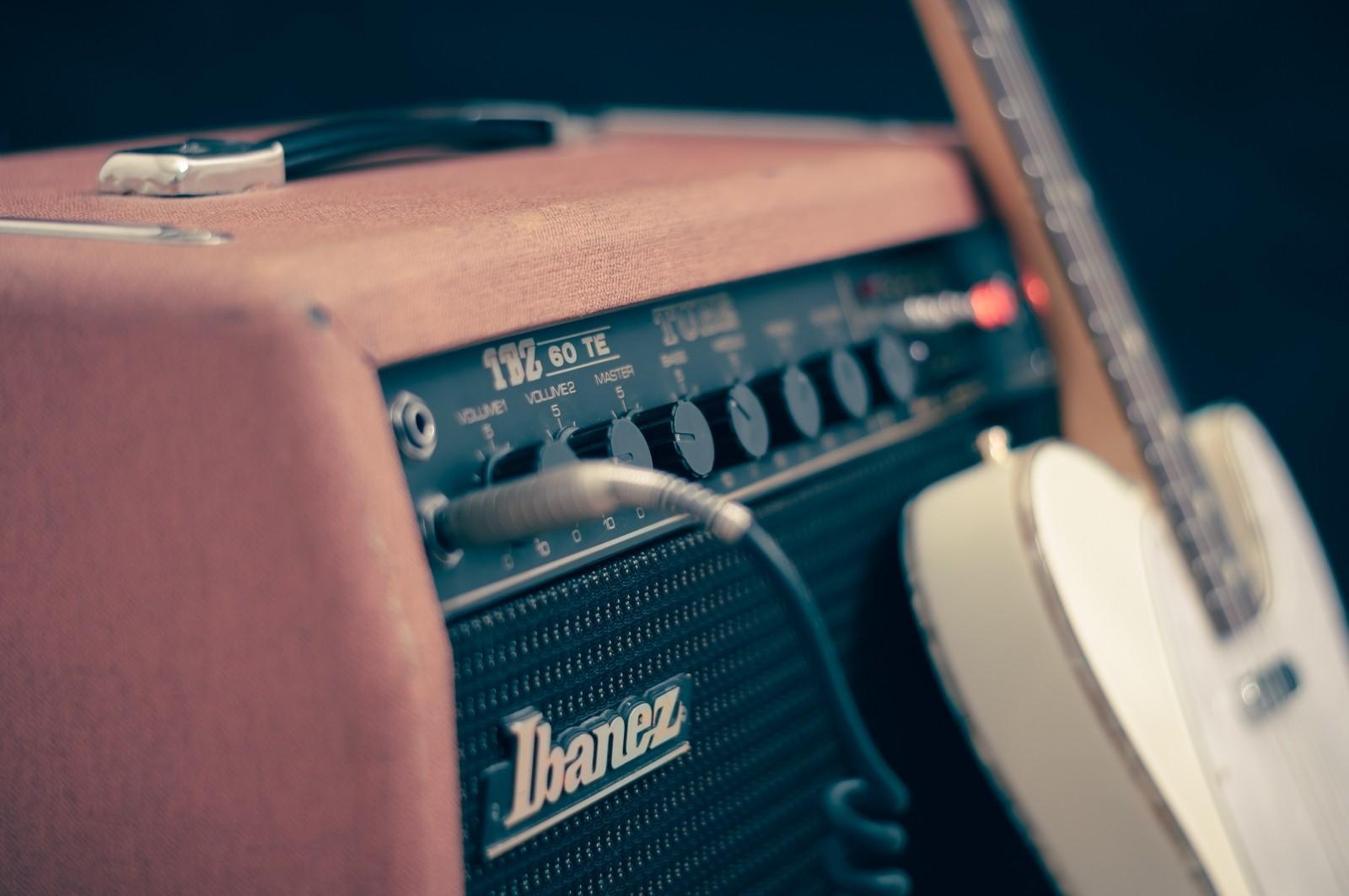

Easel, microphones, mechanics, strings, winding ... Electric guitars are composed of dozens of elements - sometimes unknown by the general public and even by amateur musicians. That’s why learning about electric guitars is crucial for being able to work with them properly, especially for situations where you’re choosing amps, adding pedals, and tweaking your tuning buttons. To learn more about your favorite instrument, let's dive into the fascinating universe of the electric guitar.



Introduction to Electric Guitars
Before you could enjoy the sound of electric guitars, you had to invent acoustic guitars. That was 3500 years ago, and it was the Egyptian singer Har-Mose's guitar.
Since then, electric guitars have greatly developed. In 1920, engineer Lloyd Loar, who worked at the Gibson Mandolin-Guitar Manufacturing Co., experimented to make the first breakthroughs in electrically amplified instrumentation.
It was then in the 1930s that the first electric guitar was marketed in the United States. Beauchamp's design was known as the "Frying Pan" because it looked like a pan with strings.
In France, people had to wait until the 1950s before being able to enjoy this fine invention. Since then, many brands have made a name for themselves in the market. These include Fender, Gibson Les Paul, Ibanez, Epiphone, and Viguier, just to name a few.
And now there are as many types of guitar as styles of music. Over time, many musicians have appropriated the electric guitar with their personal style. From blues to hard rock to jazz, pop, and rock, the electric guitar conquered the world of music.
It is impossible to overlook musicians such as Jimi Hendrix when talking about the history of the electric guitar.
He is an icon to guitar lovers, an inventor of his own style, which he created by constantly innovating through new sounds and technologies.
The same goes for Bob Dylan, who recorded his first song accompanied by an electric guitar in 1965, and bands such as the Beatles.
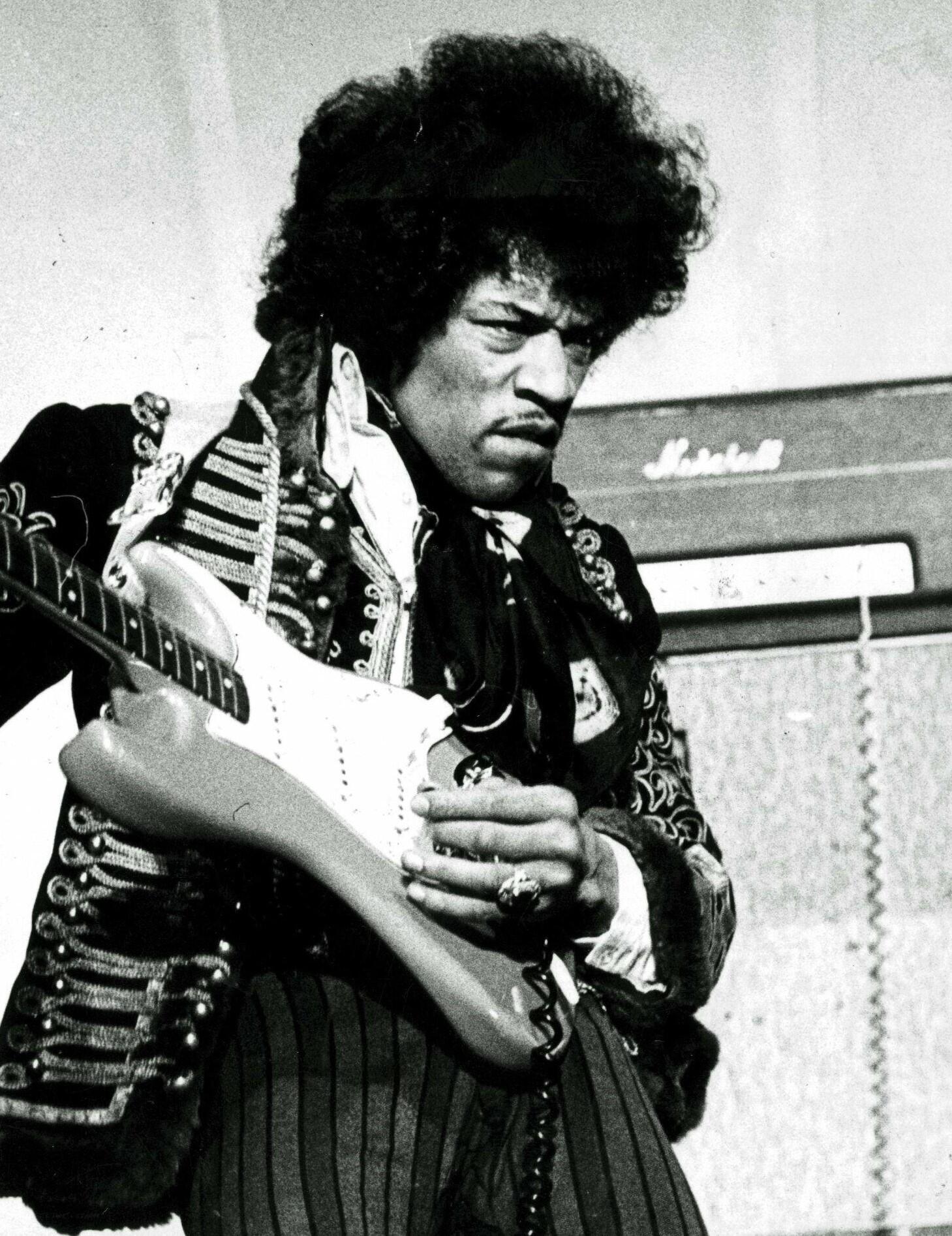
Others established themselves in this world, such as BB King, Keith Richards, Carlos Santana, Eric Clapton, and Chuck Berry.
Brief History of Electric Guitars
1800s
Players Want to Be Louder
The Spanish six-string guitar inspires musicians and manufacturers to try to make a louder instrument. Efforts are consistently made throughout the century.
1920s
Motive and Opportunity
Big Band music, recordings for phonographs, and larger concert audiences motivate makers to reinvigorate their efforts to make guitars louder.
1930s
The First Electric Guitars
Guitar manufacturers mastered the idea of combining guitars with electricity using amplifiers. These guitars were called “frying pans."
1930s
The Electric Guitar is Popularized
Critics of the electric guitar said it didn’t create an “authentic” sound. Charlie Christian, a jazz guitar soloist, popularized the instrument with his virtuoso skills.
1940s-1950s
Electric Guitar Evolution
Players and guitar makers started applying amplification to wooden “Spanish-style” guitars (the classic body shape we know and love). But the bodies were completely solid, not hollow like an acoustic guitar.
1950s-1970s
Rock n Roll
New rock and roll music makes the electric guitar the center point of the music in both sound and aesthetics. Guitar makers improve the body and tuning capabilities to meet the demands of players.
1980s
Customization
More guitar makers start experimenting with interesting body shapes, since the guitar’s sound doesn’t rely on the body shape.
1980s-Present
Ever-Evolving
Manufacturers are constantly experimenting with and improving electric guitars in terms of looks, capabilities, sound, and more.
The Anatomy of a Guitar
There are several major components of an electric guitar that you must know about when playing. Many of them are the same as an acoustic or classical guitar. Learning about the electrical components and how to arrange them with a proper amp and speaker can be the more difficult part of learning electric guitar, since it has to do with science and technology more than instrumentation. Here are the basics of electric guitar information you need to know.
| Part Name | Description | Importance |
|---|---|---|
| Head | The top part of the guitar, where the strings are attached. Also known as the 'headstock'. | Contains the tuning pegs. |
| Neck | The platform along which the strings sit. This is where most of your technical effort will be. | Contains the fingerboard - which hosts the frets. |
| Body | The main weight of the guitar, where you will strum. | Contains the pickups, the tremolo bar, the bridge, the volume and tone buttons. |
| Tuning Pegs | Holds the strings between themselves and the bridge; determines the strings' tightness/tautness. | Dictates the guitar's tuning. |
| Pickups | A device that translates the vibrations from guitarist's playing into electrical signals to be played by the amplifier. | There are typically 2 or more pickups on a guitar; each provides slightly different tones for instrumentation. |
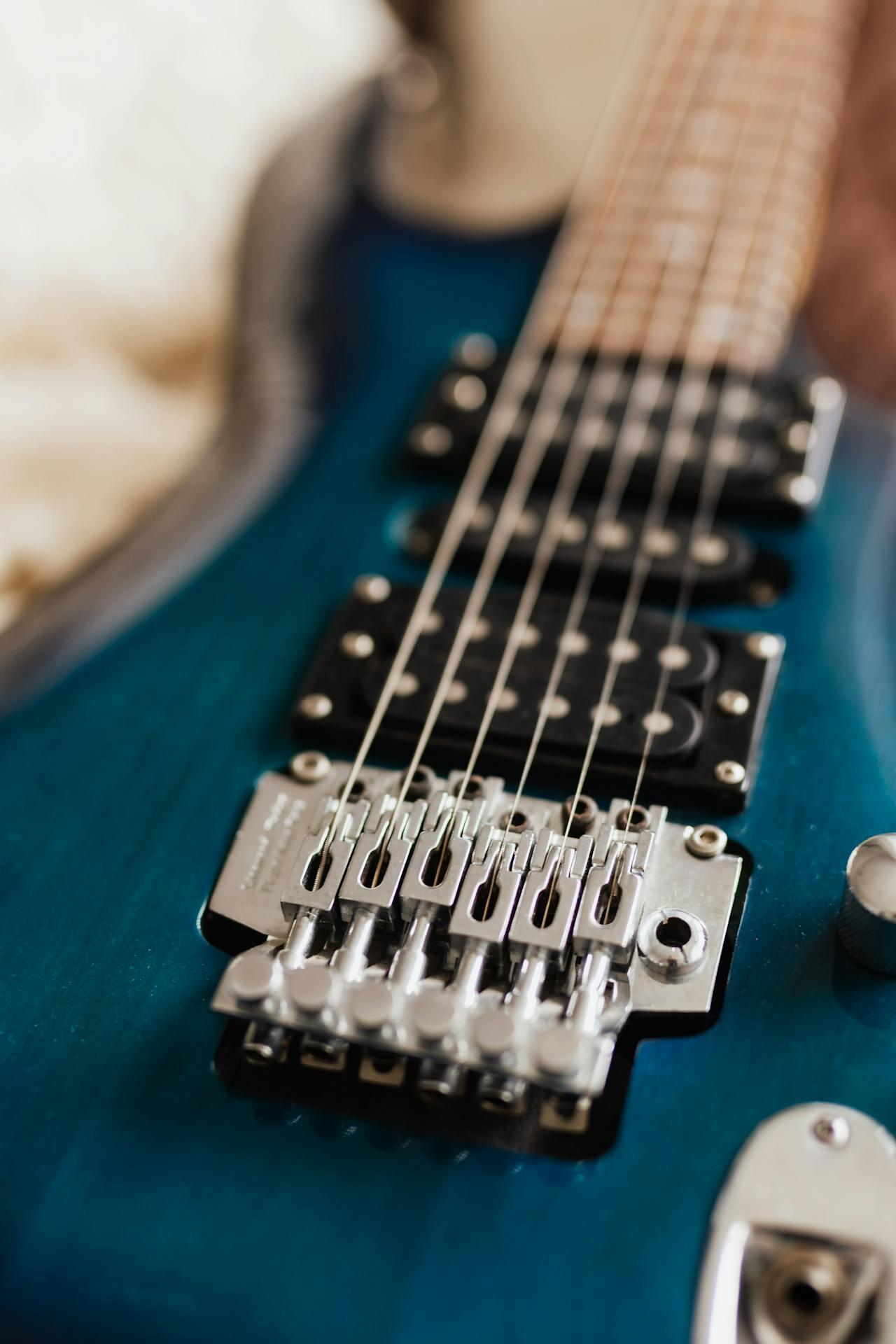
| Tremolo arm (aka Whammy Bar or Vibrato Arm) | Slightly moves the bridge to create a vibrato effect. | Critical for many types of electric guitar music. |
Guitar Body
On the body, one finds the pickups. The pickups are coiled wires that create a magnetic field, which is used to transform the vibrations from the strings into electrical impulses that can be interpreted by the amplifiers, allowing the right sound to play from the speakers.
The pickup selector lets you choose which of the pickups you want to use, since most electric guitars have between 2-4 pickups to choose from. Each pickup can provide a slightly different type of tone or sound quality. It's possible to use more than one pickup at once.
The "whammy bar" (also known as the tremolo arm) can slightly shift the bridge's position, creating a vibrato effect on sustained notes.
A belt button is installed in order to hang a strap so as to play standing up. You'll also notice a main difference between the electric guitar and acoustic guitars: the electric has a cutaway, which helps guitarists reach the highest frets on the fingerboard, thus improving the playability. Since the body shape of an electric guitar doesn't influence the sound, the cutaway is possible.
Want to get started yourself? Find guitar lessons near me on Superprof.
Guitar Neck and Head
The neck is composed, as you know, of strings, but also frets, each fret separating each of the boxes. We call this the fretboard - the space underneath the guitar strings. The larger the box, the more difficult it is to place your fingers correctly. To help players orient themselves, some guitars have landmarks, small dots that most often indicate boxes 3, 5, and 7.
On the headstock you'll find the necessary elements to tune your guitar. The small wheels are called "tuners" (composed of machine heads, tuning keys, tuning machines, and pegheads). They make it possible to turn the anchors in which the strings are wedged, so you can tune your strings.
A nylon nut separates the neck from the head of the guitar to stop string vibrations from extending into the head.
Something that distinguishes the electric guitar from classical guitars is that it has steel strings. These are much more resonant than nylon strings, as they are louder and respond better to distortion.
Amp and Speakers
Beginners are advised to start with a combo amp for ease of use until they understand more about their instrument. Combo amps contain the amp, preamp, and speakers in one unit, making it more space and cost-effective.
When purchasing an amp, make sure you bring your guitar to the store with you so you can test it together and make sure it's compatible. You'll also likely be more than capable with a lower-watt amp for most applications (around 30 watts).
The Different Types of Electric Guitar
To understand what you are looking at when thinking about different types of electric guitars, know that these are generally classified by manufacturing elements.
Electric guitars are often classified by the number of strings they have.
The most common is the 6-string, but you can also find a 7-string or 12-string guitar. There are even guitars with only 4 strings, with a much deeper tone, that are called "bass guitars". Although it is not quite the same instrument, the electric bass often goes with electric guitars.
Electric guitars can also be classified by neck types. There are three main types: bolt-on necks, set necks, and neck-through necks. They have to do with the guitar's construction, repairability, and playing style.
You can classify electric guitars by how many strings they have, what type of body they have, and what type of neck they have.
Multi-necked guitars are mainly used in concerts to avoid having to change guitars during the show. Each neck functions like a different guitar, so the player can have a wide variety of sounds readily available.
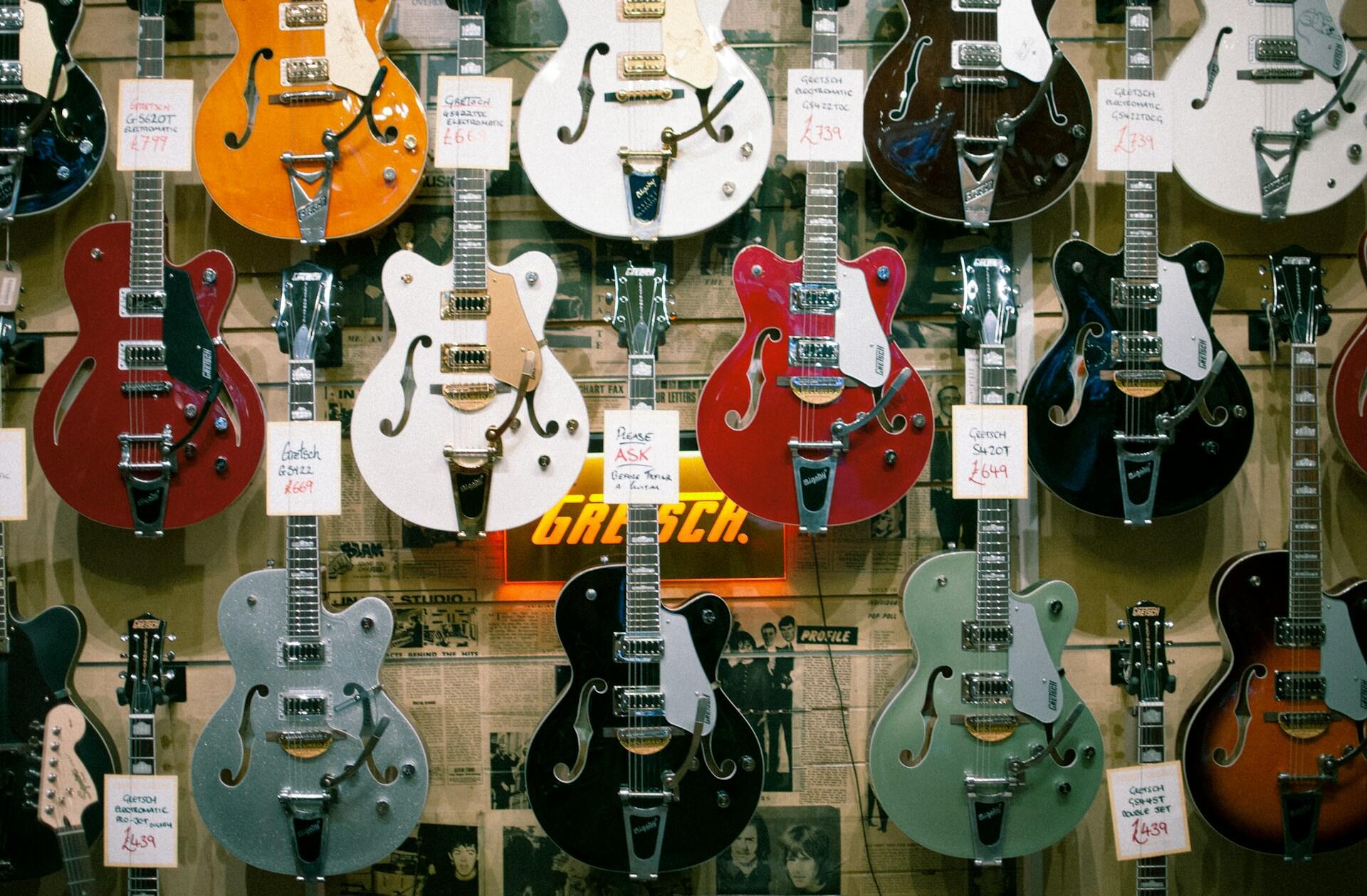
Also, pay attention to the type of body you choose. Although most electric guitars have a solid soundbox, some have a hollow body or a partially hollow body (called semi-acoustic). This adds resonance to the electric guitar's sound, perfect for jazz and blues, but not every genre.
Discover guitar lessons in Sacramento and start learning today!
Basic Techniques for Playing the Electric Guitar
Before you can enjoy all the effects that an electric guitar can offer, it is necessary to take the time to answer a couple of technical questions on how to play the electric guitar correctly.
There are several methods you can learn, and you will not be able to acquire them all at once. It is therefore necessary to start with the most common: the return trip.
This technique involves attacking all the strings of your guitar down once, then up once, like when you are strumming chords. It is a basic technique, but one that is absolutely necessary for beginners, as it has plenty of variations. This is why it is essential to know it when starting guitar lessons.
You can then learn to play the legato technique or sweeping. These are techniques that you will pick up in the future.

Want to play like the greatest electric guitarists in history? First, try watching videos of their performances that show their technique, and watch and listen closely. Once you have soaked up their style, it will be easier to reproduce it. Follow the requirements step by step to succeed and enjoy the many online tutorials.
However, nothing's worth developing more than your own personal technical skills. Each musician has their own way of playing. Learn to know yourself as a musician, and you will be able to find your own rhythm.
Learning how to play the electric guitar can be difficult, which is why learning with a teacher can be the best way forward, especially for beginners. Try working with a private electric guitar tutor for guitar lessons online or in-person on Superprof!

The Sounds and Effects of an Electric Guitar
Many tools can allow you to create new sounds or effects with an electric guitar.
Using your guitar amp or pedals, you can reproduce the sound effects and tones of your greatest idols. Korg, Mesa Boogie, reverb, modulation ... it's all up to you!
It should first be understood that your tonal quality will vary depending on the guitar you're playing. The length of the neck and the pickups settings, plus your playing style, will cause different qualities in the sound.
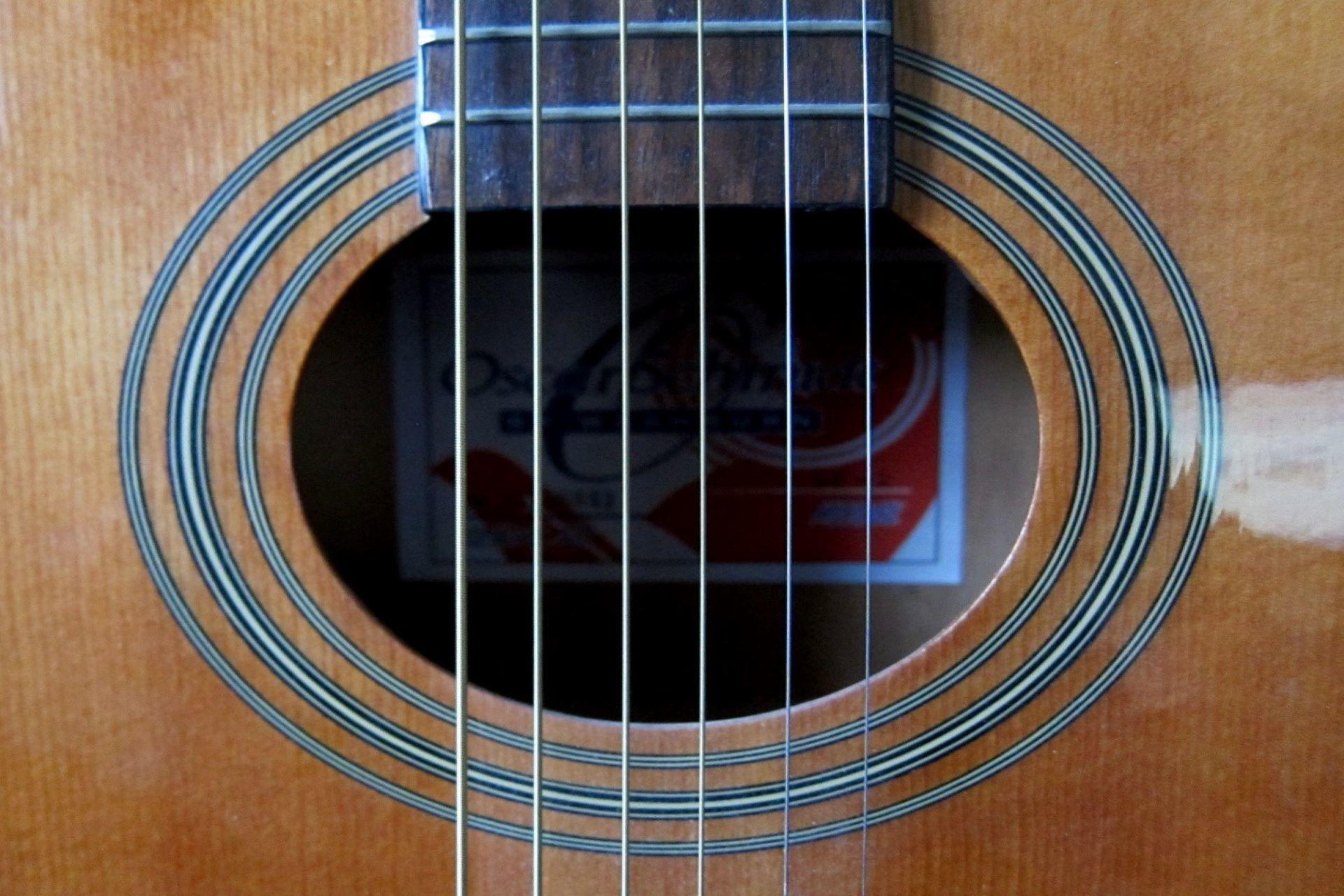
Be sure to maintain your guitar and change the strings regularly. Strings relax and oxidize over time. The sound may then change from what you were getting when you first installed them.
As the guitar is designed to be amplified, you will also have to choose the right amp. Without amplification, your electric guitar will not function properly as a musical instrument.
Amps, pedals, and speakers will help you obtain the sound effects desired on the guitar by moving around the buttons between the tremolos and the reverberation. It is up to you to judge which effects you want to add to your guitar. You can also use overdrive and distortion or saturation.
Consider amp brands such as Marshall, Fender, or Vox. This last brand was used in particular by groups like the Beatles, The Queens, and The Shadow. They ensure a better output sound quality.
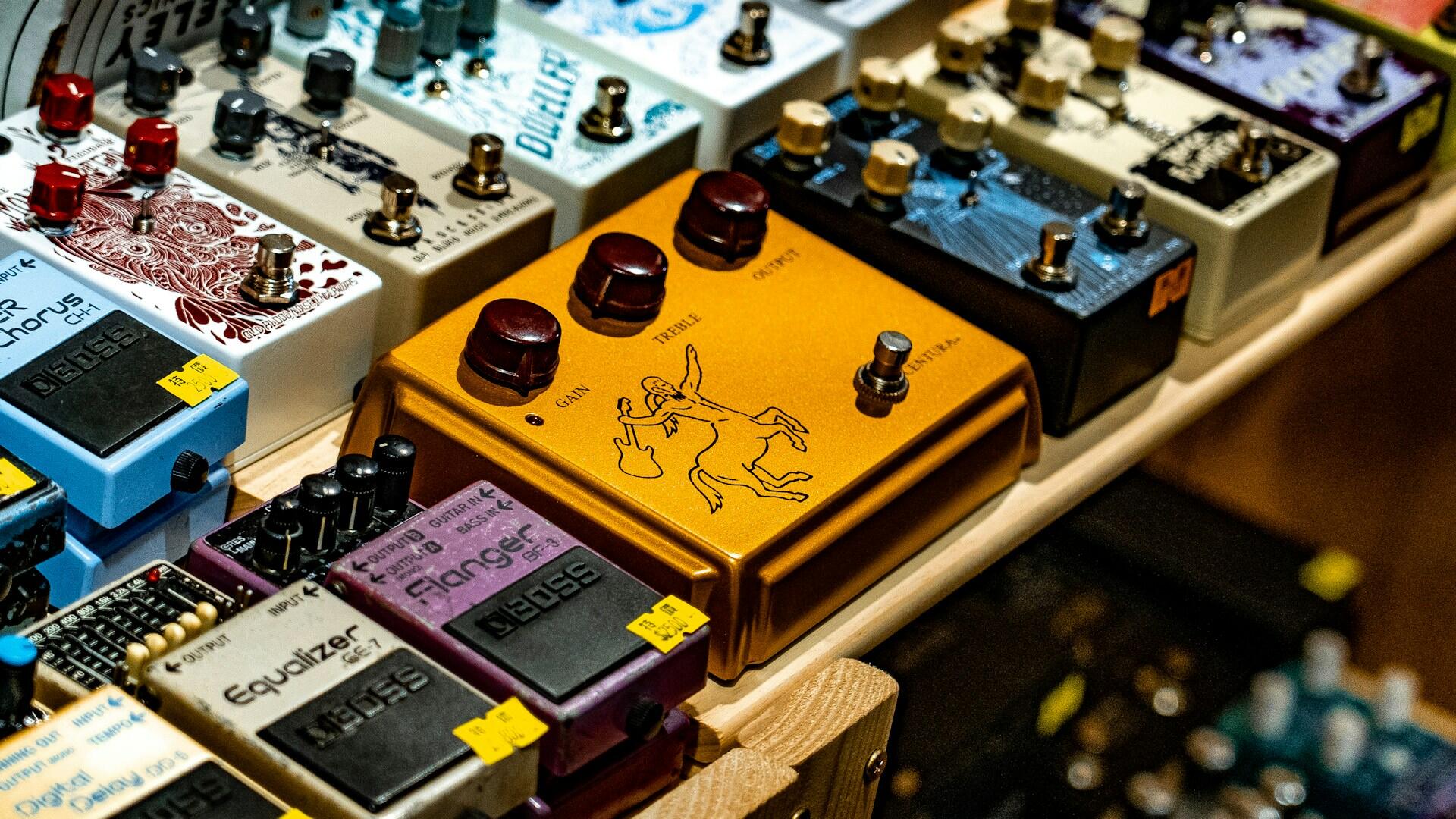
Sound can also be transformed with small boxes: pedals are installed between your guitar and your amp using jack cables. They're called this way because the guitarist can control them directly with their foot, and they do not hinder playing.
Two kinds of pedals are available. If you play very rarely outside your home or apartment, there's no need to get more than a couple of pedals.
On the other hand, if you're a professional player with lots of different musical styles to incorporate in your playing, consider the multi-effects pedal. It is a bigger case than a simple pedal, but it will make your life easier.
You can then find effects like:
- Reverb
- Chorus
- Fanger
- Wah-wah
- Vibrato
- And many others
These will be enough to play like Jimi Hendrix, who regularly used the wah-wah and octavia effects. Or you can try to imitate Pink Floyd or U2, thanks to the Delay effect.
Learning how to play the electric guitar requires dedication. First, you must learn how to play the actual guitar itself, from the basic techniques to the advanced playing styles that make you a unique musician. Then, you must understand how to use the electric guitar's distinct features, like pickups and the tremolo arm, to take full advantage of the instrument. Finally, you'll need to understand amps, speakers, and pedals.
All this can be overwhelming for a new student, which is why many electric guitar learners choose to practice with help from a teacher. Your teacher can tell you what to know about electric guitars and help you learn everything from the basics to advanced techniques. Find your perfect guitar teacher on Superprof today!
Summarize with AI:
Did you like this article? Leave a rating!


 Loading...






I can you will listen