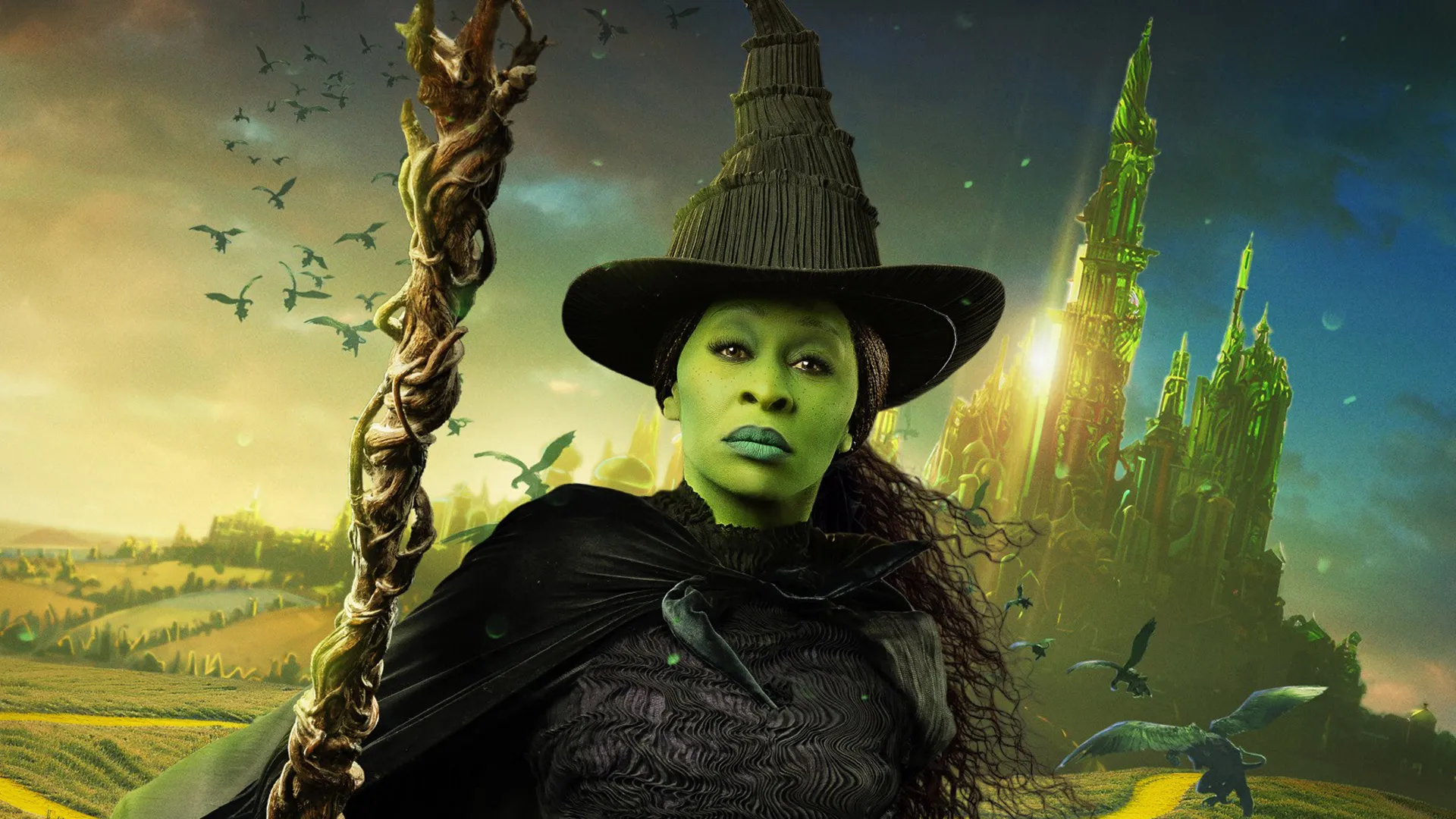

Elphaba Thropp is one of the most interesting character reinterpretations in modern fiction. Her original story in The Wizard of Oz brands her as a villain, but Gregory Maguire’s novel, Wicked: The Life and Times of the Wicked Witch of the West, shows us an alternative viewpoint. The story challenges our preconceptions of good and evil, showing how perception and persuasion can shape a person’s entire legacy. Wicked gives intriguing insight into the backstory of a misunderstood heroine.



Origins and Significance of Her Name
Maguire adapted the story, world, and characters developed in L. Frank Baum’s original fairytale and subsequent film adaptation to create Wicked. His retelling turns Elphaba into a much more layered and multifaceted character with a complete personal history. She becomes a young woman trying to make sense of a world that rejects her before she has the chance to prove who she is.
Let’s explore the reasons why Maguire chose to approach his retelling of Elphaba’s history this way.
Literary Creation
The name “Elphaba” did not exist in earlier versions of Oz. Maguire created it for his novel using the original author’s initials: L.F.B. Phonetically, they sound like “El-fa-ba.” This homage to the original story shows Maguire’s dedication and respect for Baum’s narrative.
No good deed goes unpunished.
Elphaba (musical)
In Maguire’s book, Elphaba is a fully realized character with a childhood and a past, personal experiences and opinions, and a strong personality and conviction. She has also been shaped by the world around her, including her parents, the treatment she received from others her whole life, and the world’s politics.
In the musical and film, some of the darker and more intricate political elements of the novel were softened for a better screenplay.
The Symbolism of Green Skin
In Wicked, we learn that Elphaba is born with green skin, a trait that defines her life.
It sets her apart, invites rejection, and becomes the reason her father treats her with distance and fear. Worried that Nessarose might be born the same way, he pressures Melena to take milkflowers, leading to Nessarose’s disability.
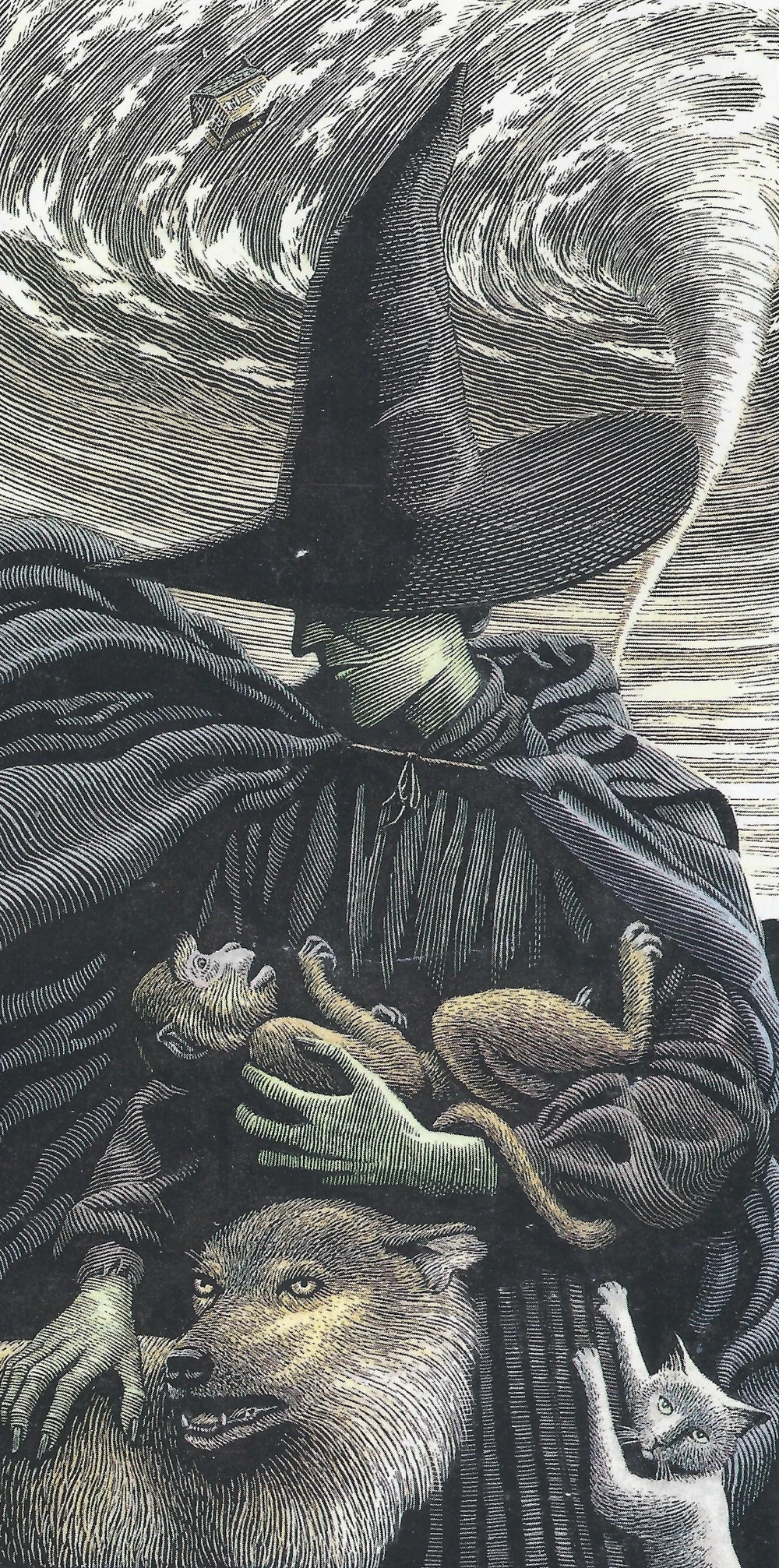
Another symbolic weight of green skin is “other-ism.”
In Oz, Elphaba is treated with prejudice because of her skin color.
This is an obvious parallel with racism in real society, but the metaphor extends to any difference that causes people to be treated differently by their peers, society, or the system.
However, Elphaba’s green skin becomes a symbol and source of strength over time.
She learns to embrace it and eventually define what it means in her own terms.
It represents the power that sets her apart from others, as well as her refusal to conform, even when doing so would make her life easier.
Above all, the green skin proves that the label “wicked” is placed upon her by others who fear what they cannot control or understand.
Elphaba’s Journey in Wicked
Maguire does a great job of fleshing out Elphaba’s character to make her more sympathetic. We come to understand that she is not the antagonist; we’ve just been tricked into thinking she was through careful orchestration by others. Elphaba’s history is highly relatable to many, making her characterization much richer.
The book and the musical contain different depictions of Elphaba and the events in her life, sometimes differing greatly. The movie aligns more or less with the musical, with fewer changes.
Early Life and Challenges
Elphaba is the oldest child of Governor Frexspar Thropp and Melena Thropp, a Munchkinlander noblewoman. From the moment she was born, they had a complicated relationship. Her father saw Elphaba’s green skin as a personal failure on his part and didn’t hesitate to pass his frustration onto Elphaba directly.
This tension in the household set a foundation for Elphaba’s personality. Neither parent was happy to have her as their child.
She grew up feeling fundamentally flawed and learned to rely on herself, be a quiet observer, and question things that others accept. To protect herself, she learned to be prickly to others, rejecting them first before they have a chance to reject her.
She puts on a front that she doesn’t want to fit in, but under the surface, she wishes she could belong somewhere with people who accept her.
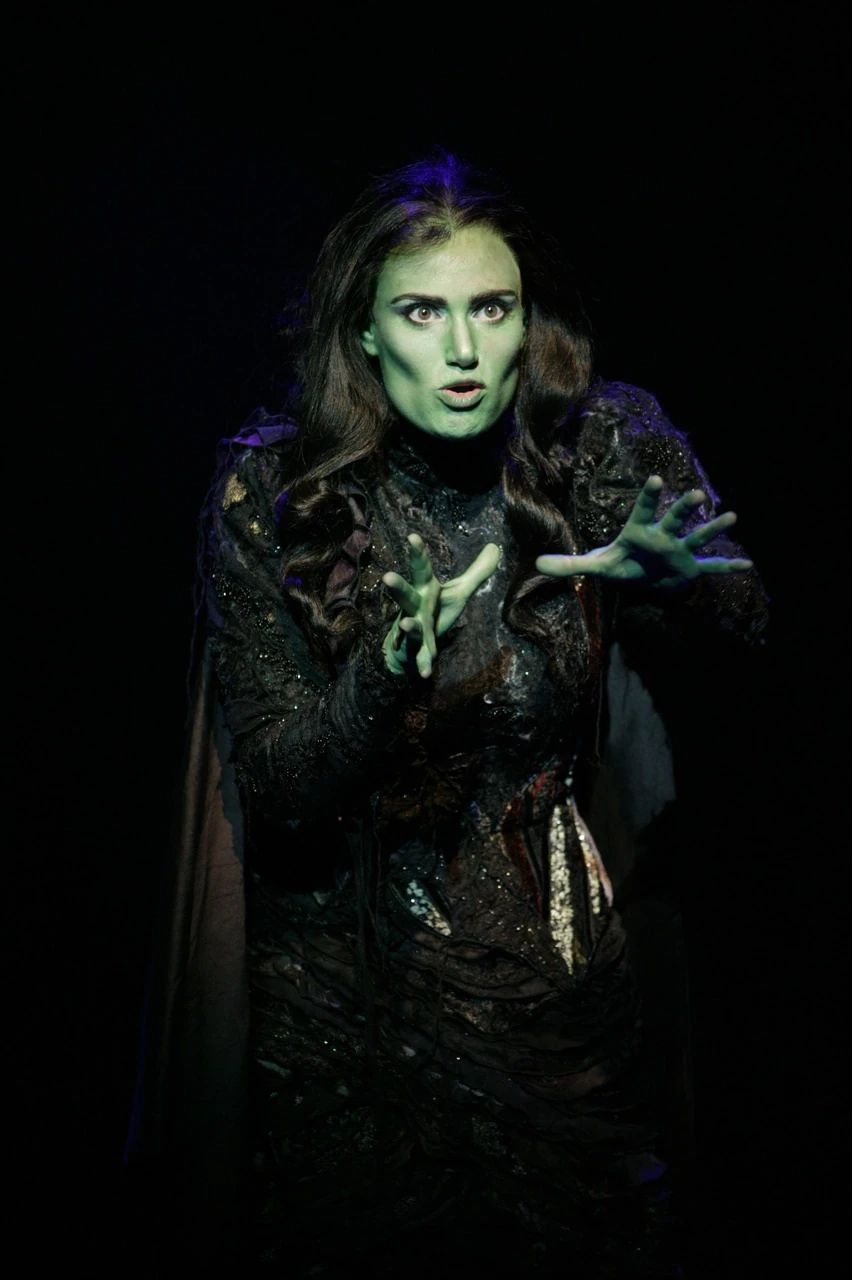
In the Book
Elphaba’s mother, Melena Thropp, was somewhat affectionate but was overwhelmingly ashamed of her daughter, refusing to let her socialize with other children for most of her childhood. This stunted Elphaba’s social skills, among other things. When Melena finally let her play with others, they were horribly cruel to her.
Elphaba was clearly the victim of her circumstances, which caused her to have an uncrackable hard shell and explain her dark actions later in the Maguire novel.
In the Musical
Elphaba has a better relationship with her younger sister, Nessarose Thropp. She cares deeply for her sibling, but understandably holds a bit of resentment deep down. Nessarose is the clear favorite child, providing even more clarity for Elphaba about how much she is disliked. Nessarose’s disability also means Elphaba has to help her a lot, making her feel both like a servant and shameful for feeling that way.
Elphaba has more hopeful interactions, especially with the nanny, that show how she can break through her childhood wounds to become the strong protagonist we see in the stage play and movie.
In Maguire’s novel, there are a few major differences in the story, especially about the details in Elphaba’s life. Melena dies in childbirth later on with a third child, a son (Shell), rather than Nessarose. Nessarose is born without arms rather than being paraplegic. Elphaba and Glinda are more morally ambiguous in the book, but are made to fit more straightforward characterizations on stage. (Just to name a few!)
Friendship with Glinda and the Shiz Years
When Elphaba arrives at Shiz University, it’s the first time she has an opportunity to participate in something as important and formative as education. There, her green skin causes all the other students to immediately be wary and hostile. At the same time, she is exposed to all sorts of new ideas and becomes more politically aware, especially about the sentient Animals of Oz and the rising tensions regarding their rights. Elphaba feels acutely aware that she must do something about the injustice because it hits so close to home.
They need someone to be wicked—so that you can be good.
Elphaba (movie)
Madame Morrible becomes the first person to show any kind of acceptance and excitement about Elphaba once her magical power becomes apparent. Morrible suggests she might even help the Wizard one day, giving the young witch a sense of purpose she never imagined before.
Through a mishap, Elphaba is paired up with Galinda (Glinda) to be roommates. Over time, she also makes semi-friendships with a few other characters, such as Fiyero and Pfannee of Phan Hall.
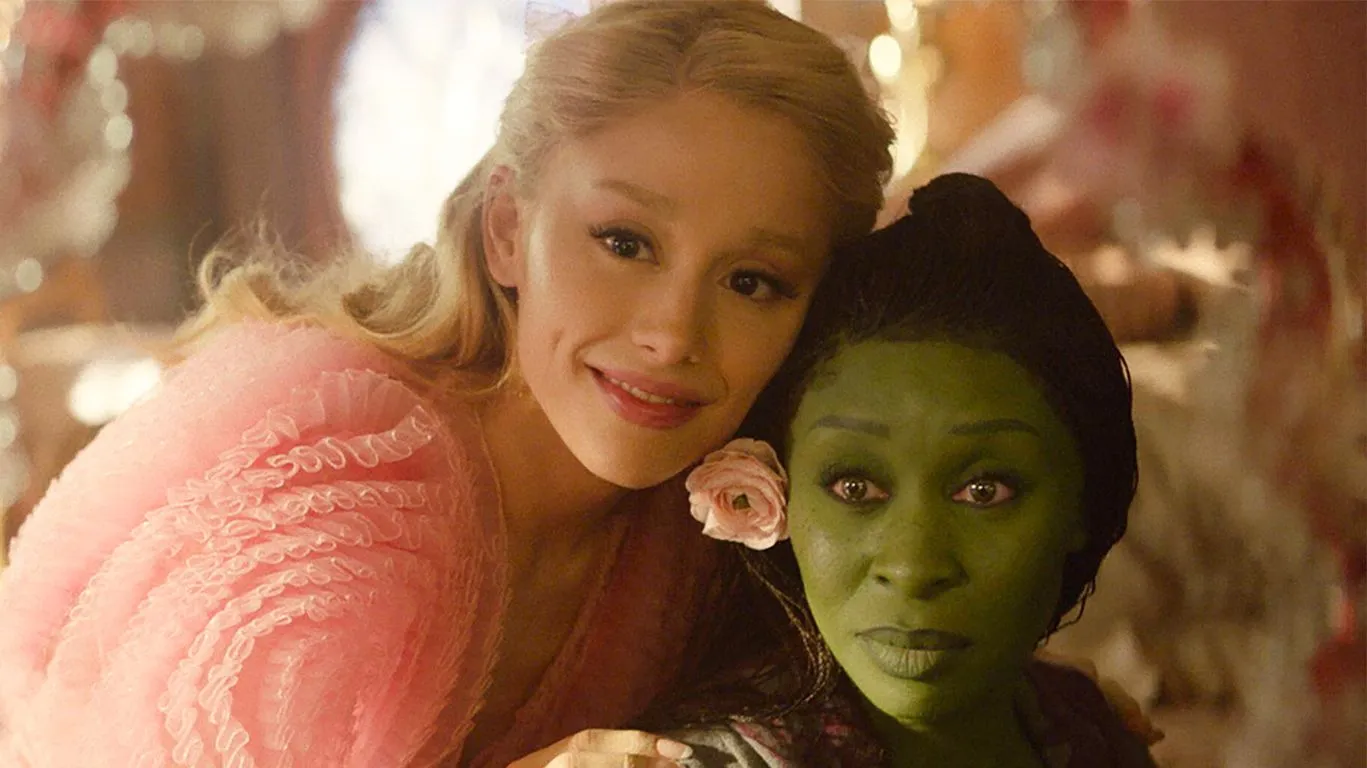
In the Book
The two witches, Elphaba and Glinda, are opposites. Eventually, they form a friendship and work together in their schooling towards similar goals. Both, plus Nessarose, are approached by Madame Morrible to become Adepts of Magic, trainees who seek to later assist the Wizard.
Eventually, Elphaba and Glinda travel to the Emerald City to meet with the Wizard. There, Elphaba tries to connect with the Wizard about Animal rights, but finds he is actually the one creating the oppression in the first place. Here, Elphaba and Glinda part ways, as Elphaba decides to quit Shiz and become a member of the resistance against the Oz government. Glinda returns to school and plays a much smaller part in the story from here on.
In the book, Doctor Dillamond, the goat professor, dies in an “accident” (hint: it was actually murder). This darker fate helps solidify Elphaba’s resolve to fight against the Wizard and seek justice for the Animals.
In the Musical
Glinda and Elphaba learn valuable lessons from one another, becoming more well-rounded, better people as a result of mutual empathy. This relationship is used to reinforce why Elphaba’s arc in the musical plot differs so much from the novel; she cares for others and develops more emotional depth.
When Elphaba eventually takes a stand against the Wizard and their paths diverge, Glinda continues to wish Elphaba well even though she chooses to remain in the comfort of doing what’s expected. The musical shows more about Glinda’s story at this point rather than focusing solely on Elphaba.
Glinda is used as a way to compare and contrast the two witches and make audiences think more about relationships, empathy, and conviction.
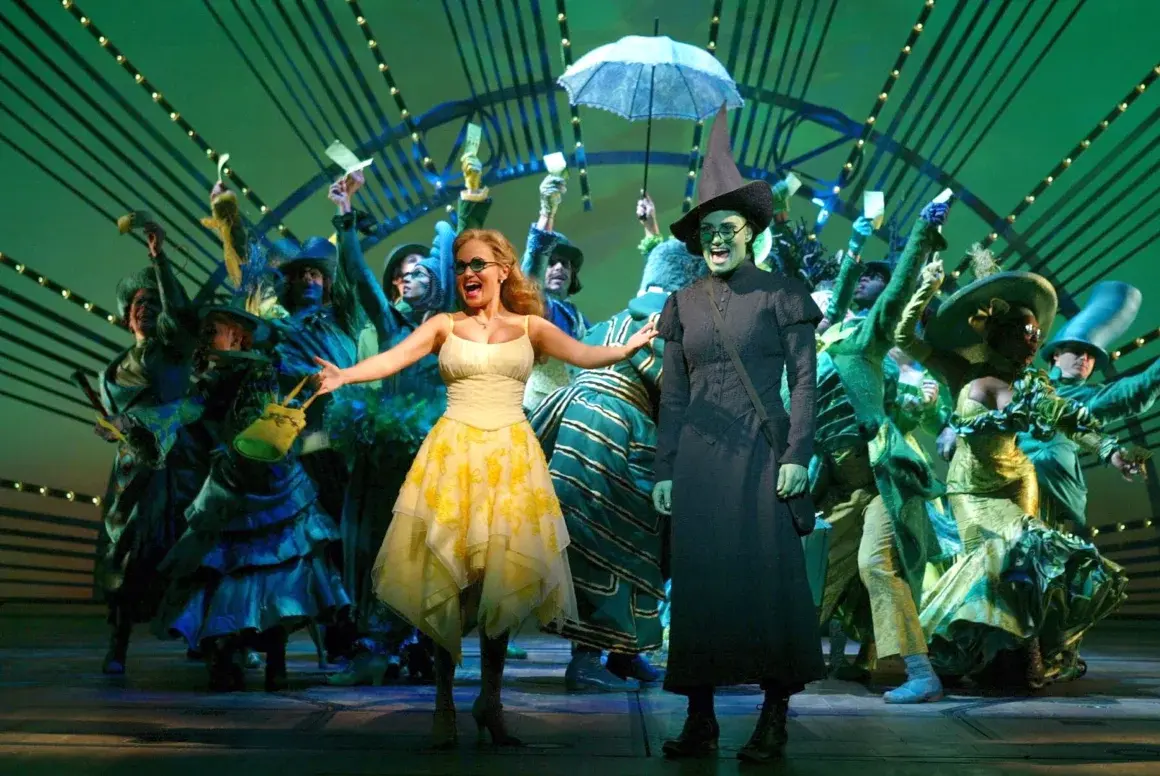
Defiance Against the Wizard
Elphaba’s defining moment arrives when she travels to the Emerald City and discovers that the Wizard is not the benevolent leader she imagined. She sees firsthand how he manipulates the truth and uses propaganda to maintain control with the help of Madame Morrible. She realizes that his policies are stripping Animals of rights and silencing anyone who challenges his authority.
In the Book
Elphaba quits Shiz and hides out in the Emerald City for five years, joining a terrorist resistance group that uses violence to try to topple the Wizard’s government. She becomes one of the most notorious public enemies. Her motivations mirror Madame Morrible; she is willing to do bad things in the name of her “greater good.” The time period between this part of the story and Elphaba's death at the end spans about 20 years in the book. In that time, Elphaba:
In the City
Reconnects with Fiyero; the two fall in love
Fiyero is murdered by the Wizard's forces
At the Mauntery
Elphaba breaks from the loss of Fiyero and retreats to a monastery
Elphaba falls into a year-long coma and gives birth to a child while unconscious
She awakens and doesn't fully believe the child is hers. She also takes a vow of silence.
At Kiamo Ko
Elphaba decides to go to Fiyero's domain and seek forgiveness from his wife, Sarima
Elphaba meets several animal companions, including Chistory
She finds the Grimmerie and learns more about her magic power
Dorothy's Arrival
Elphaba goes to the scene of Nessarose's death and briefly reunites with Glinda
She quickly cuts ties with Glinda when she finds out she gave away Nessarose's slippers, the one memento Elphaba has to remember her sister by
Elphaba confronts the Wizard
He captured and tortured Sarima and the children
She finds out the Wizard is her biological father
She cannot accept this as truth
Dorothy meets Elphaba and accidentally kills her
Dorothy doesn't want to harm Elphaba. She tries to put out a fire on Elphaba's robes with water, not knowing that the witch is deathly allergic.
The novel is so different from the musical that most fans don’t know it at all. This is because Maguire wasn’t trying to tell an inspiring story about good vs evil and overcoming personal challenges to become a self-confident hero. He was trying to tell a story that every single person is full of nuance and challenging complexity. Elphaba also doesn't have a satisfying life; it's full of regrets and poor behavior, showing that even though we should be more empathetic towards her, it doesn't make her perfect.
Life has been very hard. If you can hear me when I cannot hear myself ...you could help me do no harm in this world. That's all I want – to do no harm.
Elphaba (novel)
In the Musical
The Wizard manipulates Elphaba into creating a flying monkey, revealing his true intentions. When she refuses to work for him, she becomes a fugitive and is branded “the Wicked Witch of the West.” Unlike the novel, she stays grounded and focused on helping her friends and defending Animal rights. She joins Fiyero in resisting the Wizard, but the musical removes the darker events of the book. Instead, it highlights a central idea: doing what is right even when the cost is personal. Her rebellion becomes a sign of moral courage and integrity. She isn’t a villain, but someone punished for refusing to support a corrupt system.
In the end, she escapes Oz by faking her death when Dorothy pours water on her.
Elphaba’s Legacy
Elphaba is most known for her inspiring story in the musical and film. In the book, it’s much harder to be inspired by her (or any of the characters, really). So, we will focus on the inspiring messages in the story and the talented actors in the performance adaptations.
Portrayals in Media
Since the premiere of the Wicked musical in 2003, many actresses have shaped her legacy through performance.
Idina Menzel originated the role on Broadway. Her incredible vocal performance, plus her fierce acting choices, helped define the tone and sound of the musical. Especially notable is her singing in “Defying Gravity,” which became the iconic song associated with Elphaba and the musical in general as well. Menzel won a Tony Award for the role, solidifying Wicked, specifically Elphaba, as a prominent character in modern musical theater.

In London’s West End, Kerry Ellis became known for her powerful vocal interpretation and grounded approach to the character. Her performances expanded Elphaba’s popularity and helped the musical build a strong global fan base.
In the recent film adaptation of Wicked, Cynthia Erivo stepped into the role. Fans praise her performance for her incredible vocal talents and acting choices. Her version brings a cinematic dimension to the character, powerfully adapting Elphaba’s emotions and struggles to a new medium. Her performance has helped many audiences who have not seen the stage version become fans of the story.
Influence on Popular Culture
Elphaba’s evolution from “villain” to protagonist makes the character iconic in contemporary theater and beyond. She has become a symbol of misunderstood characters and people who challenge authority. Many viewers can relate to her struggles with being accepted and being afraid to stand up for their beliefs. Her ultimate move to stay true to her convictions and feel self-worth, even though it means disobeying the harmful power structures trying to control her, can inspire audiences to make positive changes in their lives.
Yes. She is labeled as such by the Wizard and Madame Morrible after she refuses to join them in their quest for control at the expense of the people. In the book, she goes on to perform harmful acts, solidifying her reputation. But in the musical and film, the label is purely fabricated.
Her story also reminds audiences to reflect on how narratives shape public opinion; perhaps they have been perpetrators in believing a false, harmful narrative about someone else? The idea that a person can be labeled “wicked” because of fear, bias, or political convenience mirrors real-world issues.
Wicked highlights the depth of friendship using Glinda and Elphaba, showing how meaningful bonds can grow through conflict and empathy. The bond between Elphaba and Glinda remains one of the most recognized portrayals of female friendship on stage.
Elphaba’s lasting impact reflects universal themes of belonging, integrity, and self-worth.
Summarize with AI:
Did you like this article? Leave a rating!

 Loading...